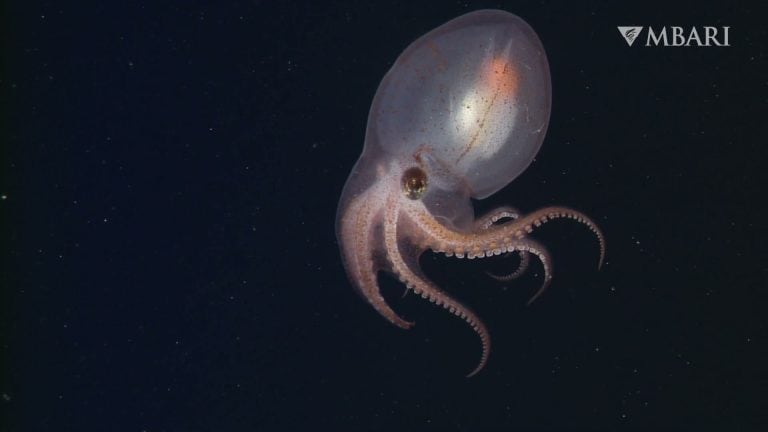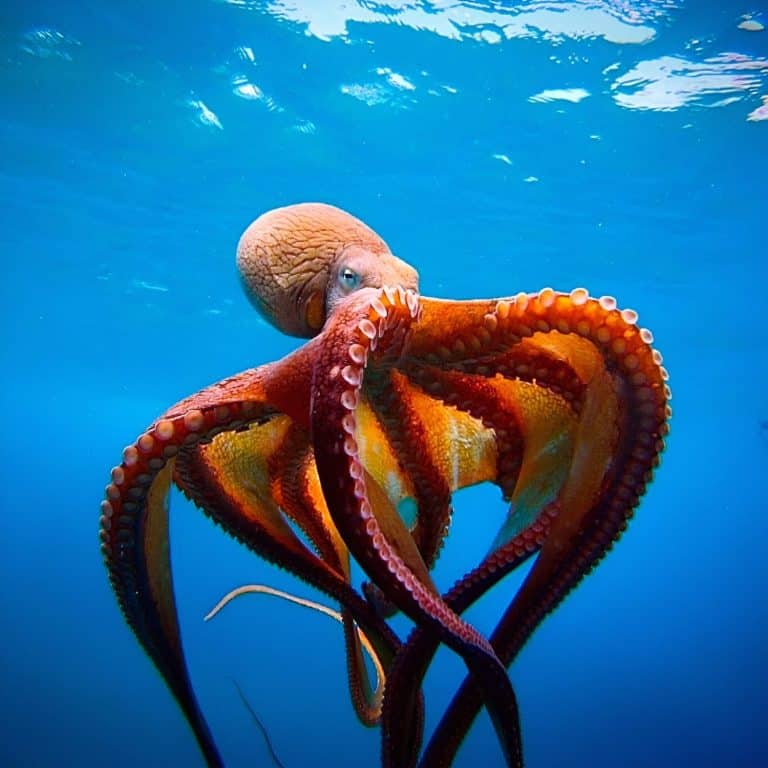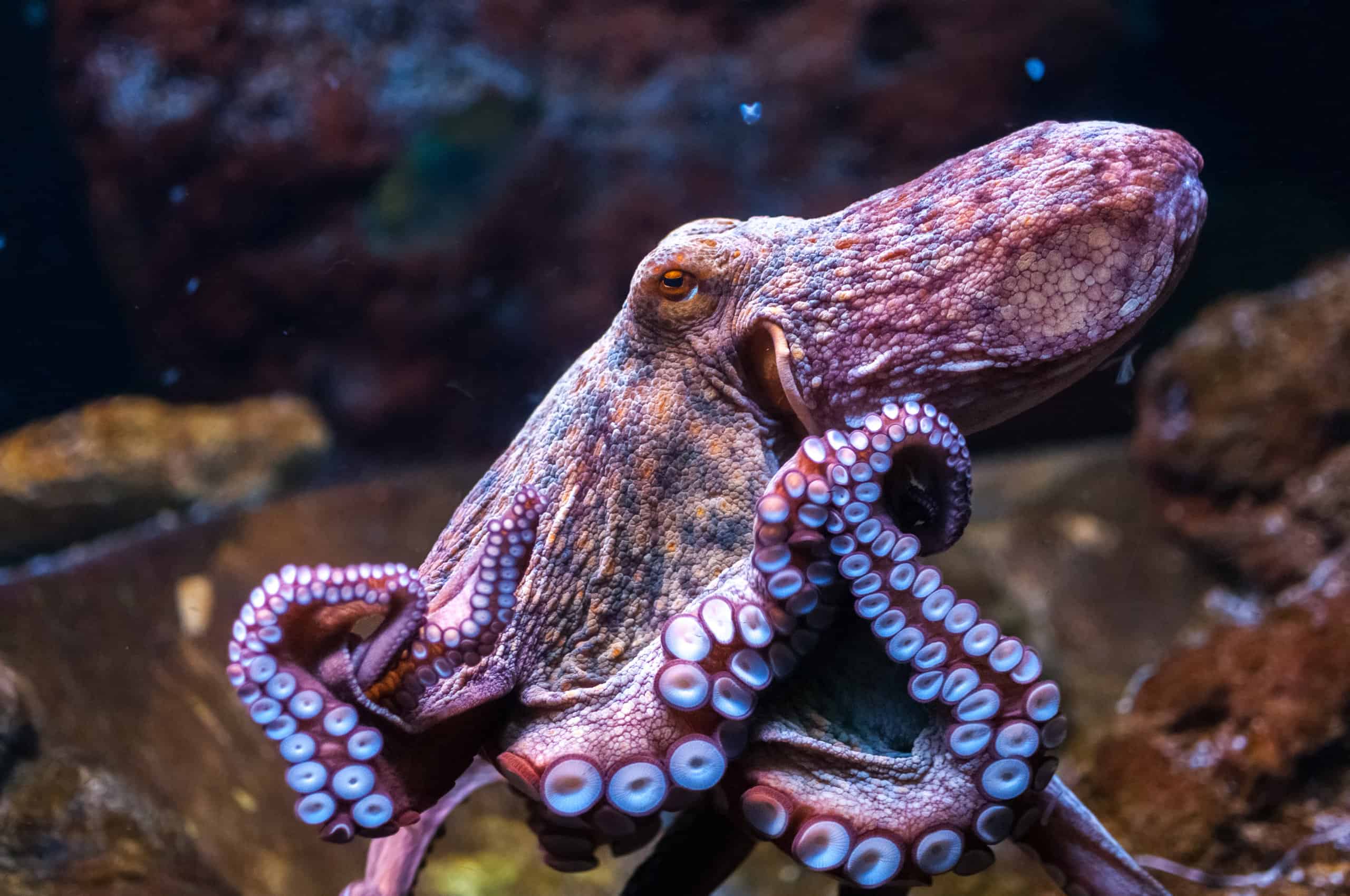

Quick Take
- A sleeping octopus can cycle through full-body color changes without waking up, and scientists now have a 2023 brain study that hints at why. See the 2023 brain study →
- Octopus skin does something far stranger than just change color, and the mechanism behind it is more complex than most people imagine. Explore the full mechanism →
- Scientists can watch an octopus flash wild patterns in its sleep but still can't answer the one obvious question everyone asks. See what scientists can confirm →
- The marine biologist's guess about what Heidi was dreaming isn't as far-fetched as it sounds, and her actual diet makes it oddly plausible. Check Heidi's actual diet →
Octopuses can change color while hunting, hiding, communicating, and reacting to the world around them. Apparently, they can also put on quite a show while they sleep. In the remarkable video below, a sleeping octopus named Heidi shifts through a series of colors and skin patterns without waking up. Marine biologist David Scheel playfully narrates the sequence as though she might be dreaming about spotting, catching, and eating a crab. We cannot know whether that is actually what is happening inside her head, but research now shows that sleeping octopuses really do enter an active sleep stage marked by dramatic changes in color and texture.
Is This Octopus Actually Dreaming?
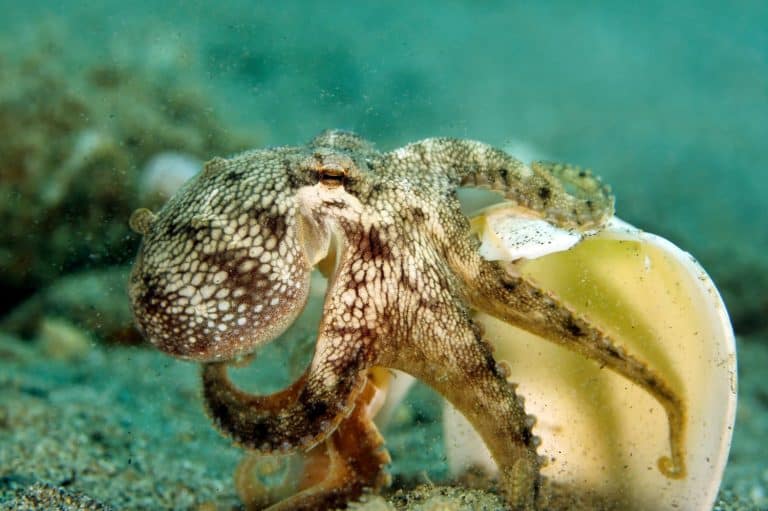
The octopus in the clip is Heidi, a female day octopus featured in the 2019 PBS Nature documentary Octopus: Making Contact. While she sleeps, her normally pale body suddenly cycles through darker colors and complex patterns. Scheel suggests one possible interpretation: perhaps Heidi is replaying the experience of spotting a crab, leaving the seafloor, capturing it, and then camouflaging herself while she eats.
It is a fascinating idea, but it remains an interpretation rather than proof of an octopus dream. Scientists cannot look at a particular color pattern and determine exactly what a sleeping octopus is experiencing. What researchers have confirmed is that octopuses experience at least two distinct sleep states. During quiet sleep they tend to remain pale and relatively still. During brief periods of active sleep, they can rapidly change color and skin texture, move their eyes, twitch their bodies, and display skin patterns that resemble those used while awake.
A 2023 study went even further by recording brain activity during these periods. Researchers found that the animals’ brain activity during active sleep resembled their waking state, including activity in regions associated with learning and memory. That makes the possibility of dream-like experiences especially intriguing, but scientists still do not know whether octopuses dream in anything like the way humans do.
Why Do Octopuses Change Color?
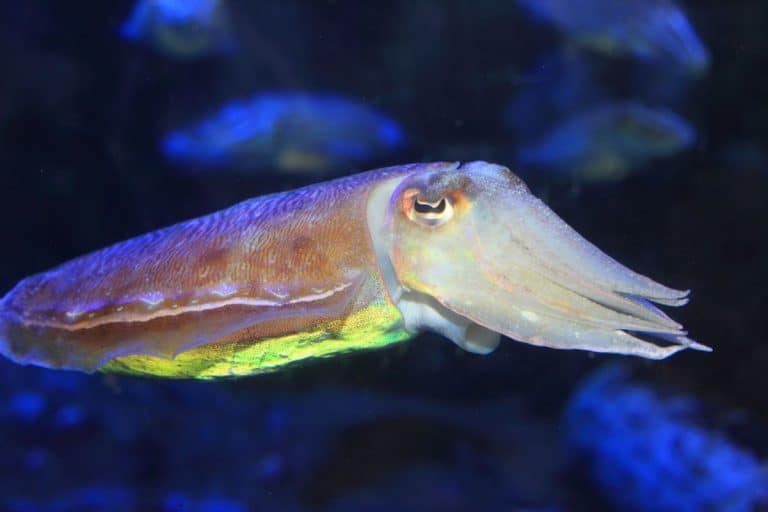
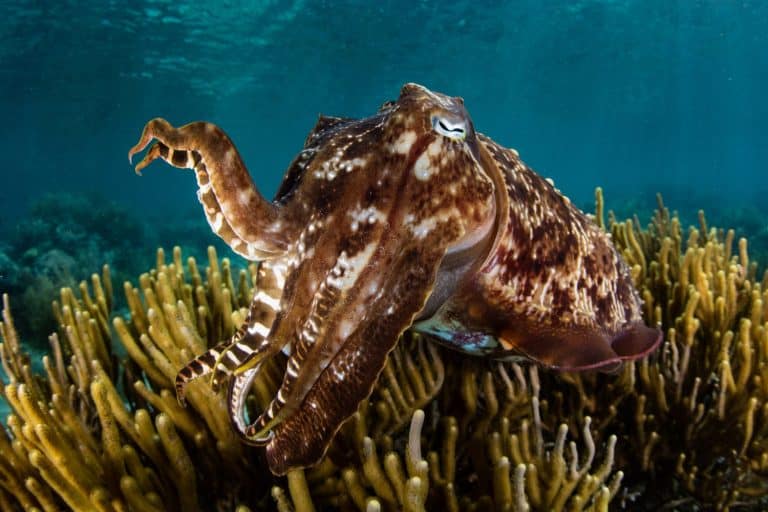
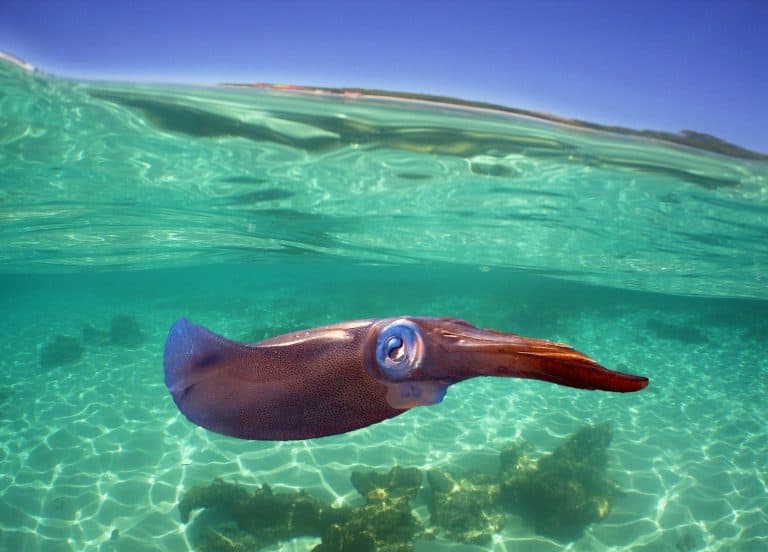
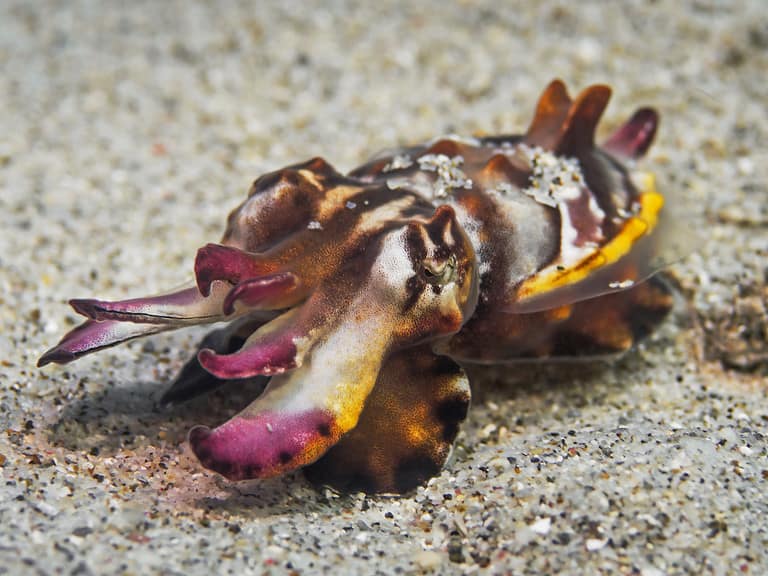
Octopuses, along with squid and cuttlefish, can change the appearance of their skin remarkably quickly. Camouflage is one of the most familiar uses. As soft-bodied animals without shells for protection, many octopuses rely on color, pattern, and even changes in skin texture to disappear against rocks, coral, sand, and other parts of the seafloor.
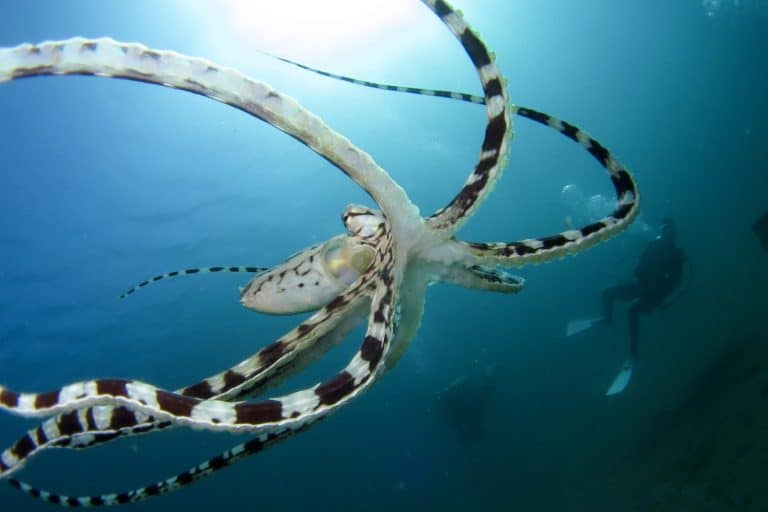
Color changes are not limited to camouflage. Cephalopods can also produce conspicuous displays when threatened, hunting, or interacting with other animals. Some species take the illusion even further. The mimic octopus (Thaumoctopus mimicus) changes its color, posture, and movement in ways that resemble other marine animals, including lionfish, flatfish, and sea snakes.
How Do Octopuses Change Color?
Much of the magic happens in specialized skin structures called chromatophores. Each chromatophore contains an elastic sac filled with pigment and is connected to muscles and nerves. When those muscles contract, the pigment sac expands and becomes more visible. When the muscles relax, it shrinks again.
Octopus skin is even more complicated than that. Other structures, including iridophores and leucophores, reflect light and help create additional colors and effects. Many octopuses can also raise or flatten small structures called papillae, changing the actual texture of their skin so that a smooth animal can suddenly resemble a rough rock or piece of coral.
What Do Octopuses Normally Eat?
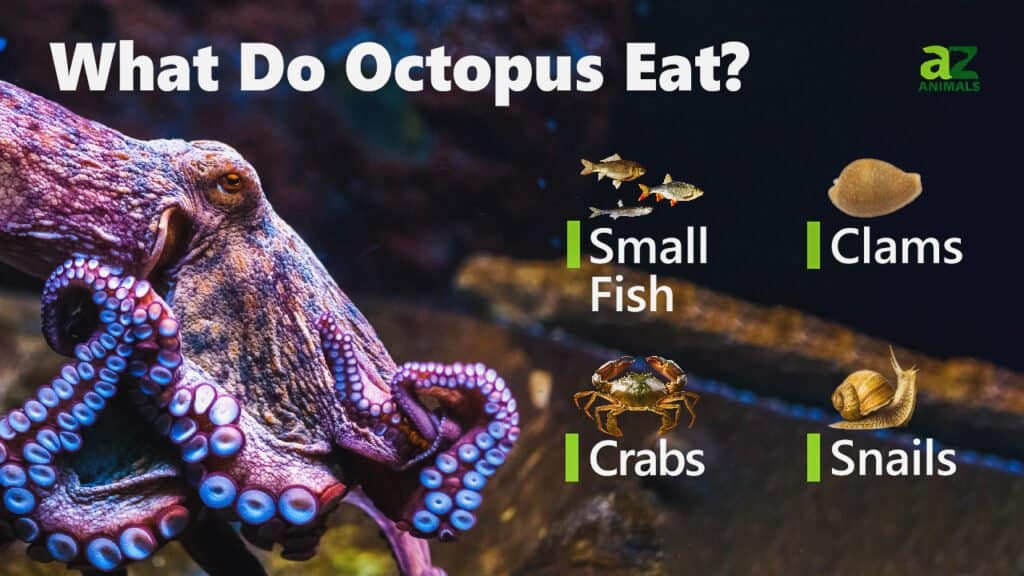
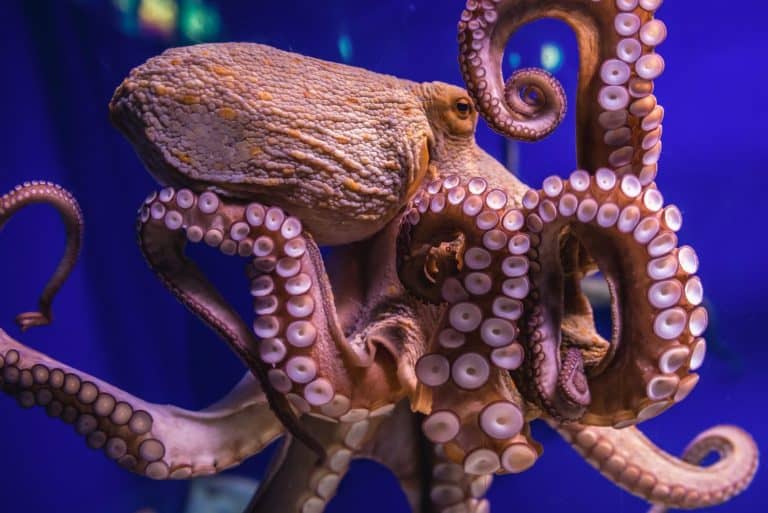
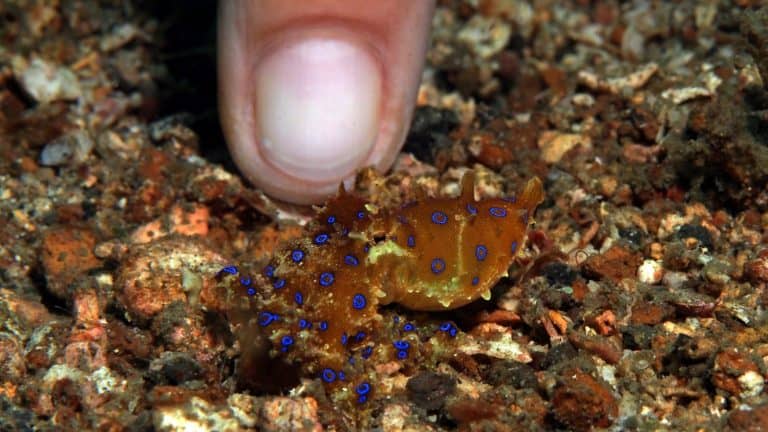
There are roughly 300 known species of octopus, with new species still being described. They are cephalopod mollusks with eight arms and live in oceans around the world, from shallow reefs and tide pools to the deep sea. Their sizes are just as varied. Some species are tiny enough to fit on a fingertip, while the giant Pacific octopus can have an arm span exceeding 13 feet.
Octopuses are predators, but exactly what they eat depends on the species, size, and habitat. Crabs and other crustaceans are common prey for many species, along with shrimp, lobsters, clams, snails, fish, and sometimes other cephalopods. Giant Pacific octopuses, for example, feed heavily on crabs, clams, and other shellfish. So Scheel’s imaginary crab hunt in Heidi’s possible dream was not pulled completely out of thin water. We just cannot say whether a crab was actually running through her sleeping mind.