
Quick Take
- Bears recycle their own waste to survive winter, a mechanism that challenges what we think we know about animal physiology. Explore the physiology →
- Scientists assumed one factor controlled bear hibernation, but 22,000 hours of footage exposed a second force they had overlooked. See the footage findings →
- Tracking four pregnant bears across multiple states upended a long-held scientific assumption about what triggers hibernation's end. Discover what triggered hibernation →
- Climate change may be the real reason bears keep showing up in your neighborhood, and the explanation is more subtle than rising temperatures alone. Understand the climate link →
Besides their penchant for honey and freshly caught fish, black bears are famous for their ability to rest for weeks, even months, at a time. Many creatures hibernate during the unforgiving winter months, but bears are among the largest animals on Earth that do this. As nature changes, however, so does animal behavior. A growing climate crisis is prompting scientists to understand how major climate shifts are affecting ecosystems.
Such sweeping changes prompted scientists at Virginia Tech’s College of Natural Resources and Environment to take a closer look at how climate change affects black bear hibernation. Doing so required analysis of tens of thousands of hours of footage and tracking of several bears during the hibernation cycle. Let’s learn more about bear hibernation, how the researchers studied it, and the surprising things they learned.
Continue reading
What Is Hibernation?
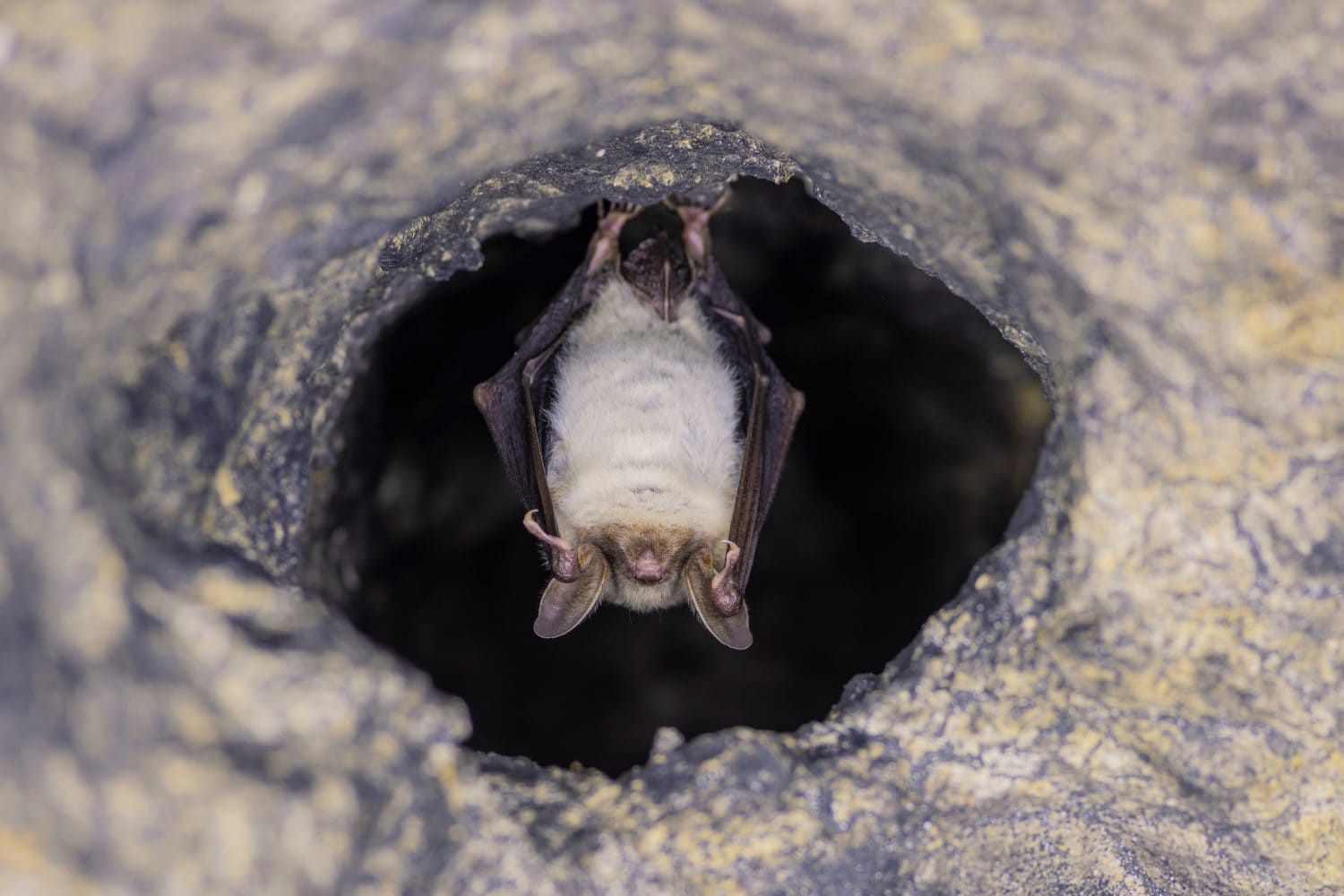
Many creatures, including ground squirrels and bats, hibernate during the winter months when food is not readily available.
©Martin Janca/Shutterstock.com
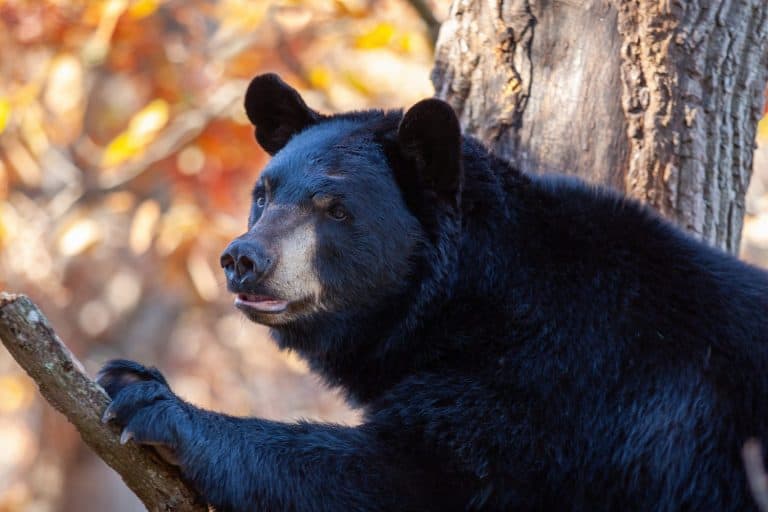
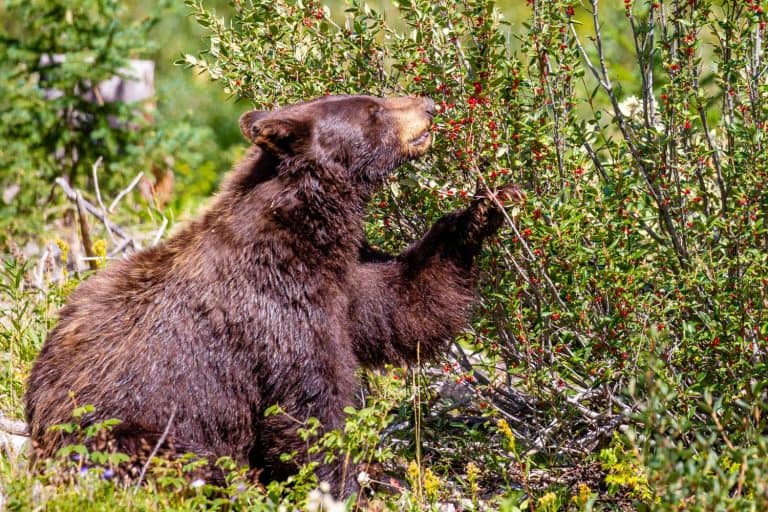
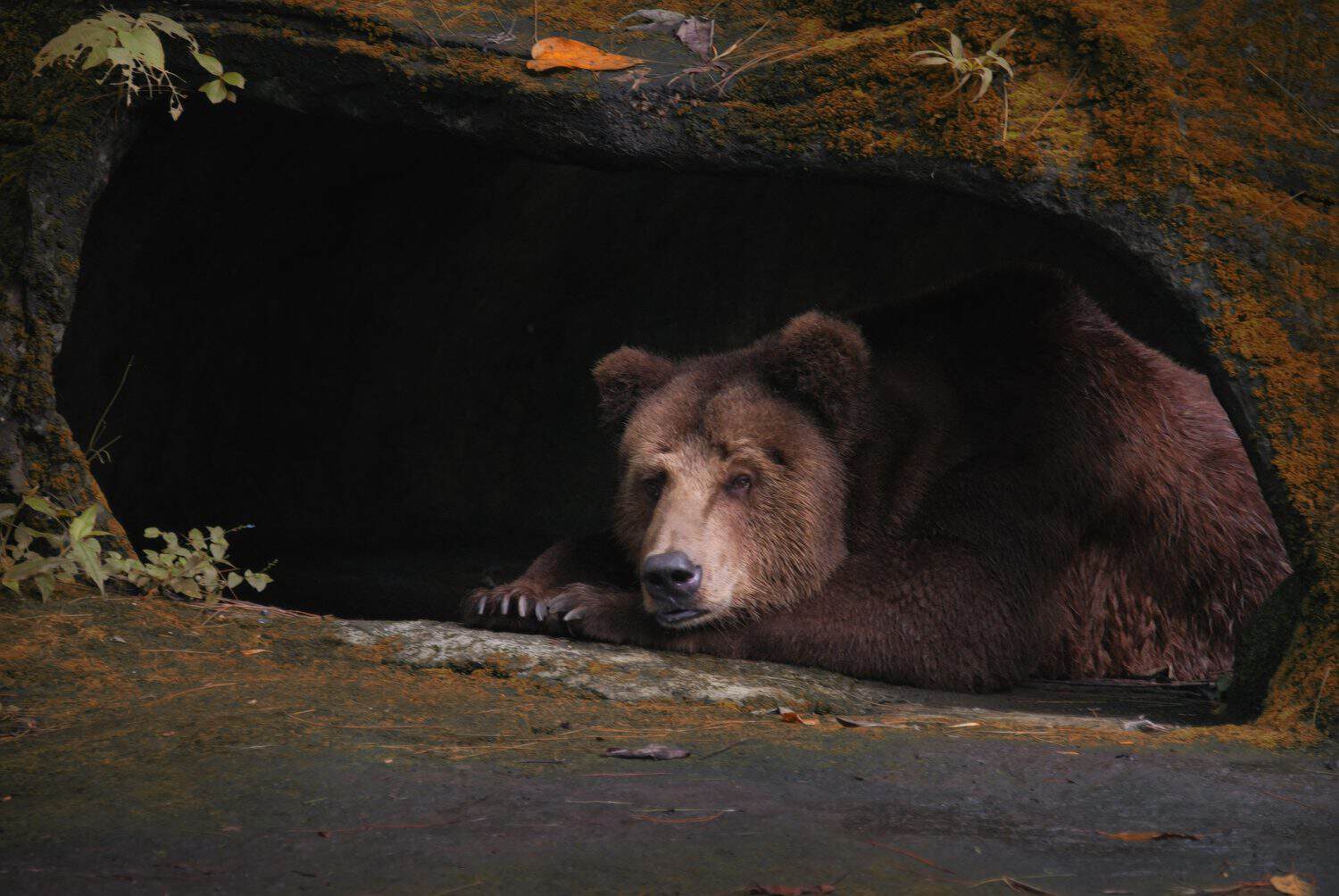
When food is hard to find and the temperature plummets, certain animals enter a state of lowered body function and deep sleep called hibernation. Some creatures, like hedgehogs and ground squirrels, enter such a deep sleep that their temperature and heart rate drop. In the lead-up to winter, black bears begin consuming extra food. As fall turns to winter, the bears slow down and eventually find a suitable den to stay in for several months to wait out the winter.
During this time, black bears undergo physiological changes. Besides gaining weight from all the extra food, their metabolic rate drops by over 50%. This allows them to sustain basic bodily functions on minimal energy. Remarkably, their waste gets recycled back into amino acids, which prevents muscle atrophy and organ failure. Many creatures hibernate, but bears technically enter a state of torpor since their body temperature only drops slightly. This torpor state allows them to functionally hibernate, but they can still awaken if disturbed.
Once the first green of spring appears, black bears begin the process of slowly waking up; their metabolic systems take several weeks to restart before they return to typical bear activities. The climate is changing, however, and scientists wanted to learn exactly how these changes are affecting bear hibernations.
Thousands of Hours of Footage
In the first study of its kind, published in Proceedings of the Royal Society B: Biological Sciences, researchers at Virginia Tech’s College of Natural Resources and Environment studied the particular effects of climate change on bear hibernation. Up until recently, studying black bears while they are hidden away from the world for months had proved difficult. Thanks to advances in technology, however, the researchers uncovered some surprising insights.
Led by doctoral student Brogan Holcombe, the research team used several methods to see how temperature and day length affected black bear hibernation. They tracked four wild, pregnant female bears from Virginia across multiple stages of the typical hibernation cycle. Remarkably, the team also analyzed over 22,000 hours of continuous trail-cam footage. These methods helped them identify 45 distinct behaviors linked to changes in temperature and daylight-based environmental cues.
The Findings
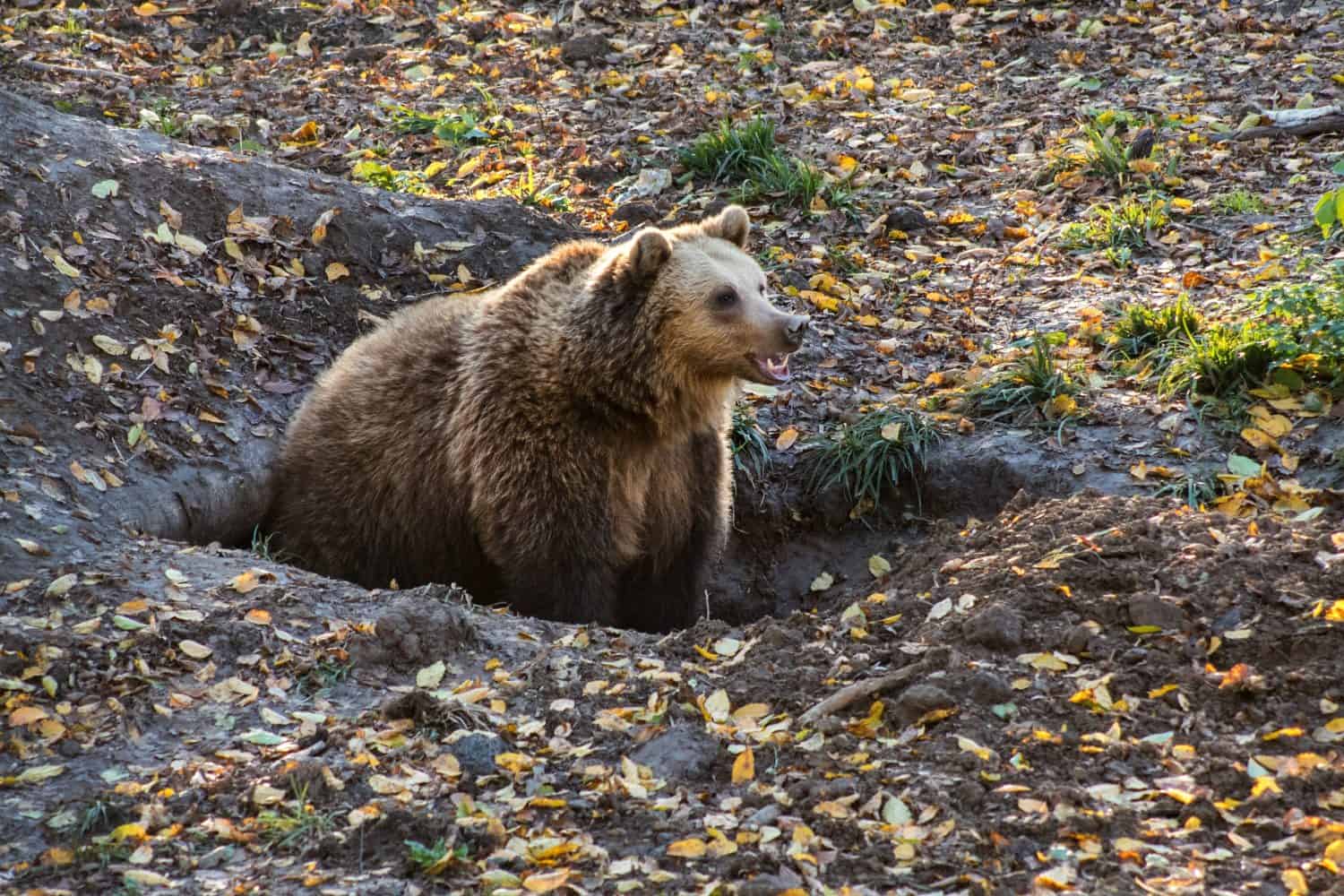
The latest research suggests that both temperature and daylight influence different stages of black bear hibernation cycles.
©Pavlo Baliukh/Shutterstock.com
Careful study can yield conclusions that contradict established thinking. In the past, scientists believed that black bear hibernation was entirely governed by temperature. However, Holcombe’s research team found that this is only one piece of the puzzle. Their analysis showed that temperature does indeed trigger the onset of black bear hibernation. However, both temperature and photoperiod influence bear activity during the other stages of the hibernation cycle. This was especially apparent during pre-hibernation feeding and during emergence from hibernation in springtime.
Temperature certainly plays a role, but the research team’s findings challenge long-held scientific assumptions. While climate affects temperature, it also influences daylight (photoperiod). This suggests that recent changes in weather patterns may make bears more vulnerable to climate disruption. In recent years, there have been many reports of bears increasingly moving into human-populated areas. This new study suggests that climate shifts are likely driving this trend by pressuring bears to seek more food before entering hibernation.
Conservation Implications
These findings may have significant implications for conservation science. For their part, the researchers believe that a better understanding of black bear behavior will help inform proactive conservation strategies and environmental management practices.
While black bears are not endangered, their populations have endured historic declines but have been reinvigorated by targeted conservation efforts. Understanding exactly how climate shifts affect black bear behavior during the hibernation cycle can protect the bears in the long run. It may also help prevent further incursions by black bears—driven by the need for more food—into human settlements.