
Quick Take
- Microplastics are in oceans, rivers, soil, and animals, and are very hard to remove.
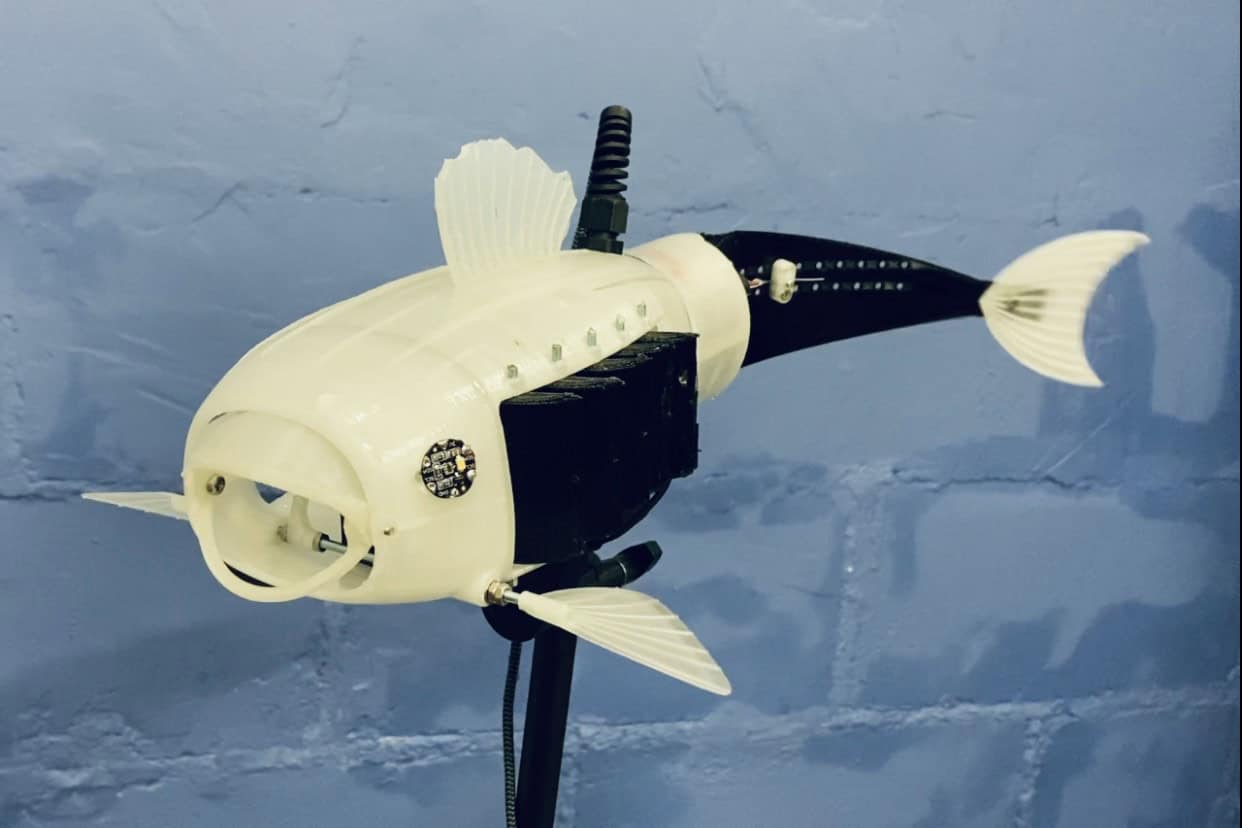
- A robotic fish named Gilbert that can remove microplastics was designed as a competition entry in 2022.
- The design is open source, and anyone with access to a 3D printer and basic electronic knowledge can build one.
Microplastics are found in oceans and waterways all over the world. We are only just beginning to understand the damage they can do to all living things. Plastic is now a part of everyday life and has many innovative uses. However, we have far fewer solutions for disposing of it. Meet Gilbert, the robotic fish who guzzles microplastics like they’re plankton!
Why Should We Be Worried About Microplastics?
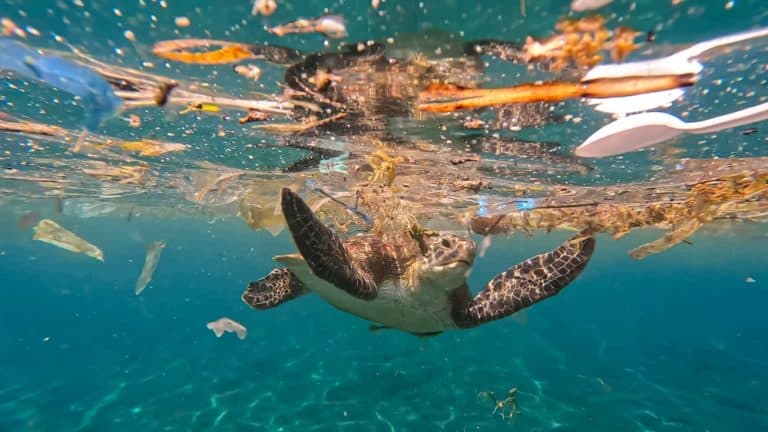
The first fully synthetic plastic was invented in 1907, and since then its use has grown exponentially. Plastic is now a part of everyday life and has many innovative uses. However, we have far fewer solutions for disposing of it. Sadly, around 10 million tonnes of plastic finds its way into the ocean every single year.
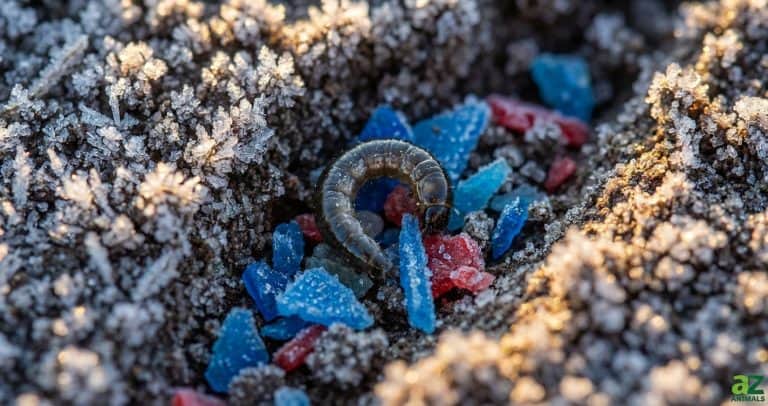
Microplastics are defined as plastic particles smaller than 5 mm (0.20 inches). They are formed when plastic bottles, clothing, packaging, etc., break down in the environment. Microplastics are found in the oceans, rivers, lakes, soil, rain, and inside the bodies of animals, including humans.
These particles are incredibly persistent in the environment. They do not biodegrade or dissolve. The tiny particles are consumed by plankton and fish and enter the food chain. Getting rid of them from our environment is a huge challenge.
Challenge Accepted
Gilbert was created by a student named Eleanor Mackintosh as an entry for the University of Surrey’s public competition, The Natural Robotics Contest in 2022.
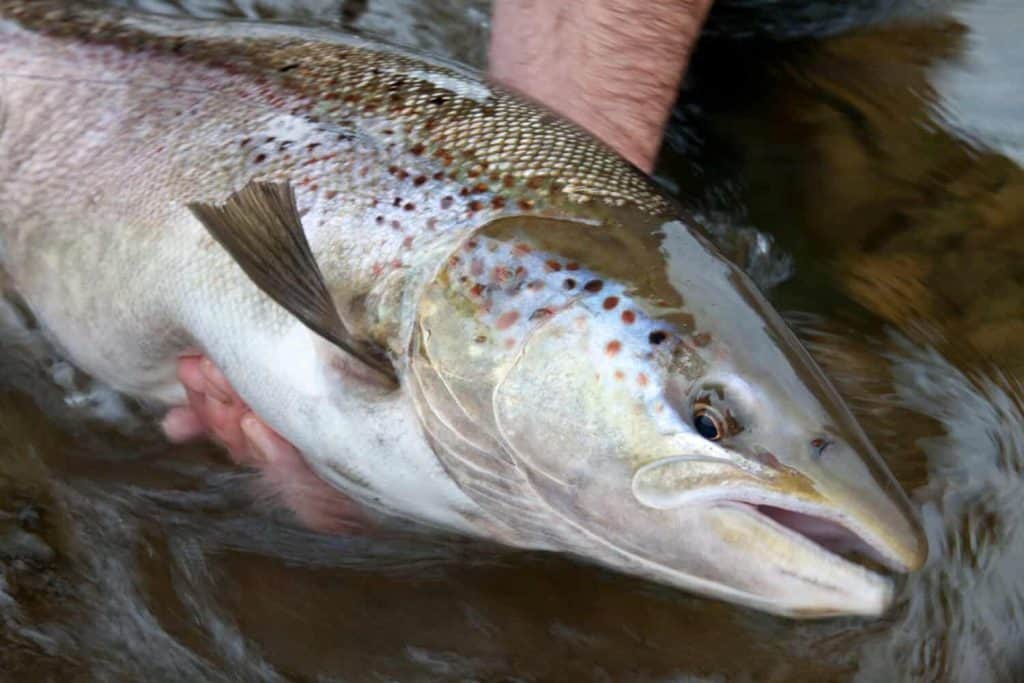
Gilbert is about the size of a salmon.
©gpeet / Shutterstock.com
It is a 3D-printed robotic fish that looks and moves like the real thing. Gilbert is about the size of a salmon and has a flexible tail that allows it to move through the water. Inside Gilbert’s head, there is a cavity (mouth) through which water enters. Once the cavity is full, the ‘mouth’ shuts, and artificial gill flaps open. The water is pushed through filters in the gill flaps, which remove the microplastics, and clean water exits the robofish.
It is hoped that, eventually, Gilbert will be able to convert microplastics into energy to power itself. For now, however, it runs on a battery. This is an open-source design, and anyone with access to a 3D printer and basic electronic knowledge can build one!