
Quick Take
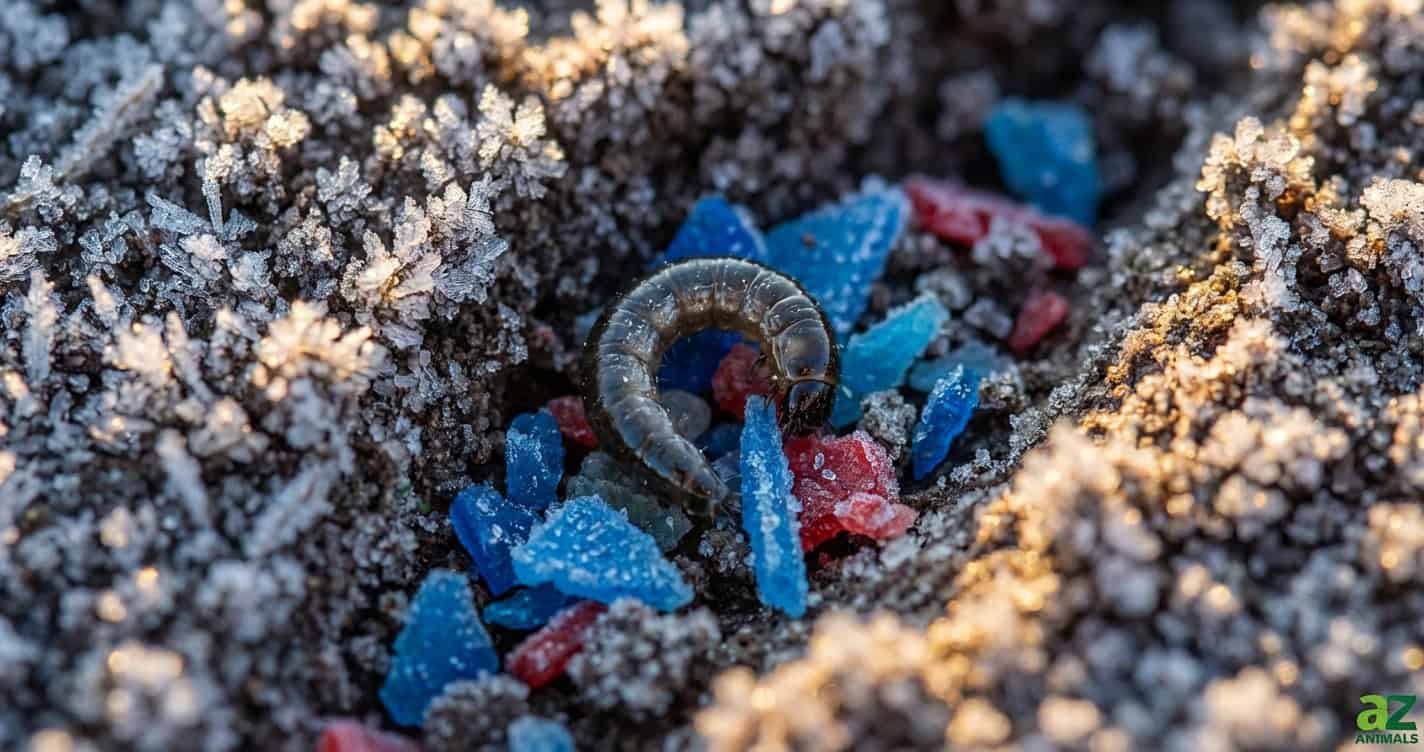
- Belgica antarctica has been found to have microplastics in its system, living in Antarctica.
- Belgica antarctica larvae have lower fat reserves after consuming microplastics than those not exposed.
- Recent studies have detected microplastics in Antarctica as small as 1 micrometer, which is smaller than a human red blood cell.
- Current microplastic levels are 100 times higher than previously documented.
It is hard to believe that life can survive in Antarctica. Despite its harsh conditions, hardy flora and fauna do just that and have done so for thousands of years. Unfortunately, with the introduction of pollution, life on the planet has become less healthy. While Antarctica has yet to experience the full extent of pollution the rest of Earth has, it is slowly being affected. Case in point, Antarctica’s only native insect is ingesting microplastics.
Few expected microplastics to become a significant problem in Antarctica, but they have, demonstrating that even the most remote regions are not immune to pollution. This has proven that no parts of the world are safe from the reach of pollution, even those that were once deemed the last untouched regions of the planet.
Antarctica’s Winged Midge Ingests Microplastics
Antarctica is remote, vast, and sparsely populated. Because of this, it has always been viewed as one of the last untouched places on the planet. Unfortunately, it appears that even Antarctica is not immune to pollution. Microplastics are entering the region in numbers never before seen.
While marine life has already shown signs of ingesting the small plastic particles, it was believed that other species were safe. This is no longer the case. Even the smallest creatures are now ingesting microplastics, pointing to how large a problem microplastics are on the planet. According to a new study published in Science of the Total Environment, scientists confirmed for the first time that Antarctica’s native insect, the Belgica antarctica, tested positive for having microplastics in its system.
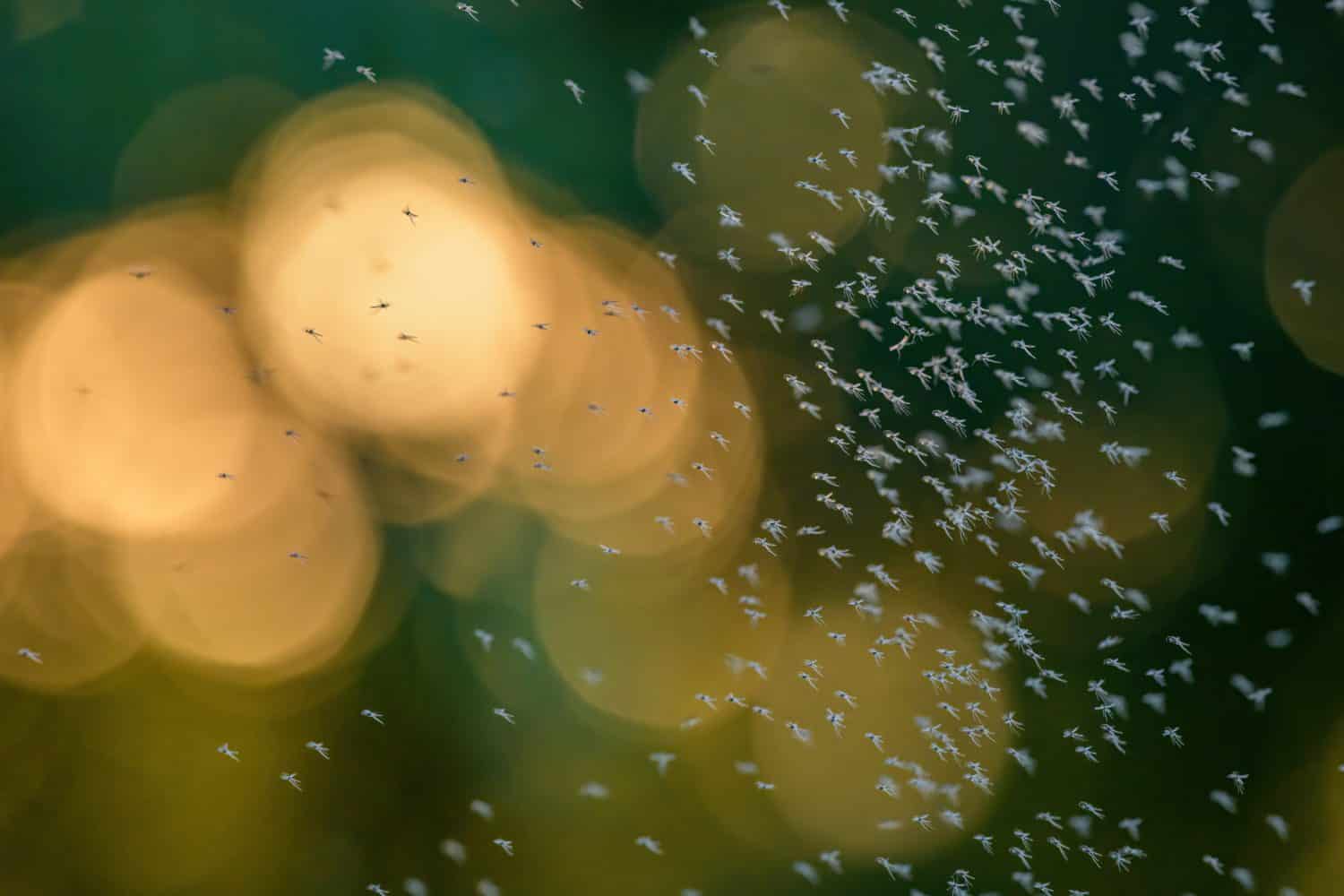
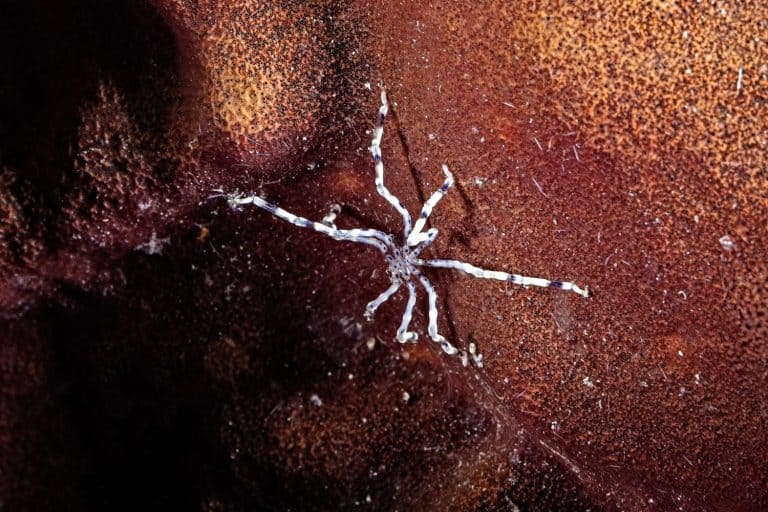
Midges in the Antarctic, similar to these, have been identified as having microplastics in their systems.
©Stephen A. Waycott/Shutterstock.com
These midges, which are the size of a grain of rice when they transform from larvae to flies, are known for being resilient insects. They withstand intense cold, UV radiation, and more. Scientists wanted to determine whether these midges could survive and continue to thrive in Antarctica despite the presence of microplastics. According to Jack Devlin, the study’s lead author, it initially appeared that the midges were doing well in environments containing microplastics.
“Even at the highest plastic concentrations, survival didn’t drop,” Devlin explains to ScienceDaily. “Their basic metabolism didn’t change either. On the surface, they seemed to be doing fine.”
Further studies revealed the impact of microplastics on the midges and highlighted potential consequences for the species in the coming years.
What Are the Consequences of Belgica antarctica Consuming Microplastics?
As more Belgica antarctica ingest microplastics, it is believed that their physical form will continue to change. This could make it impossible for the midges to survive in the frigid environment. Consequently, there are concerns that the health of Antarctica’s only native insect could be threatened if microplastic exposure increases.
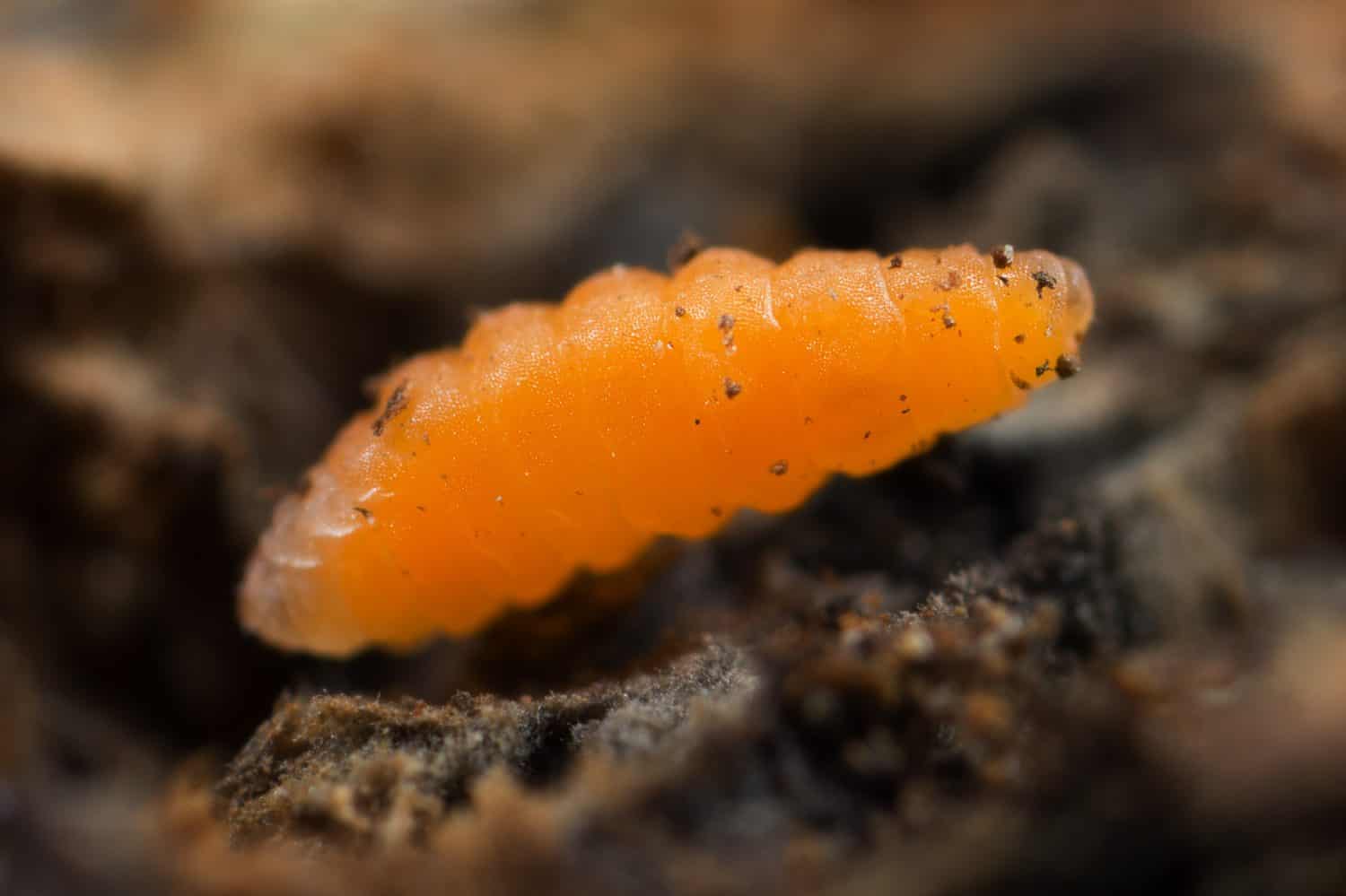
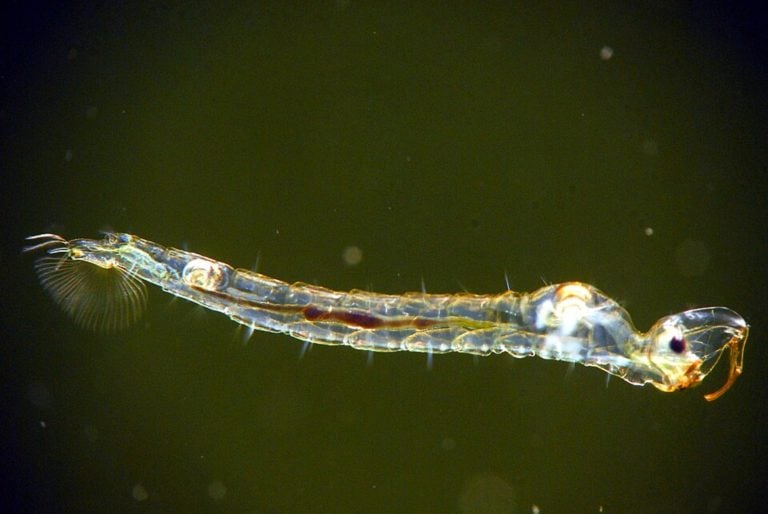
Midge larvae in the Antarctic, similar to this one, were seen to have lower fat reserves after consuming microplastics.
©Ferenc Speder/Shutterstock.com
Researchers participating in the study noted that Belgica antarctica larvae with microplastics in their bodies had the same carbohydrate and protein levels as those without. The difference between the midges was that those with microplastics had lower fat reserves than those without. In a harsh environment like the Antarctic, fat is essential not only for battling against the cold but also for energy storage.
Currently, only a few midges have been found with microplastics in their stomachs. However, researchers believe that as climate change continues to melt ice and snow, more midges will be exposed to and consume microplastics. The extent to which this will decrease the population is being studied and will be reported on in the upcoming years.
What Are Microplastics?
The term ‘microplastics’ has become mainstream over the last decade, thanks to their widespread presence worldwide. But what exactly are microplastics? Microplastics are defined as plastic particles measuring 5 millimeters or less. They enter the environment both directly and indirectly. This is why there are distinct categories for the microplastics identified in the environment.
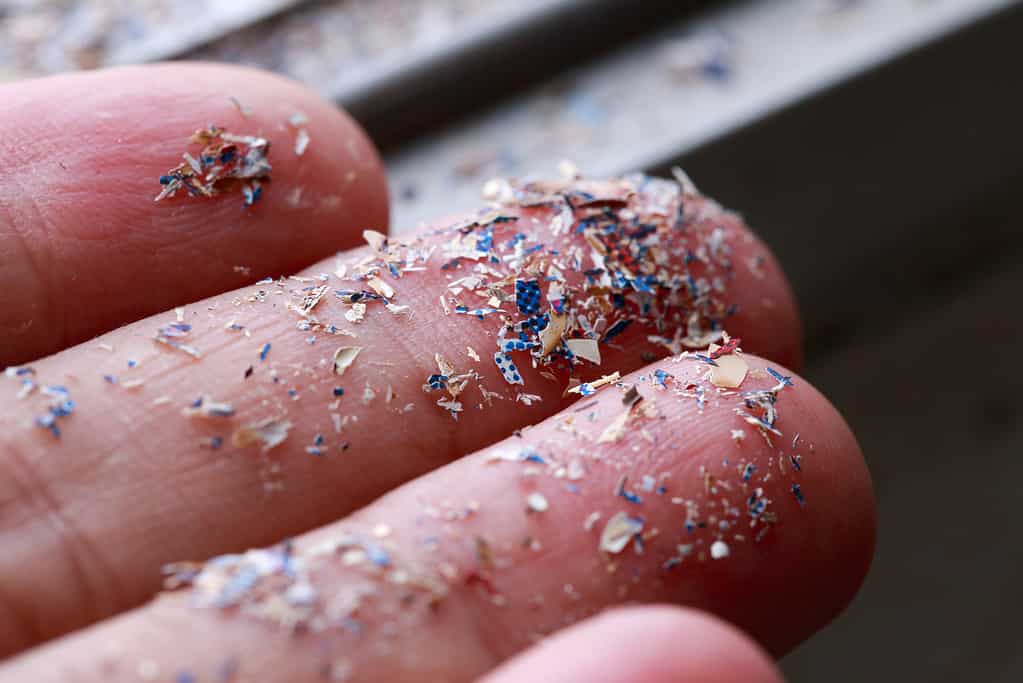
Microplastics are bits of plastic that are five millimeters or less in size.
©iStock.com/pcess609
The first type of microplastics is primary microplastics. These microplastics are intentionally manufactured for use in cosmetics, personal care products, biomedical products, and more. These plastics enter the environment through their use or through accidental spills.
The second type of microplastics is secondary microplastics. Secondary microplastics are created when larger plastic items are broken down by environmental factors such as sunlight, water, and wind. These smaller pieces then enter waterways and soil, where they continue to release plastic particles.
How Does Microplastic Pollution Affect Animals?
It is estimated that millions of tons of microplastics are dispersed throughout the planet each year. Since microplastic particles are not biodegradable, they accumulate in the environment over time. The more microplastics in the environment, the worse it is for the creatures that inhabit it.
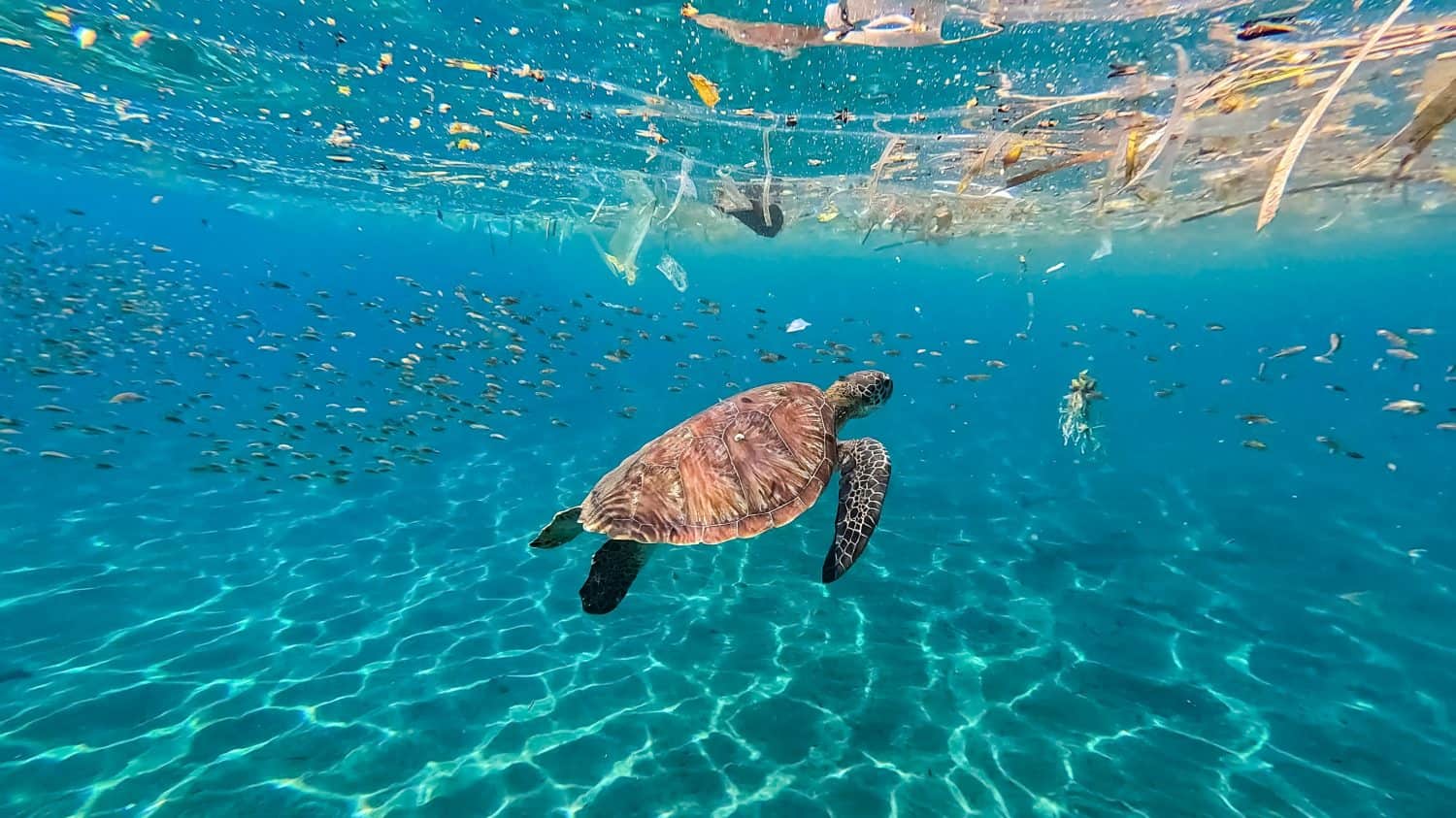
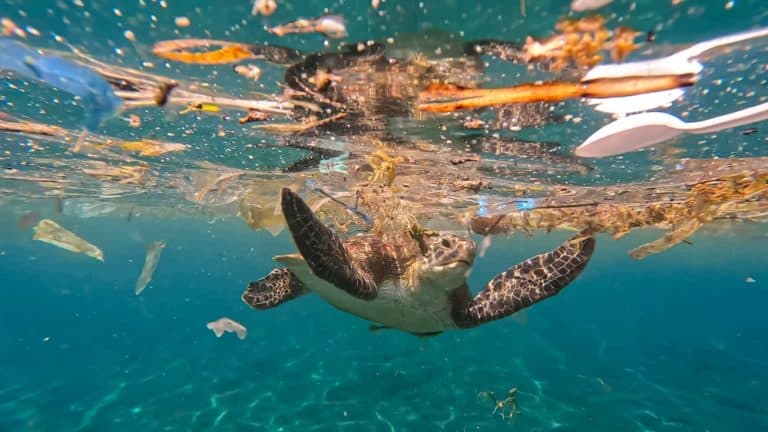
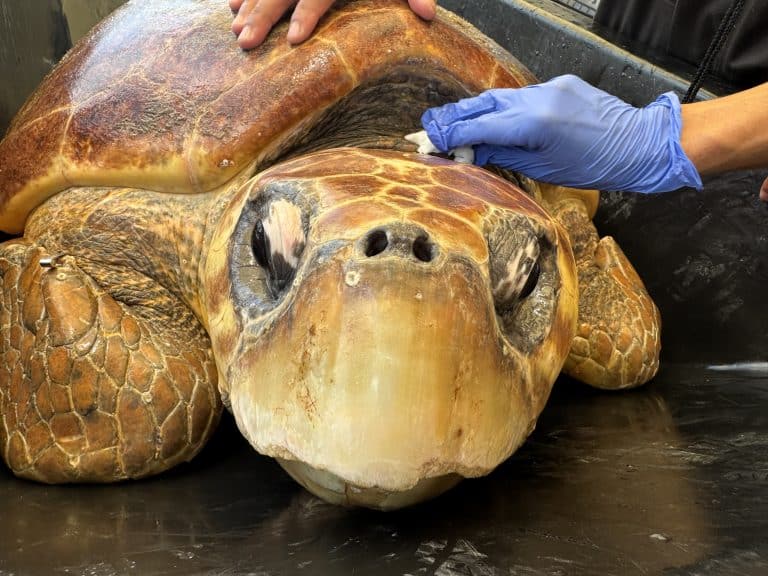
Animals like sea turtles not only consume larger pieces of plastic, but also microplastics after the larger pieces break down, leading to multiple health issues.
©Travelanza Media/Shutterstock.com
The consequences for animals living in a habitat polluted with microplastics include:
- Consumption of microplastics leads to blockages, malnutrition, and death
- Microplastics in the bloodstream can lead to endocrine disruption
- Microplastics have been linked to reproductive problems in animals
- Immune systems are compromised by microplastic consumption
There is nothing positive about microplastics being in the environment. Even those living in the furthest regions of Earth are now beginning to experience this firsthand.
Where Are Microplastics Found in Antarctica?
Unfortunately, it should come as no surprise that midges were found to have microplastics in their systems. This is because Antarctica has microplastics coming to the region via multiple routes, proving that no part of the planet is protected from the minuscule plastic fragments.
Antarctica is one of the least populated places in the world. Given that there are no permanent residents, it seemed unlikely that microplastics would be found in the region in any large quantity. However, microplastics know no boundaries and can reach even the most remote regions of the planet.
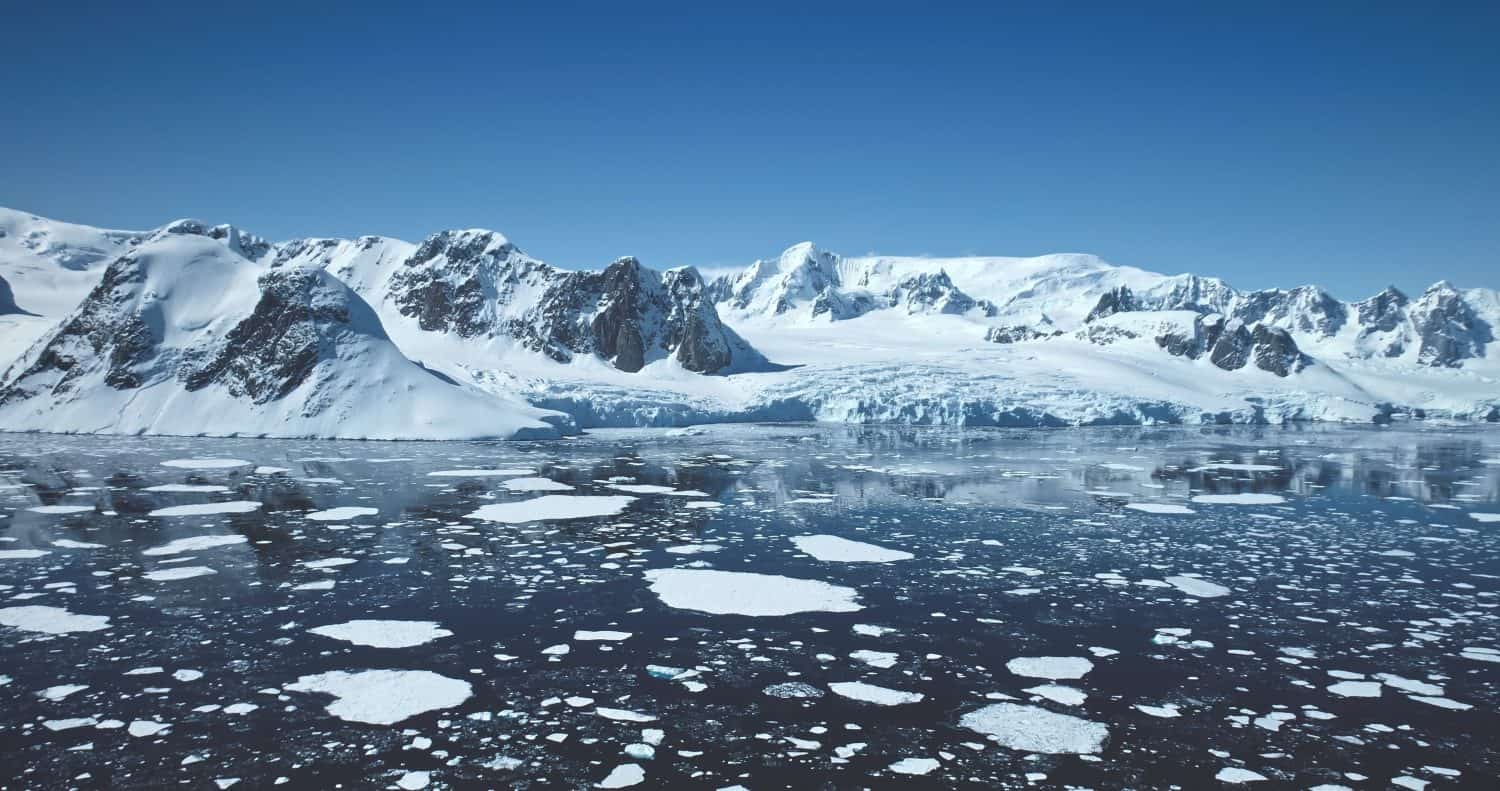
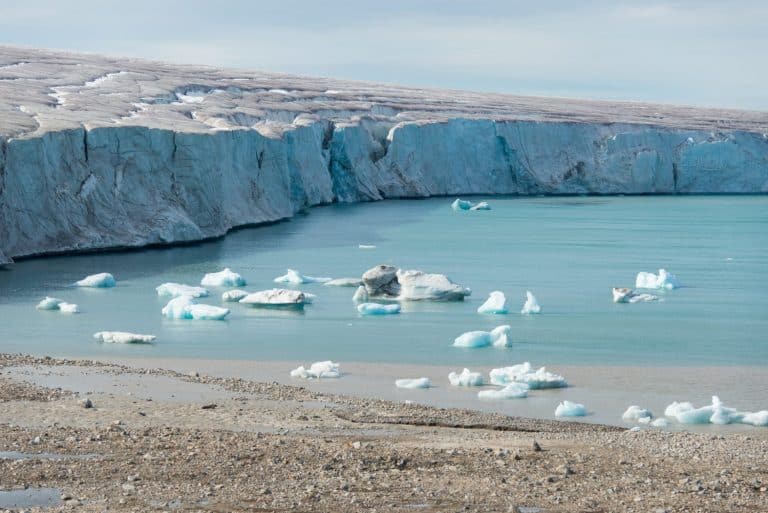
Microplastics are found in the snow, seawater, sediments, and more in Antarctica.
©Mozgova/Shutterstock.com
The areas in Antarctica where microplastics have been identified are:
- Snow
- Seawater
- Sediments
- Stomachs and bloodstreams of animals
As microplastics are carried to the Antarctic on the breeze and in ocean currents, it stands to reason that Antarctica will continue to accumulate more microplastics in the environment. This has led many to wonder what they can do to stop microplastics in their tracks to make the Antarctic environment unspoiled, as it was intended to be.
Can Microplastics Be Removed from the Environment?
Microplastics are now found everywhere on the planet. This should concern everyone, given the negative consequences of microscopic particles found in the body. From increased risks of cancer, cognitive decline, inflammation, cardiovascular disease, and more, microplastics have made for a sicker population rather than a healthier one.
Knowing this, many wonder whether it is possible to rid the environment of microplastics. Unfortunately, the answer is no. Now that they are here, they are here to stay. But not all hope is lost. If action is taken, there are ways to dramatically reduce the number of microplastics in the environment. Achieving this would require a major overhaul of current production and consumption practices.
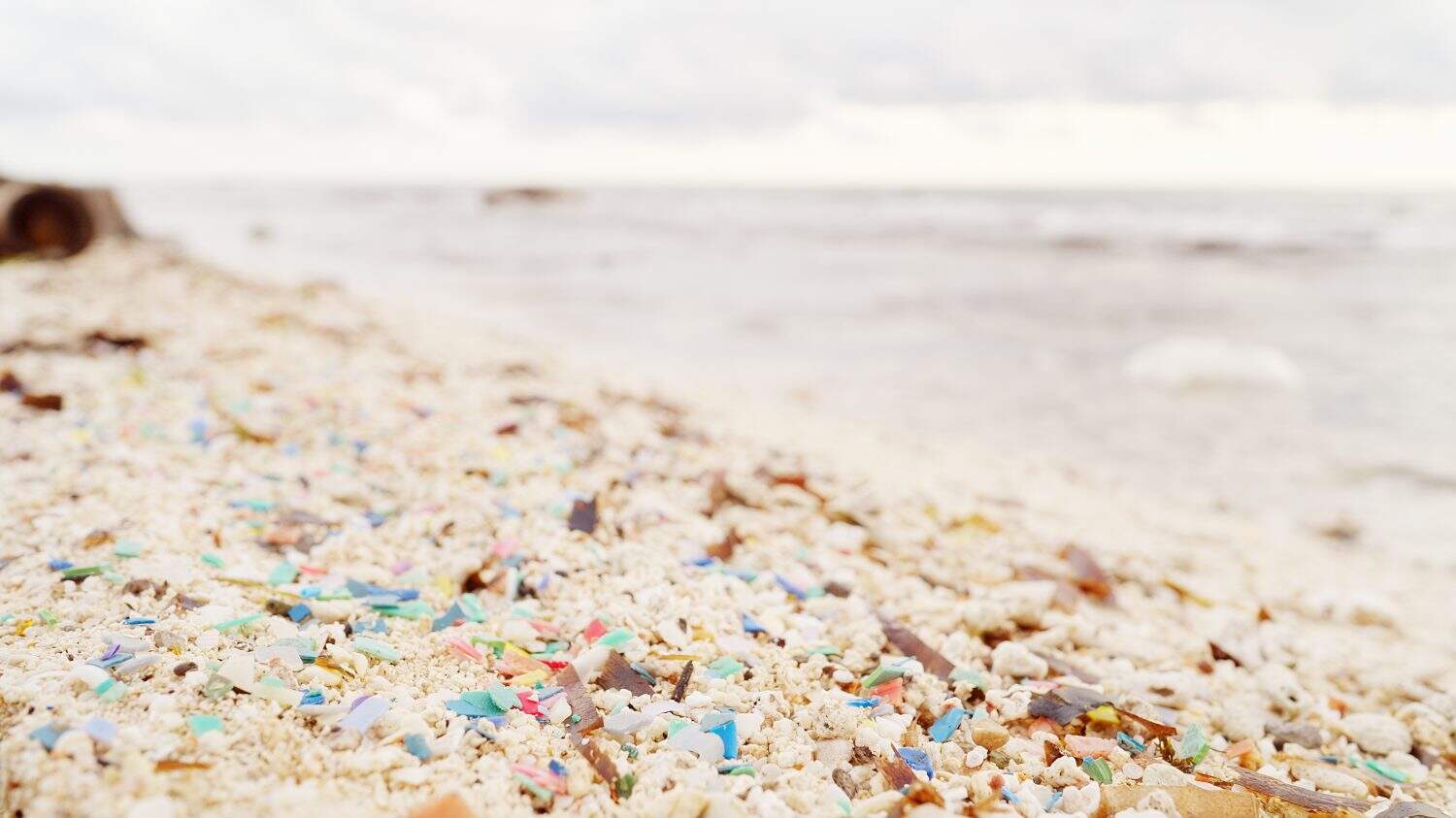
Microplastics cannot be eliminated from the environment, but they can be significantly reduced.
©Spice Footage/Shutterstock.com
Some of the ways that microplastics can be reduced include:
- Choose clothing that is made of natural materials rather than synthetic ones
- Cook with natural ingredients rather than consuming synthetic foods
- Wash synthetic clothing less frequently to reduce the shedding of microplastics
- Recycle to stop plastics from winding up in landfills
- Purchasing products that only have sustainable packaging
- Using reusable water bottles, coffee mugs, etc., rather than single-use products
- Supporting regulation changes that limit the use of plastics across multiple industries
To truly remove some of the microplastics in the environment, and ultimately in the bodies of humans and animals, change is needed. Until those changes are recognized globally as necessary, the amount of microplastics in the environment will continue to grow. Ultimately, the planet and those who live on it will suffer for it.
Antarctica Is No Longer “Untouched Wilderness”
Given Antarctica’s remoteness, it was always seen as a region that would remain pristine, regardless of the pollution plaguing other parts of the world. But with microplastics found in the tiniest inhabitants of the continent, Antarctica can no longer be considered “untouched wilderness.”
According to a February 2025 study published in Science of the Total Environment, microplastics were detected in snow at levels never before observed. This was because new technology has enabled the detection of microplastics smaller than a red blood cell. Consequently, the levels of microplastics are believed to be “100 times higher than reported in studies” preceding the 2025 study.
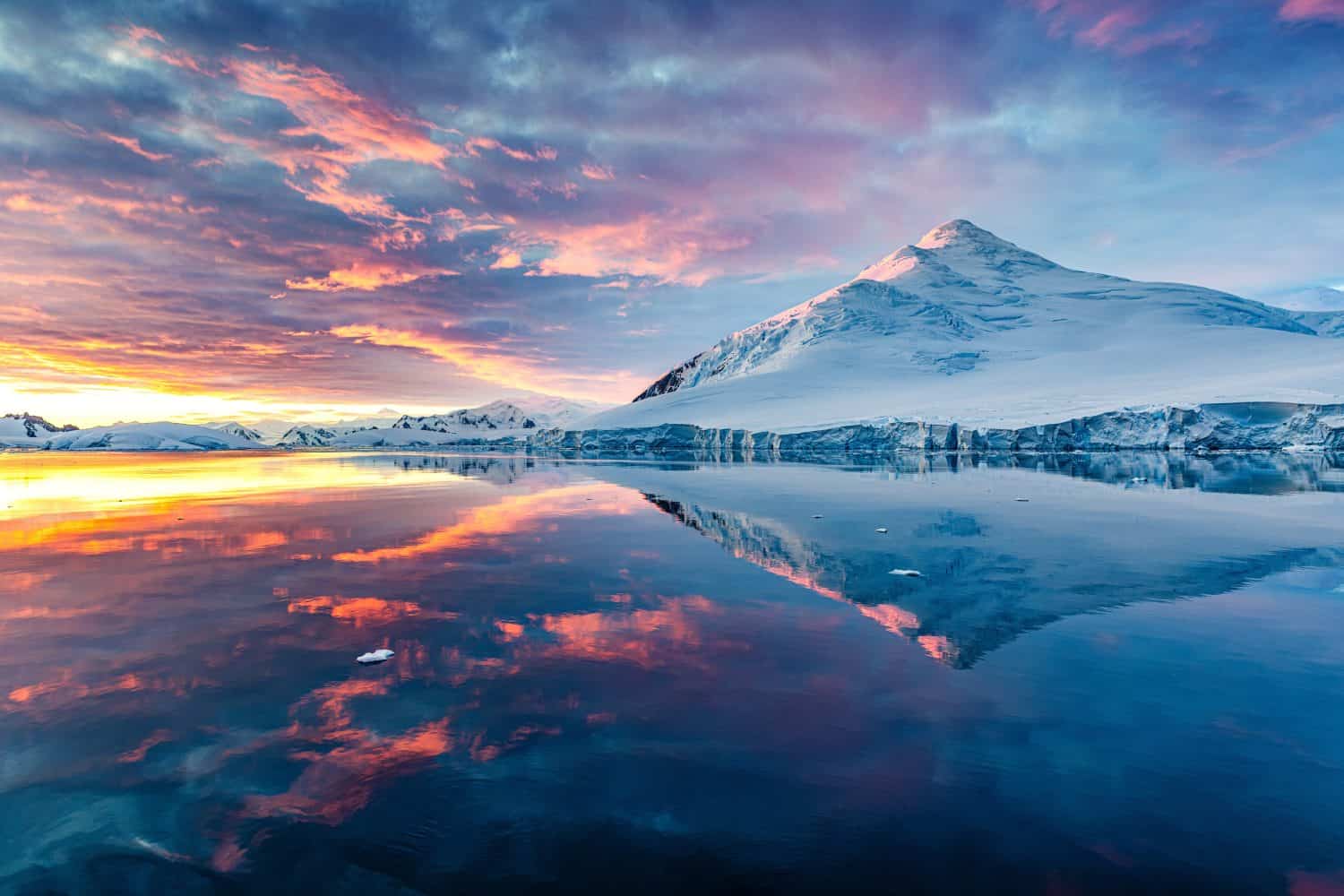
Antarctica is no longer the last pristine region of the planet.
©Dr_Flash/Shutterstock.com
The types of plastics identified by scientists include:
- Polyamide
- Polyethylene terephthalate
- Polyethylene
- Synthetic rubber
Of these microplastics, polyamide, the plastic used in textiles, was the most abundant. Many of these microplastics were found near base camps, suggesting that items brought to Antarctica by humans are contributing to the spread of microplastics, in addition to those arriving from outside sources.
With this large amount of microplastics in the snow, the goal is now to determine the long-term effects on the environment. Larger animals, such as penguins and seals, have already tested positive for having microplastics in their systems. Fish have as well. It is not yet clear whether they face the same fat-reduction problem as the midges. It is also yet to be determined whether microplastics will cause snow to melt more rapidly.
What is known is that no part of the planet is safe from microplastics. Until there is a significant reduction in the use of plastics for food and drink items and in textiles, and more natural resources are used instead, the level of microplastics will only continue to rise. Just how high those levels reach before this occurs, however, remains to be seen.