
Quick Take
- Securing legal status for certain exotic pet species requires bypassing California’s default prohibition on private pets, and it may not be possible.
- Section 671 of Title 14 triggers an immediate enforcement review for any non-domesticated mammal.
- Hedgehogs are subjected to the same import bans as lions under California’s regulations.
- The species verification process is mandatory to satisfy California‘s complex importation and quarantine protocols for exotic pets.
California treats most non-domesticated wildlife as restricted by default, which is just one reason why it has some of the tightest exotic pet laws in the country. With tightly controlled exceptions for specific uses, California has a restricted list of exotic pets, including ones that qualify for a permit. Although some people break the rules, it is important to follow California’s exotic pet laws.
California’s legal system and exotic pet laws are built around public safety and preventing invasive species impacts, and we’re here to break down what matters most in these intricate laws. We’ll break down what California generally bans in terms of exotic pet ownership, what it controls through permits, what is typically not restricted at the state level, and how to verify a specific species using the same sources that enforcement officers and agencies rely on. Let’s dive into the details.
The Rules of Exotic Pet Ownership in California
California’s wildlife possession rules can be found in Title 14 of the California Code of Regulations, especially the restricted list in section 671. A permit is required to import, export, transport, or possess animals listed as restricted under section 671, and there are additional restrictions from there.
California’s exotic pet laws are strict for a reason: public health concerns and delicate ecosystem preservation.
©Veera/Shutterstock.com
Public health rules also greatly influence California’s exotic pet laws. The California Department of Public Health says that importing certain species of non-human primates, bats, reptiles, or carnivores into California requires a CDPH permit as well as quarantine conditions. California’s varied habitats and fragile ecosystems are vulnerable to new species, so many are kept out of the state entirely. But what about specific animals and their legalities? Let’s take a look at some examples of exotic pets and whether or not they’re legal in California.
Big Cats
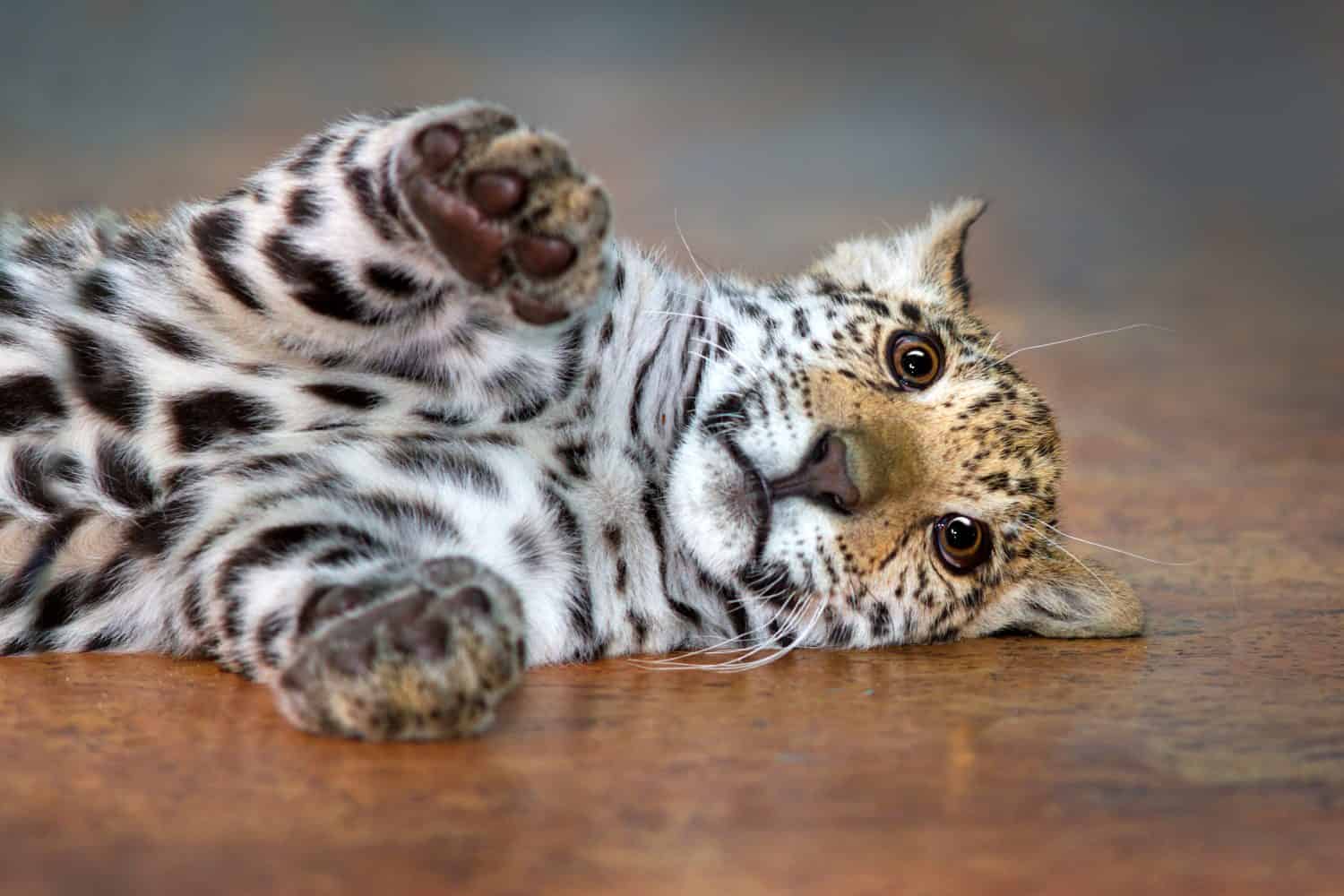
California treats wild cats as absolutely restricted animals. Section 671 lists the Family Felidae as restricted, with domestic cats and certain domestic-cat hybrids carved out. This means any private pet ownership of lions, tigers, leopards, jaguars, cheetahs, servals, caracals, ocelots, and similar wild felids is not allowed.
Primates
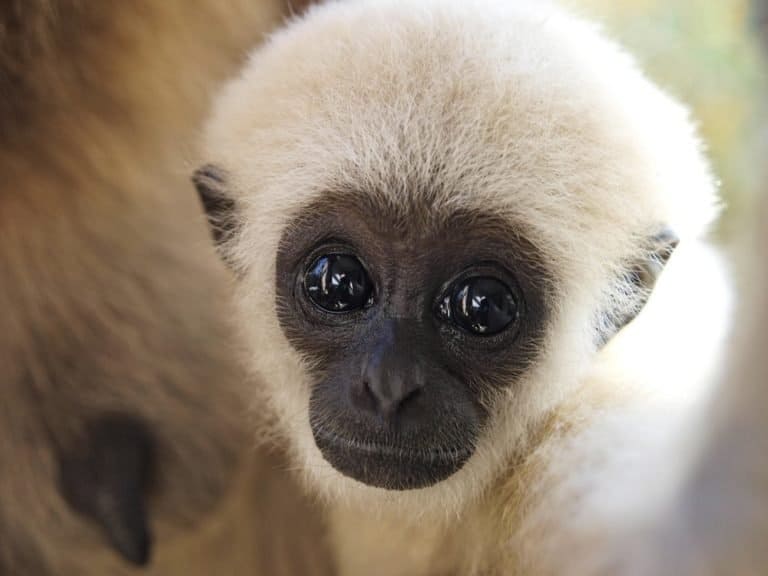
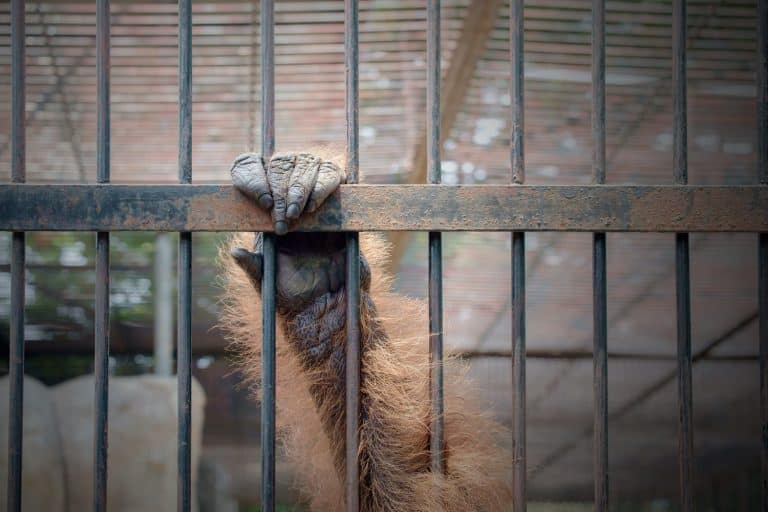
Primates are also restricted in California. This includes all primates, with the regulation’s only exception being humans, so capuchins, macaques, squirrel monkeys, baboons, gibbons, and great apes are not legal pets under ordinary private ownership.
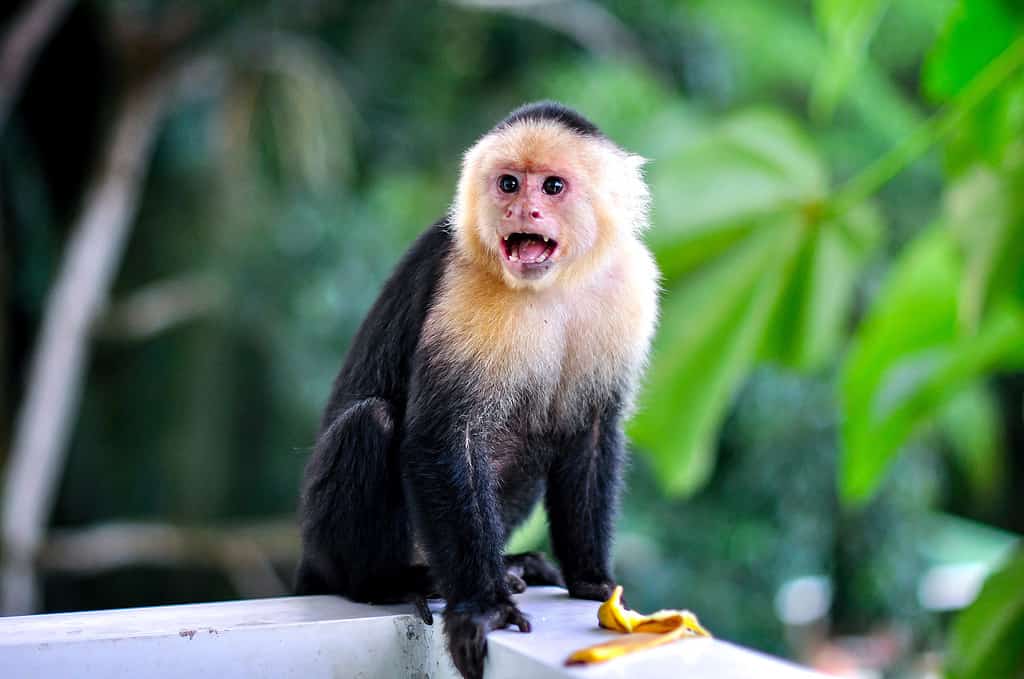
Capuchin monkeys are popular, legal pets in some states, but they aren’t allowed in California.
©Eric Yeamans/iStock via Getty Images
Permits for importation of primates are typically only issued for scientific, educational, or exhibition purposes—not for private pet ownership.
Bears, Wolves, Foxes, Raccoons, Skunks, and Other Wild Carnivores
Any canines and animals found in carnivore families aren’t allowed in California when kept as pets. This includes wolves, most foxes, bears, and similar wild canids. These are not casual-ownership animals under state law.
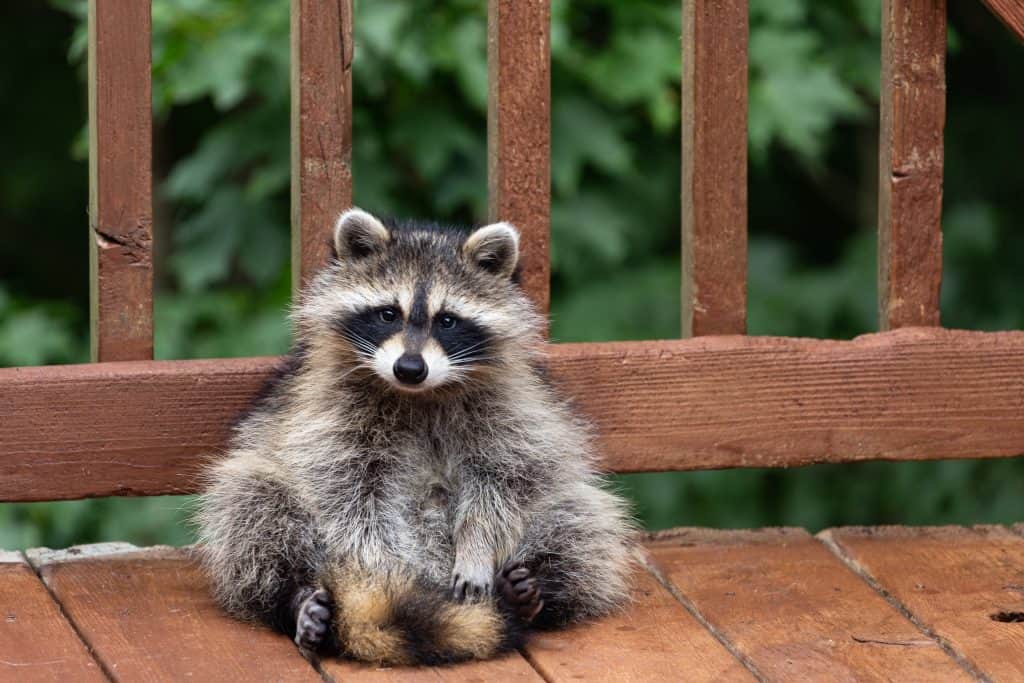
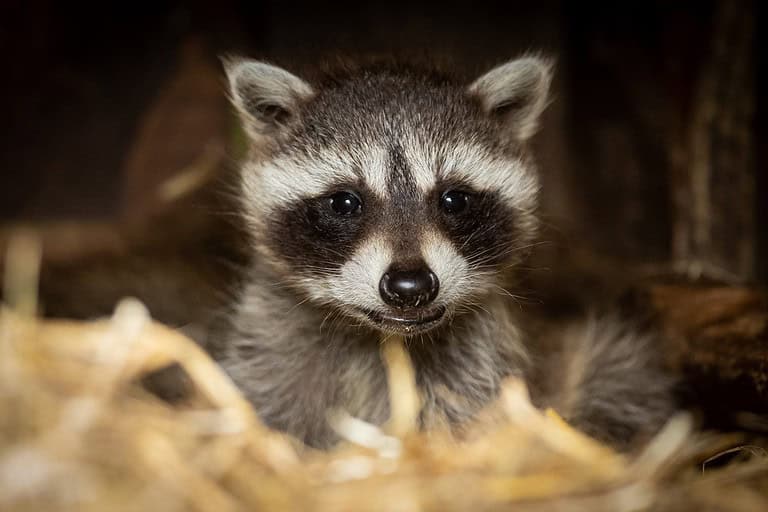
Given their potential for spreading disease, pet raccoons are not legal in California.
©AEWD/Shutterstock.com
Raccoons and skunks also get special attention due to their potential public health risks. Certain carnivores, including groups that can include raccoons and skunks, along with bats, can require CDPH permits and a quarantine process.
Wolf Hybrids
California law prohibits ownership of first-generation wolf hybrids (F1). Only low-content, later-generation wolfdog hybrids may be owned, and proper documentation is required. Local governments may still prohibit possession or require additional permits, so always check city or county rules.
Venomous Snakes, Crocodilians, and High-Risk Reptiles
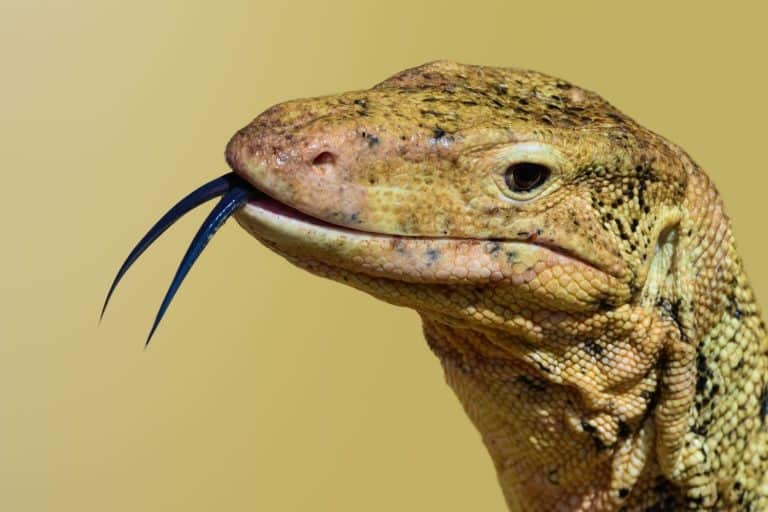
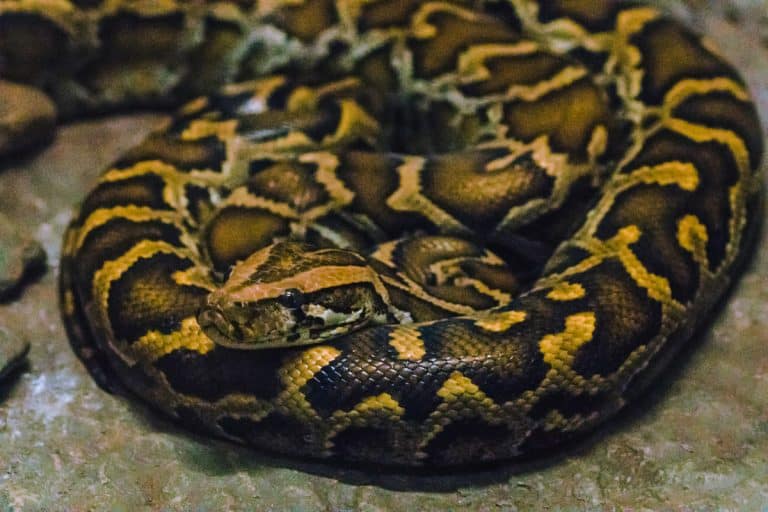
All venomous snakes, including those in the Elapidae and Viperidae families, and all crocodilians, such as alligators and crocodiles, are illegal to keep as pets in California without special permission from the state.
Hedgehogs and Other Mammals
California even restricts some mammals that are legal in other states, including neighboring ones. For example, hedgehogs are illegal to own as pets in California but legal in the neighboring state of Oregon. This can be confusing for pet owners planning a move, so pay attention.

Despite being legal in Oregon, hedgehogs are not legal in California.
©Carmelka/iStock via Getty Images
Other nontraditional mammals may be included in this category, depending on how the regulation classifies them, which is why checking by a scientific group is safer than relying on a pet forum or word of mouth. Always do your research if you have a rare animal as a pet!
Permit-Only Animals
Permits for restricted species are only issued for specific purposes such as research, exhibition, or education—not for private pet ownership. It is unlawful to import, export, transport, maintain, sell, or use restricted animals as pets in California.
Animals That Often Don’t Require a State Restricted-Species Permit
It’s important to note that an animal may not be restricted under a particular law, but could still be regulated for other reasons, such as native wildlife protections, endangered species rules, agricultural restrictions, or local ordinances.
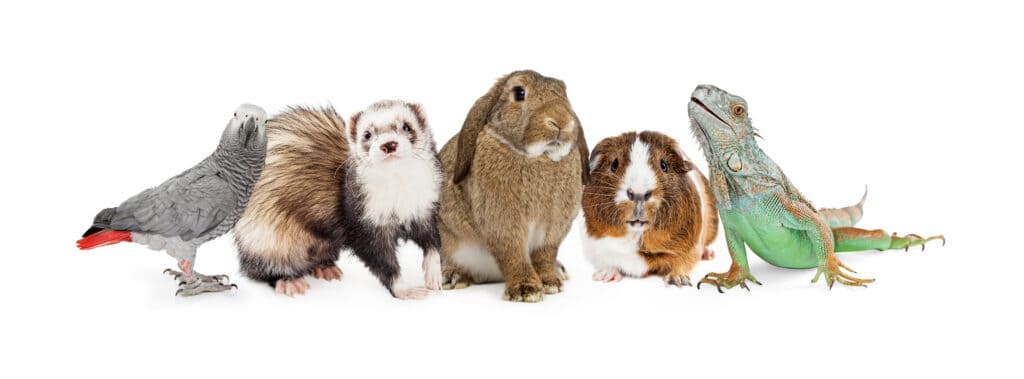
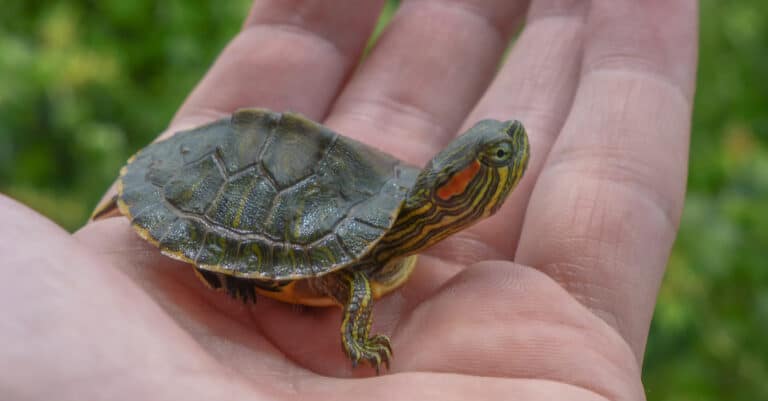
Reptiles, rodents, and birds are among the animals people keep as exotic pets, and California has rules about all of them.
©GoodFocused/Shutterstock.com
For example, common domesticated animals such as domesticated dogs, domesticated rabbit species, common pet hamsters, guinea pigs, domesticated rats or mice, and domesticated chinchillas are allowed within the state of California; you don’t need a permit.
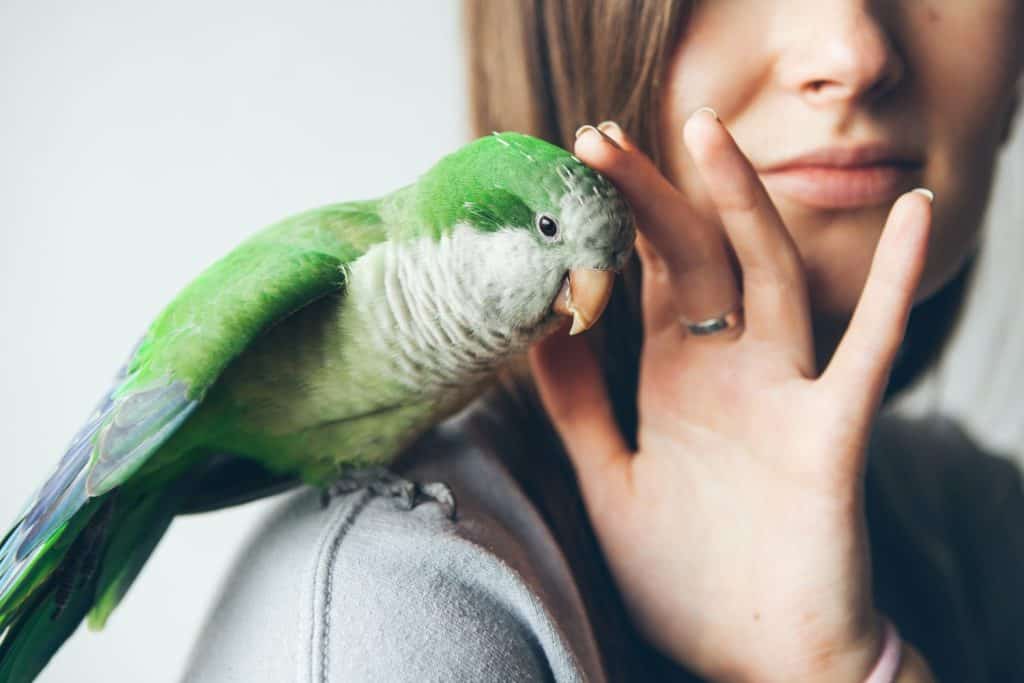
For reptiles and birds, the state list allows many commonly kept non-venomous reptiles and common pet birds. These animals are not restricted just because they are unusual, but you still need to check for species-specific exceptions. For example, very broad bird groups like raptors and owls aren’t allowed, so always check if you have a non-traditional pet.
How to Check if an Animal Can Be a Legal Pet in California
If you want to know for certain whether your beloved pet is legal in California, there are multiple places you can check, including:
- Starting with the animal’s scientific group and checking it against the restriction list in the text of 14 CCR § 671.
- If your pet is restricted, read how permits work on CDFW’s Restricted Species Permits page so you understand what the state actually issues permits for.
- If importation is involved, check CDPH’s Wild Animal Importation guidance for additional permit and quarantine requirements.
- Finally, check your city/county rules, as local prohibitions can be stricter than state law depending on your location.
Know Your State’s Exotic Pet Laws
California’s exotic pet laws exist for a reason. This state prioritizes lessening any risk to public safety by maintaining control of disease introduction and fragile ecosystems that would be greatly affected by invasive species. That’s why the state’s restricted list is designed to allow only controlled and justified uses of exotic animals as pets.

Always check local city and county listings to know how legal your exotic pet will be in the state of California.
©iStock.com/wellesenterprises
As long as you aren’t attempting to adopt a wild animal, California has you covered. However, there are exceptions to every rule, especially when we look at California’s individual county and city laws. Always do your homework and make sure you’re following the rules; California’s ecosystems are counting on you.