
Quick Take
- That instinct to crush the tiny red dots on your balcony might actually be working against you. Discover their benefits →
- These mites carry the same pigment that colors salmon and flamingos, and they produce it themselves through a process scientists still cannot fully explain. Explore the unsolved chemistry →
- The red mite most people fear is often confused with a completely different species that actually does cause serious damage. See the confusion explained →
- Their vivid color isn't random; it's pulling double duty in a way few garden creatures can match. See the dual purpose →
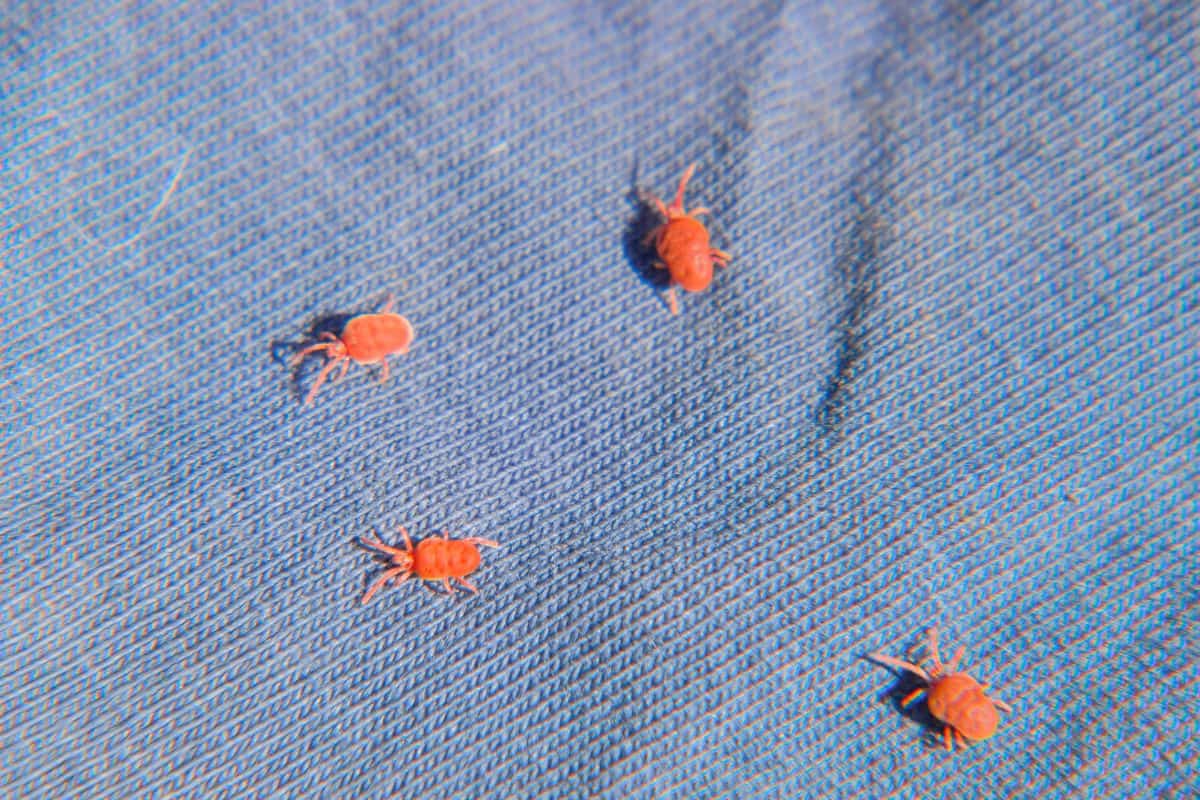
As soon as the weather warms, tiny red dots begin to scatter across balconies, window ledges, and outdoor walls. Many people react instinctively, crushing what they believe are young spiders. But the story of these red dots turns out to be less about nuisance and more about silent partnership.
Misunderstood Neighbors on the Balcony
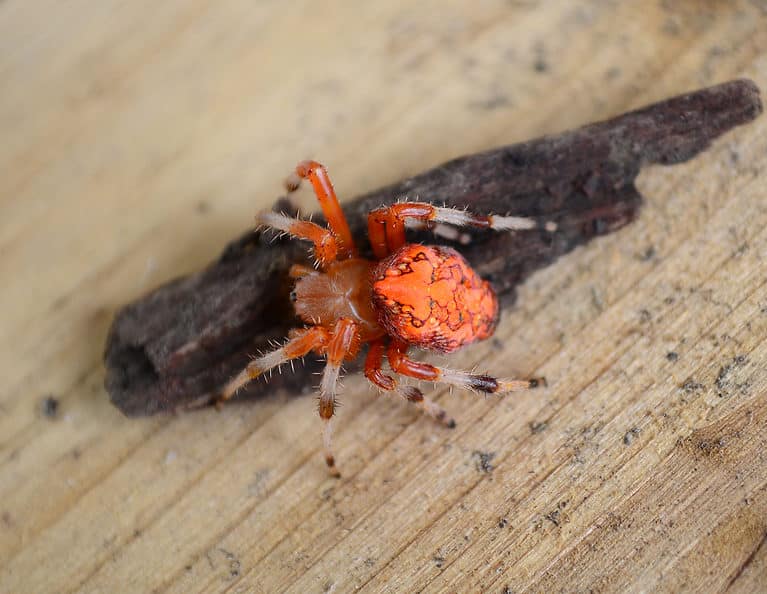
Unlike true spiders, these bright red creatures, often spotted crawling swiftly in the sun, are actually mites, a distinct and lesser-known group of arachnids. The most visible species on European facades are Trombidium holosericeum, sporting a velvety coat and measuring up to six millimeters, and Balaustium murorum, only one to two millimeters long with nearly bare shells. While both are common sights from April through July, they fade away as summer progresses, needing no intervention from homeowners.
They do not weave webs, bite, or possess venomous fangs. Their bodies are unified into a single oval mass, unlike spiders with their distinct head and abdomen. Instead of threatening the balcony, these mites play a supporting role in its tiny ecosystem.
The Origin of Their Scarlet Armor
The striking color of these mites is unmistakable and has led to frequent confusion with more harmful pests. Japanese zoologists Masahiro Osakabe and Satoshi Shimano, in findings published in late 2022, traced the brilliant hue to two specific pigments produced by the mites themselves. Prominent among them is astaxanthin, a molecule known for giving salmon its pink flesh and flamingos their color.
Chromatographic studies showed that Balaustium murorum packs astaxanthin at concentrations 127 times higher than those found in the citrus pest Panonychus citri. Astaxanthin makes up 60% of the mite’s main carotenoids, followed by 38% 3-hydroxyechinenone and a small presence of beta-carotene. Unlike the flamingo, which absorbs pigment from food, these mites can synthesize it themselves, a rare trait made possible by genes borrowed from fungi long ago.
Survival in the Sun, Defense Against Predators
The pigments serve more than just style; they protect the mites from ultraviolet B rays and counteract damaging molecules generated by sun exposure on hot stone and plaster. The vivid color acts as a warning flag to predators, further enhancing survival on exposed surfaces. Despite such visibility, the population of these mites naturally diminishes as the heart of summer ends, with no need for chemical treatment.
Balcony Allies, Not Pests
Adult red mites hunt the eggs and larvae of many other arthropods, quietly controlling populations of garden and balcony pests. Balaustium murorum supplements its diet with pollen, piercing grains and consuming their contents. These mites also scrape up nutrients from dried bird droppings, harvesting phosphorus and nitrogen for their own needs.
Often, these harmless mites are mistaken for the spider mite Tetranychus urticae, notorious for damaging crops and plants. But the balcony dwellers cause no harm to plants, pets, or people. Rather than disrupting the peace of the terrace, they’re quietly maintaining it.
A Closer Look at Nature’s Subtle Workers
The chemistry behind these mites’ ability to assemble astaxanthin remains a mystery, still awaiting scientific description. Yet, their very presence is a reminder of nature’s understated strategies, often blending in, sometimes standing out, and always more complex than they first appear. When summer sun brings flashes of red to urban balconies, it might be worth pausing before acting. The helpers we least expect could be hidden in plain sight.