
Quick Take
- Four years of GPS data flipped the classic predator hierarchy on its head, revealing a real dynamic that is nothing like what wildlife documentaries show. See the data findings →
- Male lions behaved completely differently from lionesses around hyenas, a difference whose reason says something unexpected about how predators carve up shared territory. Explore male lion behavior →
- Hyenas have one critical survival strategy when living alongside lions, but shrinking African reserves may be quietly dismantling it. Read the conservation warning →
- Tracking two apex predators every five minutes for four years forced researchers to rethink a question they thought was already settled. See the tracking study →
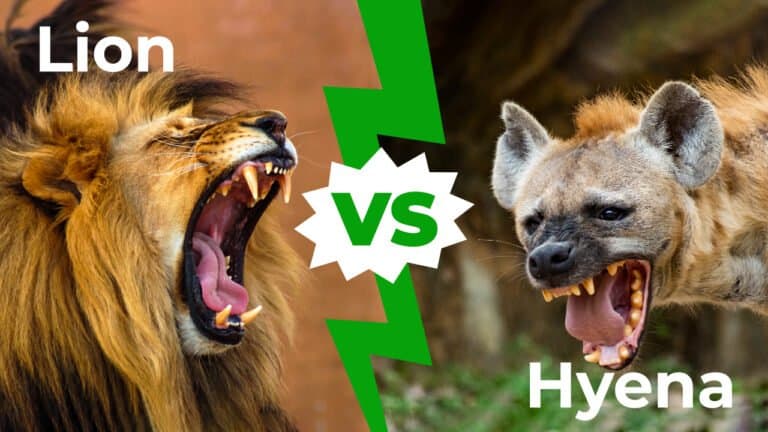
For generations, the rivalry between lions and hyenas has fired imaginations and fueled scientific debate. Legends held that hyenas trailed lions, waiting to steal from their hard-earned kills. But fresh findings from Southern Africa tell a different story, one that GPS technology is finally making clear.
Tracking the Giants Across Southern Africa
Beginning in 2013, researchers from the University of KwaZulu-Natal began an ambitious project across the wilds of Namibia and Botswana. Over four years, they fitted 17 lions and 14 spotted hyenas with specialized GPS collars, each recording positions every five minutes during the creatures’ most active nighttime hours. Their efforts centered on Namibia’s vast Etosha National Park, spanning 22,000 square kilometers of semi-arid terrain, and the Chobe-Linyanti region of Botswana, bordering the lush floodplains of the Kalahari.
The challenge lay not just in collaring the animals, but in painstakingly identifying each pride and clan. The lead researcher lived for months in the field, ensuring clear understanding of each group’s structure and territory.
A Surprising Dynamic Revealed by Data
What emerged from analyzing simultaneous data points between 23 animal pairs, ten of them lion-hyena duos, upended previous assumptions. The GPS tracks, matched moment by moment, allowed scientists to determine which animals were moving toward each other, and which were retreating. Thousands of such interactions, scrutinized for patterns, drew a stark conclusion.
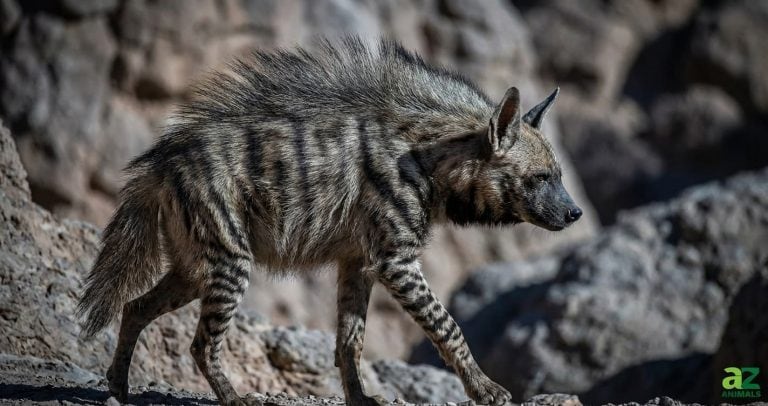
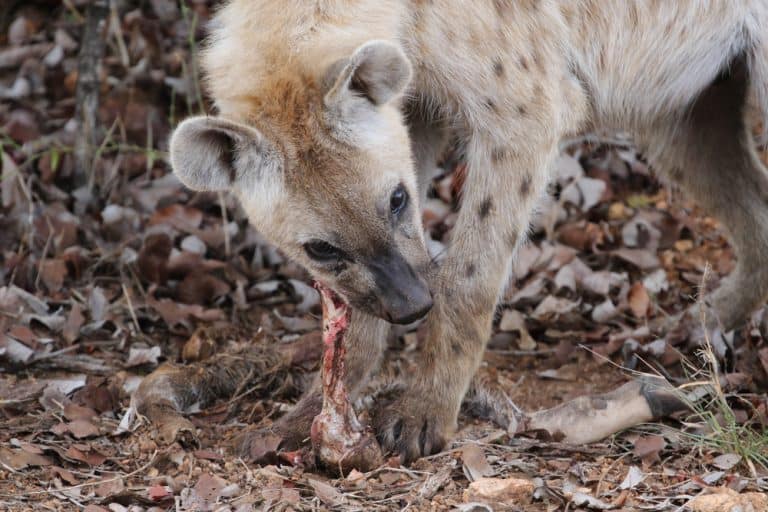
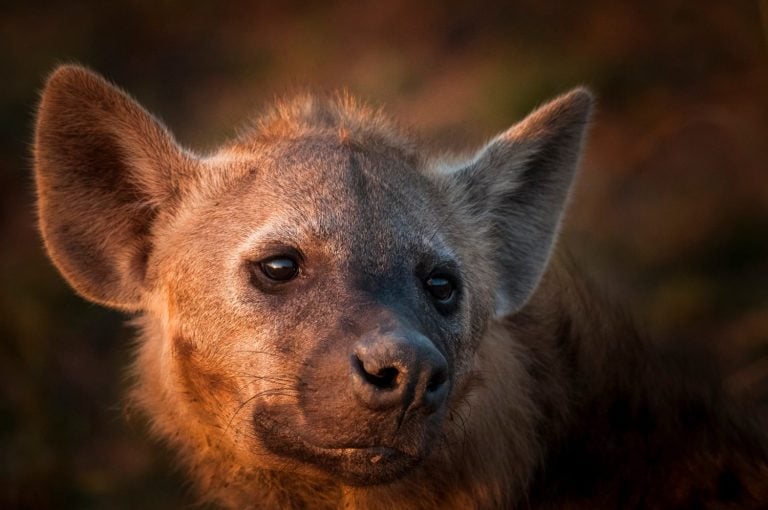
The hyenas consistently pulled away from lions. In four out of ten mixed pairs tracked within ten kilometers of one another, there was a clear and significant pattern of retreat. Not once did a hyena approach a lion more frequently than would be expected by random chance. This tendency didn’t just appear at long ranges; at distances as close as two to five kilometers, every hyena kept its distance. The avoidance remained consistent at every level the researchers examined.
The Role of Sex and Society in Encounters
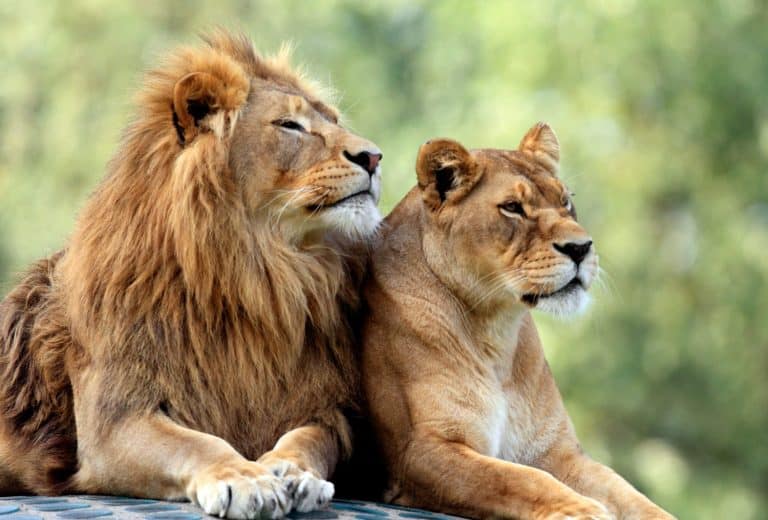
Lion behavior showed subtlety. Male lions, in particular, broke the pattern seen in their rivals. All three males in the study approached hyenas more often than other individuals, sometimes actively tracking them, as observed in midnight field sessions by the research team. Lionesses, on the other hand, appeared neutral in response to nearby hyenas. Their choices depended on the social dynamics within their own prides.
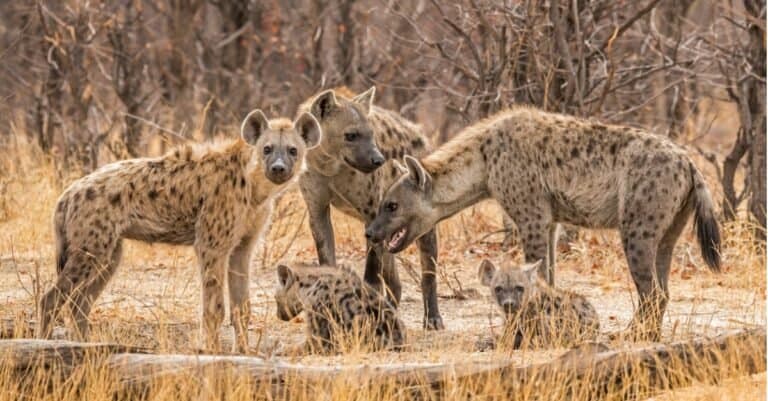
The differences extended beyond tactics. Breeding pairs of lions often moved with coordination: the male in pursuit, the female staying within just 15 meters. For hyenas, social boundaries proved even more precise. Clans never approached within a kilometer of each other, no matter the conditions, a separation that stood firm throughout the study’s four-year span.
Space, Survival, and Conservation
While the number of interspecies pairs, three hyenas and eight lions, remained limited, the study’s statistical approach brought fresh perspective to decades-old assumptions. Direct observation, essential in wildlife research, was complemented by insights from areas otherwise inaccessible to people.
The implications reach far beyond academic curiosity. As conservation managers in Africa fence reserves or concentrate vital water points during drought, the space predators can claim grows smaller. The newly established fact: Hyenas rely on distance as their key strategy to coexist with lions. Reducing that buffer could strip them of their best defense, leaving them more vulnerable in protected areas like the fully fenced expanse of Etosha.
Sometimes, technology doesn’t just solve a mystery, it shifts the question. In uncovering who gives ground and who lays claim to shared territory, scientists are rewriting the rules of coexistence for Africa’s great predators. The boundaries they set, and the space they need, shape the ecosystems that depend on their uneasy balance.