
Quick Take
- Female ferrets (jills) only ovulate after mating, so unpaired jills can stay in heat with high estrogen for weeks.
- Prolonged estrogen exposure can cause aplastic anemia by suppressing bone marrow and reducing red cells, white cells, and platelets.
- Spaying eliminates estrogen source and is the most reliable prevention, typically performed young to prevent heat and related disorders.
Ferrets are beloved, curious creatures whose popularity as a family pet has steadily increased over the past decades. However, there is one crucial aspect of female ferret biology that every pet owner must understand to keep their little companion healthy. Female ferrets, known as jills, only release eggs if mating occurs. If a jill enters heat and doesn’t mate, she can remain in estrus for weeks or even months, a time during which her body will continue producing high levels of estrogen.
What does that mean for the ferret? Well, in short, it can be extremely dangerous. Prolonged exposure to estrogen, over time, can suppress bone marrow function and lead to aplastic anemia, a condition in which the body can no longer produce sufficient blood cells. This disorder, without prevention or treatment, is often fatal. Understanding how and why this happens is essential for anyone responsible for a female ferret’s care.
The Reproductive Biology of Female Ferrets
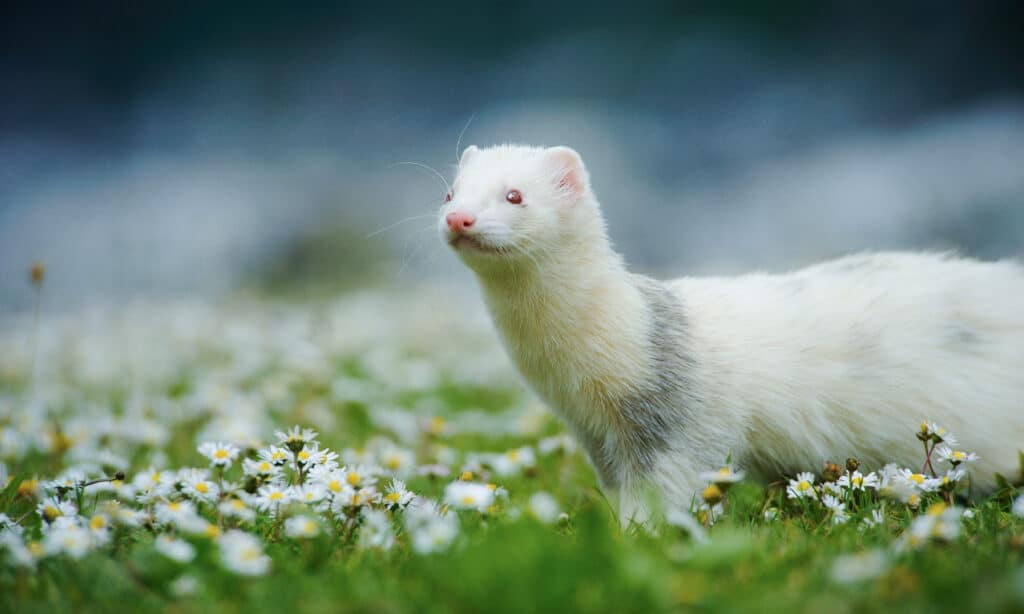
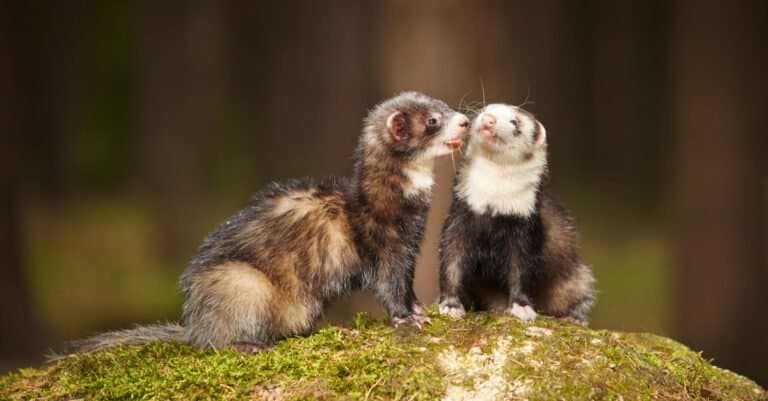
Female ferrets are “induced ovulators,” mean they will not ovulate automatically, it’s triggered by mating.
©everydoghasastory/Shutterstock.com
Unlike many mammals, female ferrets do not experience regular ovulatory cycles. Instead, they’re what are called induced ovulators, meaning ovulation does not occur until after the physical stimulation of mating. If the animal doesn’t mate, the hormonal signals that initiate heat continue to remain active. As a result, estrogen levels stay elevated.
Ferrets are seasonal breeders. In most parts of the U.S., jills come into heat in the spring as daylight hours increase. In the wild, this ensures that young are born during favorable conditions. In captivity, however, the absence of a mating partner means estrus may continue uninterrupted as long as environmental cues such as extended daylight persist.
Physical signs of heat are usually obvious. The vulva becomes noticeably swollen, often several times its normal size. Owners may also notice an increase in body odor, changes in behavior, or restlessness. While these signs may seem manageable, the real danger lies in the hormonal effects occurring internally.
How Aplastic Anemia Develops
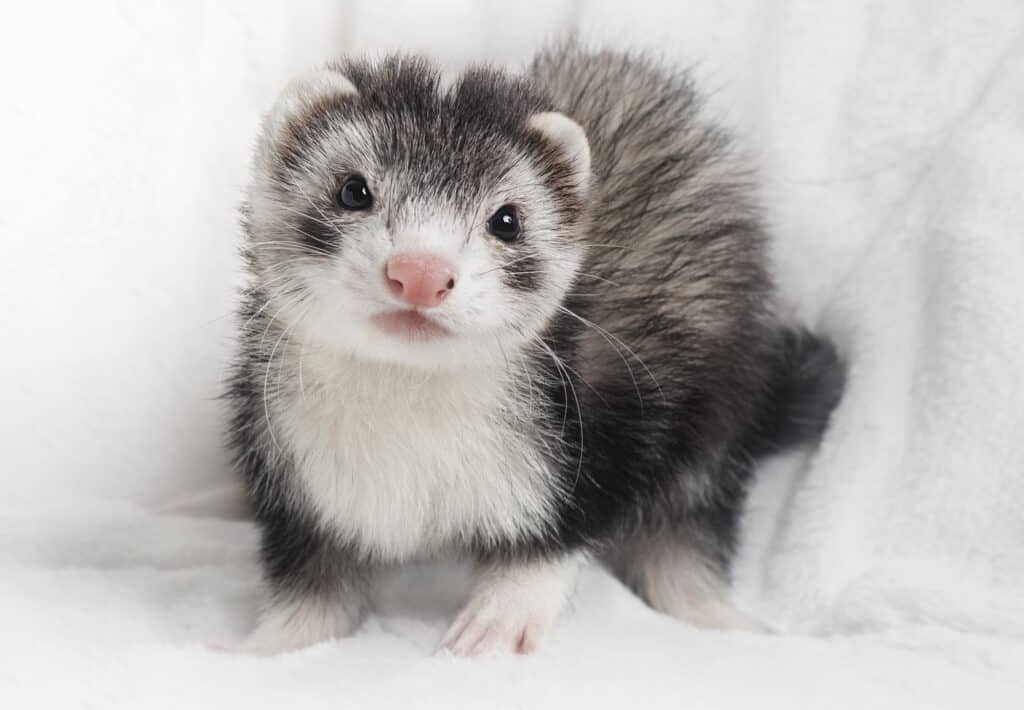
Aplastic anemia is a serious condition that can be fatal if not treated.
©Stephanie'screativeImages/Shutterstock.com
Estrogen plays a normal and necessary role in reproduction, but its effects depend heavily on timing and duration. In jills that remain in heat, estrogen levels stay abnormally high for extended periods. This condition, often referred to as hyperestrogenism, has toxic effects on several body systems.
One of the most serious consequences is suppression of the bone marrow, which is responsible for producing red blood cells, white blood cells, and platelets. Chronic estrogen exposure interferes with this process, reducing the body’s ability to replenish these essential components of the blood.
As red blood cell production declines, oxygen delivery throughout the body becomes impaired. Also, reduced white blood cell counts weaken the immune system, making infections more likely and harder to fight. In addition, low platelet counts compromise blood clotting, increasing the risk of internal bleeding or hemorrhage. Together, these effects make up a condition called aplastic anemia. Without intervention, the condition may progress rapidly and silently until the ferret becomes critically ill.
The Signs of Aplastic Anemia
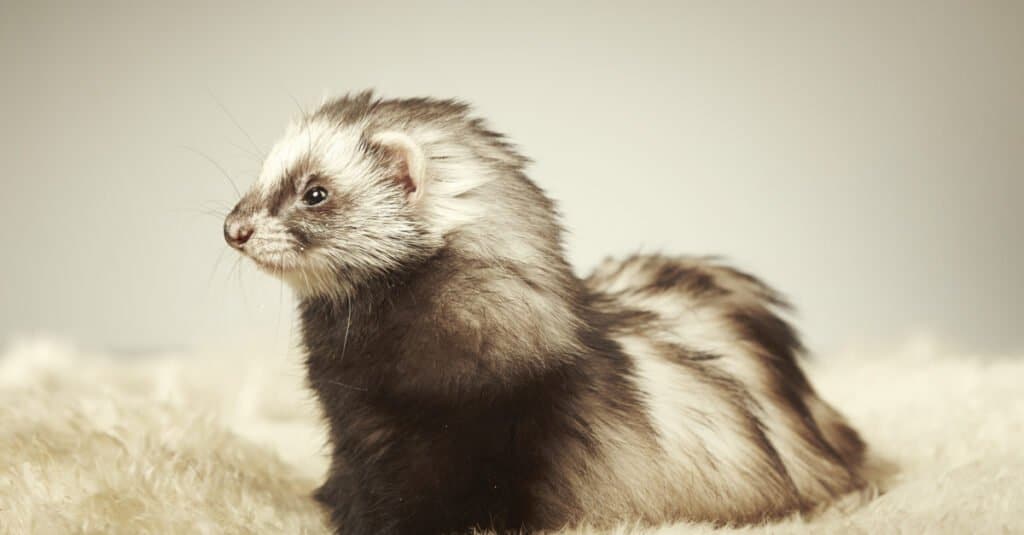
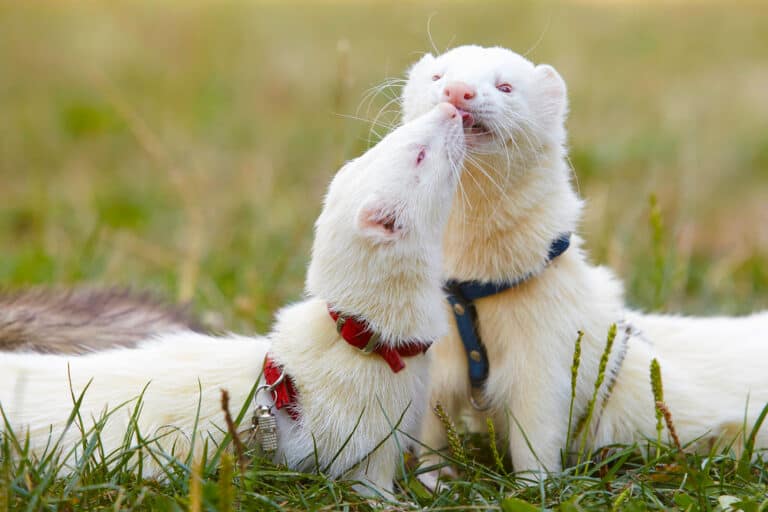
The signs of aplastic anemia are not always obvious, so it’s important to know what to look for.
©Couperfield/Shutterstock.com
The early stages of estrogen toxicity are often subtle, which is why vigilance is so important.
- Affected jills may develop lethargy and weakness as anemia worsens.
- Gums and other mucous membranes may appear pale.
- Hair loss is commonly reported, often beginning at the tail or flanks.
- Infections may occur more frequently or fail to resolve with routine treatment.
- In advanced cases, spontaneous bruising, nosebleeds, or internal bleeding can occur.
Without veterinary care, these symptoms typically worsen. Blood tests often reveal low counts across multiple cell lines, confirming bone marrow suppression. At this stage, treatment becomes more complex and the prognosis more guarded.
The Most Reliable Prevention: Spaying
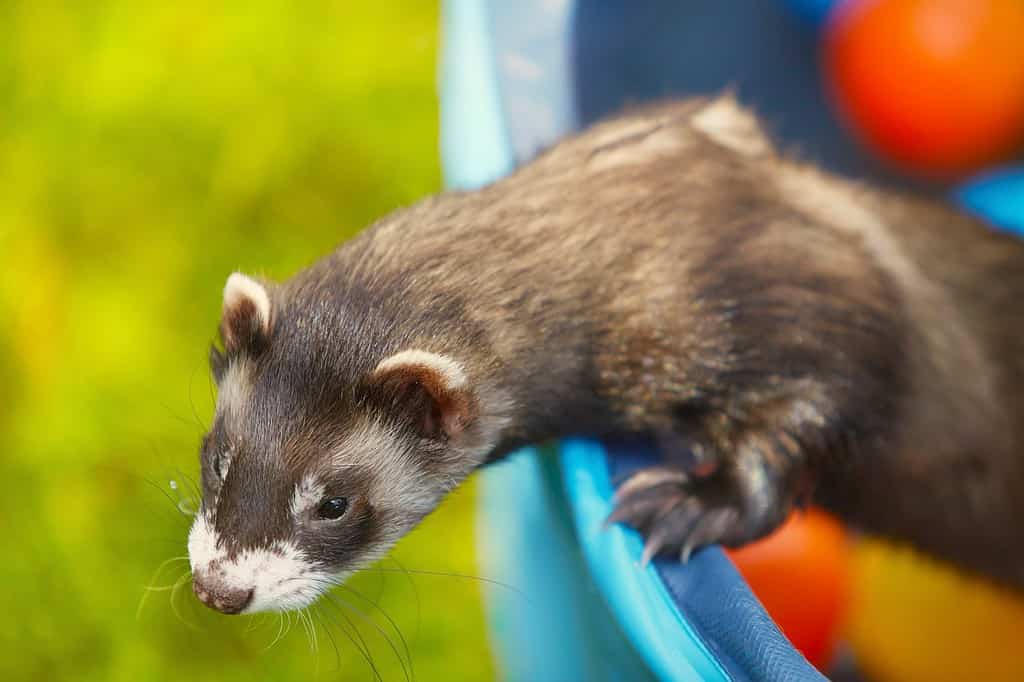
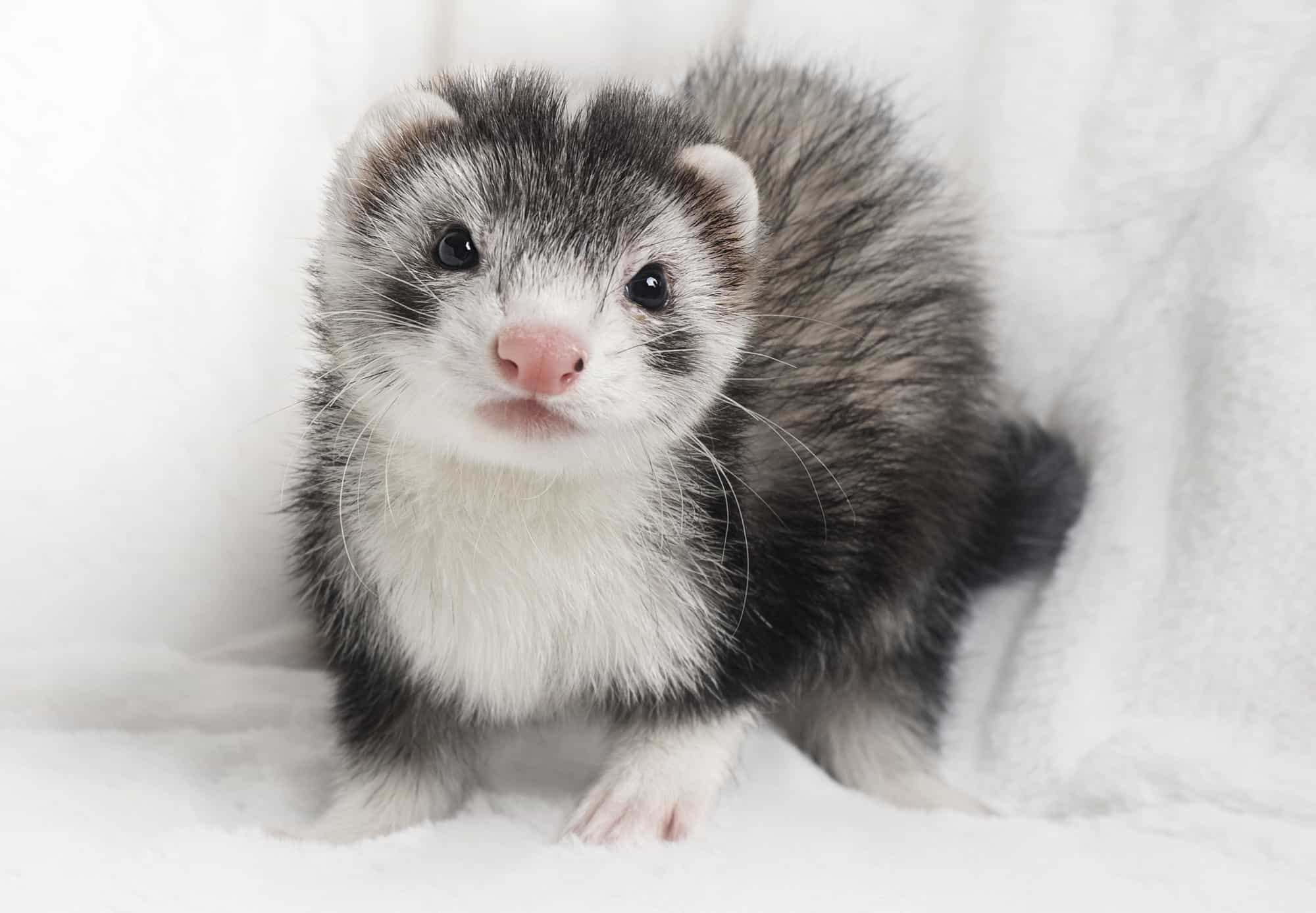
Spaying your ferret is far and away the best prevention for aplastic anemia.
©Couperfield/Shutterstock.com
The most effective way to prevent prolonged estrus and estrogen toxicity in female ferrets is surgical spaying. By removing the ovaries and uterus, the primary source of estrogen is eliminated, preventing the ferret from entering heat altogether.
Spaying also prevents other reproductive disorders, including uterine infections and ovarian disease. For most pet ferrets, spaying is considered standard preventative care and is typically performed at a young age, often before the first breeding season.
When performed by an experienced veterinarian, spaying is generally safe, and recovery is usually rapid. The long-term health benefits far outweigh the short-term risks associated with surgery, particularly given the severity of the conditions it prevents.
Medical Management
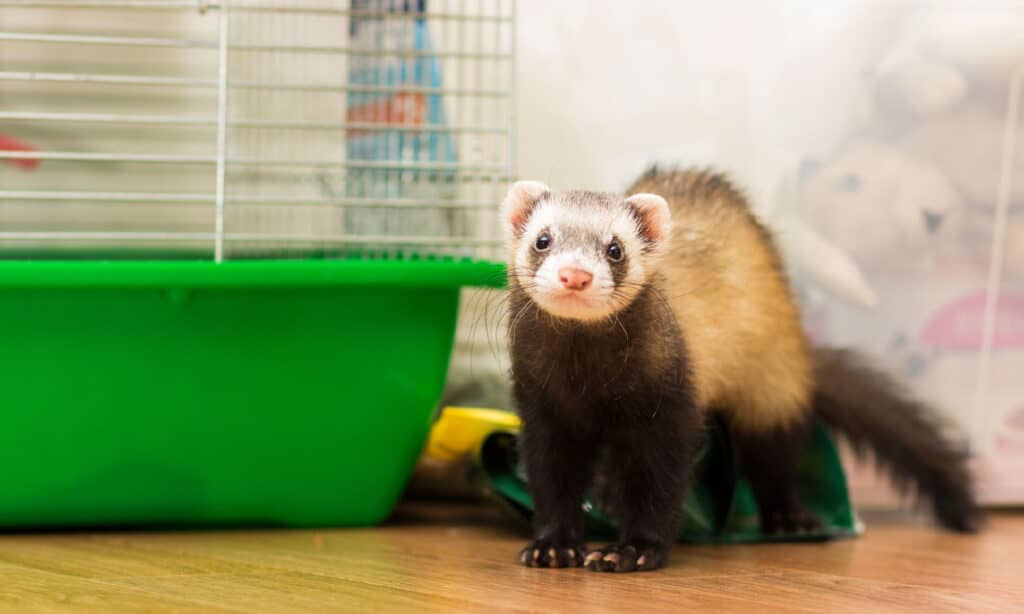
There are other treatments, but spaying remains the best.
©iStock.com/FaST_9
In some situations, medical management may be used instead of or prior to spaying.
- Hormonal implants can suppress reproductive hormone production and prevent estrus for extended periods. These implants are not permanent and must be replaced periodically to remain effective.
- Another traditional method involves mating the jill with a vasectomized male. Because ovulation in ferrets is triggered by mating, this allows the jill to ovulate without becoming pregnant, ending the heat cycle. While effective, this approach requires careful planning and access to an appropriate male.
- Hormonal injections designed to mimic pregnancy can also be used to interrupt estrus. These treatments may be useful in emergencies but are not considered ideal long-term solutions due to potential side effects and the need for repeated administration.
While these alternatives can be effective when managed properly, none offer the same level of permanent protection as spaying.
Be Proactive
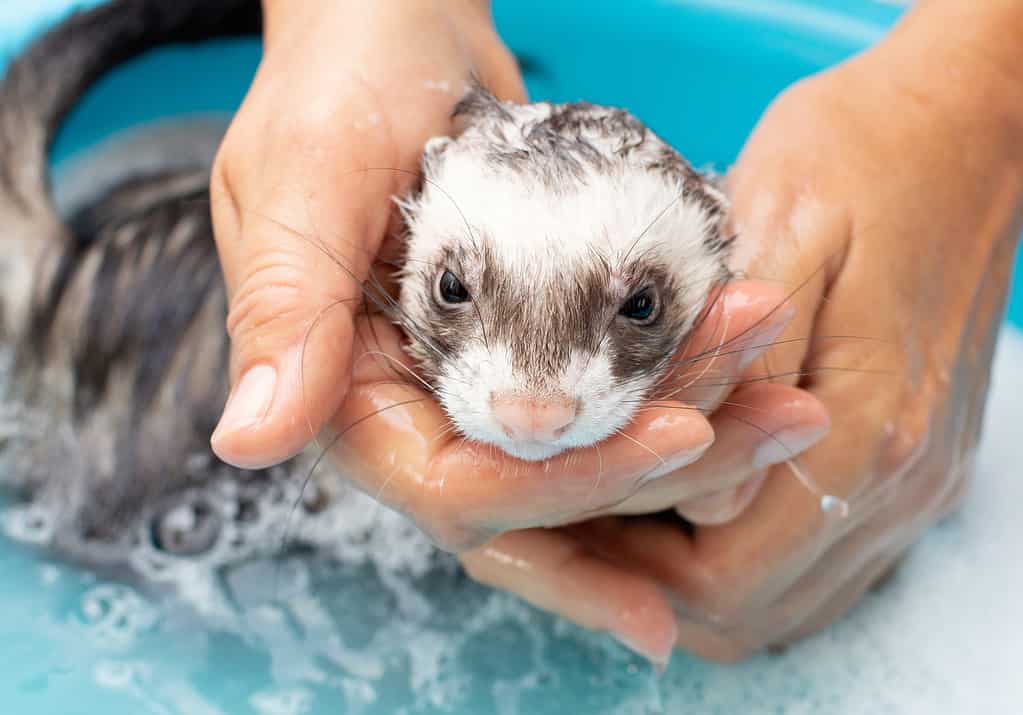
Responsible ferret owners must be proactive in preventing this condition.
©Irina Vasilevskaia/iStock via Getty Images
Female ferrets have a unique reproductive biology that makes prolonged heat far more than a behavioral inconvenience. It can create a hormonal imbalance that can lead to aplastic anemia, which is frequently fatal if left untreated. Spaying remains the most reliable way to prevent this outcome, but there are other methods if spaying is not an option, though they are not nearly as effective. For ferret owners, understanding the risks and acting proactively is essential. Proper reproductive management is not optional care for female ferrets; it is a cornerstone of their long-term health and survival.