
Quick Take
- Cataracts are a disease that clouds the lens and can cause vision loss. Surgery is the treatment.
- Nuclear sclerosis is an aging change that clouds the lens with a blue-gray haze and usually causes minimal to no vision loss.
- Cataracts can affect dogs of any age. Nuclear sclerosis is age-related and causes little or no vision loss.
It is said that a dog’s eyes are the window to their soul. For some dogs, those windows become foggy. While a host of eye issues could be causing the problem, two of the most common that affect the lens of the eye are cataracts and nuclear sclerosis. Both cause a dog’s eyes to turn cloudy, but they are very different conditions, leaving pet parents wondering how to tell the difference between dog cataracts and nuclear sclerosis.
Cataracts And Nuclear Sclerosis Explained
Cataracts and nuclear sclerosis are both conditions that cause the lens of a dog’s eye to turn cloudy. However, according to Cameron Broach, DVM, this is where the similarities end between cataracts and nuclear sclerosis.
“Cataracts and lenticular (nuclear) sclerosis are both common causes of cloudy-looking eyes in dogs,” Dr. Broach explains to A-Z Animals, “but they’re very different in cause, impact on vision, and treatment.”
What Cataracts Are
“First, let’s talk about cataracts,” Dr. Broach says. “They are caused by changes in the lens of the eye, often due to genetics, diabetes, or injury.”

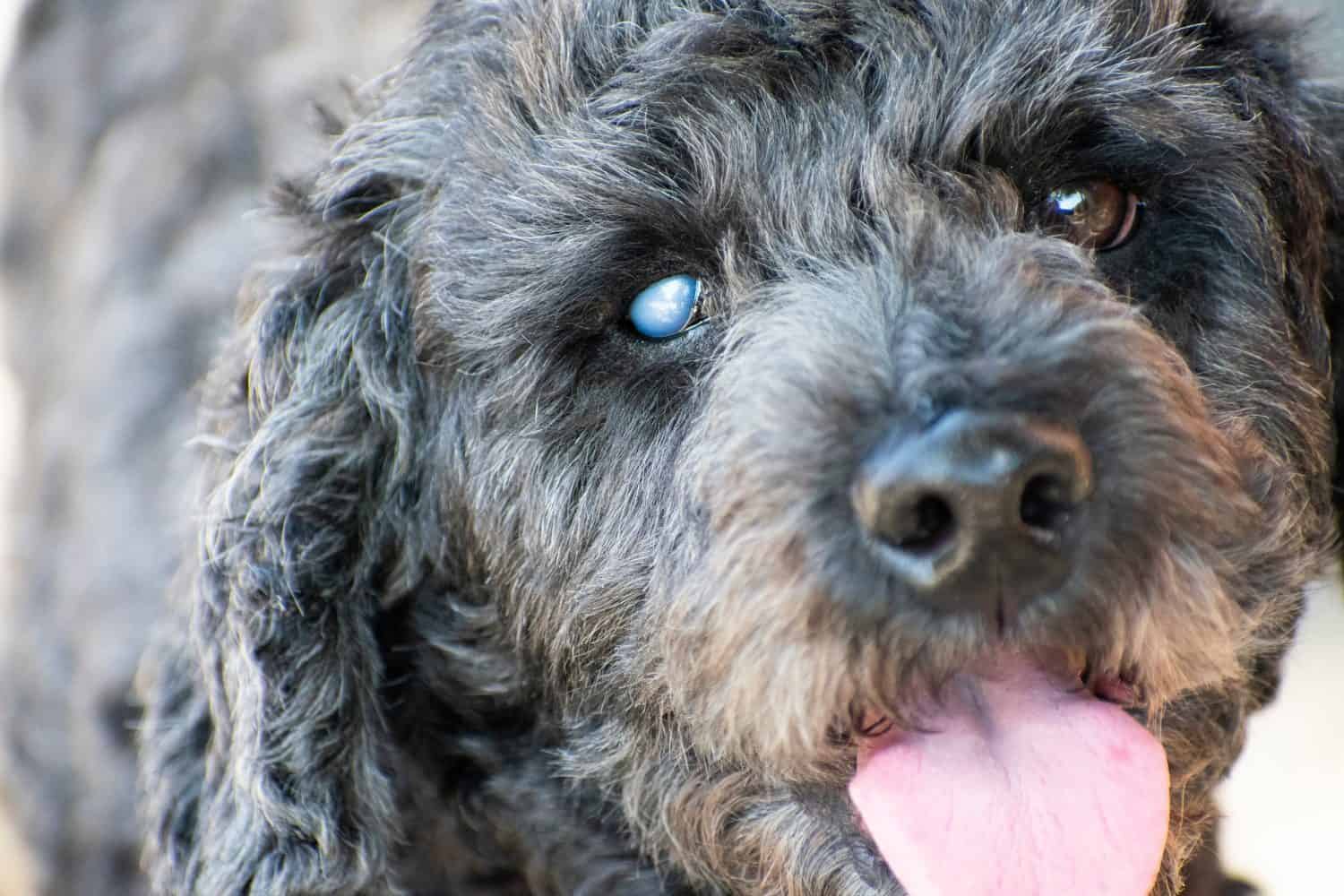
A dog with cataracts will eventually lose their vision if left untreated.
©selvaco/Shutterstock.com
Dr. Broach, who has 25 years of experience as a veterinarian, adds that the most common symptom of cataracts is “a cloudy or opaque appearance in the eye.” Additionally, if left untreated, cataracts can lead to vision loss.
What Nuclear Sclerosis Is
Another cloudy eye condition is nuclear sclerosis. Unlike cataracts, however, it is a change in the lens due to the dog’s age rather than a disease.
“Nuclear sclerosis is a normal aging change where the lens becomes denser, giving a bluish-gray haze,” Dr. Broach says. “It usually doesn’t affect vision significantly.”
What Is The Difference Between Cataracts And Nuclear Sclerosis?
The first significant difference between cataracts and nuclear sclerosis is that cataracts can affect dogs of any age, whereas nuclear sclerosis is directly age-related. This is not where the differences end, however.
Some of the main dissimilarities between cataracts and nuclear sclerosis, according to Dr. Broach are as follows:
| Characteristics | Cataract | Nuclear Sclerosis |
| Appearance | White, gray, or opaque | Blueish-gray to hazy |
| Cause | Genetics, diabetes, eye injury of inflammation | Getting older |
| Sight Loss | Partial to complete vision loss | Minimal to no vision loss |
| Treatment | Surgical removal | None |
Dr. Broach, who practices in South Carolina, also noted some other key differences between cataracts and nuclear sclerosis. Specifically, nuclear sclerosis is not a painful condition. While cataracts themself are also not painful, the disease can “lead to painful inflammation or glaucoma.”
This is why it is essential to get dogs to a veterinarian at the first signs of eye cloudiness to get a proper diagnosis. Not only will this help prevent long-term eye pain, but the sooner cataracts are diagnosed and treated, the better the chances are of saving some or all of a dog’s vision.
How Cataracts And Nuclear Sclerosis Are Diagnosed
To obtain a proper diagnosis, veterinarians will use an ophthalmoscope to examine a dog’s eyes. According to Dr. Broach, it becomes apparent quite quickly if the condition is disease or age related.
“A veterinarian uses an ophthalmoscope to examine the eyes. If the lens blocks the view, then it is cataracts,” Dr. Broach tells A-Z Animals. “If they can still see the retina clearly, it is likely nuclear sclerosis.”
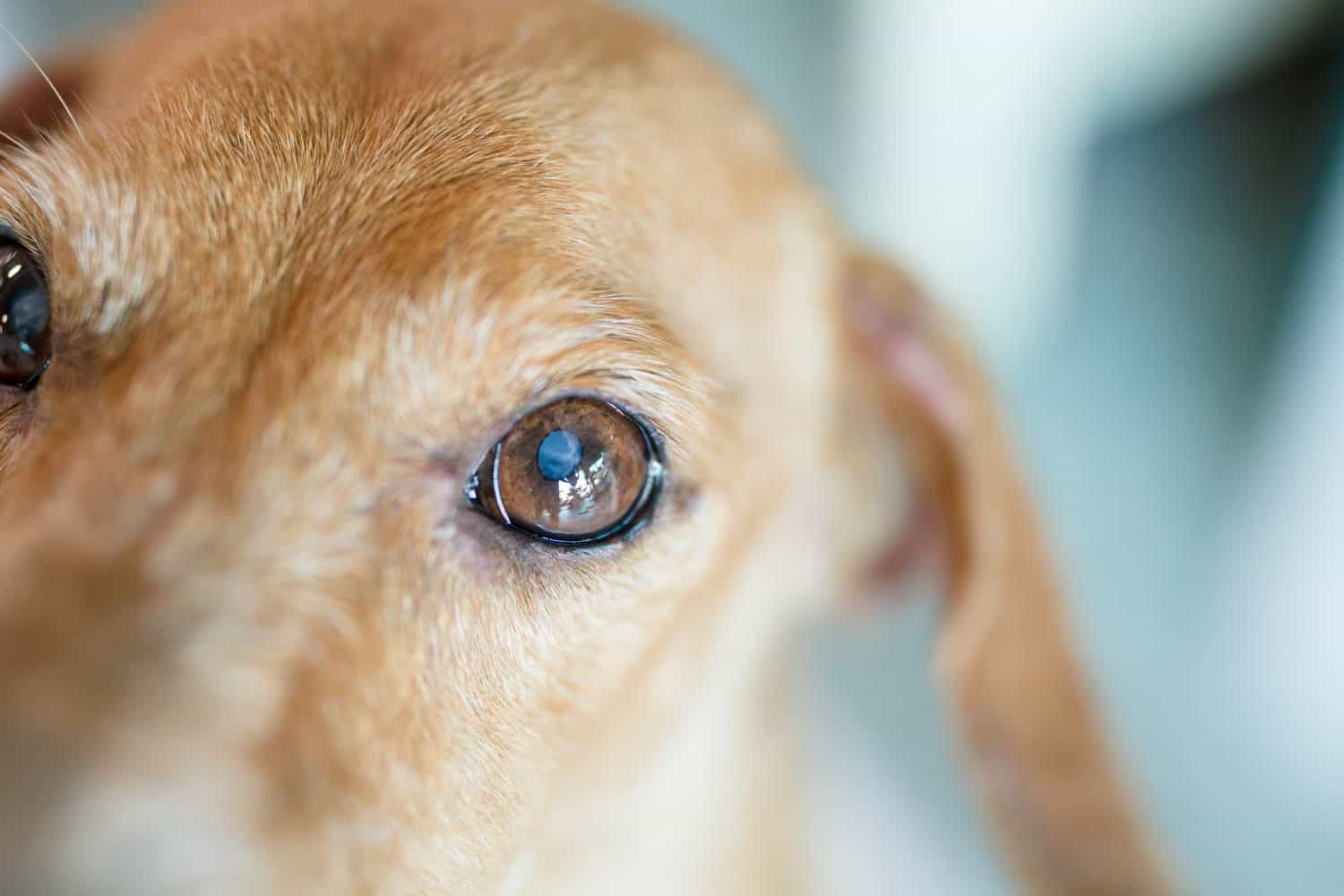
Nuclear sclerosis is diagnosed using an ophthalmoscope.
©Sanit Ratsameephot/Shutterstock.com
When it comes to the eyes, Dr. Broach says that when cloudiness appears suddenly, it is necessary to get a dog to the vet as soon as possible for a diagnosis. Other eye changes that Dr. Broach says require urgent veterinary care related to cataracts and nuclear sclerosis include:
- Red, painful, or squinting eye
- Rapid vision changes
- A diabetic dog developing cloudy eyes
Eye diseases have only a limited window for treatment before permanent damage occurs and vision loss becomes imminent.
Do Both Cataracts And Nuclear Sclerosis Cause Vision Loss?
To the untrained eye, or even a veterinarian’s eye, not using an ophthalmoscope, it can be challenging to diagnose cataracts or nuclear sclerosis properly. While age, injury, and health can help veterinarians make an educated guess, a proper checkup is needed to provide treatment. The longer the treatment is delayed for eye issues, the more likely vision loss is to occur.
The main difference between cataracts and nuclear sclerosis is that only one is a disease. Cataracts is a disease that affects the vision of the eye. Left untreated, vision loss will occur.
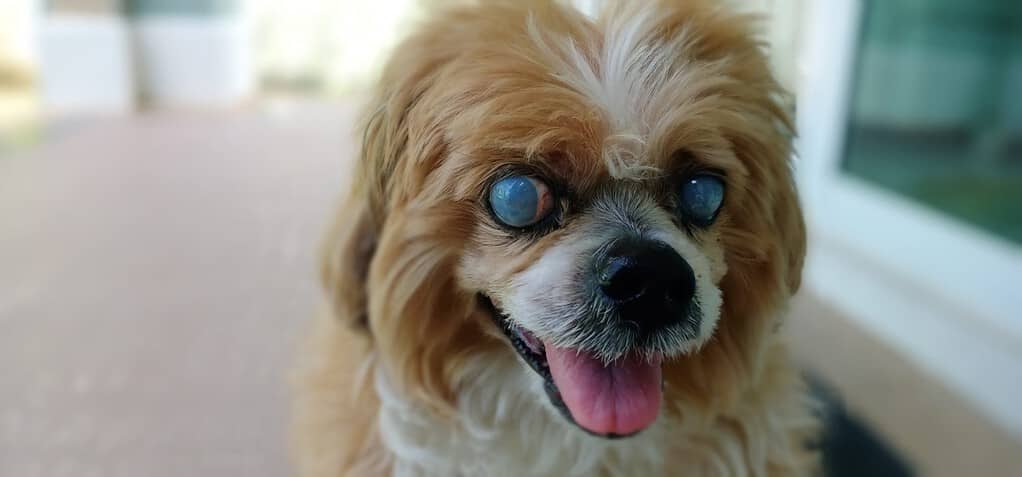
Dog cataracts can cause dogs to bump into objects or have a fear of new environments where they do not know the landscape, because they cannot see.
©EightWiriya/Shutterstock.com
“The cloudiness in the eyes may be patchy or dense and can worsen over time,” Dr. Broach explains. “It has an effect on vision to the point where dogs may bump into things or hesitate in new environments.”
Conversely, nuclear sclerosis does not cause dogs to lose their vision. Instead, it is akin to older people needing glasses as they age.
“The cloudiness is even across the lens,” Dr. Broach says. “It is often easier to see in certain lighting or from the side. However, dogs can still see well and navigate normally. There is minimal to no vision loss.”
For these very reasons, surgery is a requirement to treat cataracts, while vets will not perform surgery on those dogs diagnosed with nuclear sclerosis.
Preventing Nuclear Sclerosis And Cataracts
Unfortunately, there is no surefire way to prevent nuclear sclerosis or cataracts from developing. This is why regular veterinarian visits and getting dogs into the vet as soon as changes to the eyes are noticed are the best remedies for either of these conditions.
Once cataracts begin to develop, according to Dr. Broach, the only way to prevent them from progressing is to have a veterinary ophthalmologist remove them. While this can be a costly procedure, of up to $5,000 or more, depending on how severe the condition is, it is the only way to save a dog’s eyesight.
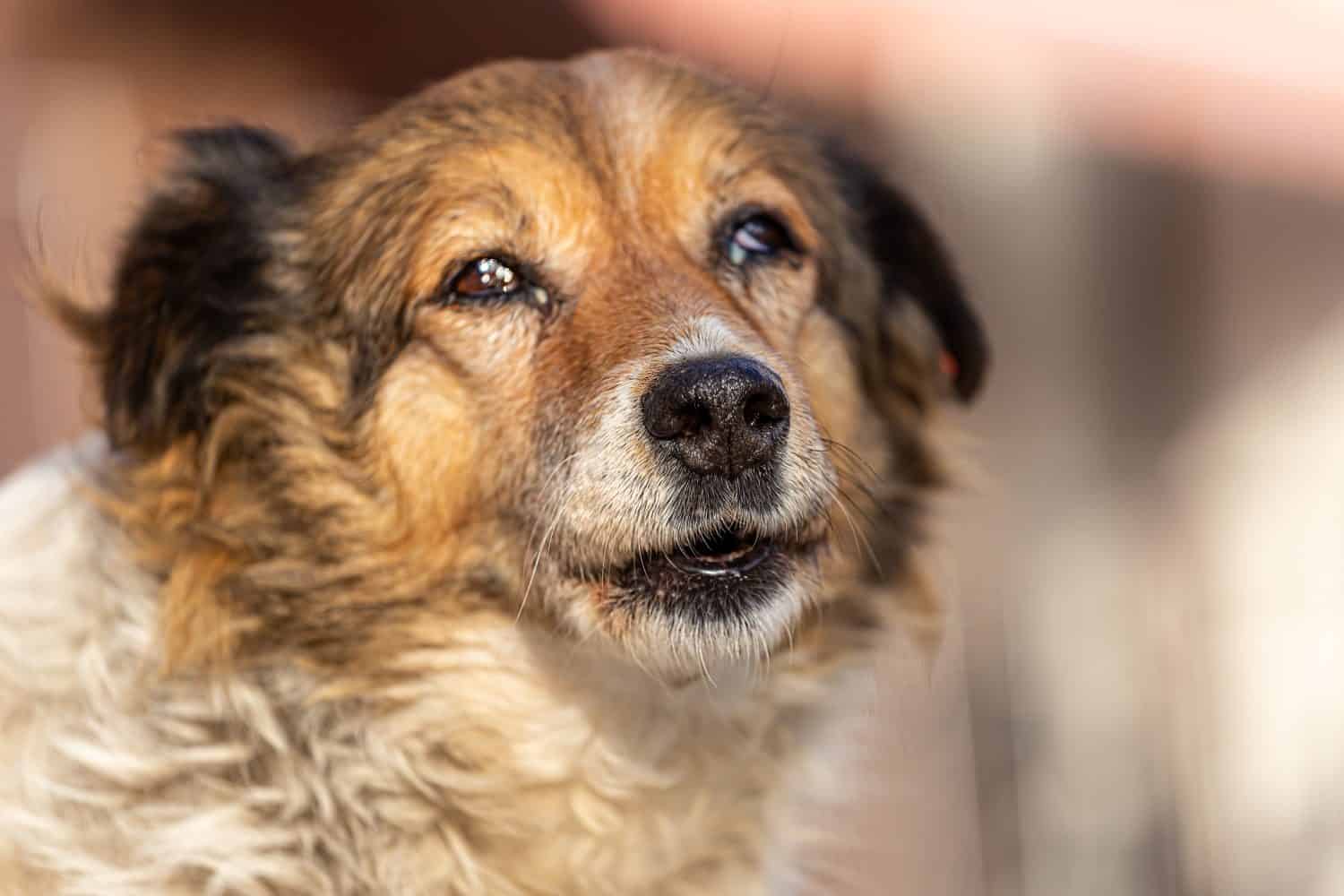
There is no way to prevent either cataracts or nuclear sclerosis. However, managing and treating the conditions is possible.
©nurten erdal/Shutterstock.com
Nuclear sclerosis is a condition caused by aging. Therefore, there is no way to prevent it. However, once it is diagnosed, veterinarians will likely suggest routine checkups to monitor the eyes to ensure no drastic changes are occurring and that the dog is still seeing relatively well.
No one wants their dog to deal with eye conditions, whether or not they affect vision. However, with consistent and proper veterinary care, even those diagnosed with cataracts can save their vision, giving dogs the best possible quality of life.