
Jellyfish are strange creatures, with each species having its own set of unique traits and quirks. One example is the warty comb jelly, which has started showing up in Venice waters. These jellyfish have one strange trait that often shocks people: a temporary anus. This Instagram post by @underwater talks about the warty comb jelly and some of its strange behaviors. Read here to learn more about these jellyfish.
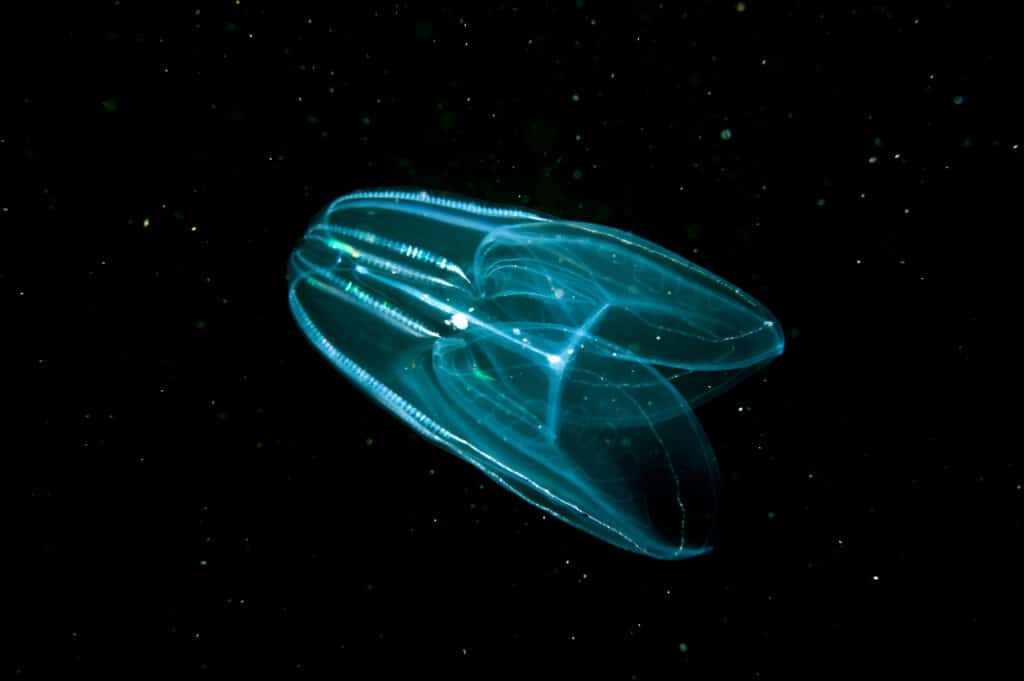
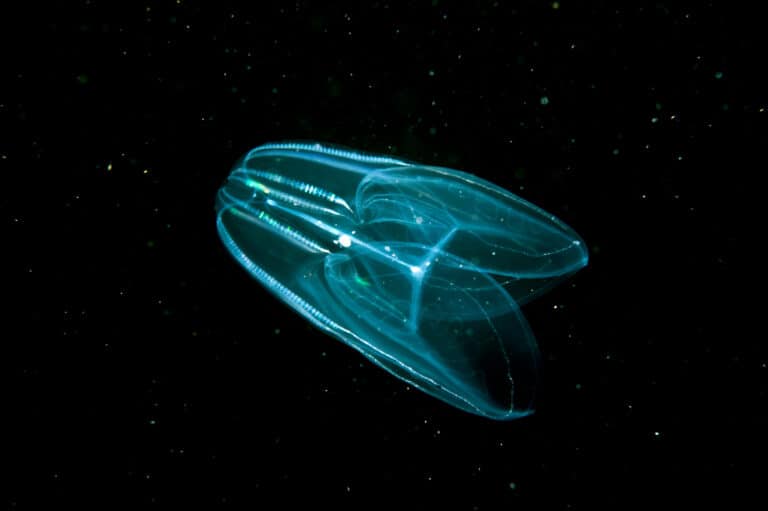
Comb jellies have a bioluminescent and iridescent effect that lights up the dark ocean.
©Kondratuk Aleksei/Shutterstock.com
The Warty Comb Jelly
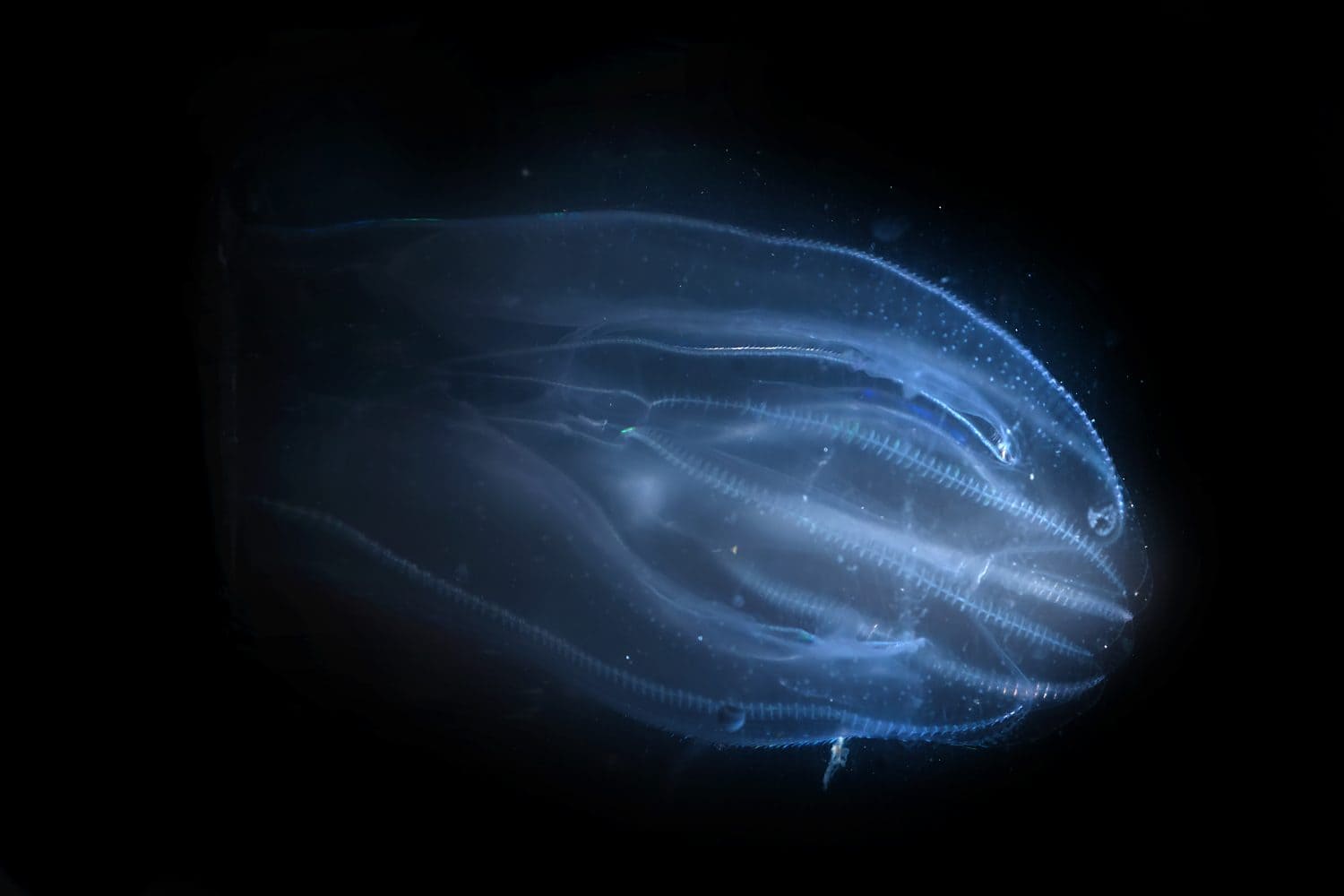
The warty comb jelly, also referred to as the sea walnut or comb jelly, is a ctenophore native to the Atlantic coasts of North and South America. Ctenophores are comb jellies, which differ slightly from cnidaria, or true jellies. They share traits of transparency and gelatinousness, but differ in that comb jellies do not have stingers. The warty comb jelly has an oval body with rows of comb cilia that they use for movement. They grow to about three to five inches long and are notable for their bioluminescence.
In dark waters, the jellies produce a soft green and blue light. Their cilia also refract light, which creates a rainbow, iridescent effect. Rather than stinging to capture prey, they use sticky cells to catch their prey. They eat zooplankton, larvae, and even other comb jellies. However, they are not exactly intentionally carnivorous. Comb jellies are often labeled as carnivores for dramatic effect, but like many predators, these jellyfish may eat their own young when food is scarce.
Temporary Anus?
The term “temporary” or “vanishing” anus is a sensationalized way to describe the biology of these jellyfish. Warty comb jellyfish have what is known as a transient anus, a trait most commonly observed in this species. A transient anus refers to an anal opening for defecation that only appears when needed by the creature. Unlike mammals, which have permanent openings, these jellyfish seem to control this aspect of their biology at will.
When waste fills the jellyfish’s gut, it causes the gut to bulge outward and fuse with the epidermis, or outer body layer. At this point, an opening forms, allowing the waste to be expelled. Afterward, the temporary opening closes, and the epidermis returns to its normal state. This unusual form of defecation is important for researchers to study.
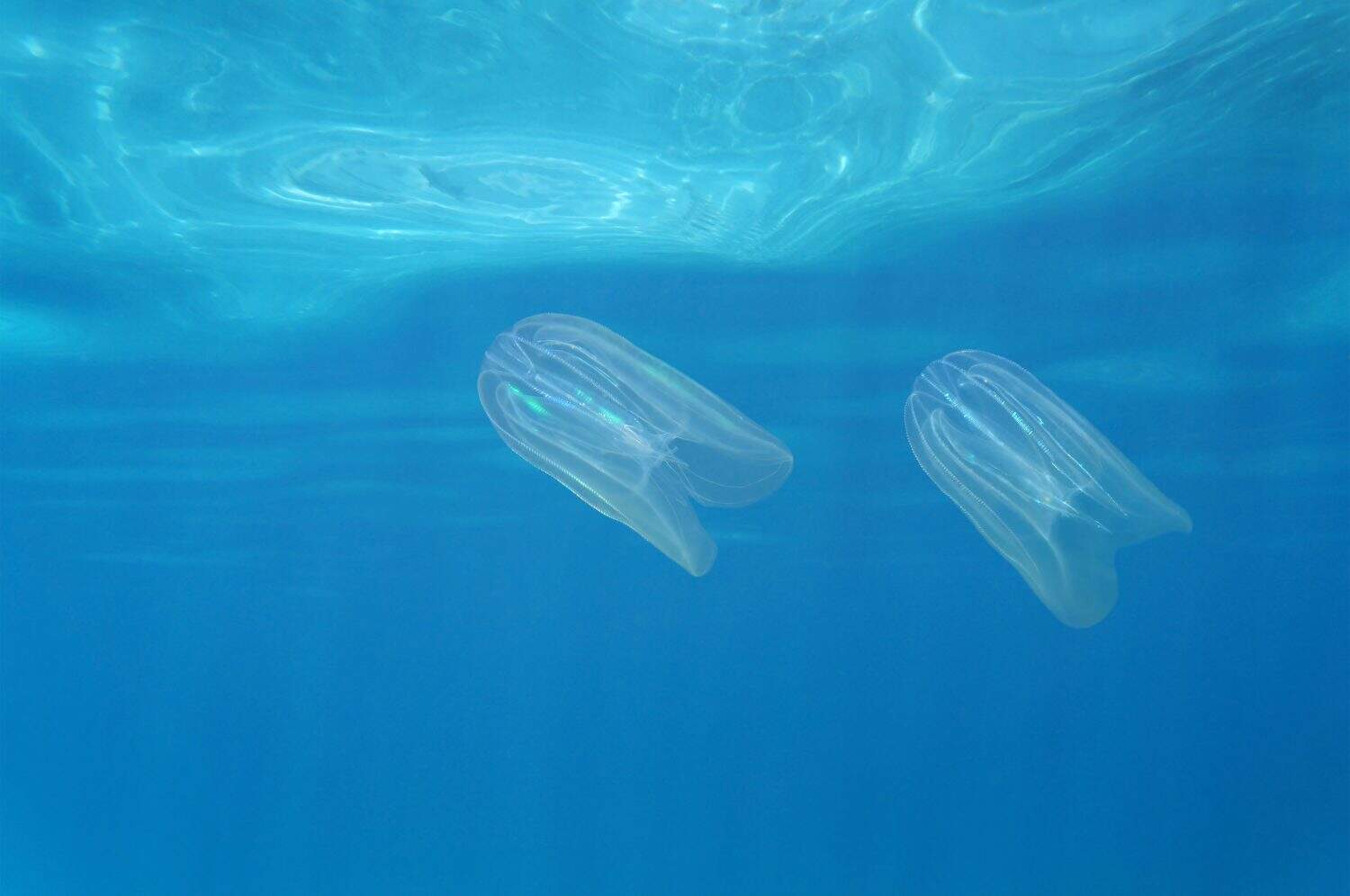
Warty comb jellyfish are extremely invasive species that consume the zooplankton in their environments.
©Damsea/Shutterstock.com
Showing Up in Venice
These jellyfish are native to the western Atlantic Ocean off the coasts of North and South America, so why are they showing up in Venice? Warty comb jellies are one of the most invasive species on the planet. They were accidentally introduced to the Black Sea in the 1980s, and from there, they spread to the Mediterranean Sea—including Venice—primarily via ballast water from ships and favorable environmental conditions. The temperature and salinity of the region are favorable for them, posing a threat to local biodiversity. While they aren’t a danger to humans, they can outcompete native plankton and other wildlife, leading to a reduction in fish populations.