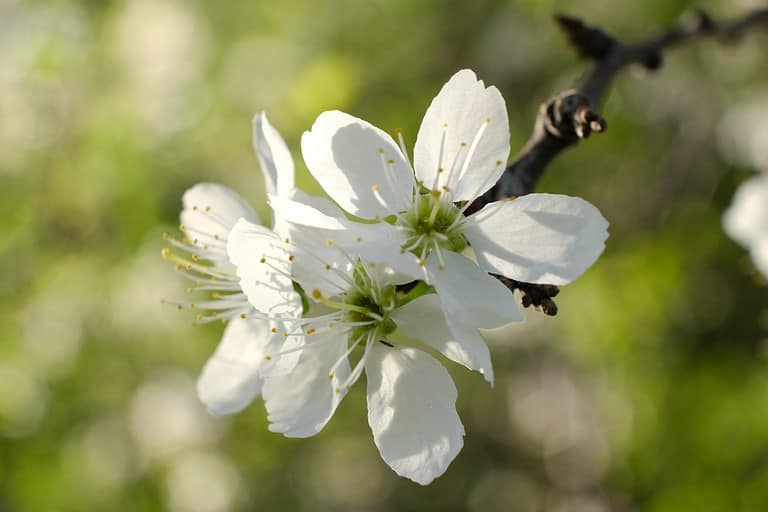

Adding the right trees to your landscaping can make it look great and add a much-needed layer of privacy to your backyard. While privacy fences and other features can help with this, using natural elements like trees is often less intrusive and abrupt, especially when your overall landscaping goal is to create a lush garden oasis to enjoy. Evergreens are popular privacy trees because they provide foliage all year long. Ornamental trees can also make good additions because they provide color and interest, especially in the spring and fall.
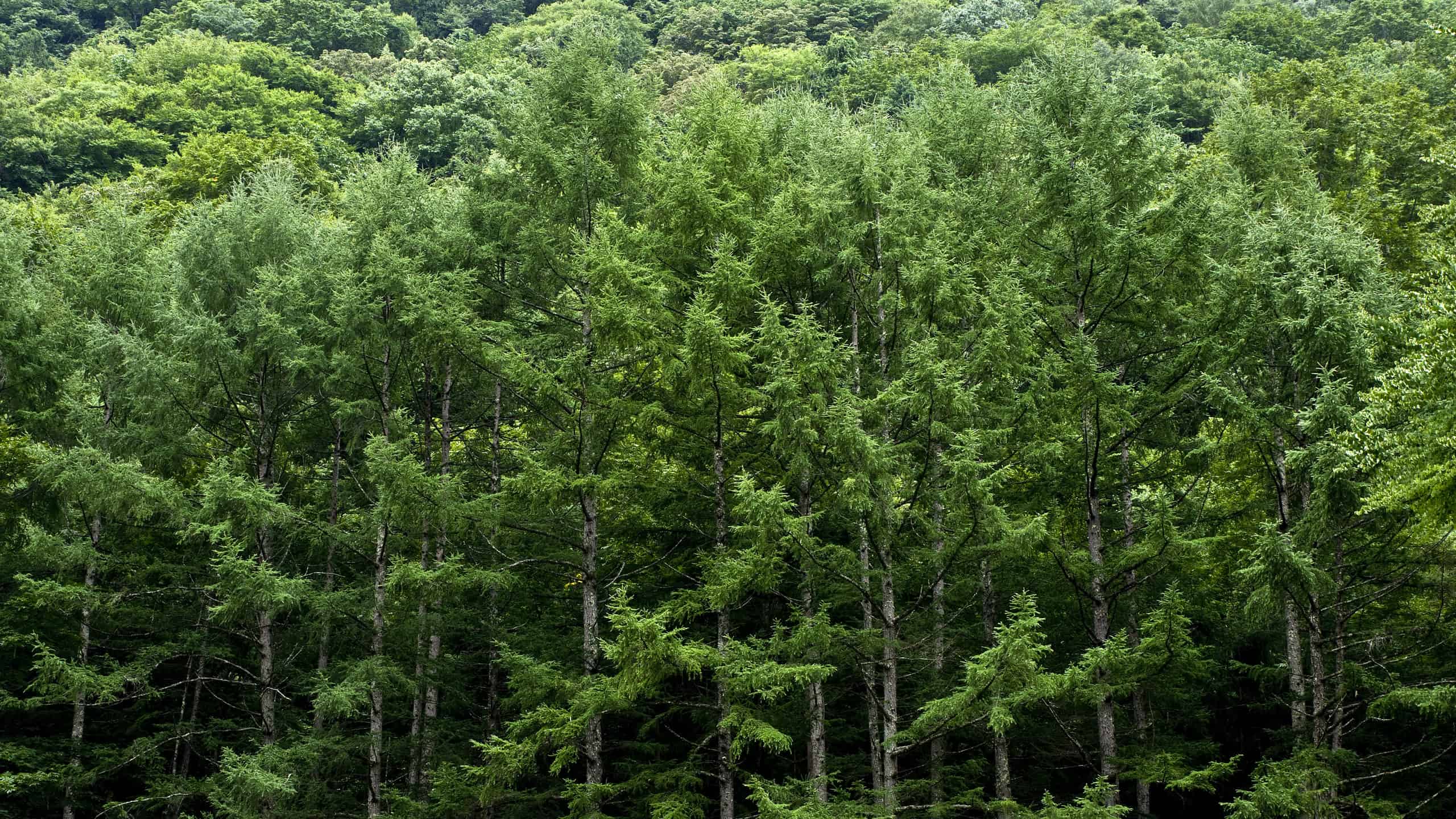
Japanese Cedars make great privacy trees because they are fast-growing, do well in a variety of climates, and smell amazing. They provide plenty of seclusion for those enjoying their shade. Native to parts of Japan and China, these cedar trees are known by the scientific name Cryptomeria japonica. They are also sometimes called Japanese Redwoods due to the vibrant color of their bark. Be careful not to confuse these trees with Japanese Maples, also popular in gardens and landscaping. While maples are mostly ornamental, Japanese Cedars grow to be large evergreens.
These trees can get up to 75 feet tall or more when fully mature. Like other evergreens, they keep their needles throughout the year. The wood is used in buildings and furniture, especially in East Asian carving and art. It is rot-resistant, very fragrant, and has a rich color. These trees make excellent privacy screens when planted together, although be sure to leave plenty of room for them to grow and mature.
Ideal Growing Conditions for Japanese Cedars
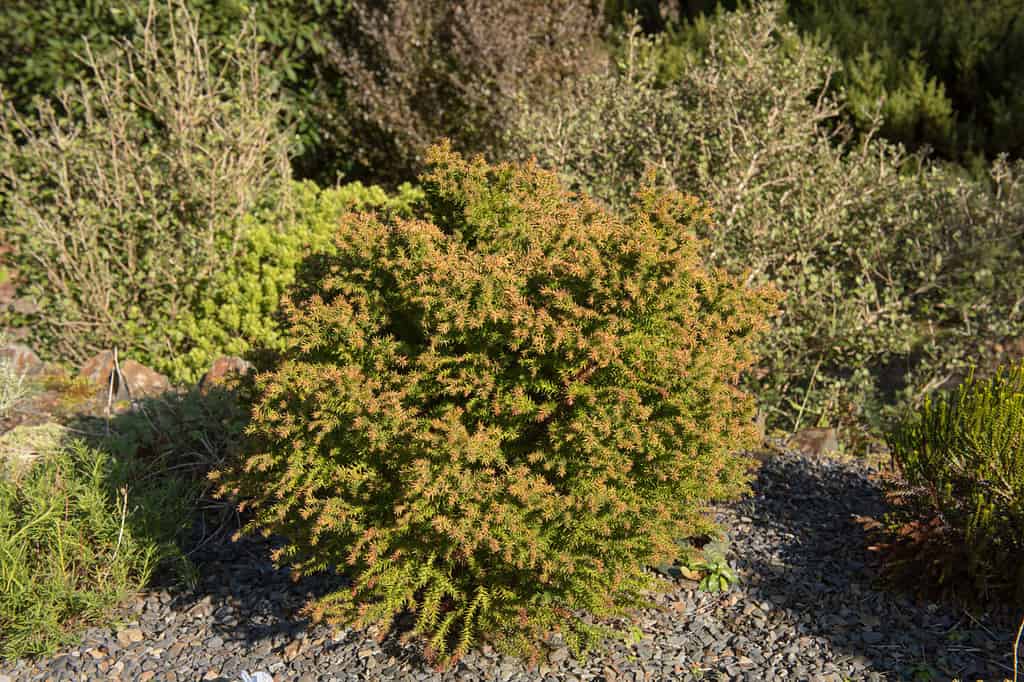
Native to Japan and China, these trees are cultivated in gardens around the world.
©Peter Turner Photography/Shutterstock.com
One reason that many gardeners and landscapers like Japanese Cedars is that they can grow in a variety of environments and soil conditions. While they prefer moist soil and sunlight, they can also do well in other scenarios. Dry soil, partial shade, full sun, or dappled sunlight all work for Japanese Cedars. So if you experience a particular wet or dry season, you don’t need to worry too much about the impact that it will have on your trees.
If you want something a bit smaller, there are great alternatives to Japanese Cedars that still have many of the same benefits. Some of these trees grow in similar conditions and most are easy to maintain, like the Japanese Cedar. In most cases, the Japanese Cedar has a slight advantage when it comes to being used in construction or art because of its extra durable wood. But as far as privacy goes, these alternatives are great options.
#1 Leyland Cypress
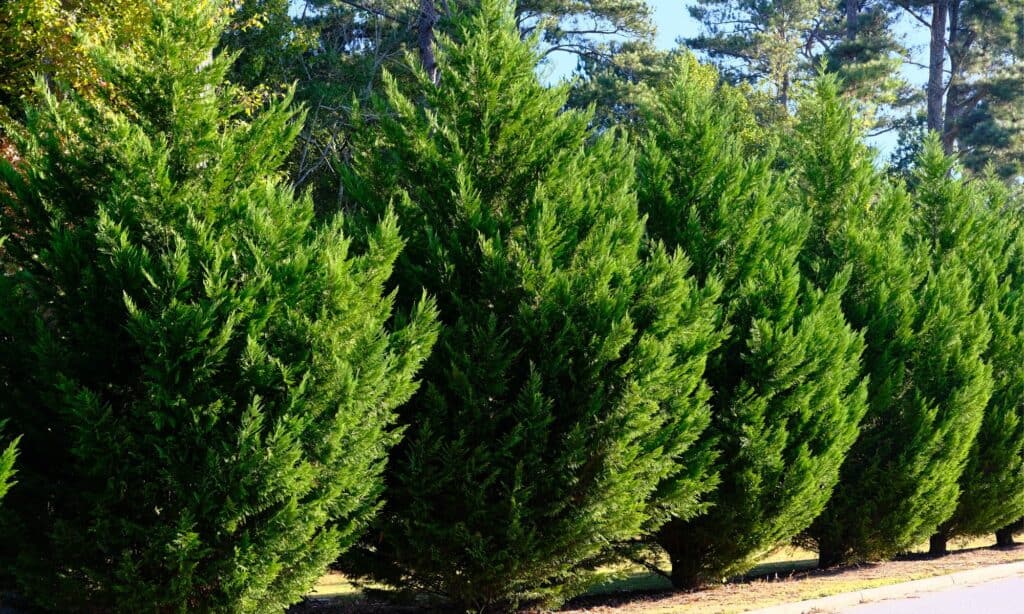
Leyland cypress trees are susceptible to a number of diseases but make very attractive features when planted in a row.
©iStock.com/dbvirago
These evergreens make great privacy screen trees. They are very popular in landscaping both for their uniform, clean look as well as their easy maintenance. They can get up to 60 feet tall when fully mature and often reach heights over 3 feet just within the first couple of years. If you want to plant a row of trees that will quickly get to work providing a secluded space, these are a top choice.
With dense foliage and needles, they form some of the best privacy screens out there. Because they are so fast-growing, however, they can quickly cause issues with neighbors if you plant them near a property line. They tend to grow straight but any slight bends can extend onto another property within the year. These trees can also block sunlight in gardens or other green spaces nearby. Make sure to periodically trim and prune the trees to encourage the growth that you want. They can be susceptible to diseases, including root rot.
#2 Eastern Red Cedar
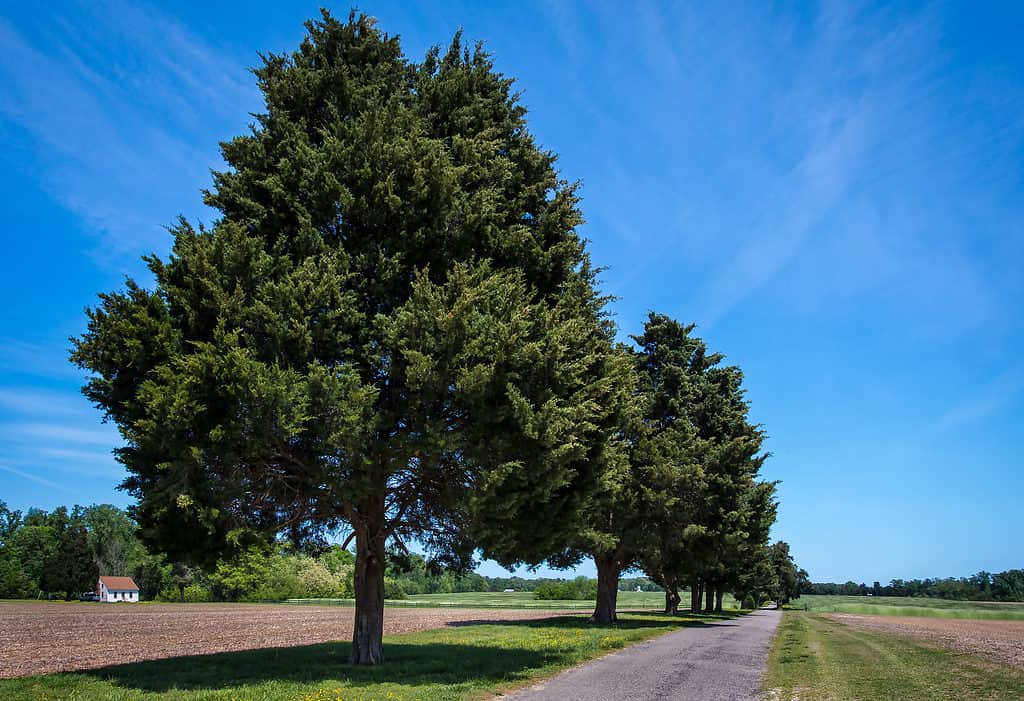
Eastern redcedar can live 150 years under the right conditions.
©Gerry Bishop/Shutterstock.com
This variety of cedar trees is similar to Japanese Cedar in that it is super fragrant. If you want your privacy tree screen to smell amazing, this is a great option. It gets slightly shorter than Japanese Cedar, often topping out around 40 feet. But this may be the best option for your yard, especially if you want to keep the trees shaped. These trees do well in most environments on the East Coast of the United States, although they do prefer full sun and moist soil. They have a similar pyramid shape to Japanese Cedars and can be spaced between 10 and 20 feet apart when first planted.
Be sure to look for Eastern Red Cedar and not Western Red Cedar, also sometimes called Pacific Cedar. While fragrant and beautiful, Western Red Cedars get much, much larger. They can often grow up to 200 feet tall and live for hundreds of years. If you want to plant trees that will last for generations, they are an amazing option. They do work well to provide privacy and seclusion, although they take up more space than most people have in a typical yard. But in most privacy screens, Western Red Cedars are too much and won’t do well without the required space that they need to really thrive.
#3 Aurea Cedar
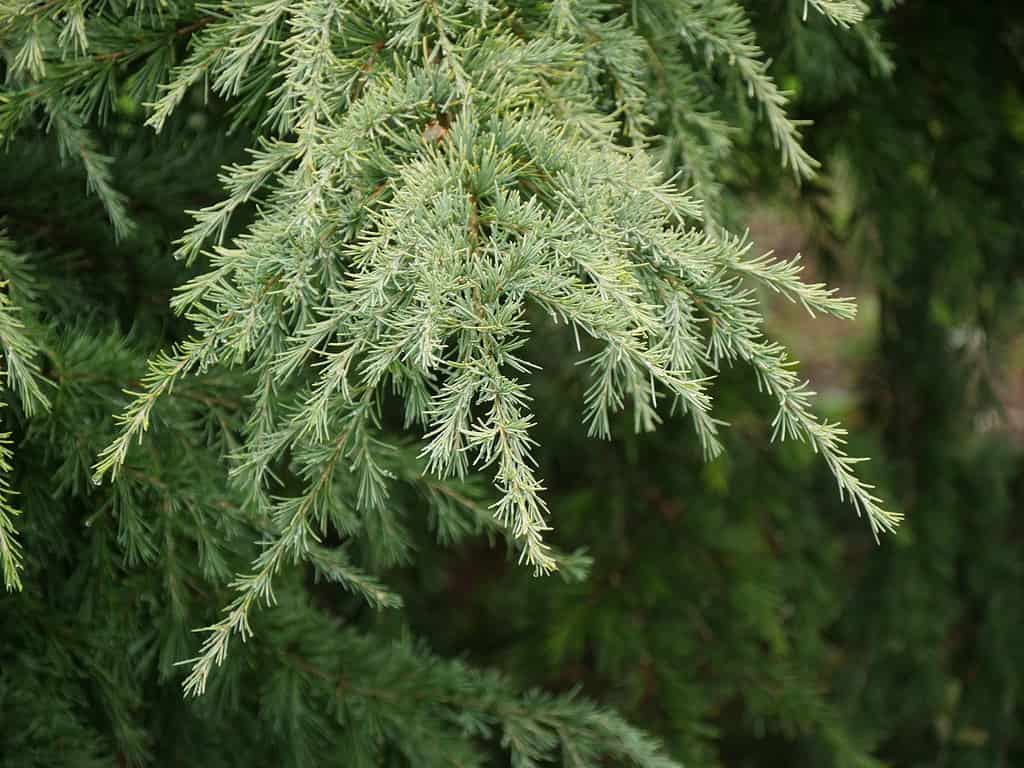
Cedrus deodara ‘Aurea’ made great additions to your landscaping to provide privacy.
©IsabelleMorand/iStock via Getty Images
This variety of cedar strikes a good balance between decoration and function. Aurea Cedar is also commonly called Deodara Cedar. They grow around 40 feet tall and are very dense, features that make them good for maintaining privacy and seclusion. The needles on their branches hang down, known as weeping, which gives them a more delicate look. When they sprout new growth in the spring, they tend to be yellowish-green, which adds visual interest to your landscaping and garden.
They also grow upwards rather than horizontally. This allows you to plant them close together and to keep their growth controlled and intentional. You won’t need to prune much if at all since these trees grow so well. They do require full sun and moist, acidic soil, however. Before planting, make sure that you’ve chosen an area that gets plenty of sun and that you adjust the soil if needed. If you experience periods of little rain, you might have to water these trees occasionally.
#4 Eastern White Pine
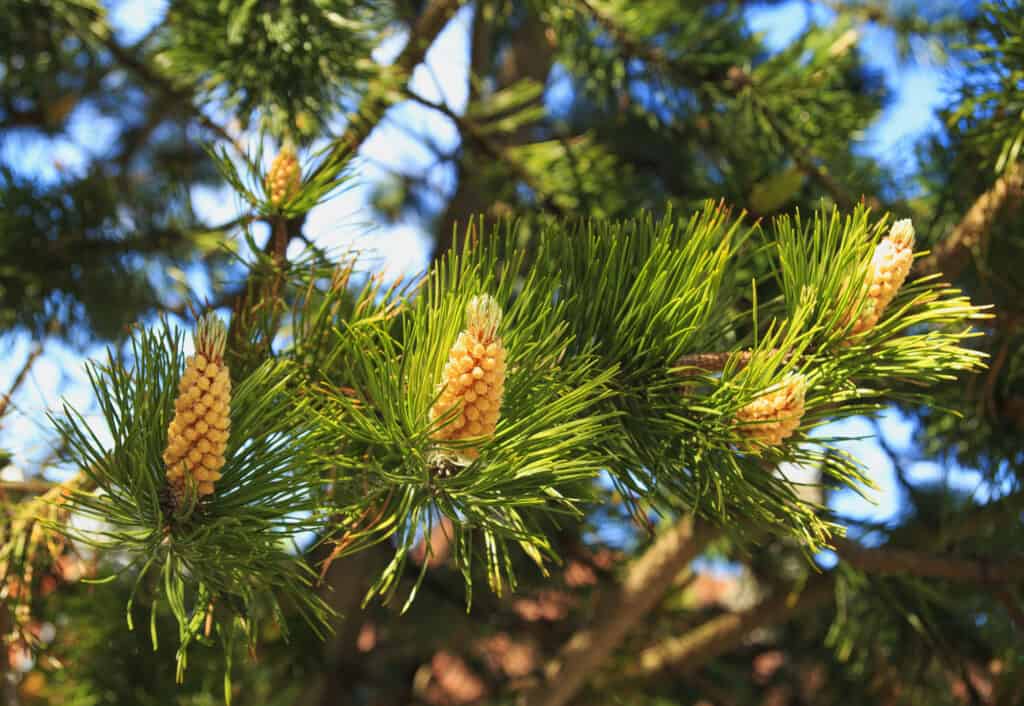
Reaching up to 180 feet tall, eastern white pines are popular worldwide.
©Ukrolenochka/Shutterstock.com
These trees grow super fast, so they make great additions to your landscaping if you want to create a privacy screen from scratch. It is not unusual for these trees to grow up to 2 feet each year, reaching up to 80 feet when they are fully mature. As they grow, the trunks of Eastern White Pines tend to stay very upright and straight. This can help you plan your landscaping for the long term, knowing that these trees are likely to grow straight up. They can be up to 40 feet wide at maturity.
Eastern White Pines grow in similar conditions to Japanese Cedars. They like full sun or partial sun, as well as moist soil. These trees tend to do better in soil that is slightly acidic, although they can also grow strong and healthy in slightly alkaline soil as well. One of the biggest things to consider when deciding on Eastern White Pine is that they require a good amount of space, especially compared to some other options.
#5 Bald Cypress
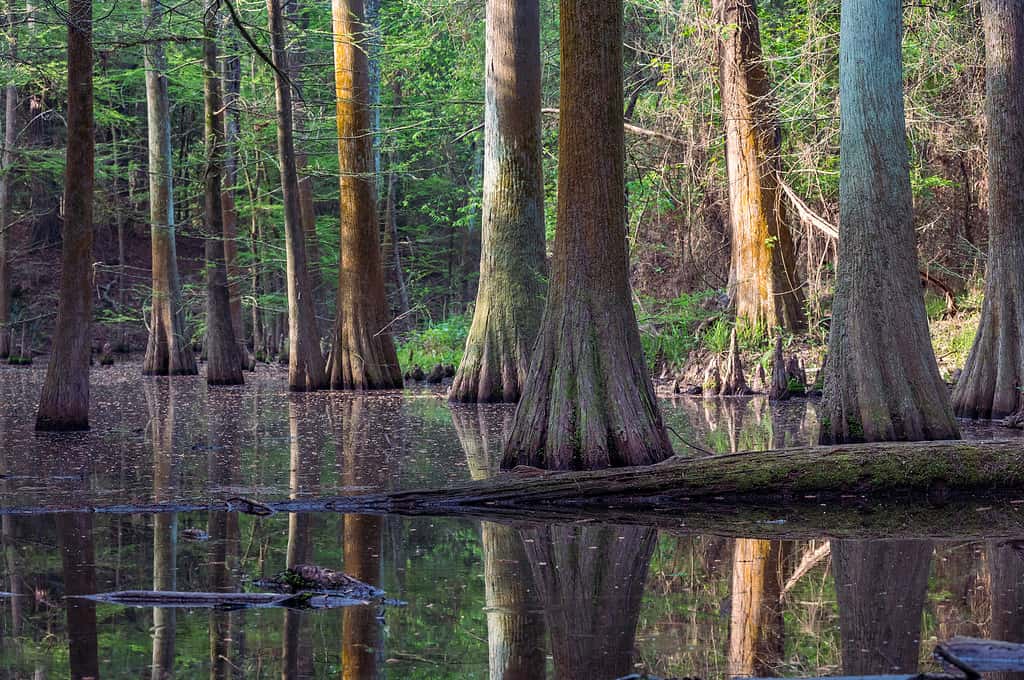
Bald cypress trees, Taxodium distichum, leafing out in springtime, their trunks reflected in the water.
©Marianne Pfeil/iStock via Getty Images
Another option that gets very tall, Bald Cypress trees grow quickly and reach monumental heights. They can gain up to 2 feet per year and reach up to 100 feet tall or more. Relative to their height, they stay pretty narrow, although they can have strong, durable trunks. Trunks of Bald Cypress trees typically max out around 6 feet. These trees can last for many generations, in part because of their pest resistance and durability. As a species, Bald Cypress are considered one of the oldest trees in the world. Because they can grow for so many years, their tops and branches are often gnarled and shaped by the elements, as well as weather events like lightning.
They do well in wet, dry, sandy, and marshy soil. This is one of the many reasons why these trees survive so long. Bald Cypress trees like sun and warm temperatures but are just as comfortable in ice, snow, and shade. They can thrive in just about any conditions. These trees are common in marshy areas, especially in the American South, but are also great additions to landscaping and yards.
#6 Crabapple Trees
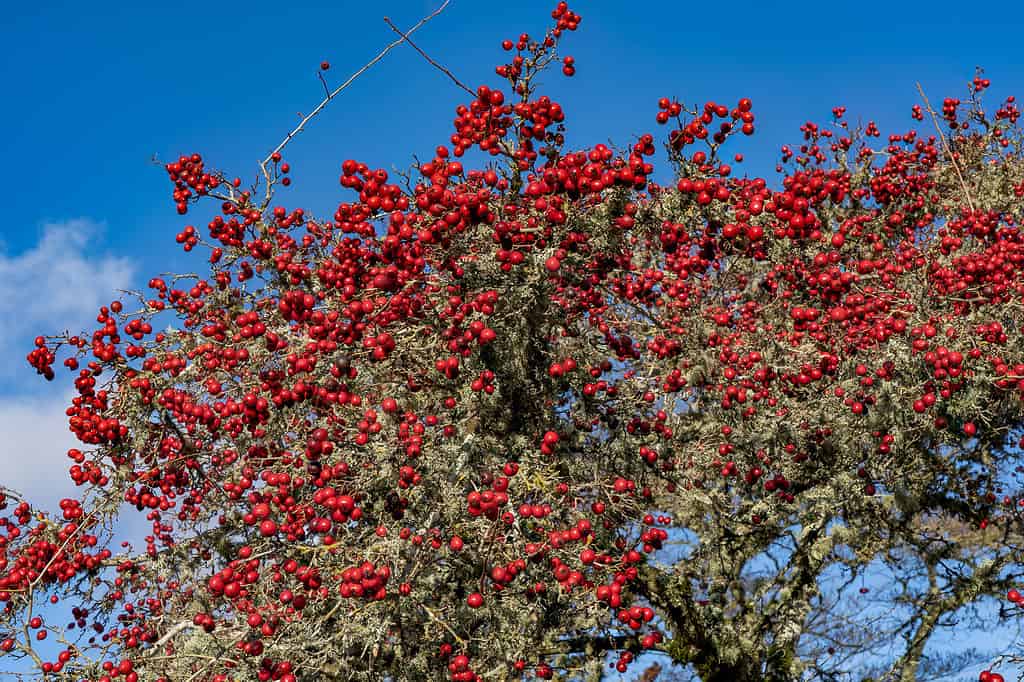
The Oregon crabapple grows in the wet soils found in poorly drained areas along the Pacific Coast.
©Bob Pool/Shutterstock.com
These are not evergreens, so make sure that you want a more ornamental tree that doesn’t keep its foliage during the winter months before opting for a crabapple. But the upside is that when it blooms in the spring, you’ll have delicate blossoms as well as a multitude of pollinators. They fruit in the fall, which can bring wildlife to your yard as well. If you want a tree that is full of color and life, this is a good option.
They grow up to 35 or 40 feet on the tall end, although the majority of their bulk is toward the top. They do have low trunks compared to some other trees, though. Like Japanese cedars, crabapple trees like full or partial shade. They also tend to do best in moist soil that still gets plenty of drainage and isn’t water-logged.
#7 Silver Maple
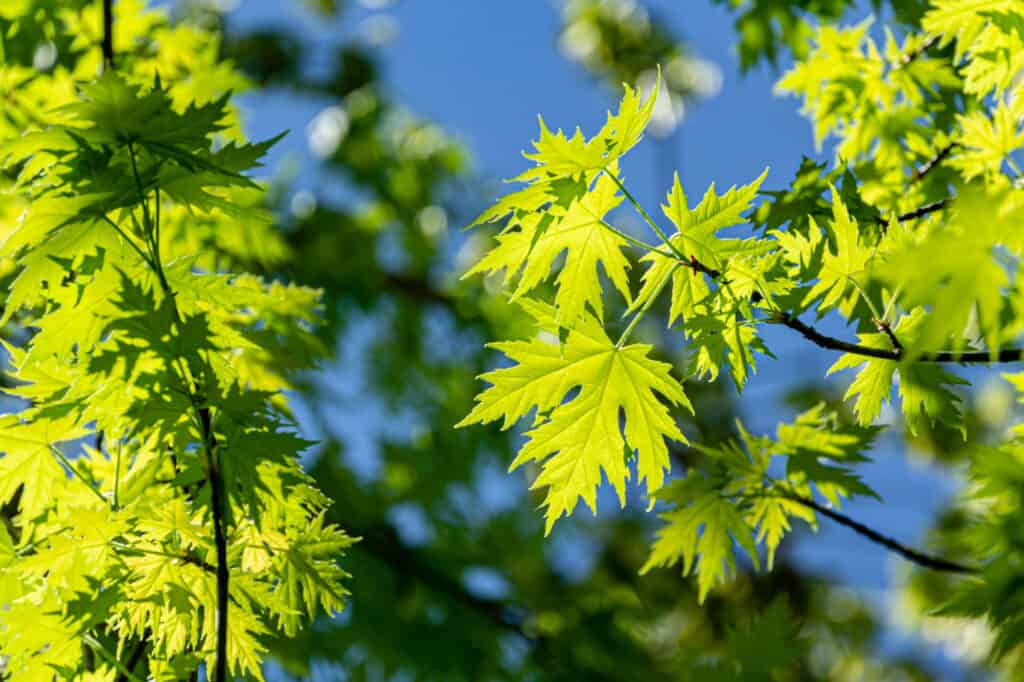
One of the most common trees in the US, silver maples have smooth, gray bark.
©Marinodenisenko/Shutterstock.com
Maple trees look great in many yards and in landscaping all around the United States. In fact, they are one of the most popular trees. They have large leaves that look great and sizable trunks and branches, perfect for climbing and building treehouses. They can also provide plenty of privacy and shade in your yard. Silver Maples share many of the features that make maple trees so popular and feature large leaves with silver undersides that give them their name.
It can grow quickly, especially for a deciduous tree. They can get up to 100 feet or more but most are closer to 75 or 80 feet when fully grown. Keep in mind that these trees will lose their foliage in the fall and grow new leaves in the spring. Many people enjoy watching the leaves change color. However, just be ready for quite a bit of raking and bare branches in the winter months.
Summary of Privacy Trees
| Number | Species | Max Height (in feet) |
| Japanese Cedar | 75 | |
| 1 | Leyland Cypress | 60 |
| 2 | Eastern Red Cedar | 40 |
| 3 | Aurea Cedar | 40 |
| 4 | Eastern White Pine | 80 |
| 5 | Bald Cypress | 100 |
| 6 | Crabapple Tree | 35 |
| 7 | Silver Maple | 75 |