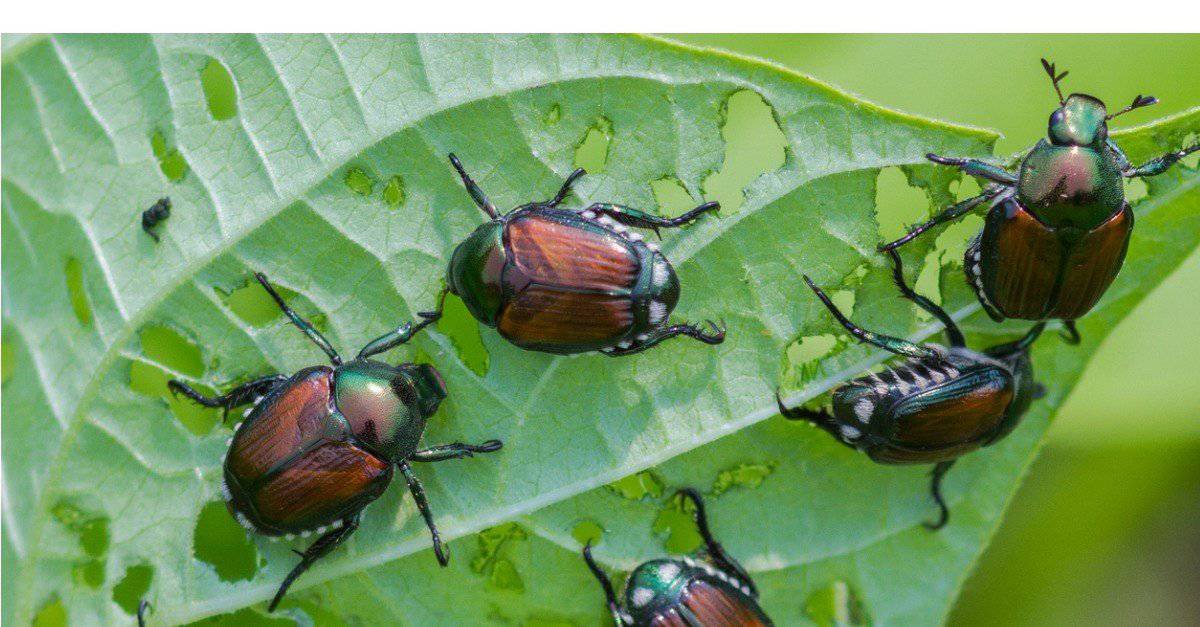

Each year, Japanese beetles cause an estimated $450 million in damage and control costs for turf, ornamental plants, and crops in the United States. Pesticides are often the first defense against this invasive species, but that brings another host of problems. In an effort to find a solution that won’t harm the environment or its pollinators, one study may have found an eco-friendly option. A research group led by the University of Minnesota made a recent discovery that could be the key to eradicating Japanese beetles: Beat them at their own game by using the plant’s own defenses. If these methods prove effective on a large scale, they could help protect millions of dollars’ worth of crops each year.
The Damage Done by Japanese Beetles
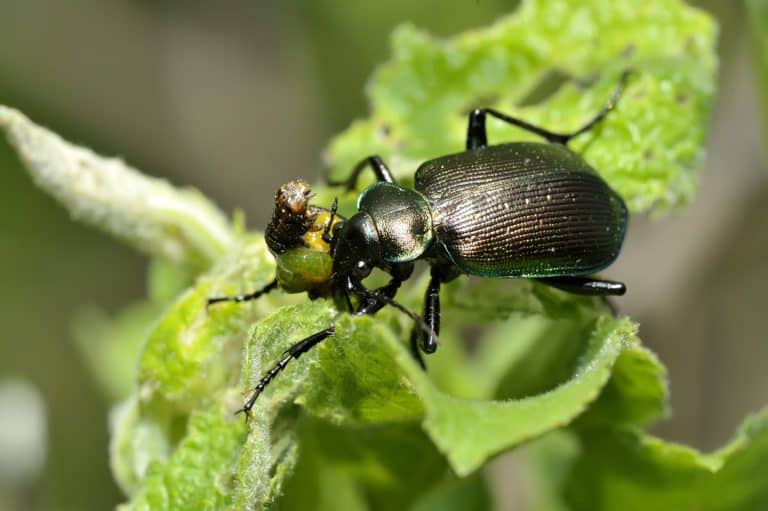
Japanese beetles are among the worst pests any gardener can find on their plants. These beetles are a menace as adults and in their larval stage. Larvae and grubs consume roots, which can quickly turn a lawn from green to brown in a matter of weeks. As adults, Japanese beetles feed on leaves, decimating the entire plant and leaving skeletal remains behind. They can devastate whole groves of trees and are particularly fond of soybeans, grapes, corn silks, and rose bushes. They’re less likely to target redwoods, maples, and certain types of holly bushes, but will feed on crabapple, linden, elm, and birch trees.
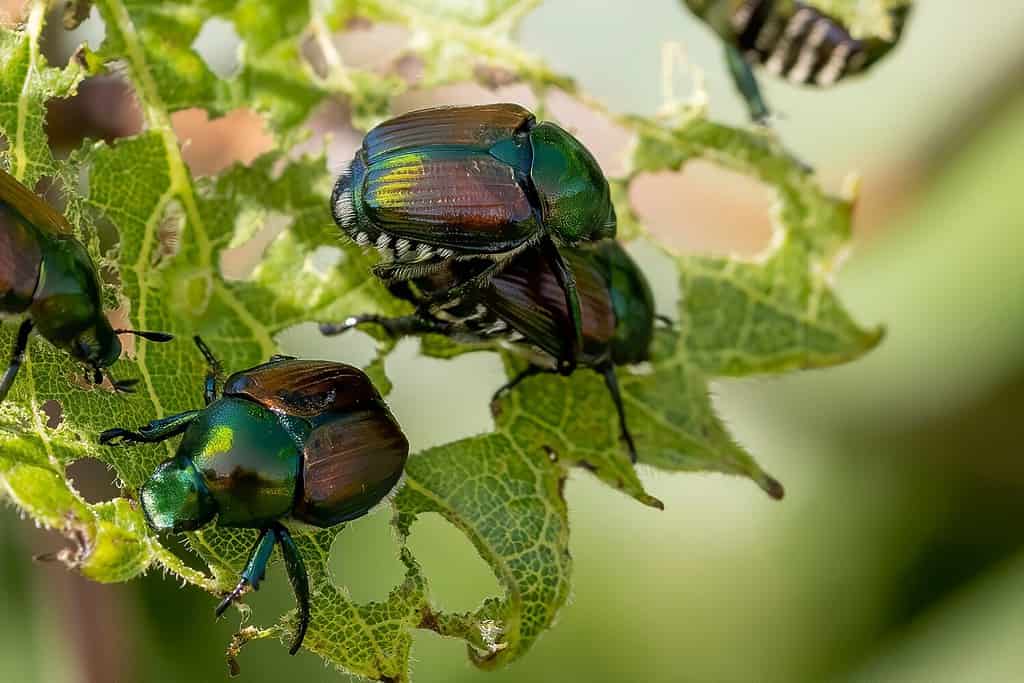
Japanese beetles are an invasive species that are detrimental to plant life.
©Karel Bock/Shutterstock.com
Japanese beetles arrive in hordes, making it that much more difficult to eradicate the problem. They feed quickly and can cause significant damage in a short time. Once a plant has been targeted, it becomes vulnerable to additional pests and diseases. As Japanese beetles eat away at the plant fibers, the plant also becomes unable to photosynthesize. If grubs attack the roots of a plant, it will struggle to absorb water and minerals from the surrounding soil. Minnesota has seen firsthand how much damage this can cause to local farms, and for years, the University of Minnesota has been searching for an environmentally friendly solution.
The Magic of Betulin and Betulinic Acid
The proposed solution began with the problem. As Japanese beetles swarmed a grove of birch trees, researchers noticed that some trees were left untouched. One researcher, Dr. Katrina Freund Saxhaug, made the correlation between these trees and betulin and betulinic acid. Betulinic acid is a powerful compound that’s excreted by birch trees. It appears as a white, sticky substance on the bark and is responsible for deterring Japanese beetles. Studies have shown that betulinic acid also shows promising anti-inflammatory, anti-HIV, antimalarial, antioxidant, and anti-cancerous properties.
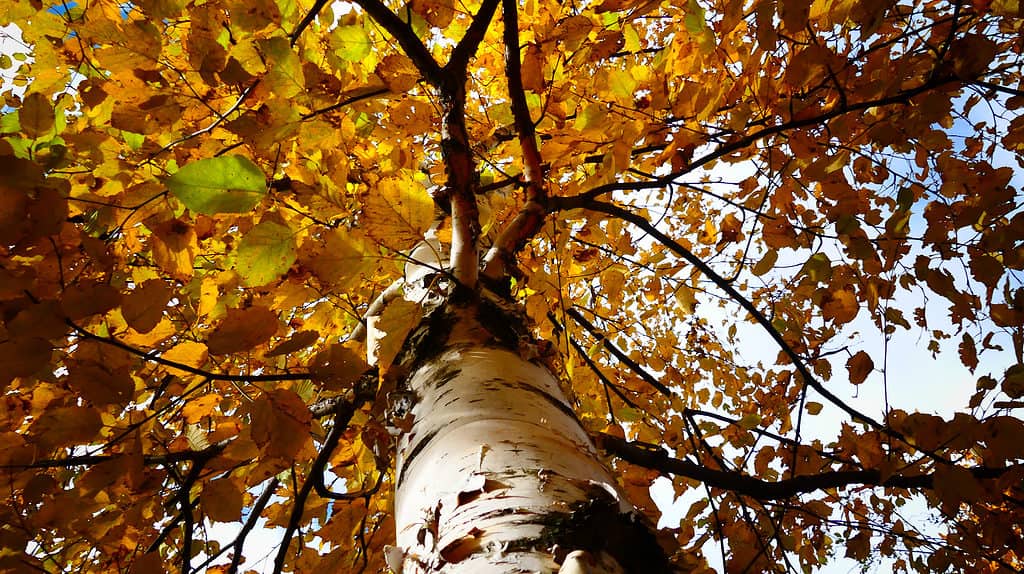
Birch trees have a natural defense that protects them from certain pests.
©iStock.com/Chantale Ouellet
This miracle substance is also found in apple and pear trees, as well as some carnivorous species of plants. While early results show that it’s highly beneficial in areas such as anti-aging and overall immune health, it also appears to be a potent natural pesticide. As University of Minnesota researchers dug deeper into its potential, they realized that betulin and betulinic acid might be unpalatable to Japanese beetles. Another theory is that the substance has adverse or long-lasting effects on the beetles’ internal biology, which is why they avoid it.
Another Surprising Discovery
Upon further examination of the leaves from the targeted birch grove, researchers discovered that color could also be a factor. A tree that had dark maroon leaves stood out in contrast to the other bright green leaves on most of the birches. This leaf contained higher levels of anthocyanins—pigments that caused it to turn a darker color. This observation supported the idea that Japanese beetles may prefer leaves of specific colors. Whether this is due to a preference or is merely coincidental has yet to be determined, but it was an interesting discovery.
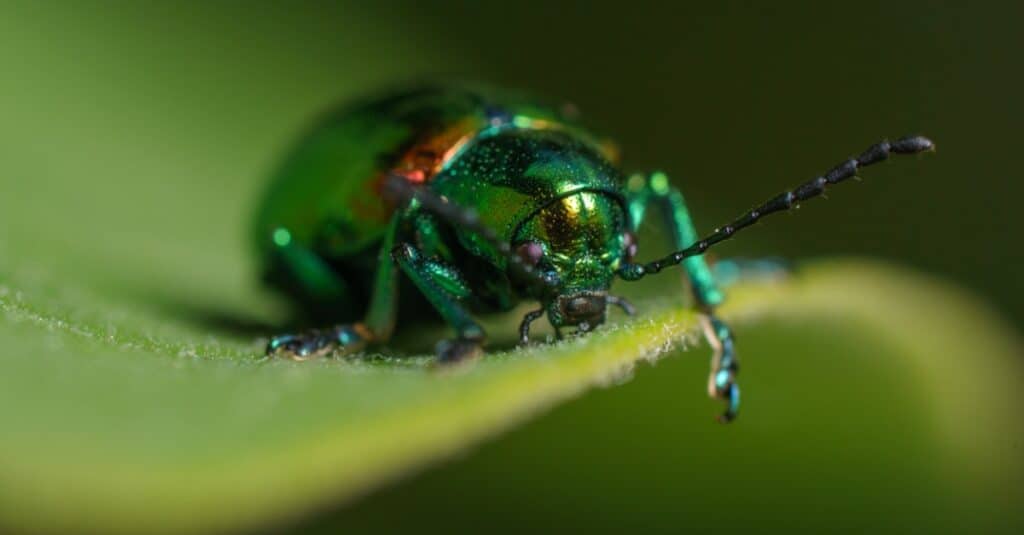
Japanese beetle traps may help, but they can cause further issues in some cases.
©iStock.com/Credit:RJG Digital Arts
In an effort to find other suitable alternatives, researchers also constructed their own birch tree grove. This acted as a control group while they tested other eco-friendly deterrents, such as jasmonic acid. This acts as an “elicitor,” prompting the trees into initiating their own natural defenses. It also showed promising results, indicating it could be effective in deterring Japanese beetles. Jasmonic acid is a hormone often produced as the last line of defense for some plants. It’s usually released as a defense against environmental factors such as heavy metals, drought, and salinity levels. However, it appears to be an effective natural pesticide, as well. As of 2025, the findings of this have not been published and are still in the early stages of research.
No Promises on an Eco-Friendly Pesticide Just Yet
Despite promising results and thorough testing, the University of Minnesota is not ready to sign off on any foolproof solutions. While betulin and betulinic acid, specifically, have shown significant benefits for some plants, it’s not a one-size-fits-all solution. It has yet to be tested on other trees and crops, and may have unknown, adverse effects for some plants. Leaving plants vulnerable to Japanese beetles is risky, but exposing them to potential harm from betulinic acid could be an even greater concern.
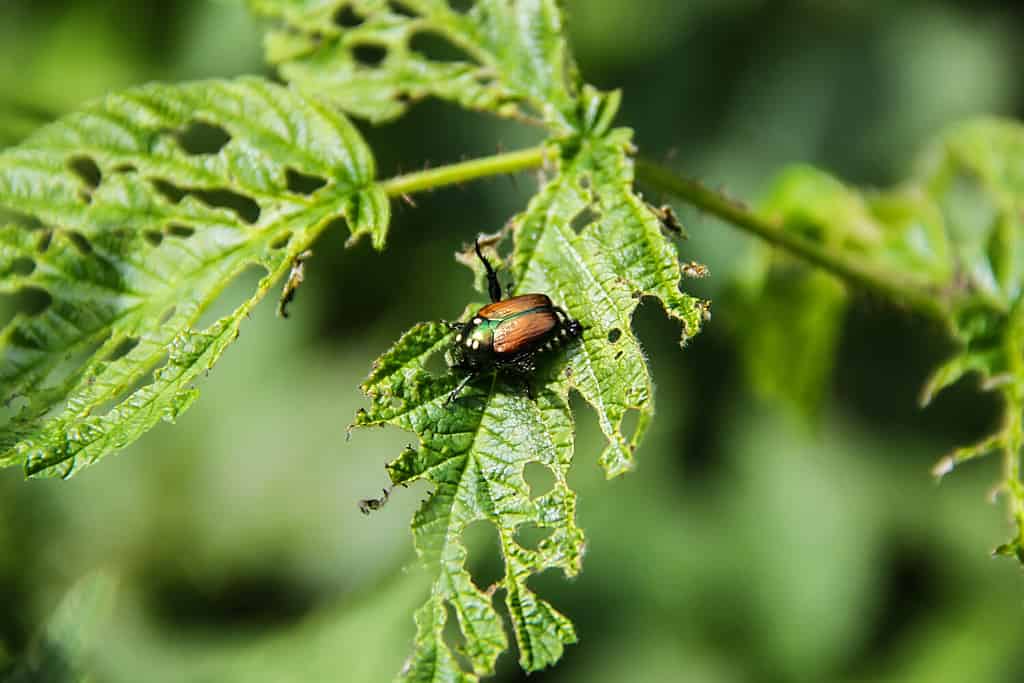
Japanese beetles can quickly decimate an entire plant.
©Jake Benner/Shutterstock.com
Researchers must also consider the effects of an eco-friendly solution on surrounding insects and wildlife. A natural pesticide that’s good for the plant may not work the same way for the life around it. “While [plant molecules] are often used for purposes like medicine or pest control, we need to understand that they aren’t a ‘silver bullet.’ They might be more broad-spectrum than expected, potentially affecting beneficial species as well,” Matthew Gullickson tells the Minnesota Invasive Terrestrial Plants and Pests Center.