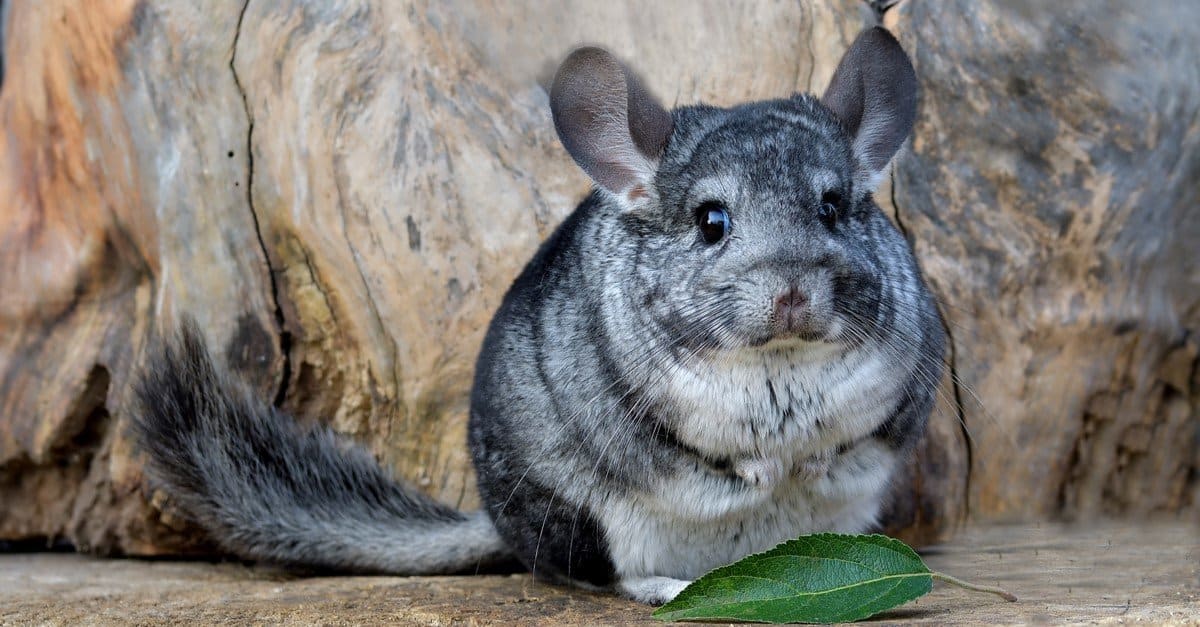

Considered an exotic pet in many different locations, chinchillas are adorable and soft. But how long do chinchillas live, and what can you do as a new pet owner to properly take care of your chinchilla or chin, as they are affectionately known?
In this article, we’ll discuss the average lifespan for these unique rodents, what you can expect to find while learning about their life cycle, and we’ll also provide you with some pointers as to how you can best care for your chin. Let’s get started now!
How Long Do Chinchillas Live?
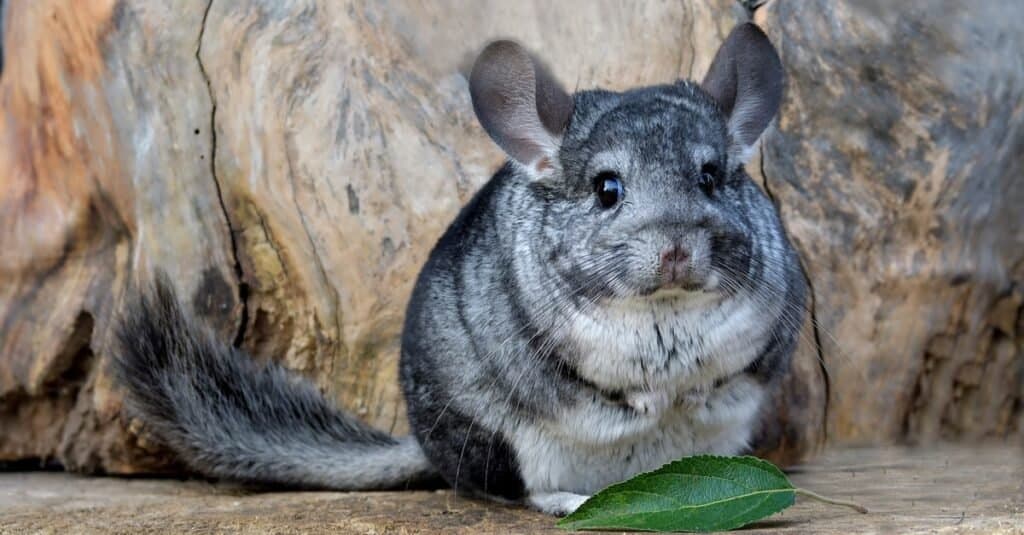
Wild chinchillas live in the Andes Mountains and have an average lifespan of eight to 10 years.
©ATTILA Barsan/Shutterstock.com
Chinchillas live eight to 10 years on average in the wild, while some well-cared-for pet chinchillas live as long as 20 years. For example, the oldest chinchilla ever was named Radar, and he lived to be nearly 30 years of age. Wild chinchillas live in the Andes Mountains but live shorter lives due to predation, loss of habitat, and overall climate changes. Chinchillas are athletic and slightly delicate creatures with needs beyond those of the standard rodent. They are considered an endangered wild animal by the IUCN Red List.
However, these chinchillas are delightful pets, capable of jumping up to six or seven feet in the air. Like most rodents, they need constant stimulation and need to wear down their teeth, as they never stop growing. If properly taken care of, most domesticated chinchillas often live to be at least ten years old.
The Average Chinchilla Life Cycle
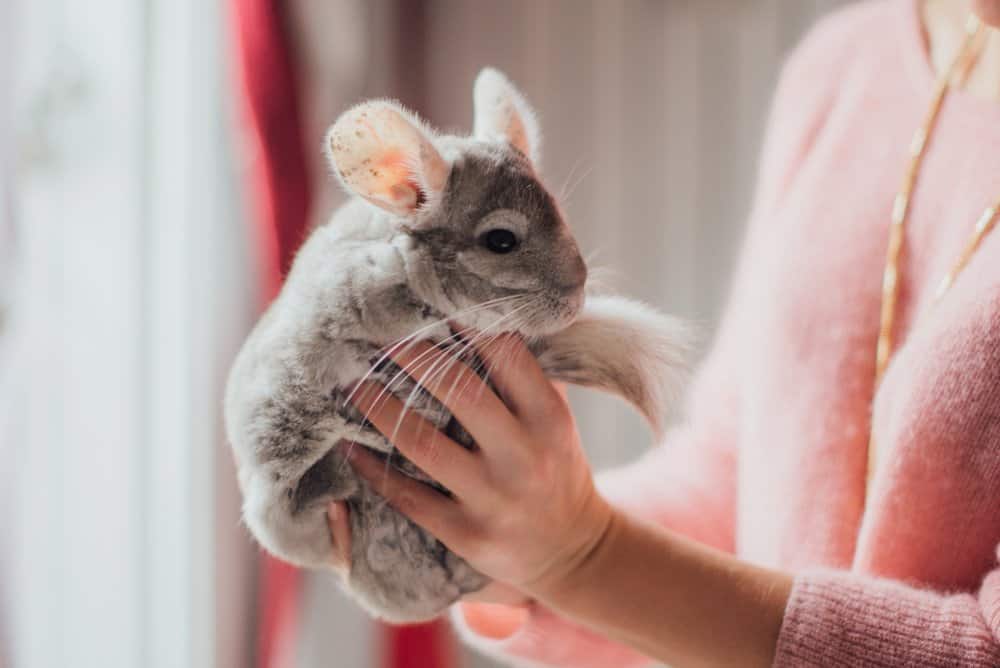
Chinchillas live eight to 10 years on average, while some pet chinchillas live as long as 20 years.
©Anya Poustozerova/Shutterstock.com
Chinchillas have a different life cycle from many other rodents, given their unique genetic makeup and characteristics. Let’s talk more about what life is like for a chinchilla at any age or stage of their life.
Newborn, or Kits
Chinchillas have a gestation period of just over 100 days, making this fairly long in the grand scheme of rodents giving birth. However, they are born with their fur and the ability to see right after being born, unlike most other rodents.
Kits will need to remain with their mothers for up to ten weeks of their lives. They need her for warmth, protection, and the necessary development of social skills. However, kits are active and playful from their very first day on earth, making them agile and fearless.
Young Chinchillas
By the age of eight to ten weeks, young chinchillas are weaning themselves from their mother’s milk and protection. They are equal parts playful and shy, making them ideal pets for older children or even adults.
Young chinchillas should be separated from each other during this stage of their life as well, and grouped into same sex pods. This is to prevent breeding, not because chinchillas prefer isolation. In fact, chinchillas thrive in large groups and wild chinchillas are often found in groups of 100 or more.
Adults
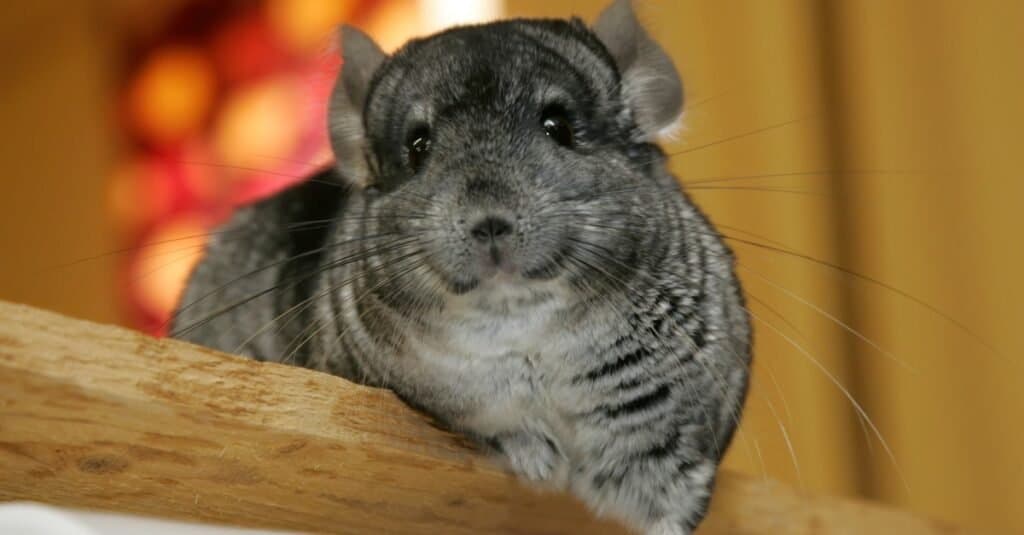
Clean, relatively odor-free, hyperactive and lovers of attention, chinchillas can make excellent pets.
©AJSTUDIO PHOTOGRAPHY/Shutterstock.com
After a year has passed, most chinchillas are considered adults at this point in a chinchilla’s lifespan. They may still grow a bit, especially if they are active and hungry chins. They are likely to build muscle during this time, though you can’t tell underneath all of that fur.
Adult chins are ideal companions for their playful natures and unique personalities. They are often shy, but this means they are less likely to bite. Plus, they are nocturnal and love dust baths, a process that involves them rolling around in a bunch of specially formulated dust.
How to Extend the Lifespan of Your Pet Chinchilla
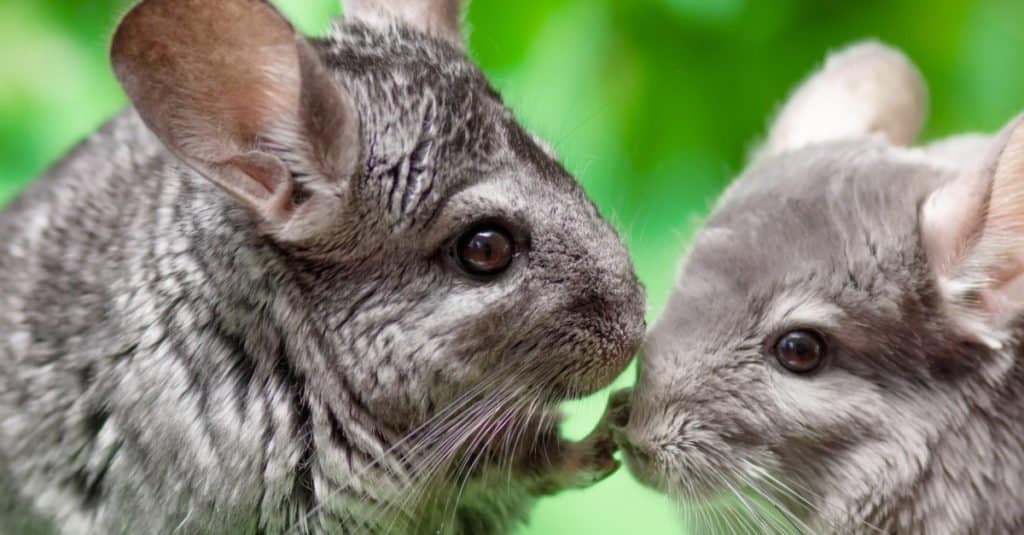
Adult chins are ideal companions for their playful natures and unique personalities.
©Creatopic/Shutterstock.com
If you are hoping to adopt a chinchilla or have recently brought one home, here are some tips to help extend the life of your new family member:
- Feed them a high fiber diet: Chinchillas are similar to rabbits in that they require a large amount of fiber in their diet in order to live happy lives. Diet is key to taking care of just about any pet, chinchillas included. So take the time to research what foods are ideal for your new chin, and how you can best keep them healthy and happy.
- Always give them something to chew: Whether it be a block of wood or a bundle of hay, chinchillas need the option to always be chewing. Their teeth grow nonstop, like many other pet rodents, so it is imperative to keep their teeth at a decent length.
- Get to know your chinchilla’s personality: As with any animal, chins are known for hiding their pain or discomfort. That’s why it is key to get to know your chinchilla and how it operates normally. This will make any abnormal behavior even more obvious so that you can take them to the vet and get them the help they need.
- Have a vet who knows chinchillas: If you are able, seek out a veterinarian who understands exotic pet care and can properly take care of your chinchilla when it is feeling unwell. While it may be a difficult search at first, finding a vet who can extend your chin’s lifespan is key.