
Lion Appears in Gujarat Alley as Cattle Scatter
This video surveillance footage shows a herd of cattle running through a narrow street in a village in Gujarat, India. A barking dog follows behind them until a lion steps out from the darkness of the alley. At that point, the dog retreats, and the cattle continue moving away from the predator.
If the video is indeed from Gujarat, the lion would be an Asiatic lion, the only wild lion population remaining outside Africa. Asiatic lions live primarily in and around Gir Forest but frequently move through farmland and villages in the surrounding region. Encounters with livestock and domestic animals are well documented.
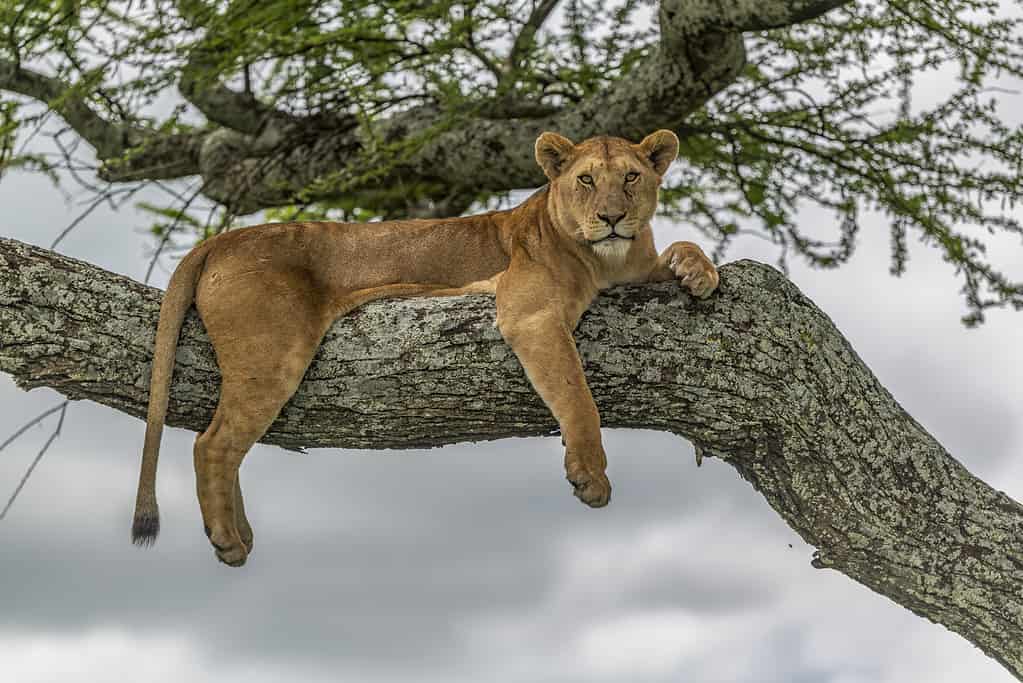
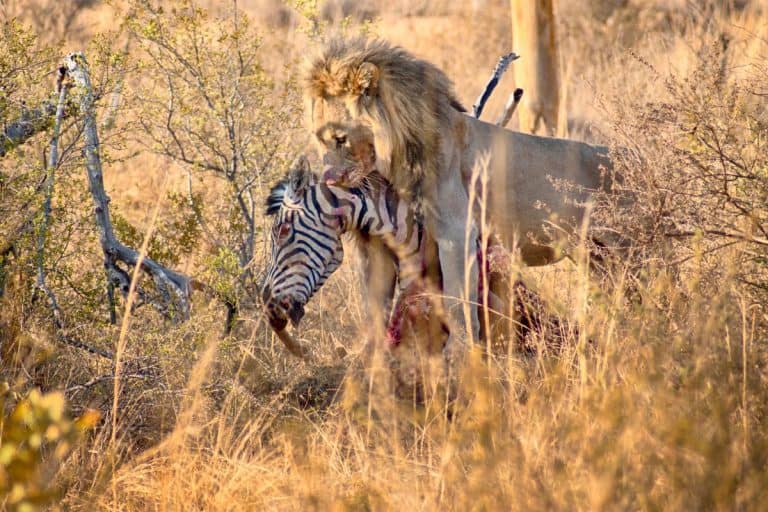
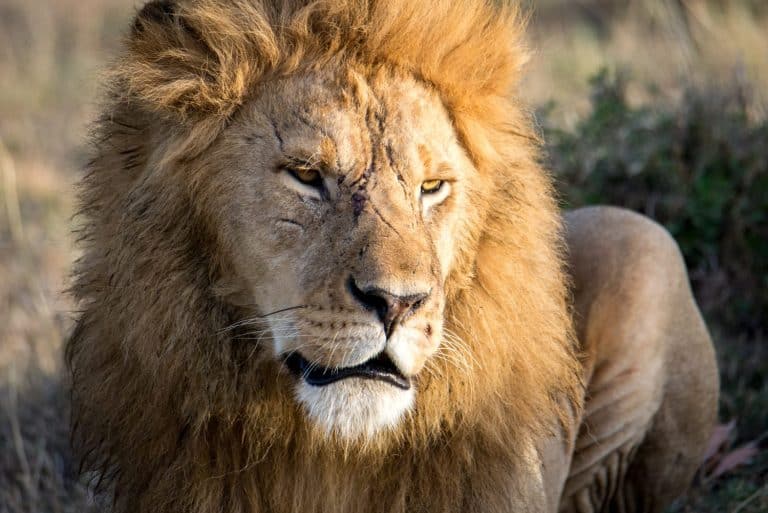
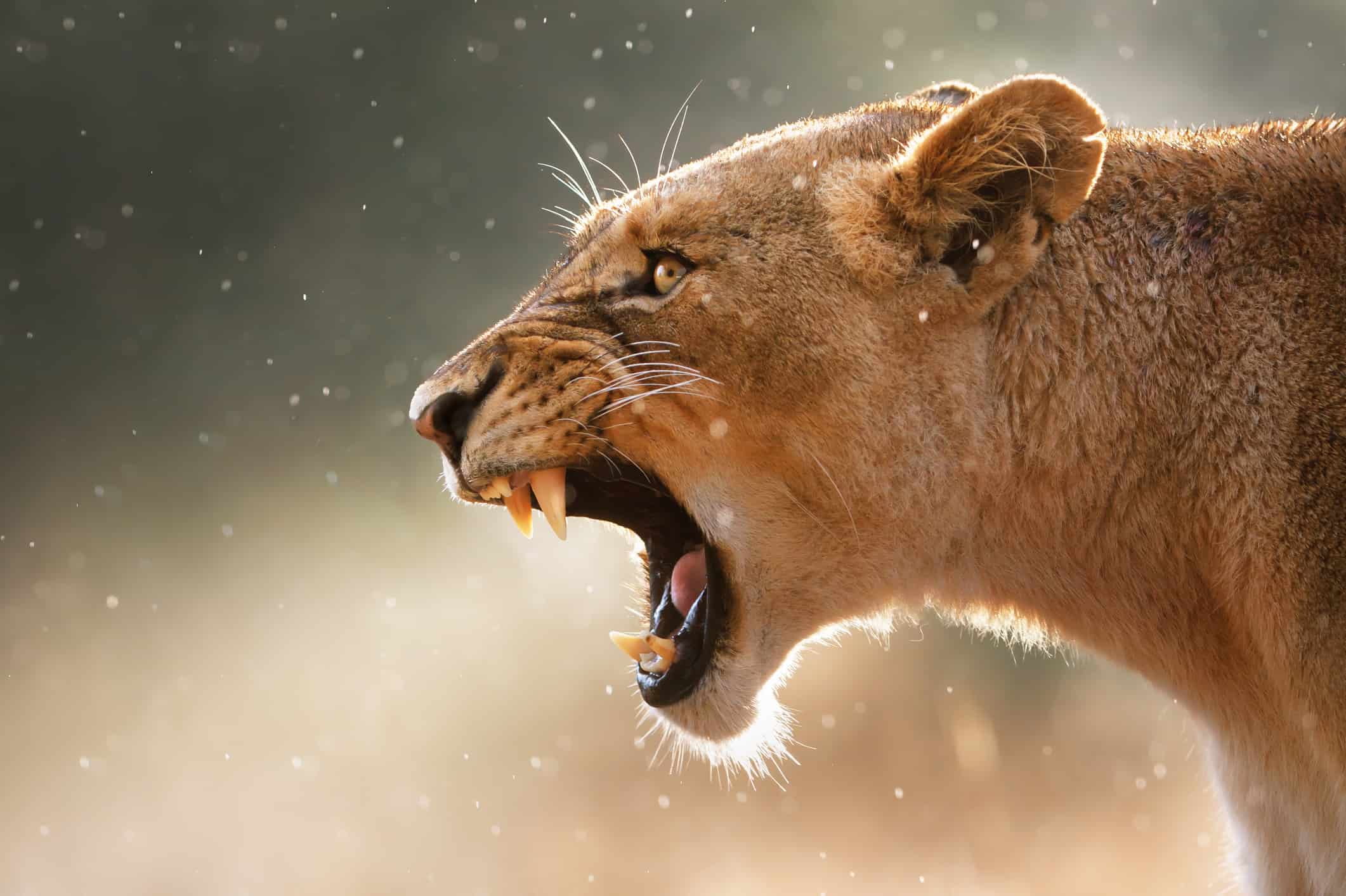
Female lions do the majority of the hunting.
©iStock.com/Jennifer Watson
While the footage may appear dramatic, such interactions are part of ongoing human-wildlife coexistence in western India.
Do Lions Kill Dogs?
Lions are apex predators and primarily hunt large ungulates such as deer, antelope, and wild bovids. However, they do sometimes kill other carnivores.
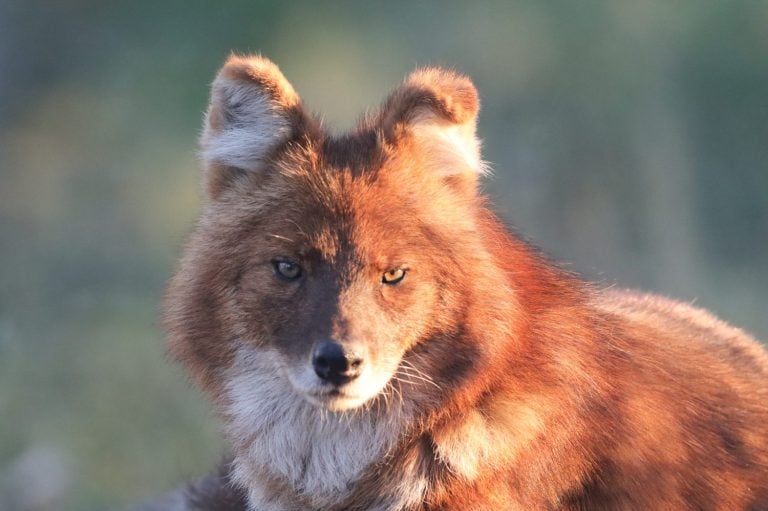
In Africa, African wild dog populations experience significant mortality from lions, which mainly kill wild dogs due to competition for prey rather than as a preferred food source. This type of interaction is known as intraguild competition, in which large predators eliminate rival predators that hunt the same species.
Lions do not typically seek out domestic dogs as primary prey. However, in areas where lions move near villages, domestic or feral dogs may be attacked opportunistically. In some cases, lions consume the carcass; in others, they do not.
These events are ecological interactions rather than expressions of hostility.
How Cattle Reduce Predation Risk
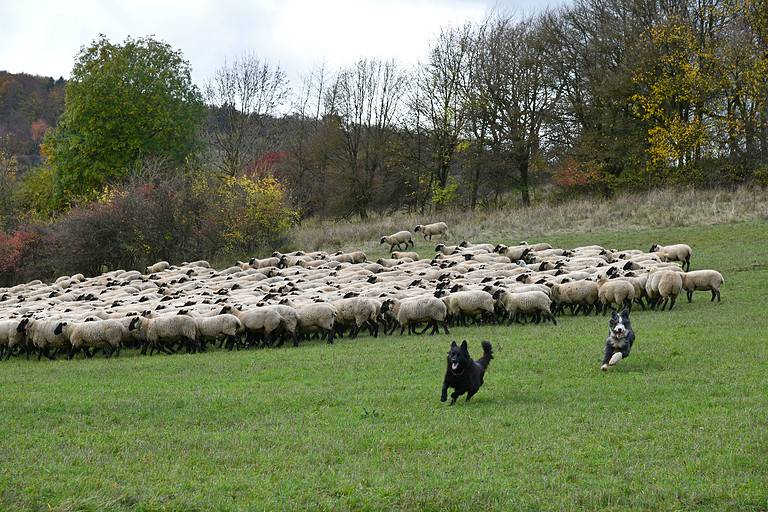
Domestic cattle rely primarily on group behavior for protection. Staying in a herd reduces the chance that any one individual will be targeted. Predators typically focus on isolated, young, injured, or distracted animals.
Adult cattle can weigh between 1,000 and 1,600 pounds, depending on breed. Shoulder height varies widely by breed but commonly ranges between 4.5 and 6 feet. Although cattle are significantly heavier than lions, size alone does not guarantee safety. Lions are capable of bringing down large prey by targeting vulnerable areas and using coordinated attacks.
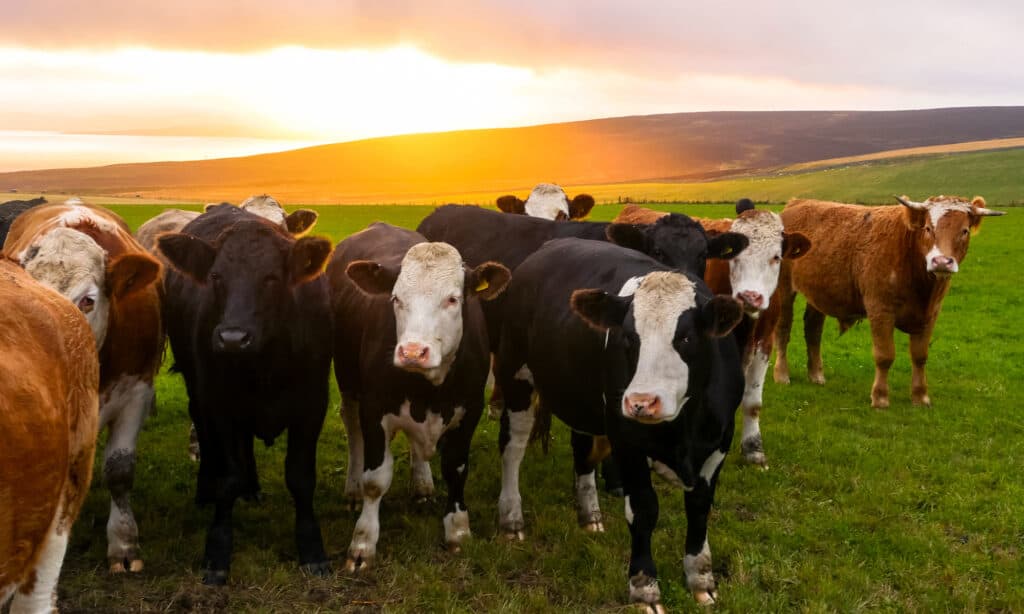
A herd of cows looking at the camera in Orkney countryside at sunset
©M. Vinuesa/Shutterstock.com
In Gujarat, livestock predation is one of the main sources of conflict between rural communities and Asiatic lions.
Size Comparison: Lion vs. Dog vs. Cow
Adult male Asiatic lions generally weigh between 350 and 420 pounds, while females are smaller, typically between 240 and 310 pounds. Shoulder height averages around 3.5 to 4 feet.
Domestic dogs vary greatly by breed. A medium-sized dog often weighs between 30 and 60 pounds and stands roughly 18 to 24 inches tall at the shoulder.
Adult domestic cattle typically outweigh lions several times over. However, lions are specialized predators with powerful forelimbs, jaws, and coordinated hunting strategies that allow them to subdue large ungulates.
A Reality of Shared Landscapes
Asiatic lions are one of conservation’s notable recovery stories, but their expanding range means more frequent encounters with people and livestock. Videos such as this highlight the challenges of coexistence in regions where large predators and human communities share space.
While dramatic, such moments reflect natural predator behavior rather than unusual aggression.