
Quick Take
- Saving the Hirola is a requirement to prevent the loss of an entire genus of mammal.
- The white facial markings distinguish the Hirola from other antelopes, from which its lineage diverged several million years ago.
- A local Kenyan scientist is spearheading the fight for Hirola survival, which entails habitat protection, restoration, community action, and disease prevention.
- Hirola are not kept in zoos, but translocations of wild Hirola to renewed, protected areas may be what keeps them from going extinct.
“Hirola” translates from Somali to something like “the peaceful one” or “the lone one,” referring to its solitary habits. Like other antelopes, Hirola are social but tend to form small herds of 10 to 20 individuals, led by a dominant male. The rest of the herd consists of females and young, as mature males tend to leave to establish their own herds. Solitary young Hirola antelopes are sometimes observed joining herds of other species, such as Grant’s gazelles (Nanger granti). Like other antelopes, they are slender and strong with a body built for speed.
However, as the last member of its genus, the Hirola antelope (Beatragus hunteri) is a living relic. The Beatragus lineage split from other antelopes about 3.1 million years ago, according to a study published in the Journal of Zoological Systematics and Evolutionary Research. Thus, Hirola are the sole remaining members of their genus, Beatragus, which split from other antelopes several million years ago—well before humans evolved on Earth. Yet, they are among the world’s species at risk of imminent extinction, according to the IUCN.
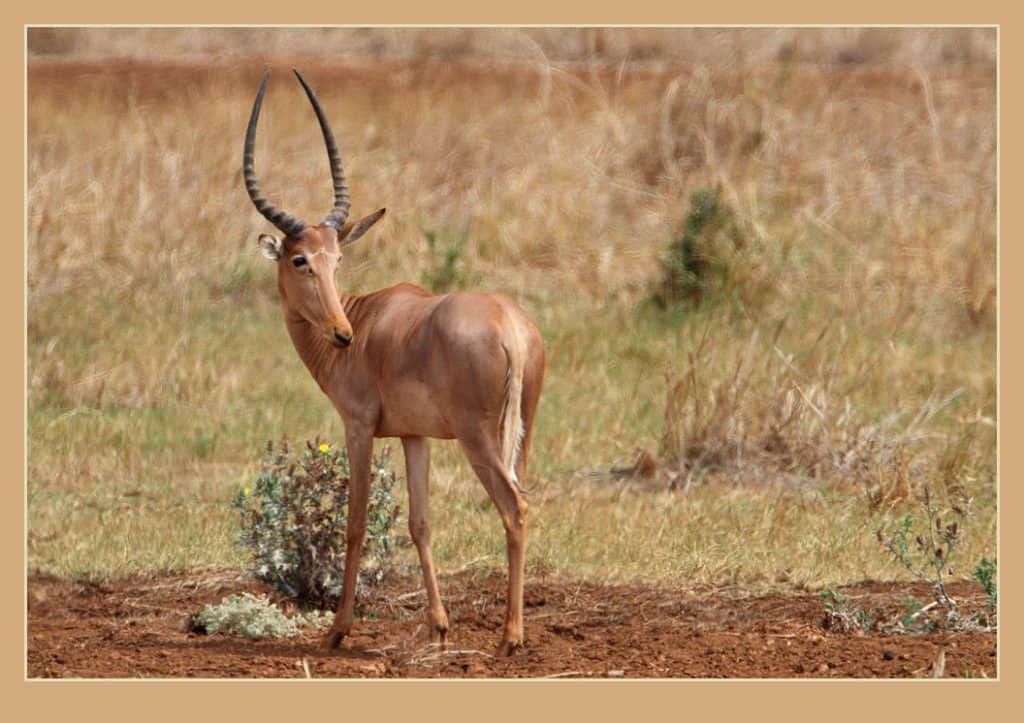
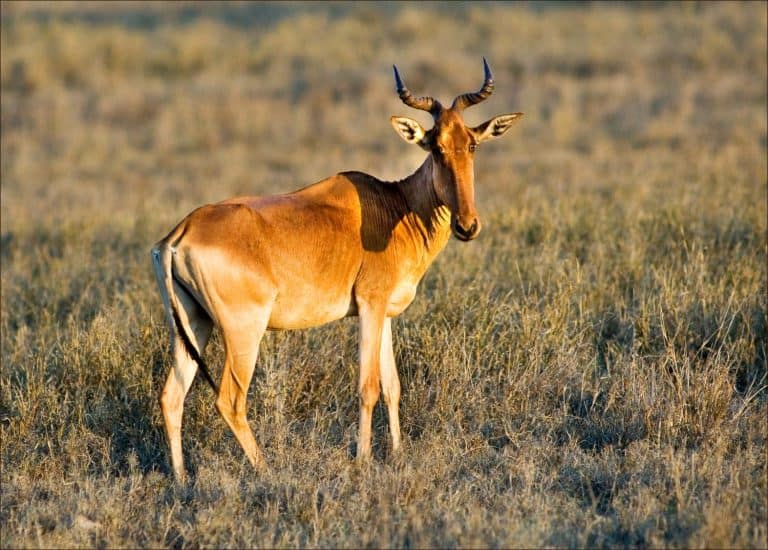
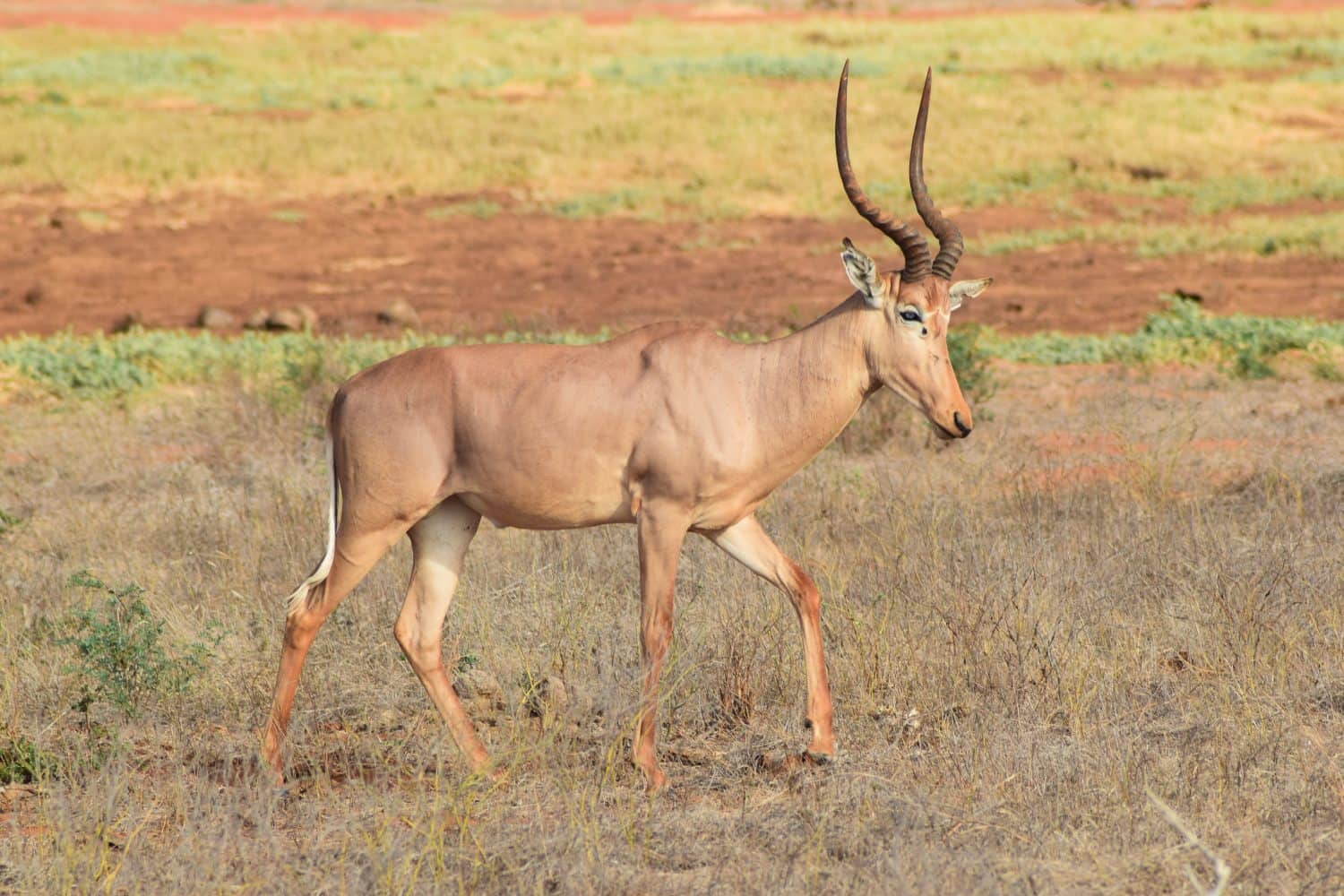
Here you can see the distinct white facial markings and white underside of a Hirola’s tail.
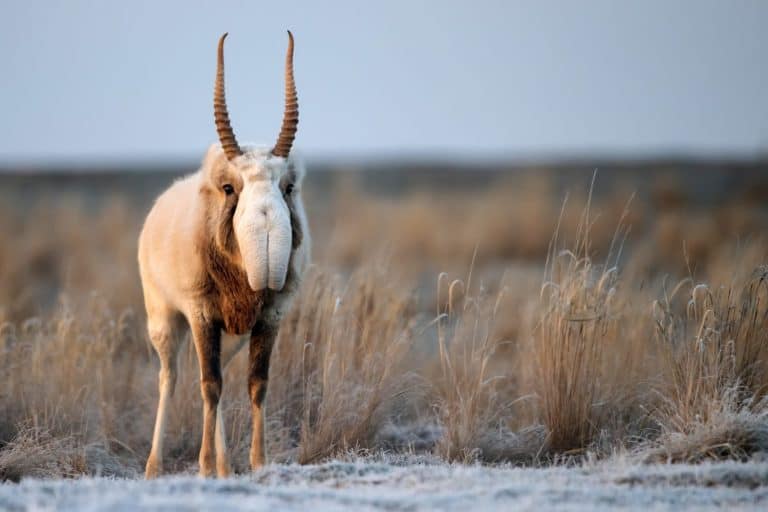
Commonly called the “four-eyed antelope,” Hirola have distinctive tear-shaped white markings, or “chevrons,” that run from their eyes to their noses on an otherwise brown coat. The markings may be used in recognition and communication, offering a signal that can be seen from far away, like when white-tailed deer flash their tail markings to warn other deer of predators. Both male and female Hirola have sharp horns that grow up to 27.5 inches long. According to a study published in Mammalian Species, the lyre shape of their horns—curving outward then slanting back—is one feature that sets Hirola apart from other antelopes.
Hirola are resilient in the sense that they can go a long time without drinking, which allows them to inhabit areas far from permanent sources of water. They prefer semi-arid bushy grasslands with a variety of shrubs, from which they munch on fresh leaves and shoots. They obtain some water from the plants they eat and take advantage of puddles formed after rainfall or seasonal flooding.
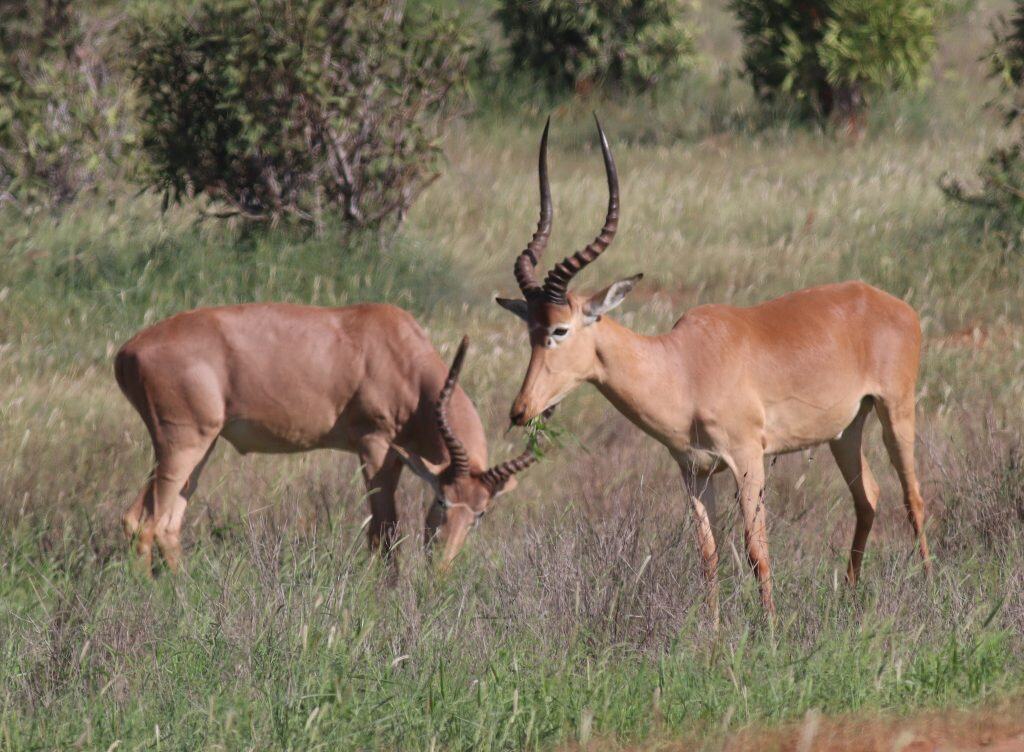
Hirola forage on the herbaceous grasses in shrubby open areas.
When drought persists, however, they must search for water, which can expose them to predators or bring them into dangerous conflicts with humans and livestock. As droughts have intensified in East Africa due to climate change, they’ve become one of the factors contributing to declines in Hirola populations. A British Ecological Society study notes that drought has increased in the Hirola habitat over the past 40 years, leaving drier conditions.
Various African carnivores prey on Hirola, including lions, leopards, cheetahs, and wild dogs, which will often target mothers and their vulnerable calves. A Hirola’s best defense is to outrun these predators, reaching speeds of up to 50 miles per hour. They increase their chances of escape by leaping and zigzagging as they run, making it harder for predators to catch them. However, escaping predators has become increasingly difficult as their habitat becomes more fragmented and reduced in size. The British Ecological Society study hypothesizes that “more common, grass-dependent ungulates (plains zebra, buffalo) increasingly have been ‘compressed’ into smaller patches of grassland, thereby concentrating hunting by predators in the ever-shrinking habitats suitable for Hirola.”
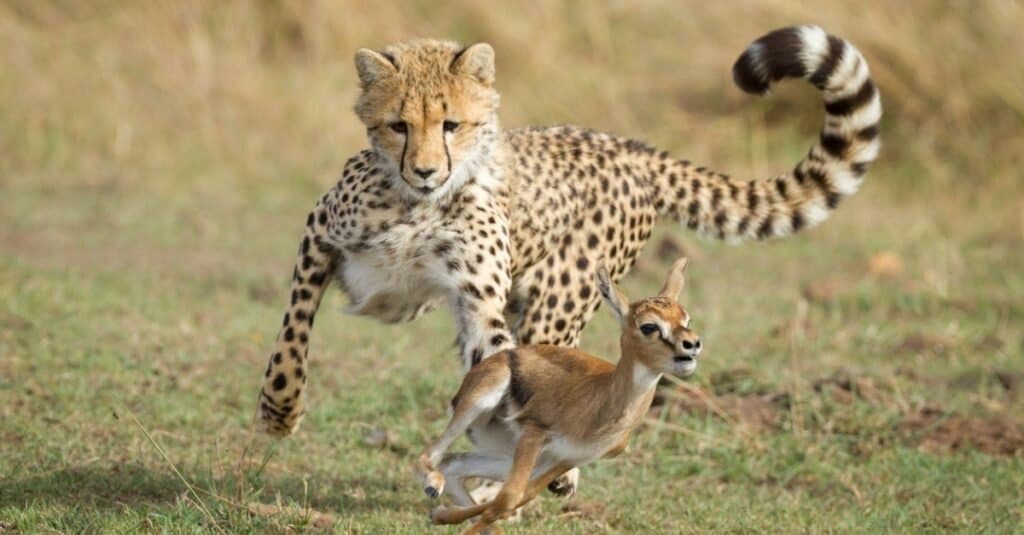
Smaller patches may limit escape from predators, such as here, where a young cheetah cub pursues a Thompson’s Gazelle.
©iStock.com/StuPorts
Disease is also a threat. Hirola may wander onto farmlands in search of water during dry periods, where they are susceptible to livestock diseases. An outbreak of “rinderpest” or “cattle plague” during the 1980s decimated populations of Hirola and other hoofed animals.
Thought to have originated in Asia, rinderpest reached Africa through the transport of infected cattle in the late 19th century and eventually spread to wild animal populations. Through cattle trade bans and vaccination programs, rinderpest was largely brought under control. However, a 1992 outbreak in Kenya and Somalia caused economic losses of $2 billion, according to a United Nations press release, and brought Hirola populations to the brink of extinction.
In 2011, rinderpest was declared globally eradicated, with the last case reported in Kenya in 2001. “Today we witness a historical event as rinderpest is the first animal disease ever to be eradicated by humankind,” said Bernard Vallat, Director General of the World Organisation for Animal Health, in a news release at the time. But Hirola face future disease outbreaks—such as foot-and-mouth disease, trypanosomiasis, or pleuropneumonia—that will be hard to withstand with their small populations.
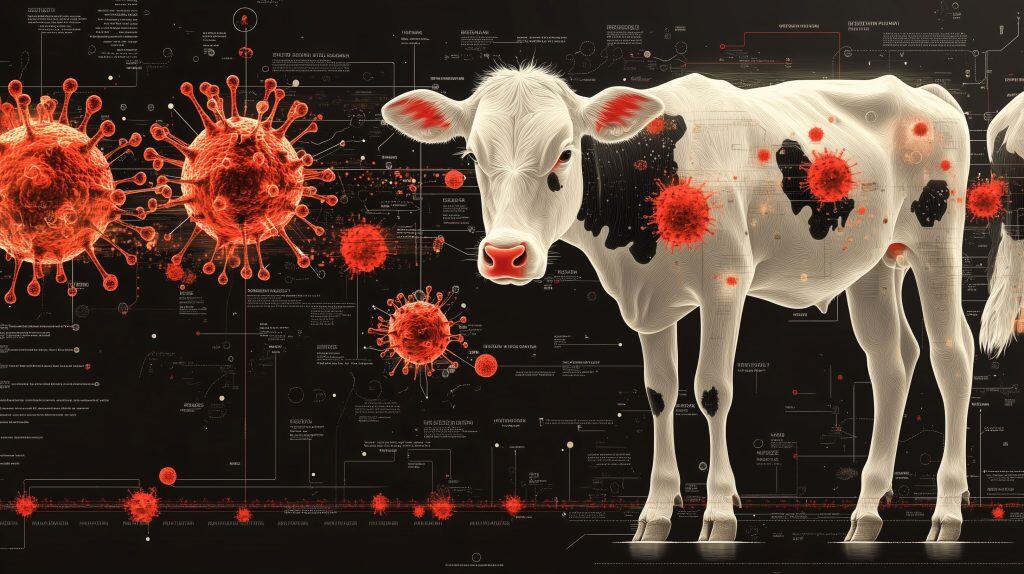
Hirola are vulnerable to zoonotic diseases, such as those carried by cattle.
Before 1970, Hirola numbered at least 10,000. Today, estimates place population size at between 300 and 500 individuals in the wild, rendering the Hirola “Critically Endangered,” according to the IUCN Red List. With no Hirola in captivity, the wild populations represent the last stand for the species. Hirola were once kept at the Dvůr Králové Zoo in Czechoslovakia from 1971 to 1981, where reproduction occurred. However, the captive herd was decimated by disease, making zoos reluctant to attempt captive breeding again, especially with current Hirola numbers so low. Over the past three generations, the wild population has declined by more than 80 percent, with Hirola now found only along Kenya’s border with Somalia.
Historically, Hirola populations may have extended as far south as Africa’s Cape of Good Hope, although data on their historic range are lacking. Hirola once inhabited about 17,900 km² in Kenya and about 20,500 km² in Somalia. Their range has now been reduced to no more than 1,500 km² in Kenya, and Hirola are now considered extinct in Somalia. Since the 1970s, when an estimated 14,000 antelopes roamed the grasslands of Kenya and Somalia, various catastrophes have reduced their numbers to between 300 and 500. Habitat loss for this species has been dramatic, as its natural scrubby grasslands are converted to farms and grazing lands.
The Hirola can only be saved through concerted conservation measures that involve numerous perspectives and values. Community involvement is key, since the pressures on the Hirola are mostly related to human settlements in their historic range. When local scientists lead conservation projects, they bring unique local knowledge and inspire community support for the necessary behavioral changes.
Abdullahi Hussein Ali is a wildlife biologist who has taken the lead in saving the Hirola. Ali grew up in the northern tip of the Hirola’s historic range in eastern Kenya, in a family of nomadic shepherds who kept camels, cattle, goats, and sheep. After earning his bachelor’s and master’s degrees in Nairobi, Ali earned a Ph.D. in Ecology at the University of Wyoming. In founding the Hirola Conservation Program, he put forth what he describes as a “very strong home-grown solution” to help the species.
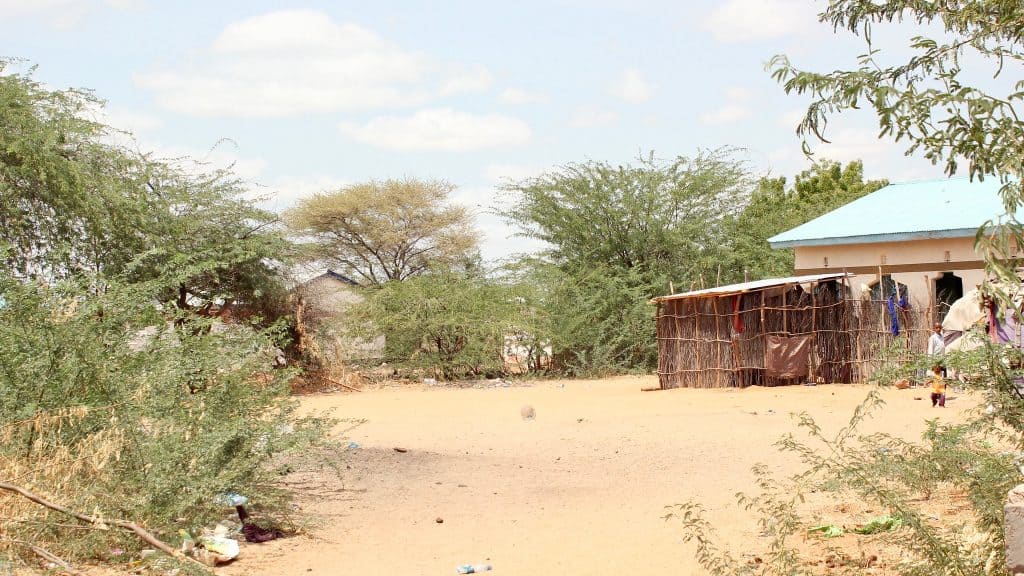
Ali’s home region of Garissa, Kenya, drew him into studying and promoting Hirola conservation.
Ultimately, for the Hirola to survive, more protected areas must be established and maintained, according to experts. The Arawale National Reserve is legally protected, but was neglected for decades due to financial constraints, wrote Ali in an article published in The Conversation. However, recent efforts are underway to reinstate and restore its management for Hirola conservation, in collaboration with local authorities. Restoring suitable habitat requires removing invasive plants and reseeding with native forage grasses favored by Hirola. Allowing managed fires, rather than fully suppressing them, could help restore the natural burn cycles that maintain meadow habitats.
Areas like Arawale once had more acres of the types of meadow habitats that support Hirola grazing. However, during the 1970s and 1980s, elephants were heavily poached, eliminating their natural role in maintaining open grasslands. Without elephants to browse and uproot tree saplings, meadows gradually revert to forests, which do not provide the forage Hirola need. A study published in the Journal of Applied Ecology found that from 1985 to 2012, tree cover increased by 251 percent across the Hirola’s historic range.
Ali’s team has tried various methods to remove trees and restore grasslands, including cutting, uprooting, and breaking off branches to reduce tree growth. Once sunlight can reach the ground again, Ali’s team seeds it with native grasses, as described by the People’s Trust for Endangered Species.
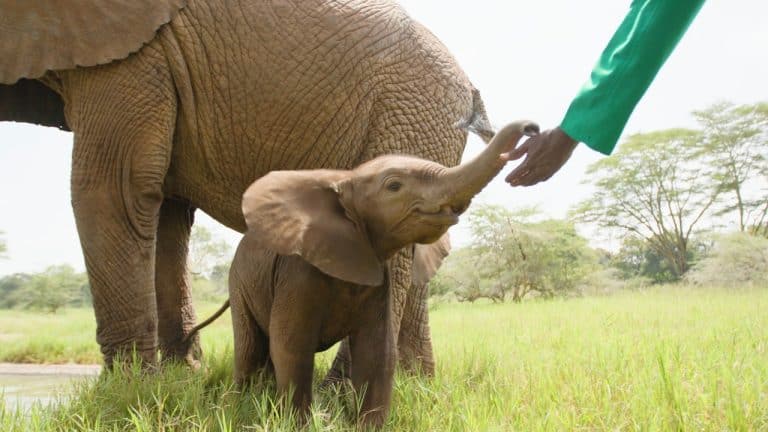
Restoring elephants to Hirola habitats and protecting them from poaching could help maintain Hirola populations. Ali recommends “community-based protection of elephants—in the form of anti-poaching squads and enhanced communication between villages—so that elephant herds can be safe on community land.” Restoration efforts will likely require support from local communities to succeed, given the close relationship between human livelihoods and ecosystem protection in the area.
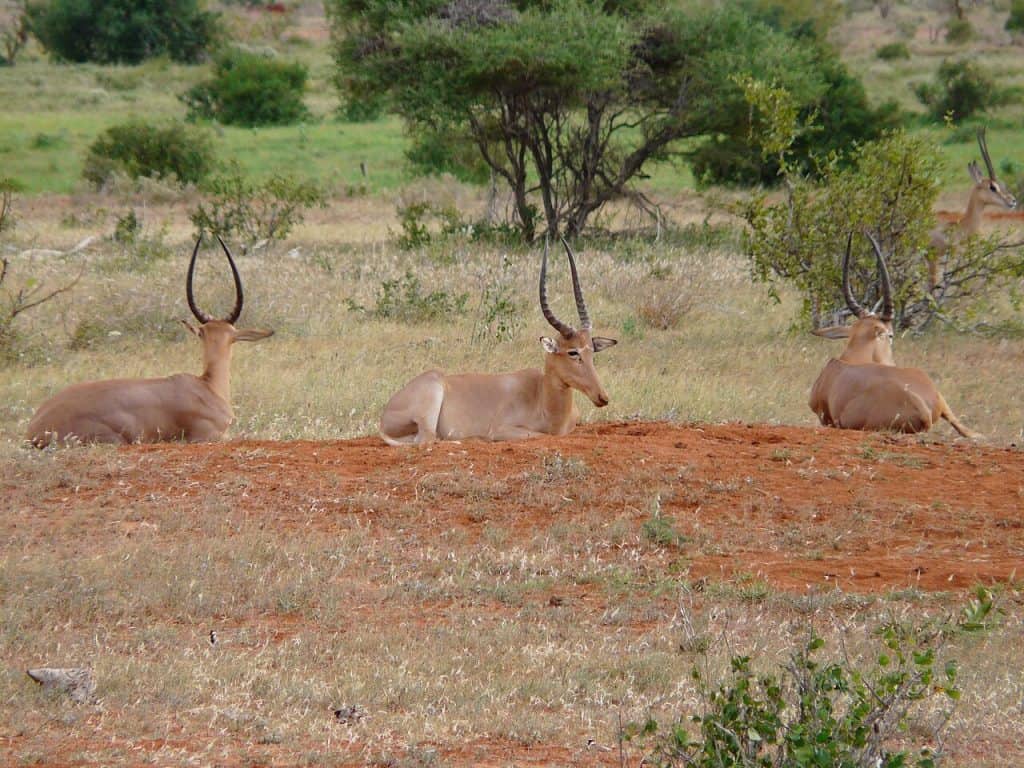
In Tsavo East National Park, a bachelor herd of Hirola rests in the sun.
Some Hirola have been translocated, with small groups moved to better-protected areas. A population is now established in Tsavo East National Park in Kenya, for example, based on 30 individuals moved in 1963 and 10 more in 1996. The Tsavo ecosystem is the largest continuous swath of savannah in Kenya, according to the Tsavo Trust. At first, many of the translocated Hirola perished, but today the population appears to be stable, with an estimated 74 individuals in a recent census. The subsequent droughts of 2008 and 2009 may have reduced those numbers.
A Hirola sanctuary was established in 2012 at Ishaqbini in Garissa County, Kenya, starting with 48 individuals. The population has increased significantly, demonstrating the effectiveness of predator exclusion and active management. Covering an area of about 68,000 hectares, the sanctuary is managed by a Somali tribe to keep lions, hyenas, cheetahs, and human poachers at bay through a combination of fencing and patrolling. According to hirola.org, the sanctuary has “directly resulted in a nearly four-fold increase in the Hirola population over a period of nine years.”
Local education campaigns are also deemed critical in saving the Hirola. Ali aims to reach over 6,000 children and adults to ensure their awareness of the plight of the Hirola and its precarious conservation status. Ali and his team are also training community members to lead restoration measures and foster community-based enterprises that benefit Hirola, such as the propagation of native grass seeds. In bestowing the 2020 Whitley Award on Abdullahi Hussein Ali, the Whitley Fund for Nature recognized him as “a local hero, working towards a peaceful future for Hirola and the people.”
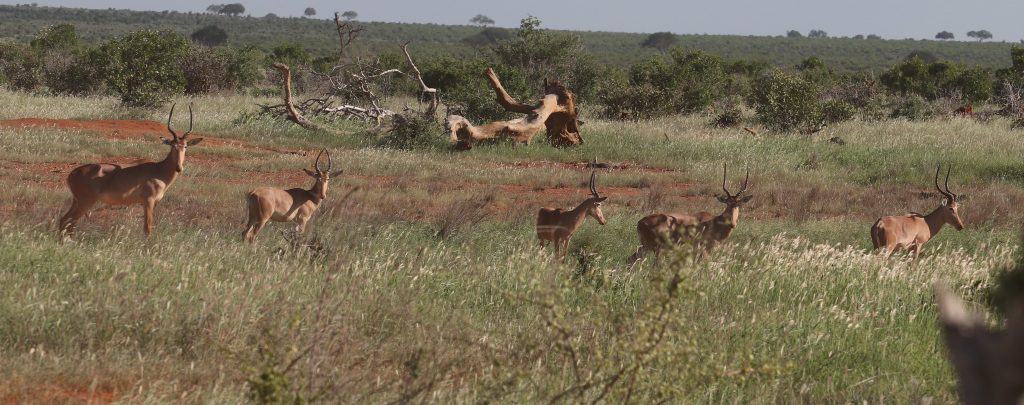
Hopefully, with ongoing conservation work, Hirola will expand beyond Tsavo East National Park.
Inroads have been made in sustaining this unique species, but the biggest challenges lie ahead in reversing the historic population crash. Hirola have still not sufficiently rebounded from the damage caused by the rinderpest outbreak to ensure their future. In a population and habitat assessment published in Oryx, the study authors write, “Early indicators are positive, but given the decreased range, population fragmentation and future habitat degradation, the long-term future of the hirola remains uncertain.”
If Hirola antelopes go extinct, it would be one of the rare cases of an entire genus of mammals disappearing from Africa in recent history. Their extinction would erase several million years of evolution and serve as stark testimony to the vulnerability of long-standing species to human impacts.