
Picture a lone wolf patrolling a misty shoreline on the central coast of British Columbia. The animal sniffs along the rocks, notices a float bobbing in the water, and drags it to shore, pulling up a human-baited crab trap attached to the line. Footage of a wolf doing exactly that may be the first recorded evidence of a wild wolf using a tool.
So how clever are these long-misunderstood predators? Recent studies, along with this new video, suggest that wolves are not only capable hunters but also inventive problem solvers that can learn from people and from one another.
Wolf Intelligence
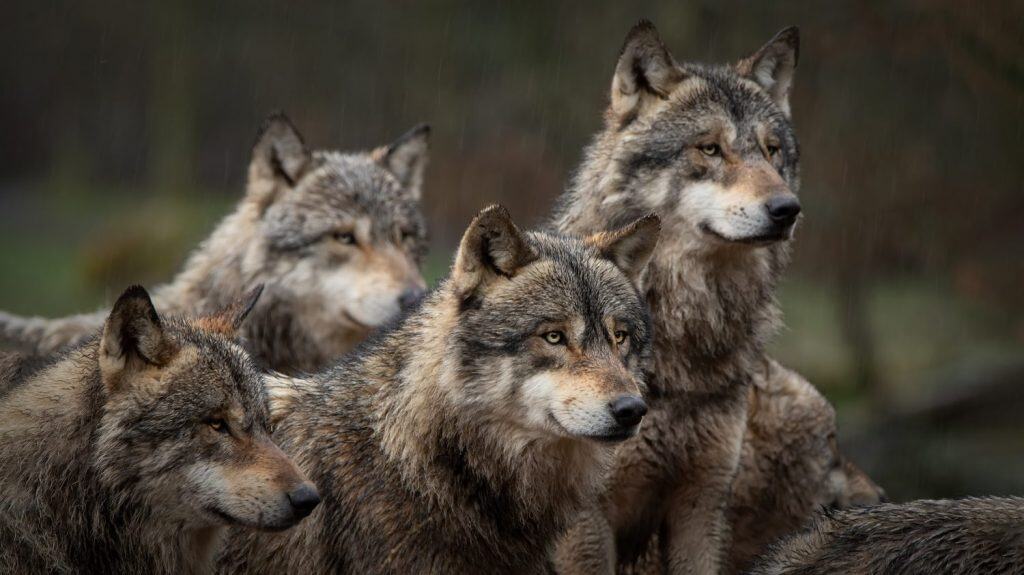
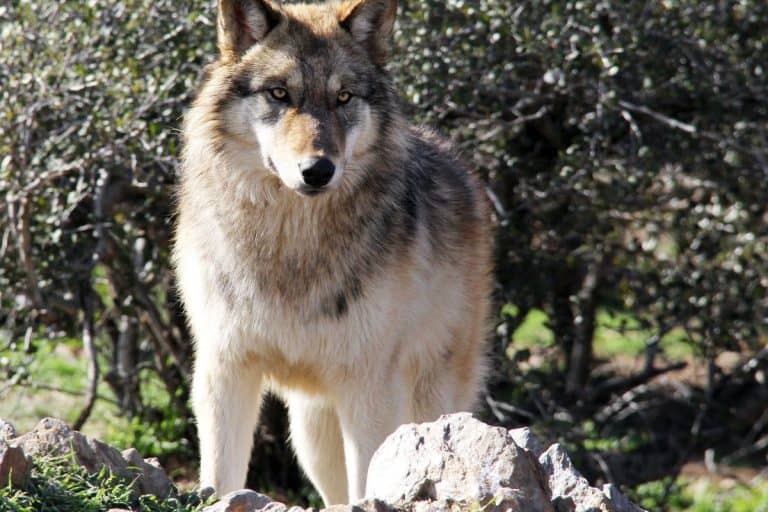
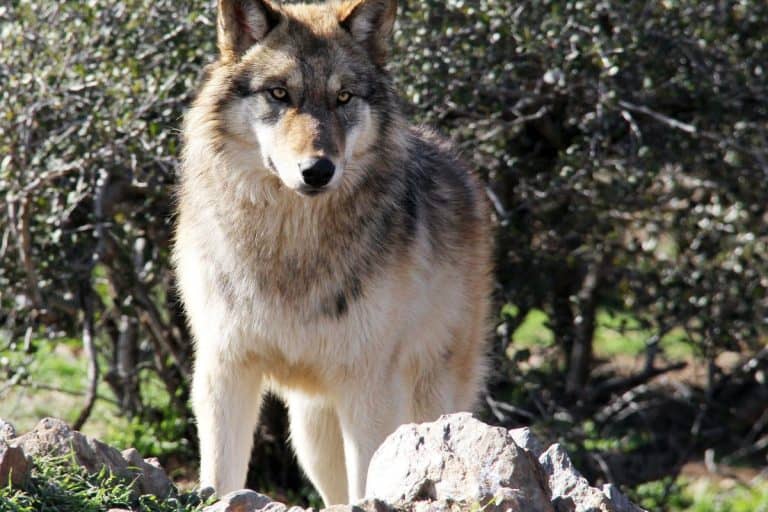
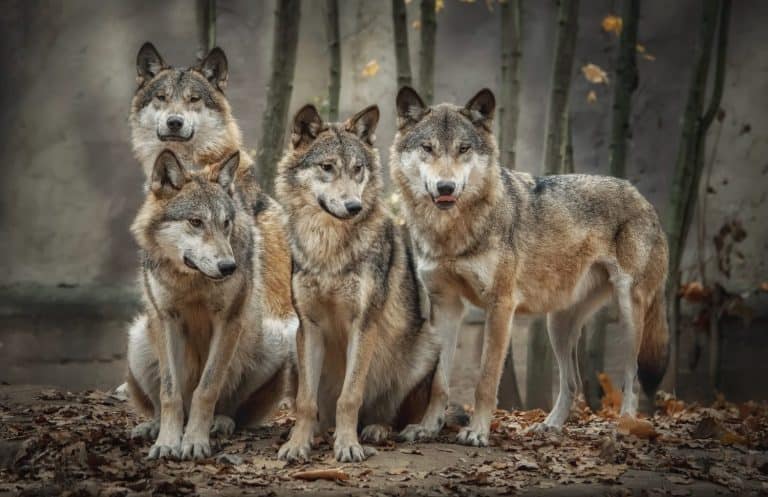
Wolves have complex social behavior.
©Pat-s pictures/Shutterstock.com
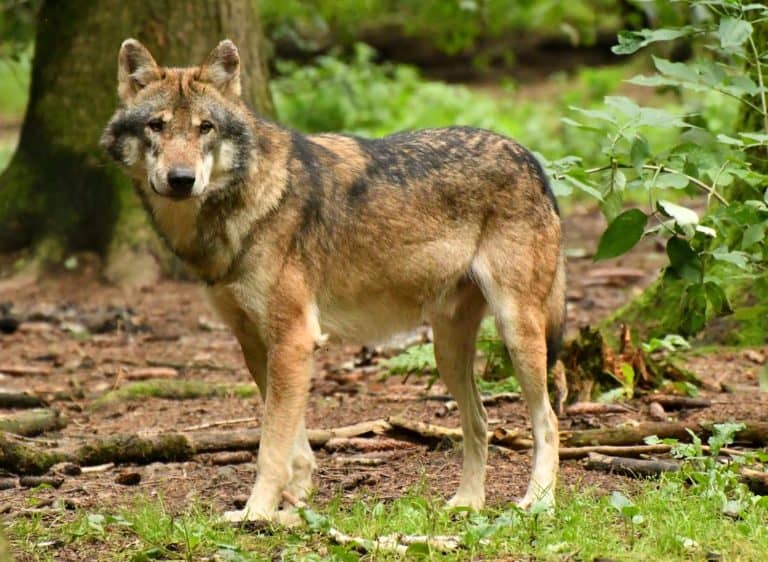
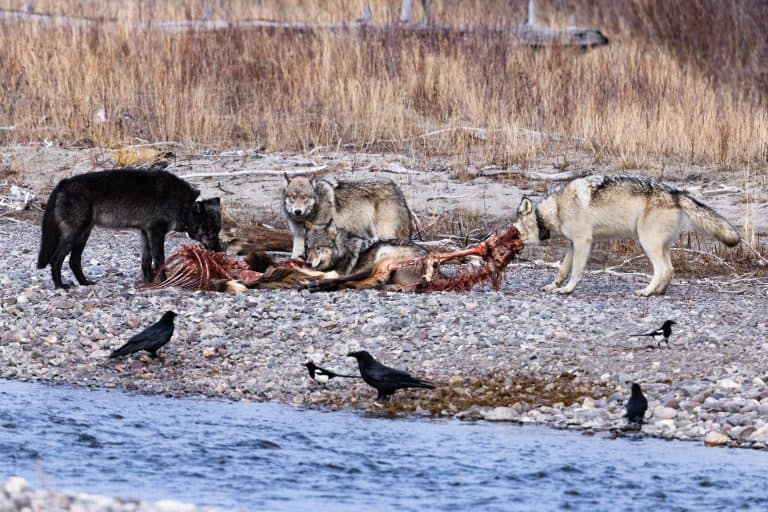
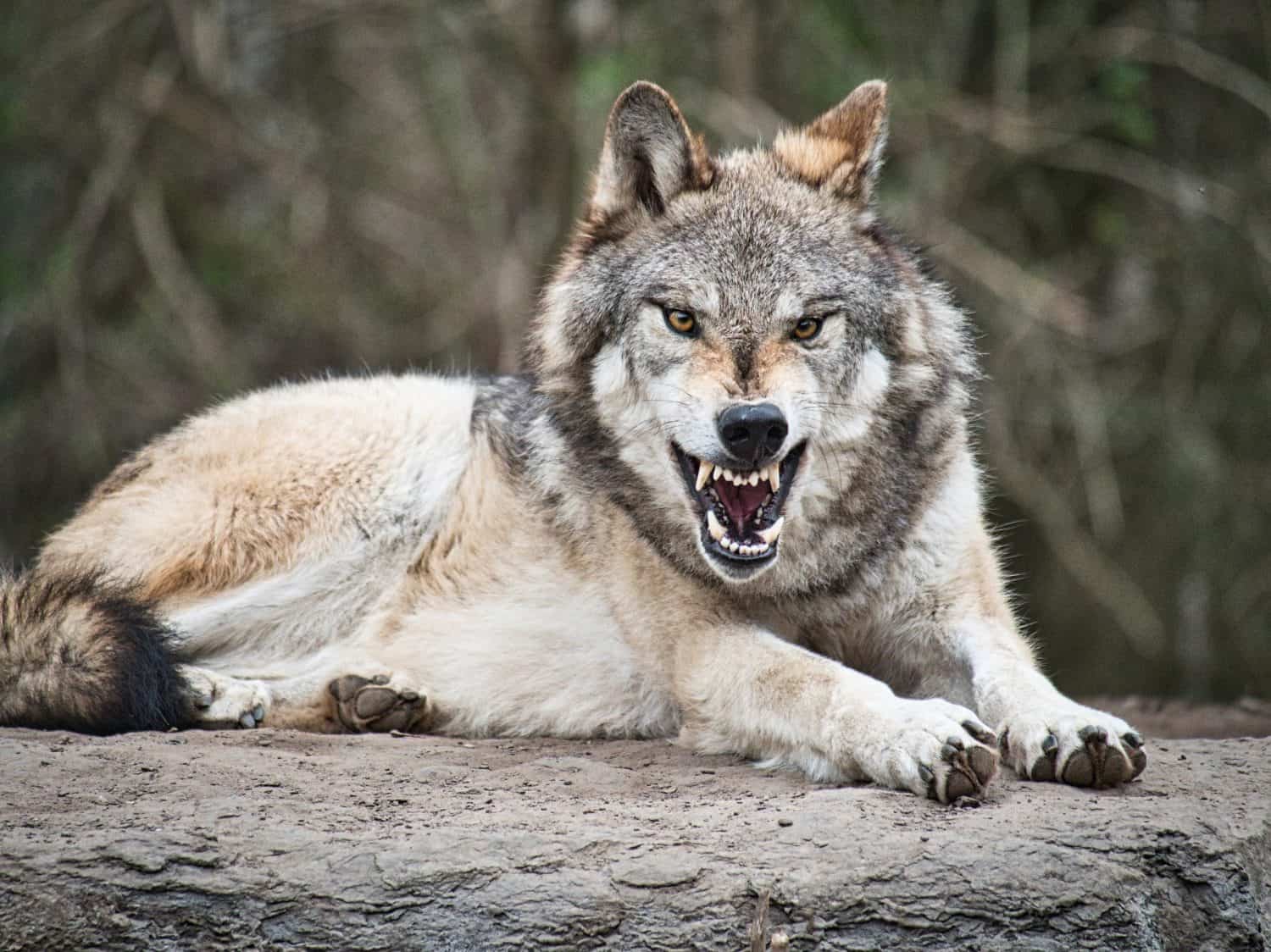
Wolves have long been portrayed as single-minded villains, driven more by instinct than by thought, but modern research tells a different story. Field biologists now know that wolves live in complex family groups, coordinate hunts, and communicate through a wide range of howls, whines, growls, and body postures. Studies in captivity and semi-wild enclosures show that wolves can solve puzzles, learn by observing other animals, and remember solutions for future use.
Over the last decade, laboratory and field research have revealed even more about their cognitive abilities. In experiments comparing wolves and dogs raised under similar conditions, wolves outperformed dogs on certain cause-and-effect tasks. When presented with puzzle boxes containing food, wolves keep working rather than turning to humans for help, while dogs often look back at people for guidance. Wolves also learn from one another; in one study, wolves that watched a trained dog open a box were able to copy the method more successfully than the dogs themselves. Together, these findings suggest that life in cooperative packs and the demands of the wild reward animals that think flexibly and pay close attention to each other.
Tool Use Among Animals
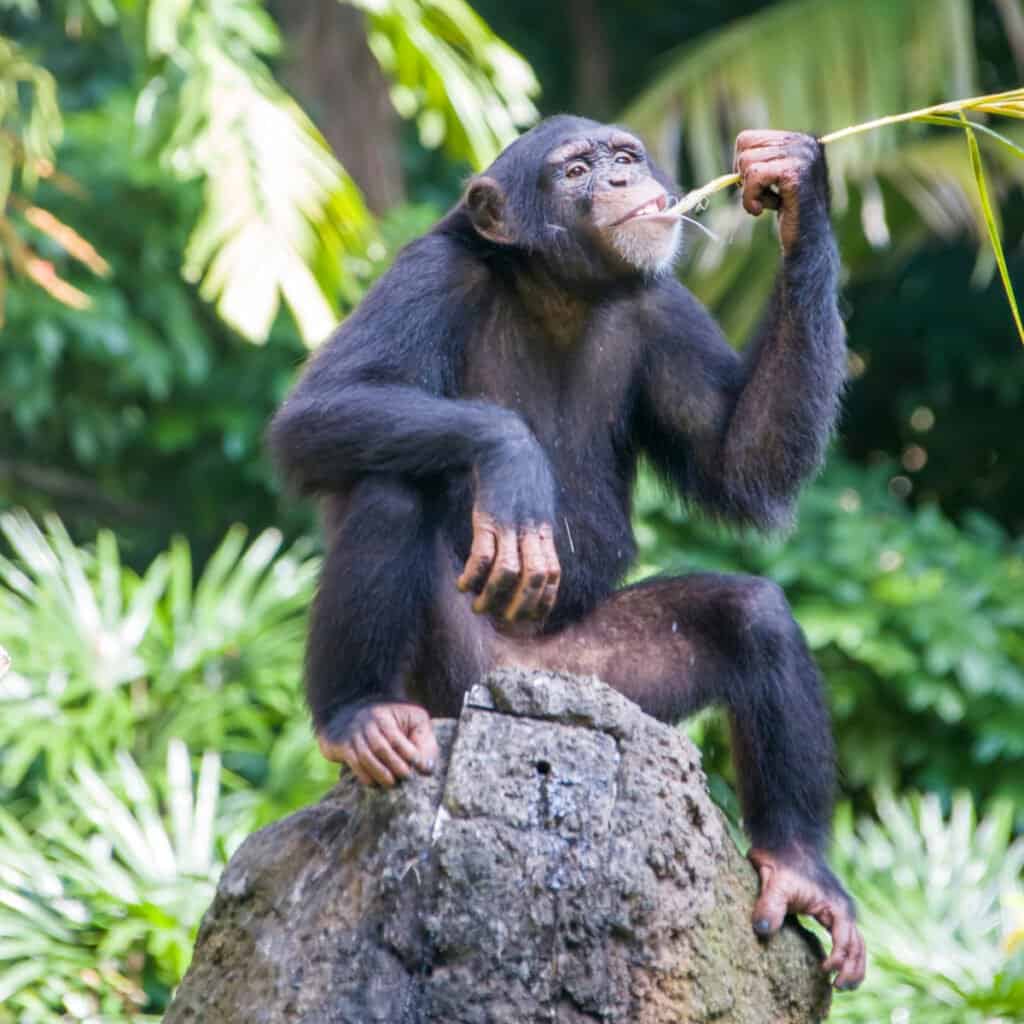
Chimpanzees will use sticks and leaves as tools to gather ants and termites.
©Danny Ye/Shutterstock.com
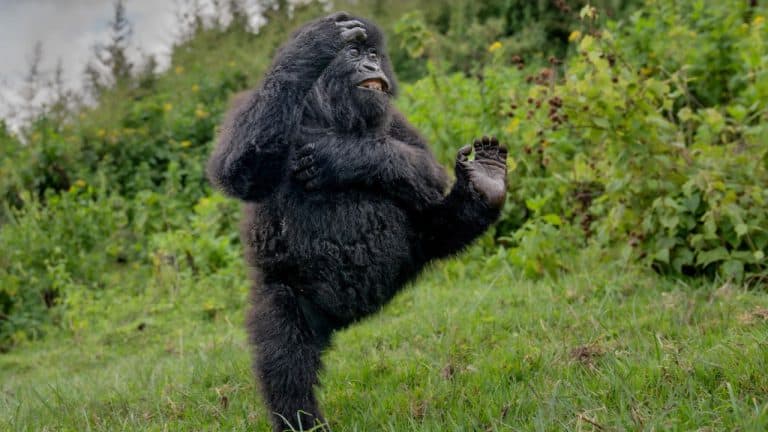
As smart as wolves are, some animals display even more advanced thinking skills, such as the ability to use tools. Tool use has long been associated with species such as chimpanzees, capuchin monkeys, dolphins, elephants, and several birds, including crows and parrots. Sea otters along the Pacific coast are known for cracking shellfish by pounding them against rocks balanced on their chests, or by using stones as hammers to knock loose stubborn prey.
Canids have shown similar skills in captivity. In one study, a dingo dragged a table across an enclosure, climbed onto it, and grabbed a dangling food reward. In other observations, captive dingoes moved objects to gain height or new views, and some opened gates and latches. Domestic dogs sometimes manipulate sticks or other objects in experiments, but their success varies widely. Until recently, however, researchers lacked strong, field-based evidence of wild wolves using tools during natural foraging.
The Mystery of the Mangled Traps

The village of Bella Bella, part of the Heiltsuk Reservation, British Columbia, Canada.
©T. Schneider/Shutterstock.com
For several years, members of the Haíɫzaqv Nation of coastal British Columbia had been setting traps to monitor and control invasive European green crabs, which threaten eelgrass, shellfish, and juvenile salmon in Pacific coastal waters.
Traps kept turning up on shore with mangled bait cups, torn netting, and empty lines. At first, the guardians suspected seals, sea lions, or sea otters. Some people also considered bears or wolves, but since several damaged traps remained submerged at low tide, marine mammals seemed more likely.
A Surprising Scene: Wolf Caught on Camera
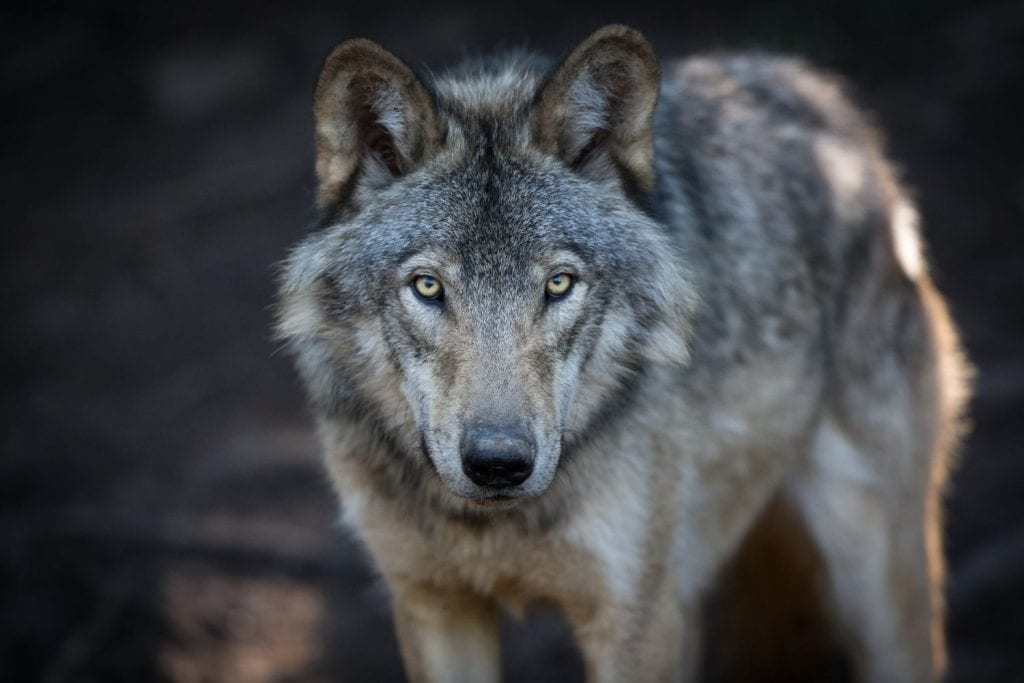
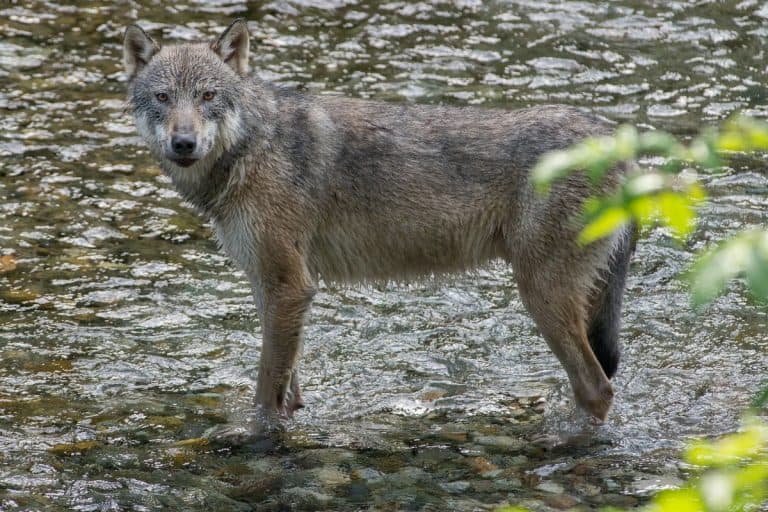
Wolves on the coast of British Columbia learned that human crab traps were a source of food.
©PatrickLauzon photographe/Shutterstock.com
To settle the question, researchers installed remote cameras aimed at suspect traps. In May 2024, one camera recorded a gray wolf emerging from the water with a buoy in her mouth, pulling the line steadily until the trap rose from the sea floor so it could get at the crabs inside.
The video shows a female wolf carrying a buoy attached to a trap line, then walking up the beach while pulling the rope. She pauses several times to get a better grip and haul in more line. After a few minutes, the metal and net crab trap appears in the shallows, and she continues pulling until it rests on the shore. She then rips into the netting, removes the bait cup, eats the fish inside, and trots away.
A later clip from another date shows a different wolf pulling at a line attached to a trap that was already partly above water. The researchers point out that the wolf did not hesitate or experiment with random actions. Her movements appeared practiced, suggesting she had already learned how the rope, buoy, and hidden trap were connected.
What Makes This Different?

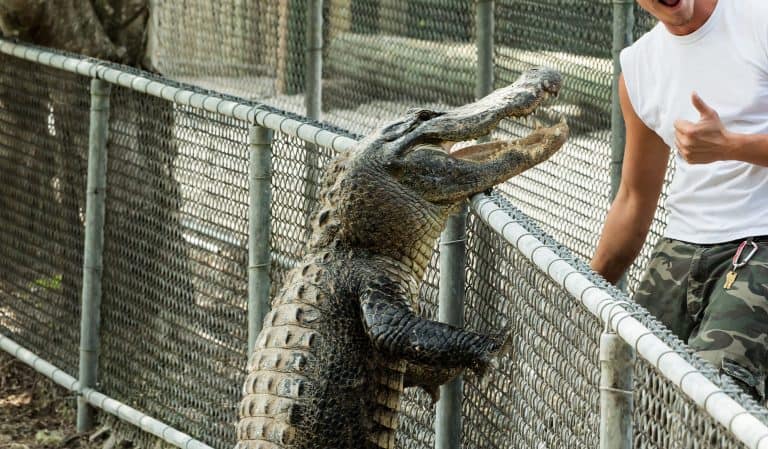
Is it really tool use if the animal did not create the tool itself?
©PVminer2/Shutterstock.com
Scientists care about this event for more than its novelty. When the wolf pulls in the trap, she is doing several things at once. She recognizes that the floating buoy indicates something valuable beneath the surface. By understanding that pulling the line will move the hidden object, she follows a sequence of steps, repeats effective actions, and stops only when she achieves her goal.
The crab-trap incident has raised as many questions as it has answered. Some researchers see this as a clear example of tool use: the wolf manipulates a human-made object in a purposeful way to get food. Others argue that true tool users must create or alter the tool themselves, or at least control how the tool is put together. Scientists want to know whether pups learn the behavior by watching experienced adults, or whether each wolf figures it out alone. They hope to determine how common this strategy is among coastal packs and whether wolves in other regions with fisheries might adopt similar tactics.
Are People Making Wolves Smarter?
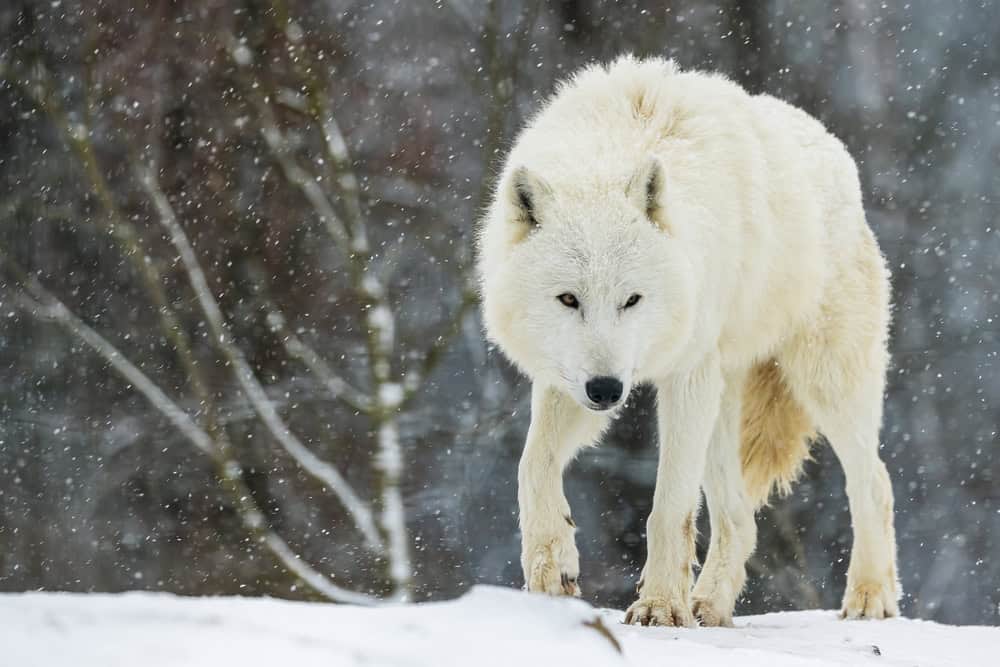
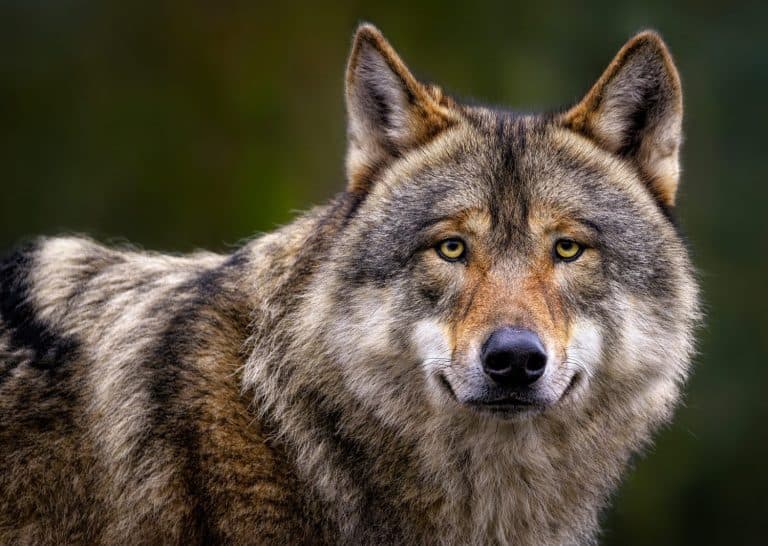
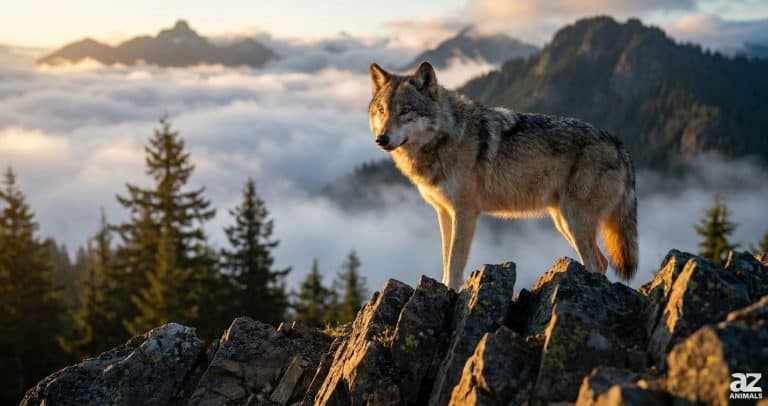
In places where humans have minimal impact on wolves, the animals have more time to learn and pass on creative solutions to their pack mates.
©Michal Ninger/Shutterstock.com
The local relationship between wolves and First Nations communities is a crucial part of this story. The Haíɫzaqv Nation has shared its territory with coastal wolves for thousands of years, and community members speak of wolves as intelligent beings, not as pests. In many other regions, wolves are trapped or shot, which forces them to stay wary of human activity. Haíɫzaqv wolves, in contrast, live in an area where direct persecution is low, thanks to Indigenous leadership and collaborative projects such as the Haíɫzaqv Wolf and Biodiversity Project.
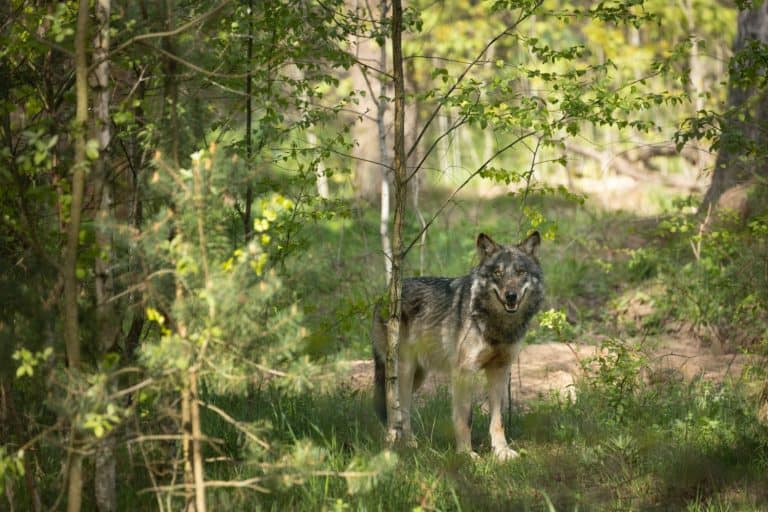
Some researchers theorize that this safer setting may give wolves space to experiment with new behaviors like crab-trap pulling. They might live longer lives and have less disruption to their packs due to hunting. And when animals are not constantly fleeing from people, they have more time to watch, explore, and pass on creative strategies to their pack mates.
A Lesson From Coyotes
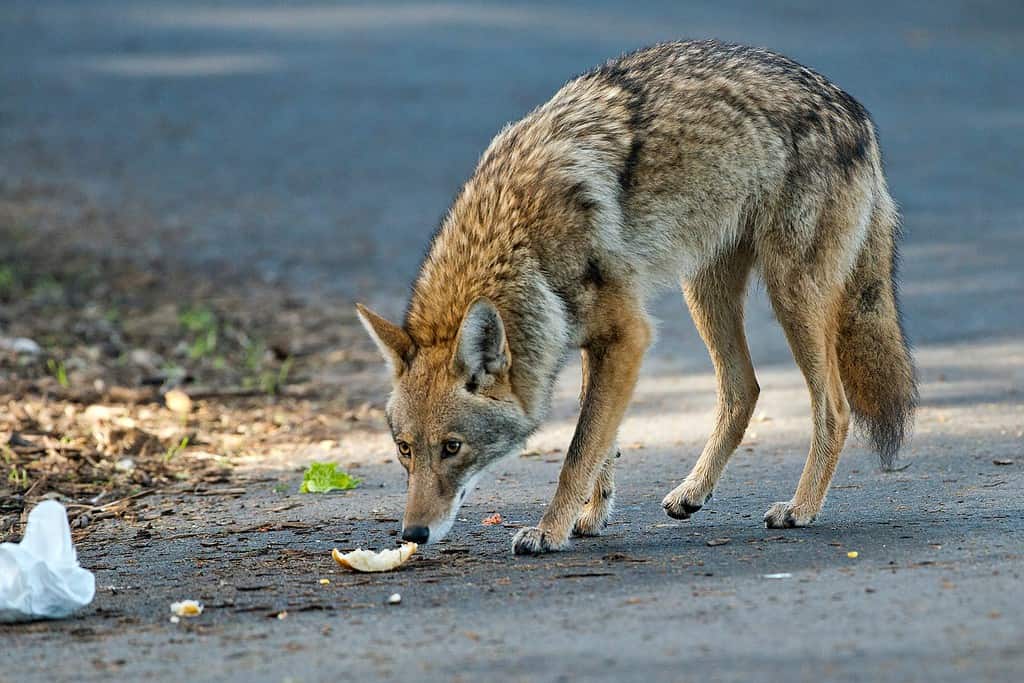
In populated areas, coyotes are attracted by garbage for an easy meal.
©Matt Knoth/Shutterstock.com
Coyotes are a similar but smaller species of canid that have become nearly as comfortable in cities and suburbs as in the wilderness. Once established, they are difficult to remove by culling, as they can increase their reproductive rate to compensate for lost pack members. They possess endlessly clever survival strategies. In the Northeast, coyotes have even hybridized with wolves and domestic dogs.
Findings about the resilience of wolves can help us anticipate whether they, too, could begin living alongside people. Their range once covered all of North America but is now limited to sparsely populated areas: Alaska, the Pacific Northwest, the Northern Rockies, and the upper Great Lakes, with small pockets in the Southwest. Understanding wolves’ intelligence and adaptability could help inform states’ decisions about reintroducing wolves to the East or choosing to leave them undisturbed.
Rethinking the Wolf Legacy
For generations, stories painted wolves as dire threats that lurked at the edge of human communities. The crab-trap wolf offers a different picture. Here is an animal swimming through cold water, reading a human device, and solving a multi-step problem to reach a hidden reward.
This single observation does not mean that every wolf on Earth will start hauling up fishing gear. It does, however, remind us that many wild animals possess mental abilities that science is only starting to recognize. Coastal wolves in Haíɫzaqv territory hunt salmon, forage for shellfish, move between islands, and now, apparently, hunt crabs with borrowed traps.
The more we learn about them, the clearer it becomes that wolves are not just symbols of wilderness. They are thinking, learning neighbors that respond to our actions, adapt to our tools, and challenge us to reconsider what intelligence looks like outside the human mind.