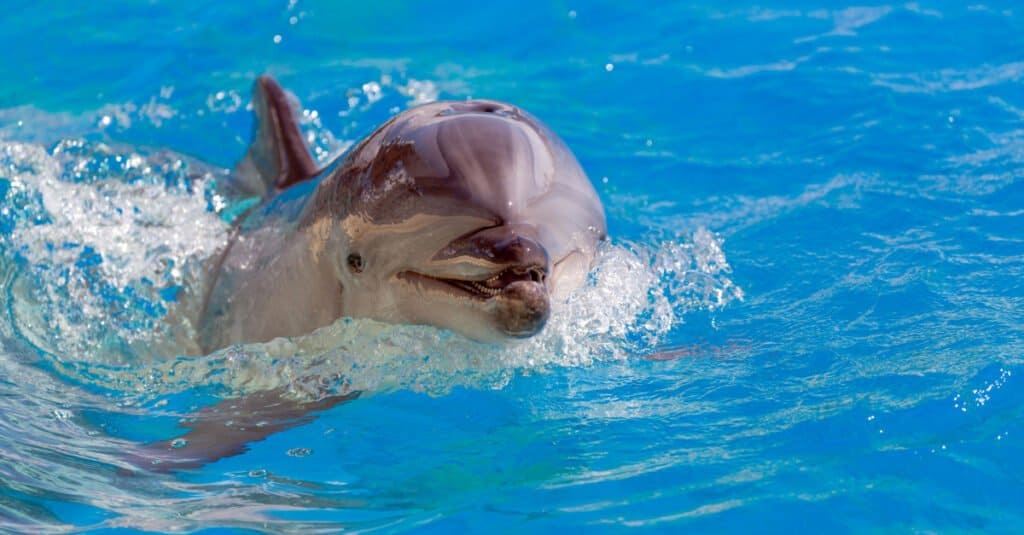
Dolphin portrait, while looking at you with an open mouth.
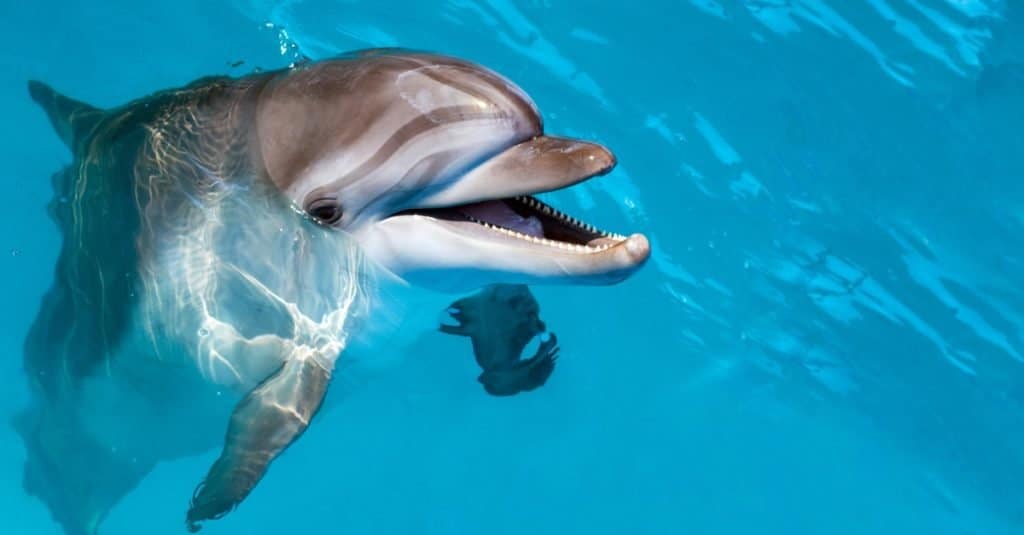
Dolphin portrait, while looking at you with an open mouth.
NataSnow/Shutterstock.com

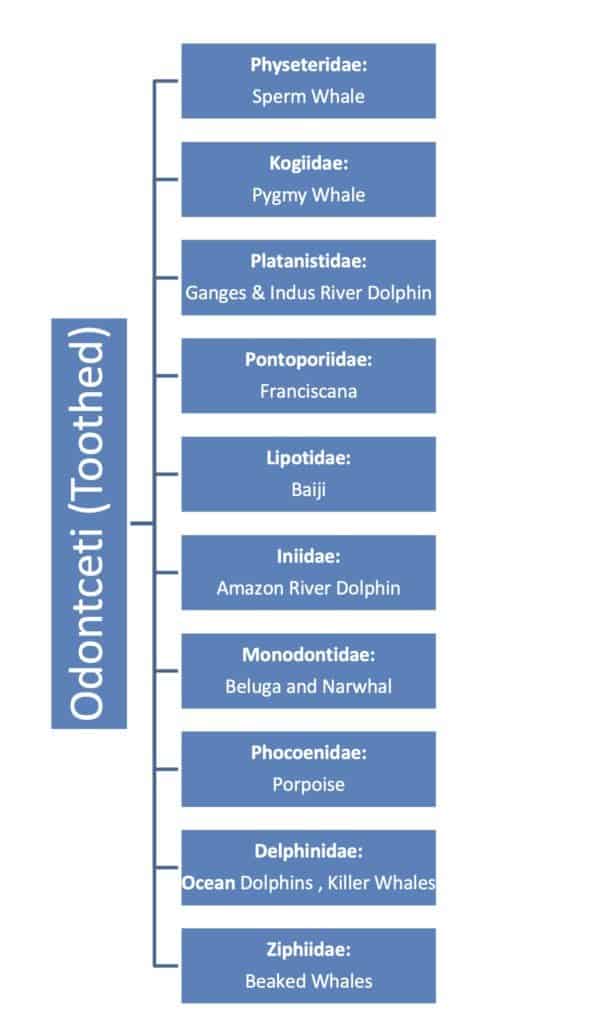
Delphinidae
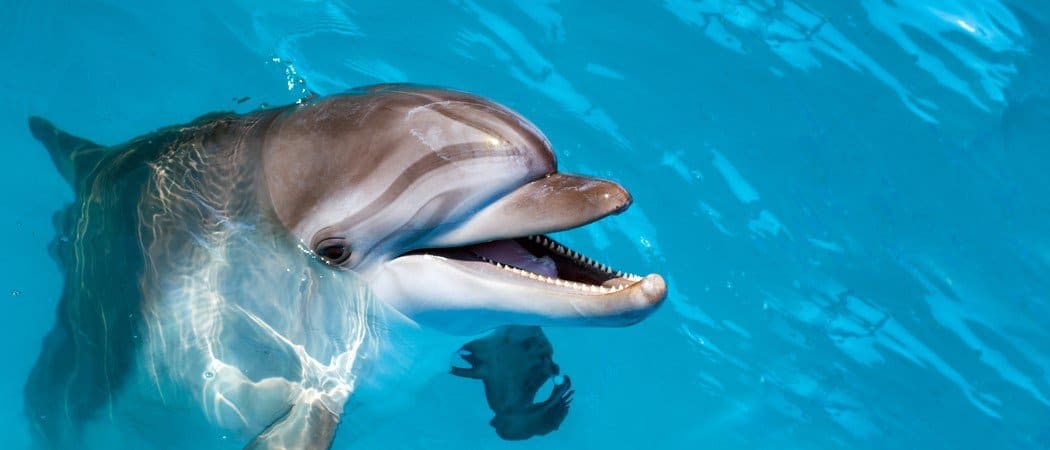
Dolphin portrait, while looking at you with an open mouth.
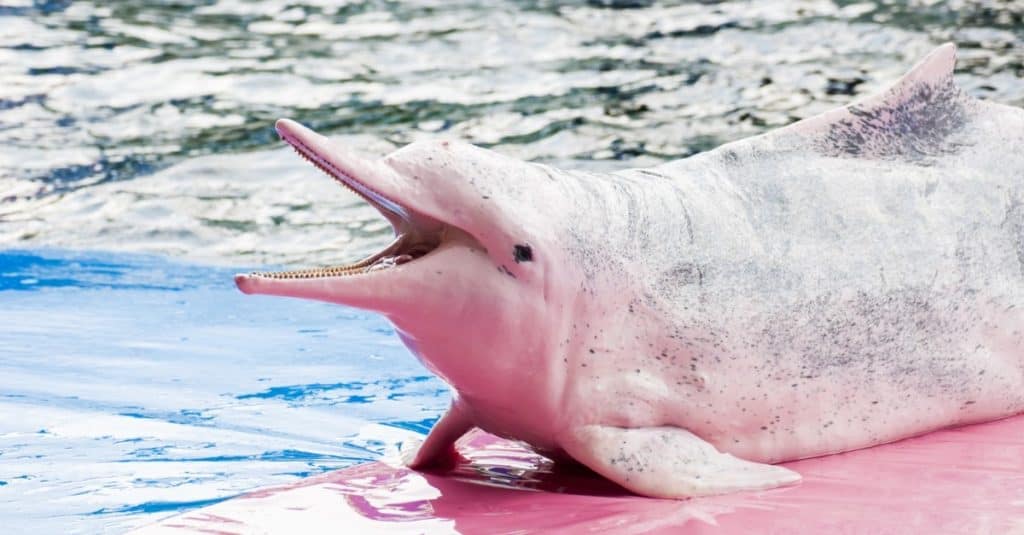
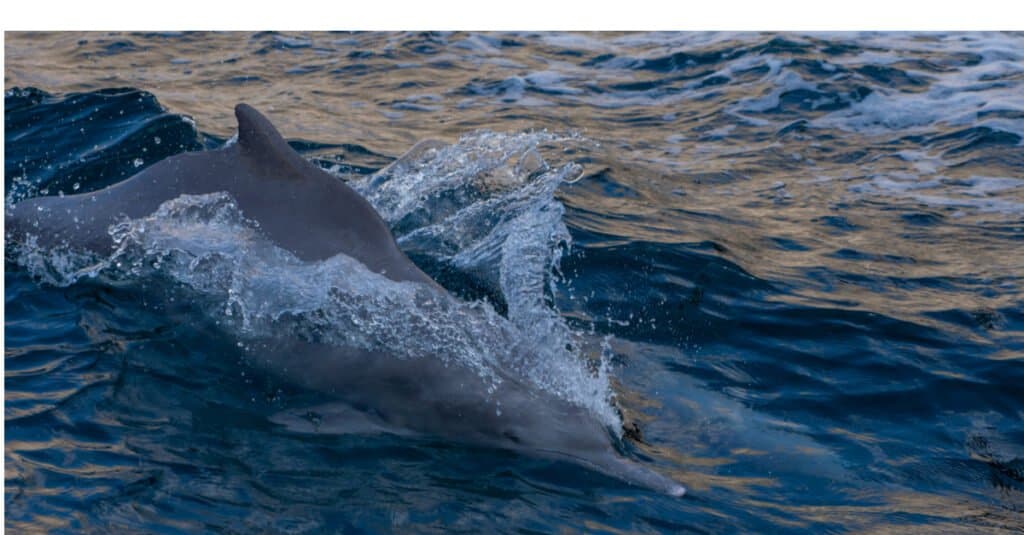
Indo-Pacific humpback dolphin (Sousa chinensis).

A Pacific white-sided dolphin leaps out of the water in Monterey Bay, California.
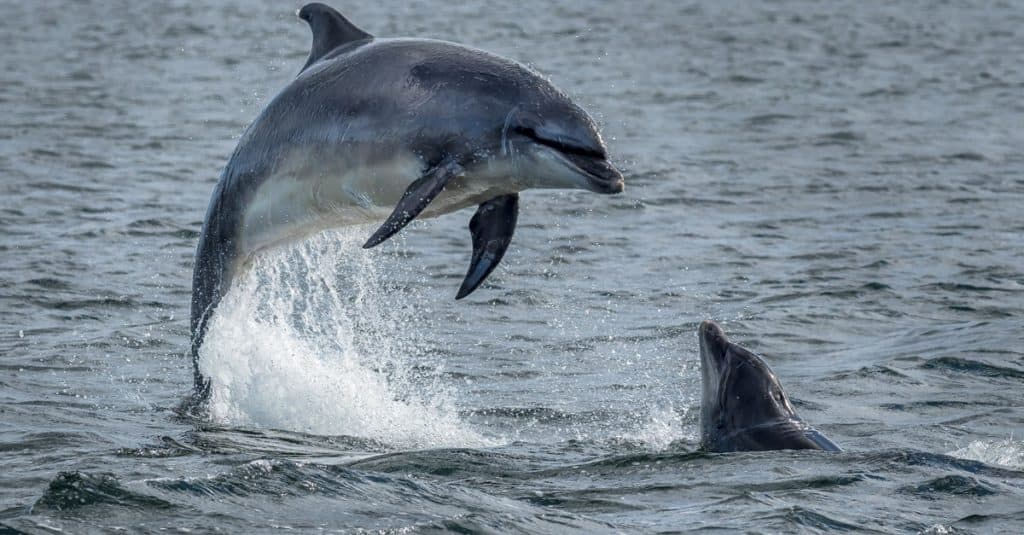
Wild Bottlenose Dolphins jumping out of the ocean water at the Moray Firth near Inverness in Scotland.

Dolphins, swimming in the ocean and hunting for fish. The Long-beaked common dolphin in Atlantic ocean.
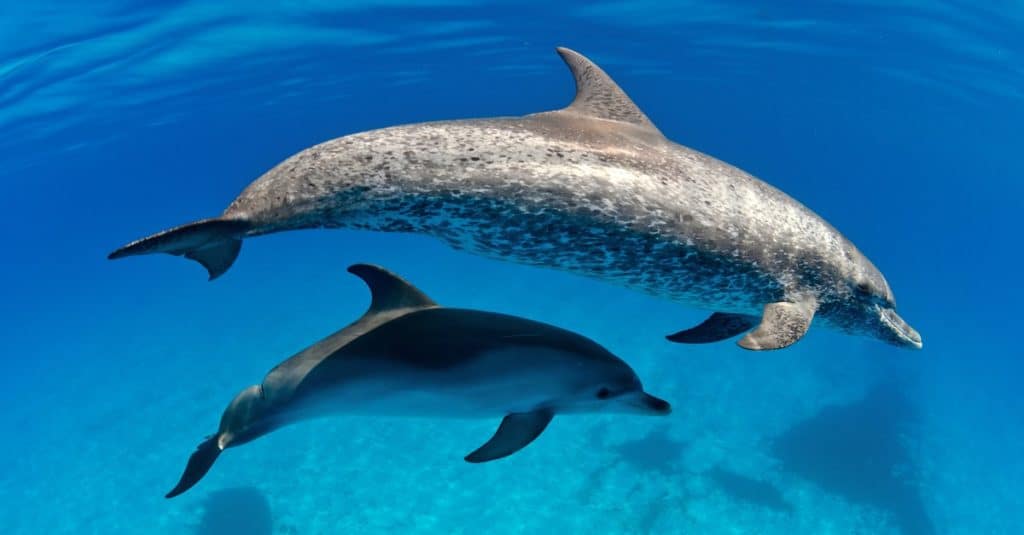
An Atlantic spotted mother dolphin with her baby in the waters of the Bahamas.
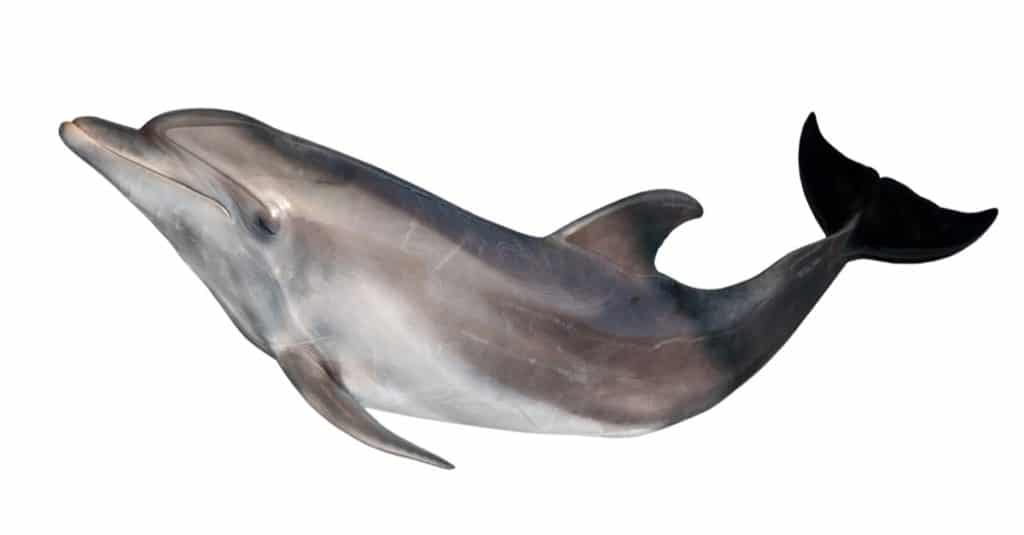
Dolphin isolated on white background.

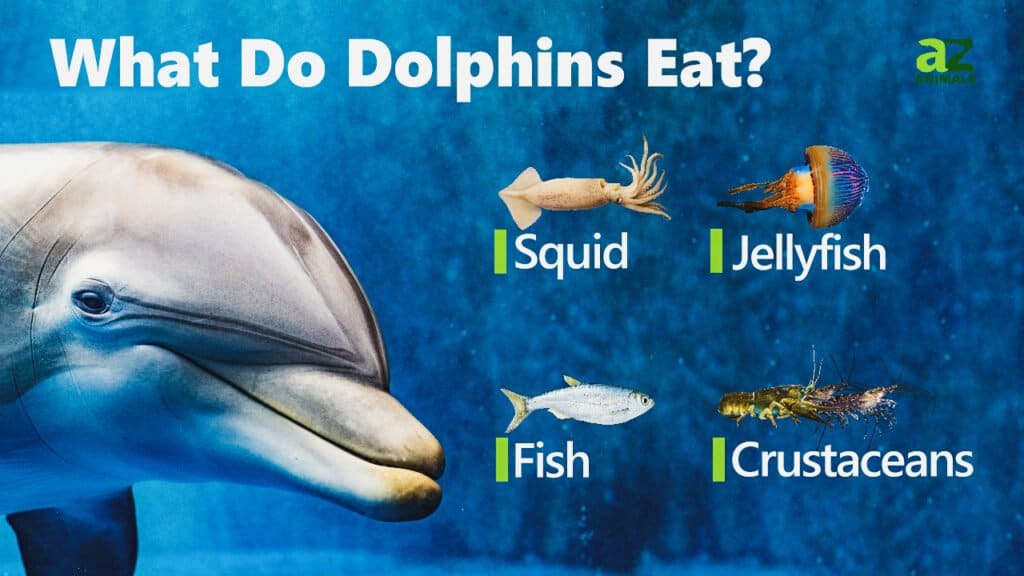
Dolphins eat squid, jellyfish, fish, and crustaceans.
Dolphins have an extra layer of blubber to compensate for a lack of fur.

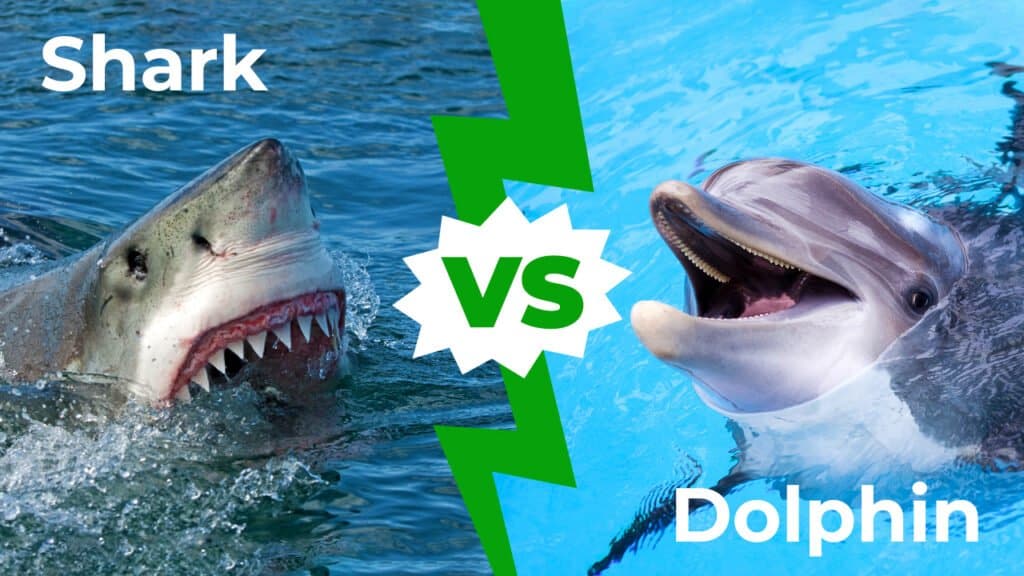
Dolphins may have a reputation for being friendly, cute, and curious creatures, but dolphins can also be extremely vicious.

Dolphins are intrigued by the motion, sound, and disturbance of water created by boats.
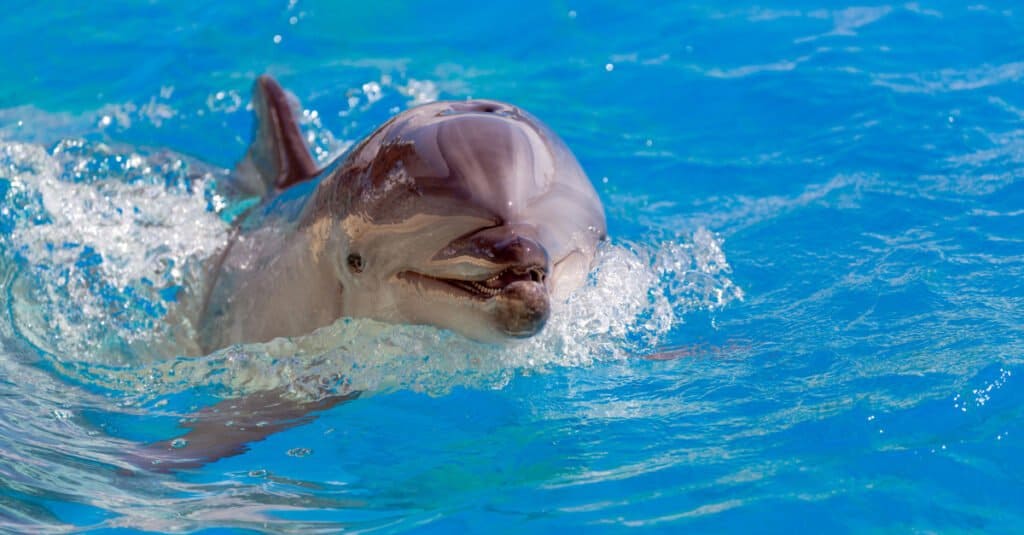
Dolphins attach a sponge to their noses and use it to protect their flesh while foraging for food.
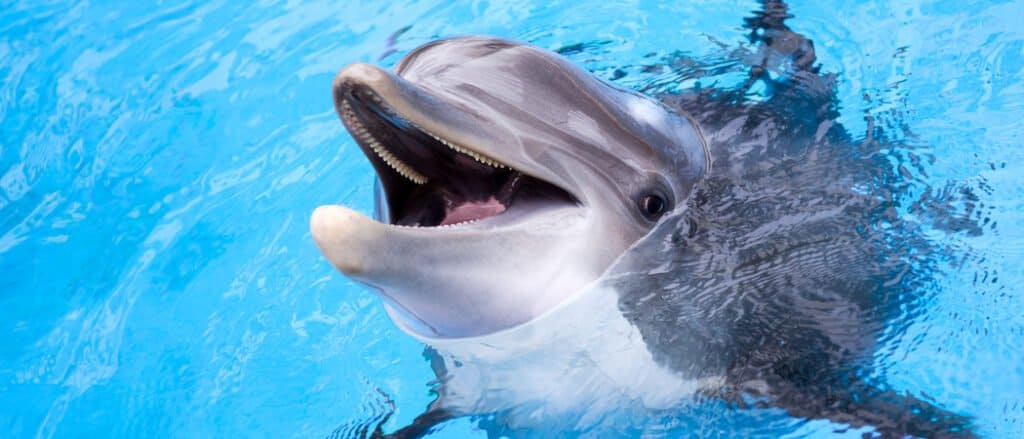
Dolphin
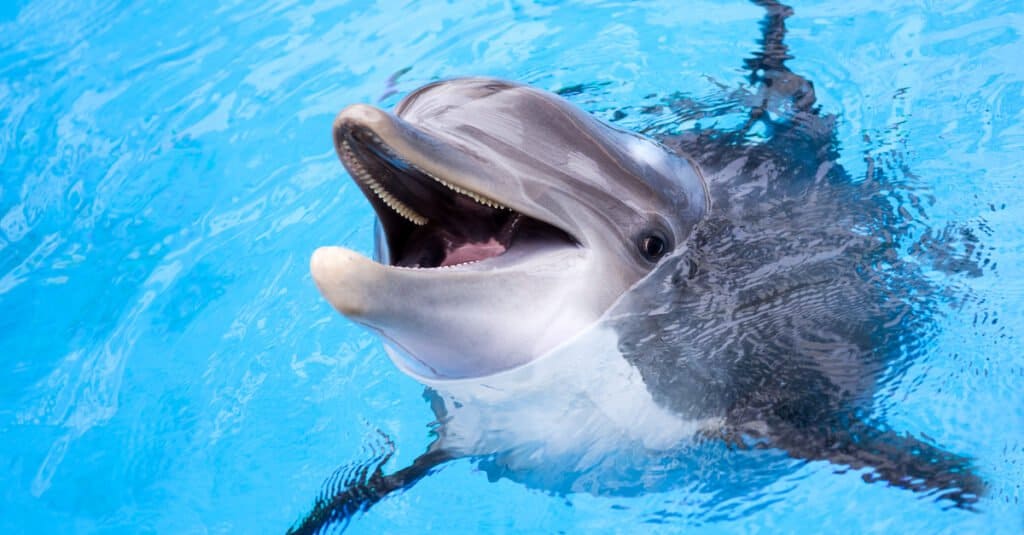
A dolphin's communication and decision-making skills often draw comparisons with humans.
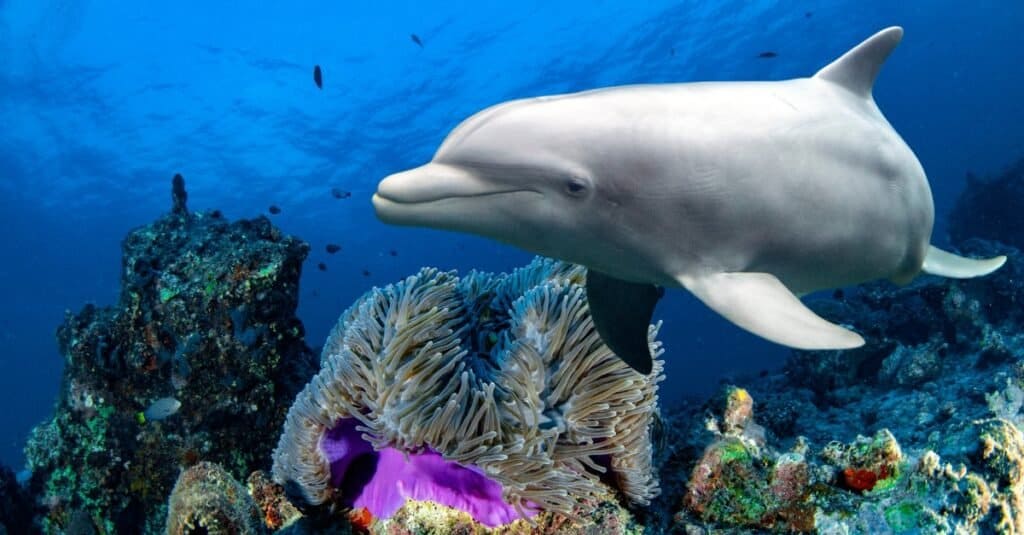
A bottlenose dolphin on a reef. These caring creatures are often seen tending to the sick, the old, and the injured in their group, which is known as ‘pod’.
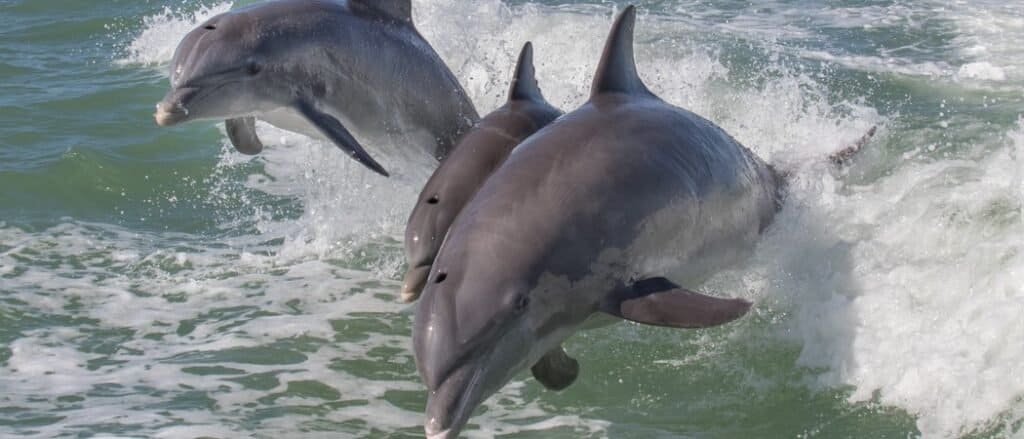
Are Dolphins Mammals
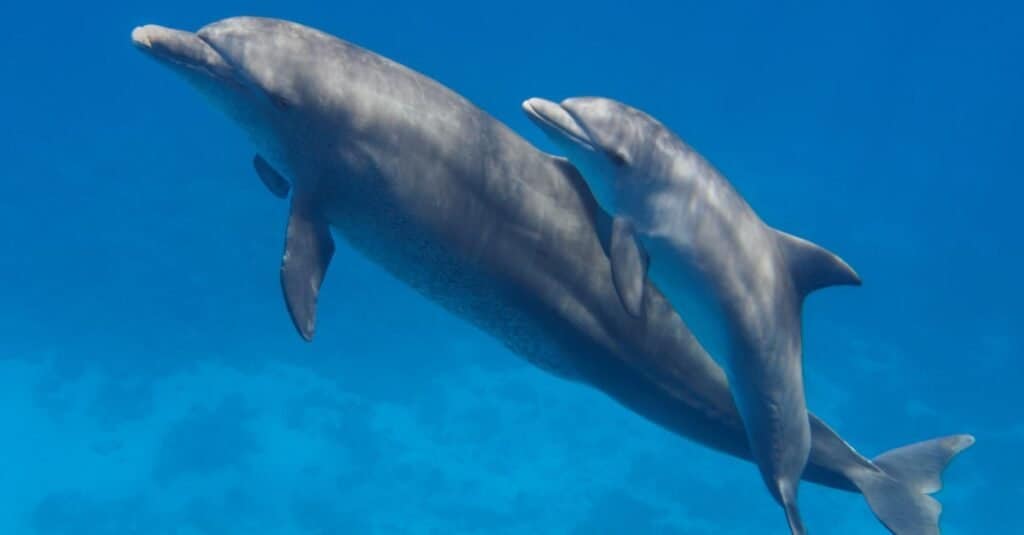
A mother dolphin with her baby swimming in the blue ocean over the coral reef. The average baby dolphin will nurse on its mother's milk for several years. They eventually wean off their mother's milk as they learn how to survive off catching fish.
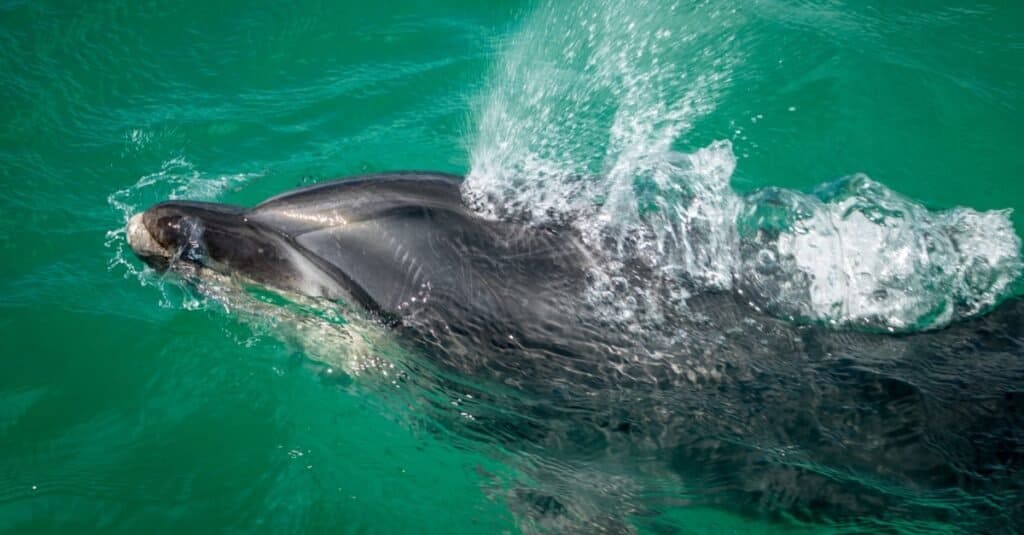
Bottle Nose Dolphin Clearing Blow Hole. These clever creatures can open this hole when inhaling and exhaling out of the water, and close it when below the ocean surface.
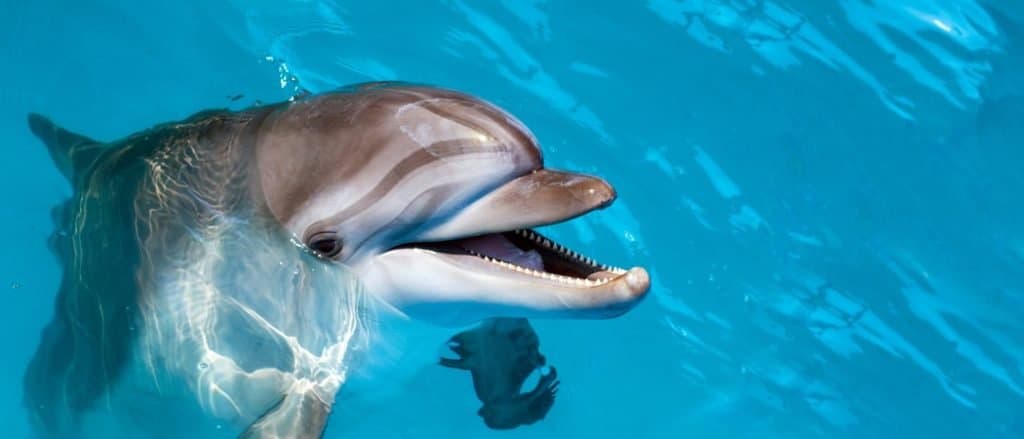
Dolphin looking with open mouth.

A charming dolphin baby swims with his mom in a pool. They are not only the friendliest or caring creatures but also the most intelligent ones.
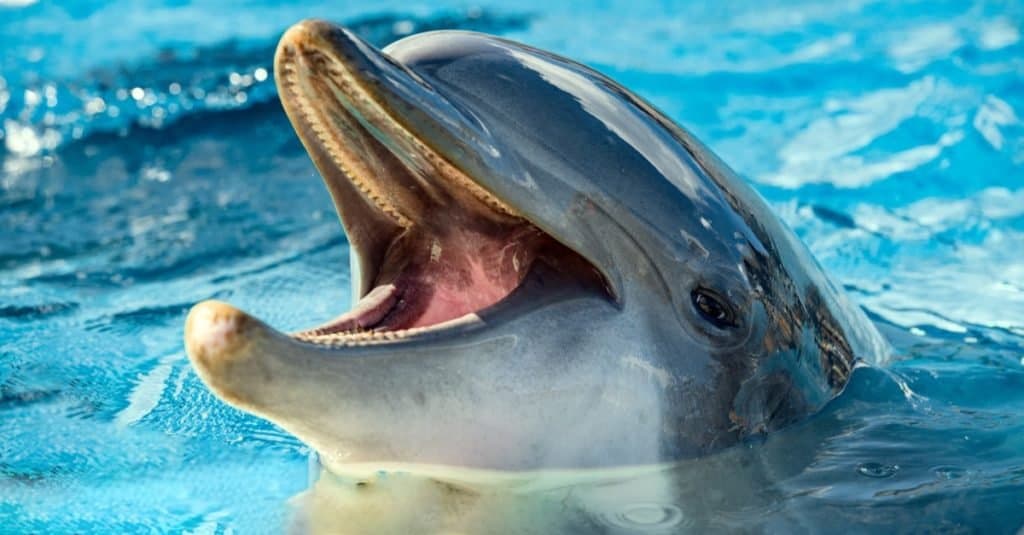
Dolphins are caring creatures, often seen tending to the sick, the old and the injured in their group, which is known as ‘pod’.
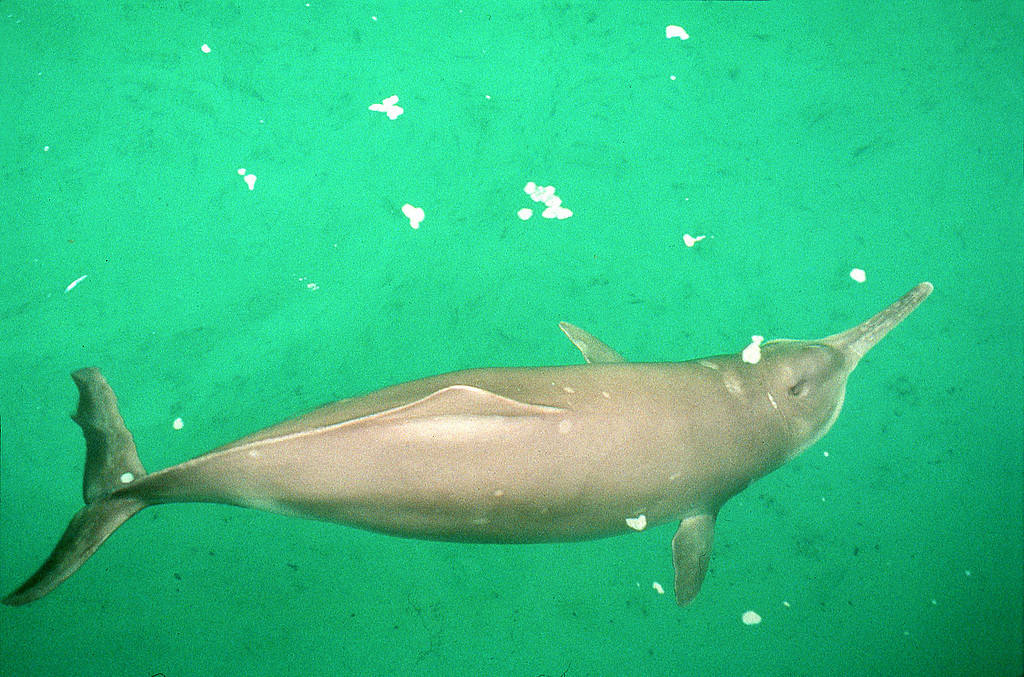
The mighty Yangtze River in China was home to the baiji’s home for 20 million years., but it took less than 50 years for humans to wipe them out.
NOAA - Public Domain

Common Dolphin
Shane Anderson - Public Domain by U.S. National Oceanic and Atmospheric Administration
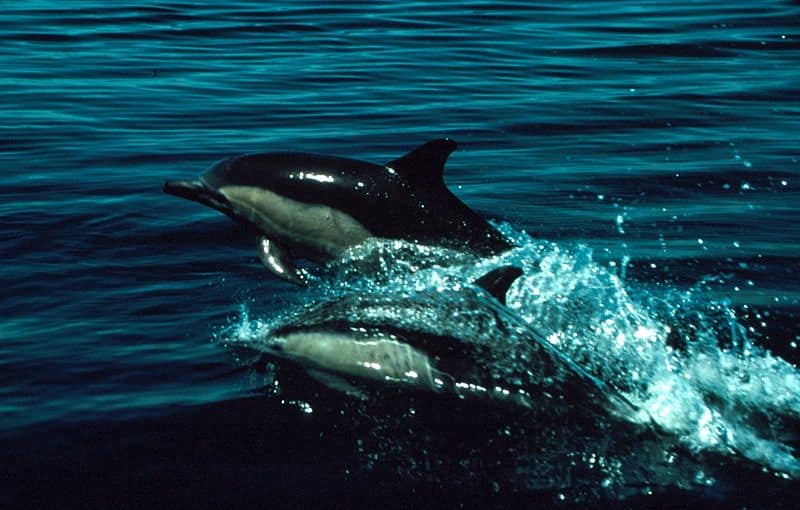
Common Dolphins
Scott Hill - Public Domain by U.S. National Oceanic and Atmospheric Administration

Common Dolphin
Thank you for reading! Have some feedback for us?
We appreciate your help in improving our content.
Our editorial team will review your suggestions and make any necessary updates.
There was an error submitting your feedback. Please try again.