
Quick Take
- One animal on this list isn't a mammal or bird, and yet its coordinated hunting strategy rivals the most sophisticated pack hunters on Earth. See the fish teamwork →
- One predator's hunting tactics aren't driven by instinct but are instead passed down through generations like cultural traditions, making each group's strategy unique. Explore orca hunting culture →
- One bird of prey breaks a near-universal rule of its entire species by using a relay system to hunt prey others can't catch. Discover the relay hunters →
- Some of these hunters go beyond simply chasing prey, engineering physical traps using nothing but their environment and coordinated movement. See the mud ring traps →
Most predators hunt alone, using a fierce combination of stealth, speed, and strength to capture prey. However, some animals know that cooperation can be a highly effective strategy. Through teamwork, these hunters can take down larger prey, improve their success rates, and tackle challenges that would be impossible for a solo hunter. Still, hunting as a group is not easy; it requires communication, coordination, and trust between members. In some cases, the strategies are remarkably sophisticated. Here are eight animals that hunt in teams.
Orcas
©Foto 4440/Shutterstock.com
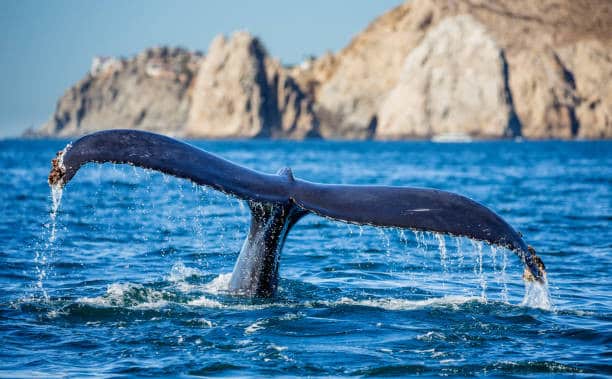
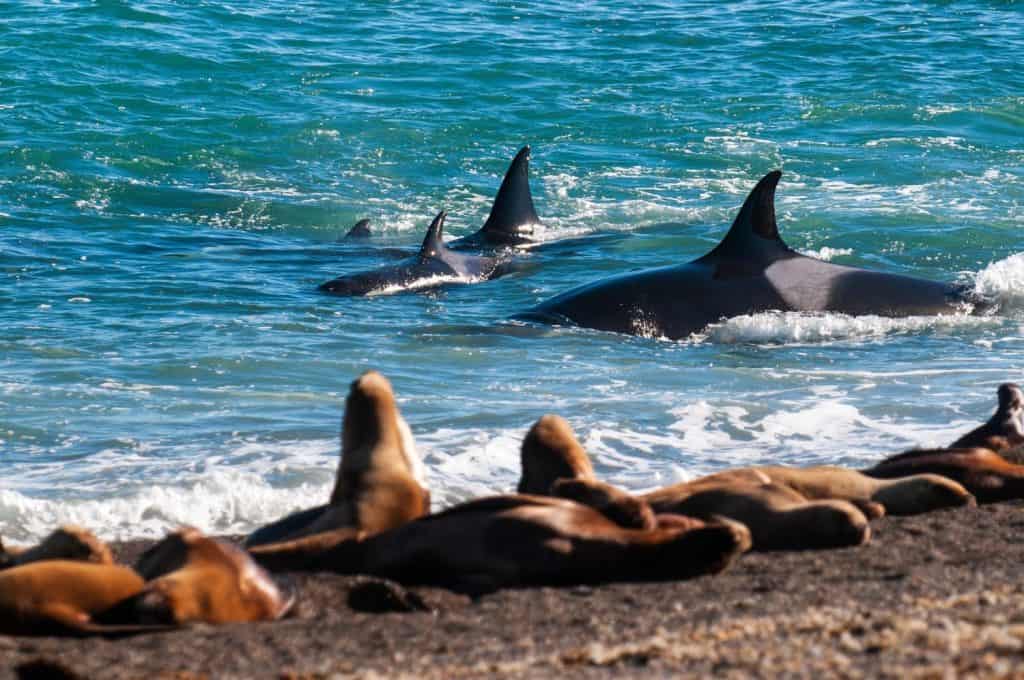
Orcas are well-known for being one of the most intelligent predators on Earth. These powerful marine mammals are also famous for working together to hunt seals, fish, and even large whales. Their strategies are incredibly clever, and they often outsmart their prey. Hunting tactics differ by population, with pods developing specialized techniques that are passed down through generations. While some orcas generate waves to wash seals off chunks of ice, others coordinate near-military-level attacks on much larger animals. Their ability to put their heads together makes them one of the sea’s most successful predators.
Wolves
©PatrickLauzon photographe/Shutterstock.com
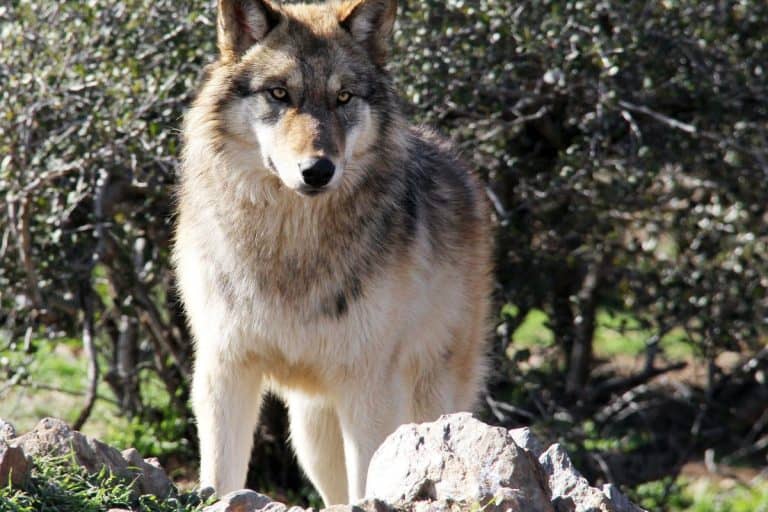
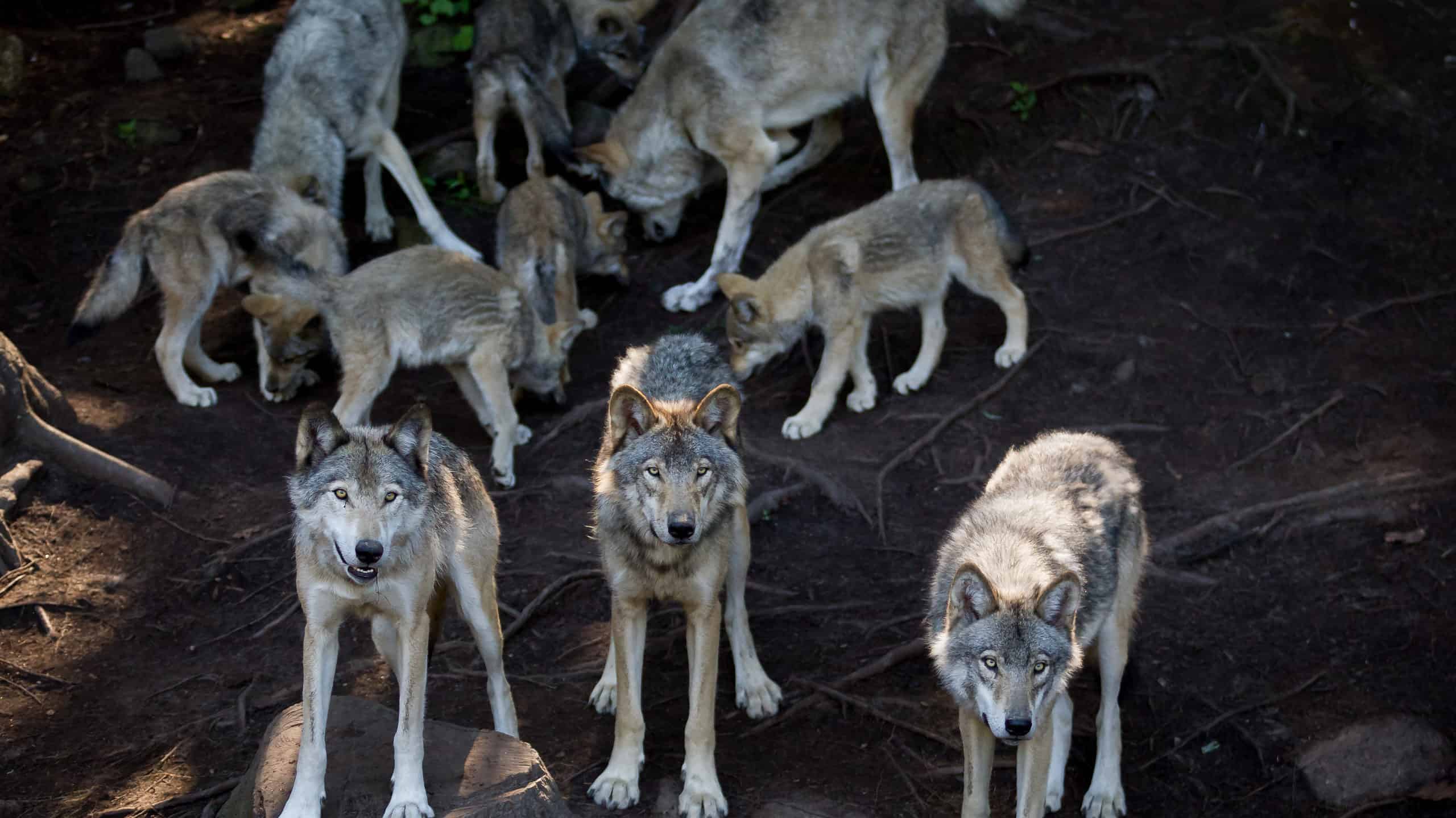
Wolves are perhaps the most famous cooperative hunters. A single wolf would struggle to bring down a large elk or moose, but a pack can exhaust and surround a victim. Individual wolves often take on different roles during a hunt. Some pursue prey directly while others intentionally block escape routes. This hunting in-unison allows packs to seize animals much larger than themselves.
Harris’s Hawks
©ambquinn/Shutterstock.com
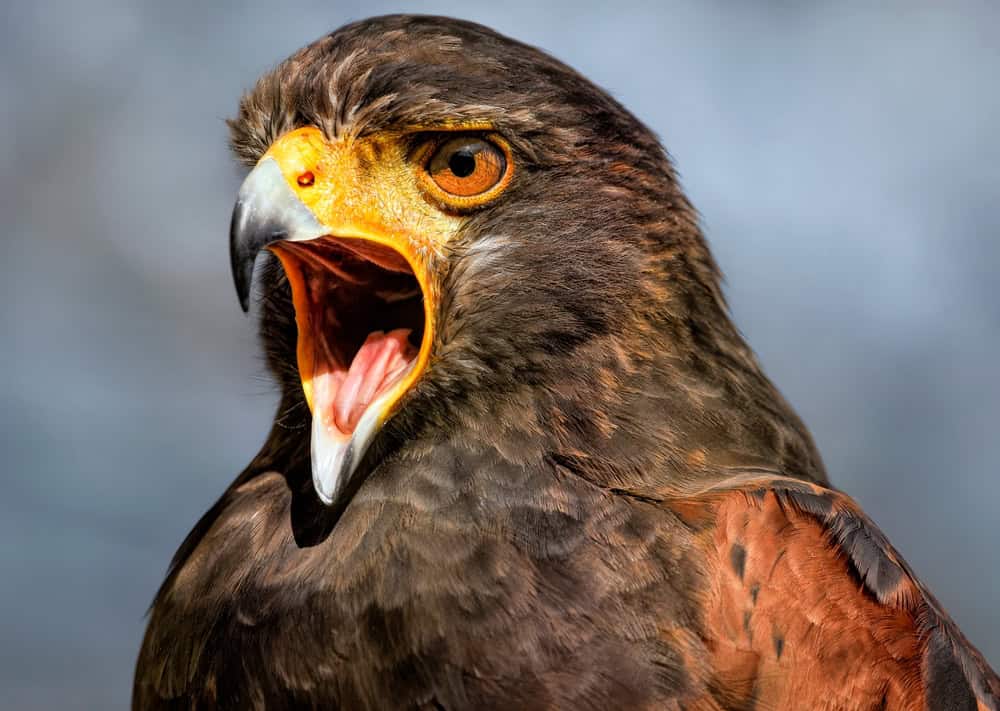
Unlike most birds of prey, Harris’s hawks hunt collectively. Small teams work together to force rabbits and other small mammals from thick vegetation. The birds often take turns chasing a fleeing animal, sort of like relay runners passing the baton. This strategy helps them go after prey for a long time without tiring. This cooperative food seeking is rarely seen in raptors.
Lions
©Karl Weller/Shutterstock.com
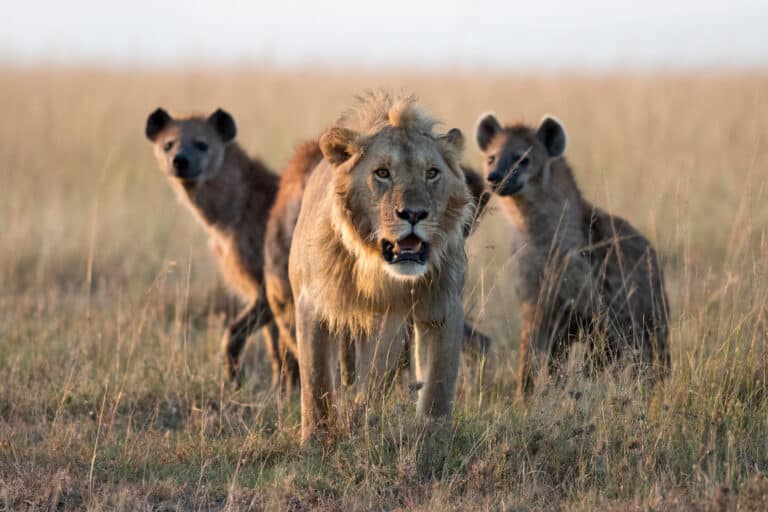
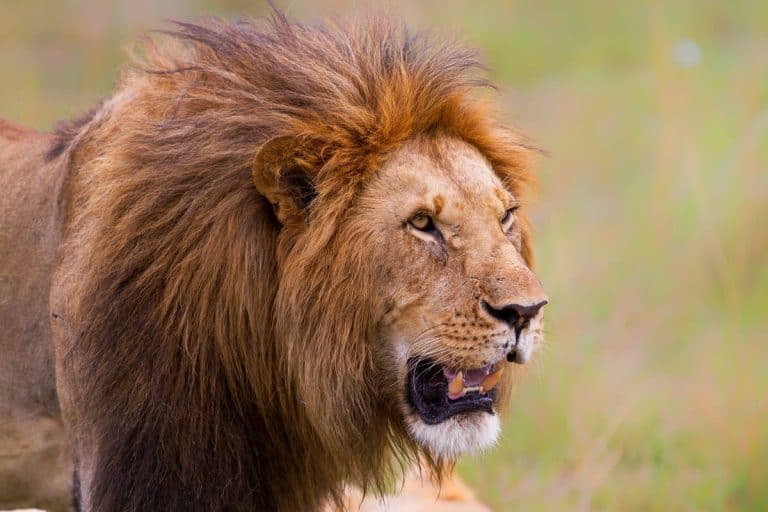
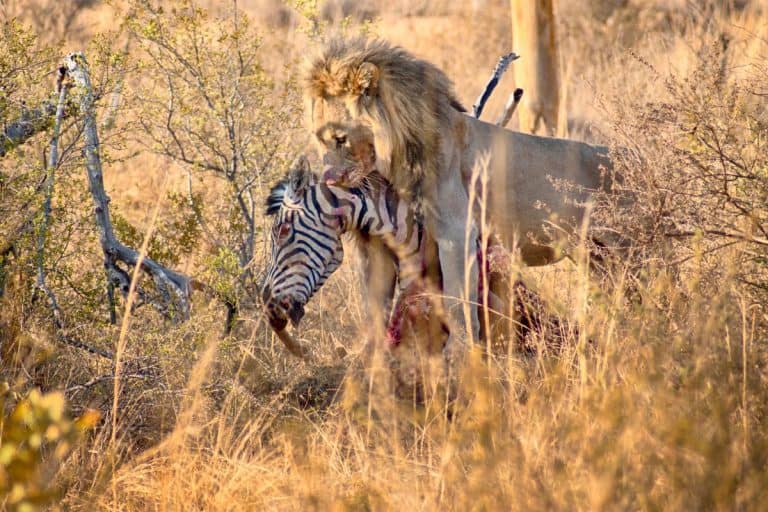
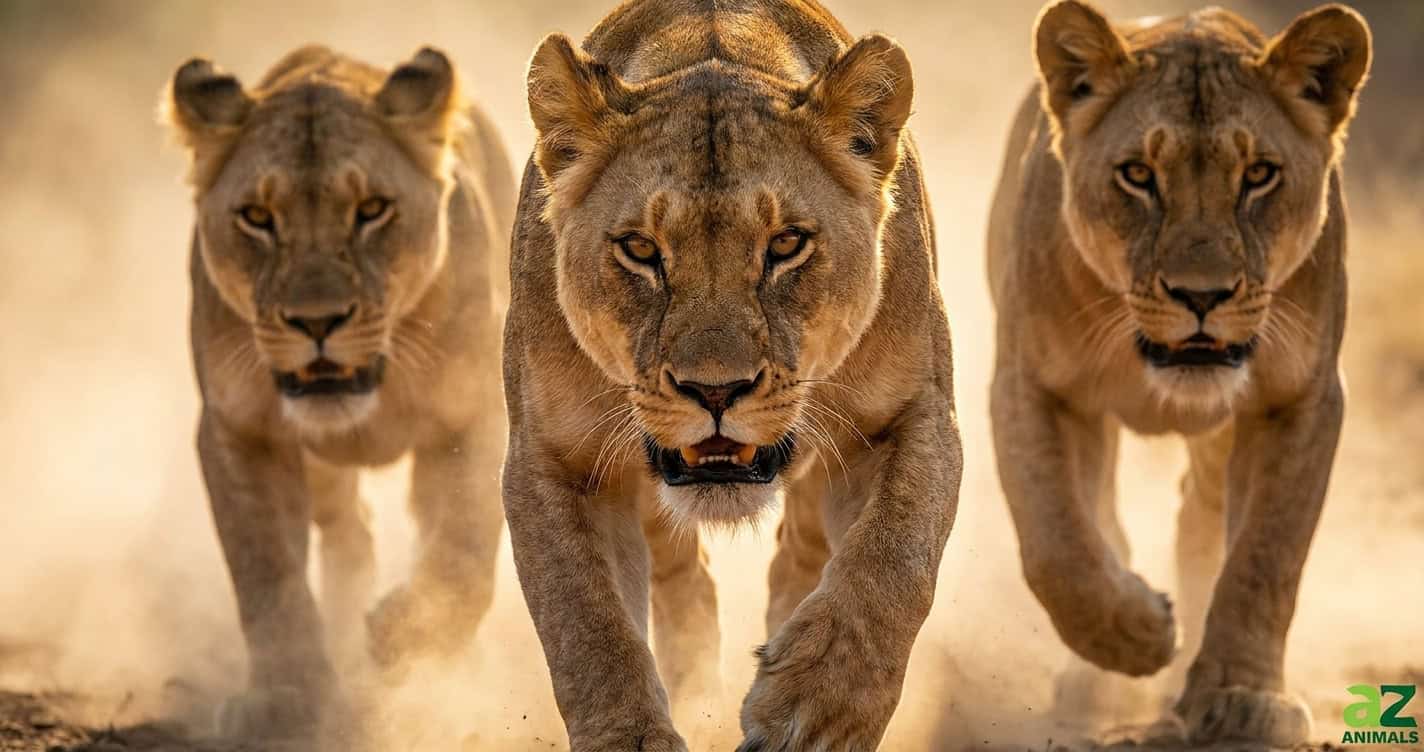
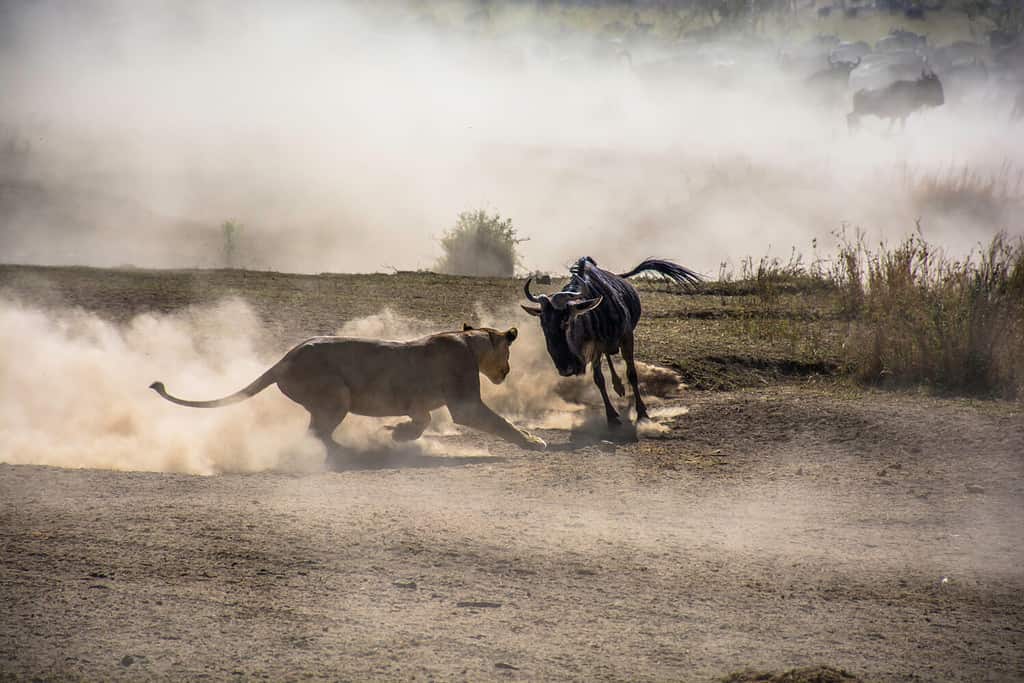
Lions are the only truly social cats, and it is the females that join forces to secure food. Lionesses organize hunts on zebras, wildebeests, and buffalo. While some individuals are tasked with stalking prey, others hide in strategic positions to pounce or block paths. The teamwork significantly increases their chances of getting a meal. Without such high-level cooperation, large prey would be impossible to catch.
Bottlenosed Dolphins
©Faraj Meir / Creative Commons - Original
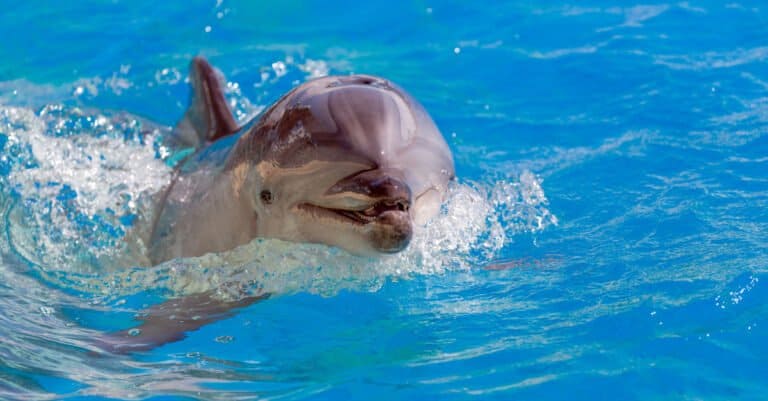
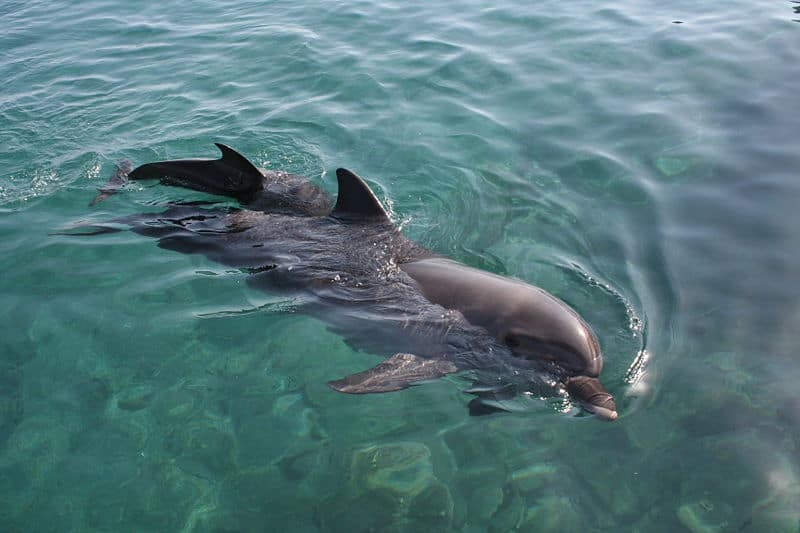
As one of the smartest ocean dwellers, it’s not surprising that bottlenose dolphins engage in sophisticated hunting tactics. Groups herd schools of fish, like sheepdogs tending to a flock. Once the fish are forced into a tight ball, they are much easier to catch. However, this is not their only method; their intelligence allows them to adapt their strategies to different environments. In some regions, dolphins create rings of mud that trap fish inside a circle. The fish become confused and leap out of the water, where the dolphins are waiting to snatch them.
Chimpanzees
©Ondrej Prosicky/Shutterstock.com
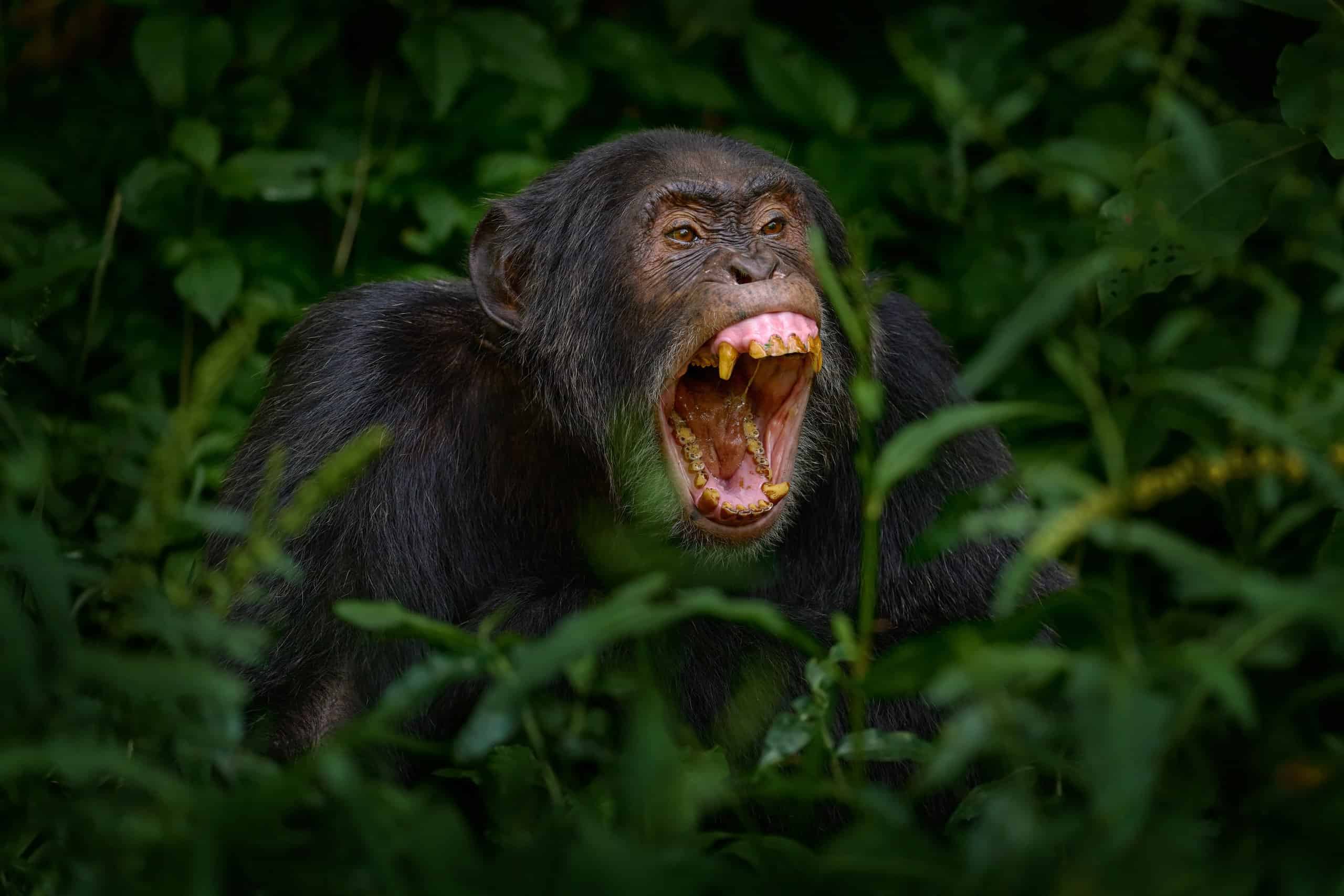
Chimpanzees are one of the few primates known to employ coordinated hunts. Groups work together to capture monkeys living in the forest canopy. During these hunting events, each chimp takes on a specialized role. Some drive prey toward other group members lying in wait. Others act as blockers so victims cannot easily flee. Their behavior gives us fascinating insight into the evolution of cooperation in primates.
Army Ants
©Dr Morley Read/Shutterstock.com
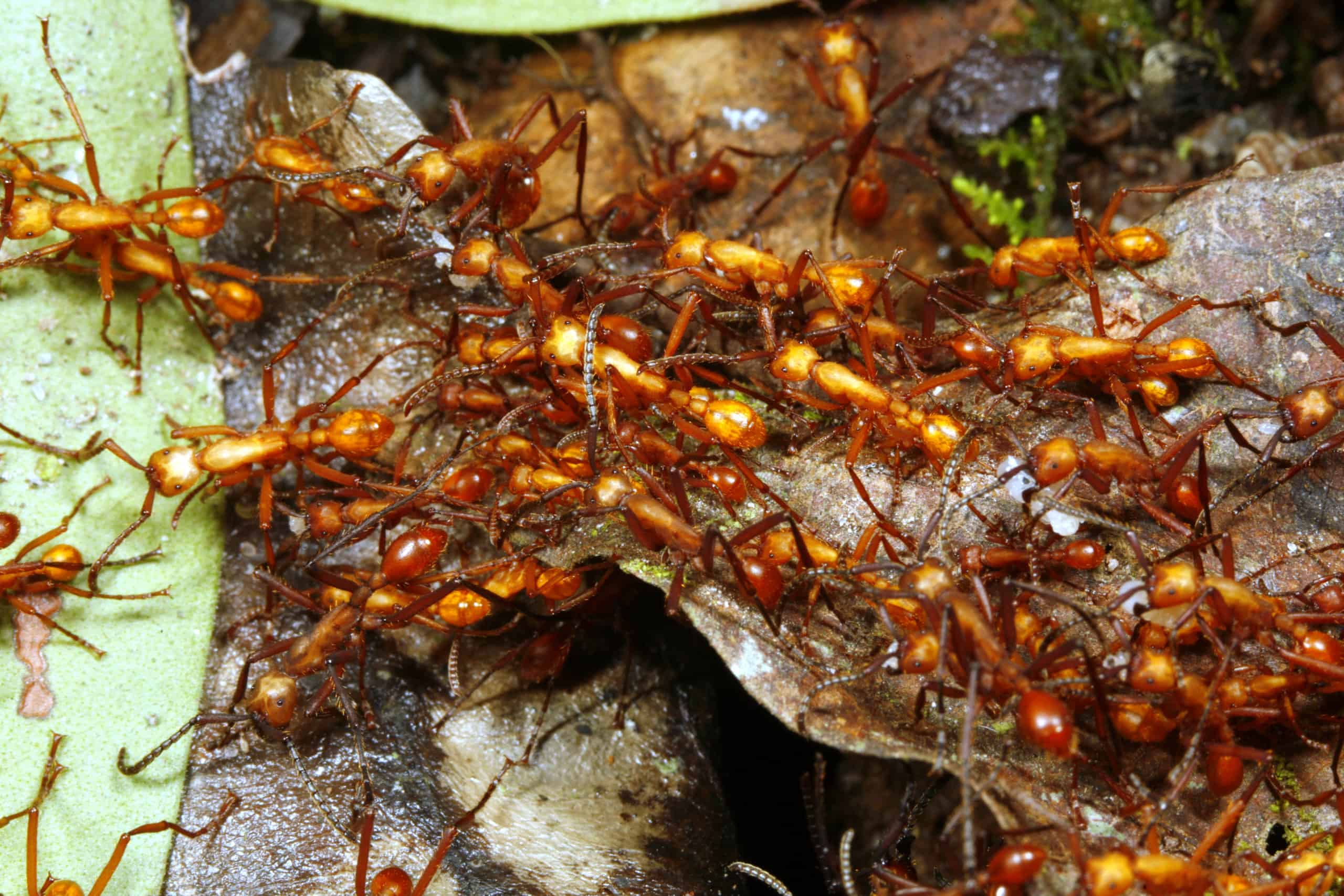
For being the tiniest of insects, army ants engage in teamwork on an astonishing scale. Entire colonies march across the forest floor in synchronized raids. The swarm behaves almost like a single superorganism, with thousands of ants moving together, making it look like the ground is vibrating. They overwhelm any insects or small animals in their path. Few animals can ward off such a massive and efficiently organized attack.
Yellowtail Amberjack
©GuppyDesign/Shutterstock.com
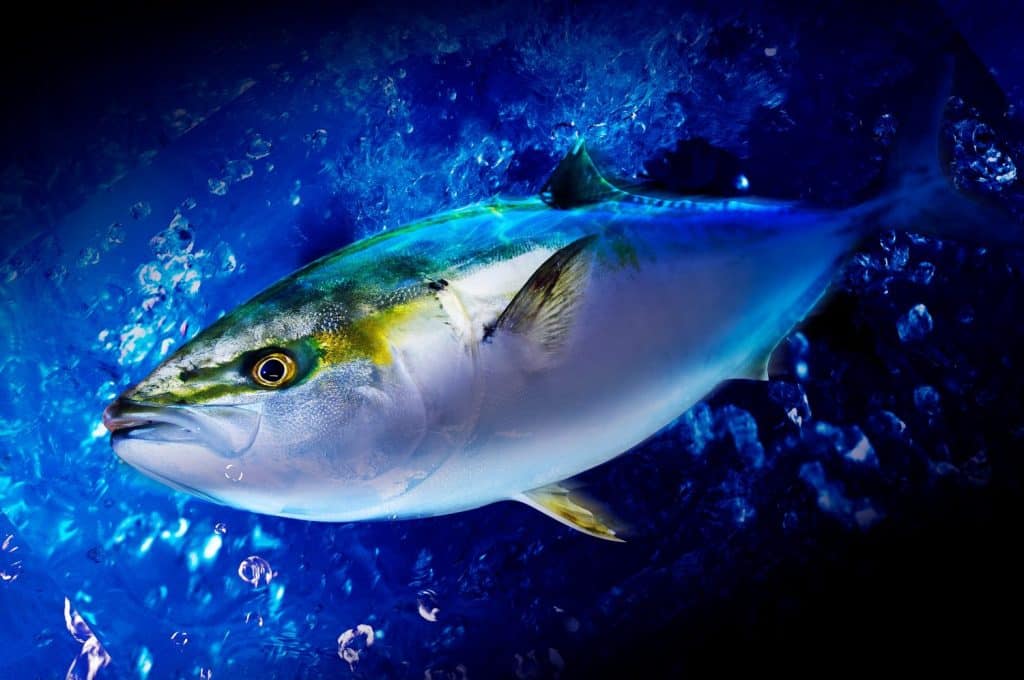
To the surprise of many researchers, yellowtail amberjack have been observed using coordinated hunting strategies. Several individuals join forces to herd schools of fish into tightly packed clusters. Once the prey is concentrated, individual yellowtail take turns rushing into the group to feed. They continue this maneuver until everyone in the group has eaten. This incredible tactic demonstrates that high-level teamwork is not limited to mammals and birds.