
Quick Take
- Researchers found a 15-million-year-old clue hiding in one of the most overlooked sounds we make. Trace the 15-million-year clue →
- When scientists compared ape and human laughter note for note, even they didn't expect what the rhythm revealed. See how laughter was analyzed →
- Human laughter does one thing no other great ape's laughter can, and it turns out to be the very same thing that made speech possible. Discover what humans do differently →
- The old assumption that humans made a sudden evolutionary leap to language is being quietly dismantled. Follow the gradual path to speech →
Words vanish the instant they’re spoken, and no skeleton can tell us when our ancestors first started talking. So how can scientists possibly trace the origins of something as fleeting as the human voice?
The answer, according to researchers at the University of Warwick, might lie in something we rarely take seriously: a good laugh.
A new study published in Communications Biology suggests that great apes have been laughing with a rhythm strikingly similar to our own for at least 15 million years. That single insight opens an unexpected window into one of biology’s biggest mysteries: how humans evolved the ability to speak.
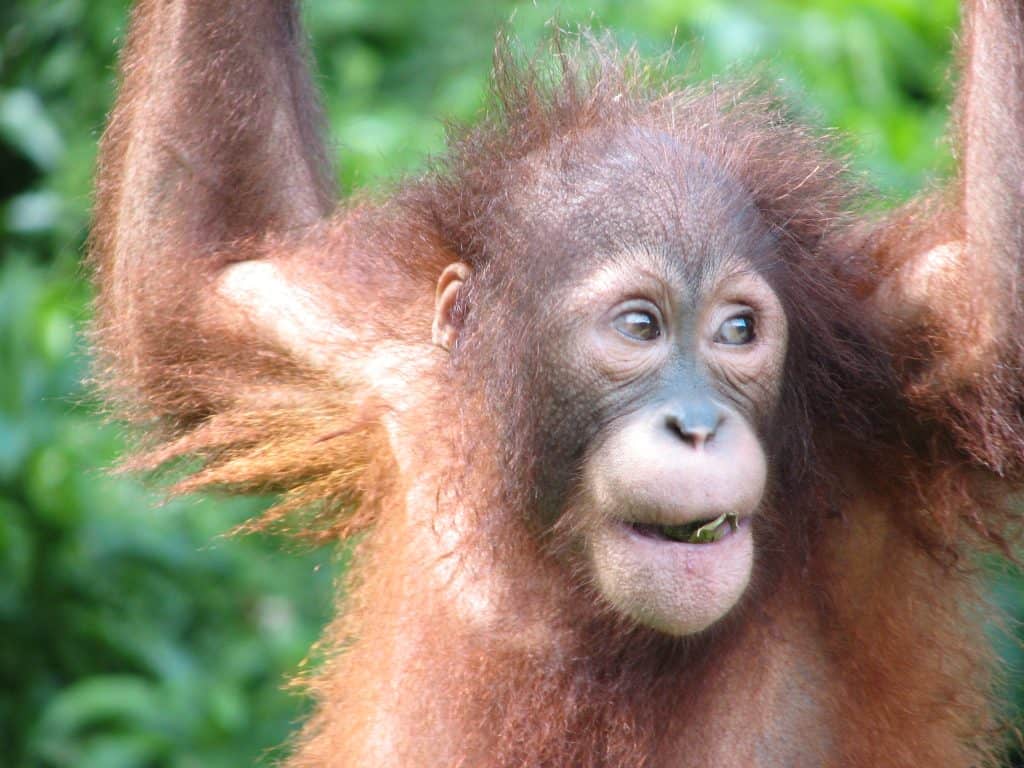
Scientists have known about ape laughter for years.
©Dr Chiara De Gregorio, University of Warwick – Original / License
We’re Not the Only Ones Laughing
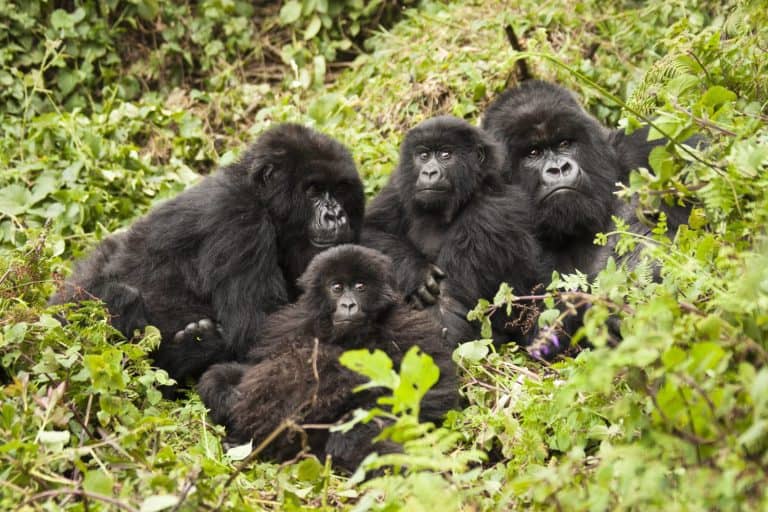
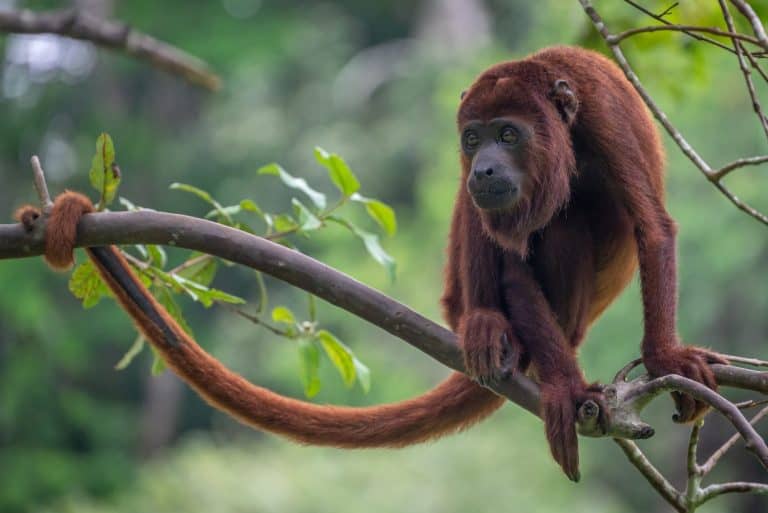
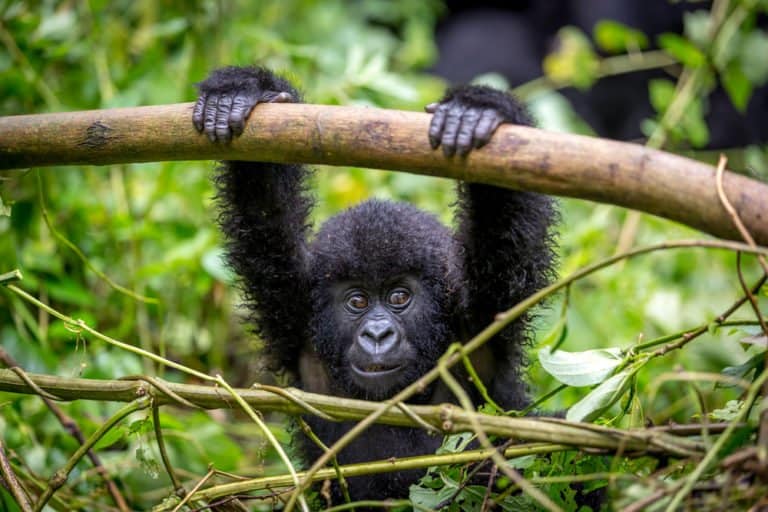
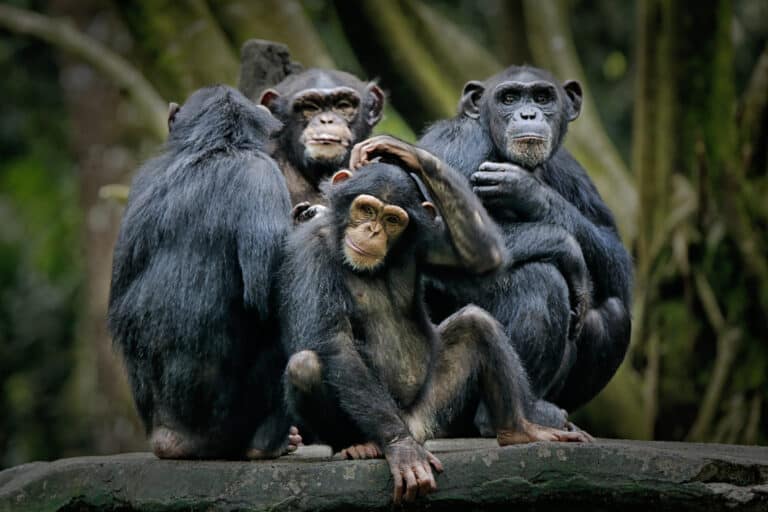
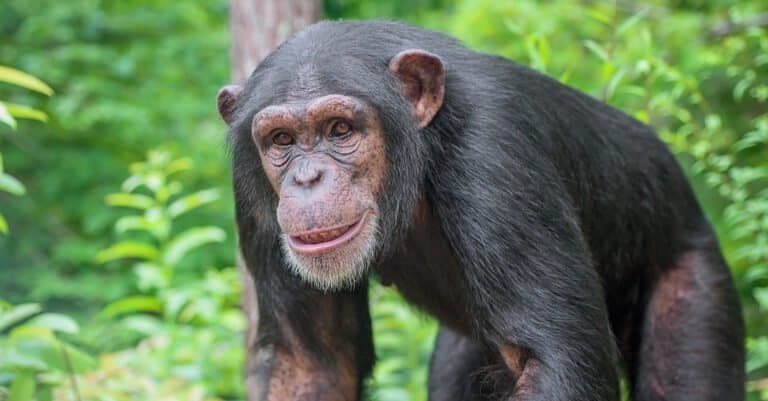
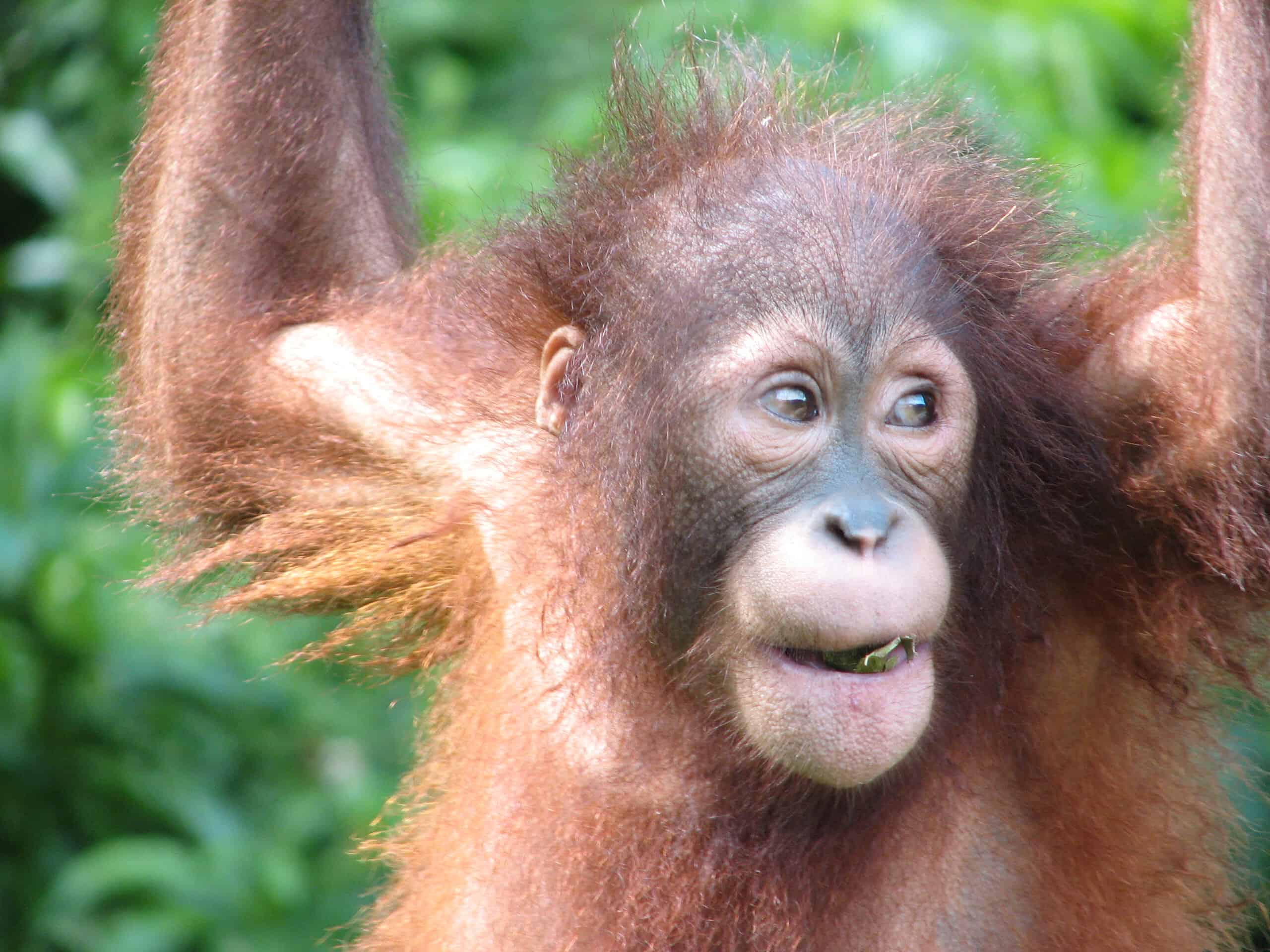
Here’s a fact that surprises many people. Humans aren’t the only apes who laugh. Chimpanzees, bonobos, gorillas, and orangutans all do it. Tickle a young chimp, and it will respond with a breathy, panting chuckle. Play chase with a gorilla, and you’ll hear something that sounds remarkably familiar.
Scientists have known about ape laughter for years. What they didn’t understand was how laughter changed over millions of years of evolution and whether it had anything to teach us about the roots of human language.
For Dr. Chiara De Gregorio, an honorary research associate in the Department of Psychology at the University of Warwick, laughter was the perfect place to look. “Laughter is unique because it is one of the few complex vocal behaviors that humans and all great apes genuinely share. Not only does it serve a very similar social function across species, but it also has a remarkably similar structure. That makes it an ideal trait for evolutionary comparisons. Unlike speech, which is uniquely human, laughter allows us to compare closely related species directly and investigate which aspects of vocal behavior were already present before language evolved,” De Gregorio says.
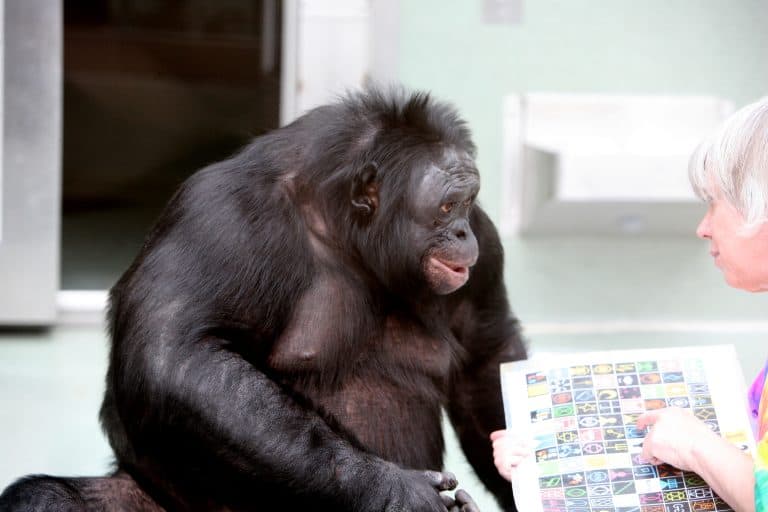
To find out, the Warwick team gathered laughter recordings from a small but telling group: four orangutans, two gorillas, three bonobos, four chimpanzees, and four humans. The humans ranged in age from six months to seven years. Every recording captured spontaneous laughter, prompted by playful, familiar interactions like tickling and games.
In total, the researchers measured 140 individual laughter sequences. They weren’t interested in pitch or volume. Instead, they zeroed in on rhythm, the timing of the gaps between each burst of sound.
One Rhythm, Shared Across Species

Dr. Chiara De Gregorio is an honorary research associate in the Department of Psychology at the University of Warwick.
©Dr Chiara De Gregorio, University of Warwick – Original / License
What they found was remarkable: across every species, from orangutans to human children, laughter was evenly timed, following the same basic pattern of evenly spaced rhythmic intervals between each sound.
That steady, regular beat showed up everywhere. It didn’t matter whether the laugh came from a gorilla or a giggling toddler. The underlying structure stayed the same.
It was a finding that genuinely caught the researchers off guard. “What surprised me most was just how similar the basic rhythm of laughter is across all great apes, including humans,” De Gregorio says. “We often think of human laughter as something uniquely human, almost as a marker of what separates us from other animals. Yet when we examined the timing of laughter, we found that humans laugh according to the same underlying rhythmic pattern as chimpanzees, bonobos, gorillas, and orangutans. That was a striking reminder of how deeply rooted some aspects of our communication are in our evolutionary history.”
This led the team to a bold conclusion. The rhythmic skeleton of laughter, they propose, was already present in a common ancestor that lived roughly 15 million years ago — the last shared relative of all living great apes, including us. And in all that time, across millions of years and five very different species, that core rhythm has barely budged.
“How did humans evolve the remarkable ability to speak?” De Gregorio asks.
Speech leaves no fossils, and complex language exists only in our own species. But we’ve found a 15-million-year-old clue in an unexpected place: our laughter. Unlike speech, laughter is shared by all living great apes. By comparing how different species laugh, we can see that a basic rhythmic structure has remained unchanged since our last common ancestor. That’s extraordinary.
Dr. Chiara De Gregorio, honorary research associate in the Department of Psychology at the University of Warwick
The study even offers a glimpse of how those ancestors might have sounded. “It suggests that our common ancestors were probably already producing laughter with the same basic rhythmic structure that we see today,” De Gregorio says. “Based on our findings, they likely laughed faster than modern non-human great apes, although probably not as fast as humans. our results also suggest that laughter was already becoming more flexible and adaptable across different social situations. In other words, some of the foundations of the sophisticated vocal control we see in humans today may have begun emerging long before language itself.”
How Human Laughter Broke the Mold
The rhythm may have stayed constant, but humans clearly did something different with it.
The researchers found that our laughter has become faster and far more variable than that of other apes. They also noticed a telling detail about context: tickling laughter stayed highly regular across all the apes, while the laughter of rough-and-tumble play deviated from that strict beat. And only humans modulated their tempo depending on the situation, laughing differently when tickled than when simply playing. That kind of context-sensitive control was absent in the other great apes.
Think about how many ways you laugh in a single week. There’s the helpless, gasping laughter when someone tickles you, the kind you can’t stop. There’s the polite chuckle in a work meeting. The nervous laugh after you say something awkward. The infectious giggling that ripples through a group of friends until everyone’s wiping their eyes.
Same basic rhythm. Wildly different purposes.
That flexibility is the key, and De Gregorio believes it points straight at the machinery behind speech. “Speech requires extremely precise control over the vocal tract, including the coordinated movements of the tongue, lips, jaw, and breathing system,” she says. “Non-human great apes have much more limited control over these mechanisms, which constrains the range of sounds they can produce. The fact that laughter itself became faster, more variable, and more context-sensitive in humans suggests that the same evolutionary changes that enhanced our vocal control also affected laughter. In that sense, laughter may provide a window into the broader evolutionary process that eventually made speech possible.”
The Building Blocks of Speech
This is where laughter connects to language. The study suggests that, across great ape evolution, our ancestors slowly developed greater command over the timing of their sounds — including laughter. And fine vocal control isn’t just a quirk. It’s one of the fundamental building blocks of speech.
Learning to control laughter may have been part of a much longer journey toward learning to talk.
That idea challenges a long-held assumption. For years, many believed that early humans suddenly developed vocal abilities that set them dramatically apart from their ancestors.
The laughter evidence tells a different story. “Our findings support a gradual evolution of vocal control because we see a remarkably linear pattern across evolutionary time,” De Gregorio explains. “As we move from orangutans to gorillas, then to chimpanzees and bonobos, and finally to humans, laughter becomes progressively faster and more variable. Rather than a sudden leap occurring only in humans, the data suggest a stepwise accumulation of changes over millions of years.”
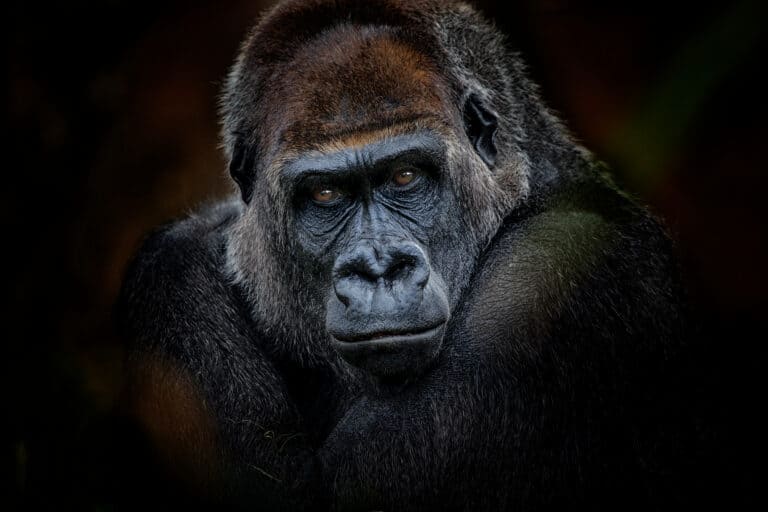
Strikingly, that progression tracks the growth of social life itself. “Orangutans are solitary, gorillas live in family groups, chimpanzees and bonobos navigate highly complex social networks, and humans live in extraordinarily intricate societies shaped by culture, cooperation, and social norms,” she says. “As social interactions became more complex, there was likely increasing pressure to communicate more nuanced information and to adapt vocal signals to different contexts. This may have driven improvements in vocal control, allowing individuals to produce sounds that were increasingly flexible, variable, and socially informative. In that sense, the building blocks of speech may not have appeared suddenly with humans, but instead emerged gradually through evolutionary changes that first enhanced the control and communicative potential of ancestral vocalizations such as laughter,” De Gregorio says.
Why a Laugh Tells Such a Big Story
We tend to think of laughter as trivial, a momentary release. Yet it may be one of the oldest threads connecting us to our evolutionary past. A sound so ancient that gorillas, chimps, bonobos, orangutans, and humans all still share its rhythm.
For De Gregorio, that’s exactly why the humble giggle deserves a closer look. “I think this study shows that even a seemingly simple emotional vocalization like laughter can become increasingly sophisticated when it plays an important role in social relationships,” she says.
In both humans and other great apes, laughter helps regulate social interactions, but in humans it appears to have acquired a much richer communicative repertoire. We can use laughter to signal affiliation, reduce tension, express irony, invite cooperation, or strengthen bonds. The same evolutionary forces that made laughter more flexible and informative may also have helped pave the way for the emergence of language. In that sense, laughter is not just an emotional expression; it is also a remarkably powerful form of non-verbal communication.
Dr. Chiara De Gregorio
The next time something genuinely cracks you up, consider the deeper truth behind the moment. You’re not just laughing. You’re performing one of the longest-running acts in the history of life on Earth and quietly demonstrating the very skill that made human speech possible.
Not bad for a simple giggle.