
Quick Take
- Goats are raised for milk, meat, fiber, and brush control.
- The physical properties of goat manure are determined by diet.
- Healthy goats excrete individual nuggets that can be up to three inches in length.
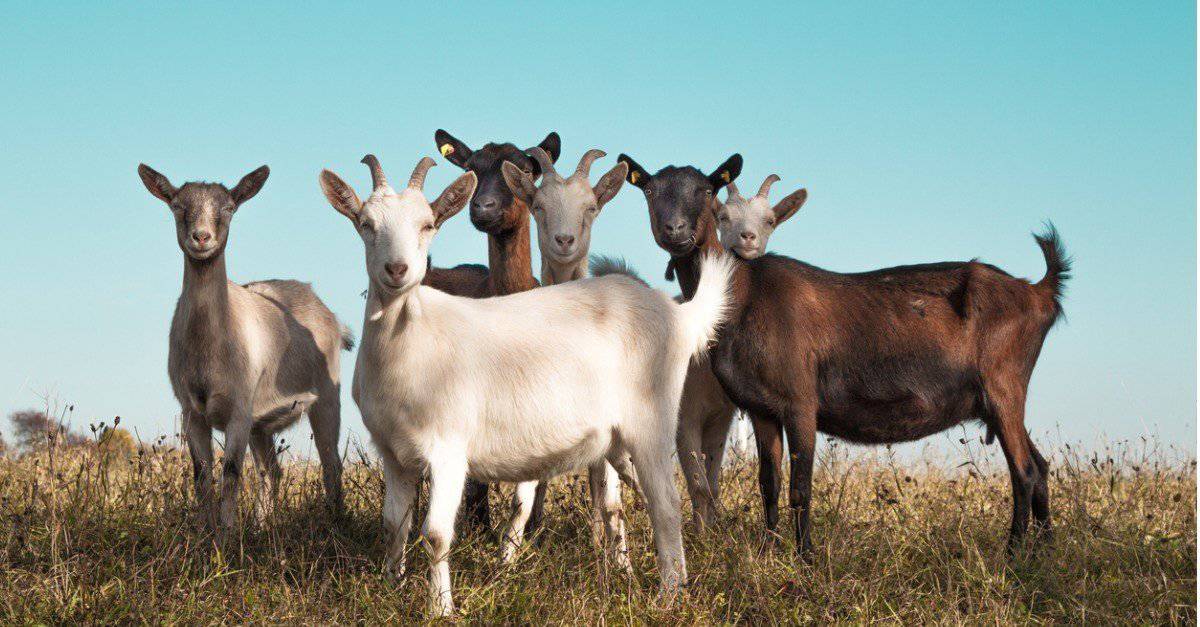
There are over 300 distinct breeds of domestic goats (Capra aegagrus hircus) worldwide, descending from the wild Bezoar ibex (C. a. aegagrus), which is native to Eurasia. They are primarily bred to produce milk, meat, fiber (mohair/cashmere), and for brush control. Goats bred for these specific purposes are fed different diets to optimize their production, health, and growth. While all goats require water, forage, and minerals, their specific energy and protein needs vary based on whether they are producing milk, growing muscle, producing fiber, or foraging for brush. Due to variations in their diets and metabolic needs, these goats also produce significantly different solid waste, which is called manure. While all goats produce nutrient-rich, pelleted manure, the nutrient content, moisture, and volume differ. Continue reading to discover everything you’ve ever wanted to know about goat poop.
What Does Goat Poop Look Like?
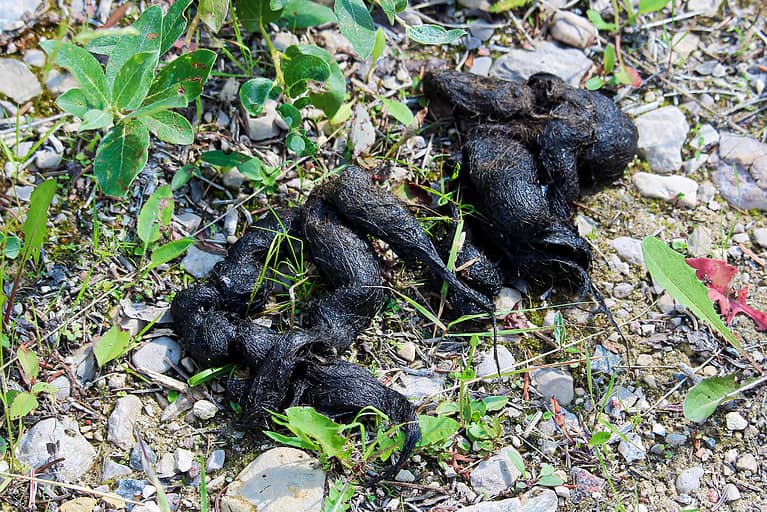
When a goat is healthy, its solid waste is typically excreted as hard, evenly distributed, oval-shaped nuggets measuring up to 0.75 inches in diameter and 0.5 to 3.0 inches in length.
While all goat manure is dry, pelleted, and nutrient-rich, its physical appearance will differ based on the goat’s purpose and diet:
- Meat goat manure is often larger, more odorous, and higher in nitrogen and potassium due to higher grain intake and rapid metabolism.
- Dairy goat manure is typically smaller, less odorous, and lower in nitrogen due to efficient nutrient conversion into milk.
- Fiber goats, which consume more roughage to support coat (mohair and cashmere) growth, may produce larger, less compressed pellets.
- Brush-control goats, which browse (forage) on woody plants, bark, and twigs, produce manure that may be slightly larger and less uniform due to higher fiber intake.
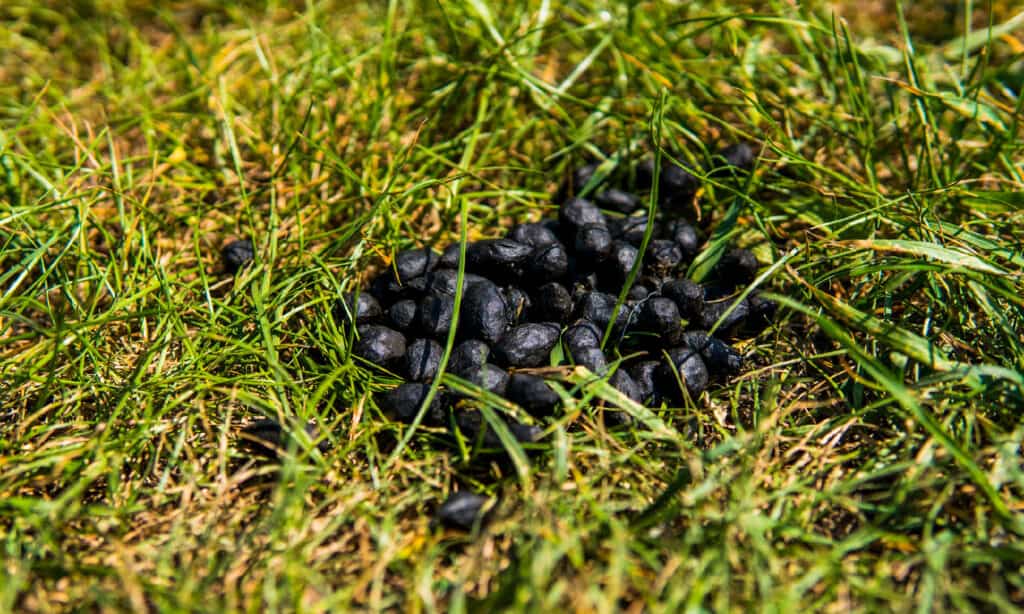
The color, size, and moisture content of goat manure vary based on the goat’s diet.
©iStock.com/Volodymyr Shtun
Baby Goat Poop
Meconium is the first solid waste produced by newborn mammals, including goats. It is thick, sticky, and dark green to black in appearance, similar to tar or motor oil. Meconium is composed of materials ingested in the womb, such as amniotic fluid, bile, and mucus. It is typically expelled within hours of birth. As baby goats, called kids, are introduced to their mother’s milk and solid food, their feces change into individual pellets, similar to those of their parents.

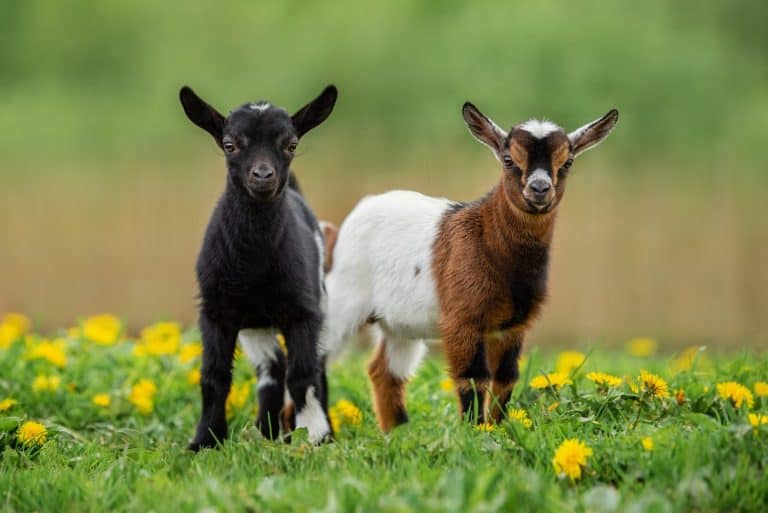
Baby goats, called kids, do not initially expel pellets.
©VictorHuang/iStock via Getty Images
Does Goat Poop Smell?
Healthy goat manure typically has very little or no odor. It is considered less odorous and messy than other livestock manures. Meat goats excrete manure with the strongest odor, often described as musky or earthy. Fiber goats reportedly produce the least odorous nuggets.
Is Goat Poop Harmful?
Goat manure can carry pathogens and viruses that cause disease. It is a significant source of bacteria, viruses, and parasites that can be transmitted to humans. These include E. coli, Salmonella, Campylobacter, and Giardia. These pathogens can cause gastrointestinal illness (vomiting, diarrhea), fever, and, in severe cases, death. Contamination can occur through direct contact or environmental spread.
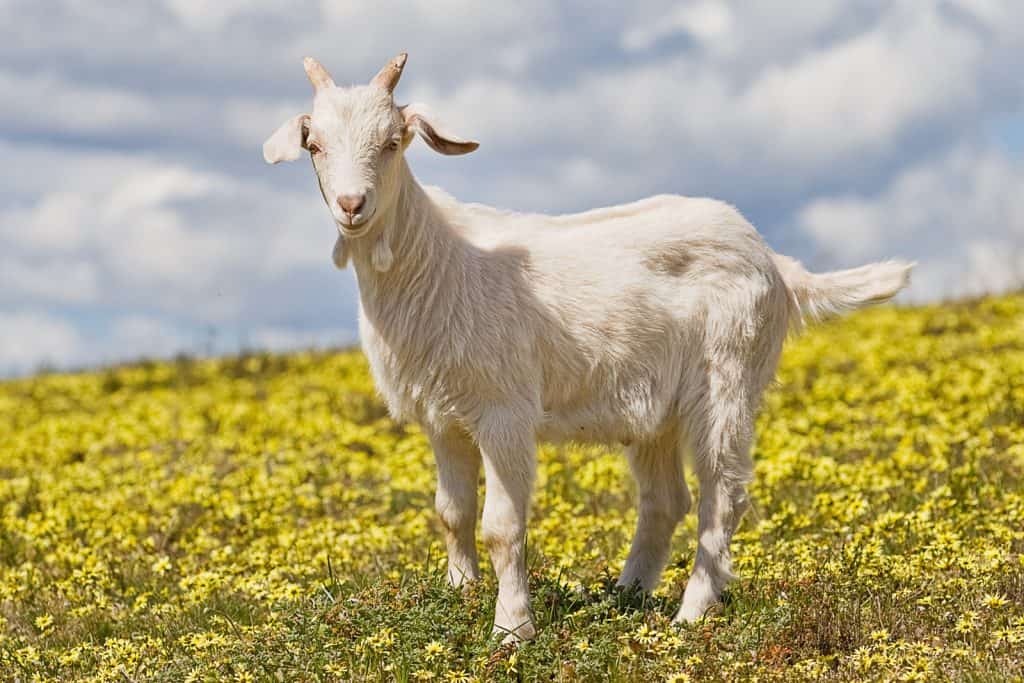
Goat manure does harbor dangerous pathogens.
©fir0002 [email protected]
Uses of Goat Poop
Goat manure is a splendid fertilizer when properly composted. Composting reduces the risk of transmitting pathogens to humans and plants. It spreads easily and is high in potassium, nitrogen, and phosphorus, which nourish plants and improve soil structure, aeration, and water retention. Goat manure does not smell or attract insects, which are important considerations.
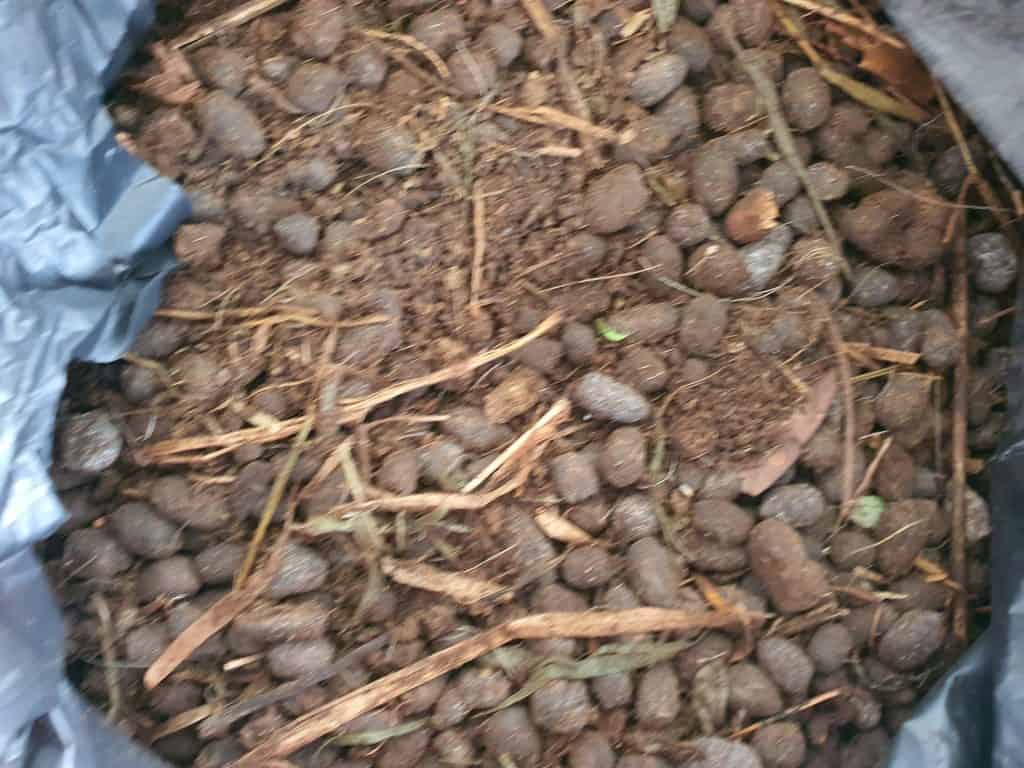
Properly composted goat manure is excellent fertilizer.