
Goats may look tough, climbing rocks and thriving in places where other livestock might falter, but beneath that hardy exterior, they are surprisingly fragile. They are prone to a wide range of health problems, and because they hide signs of weakness, illnesses often progress far before they become obvious. Recently, experiments with AI have been up to 80% accurate in detecting pain in goats simply by analyzing their faces. Until we all have that technology, it’s important to be able to recognize signs of pain and illness in goats that may not be obvious to the casual observer.
Goats as Pets

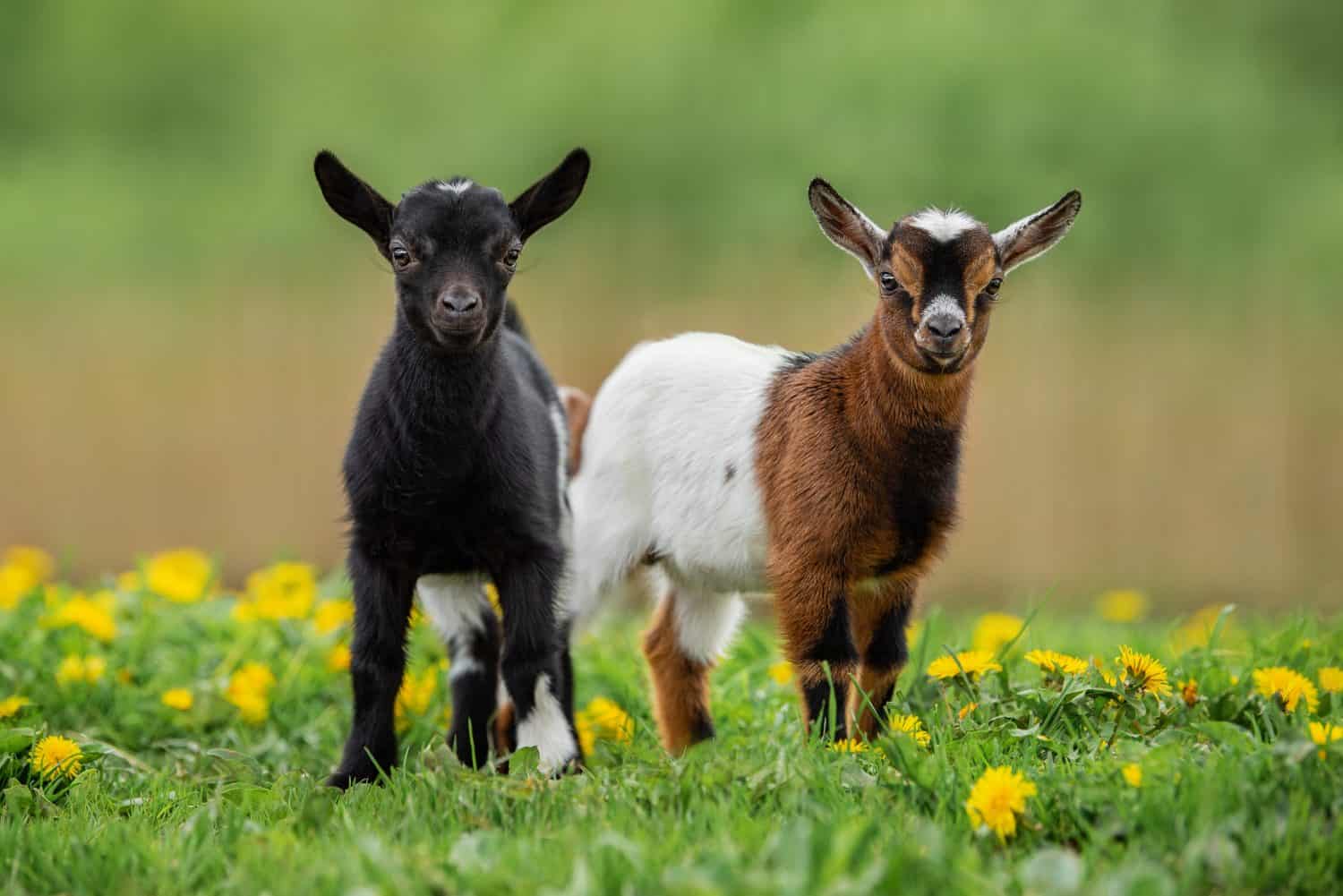
American Pygmy Goats are popular as cute pets, but they are mischievous and a huge responsibility.
©Henk Vrieselaar/Shutterstock.com
Keeping goats as pets is becoming more popular, even in suburban areas, thanks to their curious, playful personalities and the appeal of smaller breeds like pygmy goats. Some people also keep them to help control brush, since they naturally graze on weeds and shrubs. Their rise in popularity is tied to the backyard homesteading trend, where families want animals that offer both companionship and practical benefits like milk.
That said, goats as pets come with significant downsides. They are escape artists, can be destructive to fences and gardens, and may be noisy—something neighbors won’t always appreciate. Uncastrated males smell strongly and can be aggressive, while large castrated males may still be difficult to manage. Lactating females need daily milking, which is a major commitment. With lifespans of 12 years or more and a need for secure fencing, space, and shelter, goats are far from low-maintenance. For dedicated owners with the right setup, though, they can be both delightful and useful companions.
Why Early Detection Matters
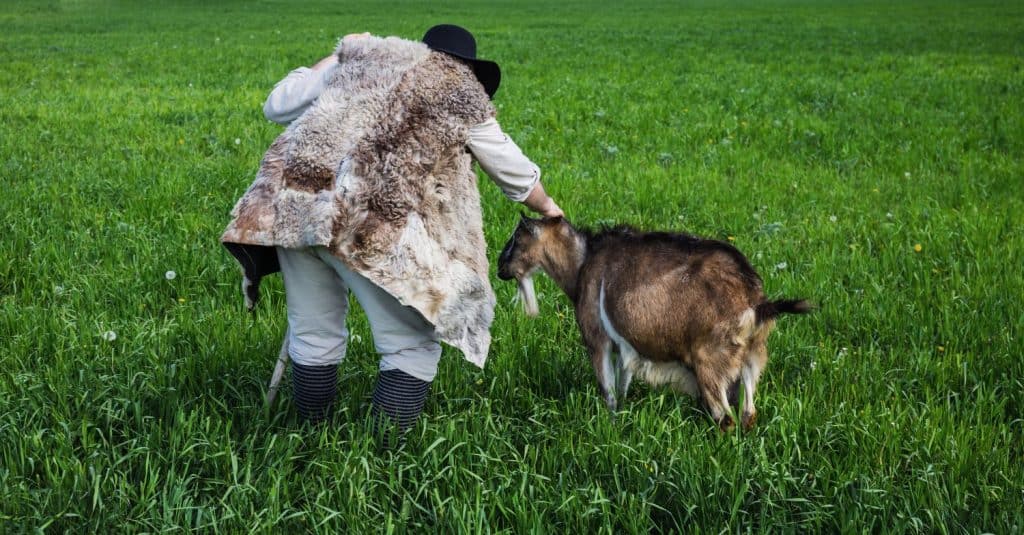
You have to get to know your goat well to be able to detect signs of pain it may be hiding.
©Laborant/Shutterstock.com
Unlike dogs or cats, goats are wired to conceal pain. In the wild, showing weakness would make them easy targets for predators, so survival depends on appearing strong even when sick or injured. This instinct is so deeply ingrained that goats continue to hide signs of pain even in domestic settings. They will often mask discomfort until it becomes severe. By the time visible symptoms emerge, the problem may already be advanced, making treatment harder and recovery slower.
For this reason, careful daily observation is one of the most important responsibilities of a goat keeper. Small changes—such as reduced appetite, unusual posture, or isolation from the herd—can be the earliest clues that something is wrong. Acting quickly not only gives the goat a better chance of recovery but also helps stop contagious illnesses from spreading to other goats, if you have more than one.
Daily Observation

Handling your goats every day helps you establish a baseline of their health to better recognize when something is wrong.
©YURII MASLAK/Shutterstock.com
The most effective caretakers make observation a habit. Watching goats at rest, during feeding, and while moving through the pasture helps spot changes. Hands-on checks should include feeling the abdomen for distension, checking skin and joints for swelling or heat, and examining hooves for cracks or infections. Monitoring manure and urine provides another layer of insight, since changes in consistency or frequency often appear before more visible symptoms. A healthy goat’s temperature should fall between 101.5 and 104°F (38.6–40°C). Heart rates usually range from 70 to 90 beats per minute, and normal respiratory rates are between 10 and 30 breaths per minute. Keeping a record of these readings and any observations about the goat’s appearance and behavior can help you establish a baseline for comparison if it later begins acting unusually.
Behavioral Changes
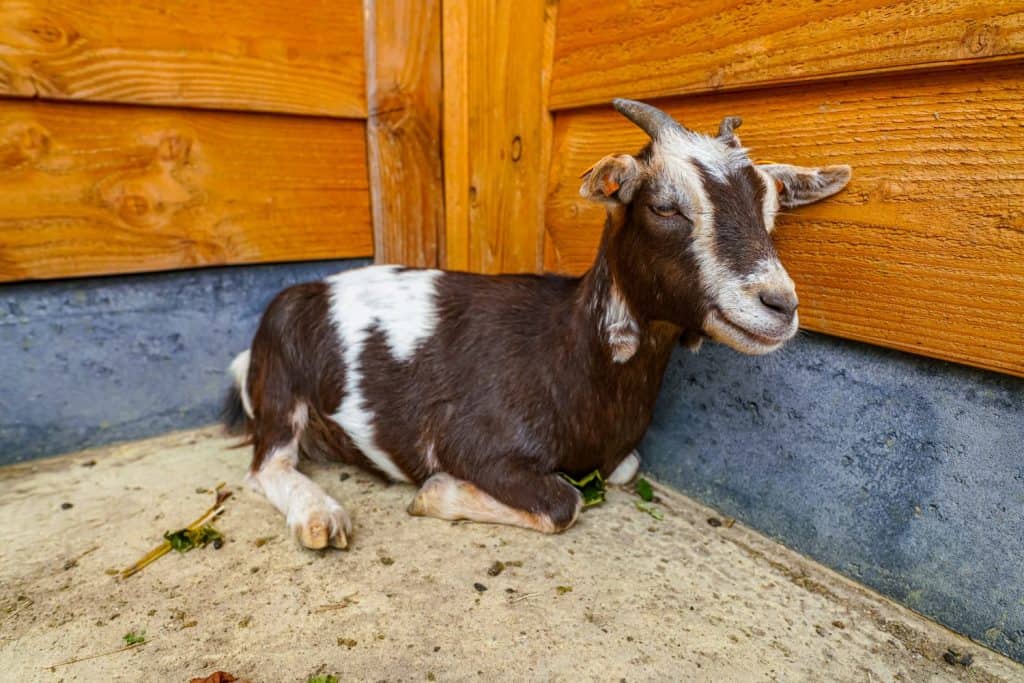
A sick goat might isolate itself—or be isolated—from the herd.
©Great Pics Worldwide/Shutterstock.com
Sick goats often reveal their condition through subtle shifts in behavior. Loss of interest in food or water, separating from the herd, or appearing unusually tired are common early warning signs. Physical changes like weight loss or a dull, rough coat may follow, along with sudden shifts in temperament—for example, a normally friendly goat becoming skittish, irritable, or even aggressive. During feeding, a healthy herd eagerly gathers for grain or hay. Goats that hang back or stand apart may be showing early signs of illness.
Goats may also change how they interact with each other when unwell. A sick goat might avoid normal play or grooming, stop competing for food, or withdraw from social groups altogether. In some cases, herd mates may even push away or ignore the unwell goat, reinforcing its isolation. These changes in group dynamics are another clear signal that a goat may need closer attention and care.
Digestive Clues a Goat is Sick
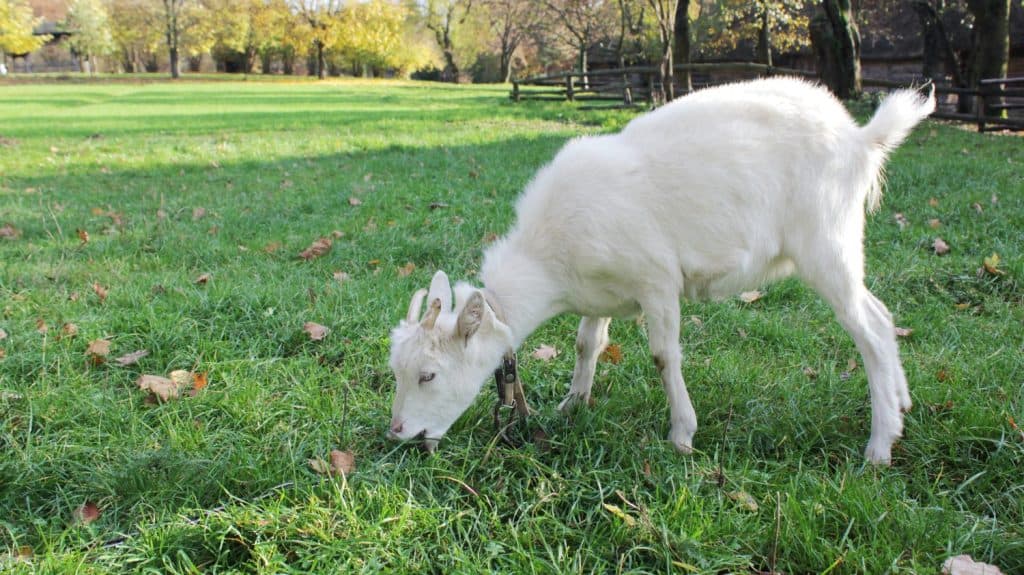
Goats are legendary for their stomachs of iron that seem able to digest anything. So when a goat loses its appetite, you can bet something is wrong.
©jagoda/Shutterstock.com
Goats often show illness through their digestive system. Loss of appetite, refusal of favorite foods, or odd cravings like chewing wood may signal nutritional problems. Diarrhea, constipation, or blood in the stool can result from infections, parasites, or toxic plants and should be taken seriously. A swollen abdomen may indicate bloat, a life-threatening condition caused by trapped fermentation gases, often triggered by sudden diet changes or grain overload.
Many signs also relate to the rumen, the large fermentation chamber on a goat’s left side, where microbes break down fibrous food. A healthy rumen stays active, producing gurgling sounds and prompting steady cud chewing. If the rumen is silent or the goat refuses to chew cud, this indicates digestive stasis, which is an early and urgent warning sign of serious illness. Long-term issues like copper deficiency may also appear through faded coats, infertility, or a split “fish tail.”
Respiratory Distress
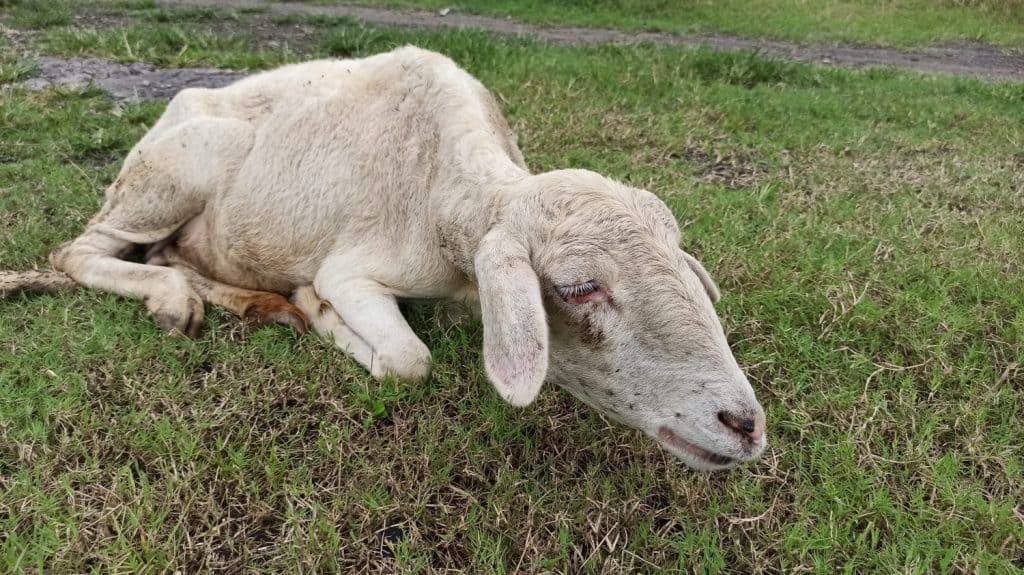
Pneumonia is one of the leading killers of goats.
©sulhanul khoir/Shutterstock.com
Goats are highly vulnerable to respiratory distress, and even mild breathing problems should be taken seriously. General signs include persistent coughing, noisy or labored breathing, panting, and thick nasal discharge. In less obvious cases, a goat may simply tire quickly, lag behind the herd, or appear weaker during normal activity. More severe distress shows up as flared nostrils, exaggerated chest movement, and visible effort with each breath. Any of these symptoms signals that the lungs are compromised and require prompt attention.
Among respiratory issues, pneumonia is the most common and dangerous. It often develops after sudden weather changes, damp or poorly ventilated housing, or other stressors that weaken the immune system. Pneumonia remains one of the leading killers of goats worldwide, and once advanced, it can progress rapidly. For that reason, quick veterinary intervention is critical at the first signs of infection.
Swelling, Lumps, and Abscesses
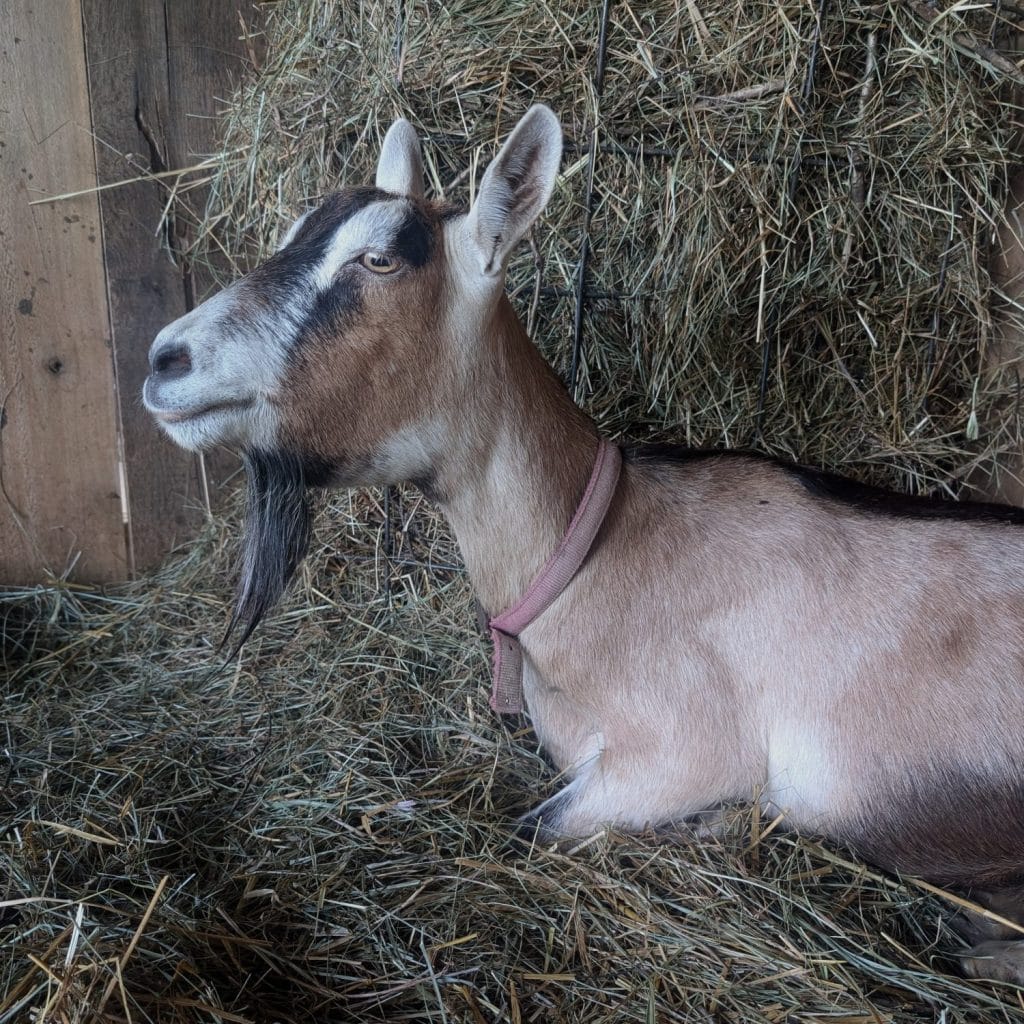
Running your hands over a goat on a regular basis is important to catch any signs of swelling early.
©W van Dijk/Shutterstock.com
Physical swellings in goats often provide important health clues. Swelling under the jaw, known as “bottle jaw,” is commonly linked to heavy parasite infestations that drain blood proteins. Hard lumps around the neck, shoulders, or udder may signal caseous lymphadenitis (CL), a chronic contagious disease that can spread quickly through a herd and is notoriously difficult to eliminate.
Swelling may also appear in the joints. Painful knees, stiff movement, or swollen joints sometimes point to arthritis or infections that have entered through hoof injuries. Regular handling and close inspection are essential, since catching these issues early gives the best chance for treatment and helps prevent wider problems in the herd.
Changes in Milk and Udder Health
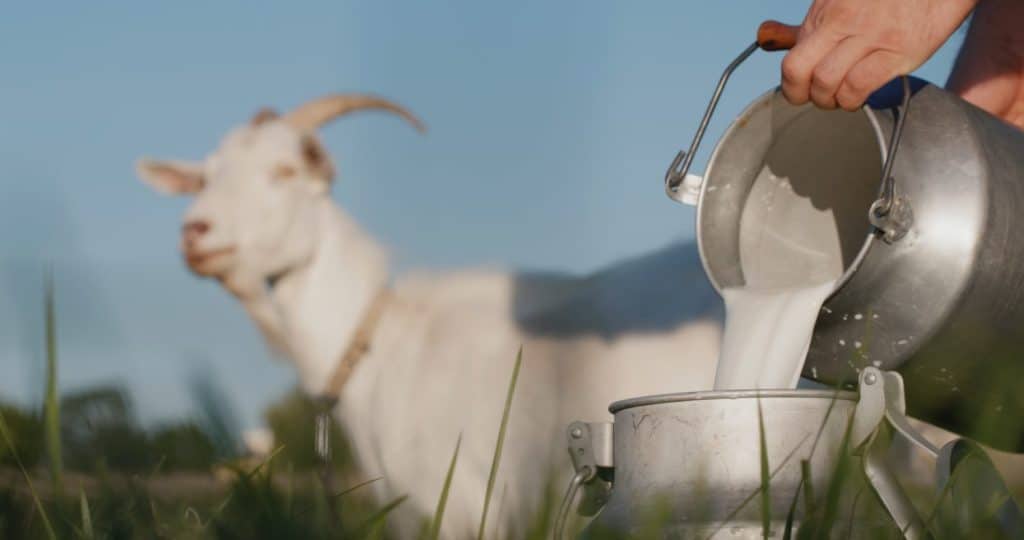
Even if goats are not being raised for milk, the udders should be inspected regularly for signs of disease.
©StockMediaSeller/Shutterstock.com
For dairy goats, changes in milk production are one of the clearest indicators of trouble. A sudden drop in yield, milk that contains clots or blood, or a swollen, painful udder are all hallmarks of mastitis, an infection of the udder tissue that causes inflammation and disrupts normal milk flow. Left untreated, mastitis not only reduces production but can also permanently damage the udder and threaten the doe’s overall health. Even owners of fiber or meat goats should inspect udders regularly, since infections can still develop unnoticed in does that are not being milked daily.
Eye, Ear, and Neurological Symptoms
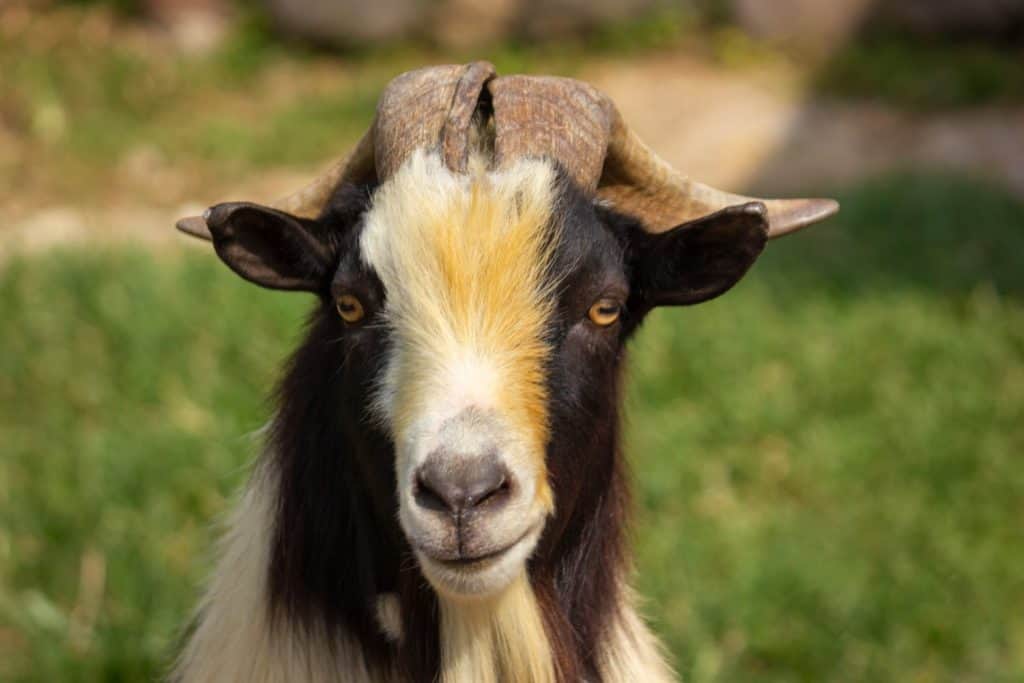
Ear problems in goats can mimic signs of neurological disorders.
©Renhue/Shutterstock.com
Eye issues in goats can reveal important health problems. Redness, cloudiness, or swelling with pus or crusting may indicate pinkeye or vitamin deficiencies. More serious cases, such as listeriosis from spoiled silage, can cause circling, drooping ears, or facial paralysis and require urgent treatment.
Ear problems, though less common, also occur. Signs include drooping ears, head shaking, scratching, discharge, or foul odor, which may indicate infection, mites, or injury. Because balance is linked to the inner ear, untreated issues can lead to head tilts, circling, and stumbling that resemble neurological disease.
Neurological signs are less common but always serious. Seizures, collapse, or sudden loss of coordination are emergencies that demand immediate veterinary care. The most common culprits are listeriosis, polioencephalomalacia caused by thiamine deficiency, toxins such as moldy feed or poisonous plants, and severe mineral imbalances like low calcium or magnesium.
The Most Common Goat Illnesses
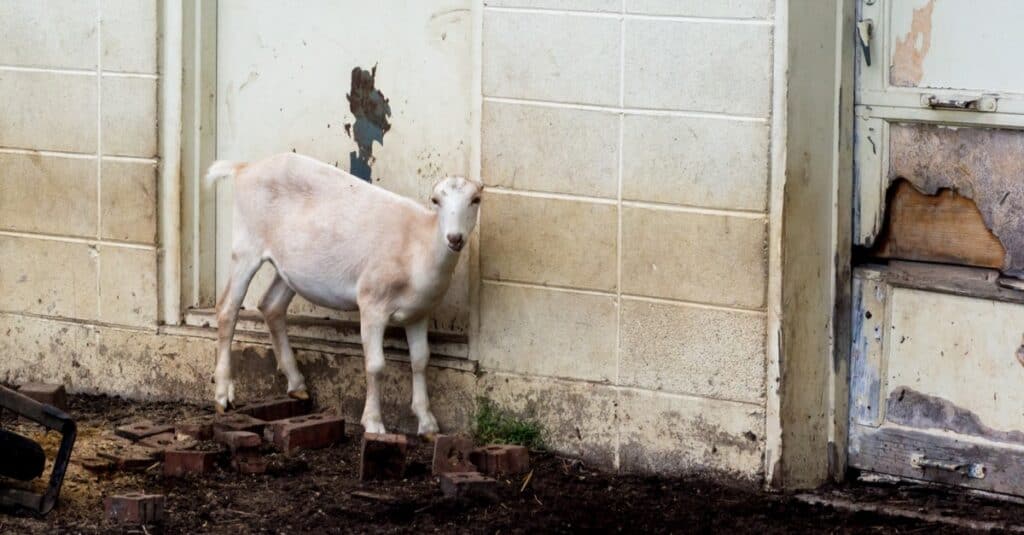
Unsanitary conditions can be a major contributor to serious illness in goats.
©Jonathan_Densford/Shutterstock.com
Here are some of the most common illnesses that affect goats:
- Pneumonia – One of the leading causes of death in goats, often linked to sudden weather changes, damp housing, or poor ventilation
- Internal parasites – Especially barber pole worm (Haemonchus contortus), which causes anemia and bottle jaw
- Coccidiosis – A protozoan infection common in young goats, leading to diarrhea, weight loss, and stunted growth
- Caseous lymphadenitis (CL) – A contagious bacterial disease that causes abscesses in lymph nodes and internal organs
- Mastitis – Infection of the udder in dairy goats, reducing milk production and causing pain.
- Bloat – Gas buildup in the rumen, often after sudden diet changes or grain overload, which can be fatal if untreated
- Foot rot and hoof scald – Bacterial infections causing lameness, often linked to wet or muddy conditions
- Polioencephalomalacia (goat polio) – A neurological condition caused by thiamine deficiency.
- Listeriosis – A bacterial infection, often from spoiled silage, leading to circling, head tilts, and neurological problems
- Nutritional deficiencies – Particularly, copper and selenium, which can cause poor coat condition, infertility, weak kids, and muscle problems
When to Call a Veterinarian
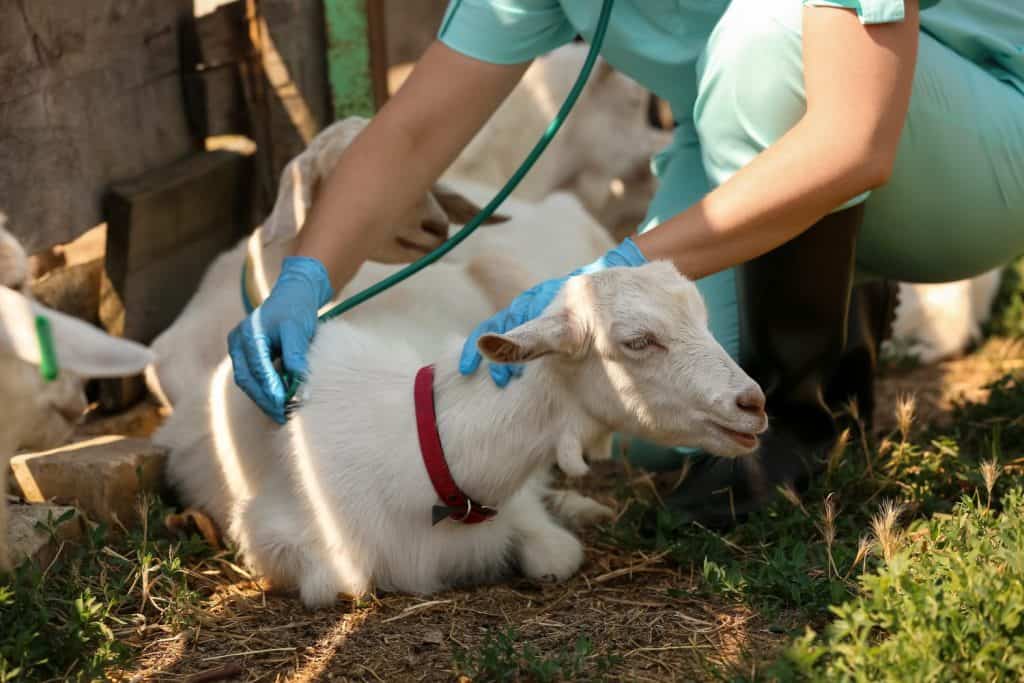
If you’ve been keeping detailed notes on your goat’s condition, it will help the vet make a more accurate diagnosis.
©Pixel-Shot/Shutterstock.com
Prevention is always easier than treatment. Clean housing, fresh water, balanced feed, and mineral supplements form the base of good health. Pasture rotation, parasite testing, and vaccinations reduce disease risks, while quarantining new animals keeps the herd safe. Routine records of weight, milk yield, and health checks help spot problems early, and daily observation at feeding time is one of the best tools for catching illness before it worsens.
Still, emergencies happen, and keepers should never delay calling a vet. Persistent diarrhea, blood in stool, labored breathing, jaw swelling, refusal to eat for more than a day, sudden neurological changes, collapse, or serious injuries all require immediate care. Clear notes on appetite, behavior, manure, milk, and breathing give veterinarians the best chance at a quick, accurate diagnosis.
In summary, regularly monitoring your goat’s health, recognizing signs of illness, taking preventive measures, and seeking veterinary care in emergencies are essential for keeping your goat healthy and ensuring a swift recovery if they become sick.