
Most rodents are small. Some members of the Rodentia family are very small, such as the northern pygmy mouse, which has a body length of less than 2 inches. However, not all rodents are small. Although the rats in New York City are famed for being huge, some rodents dwarf even the largest Big Apple behemoths. Check out this list of the 11 biggest rodents on the planet.
11. Red-Rumped Agouti
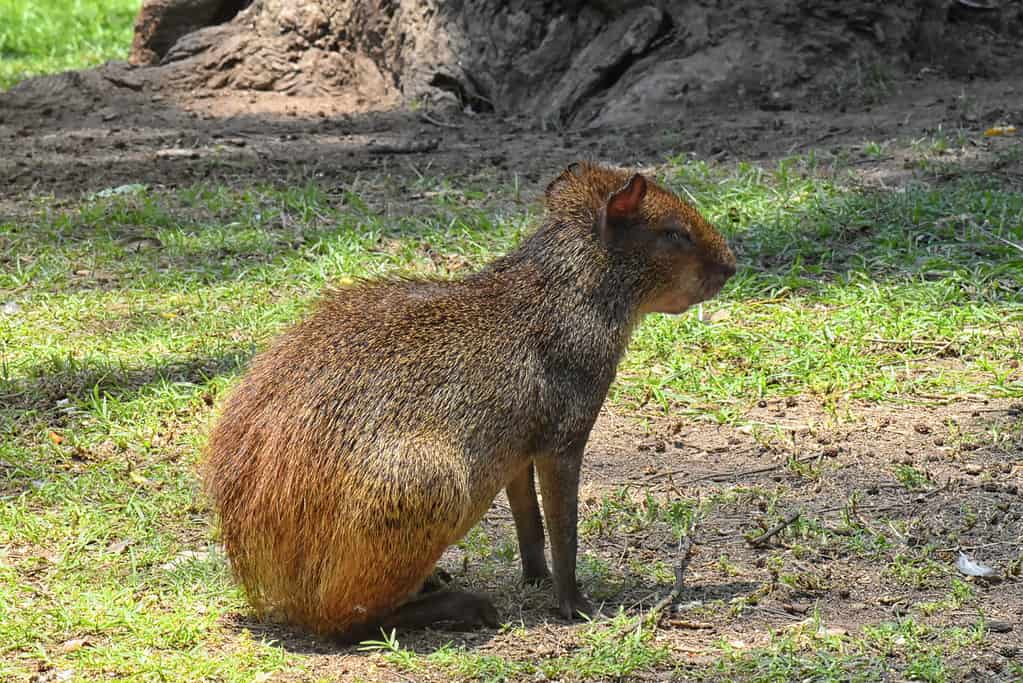
The red-rumped agouti is an excellent jumper and can jump 6 feet straight up.
©Ian Lycett-King/iStock via Getty Images
Endemic to South America, the red-rumped agouti (Dasyprocta leporina) is a large rodent with a short, 2-inch tail. It resembles a guinea pig, but the agouti is larger than the popular house pet. Agoutis measure around 2 feet long and weigh 6.6-13 pounds. These rodents are critical to forestation in their native habitats, as they are the only mammals in these areas that can crack open a Brazil nut husk.
10. Cuban Hutia
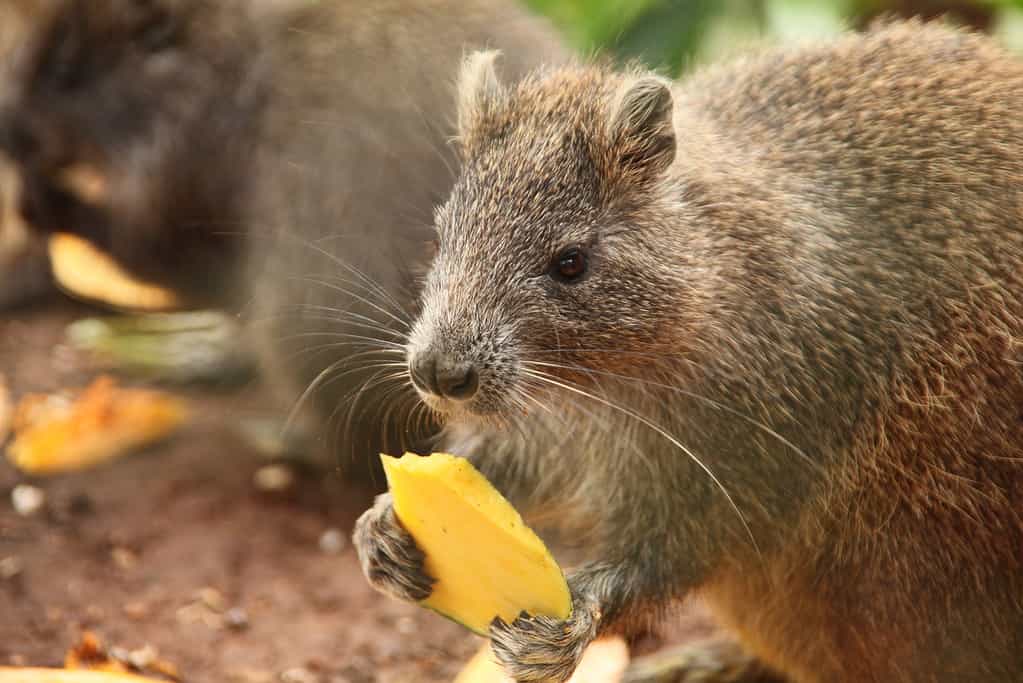
Desmarest’s hutia can only be found on the island of Cuba.
©LisaStrachan/iStock via Getty Images
Also known as the Desmarest’s hutia, the Cuban hutia (Capromys pilorides) is only found on the island of Cuba. These stout rodents are the largest living species of hutia. They are 1-2 feet long and weigh 6-19 pounds. Hutias are territorial animals that live in a variety of habitats. Their banana-shaped feces have earned the hutia the nickname “banana rat.” While their tails are long like a rat’s, they are furry instead of bare.
9. Nutria
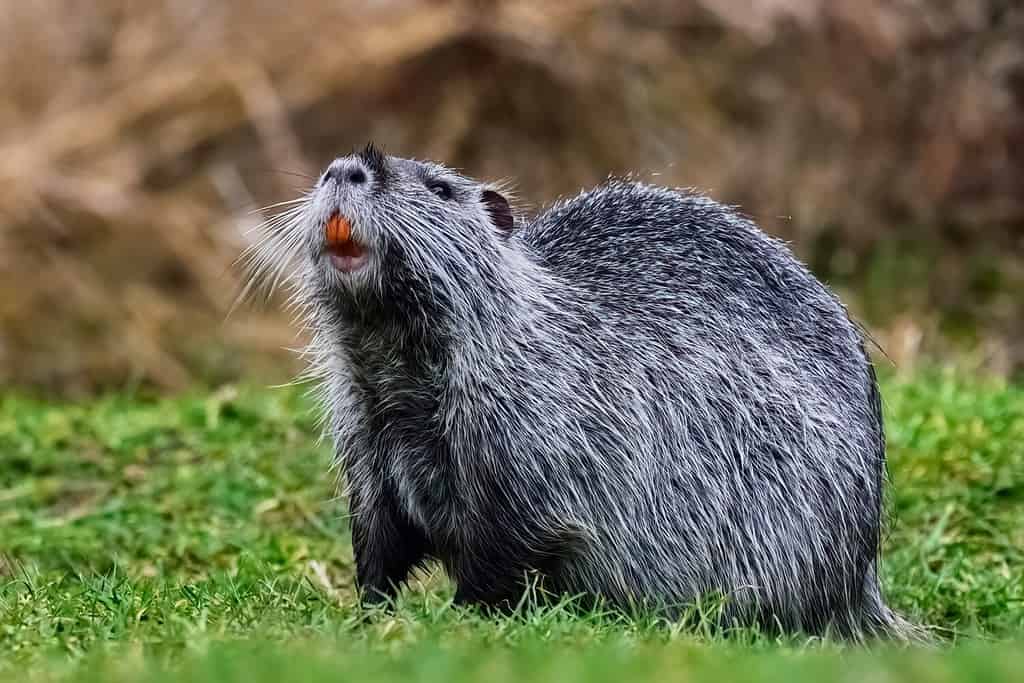
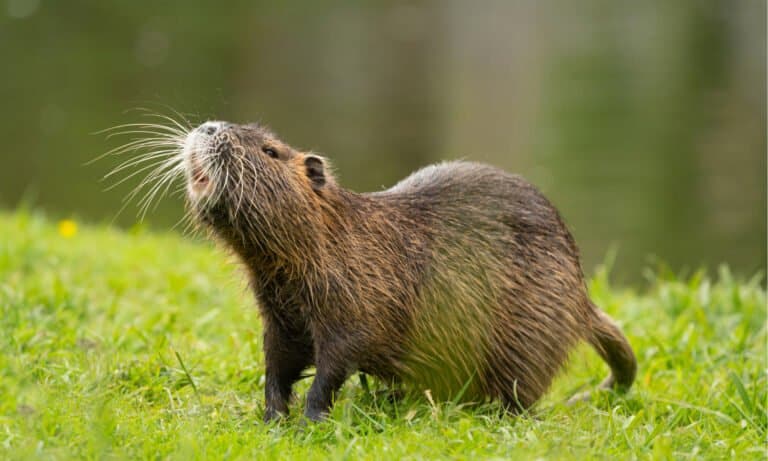
The nutria has become an invasive species in the U.S. and can now be found in 17 states.
©Robert Adami/Shutterstock.com
While record-breaking nutria (Myocastor coypus) have weighed over 37 pounds, the average nutria is between 9-20 pounds. Also known as a coypu, these large rodents have bodies that are 2 feet long with a 1.5-foot tail. Nutria are often confused with beavers but are much smaller and have rat-like tails instead of the flat tail of the beaver. Although nutria are native to South America, they were brought to the United States in 1889 for their fur and have become an invasive species.
8. Olympic Marmot
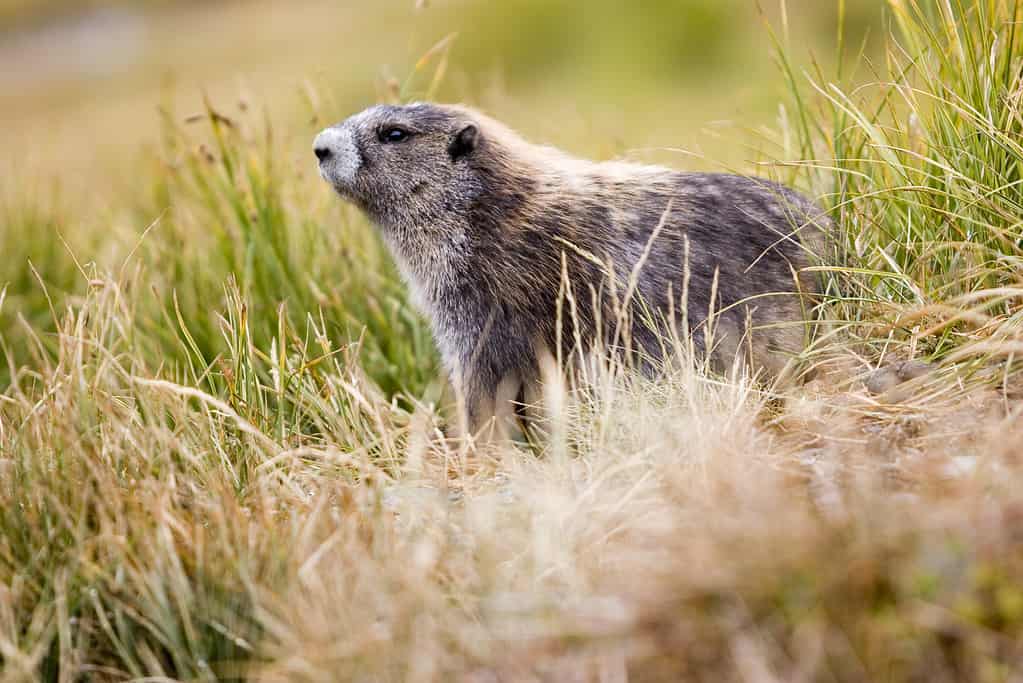
The Olympic marmot is the largest of the marmot species.
©Jean Paul LaCount/iStock via Getty Images
Found only in Washington State in the Pacific Northwest, the Olympic marmot (Marmota olympus) is the largest of all the marmot species. Weighing 9-20 pounds, they are 18-32 inches long with a 6 to 10-inch tail. Olympic marmots live in groups and form colonies that can include more than 40 animals. Found in the alpine meadows of the Olympic Peninsula, these large marmots can live into their teens.
7. Paca
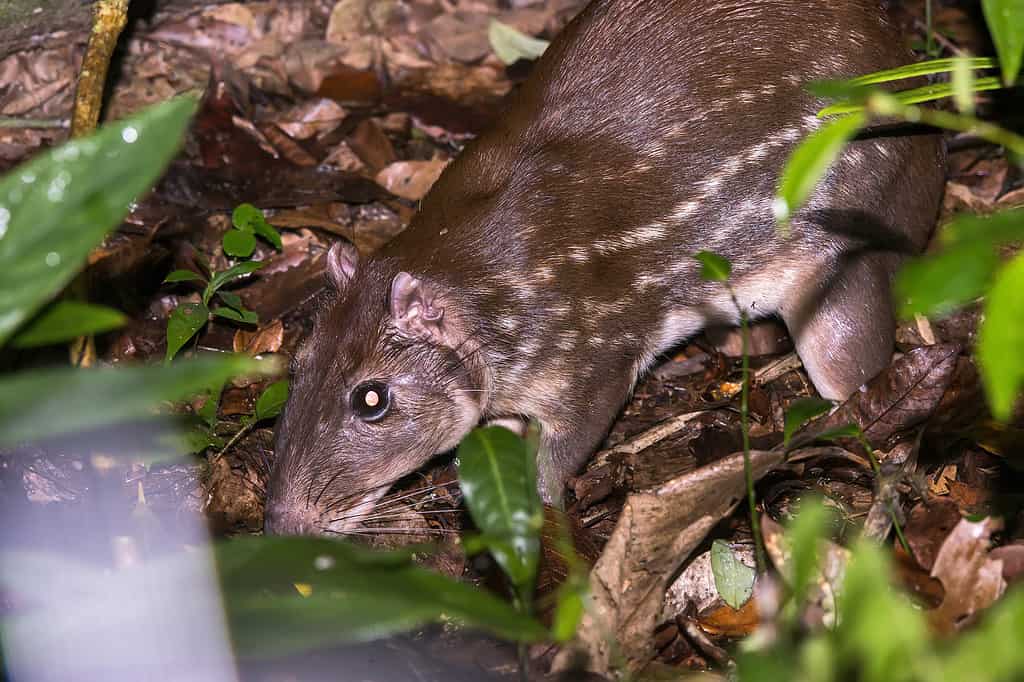
Paca meat is considered to be the best game meat in Latin America.
©LeoMercon/iStock via Getty Images
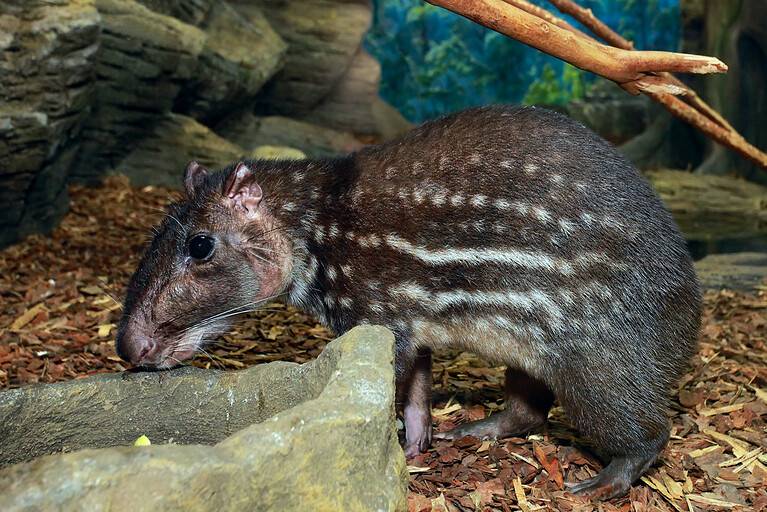
The lowland paca (Cuniculus paca) is a nocturnal rodent native to Central and South America. Larger than many other rodents, the paca measures 20-30 inches in length and weighs 13-30 pounds. The males are usually larger than the females. Paca are a popular game animal in Brazil, where they are an easy target for hunters. When chased, the territorial paca runs in circles rather than fleeing its territory.
6. Pacarana
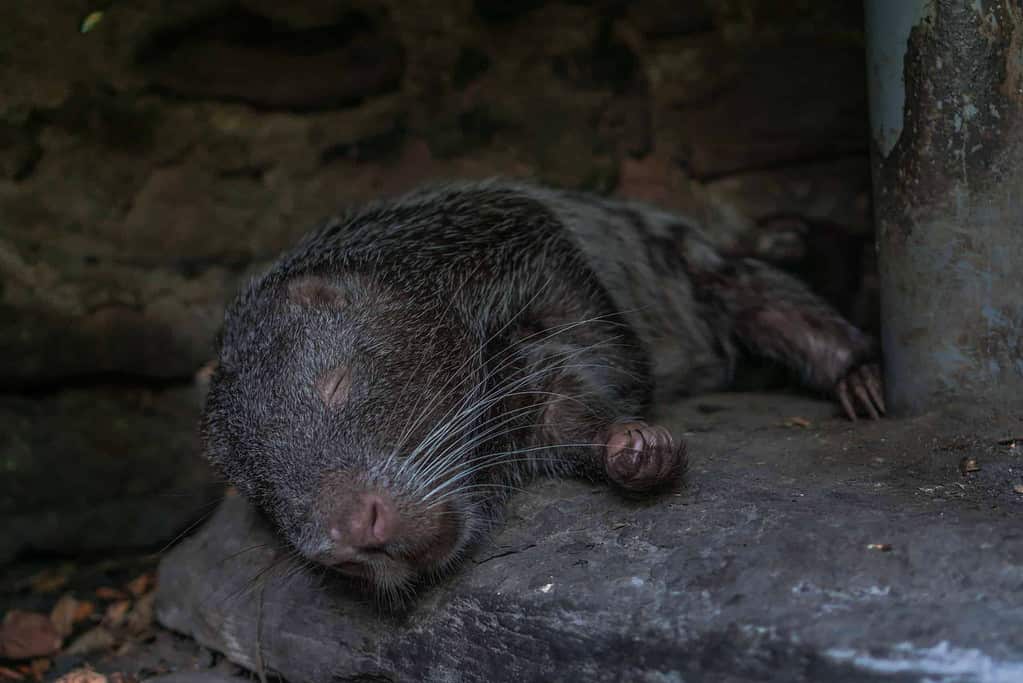
Pacaranas are often confused with pacas, but they are a different species.
©Andrew J. Clark/Shutterstock.com
Indigenous to South America, the pacarana (Dinomys branickii) is often compared to the similar looking paca. Pacaranas are slow-moving and chunky herbivores, resembling woodchucks. These sturdy rodents can grow up to 3 feet in length (not including their tails) and weigh 22-33 pounds. Although they move clumsily on the ground, pacaranas have long digging claws and that allow them to be adept climbers.
5. Patagonian Mara
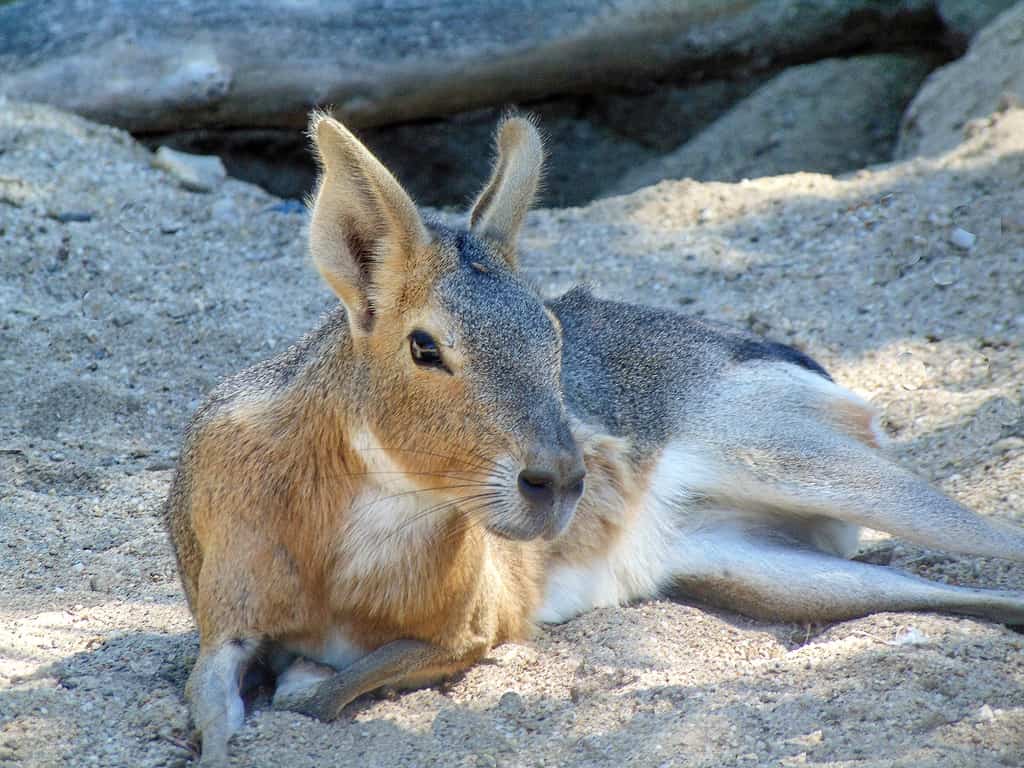
This rabbit-like animal is also known as the Patagonian hare.
©Herman Vlad/iStock via Getty Images
Unlike other chunky, guinea pig-shaped rodents, the Patagonian mara (Dolichotis patagonum) more closely resembles a rabbit than other rodents. Their bodies are around 26-30 inches long with a short tail, and they weigh between 18-35 pounds. The Patagonian mara can be found in arid grasslands in central and southern Argentina. Like hares, they prefer to have a good deal of open space in which to graze. Maras travel in mated pairs and are diurnal, being most active at dusk and dawn.
4. Porcupines
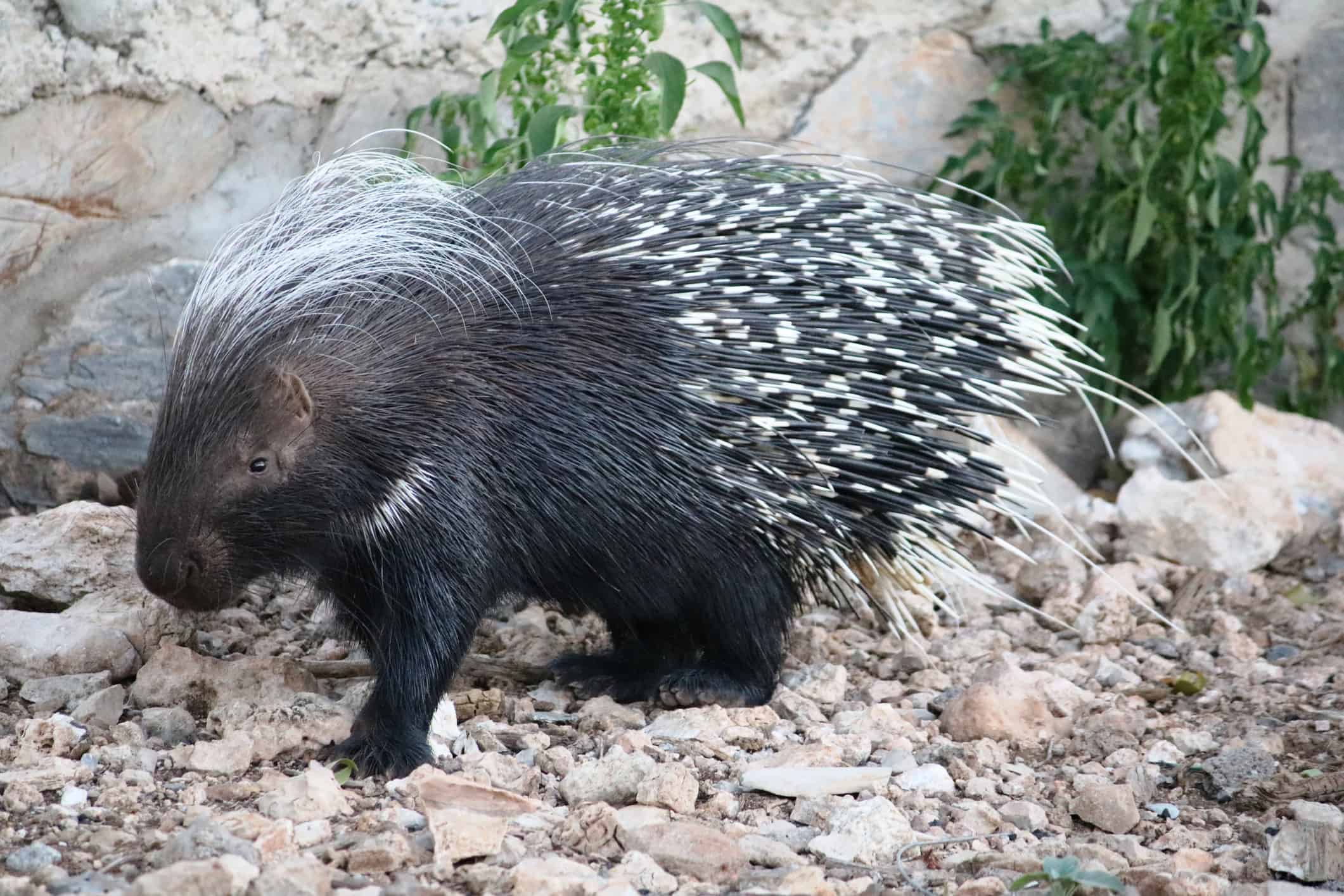
Crested porcupines rarely climb trees but are adept swimmers.
©iStock.com/ClaraNila
There are over 30 species of porcupines in the world, belonging to the genera Hystrix and Erethizon. While many of these porcupine species are smaller, three of them are some of the largest rodents in the world. The North African crested (or common) porcupine (Hystrix cristata) is the largest of the species, weighing up to a whopping 60 pounds and measuring 3 feet long with a 6-inch tail. The Cape porcupine (Hystrix africaeaustralis) is also hefty, weighing up to 52 pounds. Smaller North American porcupines (Erethizon dorsatum) top out at around 31 pounds, while the Indian crested porcupine (Hystrix indica) may grow larger, weighing 22-40 pounds.
3. Lesser Capybara
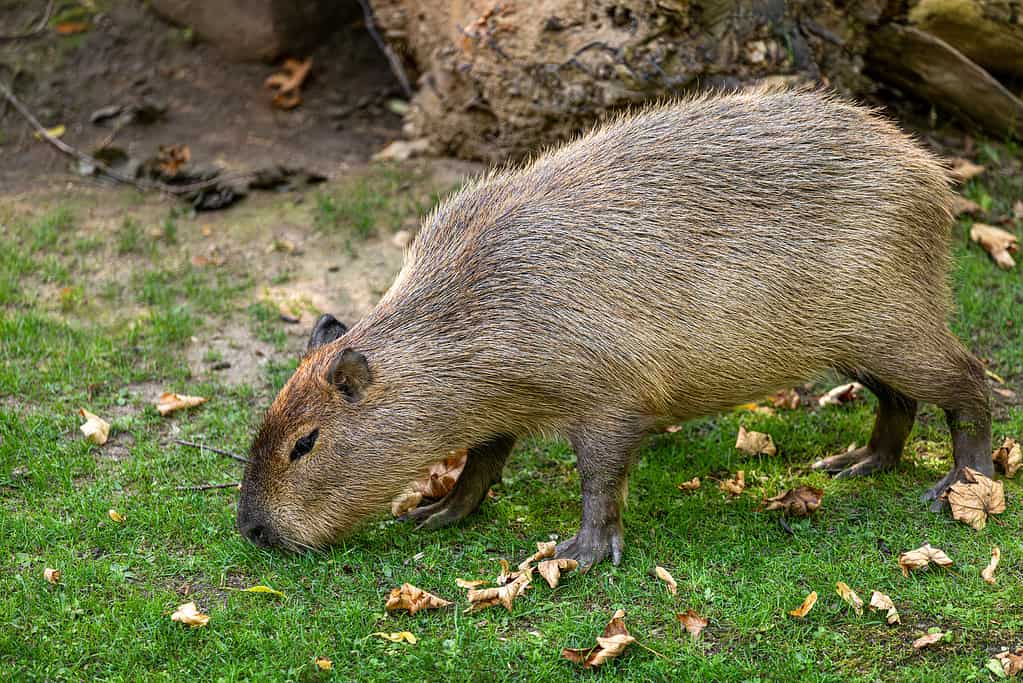
Lesser capybara measure about 3 feet long.
©Vronja_Photon/iStock via Getty Images
The lesser capybara (Hydrochoerus isthmius) is smaller than the greater capybara, but it is in no way a small rodent. It closely resembles the greater capybara but has a darker coat, weighs up to about 62 pounds, and measures up to 3 feet in length. This smaller version of the capybara was classified as its own species in 1912, but it was later reclassified as a subspecies of the greater capybara. However, in the 1980s, it was recommended that it should be identified as a separate species. This recommendation gained traction, and since 1991, the lesser capybara has been widely recognized as a separate species.
2. Beavers
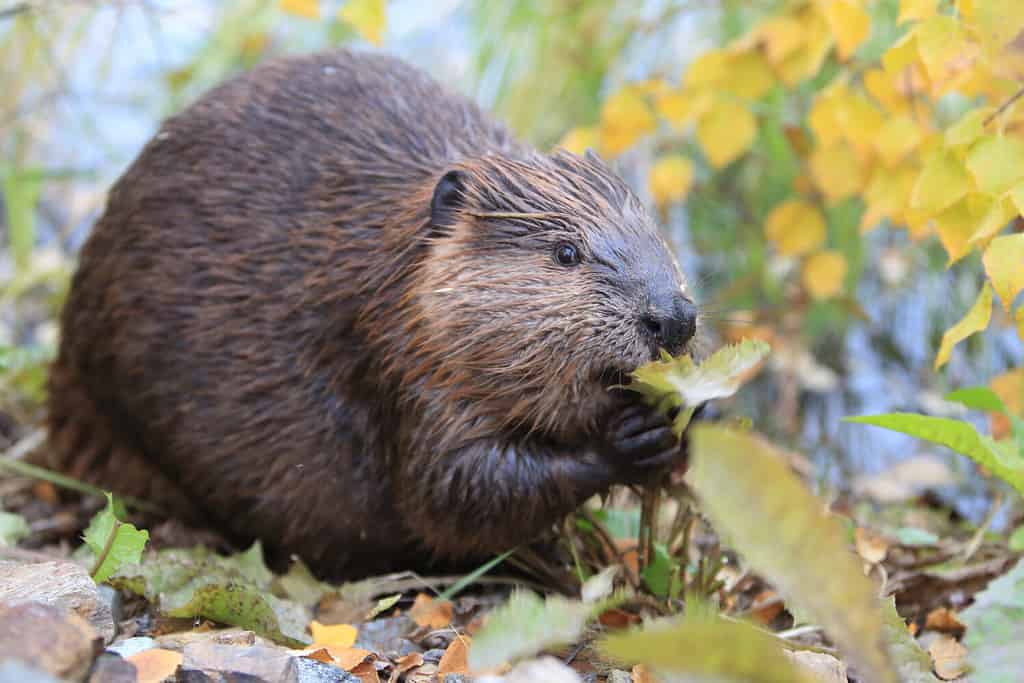
The North American beaver is the largest rodent in North America.
©Frank Fichtmueller/Shutterstock.com
The largest rodent in North America is the North American beaver (Castor canadensis). They measure 3-4 feet long and average 35-70 pounds, though the heaviest beaver on record weighed a massive 110 pounds. The Eurasian beaver (Castor fiber) that is native to Europe and Asia is not small either: these beavers can weigh up to 65 pounds. Beavers are among the few animals that can significantly alter their environment by building dams, which can transform creeks and rivers into ponds.
1. Capybara
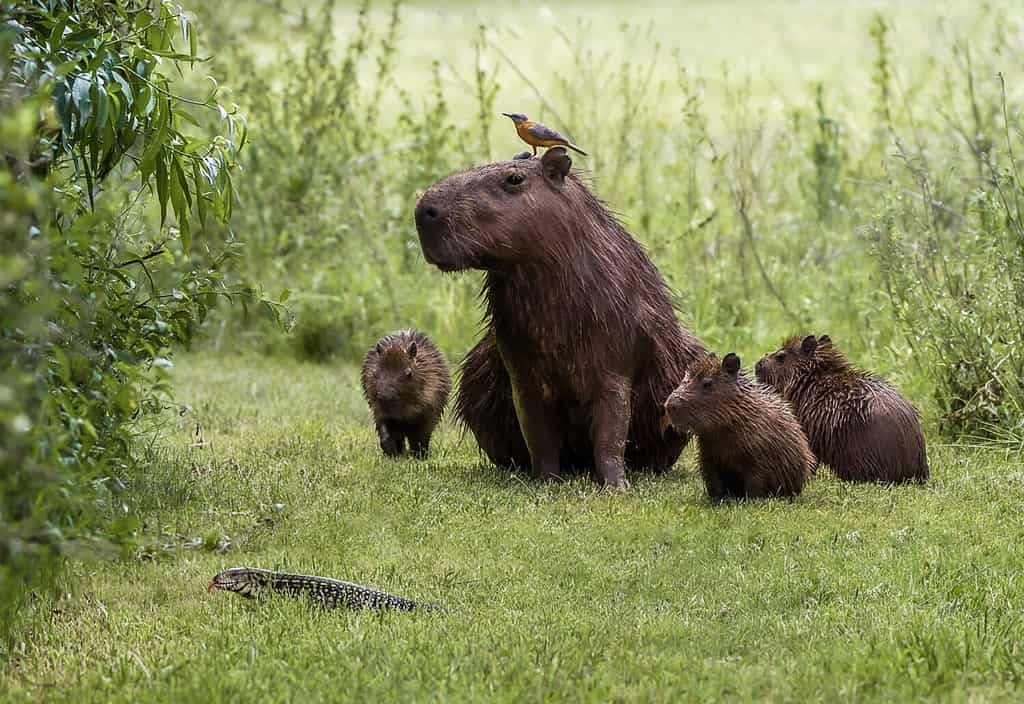
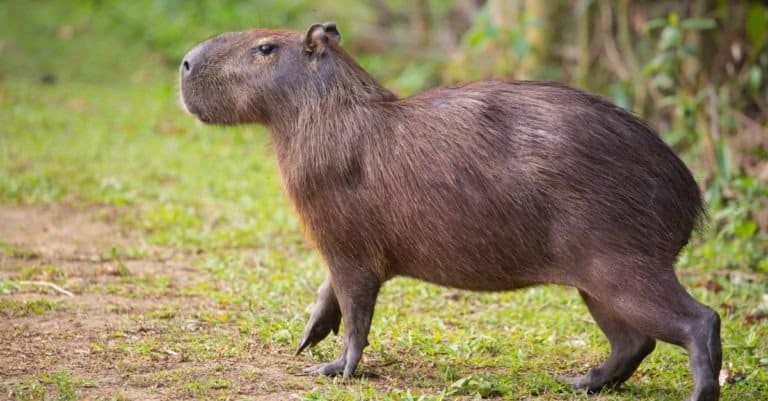
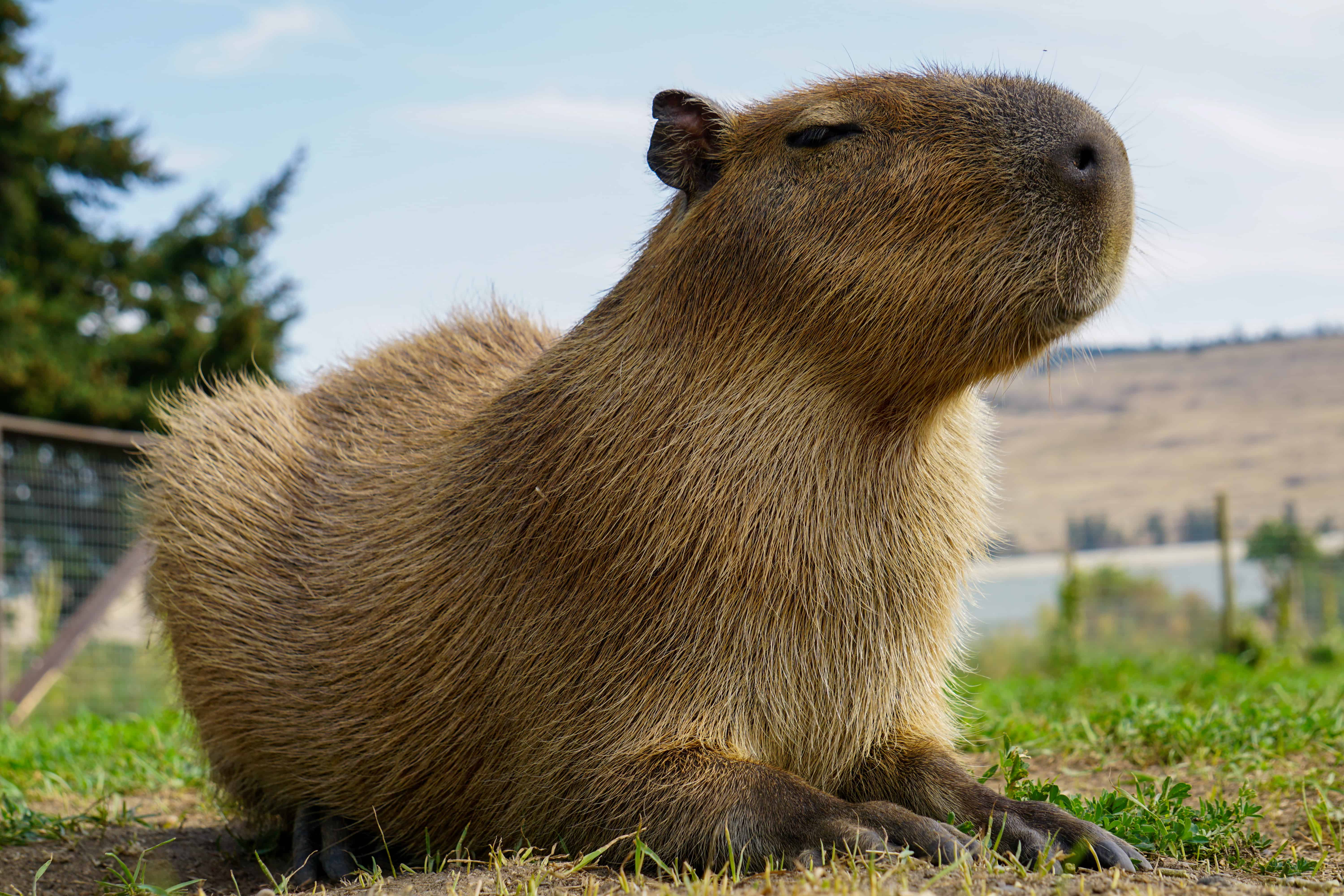
The capybara is semi-aquatic and spends most of its time near or in water.
©Marcel_Strelow/Shutterstock.com
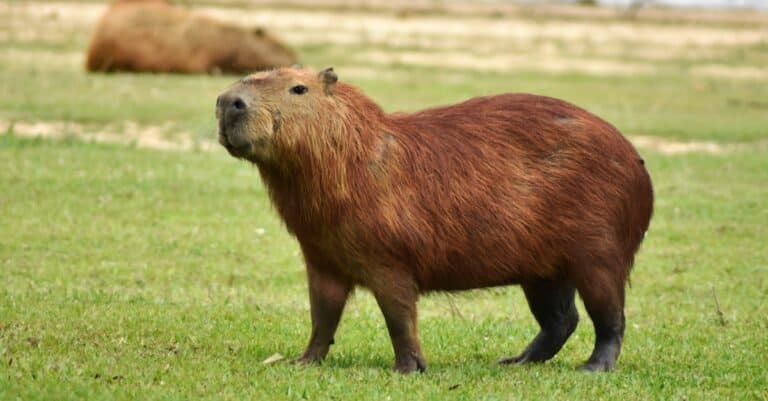
The semi-aquatic greater capybara (Hydrochoerus hydrochaeris) takes the prize for the biggest member of Rodentia on the planet. Native to South America, they weigh 77-174 pounds, measure 3-4 feet in length, and stand up to 2 feet tall at the shoulder. While some extinct prehistoric species were even larger, the greater capybara is the only living rodent to reach this impressive size.