
Capitol Reef National Park is one of Utah’s “Mighty Five” national parks. This remote park is less well-known and receives fewer visitors than some of the other, more popular parks in southern Utah. However, the region offers dramatic scenery, including sheer cliffs and red canyons. It’s also incredibly remote. According to National Geographic, the nearest traffic light is 78 miles away.
Here, visitors can hike, rock climb, view stunning night skies, camp, and see the iconic Waterpocket Fold. The Waterpocket Fold is a 100-mile-long geologic landform that resembles a buckle in the Earth’s surface. The park is also an incredible place to encounter diverse wildlife. Check out some of the many mammals, reptiles, amphibians, and birds that call Capitol Reef National Park home. For a complete list, check out this wildlife checklist from the National Park Service.
1. Mule Deer
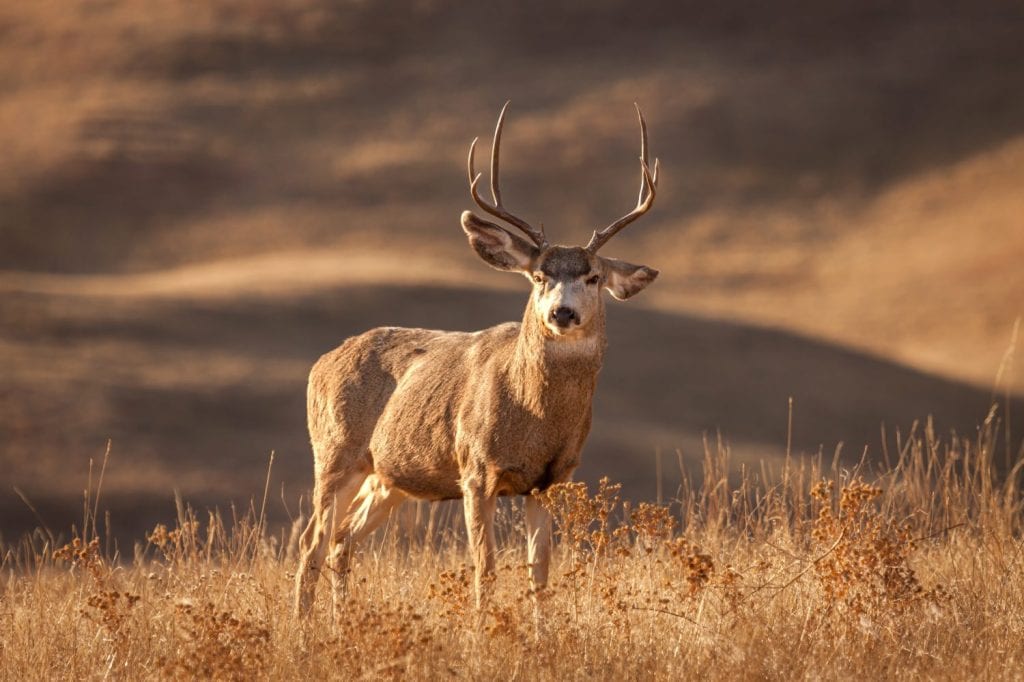
The mule deer is named for its large, mule-like ears.
©Dennis Laughlin/Shutterstock.com
Set amid the harsh and unforgiving landscape of Capitol Reef National Park is the Fruita District. Here you will find historic buildings and green orchards. You will also probably encounter the mule deer (Odocoileus hemionus) munching on green grass or walking under the orchard trees. Mule deer have become accustomed to humans, but they are still wild animals, and visitors should keep a wide distance. Mule deer are similar in appearance to white-tailed deer, but you can tell them apart by the mule deer’s large ears.
2. Mountain Lion
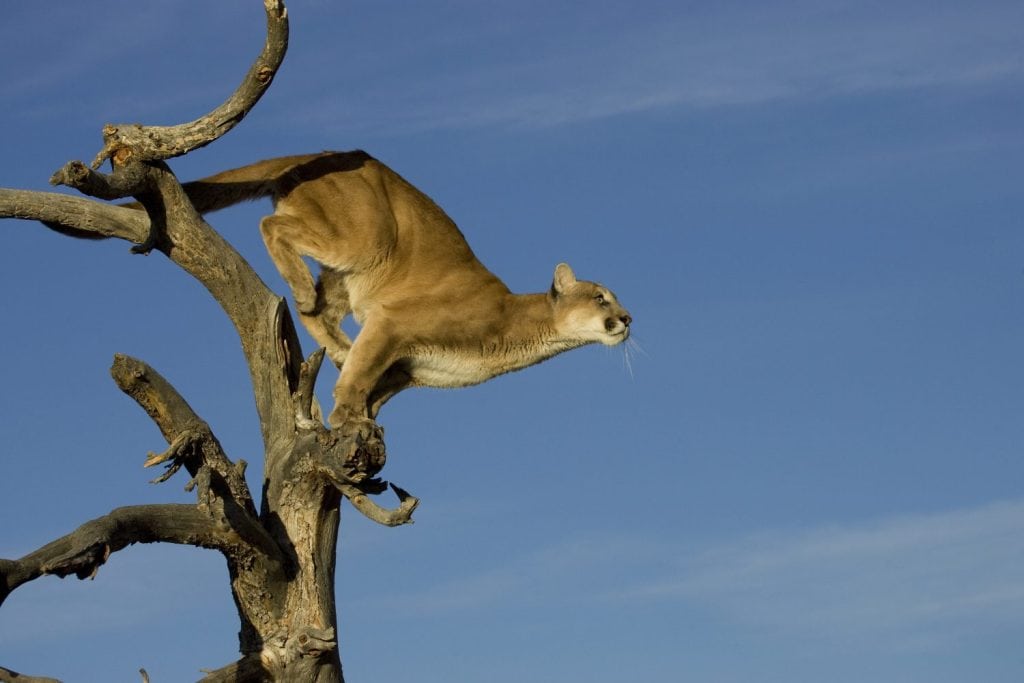
Mountain lions in Capitol Reef National Park prey on mammals in the park, including mule deer.
©creativex/Shutterstock.com
Not only will you see mule deer in the Fruita District, but you might spot a mountain lion (Puma concolor). Also known as catamounts, cougars, panthers, and pumas, these big cats are drawn to the area to prey on the deer. Although mountain lions roam throughout the park, not just in the Fruita District, they are much more elusive than mule deer. Mountain lions tend to avoid humans and live in the mountain and desert areas of the park. You’re most likely to see them at dusk or dawn when they are the most active.
3. Desert Bighorn Sheep
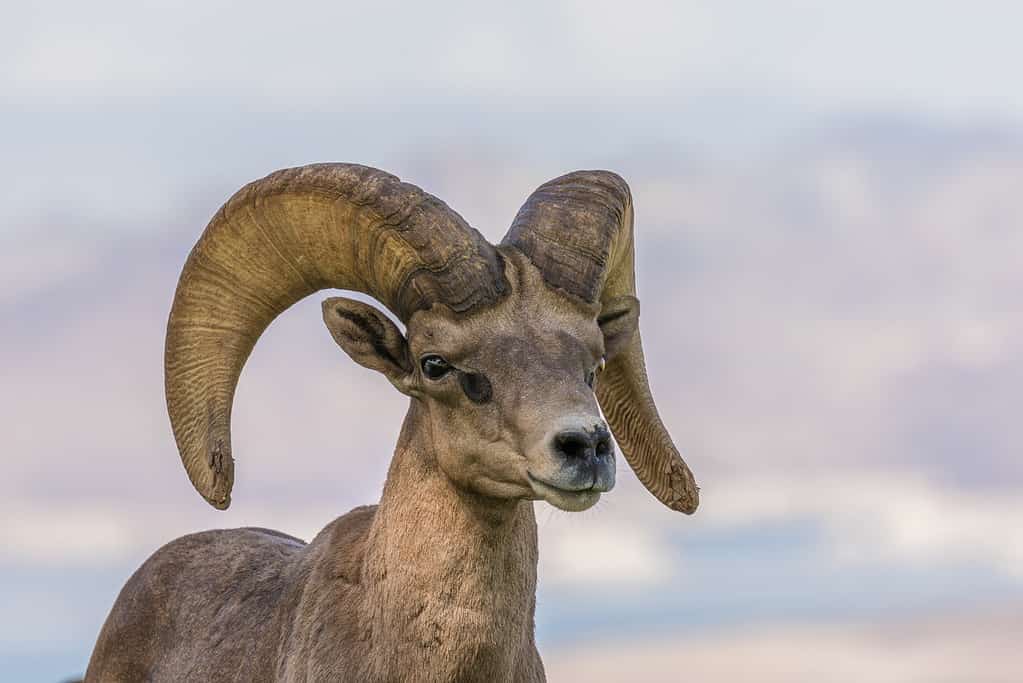
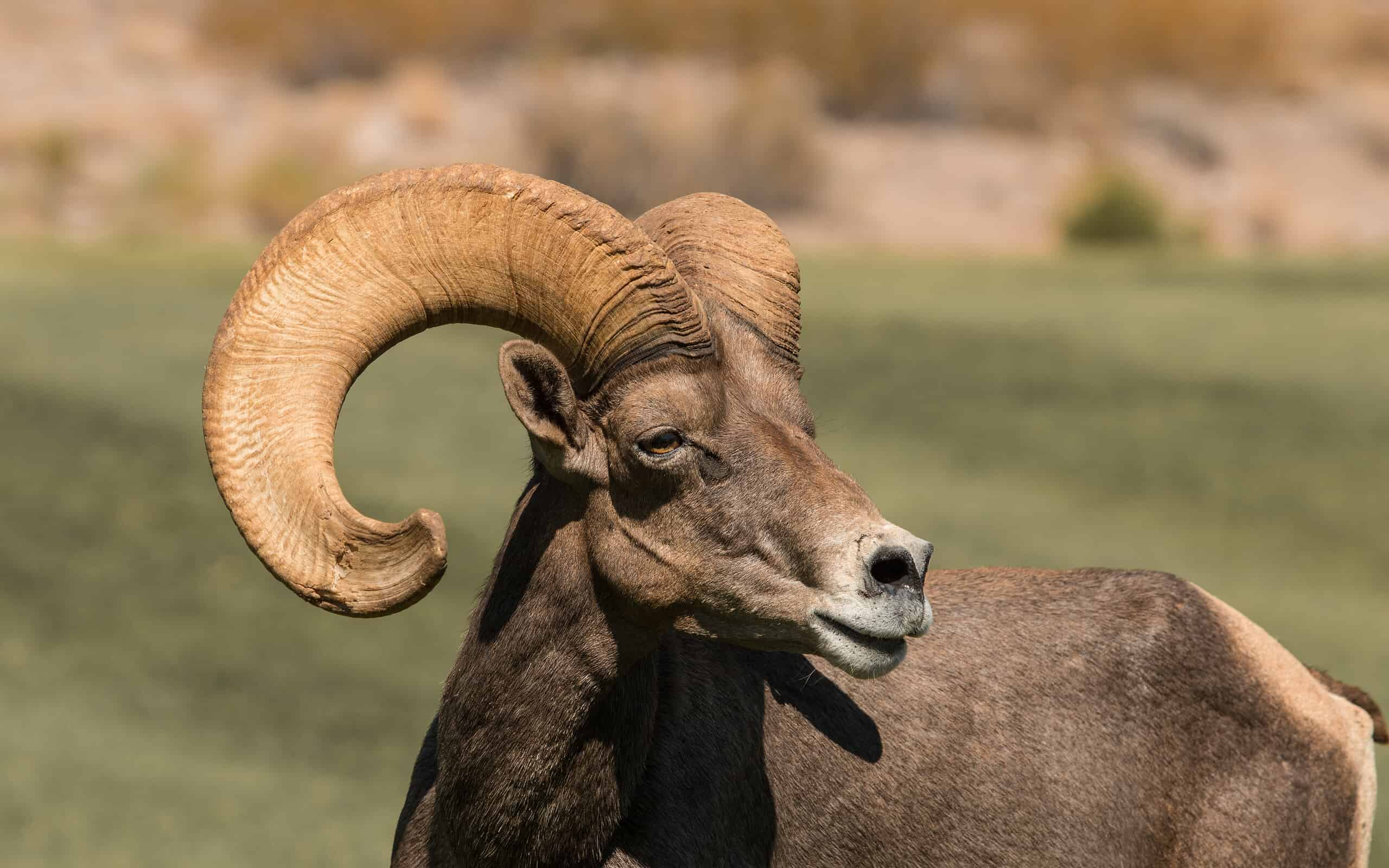
Desert bighorn sheep are adapted to desert climates and can last a long time without any water.
©Tom Tietz/Shutterstock.com
Once extinct in the Capitol Reef National Park, desert bighorn sheep (Ovis canadensis nelsoni) were overhunted and vulnerable to disease. Thanks to a conservation program, where 40 sheep were reintroduced to the park in the 1990s, the sheep are once again thriving in the area. According to the National Park Service, the best place to spot the sheep is south and east of the Fruita District, and at the far southern end of the park.
Bighorn sheep are adapted to desert climates and have specially adapted hooves to help them climb up rocky crevices. They are excellent at blending in with their surroundings. If you’re in the park, be sure to look closely to spot these elusive sheep.
4. Squirrels
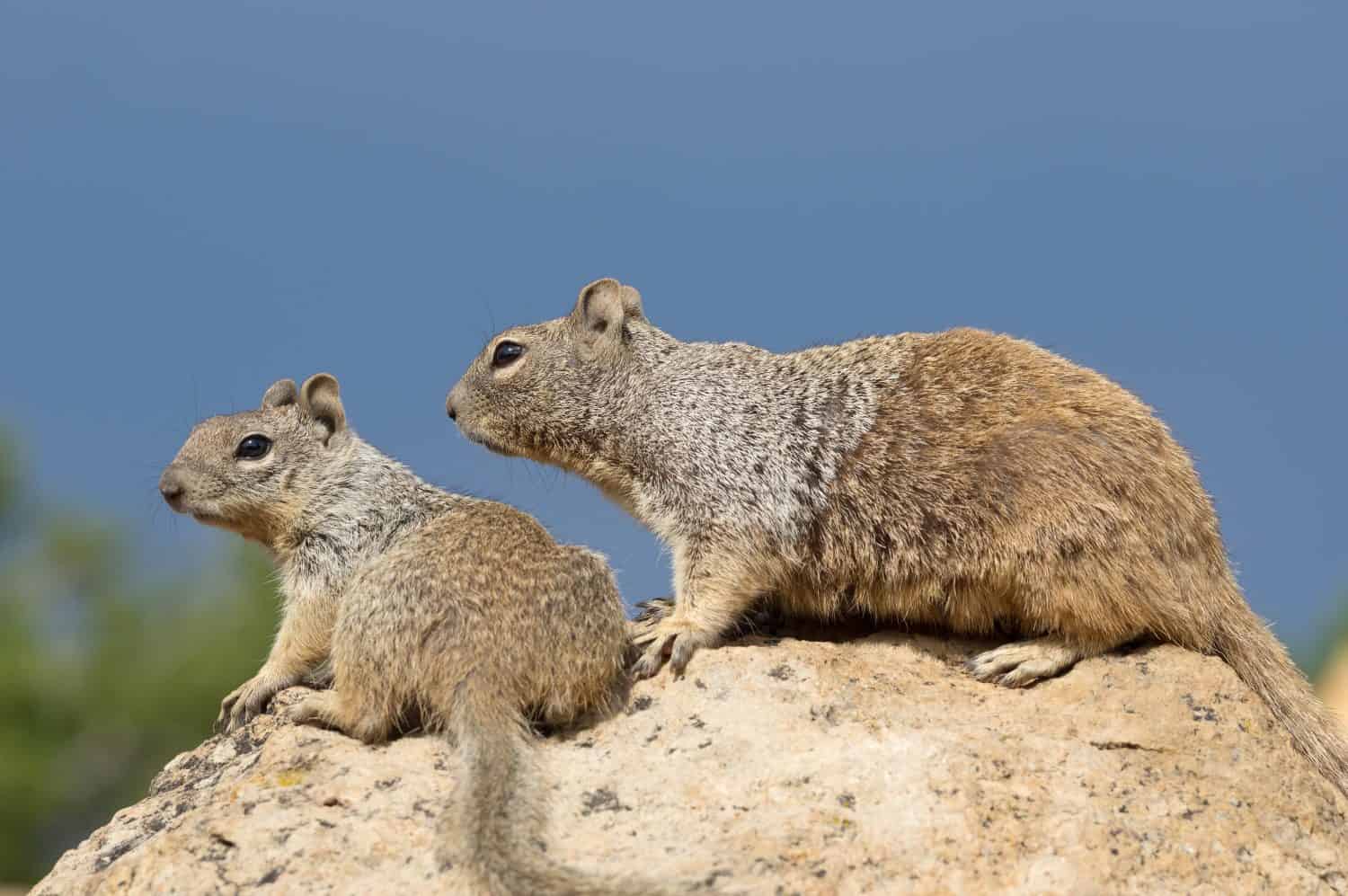
Rock squirrels are large ground squirrels that can be found living in the Fruita area of the Capitol Reef National Park in Utah.
©Angel DiBilio/Shutterstock.com
According to the National Park Service’s wildlife checklist, there are five species of squirrels that have been confirmed living within the park. These are the white-tailed antelope squirrel (Ammospermophilus leucurus), yellow-bellied marmot (Marmota flaviventris), cliff chipmunk (Neotamius dorsalis), Hopi chipmunk (Neotamius rufus), and rock squirrel (Spermophilus variegatus).
You may find various squirrel species throughout the park, but rock squirrels and yellow-bellied marmots are the most common, and both are abundant in the Fruita District. Rock squirrels are adapted to rocky conditions and burrow under rocks. Yellow-bellied marmots, also called rock chucks, are one of the largest members of the squirrel family. You may encounter the white-tailed antelope squirrel in the shrubland at lower elevations, while the Hopi chipmunk can be found in the Fruita area. And finally, the cliff chipmunk gets its name from where it lives, along steep cliff walls.
5. Snakes
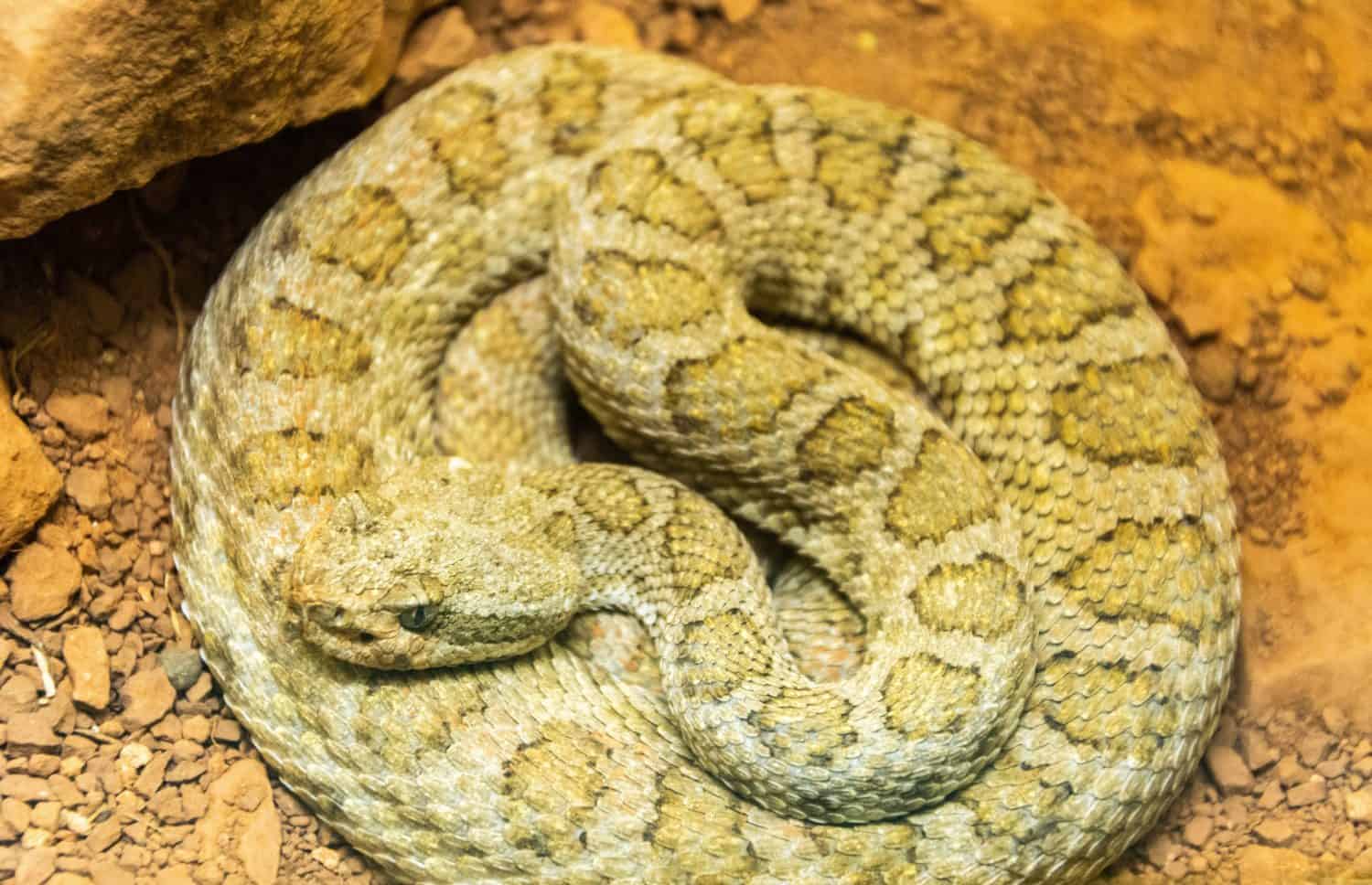
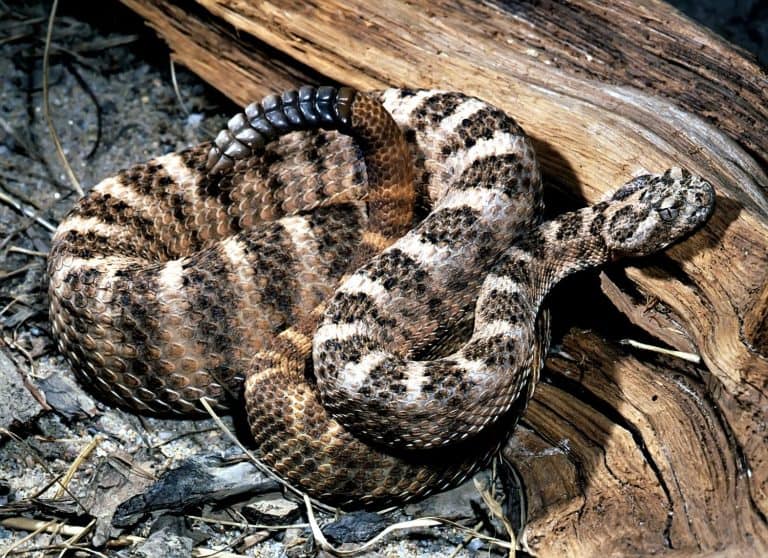
The midget faded rattlesnake is the only venomous snake in Capitol Reef National Park and its venom is more toxic than many other rattlesnake species.
©Alizada Studios/Shutterstock.com
Another animal commonly seen in the Capitol Reef National Park is a variety of snake species. You may spot them basking in the sun, hiding under rocks, or preying on the many rodents in the area. There are six snake species living in the park. The most commonly found include the following: the striped whipsnake (Masticophis taeniatus), the gopher snake (Pituophis catenifer), the terrestrial garter snake (Thamnophis elegans), and the midget faded rattlesnake (Crotalus oreganus concolor). The nightsnake (Hypsiglena torquata) and common kingsnake (Lampropeltis getula) are confirmed as living in the park, but they are much less abundant than the other species.
Although the gopher snake is sometimes mistaken for a rattlesnake, the midget faded rattlesnake is the only venomous snake in the park. This viper is usually less than 2 feet long and may be seen camouflaging among the pink sandstone.
6. Lizards
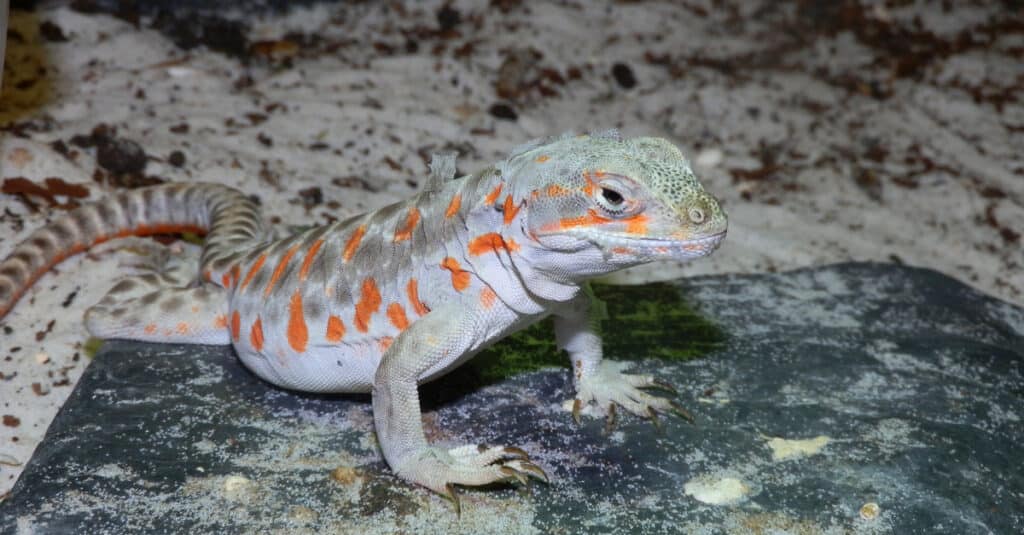
The long-nosed leopard lizard is one of the largest lizards you may spot in Capitol Reef National Park.
©Vladimira Pufflerova/Shutterstock.com
Snakes aren’t the only reptile in the park that you may find sunning itself on a warm day. There are 10 different species of lizards living in Capitol Reef National Park. Some of the most abundant species in the park include Great Basin collared lizards (Crotaphytus bicinctores), long-nosed leopard lizards (Gambelia wislizenii), desert spiny lizards (Sceloporus magister), western whiptails (Aspidoscelis tigris), side-blotched lizards (Uta stansburiana), common sagebrush lizards (Sceloporus graciosus), tree lizards (Urosaurus ornatus), and plateau lizards (Sceloporus tristichus).
The park is also home to the more rare, greater short-horned lizards (Phrynosoma hernandesi) and plateau spotted whiptail (Cnemidophorus innotatus). Watch for lizards hanging out among the rocks during the day. You may see the males engaging in territorial behavior or trying to attract females by moving their bodies up and down in a movement similar to pushups.
7. Frogs and Toads
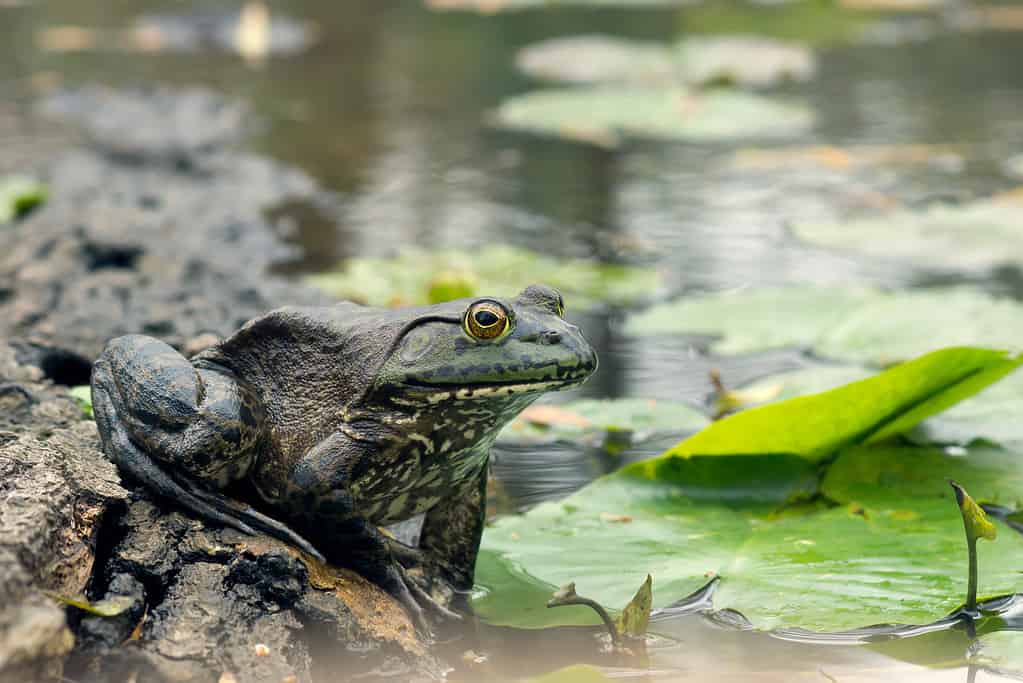
You are most likely to see frogs in the Capitol Reef National Park in tanks and ponds made by the various rock formations in the park.
©IrinaK/Shutterstock.com
The only amphibians living in the park are frogs and toads. Capitol Reef National Park is home to five species of frogs and toads. These include Great Basin spadefoot toad (Spea intermontana), Woodhouse’s toad (Bufo woodhousii), red-spotted toad (Bufo punctatus), canyon treefrogs (Hyla arenicolor), and the northern leopard frog (Rana pipiens).
You will only find the two frog species near bodies of water. According to the National Park Service, tree frogs may be spotted around ponds in the Waterpocket Fold and in the south near Halls Creek. The northern leopard frog makes its home along the Fremont River. You have the best chance of seeing the toads in the Fruita area and along the Waterpocket Fold.
8. Birds
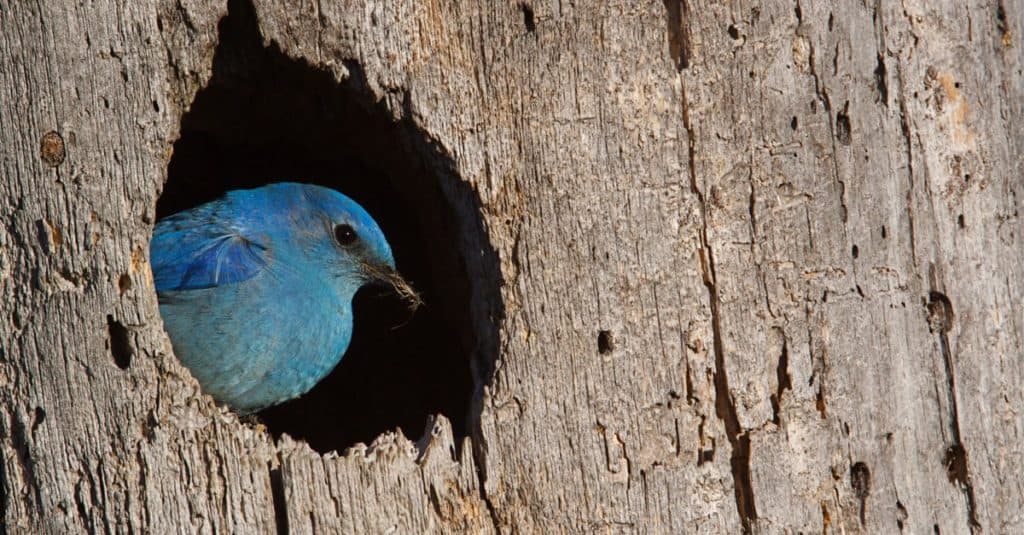
Though uncommon, you may spot mountain bluebirds in the Fruita Area of the Capitol Reef National Park.
©Tom Reichner/Shutterstock.com
According to the National Park Service, there are over 230 species of birds living in Capitol Reef National Park. Depending on where you are in the park, you may encounter different species. A prime spot for birdwatching is along the Fremont River Trail, especially in the spring and early summer. However, you may spot majestic eagles soaring above the canyons and cliff walls in other areas of the park. For a complete list of birds in the park, check out the National Park Service’s bird checklist.
Fruita Area (including the Fremont River Trail)
- Mountain Bluebird (Sialia currucoides)
- Bullock’s Oriole (Icterus bullockii)
- Spotted Towhee (Pipilo maculatus)
Cliff Ledges and Canyons
- Canyon Wren (Catherpes mexicanus)
- Rock Wren (Salpinctes obsoletus)
- Mexican Spotted Owls (Strix occidentalis lucida)
- Ravens (Corvus corax)
- Peregrine Falcons (Falco peregrinus)
- Golden Eagles (Aquila chrysaetos)
Woodlands
- Pinyon Jay (Gymnorhinus cyanocephalus)
- Juniper Titmouse (Baeolophus ridgwayi)
9. Canyon Bat
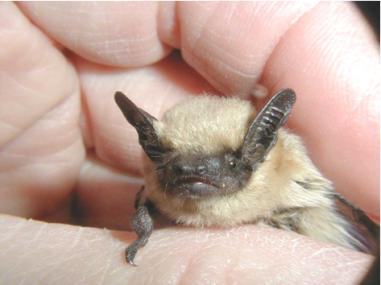
You may spy the tiny canyon bat diving for insects during the early morning or evening hours at the Fruita District in the Capitol Reef National Park.
©Public Domain – Original
The canyon bat (Pipistrellus hesperus), or western pipistrelle, is a small bat that helps keep the insect populations in check by feeding on small moths, mosquitoes, beetles, and flies. You are most likely to spot canyon bats in the morning or evening during warm weather as they hunt for food in the Fruita Area. The bat spends its nights roosting in caves, canyons, or rock crevices, where it lives by itself or in small groups.
10. Ringtail
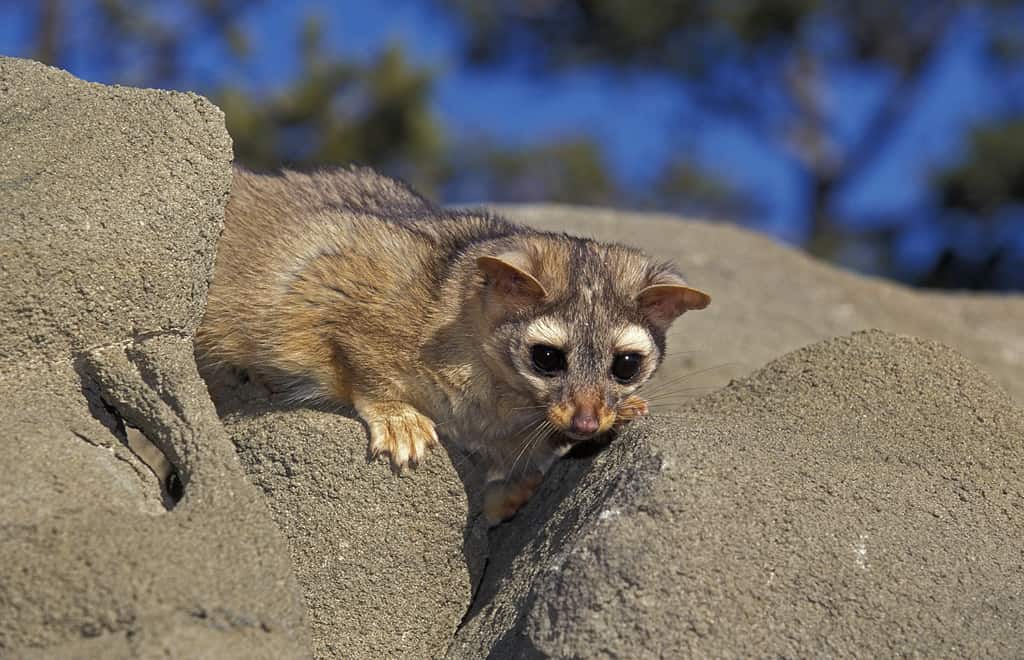
A member of the raccoon family, ringtails make their dens near water sources.
©slowmotiongli/iStock via Getty Images
Ringtails (Bassariscus astutus) can be found in the Fruita District and along Pleasant Creek in the Capitol Reef National Park. Ringtails are sometimes called cats, but they are actually members of the raccoon family. Like raccoons, ringtails are nocturnal and typically only spotted at night. They are adapted for climbing and live in the rocky areas and steep cliffs of the park. They are opportunistic feeders and will eat insects, small mammals, fruit, reptiles, and carrion.
11. North American Beaver
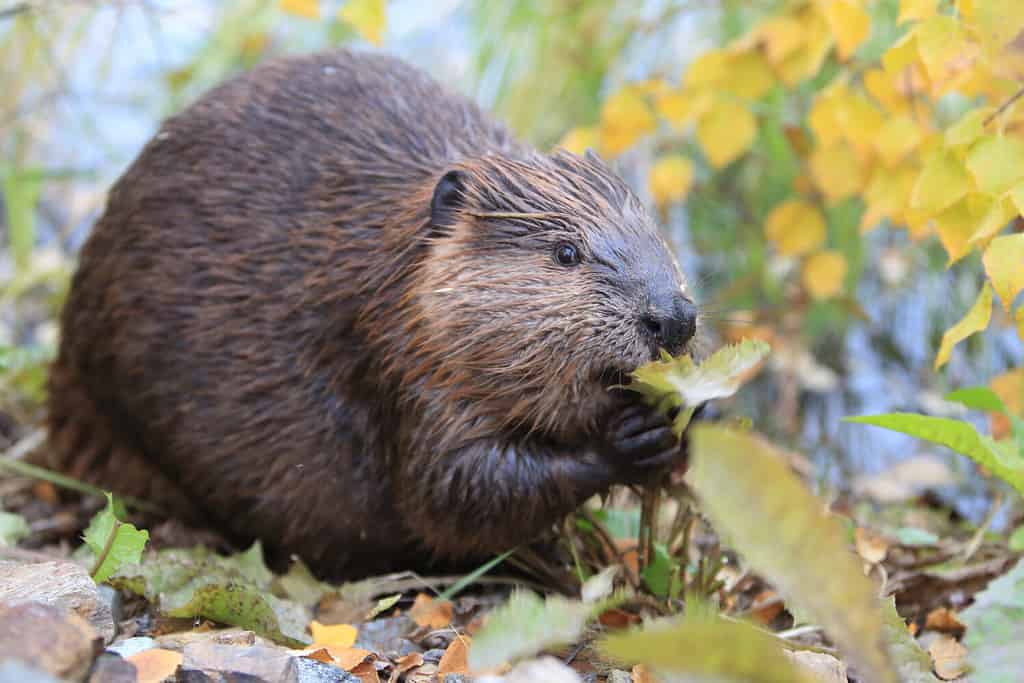
Look for signs of beavers in the Capitol Reef National Park, living near streams, springs, and the Fremont River.
©Frank Fichtmueller/Shutterstock.com
According to the National Park Service, it may be a rare occurrence to spot an American beaver (Castor canadensis) in the park or see signs of them, but they are there. Beavers in Capitol Reef National Park live along the Fremont River and other year-round springs and streams. Beavers are herbivores and eat vegetation, including bark, aquatic plants, and roots. Because they are nocturnal, you may not spot them during the day. However, be on the lookout for their footprints in the mud and their teethmarks on downed trees.
12. North American Black Bear
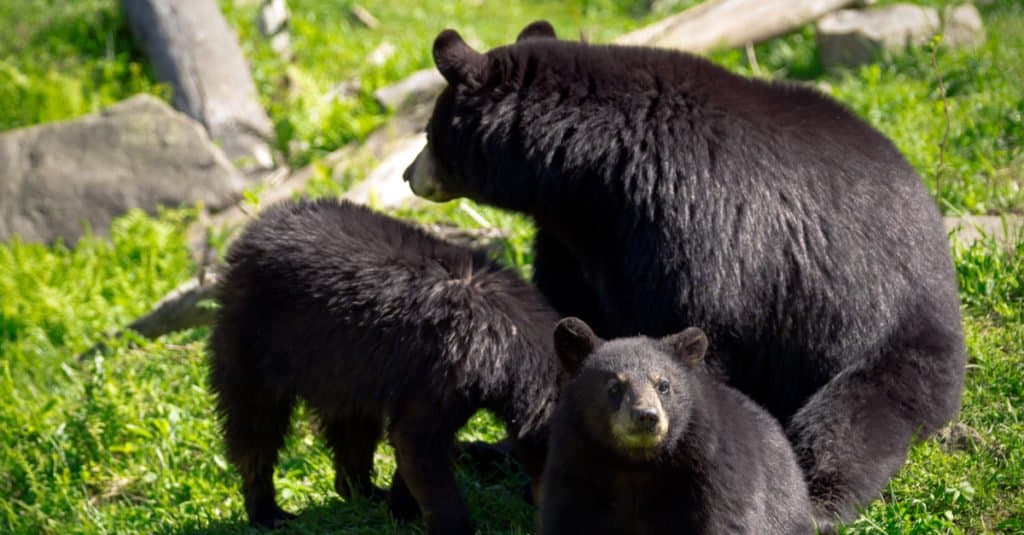
Bears are more likely to come around people in Utah during drought years, when their resources are scarce and they are hunting for food.
©Derek R. Audette/Shutterstock.com
It’s possible to see a North American black bear (Ursus americanus) while visiting Capitol Reef National Park, but it’s probably unlikely. According to the National Park Service, sightings of black bears in the park are uncommon and may occur every few years. Black bears are the only bear species to live in Utah, and typically reside in the mountains and forests at higher elevations.
13. Gray Fox
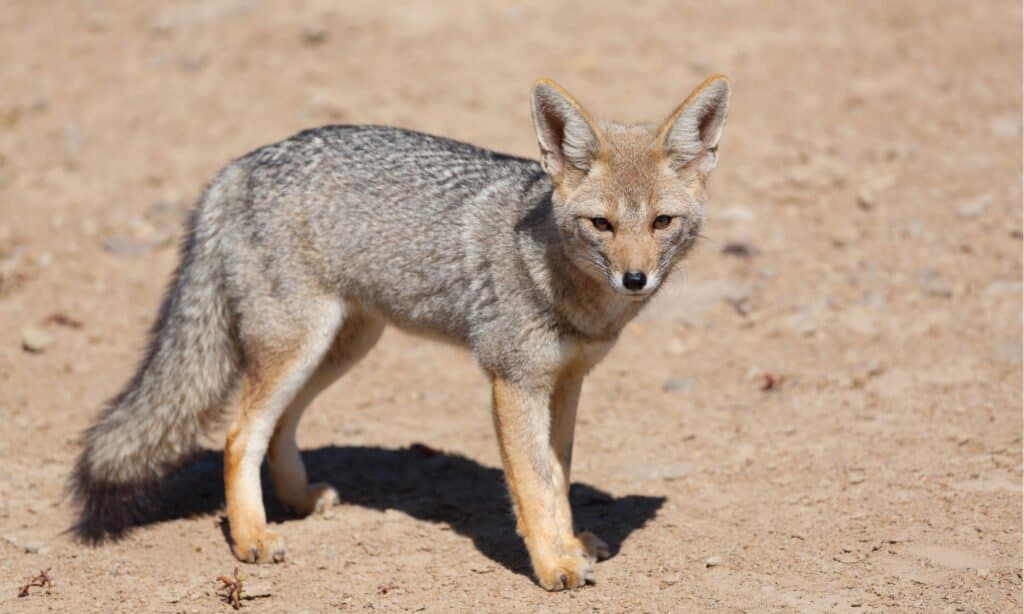
Gray foxes are excellent climbers and can climb trees to escape predators or search for food.
©sunsinger/Shutterstock.com
The common gray fox (Urocyon cinereoargenteus) is one of the only members of the canine family that can climb trees. Though they tend to avoid people, you may spot gray foxes roaming in the Capitol Reef National Park in the Fruita Area as they hunt for prey. Gray foxes eat rodents, birds, rabbits, insects, and fruit. They are small animals, only weighing around 7 to 12 pounds.
14. Porcupine

Porcupines have around 30,000 barbed quills protecting their bodies, made of keratin, the same substance in hair and nails.
©Holly Kuchera/Shutterstock.com
Although rare to see, the North American porcupine (Erethizon dorsatum) is occasionally spotted rambling through the Capitol Reef National Park. The National Park Service explains that porcupines are typically seen at higher elevations within the park. Porcupines eat pine needles and tree bark. Watch for signs that porcupines are present by looking for missing bark on pine trees and tooth marks on patches of exposed wood.