Spanish slug in nature environment - perfect macro details
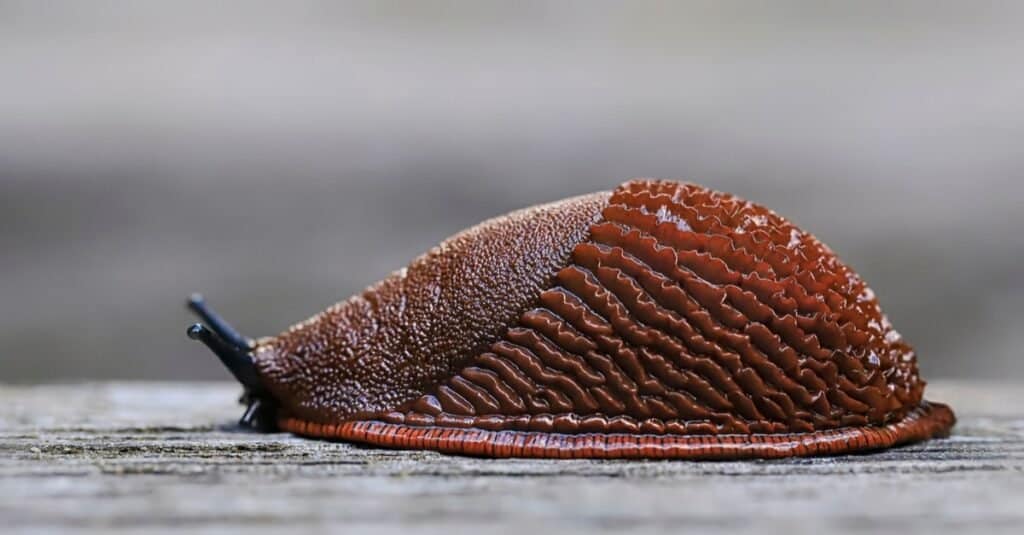
Spanish slug on wood.
Marek Mierzejewski/Shutterstock.com

Stylommatophora
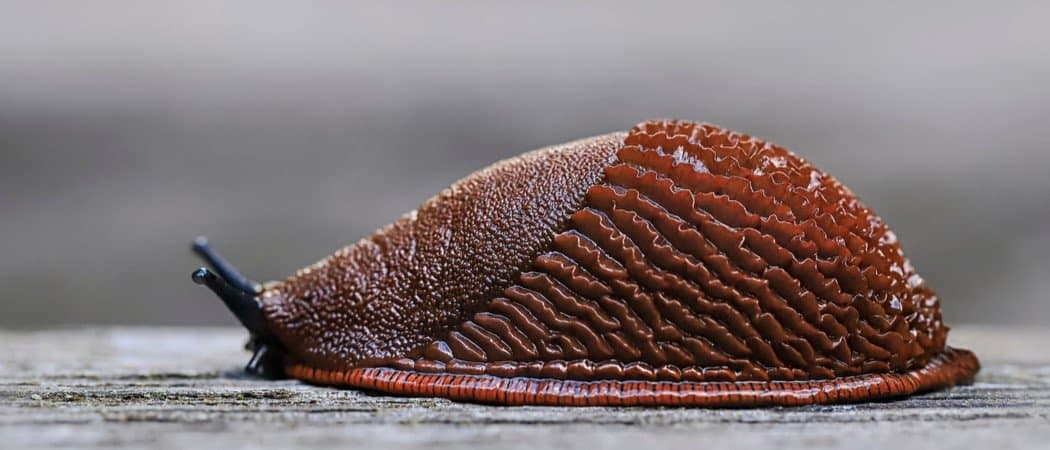
Spanish slug on wood.
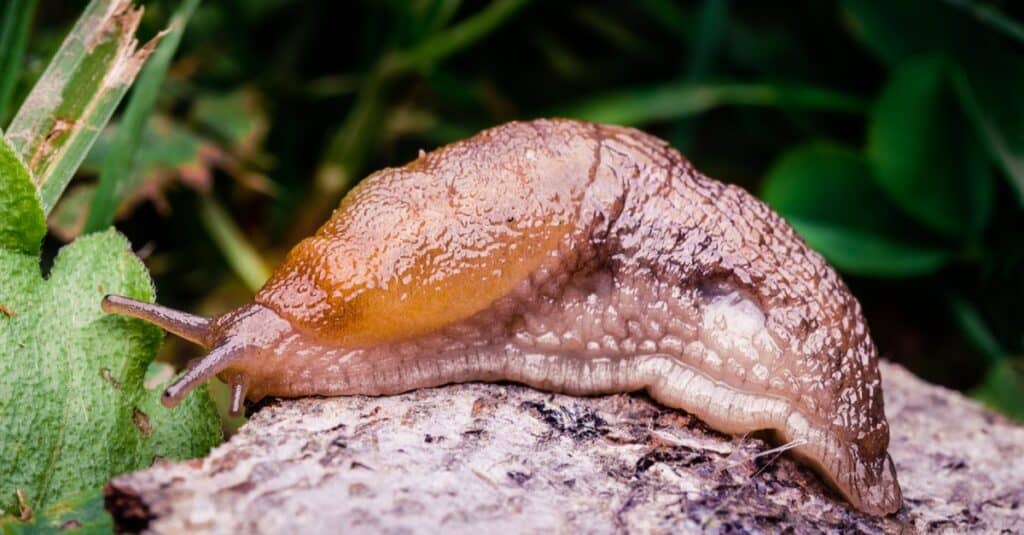
A large slug crawling around on the ground leaving its slime all over the place.
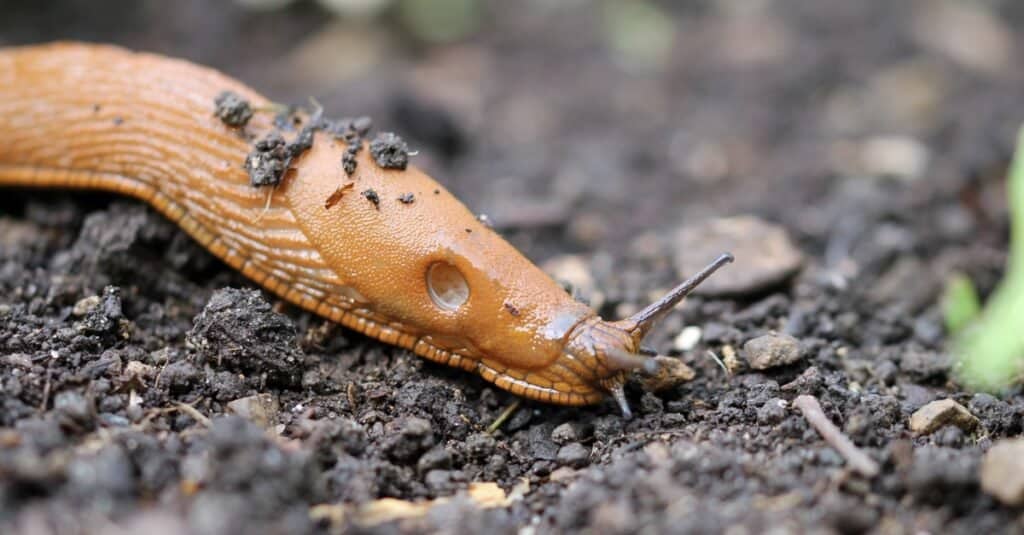
The slug in the vegetable garden.
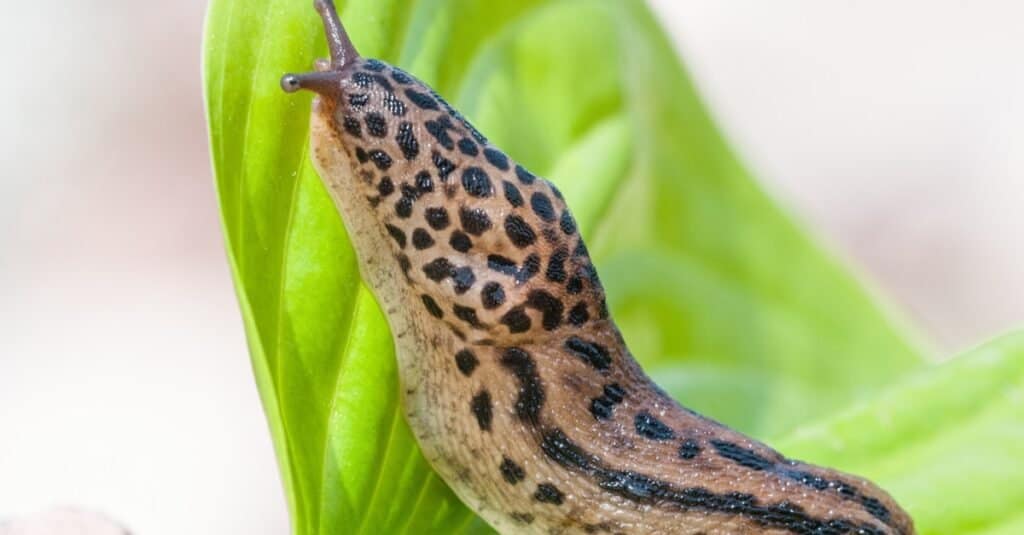
Leopard slug on a hosta leaf.
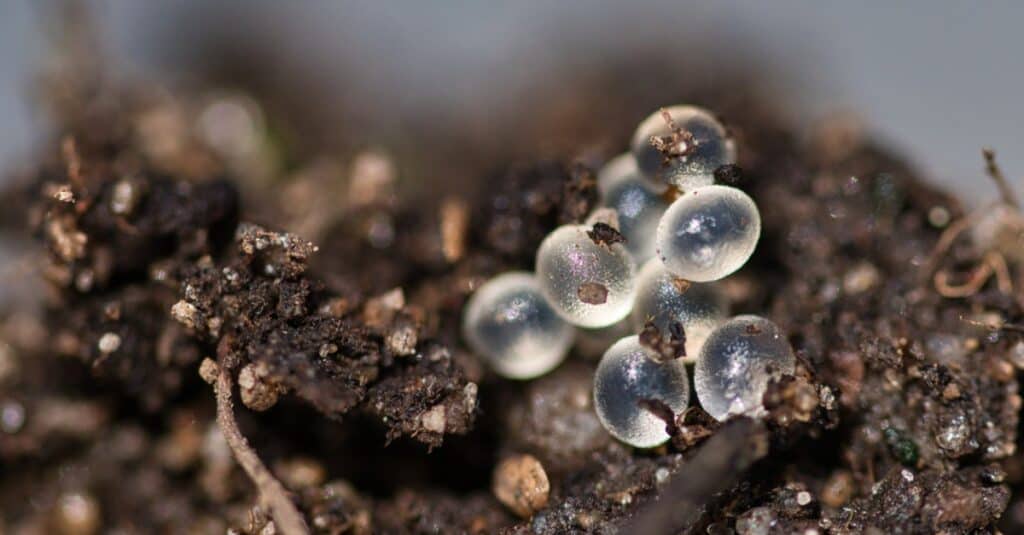
Spanish slug eggs on the surface of the brown compost garden soil.
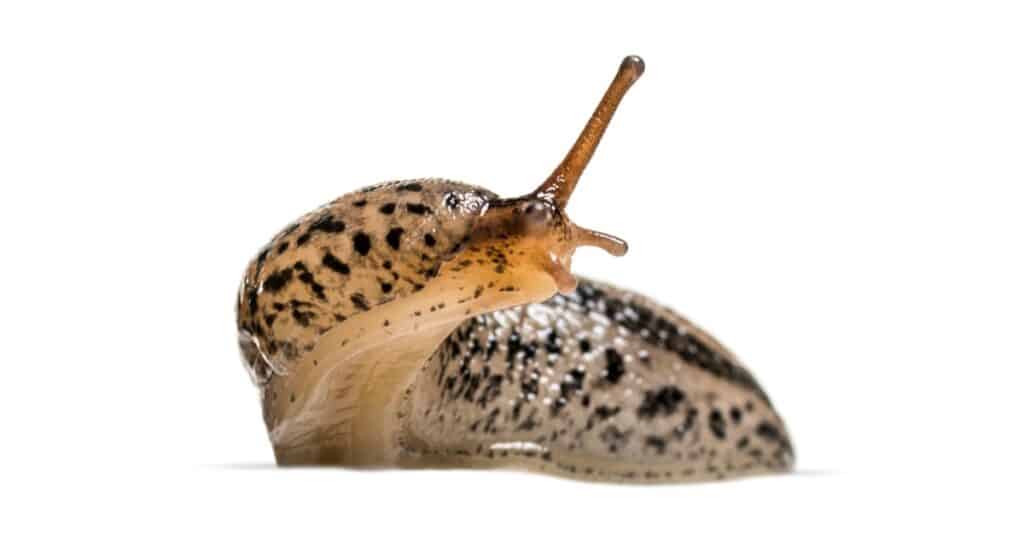
Limax maximus, literally, 'biggest slug', known by the common names great grey slug and leopard slug, in front of white background
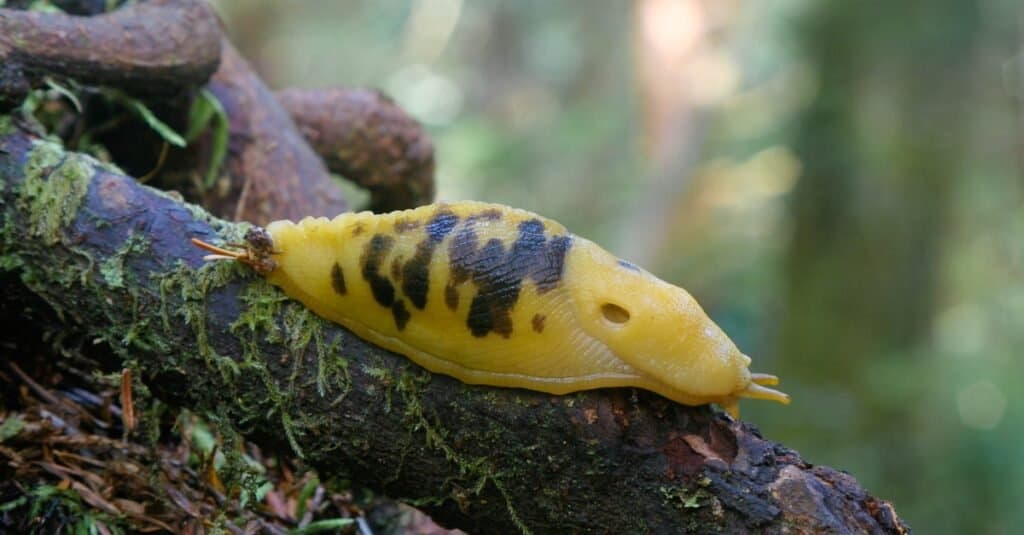
A banana slug, Ariolimax columbianus, in a Pacific Northwest rainforest, Washington. Banana slugs are decomposers and play an important role in their ecosystem.
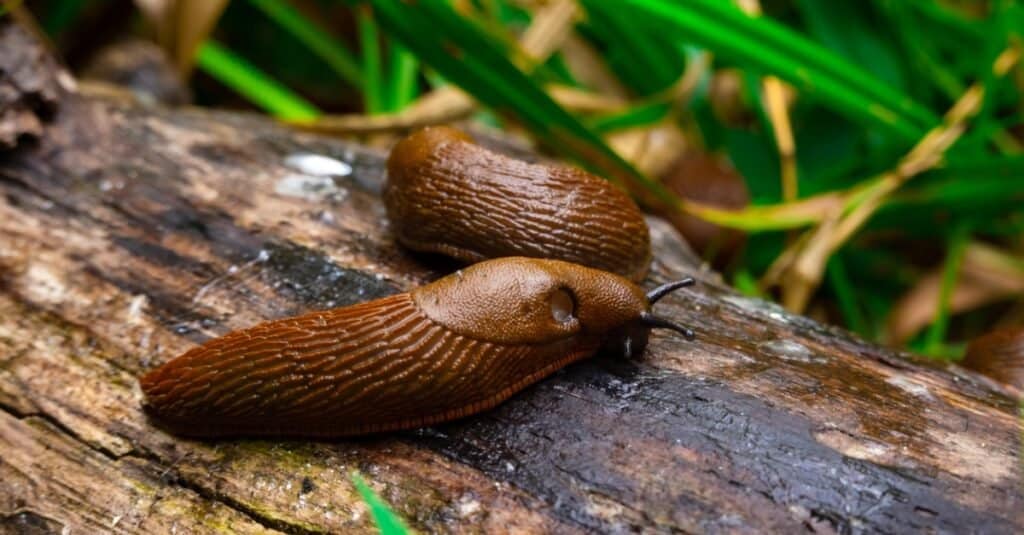
Slugs eat the dead matter of plants, moss, mushroom spores, and animal droppings.
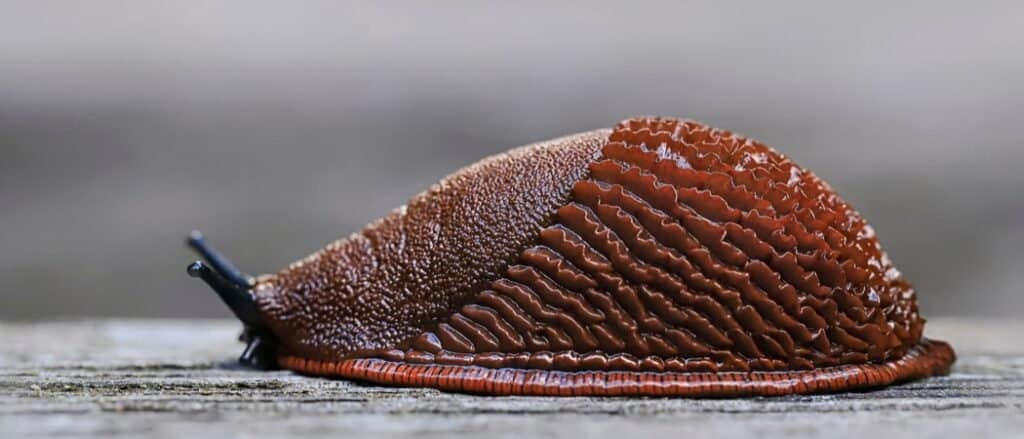
Spanish slug on wood
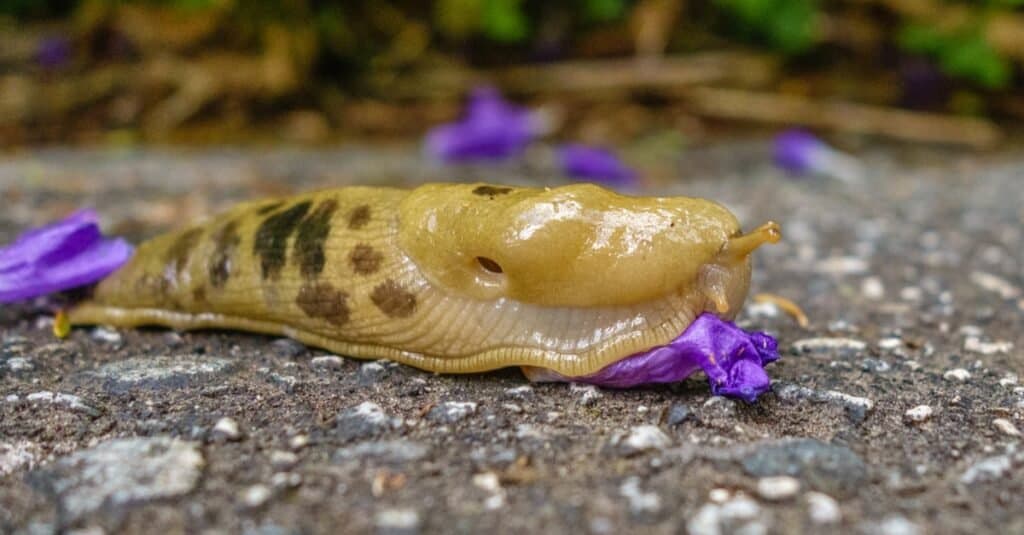
A Pacific Banana Slug eating bright purple flower petals. Slugs don't have teeth or tongues. They have a special organ called a radula that has thousands of tiny protrusions that help them grind up their food.
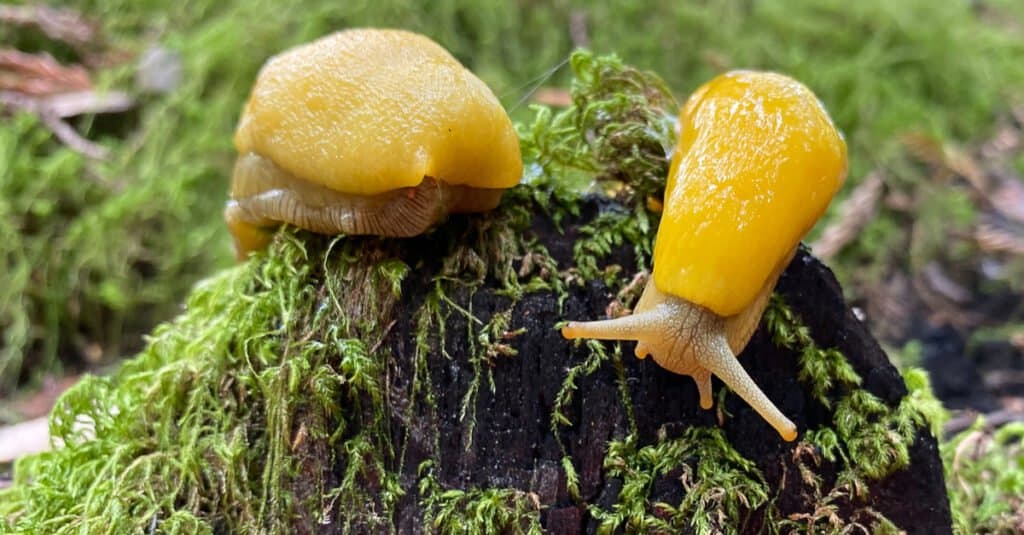
Named for their resemblance to a banana, the banana slug is found in humid areas where they aren't in danger of drying out.
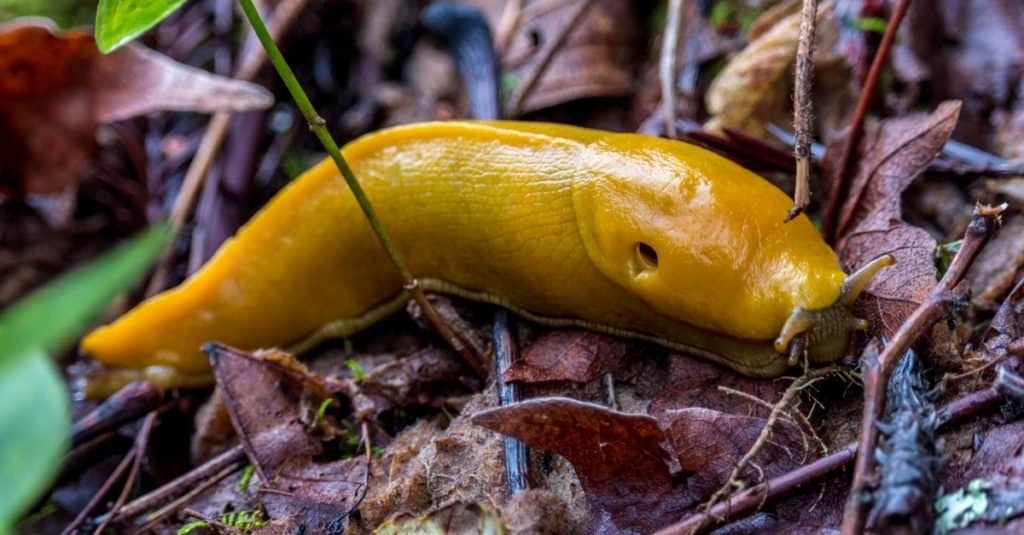
A banana slug on the floor of a redwood forest. It's one of the slowest creatures on Earth, moving at a maximum speed of six and a half inches per minute.
Thank you for reading! Have some feedback for us?
We appreciate your help in improving our content.
Our editorial team will review your suggestions and make any necessary updates.
There was an error submitting your feedback. Please try again.