
Quick Take
- One animal on this list is considered by scientists to display the purest example of altruistic behavior in the entire animal kingdom, and it is probably not the one you would expect. Chimpanzee altruism explained →
- Silverbacks are infamous for aggression, but orphaned young trigger a side of them almost no one anticipates. Silverbacks as surrogate parents →
- For one pack animal, feeding the orphan comes before feeding itself, a selfless act that reveals just how far cooperative instincts can go. Pups fed before pack members →
Because nature operates according to survival of the fittest, life in the wild is often ruthless. Predators regularly hunt prey and those that cannot find enough resources do not make it. But within this harsh environment, many animals show surprisingly compassionate behavior. And sometimes this nurturing behavior is extended to unrelated young in the form of care taking. In some cases, adults adopt orphaned babies after their parents die. In others, entire groups step in to collectively raise abandoned juveniles. Scientists still do not know exactly how much of this behavior is driven by emotion versus some sort of instinct. Regardless of the reasoning behind such acts, the results can be remarkable. These animals prove that it’s not just humans who are capable of looking after a baby in need.
1. Elephants
©iStock.com/Anolis01
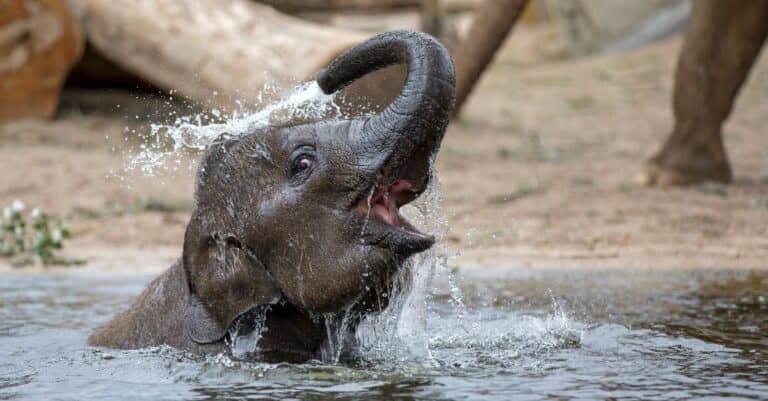
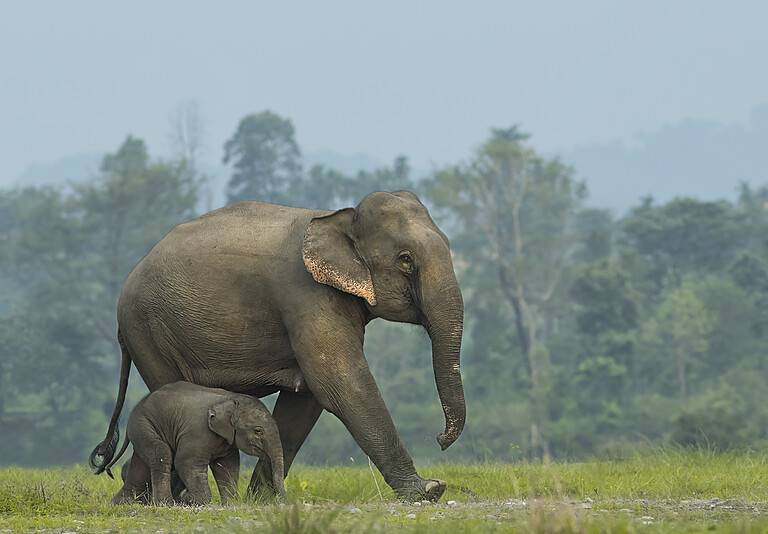
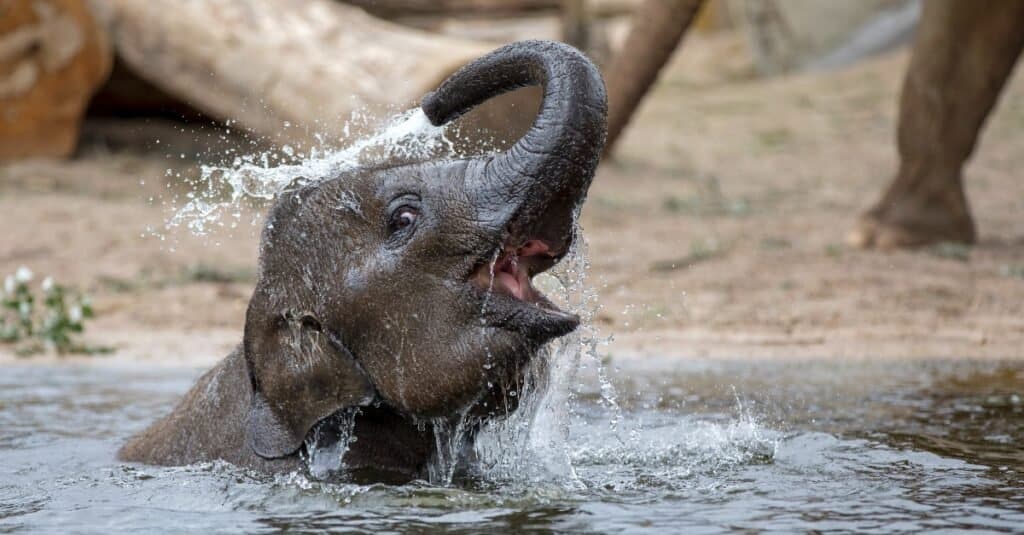
Elephants develop strong family bonds within their herds and help fellow elephants raise their youngsters. When a calf loses its mother, multiple females take up the slack, all pitching in to help rear it. These “allomothers” not only keep the baby alive by protecting it from predation, but they may also provide guidance and even comfort in times of stress. There have been documented instances in the wild where multiple females share these maternal duties. If not for these heartwarming actions, orphaned elephant calves would likely perish.
2. Gorillas
©Sergey Uryadnikov/Shutterstock.com
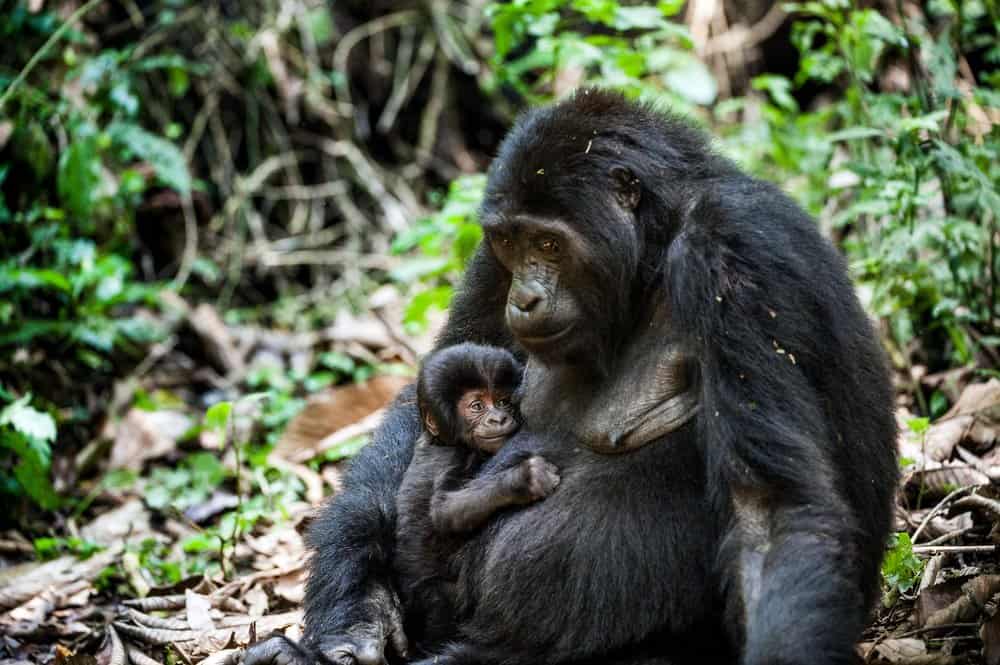
Similar to elephants, gorillas also live in close-knit family groups. Within these family units members often look out for each other, relying on one another for enhanced chances of survival. When a baby loses a parent, all is not lost for the young gorilla. Other adults take on the responsibility of rearing the orphan, offering protection and companionship. Even dominant silverbacks, notorious for their aggressive tendencies, have shown tenderness toward wayward youngsters. They might grant them special access to food or stay nearby for security. This seemingly generous behavior among gorillas greatly increases the little one’s likelihood of reaching adulthood.
3. Dolphins
©iStock.com/NaluPhoto
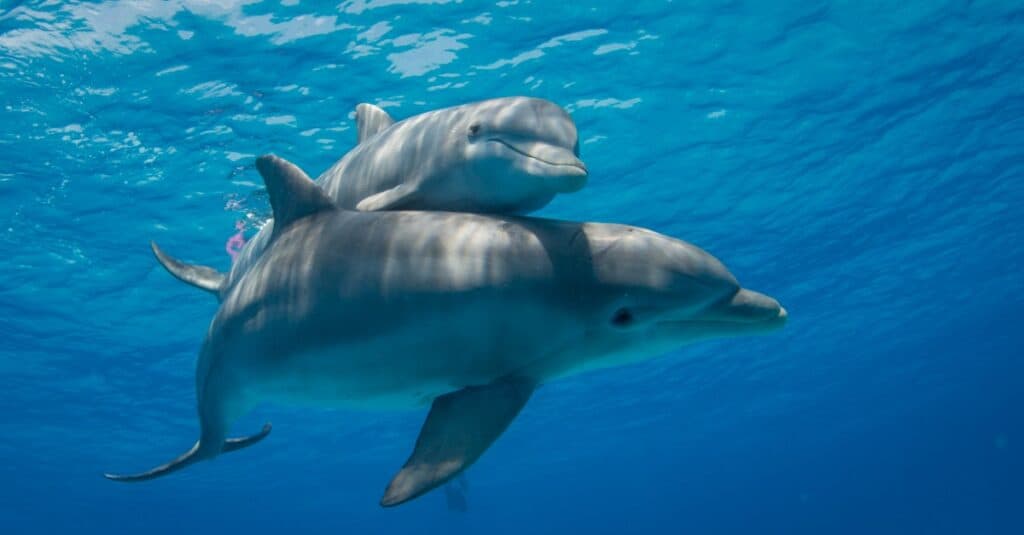
Dolphins are known for their highly social nature, often spotted traveling in pods. They are wonderful caregivers to their own young, but what about rogue babies? Researchers have observed females helping calves that are not their own biologically, especially when a mother dies unexpectedly. It is not uncommon for orphaned dolphins to naturally integrate into another female’s circle. Aside from the adoptive mama, other adults in the pod play roles in guiding and protecting these vulnerable youngsters.
4. Chimpanzees

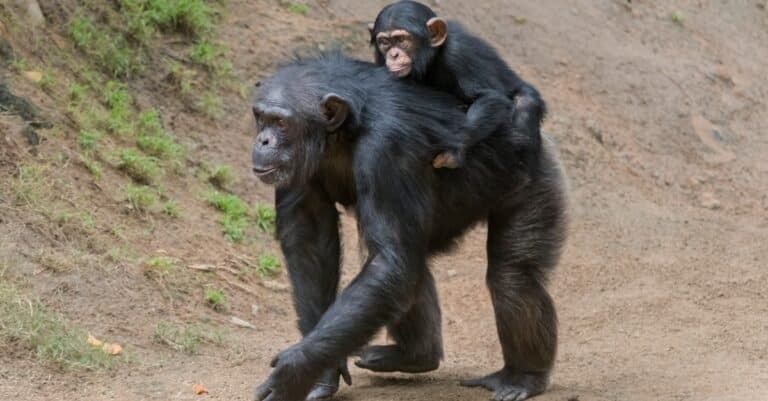
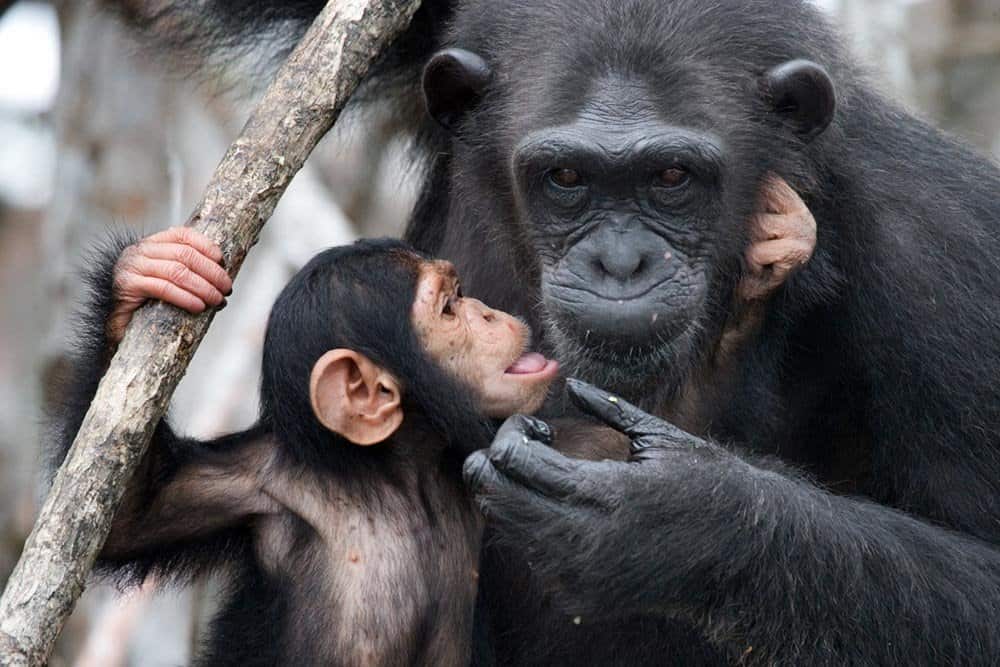
Perhaps you’re not surprised to see chimps as the second primate on our list. Chimpanzees are certainly known for their dynamic and complex relationships and have even famously bonded with humans over the decades. On more than one occasion, these well studied mammals have been documented taking in infants. Sometimes it is older siblings that take on this responsibility, but often unrelated individuals step in to fill a parental role. And when it comes to chimps, it is not just females who nurture; adult males also lend a helping hand. These generous adults carry, groom, and defend these babies that would otherwise struggle to survive. Amazingly, these adoptive parent-child relationships can last for years. Scientists believe this behavior is purely out of kindness. In fact, they consider chimpanzee adoption one of the best examples of altruistic behavior in the animal kingdom.
5. Lions
©Maggy Meyer/Shutterstock.com
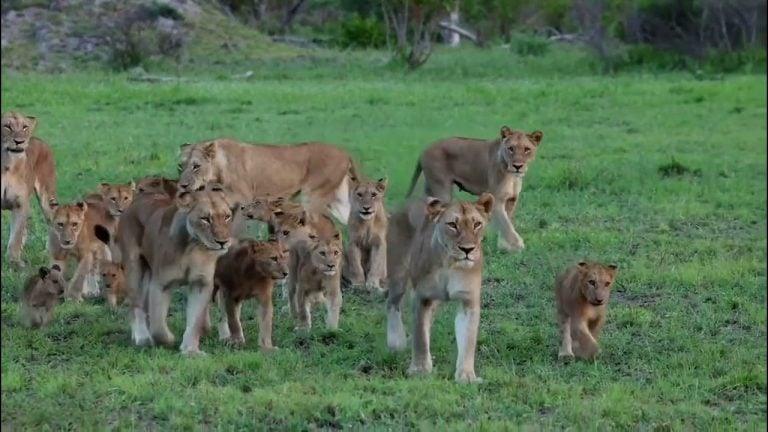
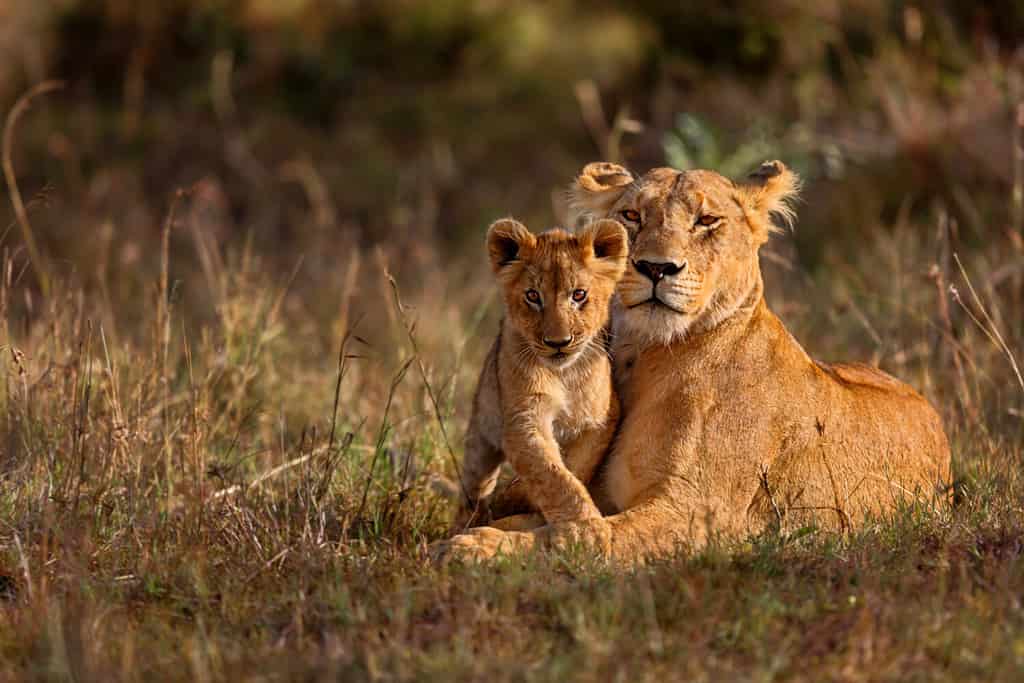
Lion prides raise cubs communally and females have also been known to nurse cubs that are not their own. This shared caregiving system provides enhanced protection and greater access to food. And it also naturally works well if a cub is left without a parent. The youngster will continue living in the pride, and the remaining lionesses will become surrogate moms to the motherless infant. Orphaned cubs still face challenges, but this communal living system improves their odds.
6. Meerkats
©iStock.com/Lubos Kovalik
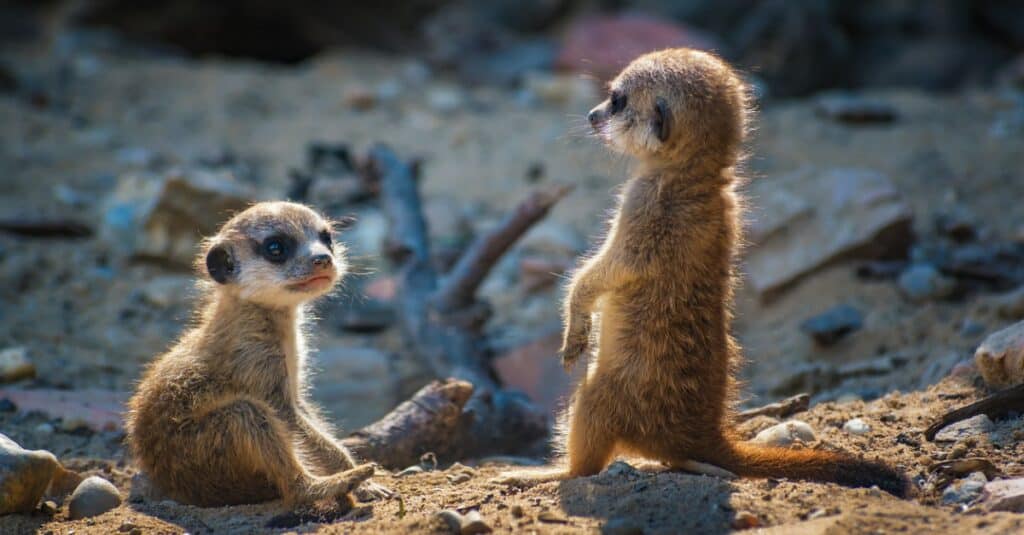
Meerkats are highly cooperative little mammals, relying heavily on teamwork. In fact, their society is built around collective survival. Adults consistently help feed, protect, and teach young pups in the group, whether it’s their own offspring or someone else’s. Due to this setup, it’s not a big transition if a mother dies; other members of the clan continue taking care of her baby. Meerkats are especially kind to these babies, at times even sacrificing their own potential meals to support vulnerable pups.
7. Wolves
©COULANGES/Shutterstock.com
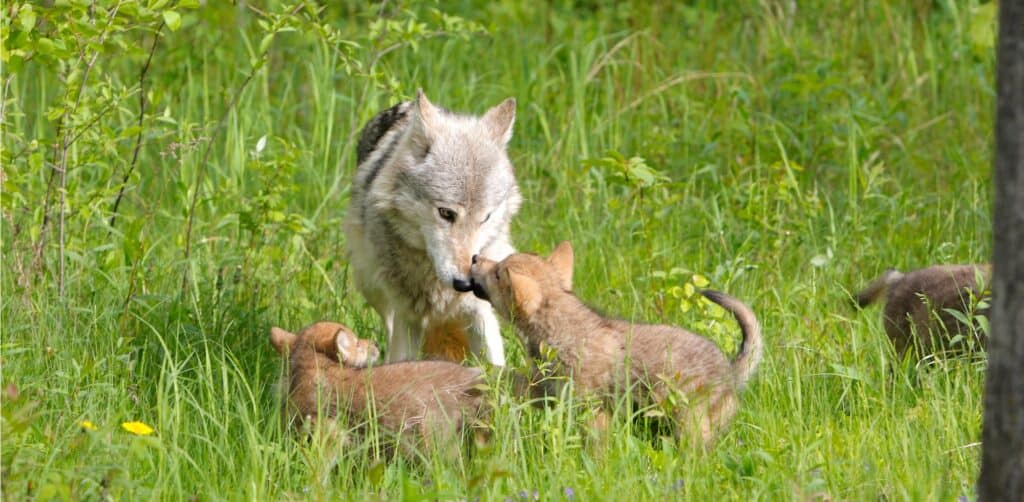
Similar to other animals on this list, wolves live in groups, interacting with each other to a great degree. Packs function as extended families where members all pitch in to raise the young wolves. Life is tough for wolves, and it is not unusual for pups to become orphaned. When this occurs, the others in the pack hunt on behalf of the vulnerable baby and protect it as if it were their own. Wolves are known for older siblings becoming especially involved in safeguarding the pups. Thanks to their cooperative nature, wolves are uniquely designed to assist any orphan that needs parental guidance.
8. African Wild Dogs
©sasha_gerasimov/Shutterstock.com
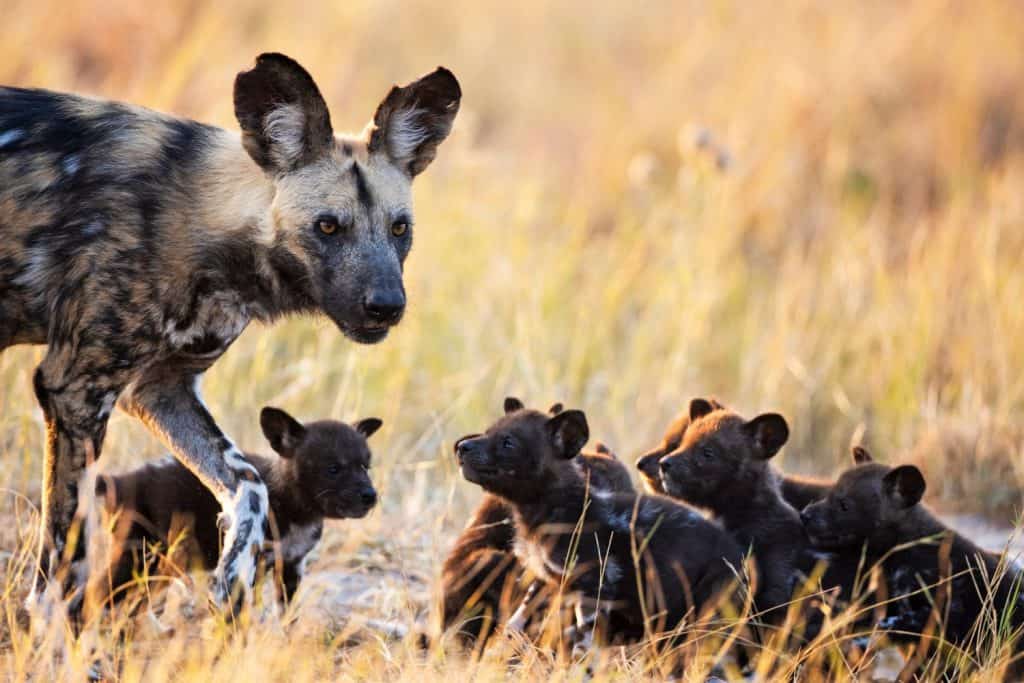
This article is full of animals that work alongside each other, and African wild dogs are no different. They are among the most cooperative carnivores on the planet. As with wolves, pack members team up to feed pups and keep them safe from harm. If a parent dies, the pack keeps right on functioning as usual, with surviving members nurturing the left-behind young. African wild dogs are truly dedicated parents, prioritizing feeding puppies before feeding themselves.
9. Ravens
©J.Copenheaver Photography/Shutterstock.com
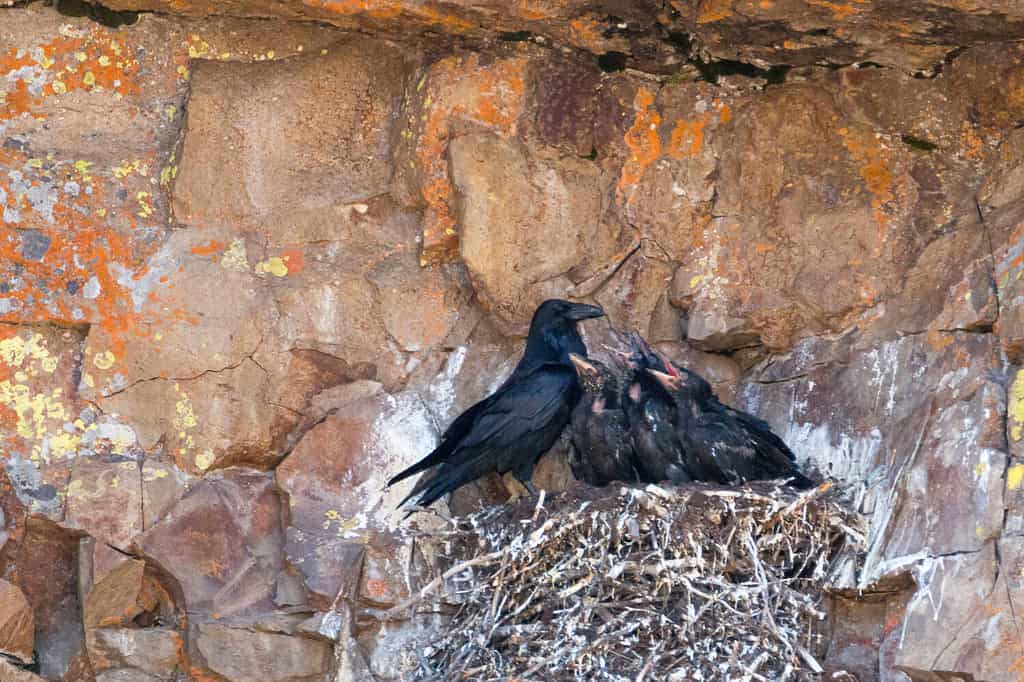
Ravens are our first non-mammal on the list. In the animal kingdom, it is simply more common for mammals to care for orphaned young. But these highly intelligent birds have surprisingly complex social lives. There have been cases where unrelated adults were observed helping to feed abandoned chicks. Because young often remain around family groups even after fledging, ravens maintain a widespread network. These social circles offer support to each other during difficult periods, and this behavior certainly extends to babies in need. Their intelligence may play a big part in these unusual bird behaviors.
10. Penguins
©Arne Beruldsen/Shutterstock.com
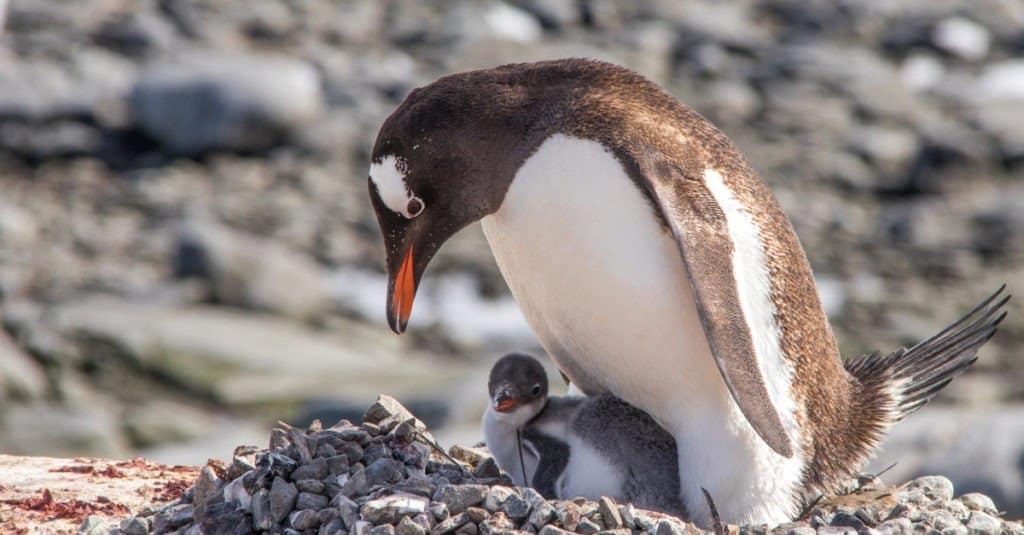
Several penguin species display cooperative parenting. In crowded colonies, hatchlings can easily become separated from parents and other adults will care for these lost chicks. While true adoption is not common, it does happen under specific circumstances. Researchers have seen adult penguins attempting to raise unrelated chicks. These birds definitely have powerful parental instincts.