
Quick Take
- Ethiopian cities, such as Mekelle, are producing more meat waste than ever before.
- Such waste is expensive to dispose of and produces carbon as it decomposes
- Scavenging animals such as hyenas act as waste disposal teams when they eat waste meat, recycling the nutrients and preventing disease.
- This recent study calculated that scavengers in the area processed approximately 5,026 metric tons of organic waste annually.
- The scavengers saved the authorities around $100,510 per year and prevented approximately 1063.34 metric tons of CO2 emissions.
Meet the latest African garbage collection team: a clan of hyenas! New research has shown that scavengers, such as the spotted hyena, could be part of the solution for the growing urban waste problem in Ethiopia. The hyenas, along with stray dogs and wolves, not only reduce carbon emissions but also save the authorities money. Let’s find out more about this essential urban ecosystem service.
The Vital Role Played by Scavengers
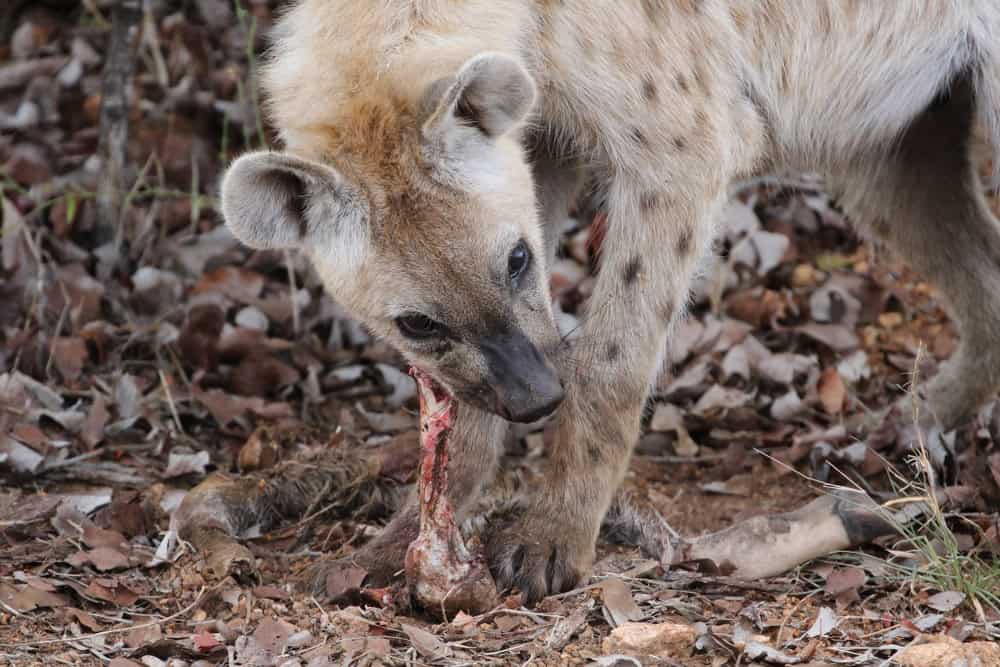
Scavengers are animals that feed on dead and decaying organic material. They are traditionally stigmatized as unpleasant creatures, picking over the bones of a rotting carcass. Admittedly, that’s not as glamorous as a speedy predator chasing its prey across an open field! Yet, many scavengers are also predators when they choose to be. These ‘facultative scavengers’ only scavenge when necessary. More importantly, scavengers play a vital role in ecosystems all over the world.
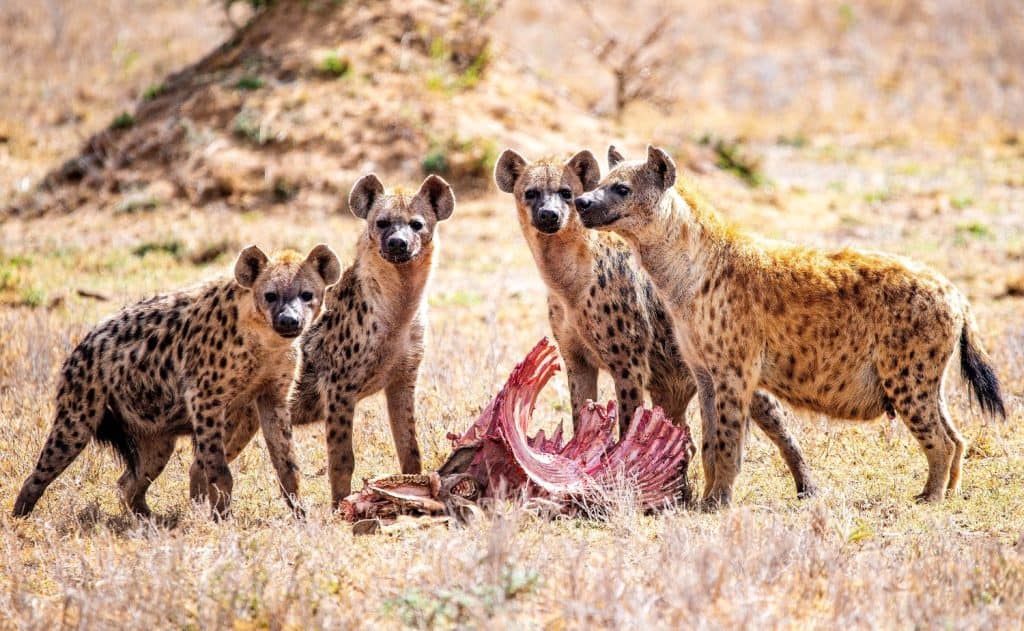
Spotted hyenas rarely enjoy a positive public perception.
©Sean Clee/Shutterstock.com
Scavengers are nature’s clean-up crew. They eat what other animals have left behind. In doing so, they break down and recycle organic matter, release nutrients back into the ecosystem, and prevent the spread of disease. They feed on what’s left after a predator, such as a lion, has had their fill. This study has examined the role of scavengers in disposing of food left over by humans.
The Growing Problem of Ethiopia’s Waste
Ethiopia is the second most populous country in Africa and home to 135 million people. It also has 65 million cattle, 40 million sheep, 51 million goats, 8 million camels, and 49 million chickens as of 2020. At the same time, civic waste collection only removes around 40 percent of the estimated 12,200 tons created each day. Only 5 percent of this is recycled.
This study took place in Mekelle, the capital city of the Tigray region in northern Ethiopia. Here, two-thirds of solid waste is disposed of in open areas and along roadsides. At the same time, the increasing demand for meat is resulting in more animals being slaughtered and more meat waste being produced. This is a perfect opportunity for scavengers!
Scavengers Assist Waste Disposal in Ethiopia
The main scavengers found around the Mekelle region are spotted hyenas (Crocuta crocuta), African wolves (Canis lupaster), hooded vultures (Necrosyrtes monachus), and stray dogs (Canis lupus familiaris). In a groundbreaking study, the researchers quantified the amount of waste processed by these animals, its financial value, and its carbon emissions reduction benefits.
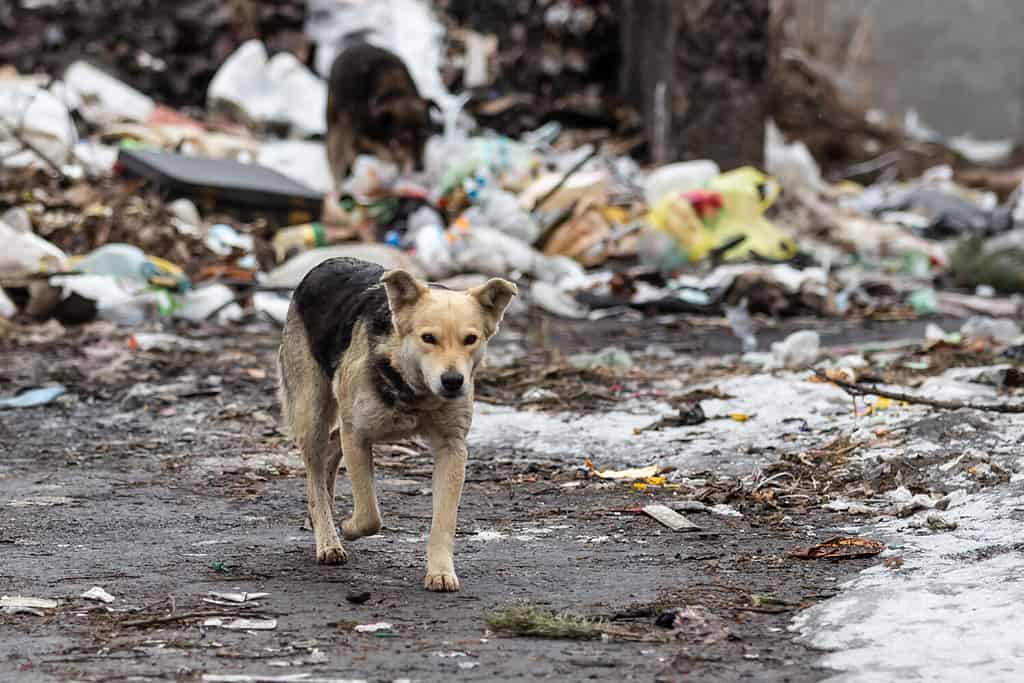
Stray dogs are also scavengers.
©ANDRII KHRIAKOV/Shutterstock.com
The study found that scavengers in the area processed approximately 5026 metric tons of organic waste annually. If this waste had been removed commercially, it would have cost around $100,510 per year.
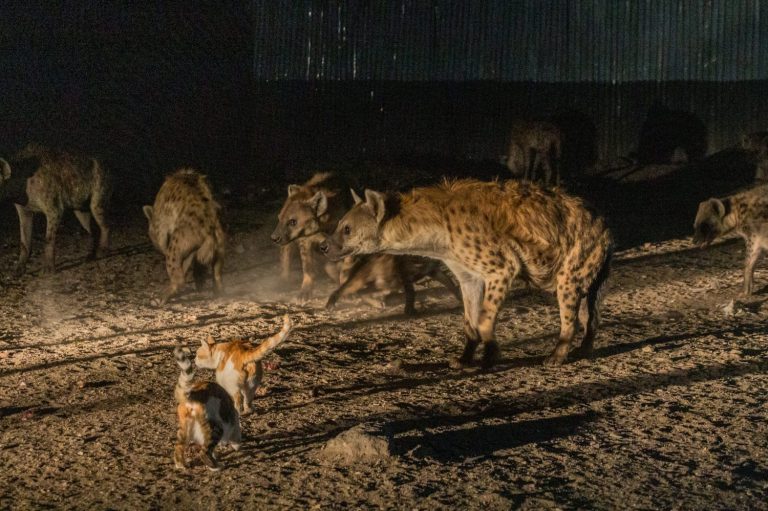
At the top of the waste disposal league were spotted hyenas who removed 4455 metric tons of human-generated organic waste, which translates to a value of approximately $89,100 annually. There are also an estimated 2,368 stray dogs in the city. They processed 519 metric tons, valued at $10,380 per year, while African wolves processed 51.5 metric tons, contributing a value of $1030 annually.
Preventing Carbon Emissions
The researchers calculated that meat waste generated an average of 0.85 tons of carbon emissions annually. When organic waste decomposes, it releases carbon dioxide (CO2) and methane (CH4) into the atmosphere. Both are greenhouse gases and contribute to climate change.
Scavengers helped to reduce carbon emissions by consuming carcasses and organic waste. The researchers calculated that the scavengers potentially prevent approximately 1063.34 metric tons of CO2 emissions annually.
How Do People Feel About Scavengers?
It is projected that many scavenger species will experience dramatic population declines over the next 25 years. Some may be able to survive if they can adapt to coexist with burgeoning human populations. But this is only going to work if scavengers and humans can learn to get along.
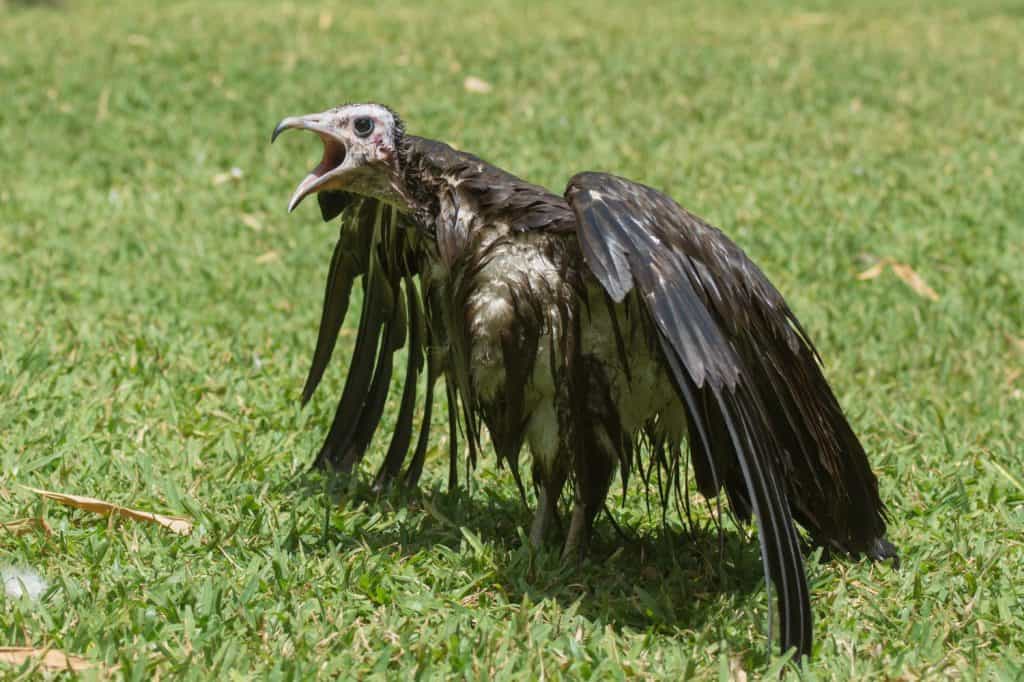
Hooded vultures are more appreciated as waste consumers because they scavenge during the day.
©Dave Montreuil/Shutterstock.com
Unfortunately, scavengers often have a negative public reputation, often because people think that they are a threat. In this area, however, the residents recognized the benefits they provide in waste removal. Nevertheless, a survey carried out in this study revealed that people often get the wrong impression about which animals are most useful when it comes to disposing of waste. Despite the greater effectiveness of stray dogs and hyenas in removing carcasses, residents of the study area still consider hooded vultures to be the most important scavengers. This is probably because vultures are active during the day, and people see them at work. Hyenas, who operate mostly at night, don’t get the credit they deserve!
Lessons for Other Urban Areas?
The scavengers in and around the Ethiopian city of Mekelle play a crucial role in the ecology of the area. Millions of years of evolution have made them highly specialized in the consumption of organic waste. What’s more, the people who live here recognize how important they are when it comes to waste disposal.
This instance serves as a useful case study on how wildlife and humans can live side-by-side for the benefit of both. If further studies can explore the role of religious practices, cultural differences, and urbanization in terms of wildlife-human interactions, similar relationships may be fostered in other locations.