
Quick Take
- On February 20, 2026, 158 juvenile giant tortoises, each with DNA from the long-extinct Floreana giant tortoise species, were released on Floreana in the Galápagos archipelago.
- Researchers accidentally discovered tortoises with the Floreana species DNA when observing tortoises on neighboring Isabela island.
- Once the discovery was made, a years-long selective breeding program was started.
- NASA data helped researchers identify two ideal locations for the release.
The island of Floreana, part of the Galápagos archipelago, is steeped in mystery and lore. From its history as a prison in the 1830s to eccentric human inhabitants one hundred years later to the world’s most unusual post office still functioning today, Floreana has long captured the world’s attention.
Now, Floreana is having a new moment in the spotlight thanks to an accidental scientific discovery on nearby Isabela Island.
How Giant Tortoises Returned to Floreana
For the first time in more than 180 years, giant tortoises are once again roaming Floreana. On February 20, 2026, 158 juvenile giant tortoises were released onto the island. Previously determined to be extinct, the return of the giant tortoise to its home island is hailed by conservationists as a huge milestone. The most challenging part of reintroducing the species was the actual release of the tortoises onto the island.
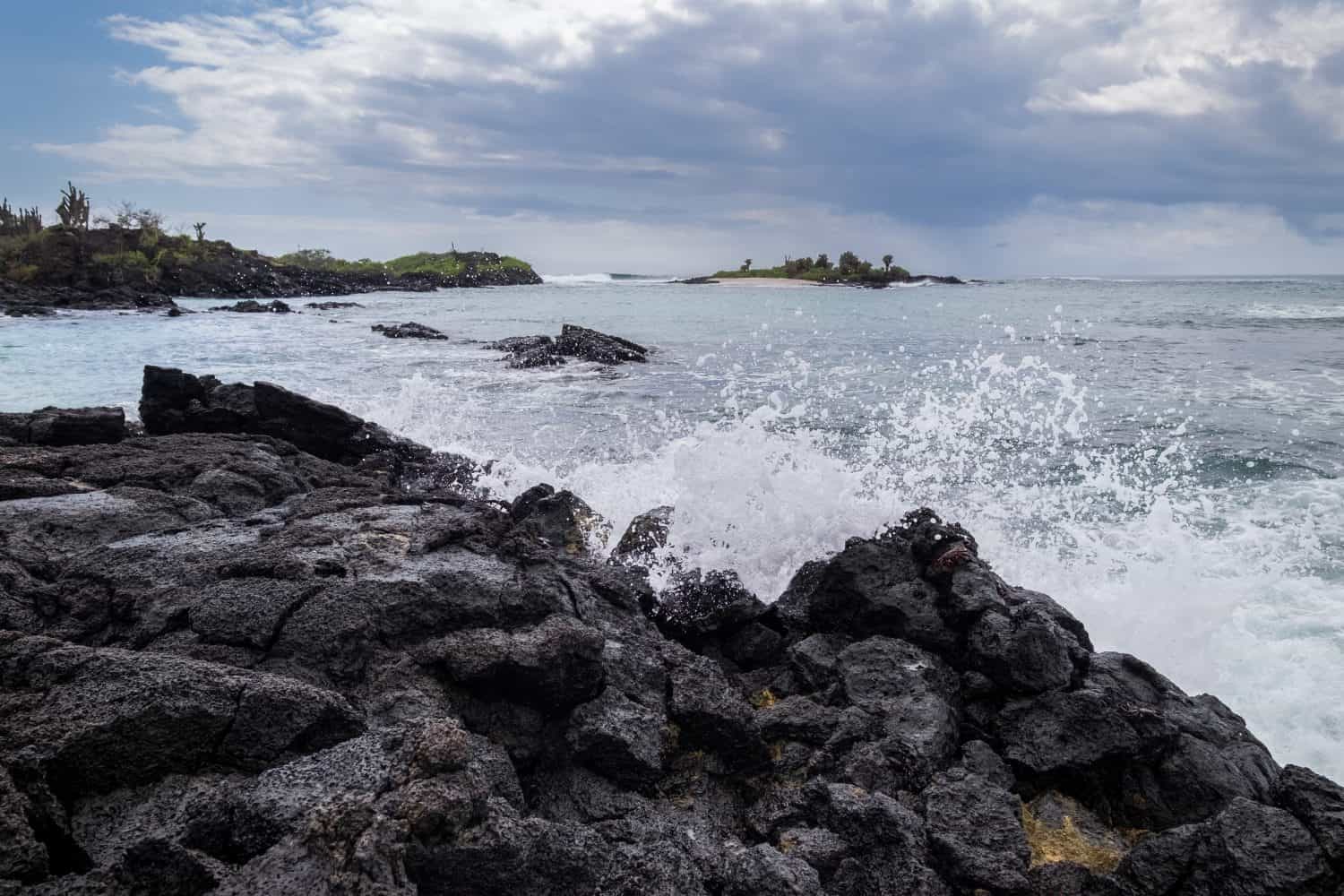
Floreana’s rugged terrain meant an arduous foot journey to release the juvenile giant tortoises.
©Marquicio Pagola/Shutterstock.com
The release team and their tortoises arrived by boat, then embarked on an arduous foot journey to the two release sites. Galápagos National Park rangers and volunteers carried each tortoise, which weighed on average between 30 and 50 pounds, in a crate strapped to their backs.
Then, with the tortoises strapped to their backs, the rangers and volunteers hiked from the beach, through thick brush, and up jagged volcanic slopes to reach the designated release areas.
The Accidental Discovery That Led To Species Recovery
This repopulation effort began with a chance observation. In 2020, scientists surveying tortoise populations on nearby Isabela Island’s Wolf volcano noticed tortoises with unusually-shaped shells. The shells were “saddleback” in shape, and markedly different than the shells of the native Wolf Volcano giant tortoises they expected to see.
Genetic samples of the saddleback tortoises were taken. Testing confirmed that the tortoises were descendants of the original Floreana giant tortoises. Scientists compared DNA from the living tortoises to DNA extracted from the bones of the long-extinct original species. Although the living tortoises were hybrids, there was enough genetic material to consider selective breeding to recover the Floreana genes in future generations.
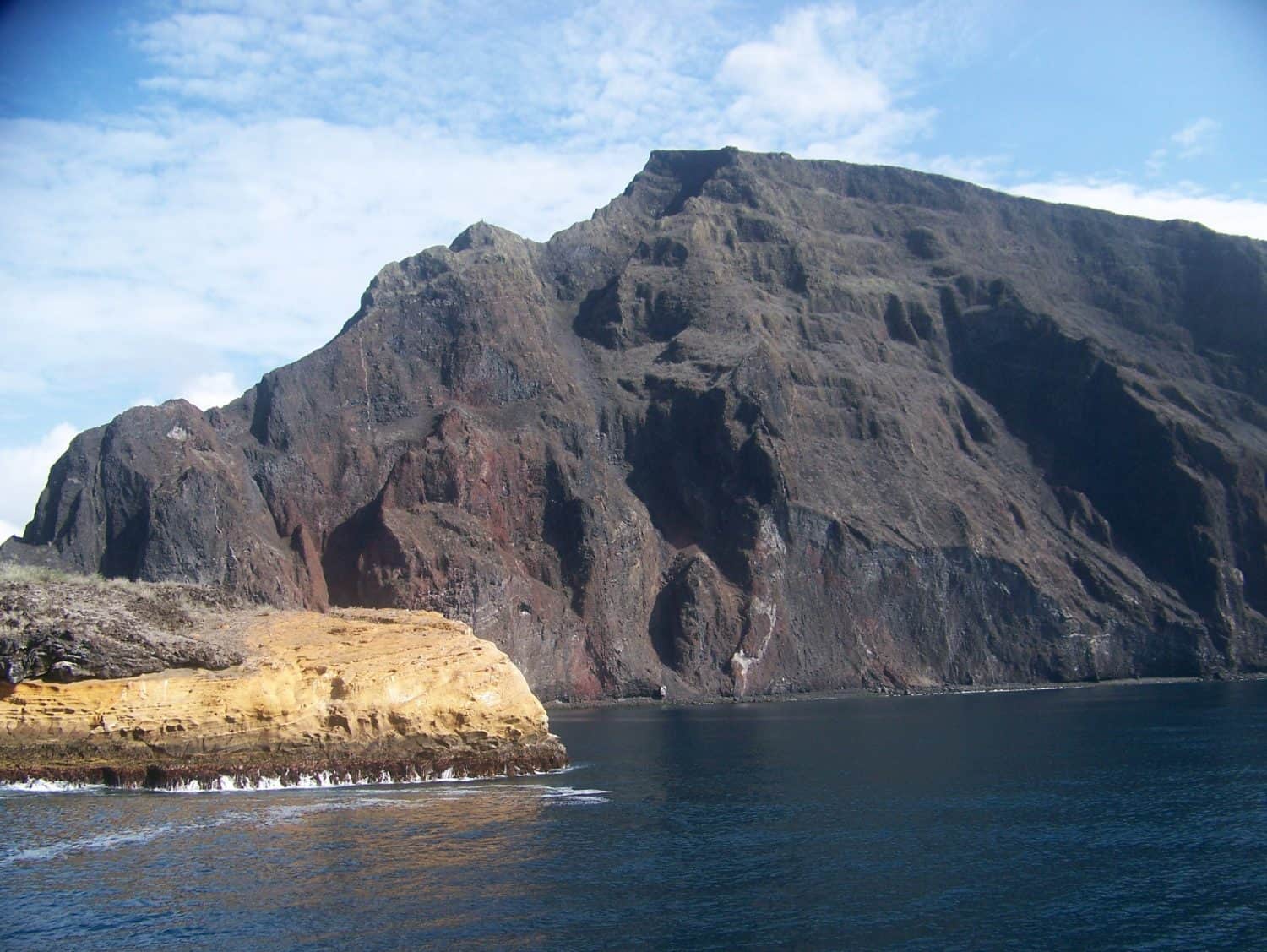
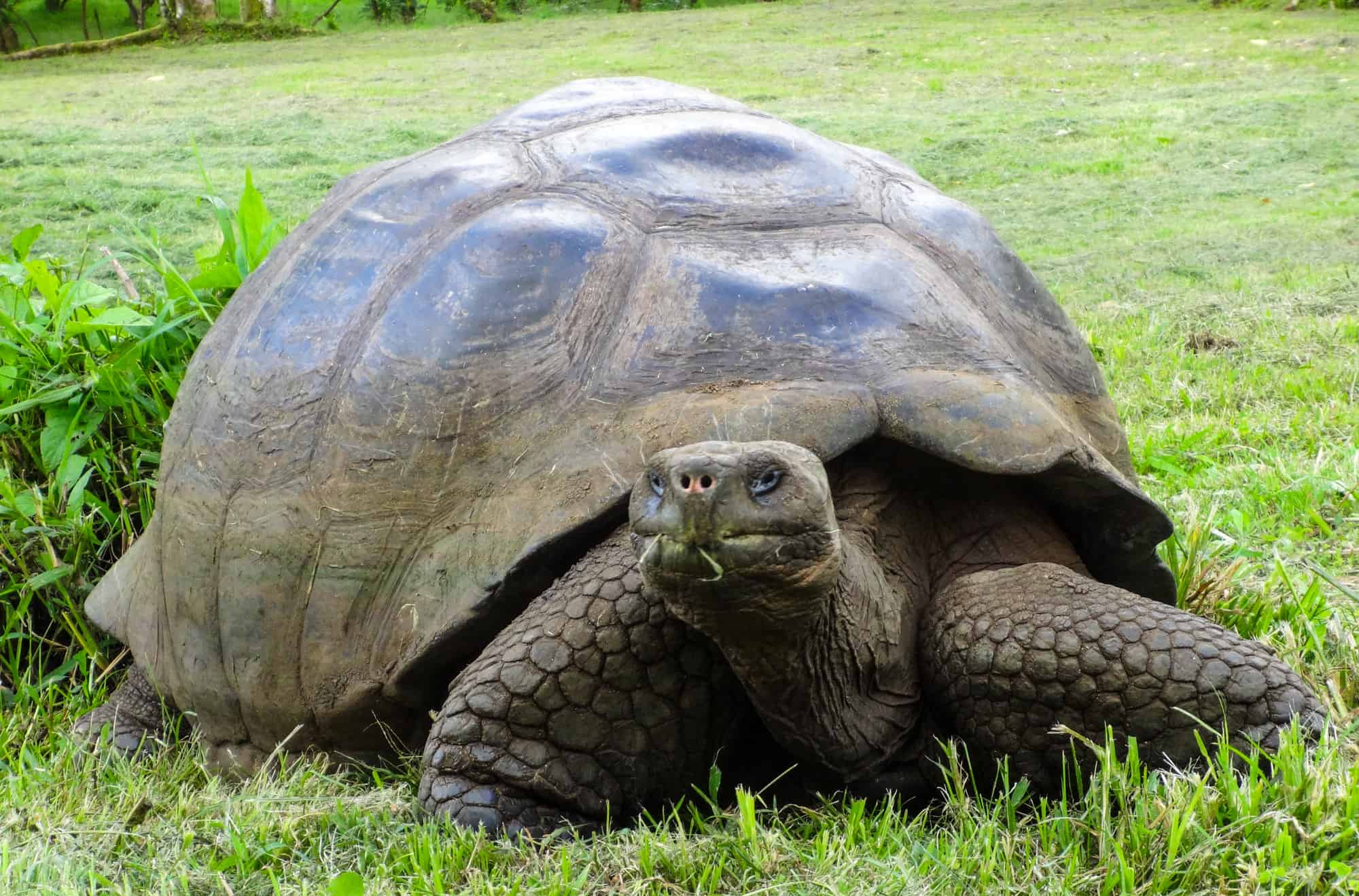
Descendants of the original Floreana giant tortoises were discovered on nearby Isabela Island.
©mikluha_maklai/Shutterstock.com
A long-term selective breeding effort was undertaken by the Galápagos Conservancy and the Galápagos National Park Directorate. The program officially began in 2017, after approximately 23 hybrid Floreana-Isabela tortoises were collected from Wolf Volcano in 2015. The hybrid tortoises were taken to the Fausto Llerena Breeding Center on Santa Cruz Island, where they were introduced to captive giant tortoise populations.
Then, researchers designed a targeted breeding program to maximize Floreana genes in the future offspring. More than 600 hatchlings were born between 2017 and 2025. The first group of 158 juvenile giant tortoises was ready for release in 2026.
How Were the Tortoises Prepared For Release?
Researchers raised the baby tortoises under controlled conditions and waited until they reached an age and size that optimized their chances of survival in the wild. Tortoises usually must be at least five to seven years old to survive on their own.
To help as many of the 158 juveniles succeed in nature, researchers waited until each was between 12 and 14 years old before releasing them. They also timed the release to coincide with Floreana’s rainy season to ensure ample vegetation and fresh water were available to the new arrivals. Being able to forage for themselves is critical for the giant tortoises to successfully survive and thrive in their new island environment.
How Did Floreana Giant Tortoises Get to Isabela Island In the First Place?
They didn’t swim there. Unlike their sea-going relatives, giant tortoises are built to live on land. Yes, they can float if they end up in the ocean, but they can’t do much swimming since they have legs and feet rather than flippers. It’s possible, but very unlikely, they could float the entire 41-mile journey between islands, given ocean currents.
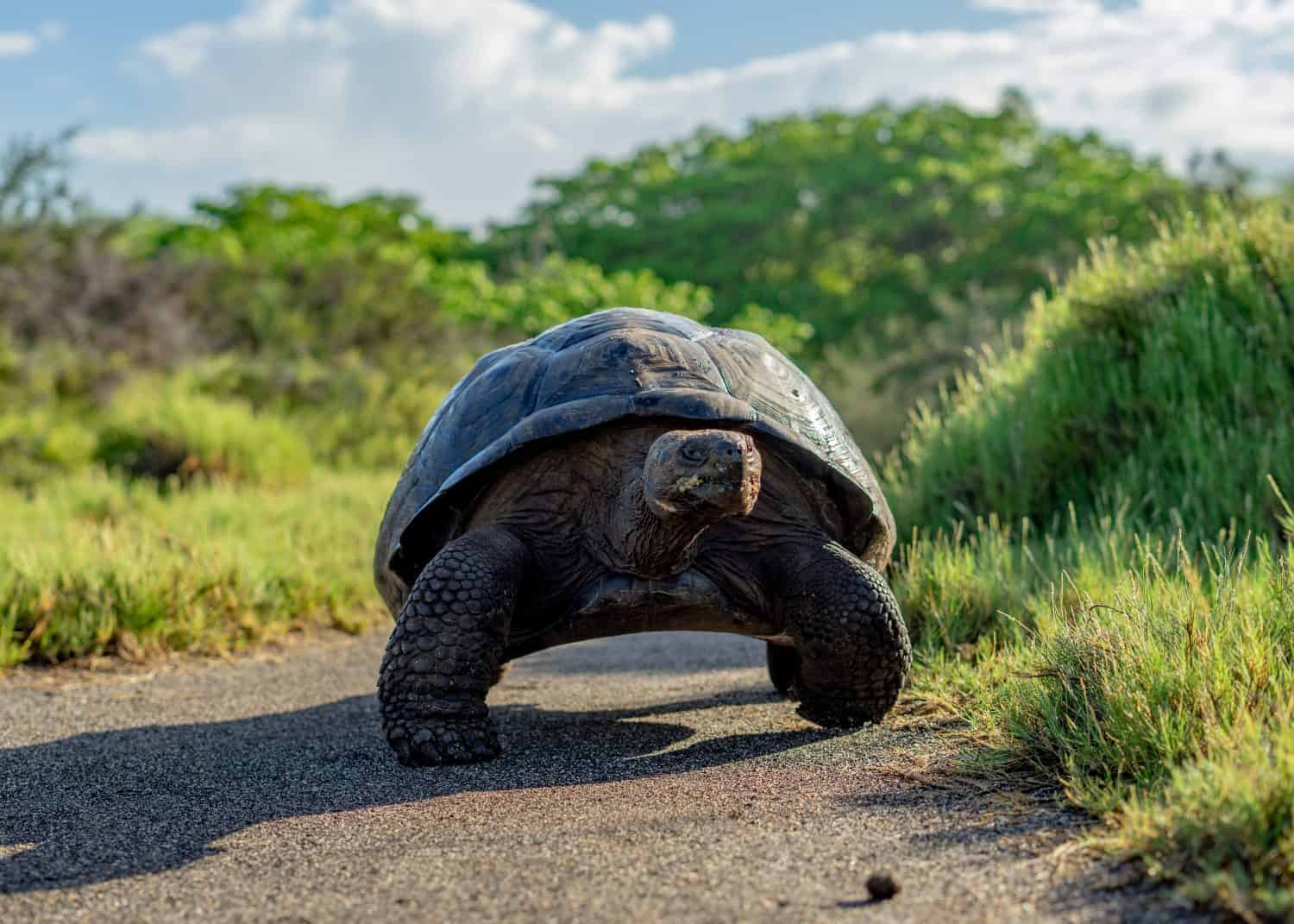
Sailors in the 1800s likely transported Floreana giant tortoises to Isabela Island.
©Ste Everington/Shutterstock.com
Historical records indicate that whalers were the most likely reason Floreana’s giant tortoises ended up on Isabela Island. Whalers regularly moved live tortoises among the islands to maintain food supplies. Sometimes, they also tossed live tortoises overboard to lighten their load. In either case, live tortoises made it to Wolf volcano and eventually bred with the native Isabela Island tortoise population.
Why Did Floreana Giant Tortoises Go Extinct?
Floreana giant tortoises were driven to extinction on the island by the mid 1800s. The species was the first Galápagos tortoise species to go extinct in the archipelago.
The extinction had several causes. The biggest threat was the intensive hunting of the species by whalers, pirates, and other seafarers. Given its isolated location, Floreana was a popular hub and was the first Galápagos island to be settled. It was a natural stop for sailors in search of food, and giant tortoises were an easy target to replenish their ship supplies for the next leg of their journeys.
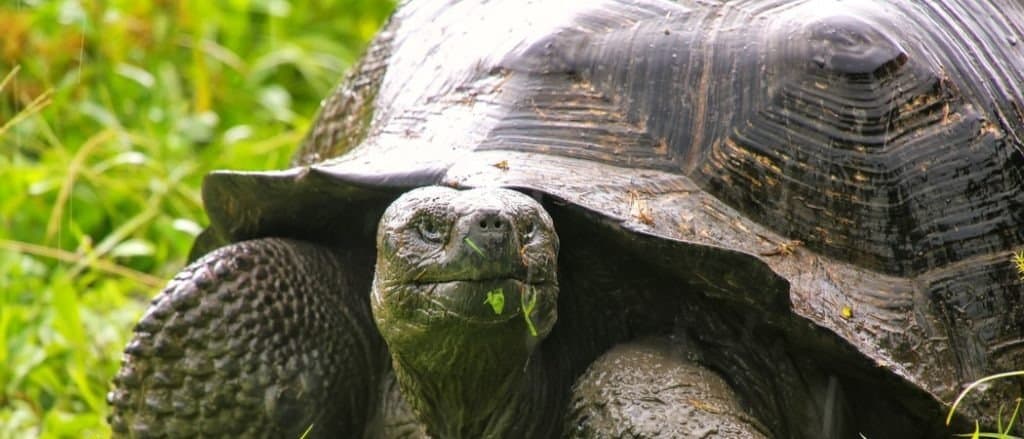
The Floreana giant tortoise was the first of the Galápagos giant tortoise species to go extinct.
©Don Mammoser/Shutterstock.com
A secondary cause of the depletion of Floreana’s giant tortoise population was the invasion of non-native species, like cats, dogs, pigs, donkeys, horses, and goats. These introduced animals outcompeted the tortoises for food supplies and, in some instances, killed them outright.
Thousands were already killed by the time Charles Darwin first arrived on the island in 1835, and only a few remained. By the 1850s, Floreana’s giant tortoise population was hunted to extinction.
How Did NASA Help With the Repopulation?
In an unusual twist, NASA helped guide the release of giant tortoises on Floreana. NASA’s satellite data identified the prime locations where nesting habitats, food, and water were all present. The data came from NASA Earth satellites.
This massive and coordinated system of satellites orbits Earth to measure the planet’s physical and chemical state. The satellites collect data on everything from sea surface temperatures and soil moisture levels to aerosol concentrations and volcanic ash in the atmosphere.
According to Keith Gaddis, manager for NASA Earth Action’s Biological Diversity and Ecological Forecasting program, this is the perfect project for NASA Earth’s observations. As he noted in a recent interview, “We’re helping partners answer a practical question: Where will these animals have the best chance to survive–not just today, but decades from now?”
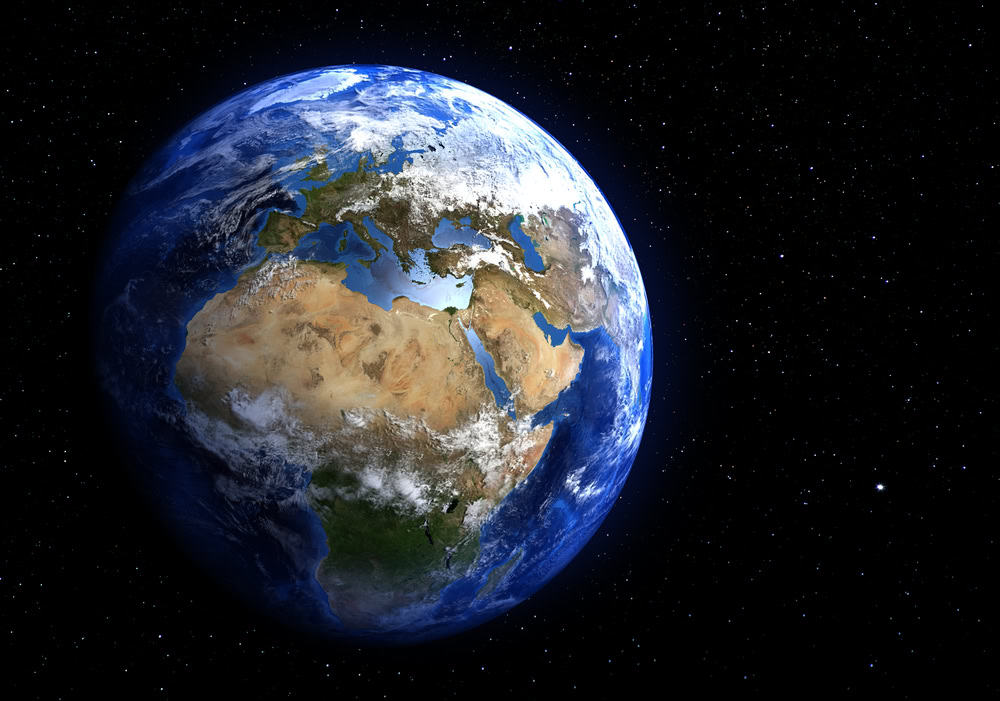
NASA Earth leverages a massive series of satellites to gather physical and chemical data around the world.
©MarcelClemens/Shutterstock.com
The Galápagos research team used the NASA data to pinpoint two optimal sites on Floreana for the release of the first 158 juvenile giant tortoises.
The largest group of 108 juveniles was released in the interior highlands, a moist environment where lush foliage and reliable water sources are found. The second group of 50 juveniles was released in a lowland area with drier conditions. The goal with the second release was to mimic the natural distribution of original tortoise populations that seasonally moved across Floreana’s different elevations.
How Are Scientists Tracking the Released Tortoises?
Given Floreana’s rugged, mountainous terrain, scientists are taking a hands-off approach to monitoring the tortoises’ movements and behavior. Prior to release, each tortoise was fitted with a GPS transmitter mounted on the back of its shell with weather-resistant and animal-safe epoxy. The battery life of each transmitter is expected to last up to ten years.
The GPS transmitter provides real-time data that reports the tortoise’s location once per hour. It beams the data up to satellites, and the data is then immediately sent to researchers.
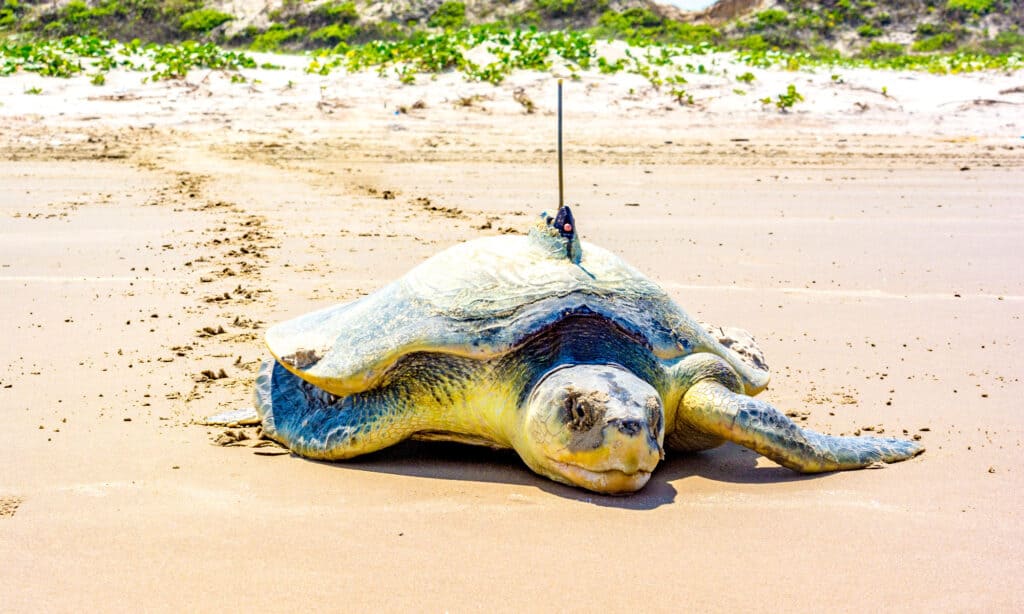
A GPS transmitter, similar to this one seen on a Kemp’s Ridley sea turtle, is mounted on the back of each juvenile giant tortoise released.
©JB Manning/Shutterstock.com
Each transmitter also has a mortality sensor that delivers a specific notification to the Galápagos National Park rangers if the tortoise hasn’t moved for a specified amount of time. This notification allows the rangers to quickly investigate and intervene if the tortoise is ill or stuck somewhere.
In addition to the GPS transmitter, each tortoise also received a microchip, similar to what a pet dog or cat would receive, that provides lifetime identification for the animal. Even if the GPS tracker falls off, scientists and park rangers can quickly scan the tortoise to identify it.