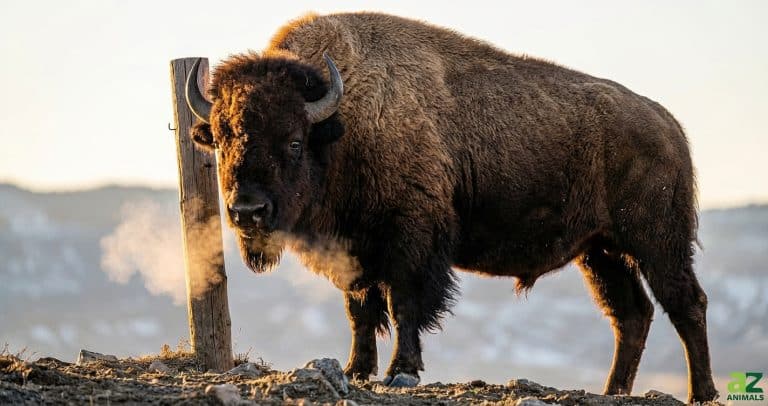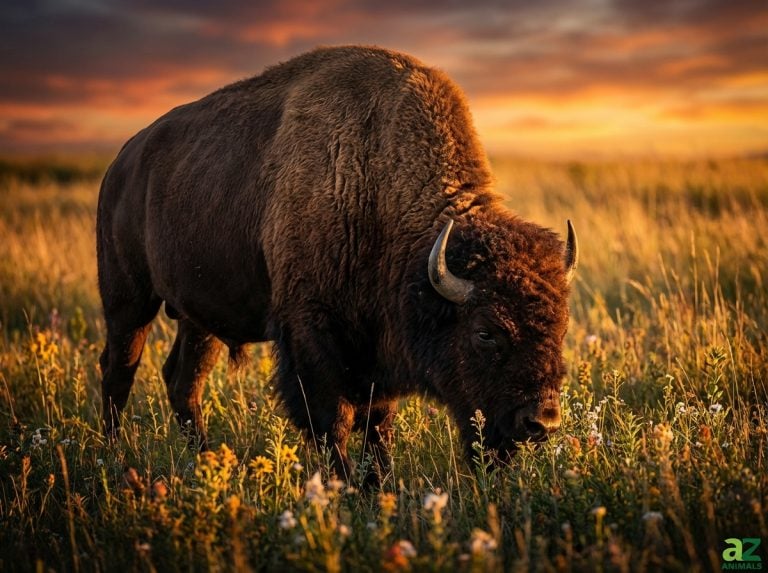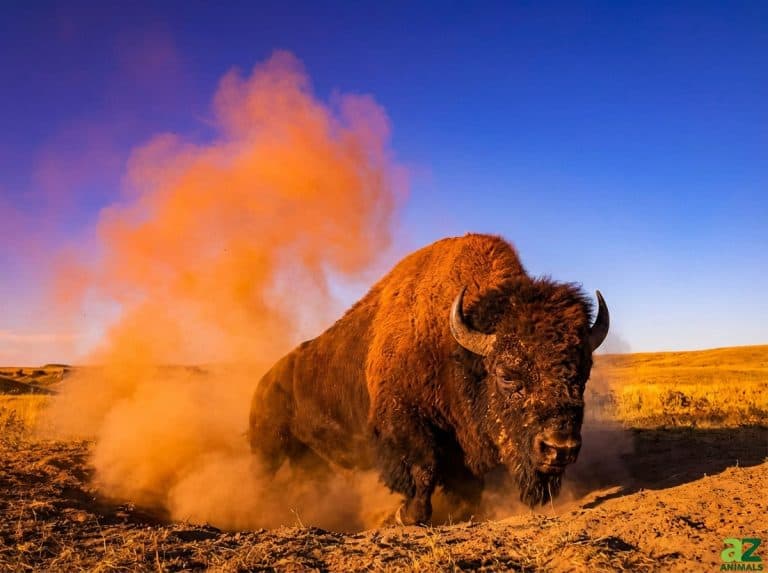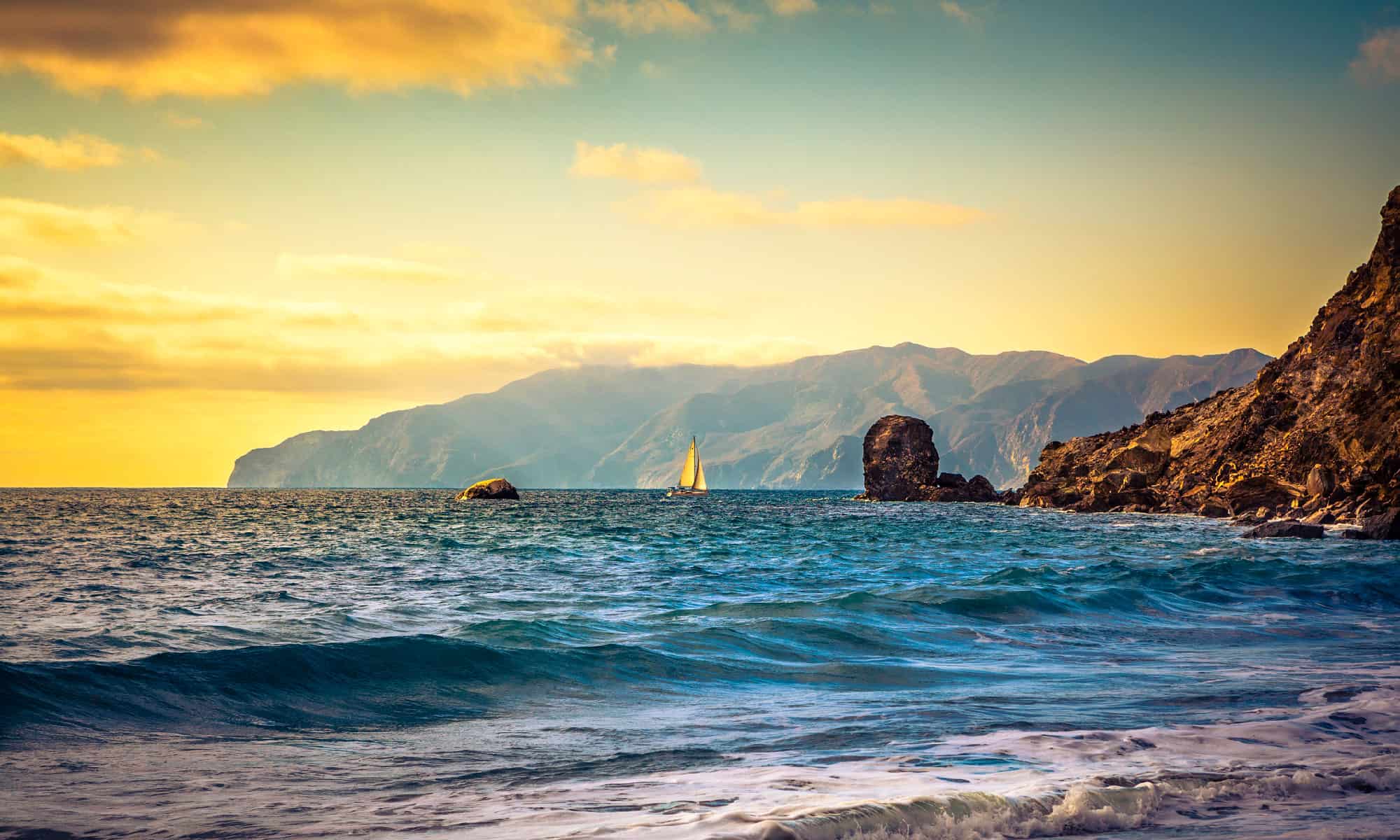

Catalina Island, just an hour by ferry from Los Angeles, has long been known for its rugged hills, rare wildlife, and small-town atmosphere. With only about 4,200 year-round residents, the island nevertheless hosts over a million visitors a year. Tourists come for beaches, adventure sports, hiking, historic landmarks, and a glimpse of animals like the Catalina Island fox or the free-roaming bison.
Catalina has always been a place where nature and human life exist in uneasy balance. In 2025, that balance faced a new test. The Catalina Island Conservancy, which manages 90% of the island, has proposed removing all nonnative mule deer from the island. They argue that the herd poses a serious threat to the environment. The plan has sparked division among residents, scientists, hunters, and visitors. It’s a problem that blends conservation science, local tradition, and ethical questions into one volatile debate.
The Arrival and Expansion of Mule Deer
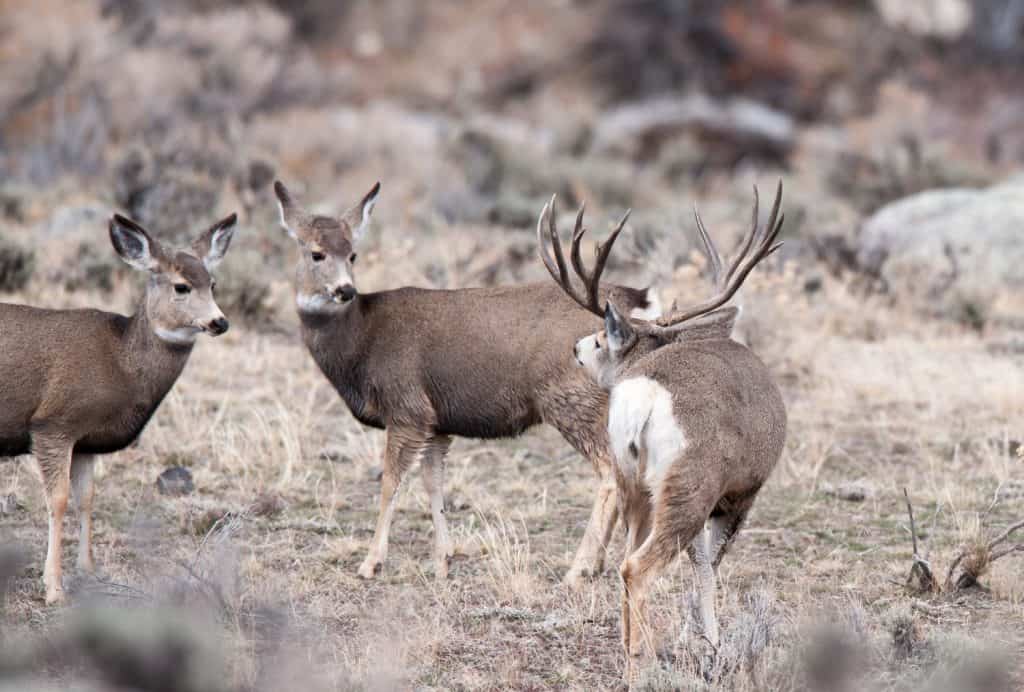
Mule deer are not indigenous to Catalina Island.
©Lorraine Logan/Shutterstock.com
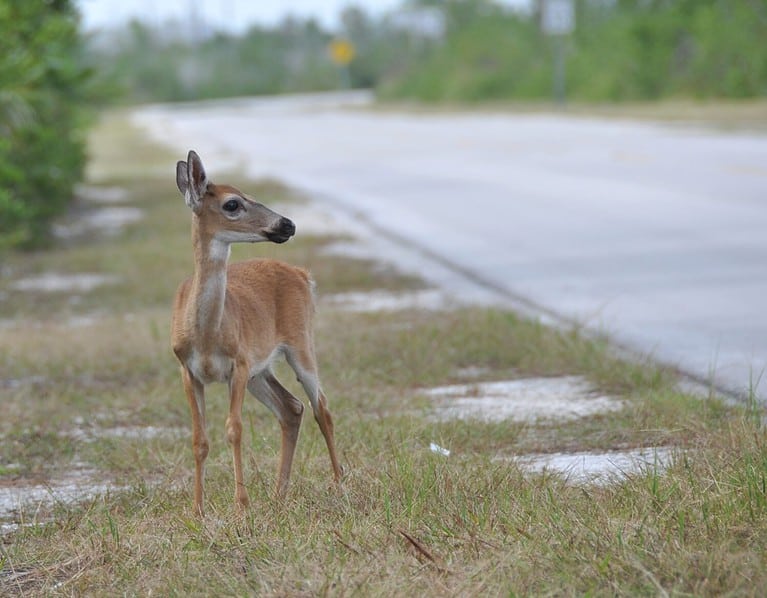
Mule deer were first brought to Catalina in 1928 as game animals for sport hunting. With no natural predators and only sporadic control efforts, their numbers grew steadily, reaching more than 2,000 today. For decades, the deer have grazed hillsides, wandered through campgrounds, or stood docilely to the side of trails. But ecologists warn that the deer have taken a heavy toll on Catalina’s fragile environment. Because there are no natural predators such as mountain lions or coyotes to control their numbers, Catalina’s deer over-browse, which damages the island’s fragile ecological balance.
Ecological Impacts
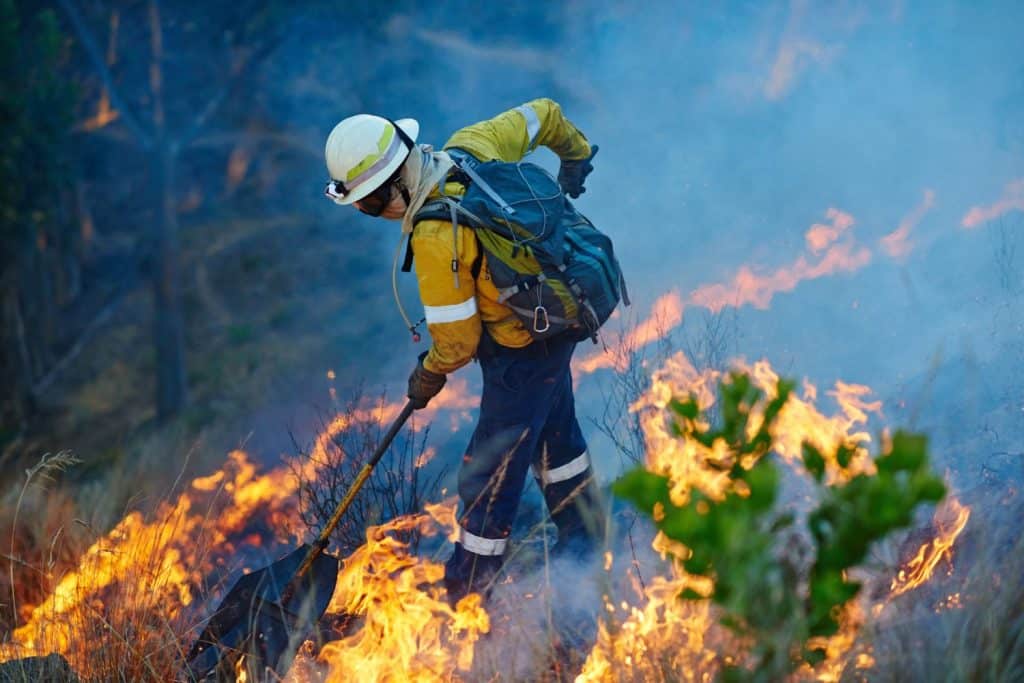
Overgrazing by deer increases wildfire risk on the island.
©PeopleImages/Shutterstock.com
Public debate has centered on wildfire prevention, especially after the destructive January 2025 blazes. The Conservancy points out that native plants eaten by deer are often replaced by fast-growing invasive grasses. These tend to dry out quickly and spread fire easily. The deer also trample and consume rare native plants such as Catalina ironwood and rush-rose. Overgrazing reduces plant diversity and increases soil erosion on steep slopes. Runoff from damaged soil harms coastal habitats and the wildlife that depends on them. In some areas, restoration teams have had to fence off sections of land to protect native seedlings from being eaten.
The Eradication Plan

Deer have become so numerous on the island, officials believe complete eradication is the best response.
©Danita Delimont/Shutterstock.com
Efforts to control the herd through recreational hunting have not succeeded. In 2024, hunters harvested only 379 deer despite 754 permits being issued. Without intensive action, population surveys show that deer quickly rebound, erasing any short-term gains. The Conservancy considered alternatives like fencing, relocation, contraception, or introducing predators, but those were all dismissed as ineffective or prohibitively expensive. An aerial hunting proposal was considered but shelved because of public opposition. Therefore, the current plan is to hire professional ground-based contractors to remove all deer from the island within five years. Annual evaluations will measure progress and environmental recovery.
Scientific Rationale

Experience on other islands supports the planned approach to Catalina’s invasive deer.
©earthphotostock/Shutterstock.com
Scientists supporting the plan point to decades of data from similar island restoration efforts:
- Santa Cruz Island, California – After the removal of feral pigs and sheep in the early 2000s, native plants like the island oak and endemic fox populations rebounded fast. The island fox, once near extinction, recovered enough to be delisted from the endangered species list by 2016.
- Anacapa Island, California – The removal of invasive black rats in 2001–02 allowed seabird species like the Scripps’s murrelet and Cassin’s auklet to return and nest successfully again.
- Isabela Island, Galápagos – Goats were eradicated in the mid-2000s after they had devastated vegetation. Once gone, native flora and giant tortoises began reclaiming their habitat.
- South Georgia Island (South Atlantic) – After a massive multi-year rat eradication project completed in 2018, ground-nesting seabirds such as the South Georgia pipit and pintail began to flourish again.
- Macquarie Island (Australia) – The removal of rabbits, rats, and cats by 2014 allowed the island’s fragile vegetation and seabird colonies to recover dramatically.
On Catalina, ecologists believe that eliminating deer could stabilize soils, allow native plants to return, and restore a more natural cycle of plant growth and wildfire. The hope is that other threatened species, including rare plants and reptiles, would regain a foothold once the browsing pressure is gone.
Community Concerns
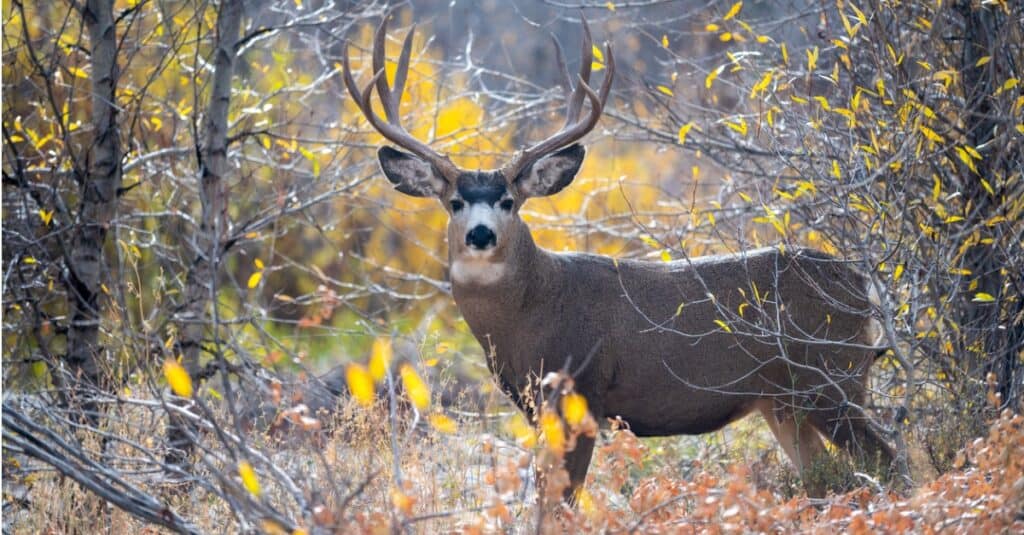
For decades, deer sightings have been part of local lore and tourism promotion.
©iStock.com/EEI_Tony
The deer eradication plan has drawn strong reactions from locals, animal advocates, and long-time visitors who see the animals as part of Catalina’s identity. Many view helicopter sharpshooting as cruel and risky, fearing wounded deer and orphaned fawns. Others are angry over what they see as a rushed, opaque decision that ignored community input and nonlethal alternatives like sterilization or relocation. Critics also question whether the ecological evidence truly justifies such a sweeping move.
For decades, deer have shaped Catalina’s culture, photography, and tourism appeal. To some, removing them erases a living symbol of the island. Opponents suggest options such as relocation, contraception, or regulated hunting to balance the population without resorting to full eradication. Local fire officials are also divided. Some believe deer help reduce brush, while others agree with the removal. Many call for a broader approach focused on habitat restoration and managing invasive grasses rather than eliminating a single species.
Why Not Fence An Area for Deer?
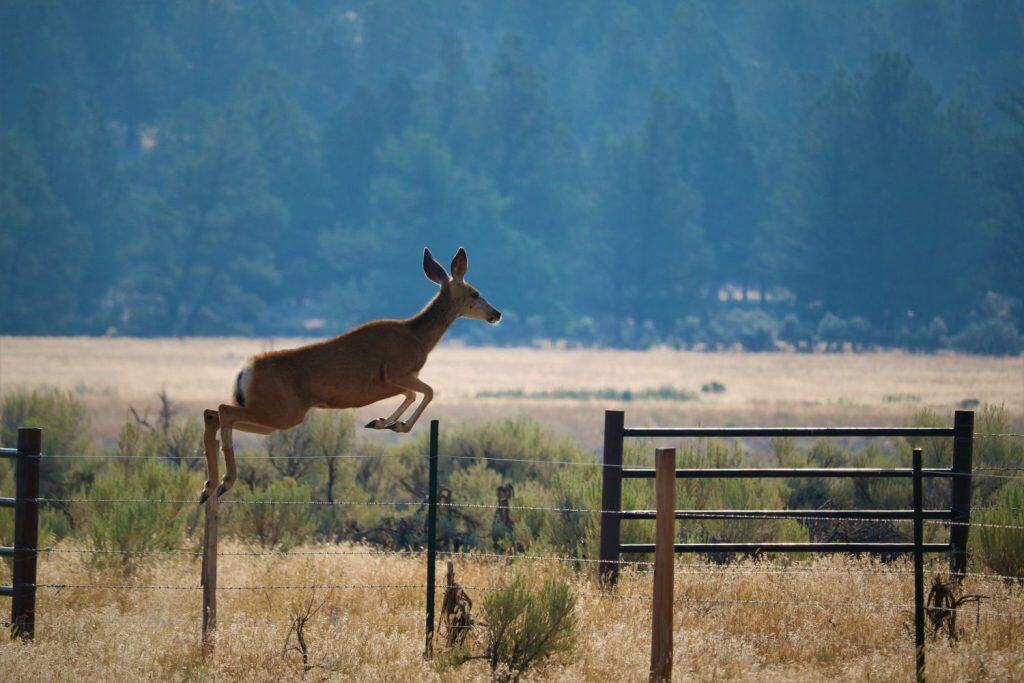
Mule deer, like this doe in Oregon, can jump fences with ease.
©Cobey Pentecost/Shutterstock.com
Fencing off part of Catalina for the deer may sound like a compassionate middle ground, but it is not a workable idea. Mule deer can jump up to 8 feet high over a fence when motivated. They weigh up to 300 pounds and can lean against fences to loosen them or crawl under gaps. The island’s terrain is steep, rocky, and fractured by deep canyons—conditions that would require miles of tall, reinforced fencing to keep deer contained. Building and maintaining that kind of barrier would be costly, difficult to access, and vulnerable to damage from storms or landslides.
Even if the fence held, it would create new problems. The enclosed area wouldn’t have enough vegetation or water to sustain a herd year-round, forcing caretakers to truck in feed and supplies, effectively turning the deer into livestock. Ecologists also warn that fencing would cut off native animals such as foxes and quail from their natural routes, fragmenting the very habitat the restoration effort is meant to heal. In the end, the fix would likely do more harm than good—both to the ecosystem and to the island’s balance between wildness and management.
The Impact on Tourism
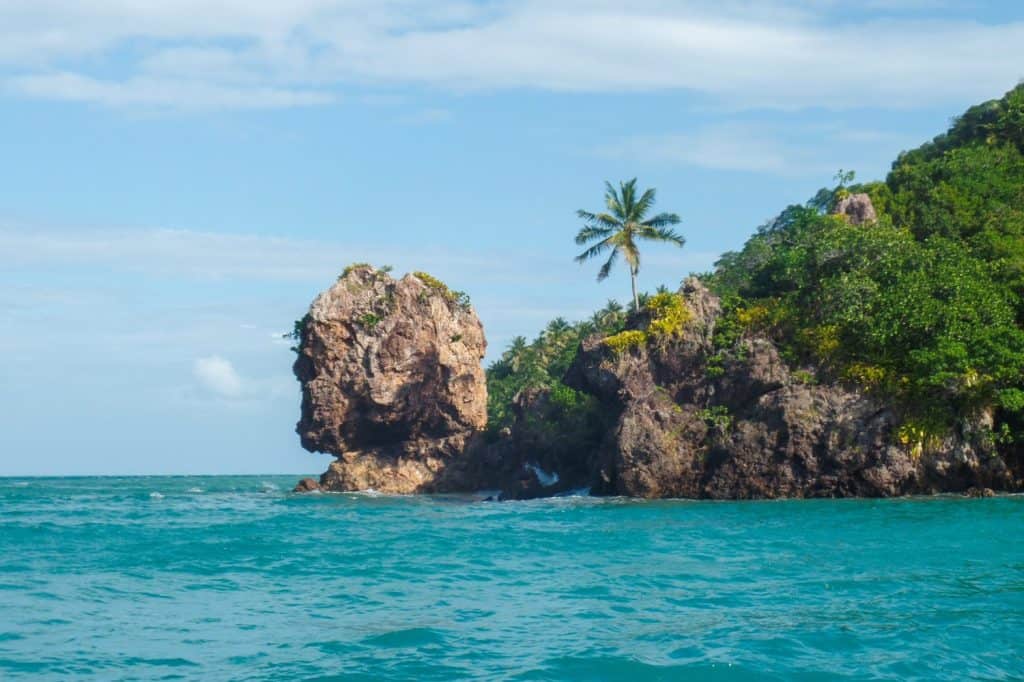
Catalina’s natural environment is its biggest draw.
©Kimb0o/Shutterstock.com
Tourism is Catalina’s lifeblood, and any plan to remove the island’s deer would ripple through that economy. In the short term, there could be backlash. Many visitors see the deer as part of Catalina’s charm, a living symbol of its wilderness. If removal efforts are highly visible and not well explained, they could spark public outrage, lead to trail closures, and generate negative social media attention that might temporarily reduce visitation.
But over time, the story could shift. Healthier vegetation, fuller wildflower blooms, and a resurgence of native wildlife—like the island fox and quail—would make hiking and photography even more rewarding. The island’s brand could evolve from a rustic retreat dotted with deer to a model of ecological recovery, appealing to the growing market of ecotourists who value restoration and authenticity.
A Test of Balance
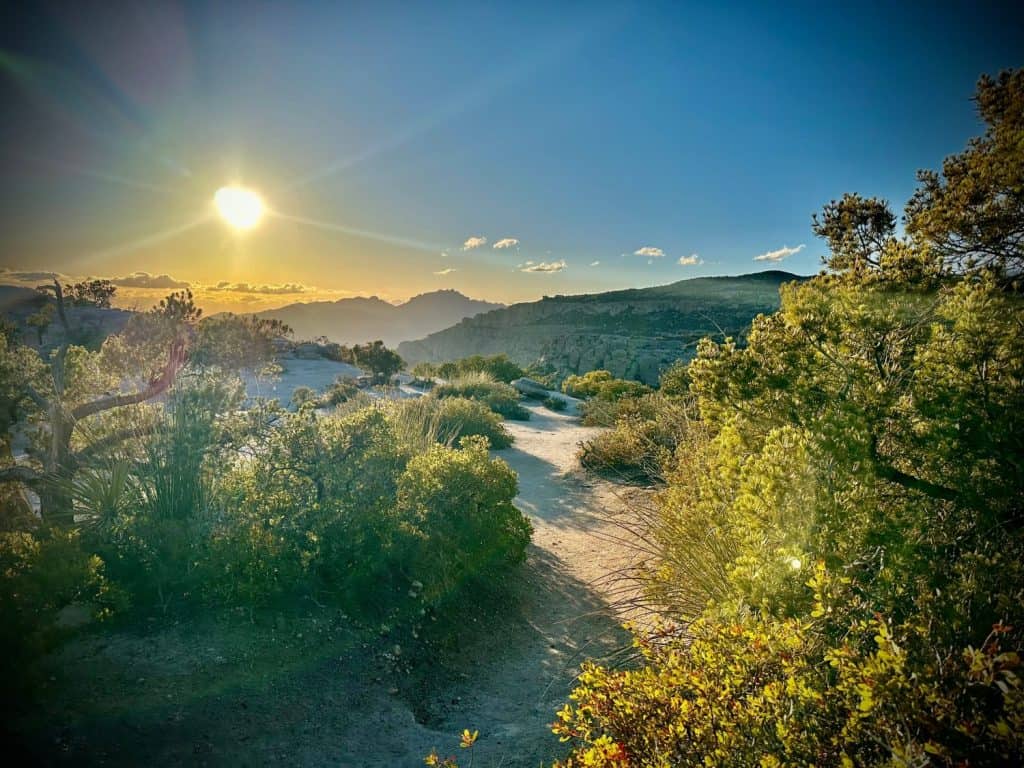
Catalina Island’s deer debate mirrors larger global struggles over conservation.
©Ellison Turner/Shutterstock.com
Catalina Island’s deer debate mirrors larger global struggles over conservation, heritage, and ethics. It asks how societies value nature—not just in theory, but in practice. Removing the deer may restore an older version of Catalina, one closer to its original ecology, yet it also risks severing emotional ties built over generations.
If managed thoughtfully, Catalina could become an example of how islands adapt to change, restore ecosystems, and foster harmony between people and the natural world. As the plan unfolds, the outcome will reveal whether an island known for resilience can also redefine what coexistence looks like in a fragile environment.