
Quick Take
- Jumping worms are invasive earthworms from East Asia that have established populations in several Canadian provinces since the early 2010s.
- They rapidly consume leaf litter and alter soil structure, leaving behind coffee ground-like castings that can harm forest ecosystems.
- There’s no large-scale chemical control, so prevention, early detection, and public reporting are the most effective tools to slow their spread.
“Jumping” and “worm” are two words that don’t seem like they should go together. Just imagining such a thing is enough to personally give me the heebie-jeebies. The bad news: There is such a thing as a “jumping worm.” The good news: They don’t actually jump. More bad news: They’re one of Canada’s newest and most disruptive invaders.
These glossy, fast-moving earthworms from East Asia are spreading across parts of the country and transforming forests and gardens along the way. They don’t just wiggle; they churn and grind through leaf litter, alter soil structure, and leave behind dirt that looks more like loose coffee grounds than a healthy forest floor.
Scientists are still racing to understand the full scope of their impact. What we do know is that jumping worms are now established in several Canadian provinces, and their rapid spread has raised concerns among ecologists, gardeners, and conservation groups alike.
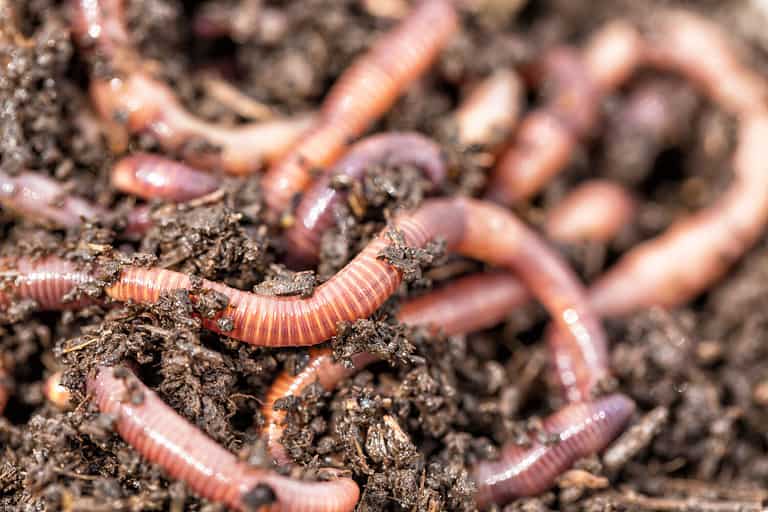
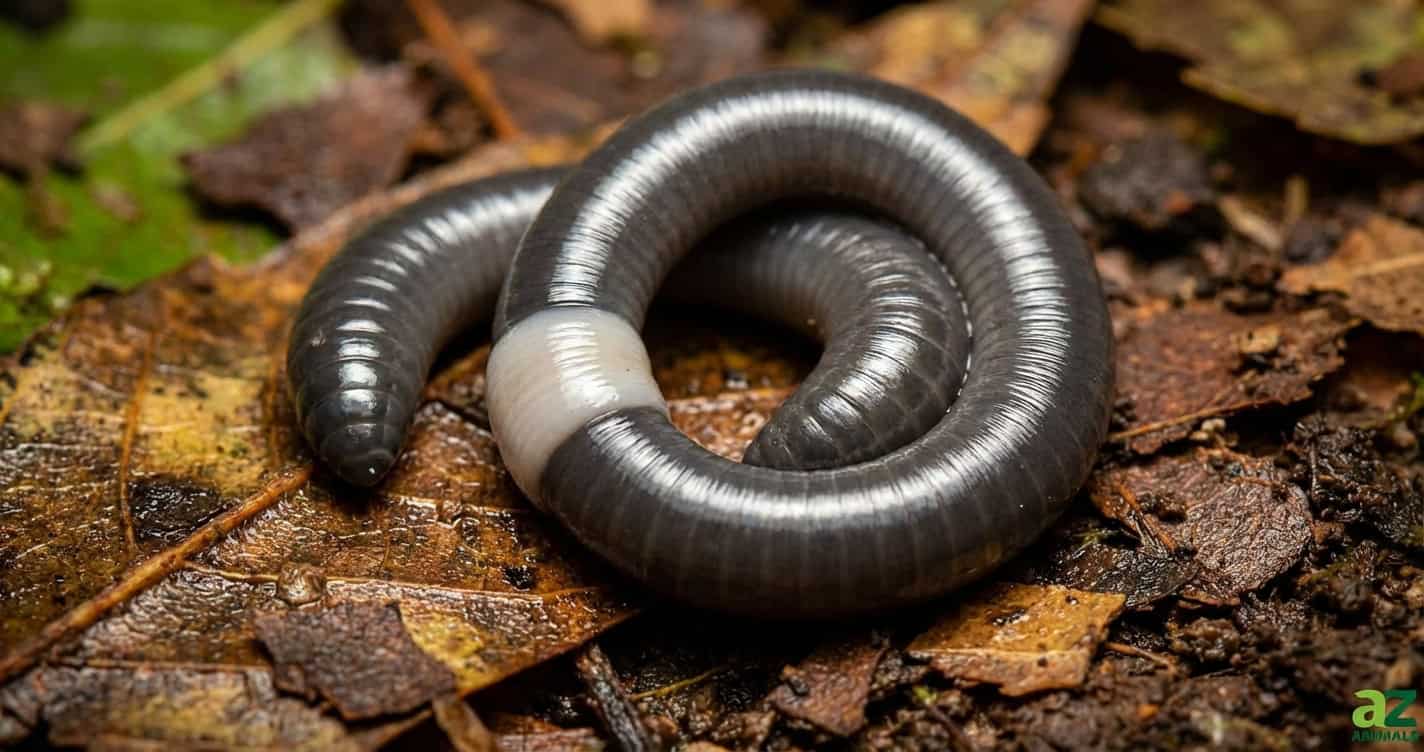
Native to East Asia, jumping worms were introduced to North America in the late 1800s and are now spreading across parts of Canada.
©iStock.com/Arrlxx
What Are Jumping Worms?
The name “jumping worms” refers to several closely related species of pheretimoid earthworms in the genera Amynthas, Metaphire, and Pheretima. One of the most commonly reported species in North America is Amynthas agrestis, often nicknamed the “crazy worm.”
Native to East-Central Asia, these worms were first introduced to North America in the late 1800s, likely through the horticultural trade. According to the Canadian Food Inspection Agency, jumping worms have expanded rapidly in the United States over the past two decades and are now spreading northward into Canada, with confirmed populations having been documented in Ontario, Quebec, New Brunswick, and Nova Scotia. Their presence in Canada is relatively recent, but it is expanding. Quickly.
How to Recognize One
To the average person, the jumping worm looks like any other earthworm. Look closer, though, and you’ll notice some distinct features.
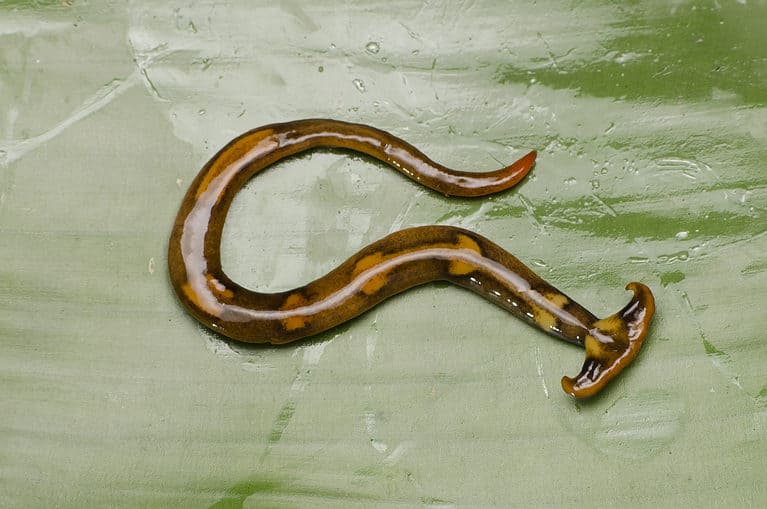
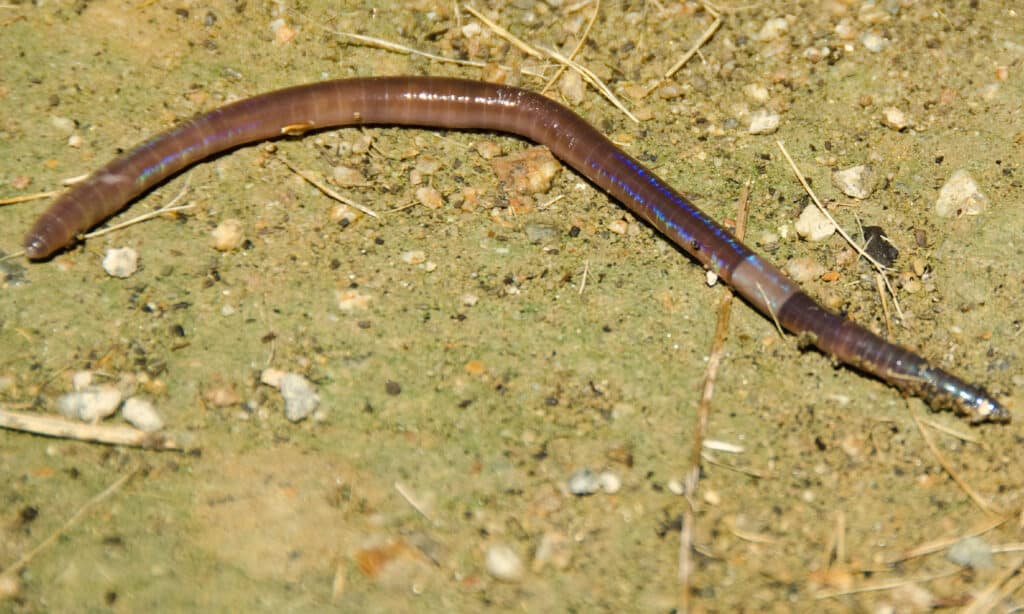
Adult jumping worms grow to about 4 to 5 inches long. Their skin is smooth, glossy, and rubbery to the touch, not slimy. The most telling feature is the clitellum, the collar-like band near the head. However, before sexual maturity, this key identifying feature is not present or visible. In northern climates, this typically occurs in early August. In jumping worms, the clitellum is cloudy white or gray, flush with the body, and completely encircles it. It sits close to the head, typically about 14 to 16 segments back. By contrast, common European earthworms have a raised, pinkish clitellum located more toward the middle of the body.
Behavior is another giveaway. When disturbed, jumping worms thrash violently, writhing and twisting in a way that’s more snake-like than worm-like. This is where the name comes from. While they don’t actually jump, they thrash, coil, and fling their bodies side to side in a way that can look like they’re trying to spring off the ground. If you pick one up, it may twist so forcefully that it seems to launch itself out of your hand. But they’re not capable of true jumping.
When Did They Become Invasive in Canada?
While European earthworms have been present in Canada for centuries, jumping worms are much newer arrivals. Their confirmed presence in Ontario only dates to the early 2010s. By 2014, reports from the Toronto area and surrounding regions were verified.
This recent arrival makes early detection and rapid response especially important. Compared to the United States, where jumping worms are widespread across the Northeast and Midwest, Canada’s invasion is still in earlier stages, though expanding.
Because these worms reproduce without mating, through a process called parthenogenesis, a single individual can establish a new population. This reproductive strategy significantly increases their invasive potential. As of now, most Canadian records come from southern Ontario, but they’ve also been reported in parts of Quebec, New Brunswick, and Nova Scotia.
Jumping worms prefer moist soils rich in organic material. That includes forest floors, garden beds, mulched landscapes, compost piles, and potted plants and nursery stock. They’re especially common in areas connected to landscaping and gardening activities. The horticultural trade is considered the primary pathway of introduction into Canada. Tiny cocoons that resemble small grains of soil can hitchhike in mulch, compost, and potting mixes.
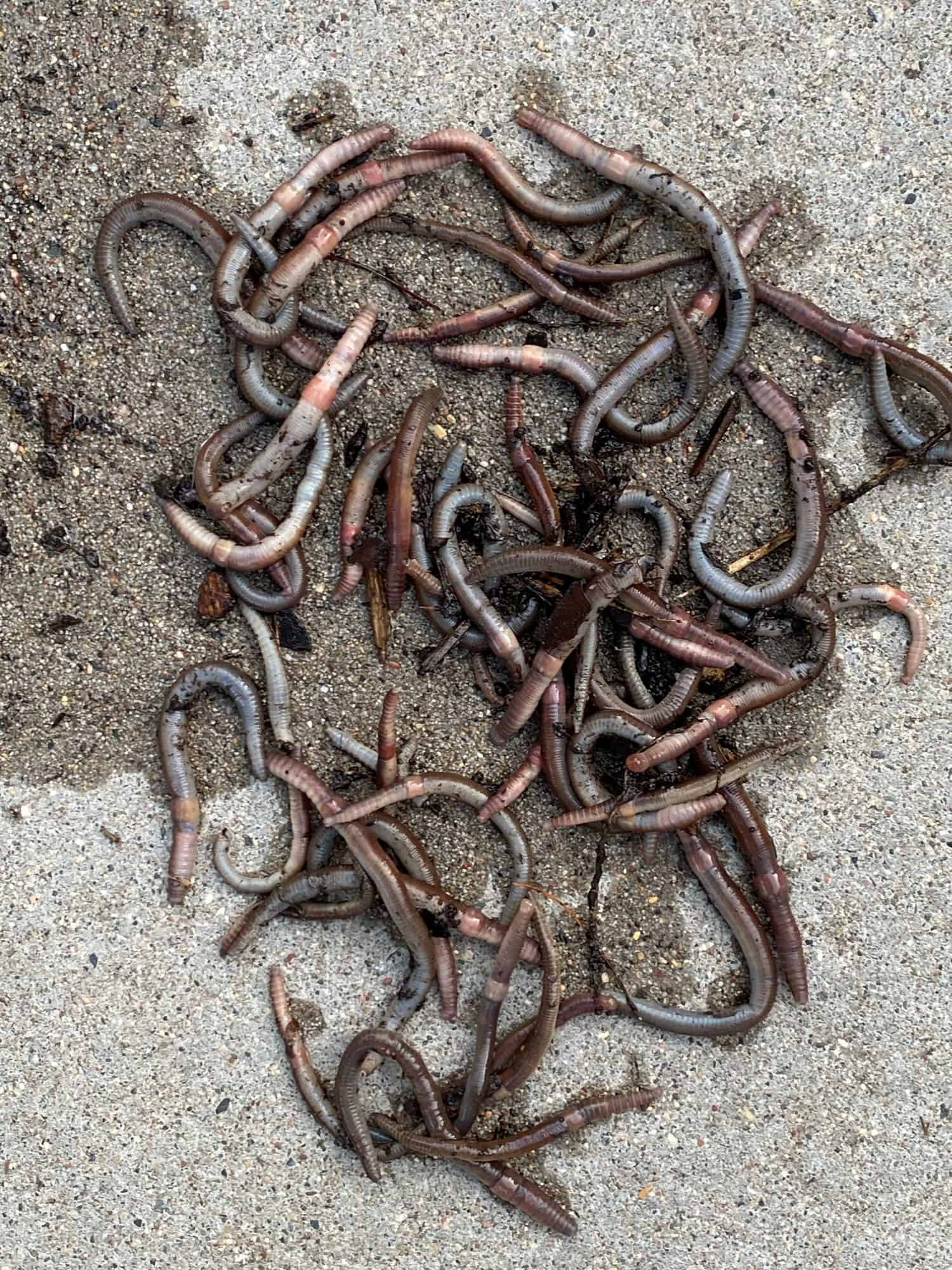
In heavily infested areas, jumping worm densities can exceed 100 worms per square yard in forested sites.
©JustBlaz/Shutterstock.com
How Many Are We Talking About?
Quantifying exact numbers is difficult because earthworms live underground and populations can fluctuate seasonally. However, research from heavily infested areas in the United States has recorded densities exceeding 100 worms per square yard in some forested sites.
In newly invaded areas, numbers may start out low but increase rapidly. Jumping worms have an annual life cycle in northern climates. Adults die off after the first hard frost, but their cocoons overwinter in the soil and hatch in spring. By late summer, populations can surge dramatically.
In Canada, systematic large-scale density estimates are still limited, reflecting the research gaps noted by scientists. What’s clear is that once established, populations can build quickly and dominate the local earthworm community.
What Makes Them So Disruptive?
Earthworms are often thought of as beneficial, and in gardens, they usually are. But in northern forests that evolved without native earthworms after the last Ice Age, invasive species can fundamentally change soil processes.
Jumping worms are particularly voracious. They rapidly consume the top layer of leaf litter and organic material that normally cushions forest soils. This layer, often called duff, plays a crucial role in retaining moisture, protecting plant roots, supporting fungi and microorganisms, and preventing erosion.
Instead of incorporating organic matter gradually, jumping worms process it quickly and leave behind granular castings that resemble loose coffee grounds. This altered soil structure drains more quickly and can make it harder for native plants to establish roots.
Studies from the United States have shown that heavy infestations can reduce understory plant diversity and affect seedling survival. While Canadian-specific long-term impact data are still emerging, researchers expect similar ecological effects where populations become dense.
Why Are They So Hard to Control?
Several biological traits make jumping worms difficult to manage:
- Rapid reproduction through parthenogenesis
- Annual life cycle with frost-resistant cocoons
- Small, hard-to-detect cocoons
- Ability to spread through human activity
Because their cocoons are about the size of a mustard seed and blend in with soil, they’re nearly impossible to spot in mulch or compost. That means prevention is far easier than eradication. There’s currently no approved chemical treatment for large-scale control in natural ecosystems. Most management strategies focus on containment and public awareness.
What’s Being Done in Canada?
Efforts to address jumping worms in Canada focus on prevention, monitoring, and education.
Early Detection and Rapid Response: Given their relatively recent arrival, Canadian researchers and provincial agencies emphasize early detection and rapid response, often abbreviated as EDRR. Citizen science plays a major role. Programs encourage residents to report suspected sightings with photographs so experts can confirm identification.
Research and Monitoring: Universities and government agencies are studying their distribution, ecological impact, and potential management strategies. Community-based monitoring is also encouraged.
Public Education: Public awareness campaigns stress the importance of:
- Inspecting nursery stock and soil before planting
- Avoiding the movement of soil and mulch from infested areas
- Cleaning gardening tools
- Never releasing live bait into the environment
Kill-on-Discovery Guidance: If jumping worms are found, authorities recommend euthanizing them before disposal. Isopropyl alcohol can kill them quickly. Another method involves sealing them in a clear plastic bag and placing it in direct sunlight, or freezing the material to destroy worms and cocoons.
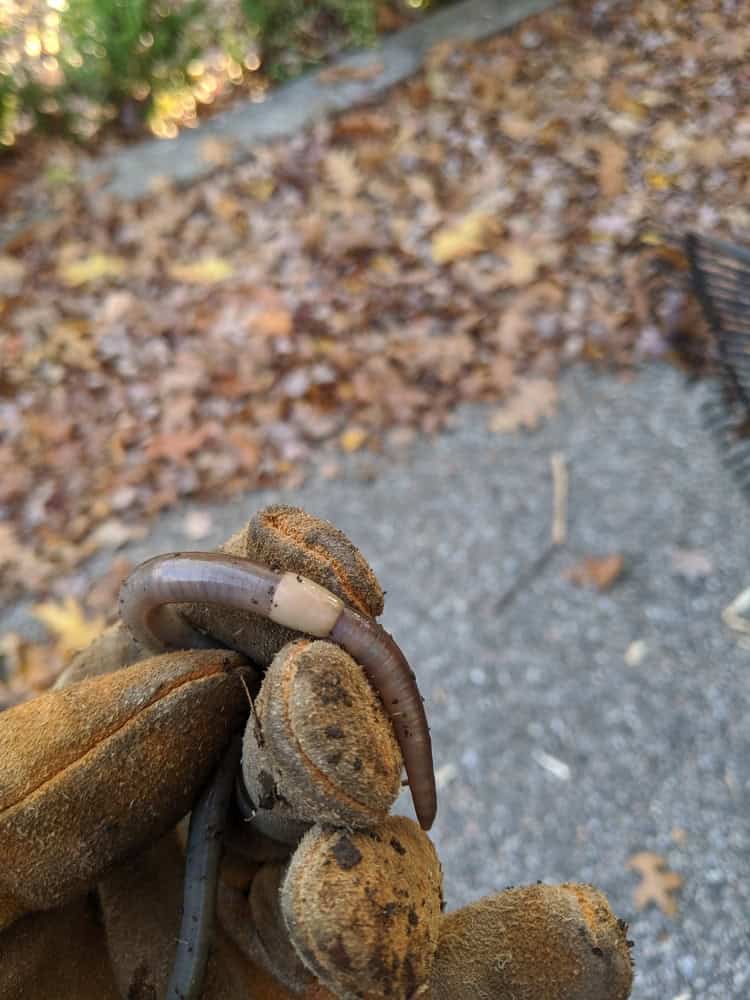
Jumping worms have a smooth, glossy body and a pale, flush clitellum near the head that fully encircles their body.
©Jeffrey Dorwart/Shutterstock.com
Can They Be Eradicated?
In small, localized settings, such as a contained garden bed, reducing populations may be possible through careful removal and disposal. In large natural ecosystems, full eradication is unlikely once they’re established. This reality makes prevention the most effective strategy. Avoiding the movement of contaminated soil and educating gardeners and anglers remain the front lines of defense.
There’s still much scientists don’t know about jumping worms in Canada. Research gaps remain regarding long-term ecological impacts, interactions with native plant communities, and potential biological controls.
Jumping worms may only be a few inches long, but their ecological footprint could affect gardens, forests, and other agricultural systems. For now, Canada still has an opportunity to slow their advance through awareness, monitoring, and responsible gardening practices. If you see a worm that thrashes like a tiny snake and sports a pale collar near its head, don’t ignore it. Reporting and properly disposing of jumping worms could help protect forests and gardens for years to come.