
Quick Take
- Cardiovascular disease accounts for the majority of deaths among adult male gorillas in North American zoos.
- Fibrosing cardiomyopathy progresses silently until the gorilla’s heart is compromised beyond repair, often without zookeepers knowing.
- Severe heart conditions in gorillas persist regardless of strictly managed diets or weight control, making consistent medical observations necessary.
- The San Diego Zoo teams prioritize voluntary chest presentations to mitigate critical risks during cardiac monitoring involving anesthesia.
Research shows that heart disease is a long-recognized and persistent medical challenge for gorillas living in zoos, especially adult males. In these managed care systems, many western lowland gorillas develop fibrosing cardiomyopathy, which is a progressive thickening and scarring of the heart muscle that can interfere with electrical signaling and weaken pumping ability. But what steps are being taken to address this issue, and why is it occurring in the first place?
The most frustrating part of this is that this disease can advance quietly, without zookeepers knowing. By the time an animal seems unwell, the heart may already be compromised beyond repair. That’s why zoos are pushing for routine cardiac monitoring for gorilla populations within their care, and one zoo is leading the charge.
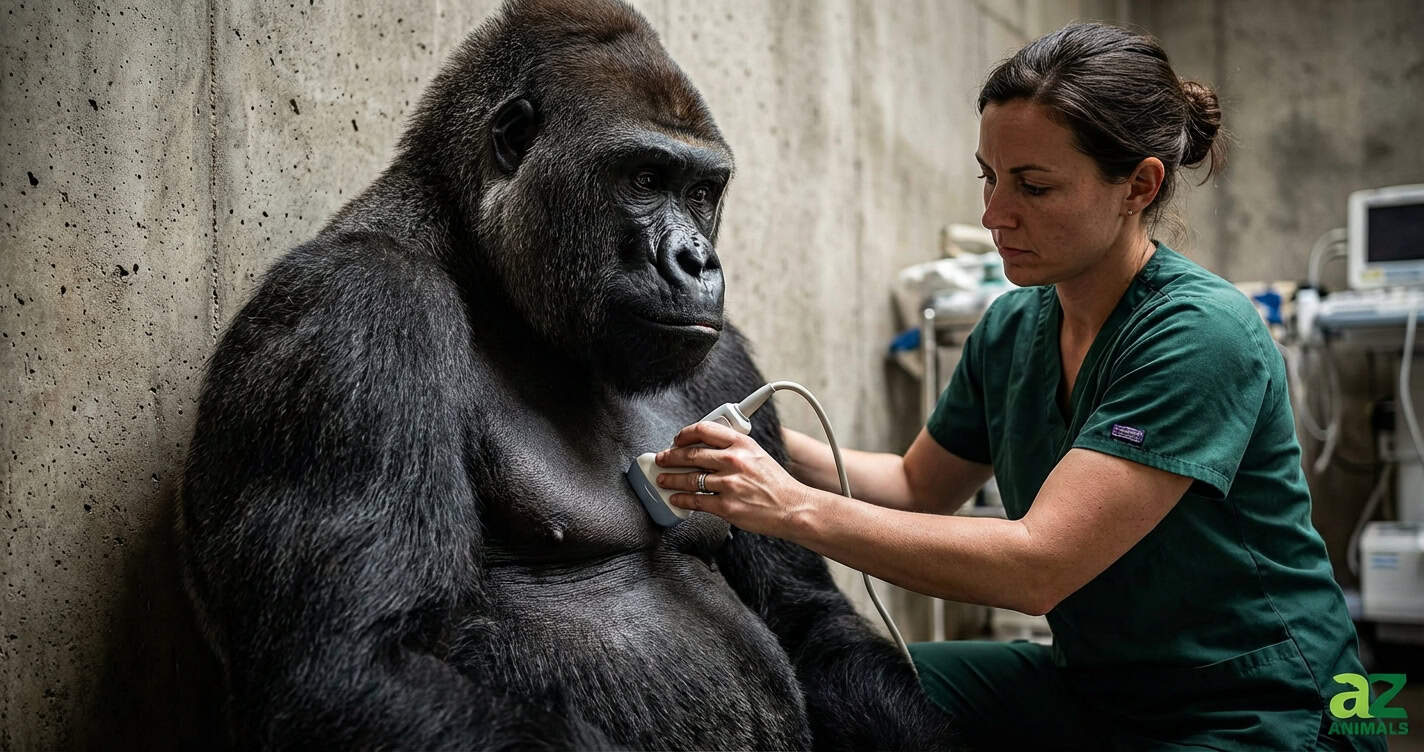
The San Diego Zoo Safari Park is shifting how gorilla medicine works in a zoo setting. Teams are training gorillas to voluntarily present their chests for cardiac ultrasounds while fully awake, using cooperative care and positive reinforcement as opposed to typical methods that involve restraint or sedation. Here’s how the process works and how the San Diego Zoo and Safari Park are making a difference for this beloved, iconic species.
The Problem Facing Gorillas in Zoos
Cardiovascular disease is widely documented as a leading cause of death for zoo-housed great apes, and gorillas are often the species that face this threat the most. A peer-reviewed study in PLOS ONE notes that cardiovascular disease accounts for a large share of adult gorilla deaths in North American zoological institutions, given the difficulty of diagnosing it when echocardiography is hard to perform both safely and repeatedly.
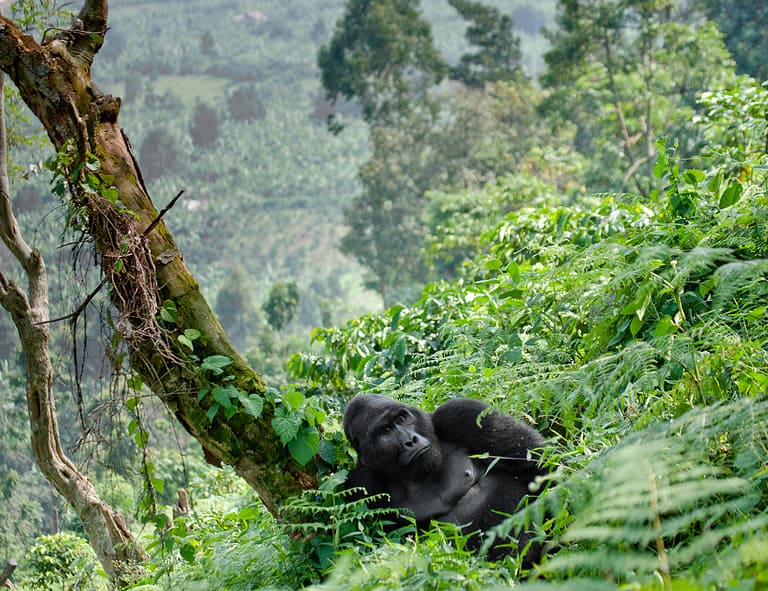
Gorillas in zoos face cardiovascular health issues, which are typically diagnosed through stressful ultrasounds under anesthesia.
©Damien Platt/iStock via Getty Images
The Safari Park also points out that male gorillas can develop fibrosing cardiomyopathy even on carefully managed diets, making this a persistent disease with no simple solution. Additionally, monitoring the heart of a gorilla is not an easy process.
Why Monitoring Gorillas for Heart Disease Is Challenging
Cardiac ultrasounds are one of the most useful tools vets have for tracking heart structure and function. However, the challenge is that, in many zoos, getting a diagnostic-quality result has traditionally meant using anesthesia. While this may not sound like a huge issue, anesthesia carries plenty of risk for all animals, especially ones that may already have cardiac troubles.
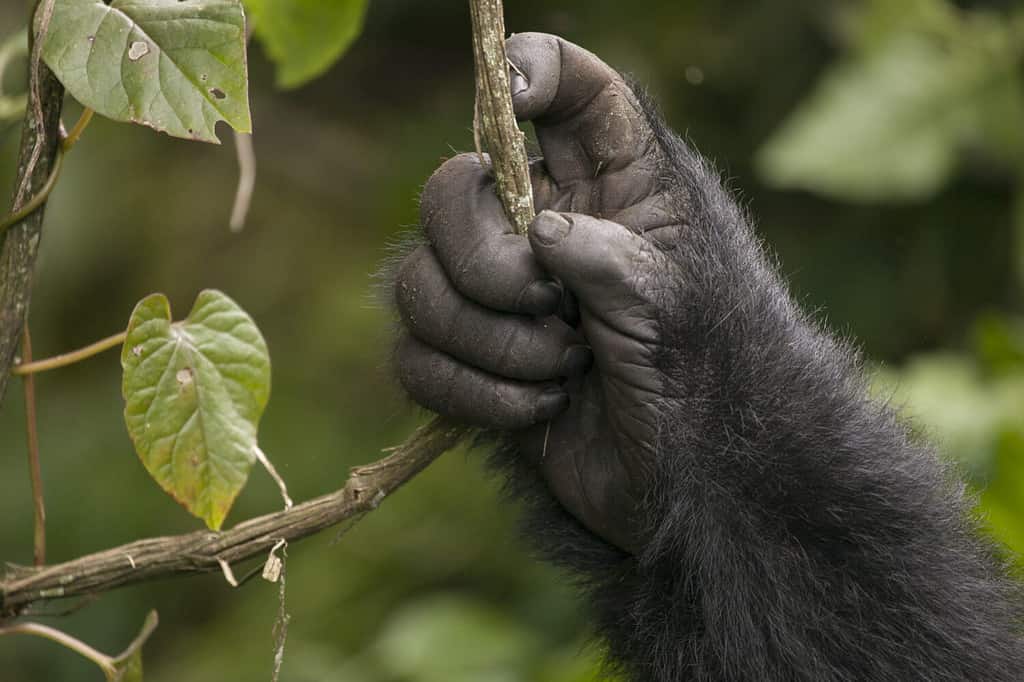
Male gorillas are most at risk for heart diseases, which is why zoos are attempting to diagnose these conditions as early as possible.
©TravellingFatman/Shutterstock.com
Research explains that anesthetic medications can confuse echocardiography findings and may also cause severe side effects in already-compromised animals. Performing routine heart assessments with anesthesia isn’t sustainable or safe, which is what the San Diego Zoo is attempting to remedy. But how are they accomplishing this goal?
How Voluntary Gorilla Ultrasounds Work
Voluntary ultrasound training is all about cooperative care, which can be difficult when your patient is a gorilla. Difficult, but not impossible. The San Diego Zoo is working on building a specific, repeatable behavior in their gorillas, a behavior that produces usable medical data.
According to the zoo, the training progression for this process is built around steady trust and consistency. Shaping the animal’s comfort with positioning and gradually introducing the elements that make a real scan possible helps acclimate these animals to the test so they are ready for it in the future, without needing anesthesia.
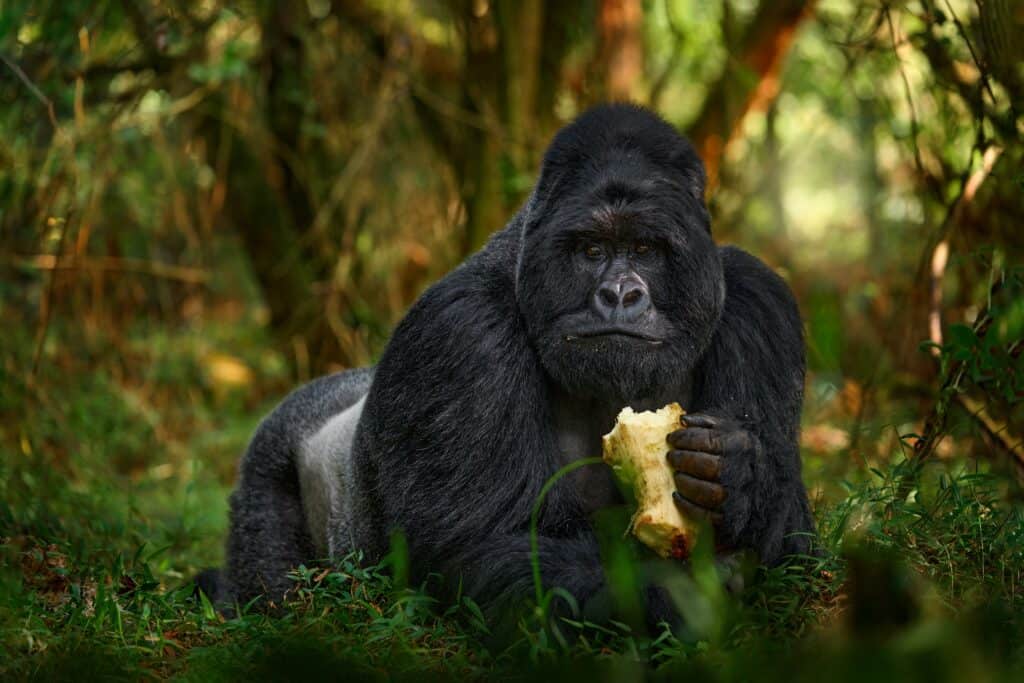
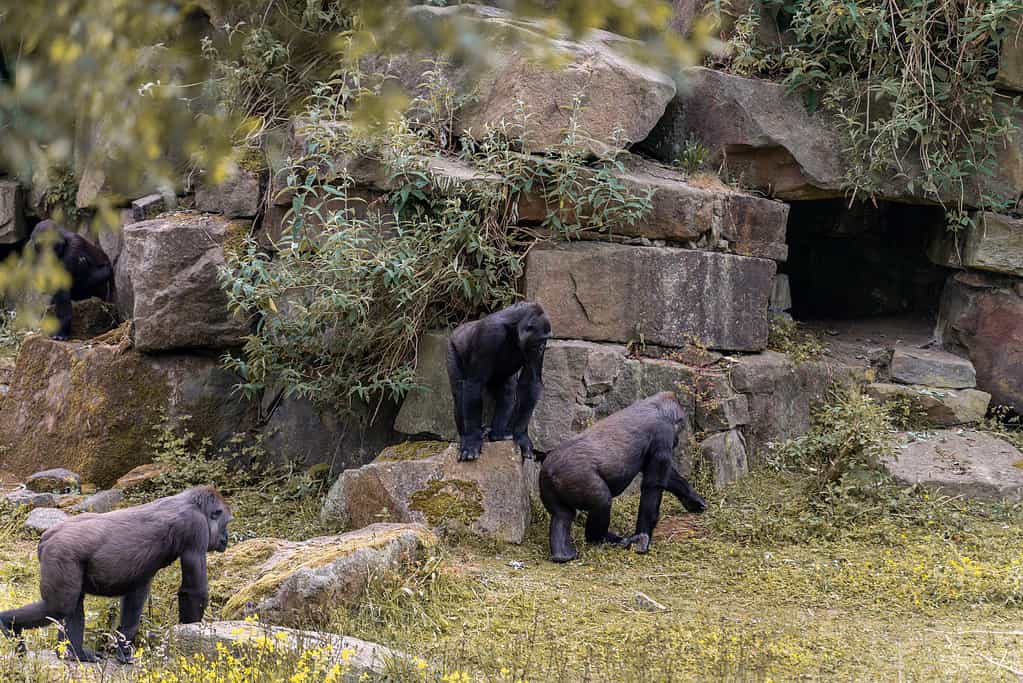
Even gorillas on specialized, strict diets are dealing with heart issues, something zoos did not expect.
©Ondrej Prosicky/Shutterstock.com
There are many aspects of an ultrasound that animals may find unpleasant. For example, ultrasound gel can feel uncomfortable and unfamiliar, and the pressure from the scan can be intrusive. Additionally, the animal must remain still for accurate measurements. A gorilla trained to voluntarily present its chest for medical exams can improve outcomes for chronic disease, as their comfort allows veterinarians to track health trends over time.
The San Diego Zoo Safari Park Method
San Diego’s approach is built upon improving animal welfare by reducing anesthesia events and consistently obtaining more reliable cardiac information. The zoo claims that this new process is a long-term commitment, including a veterinarian partnership that allows the same animals to be monitored over time.
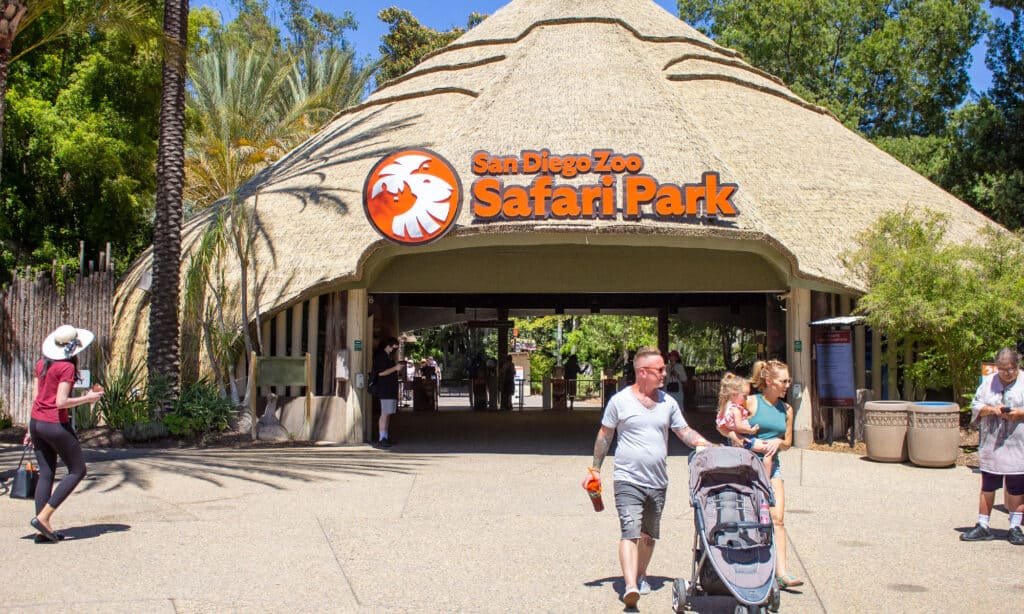
The San Diego Zoo’s expert research team is leading the charge with voluntary gorilla ultrasounds.
©The Image Party/Shutterstock.com
San Diego also shares any heart data they uncover with broader efforts, such as the Gorilla Cardiac Database, to help the field understand patterns across multiple institutions. But how did the San Diego Zoo begin this process, and why does it mean so much to them? There’s one particular gorilla that started it all.
In Memory of Winston the Gorilla
Winston was the San Diego Safari Park’s oldest gorilla, and his life is a reminder of what excellent care can achieve as well as what aging can demand. He lived to 52 years old, and he was a long-time member of the park’s gorilla family.
His medical history proves why chronic heart monitoring matters. Reports from his 2017 exam show how intensive a full workup can be when anesthesia is involved, highlighting why a system that allows more frequent, lower-risk check-ins is a meaningful improvement for older gorillas.
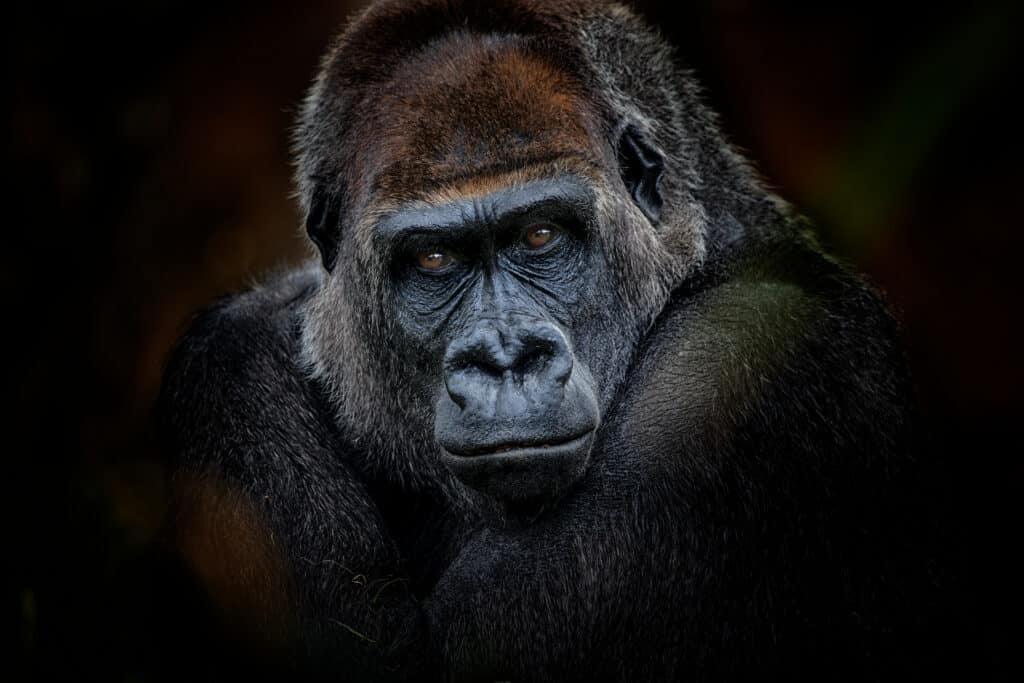
Winston was the San Diego Zoo’s oldest gorilla, living to 52 years of age.
©Jiri Fejkl/Shutterstock.com
The San Diego Zoo continues training its current gorilla family in Winston’s legacy and name. Winston serves as their inspiration to perform better monitoring at a more consistent and less stressful level.
What This New Process Means for Zoo Medicine
Voluntary ultrasounds are increasingly common in zoos, with several institutions now adopting this approach as a model for the future of zoological medicine. Every zoo around the world has the same goals for its animals when it comes to medicine: more prevention, more repeatable diagnostics, fewer high-risk events, and greater animal agency, making this voluntary process an ideal path forward.
San Diego’s work demonstrates what it looks like when these priorities are taken to heart. When a gorilla voluntarily presents a chest for an ultrasound, a clinic gains something rare in wildlife medicine: reliable, repeatable data gathered with minimal disruption, built on a positive relationship the animal is choosing to maintain. Gorillas at this zoo are helping their entire species. These brave volunteers are enabling vets and scientists to gather the data needed to help the species thrive in captivity.