
Quick Take
- Scientists can now detect a creature the size of a school bus without ever seeing it, and the method behind this feat is far simpler than you'd expect. See how eDNA works →
- The very tools used to study deep-sea canyons are quietly destroying them, a problem that forced researchers to rethink everything to avoid making matters worse. Explore the survey limitations →
- One of the ocean's most elusive giants has been hiding somewhere no researcher expected, a location that its own DNA just revealed. Discover the unexpected find →
- Detecting certain whale species has stumped researchers for decades, but a vial of seawater changed what's possible. See whale detection results →
Scientists have come up with an innovative method of tracing wildlife without relying on visual sightings. By analyzing the DNA in minute samples of skin, mucus, and feces, experts have found evidence that giant squid are spending time off the coast of Western Australia. Read on to find out what else they found.
The Tantalizing Mysteries of Submarine Canyons
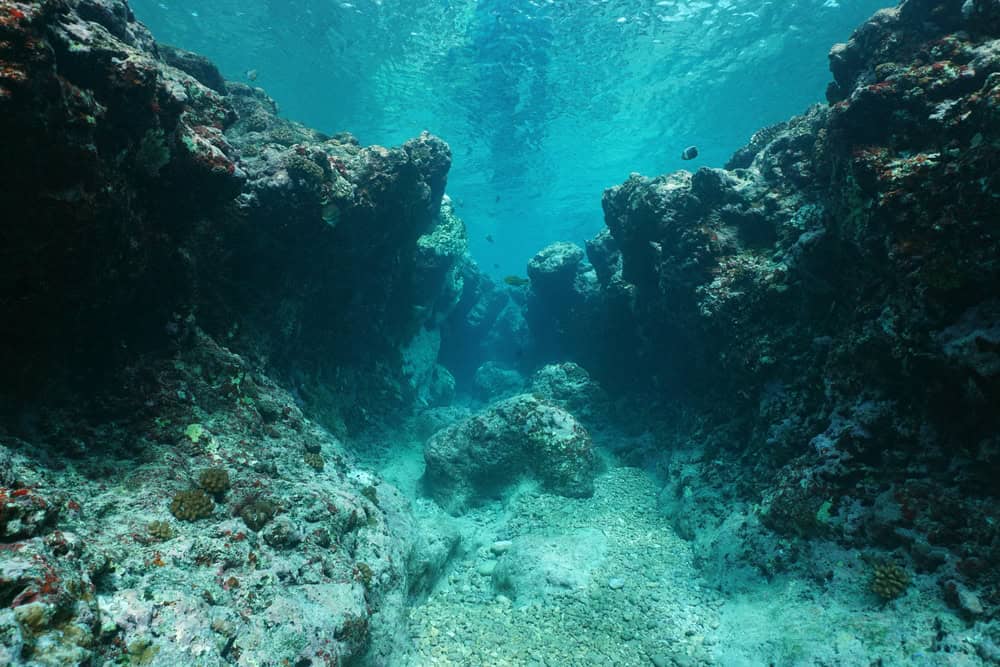
Submarine canyons are found at the margins of continental shelves and connect relatively shallow productive shelves to deep-ocean basins. They act as freeways for organic matter and macrophytes (aquatic plants), which serve as a food source for other creatures. This makes the canyons key feeding, spawning, and recruitment grounds for many marine species. They are also biodiversity hotspots because their habitats are so unique. Some species found in these canyons are not found anywhere else in the ocean. The canyons act as refuges for many rare and threatened animals. Yet, they remain very mysterious and largely unexplored.
Deep areas of the ocean are logistically difficult and expensive to survey. When studies are carried out, they typically focus on the seabed (benthic) and record little about the organisms living in the water column above (pelagic). This is not surprising given the vast expanse of water involved.
The challenge we now face is that these very environments are under increasing threat from fishing, climate change, pollution, and the extraction of minerals from the seabed. Some species could be driven to extinction before we even know they exist!
How Can Scientists Explore Submarine Canyons?
Trawling has been used to survey these deep-sea ecosystems. However, it is not logistically viable in areas with steep canyon walls or rocky outcrops. More importantly, “blind” trawl or grab survey methods run the risk of damaging the very habitats we want to preserve. Daily deep-sea canyon trawling has been shown to cause a significant decline in organic matter and biodiversity!
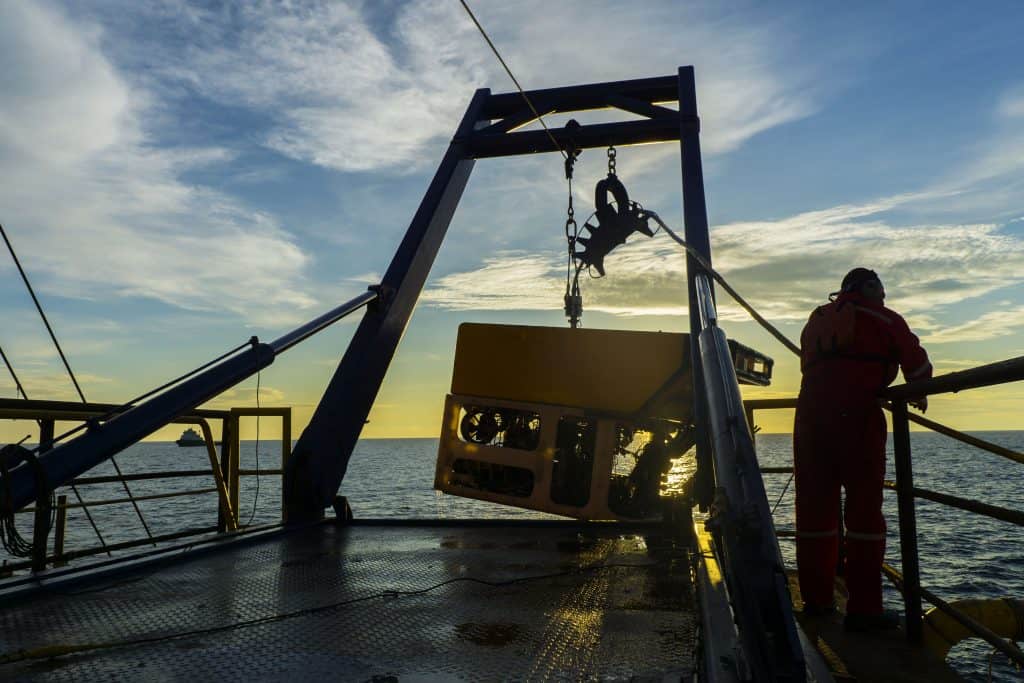
ROVs can be useful for marine surveys.
©Opsorman/Shutterstock.com
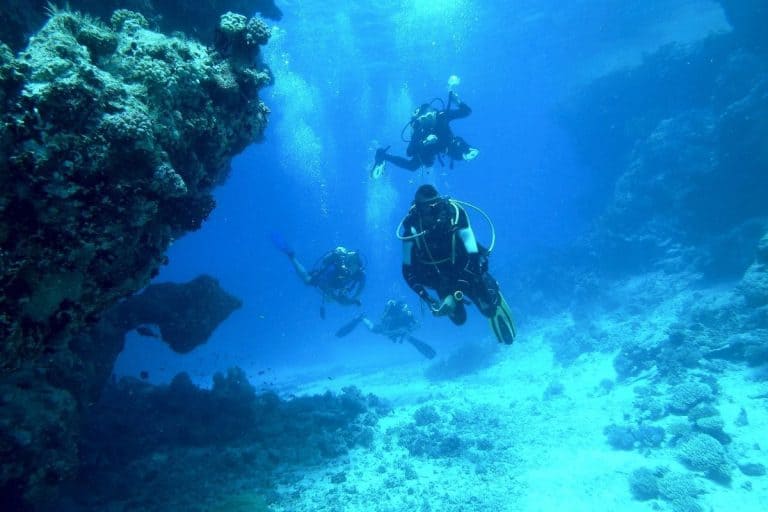
Some scientists have therefore turned to visual surveys using remotely operated underwater vehicles (ROVs). These are much less invasive and provide a more targeted approach. However, these vehicles can introduce sampling variability and bias. Opportunistic video captures are not necessarily representative of the entire water column. Furthermore, the ROV can affect the behavior of animals and even scare them away. Survey time is very limited, and when relying on visual records alone, it is not always easy to be sure which species you are observing. This is a major issue where two or more species look very similar. Unmanned vehicles capable of collecting samples have improved upon this method.
Using Genetic Techniques to Sample Marine Flora
To overcome the issues encountered by other sampling methodologies, scientists are turning to contemporary genetic techniques. One is environmental DNA (eDNA) barcoding, which is now at the forefront of biodiversity research.
Researchers collect water samples that contain trace amounts of DNA naturally shed by organisms. There is no need for visual observation, no animals are harmed, and because you have the DNA, you know exactly which species are present.
This method has already been used in deep-sea environments and has expanded observed diversity.
Genetic Sampling in East Indian Ocean Canyons
A new study has used this technique to sample species in two large submarine canyons on the north-western margin of Australia. Cape Range Canyon reaches a depth of 16,076 feet, and Cape Cloates reaches 14,435 feet. They connect deep abyssal waters to shallow waters adjacent to the highly biodiverse, World Heritage-listed Ningaloo Reef.
Using an ROV, sampling was completed over 16 sites. A robotic arm, suction sampler, nets, and scoops were used to collect biological specimens, which were then placed into multi-chamber insulated bioboxes. Samples were then prepared (amplified) for genetic analysis and compared to reference samples.
Hundreds of species representing 11 major animal groups were identified. Many of the samples belonged to phyla Cnidaria (hydra, jellyfish, corals, etc.), Arthropoda (crabs, shrimps, lobsters, etc.), and Chordata (cartilaginous fish include rays, sharks, and chimaeras).
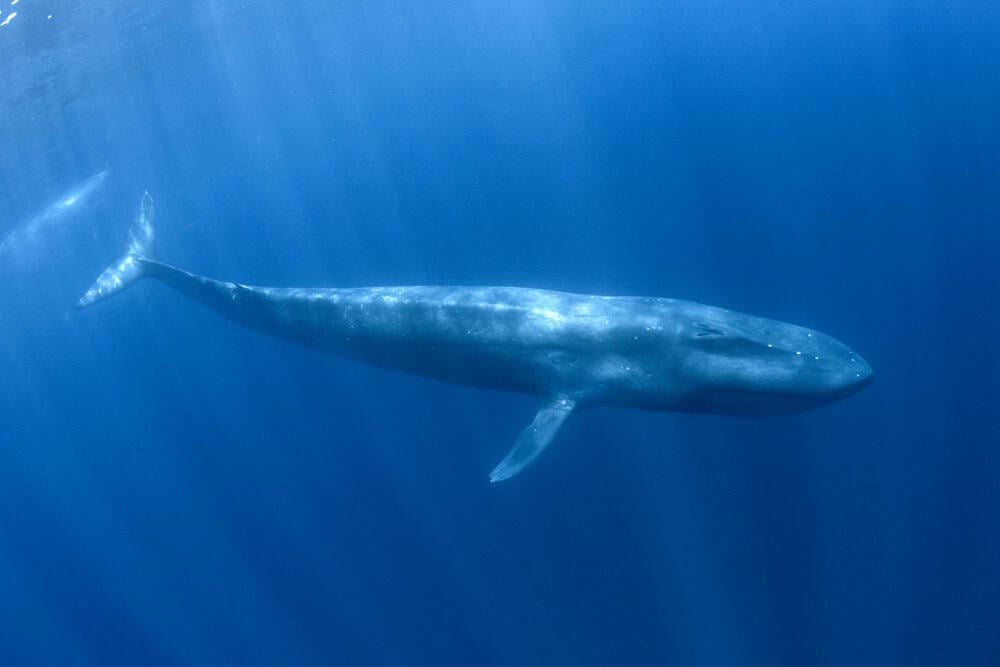
eDNA from the pygmy sperm whale was collected.
©Rich Carey/Shutterstock.com
The DNA of several migratory mammal species was detected, including the pygmy sperm whale (Kogia breviceps) and Cuvier’s beaked whale (Ziphius cavirostris). This is hardly surprising given the abundance of prey organisms such as squid and fish detected by eDNA methodologies. Detecting these two mammals using other sampling techniques has been notoriously challenging because they live far offshore, resemble other species, and dive to great depths.
First Record of a Giant Squid Detected off Western Australia’s Coast
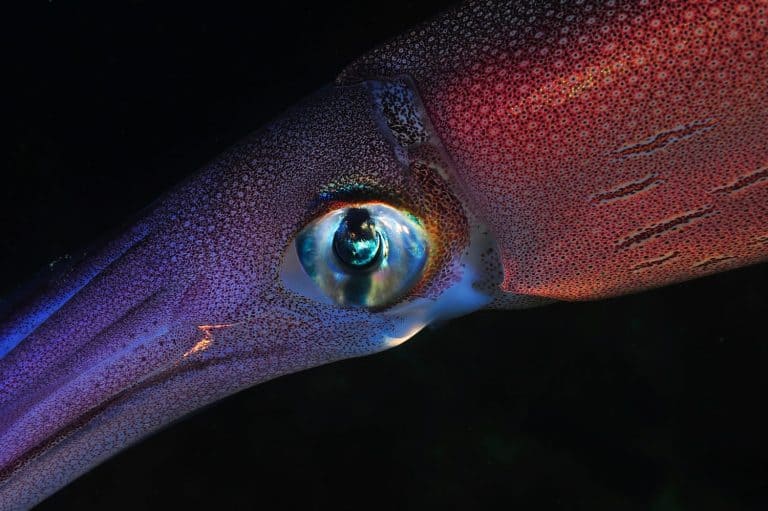
One of the most exciting findings was the eDNA of the giant squid Architeuthis dux. This is the first time it has been recorded in Western Australian waters and expands the recorded range for this creature.
No one really knows where this elusive marine animal lives because none have ever been observed alive. They can be as long as 60 feet and have two tentacles and eight arms. Despite their huge size, they have eluded researchers. Finding their DNA in this location is a significant advance in our understanding of their movements.
Just as importantly, this research has confirmed that this habitat is a ecologically important region that needs protection.