
Quick Take
- A Black Mamba's most fearsome feature is its speed and precision, yet both can be completely neutralized by a normal biological process happening right now inside its own body. See how vision is impaired →
- When a Black Mamba yawns, it isn't tired but is instead doing something far more purposeful, and misreading that signal could be dangerous. Discover the real purpose →
- The snake's reputation for aggression gets it killed, even though the truth about how it actually responds to threats is almost the opposite of what most people believe. Learn its true temperament →
- A garden refuse pile next to a nature reserve isn't a random hiding spot. It's exactly where a Black Mamba is engineered to be. Explore why mambas settle here →
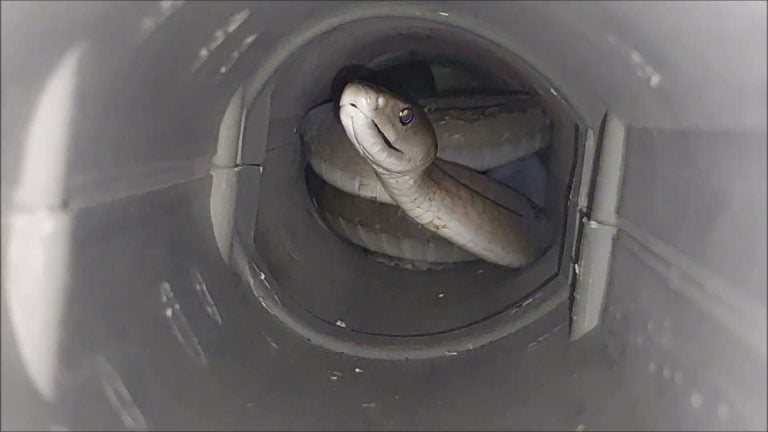
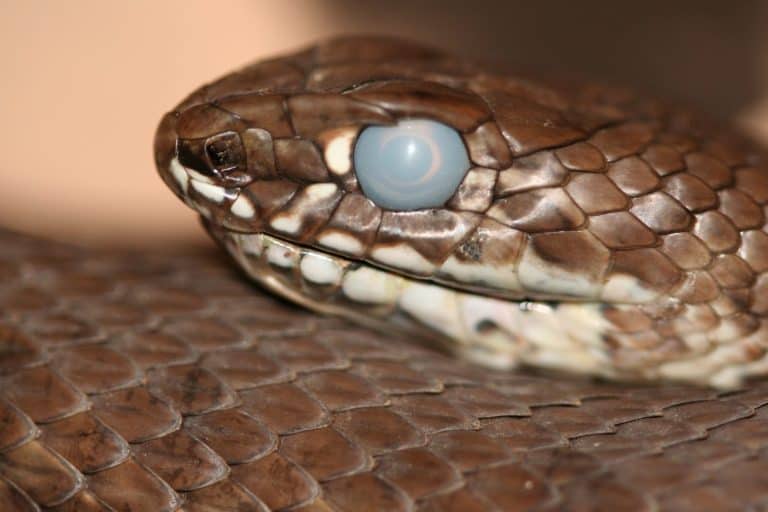
In the Reservoir Hills of KwaZulu-Natal, a resident recently spotted a massive silhouette lounging on a pile of garden refuse. It was a Black Mamba (Dendroaspis polylepis), a species often spoken of with a mix of reverence and terror. However, as the local snake rescuer approached, the predator didn’t bolt with its legendary speed. Instead, it stayed, its eyes clouded by a ghostly, milky haze.
This physiological state, known to herpetologists as being “in the blue,” offers a rare window into the vulnerable side of Africa’s most formidable elapid.
The Science of the “Blue” Phase
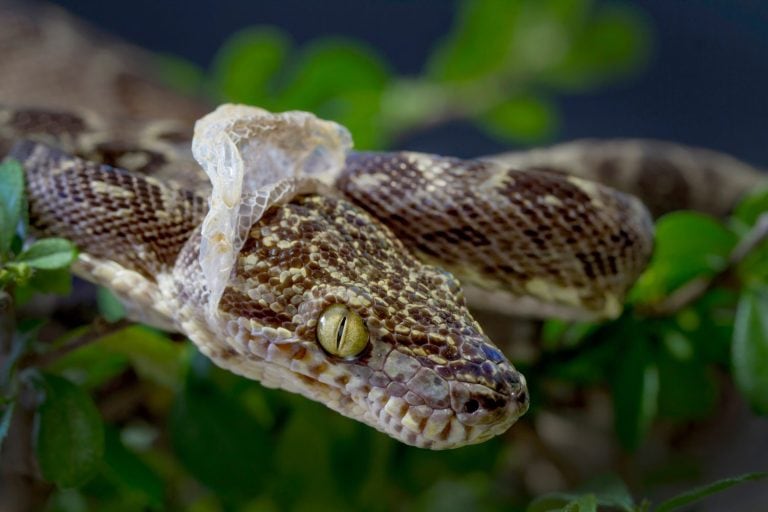
The milky appearance of the snake’s eyes is not a disease, but a critical stage of ecdysis, or shedding. Unlike mammals, which shed skin in microscopic flakes, snakes must periodically cast off their entire outer keratin layer to allow for growth and to remove parasites.
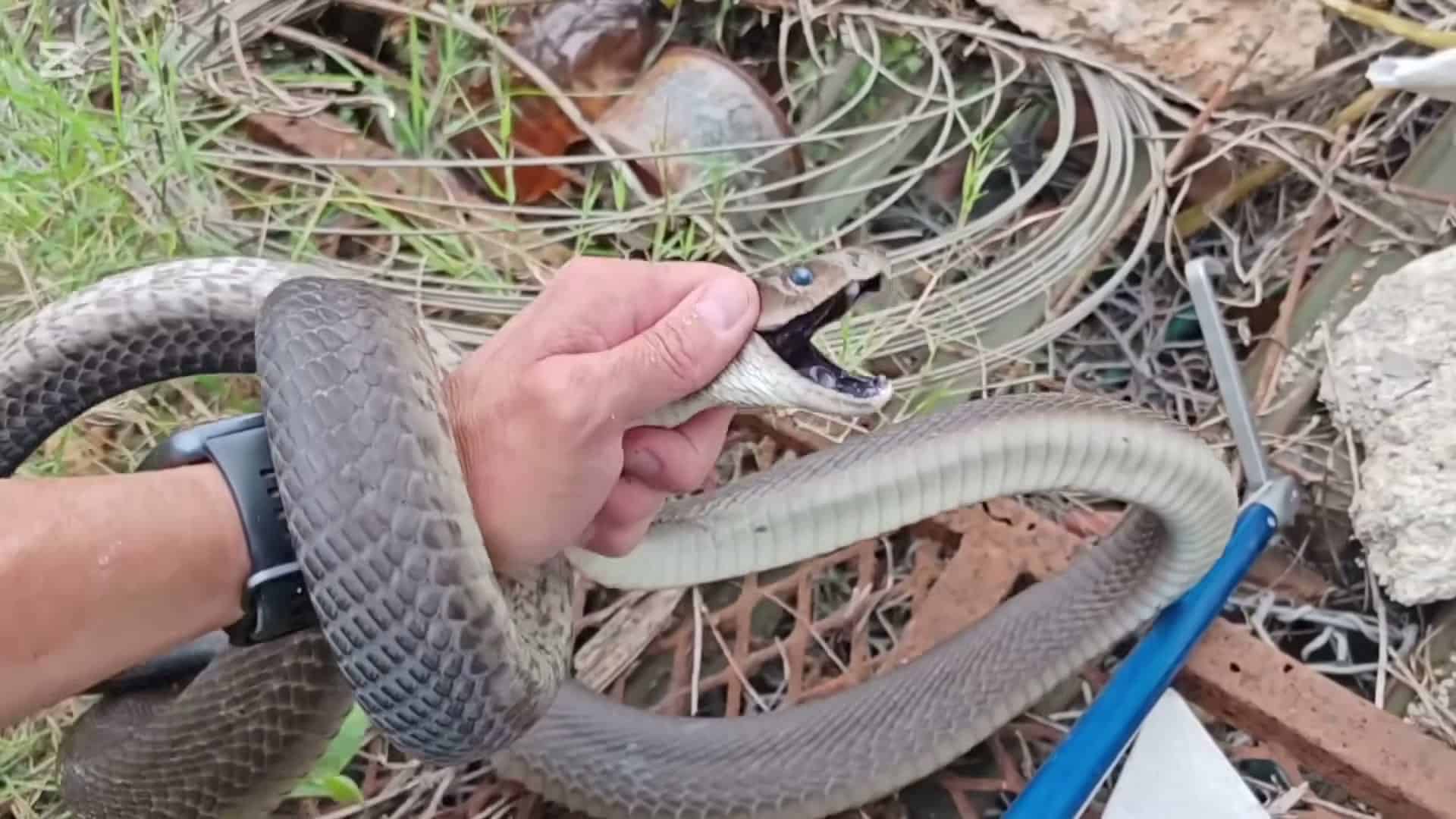
Note the milky, blue eye coloring.
©JASON ARNOLD – SNAKE HANDLER via YouTube — used under fair use – Original / License
According to the Journal of Herpetology, the “blue” phase occurs when a lubricating fluid builds up between the old skin and the new skin forming beneath it. This fluid is particularly visible over the eyes because snakes lack moveable eyelids. Instead, they have a transparent scale called a brille or spectacle. When the fluid fills this gap, the snake’s vision becomes severely impaired, rendering its world a blur of shadows and light.
Yawning Is More Than Just Fatigue
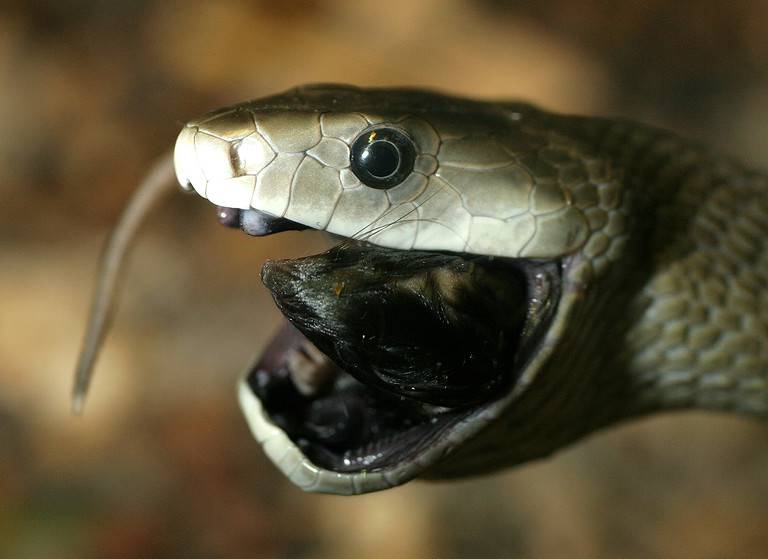
In the video, the mamba is seen “yawning” while sunning itself. To a casual observer, it looks like a sleepy reptile. To a biologist, this is a functional behavior. Snakes frequently “yawn” to realign their highly flexible skulls, which consist of loosely hinged bones, or to “taste” the air more effectively by forcing scent molecules toward the Jacobson’s organ in the roof of the mouth.
In the context of shedding, however, this stretching may help loosen the old skin around the snout, where the shedding process typically begins. The rescuer noted the snake was “having enough of the sun,” suggesting the animal was thermoregulating. Because snakes are ectothermic, they rely on external heat to power metabolic processes like skin regeneration.
Vulnerability and Defense
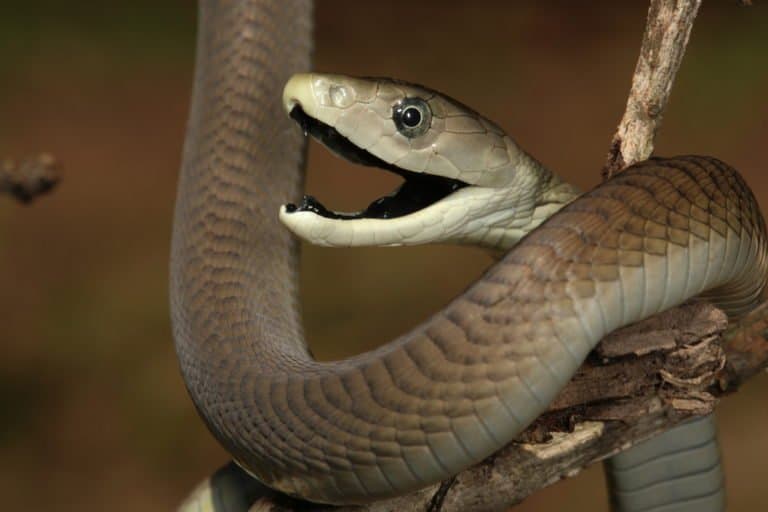
The Black Mamba is often unfairly characterized as aggressive. In reality, they are shy, “neurotic” snakes that prefer flight to fight. The snake in the video remained stationary not because it was bold, but because its sensory input was compromised.
When a snake is “in the blue,” its defensive responses are often heightened because it cannot accurately gauge the distance or nature of a threat. While this specific mamba was slow to react, the rescuer’s “tussle” at the fence line highlights the animal’s explosive power once its tactile senses, or vibrations felt through the ground, signal an immediate physical confrontation.
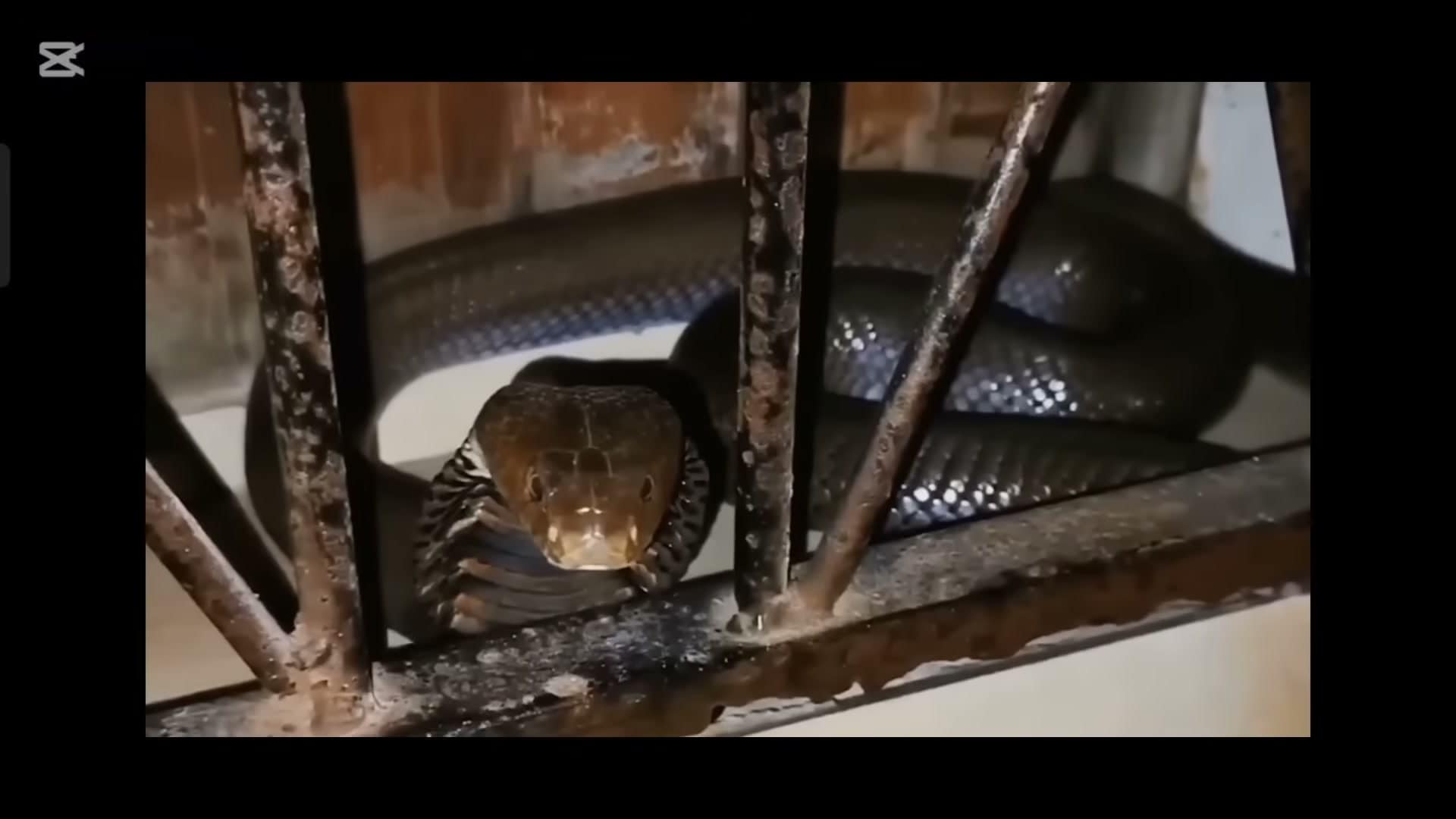
Safely captured!
©JASON ARNOLD – SNAKE HANDLER via YouTube — used under fair use – Original / License
Ecological Context
The proximity of this 2.5-meter male to the Palmiet Nature Reserve helps explain its presence. As urban sprawl encroaches on natural corridors, mambas frequently find “artificial habitats” like garden refuse piles, which offer both warmth and the rodent prey that follows human settlement.
Understanding these behaviors — the cloudy eyes of ecdysis and the thermoregulatory yawning — transforms the Black Mamba from a mythological monster into a biological marvel navigating a complex, changing environment.