
Quick Take
- The abyssal zone was long written off as a near-lifeless void, but what a team of researchers pulled from its depths completely rewrites that assumption. Meet the abyssal zone →
- Giant squid spent centuries as maritime legend, and the latest evidence of their presence came from something far smaller than the creature itself. See the giant squid evidence →
- The species count from a single research expedition off Western Australia raises an uncomfortable question for ocean conservation. Explore the conservation stakes →
Nearly three miles beneath the ocean’s surface exists a world rarely seen by human eyes. Little is known about the abyssal zone. It ranges from 9,800 to 21,300 feet in a highly pressurized environment that would crush most living organisms. Despite its hostile conditions and frigid water temperatures, some creatures are able to inhabit water this deep. And with the help of microscopic traces of eDNA, scientists are now learning precisely what those are.
What Lies In the Deep
It was previously believed that little marine life lived at this depth. The Abyssal zone, also known as the Abyssopelagic zone, is the second deepest zone in the ocean. It is defined by its pitch-black darkness, as it is so far from the sun that no light reaches it. The temperature never rises above 37 degrees Fahrenheit and is constantly maintained by fresh Arctic water that sinks to the ocean’s deepest depths. The atmospheric pressure ranges from 200 to 600 times that at sea level, making it hard to imagine anything surviving there.
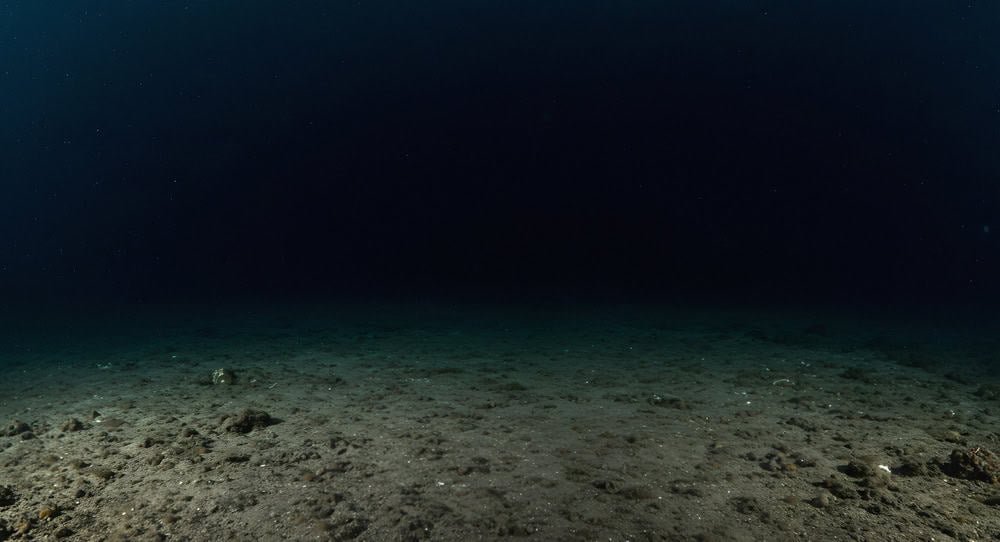
No light reaches the abyssal zone, meaning it’s shrouded in darkness 24/7.
©Yetugraphic/Shutterstock.com
But thanks to a study led by Curtin University, with fieldwork from the Schmidt Ocean Institute and the Western Australian Museum, all of that is changing. Researchers from Curtin University, UWA, the Western Australian Museum, the Minderoo OceanOmics Centre at UWA, the University of Tasmania, and Research Connect Blue also worked together to reveal an exciting new discovery: The abyssal zone is actually teeming with marine life.
While these deep-sea canyons look nothing like the colorful reefs of the tropics, they’re home to more species than previously thought. Researchers gathered off the coast of Perth, Australia, to explore the Cape Range and Cloates submarine canyons. To reach the abyssal zone, they were aided by the Schmidt Ocean Institute’s R/V Falkor and the ROV SuBastion. The team successfully collected samples at a depth of just over 2.8 miles. What they discovered after running the eDNA was nothing short of mind-blowing.
An Entirely New Underwater World
If one thing is for sure, it’s that DNA doesn’t lie. Microscopic traces of DNA are left behind by every living organism. As we shed hair, skin cells, exhale, and simply exist, we leave a trail. The same is true underwater, even at depths of nearly three miles. Within the samples collected from the abyssal zone, researchers identified an astounding 226 species. This finding contradicted previous beliefs about the deep waters off the coast of Western Australia and revealed new marine life.
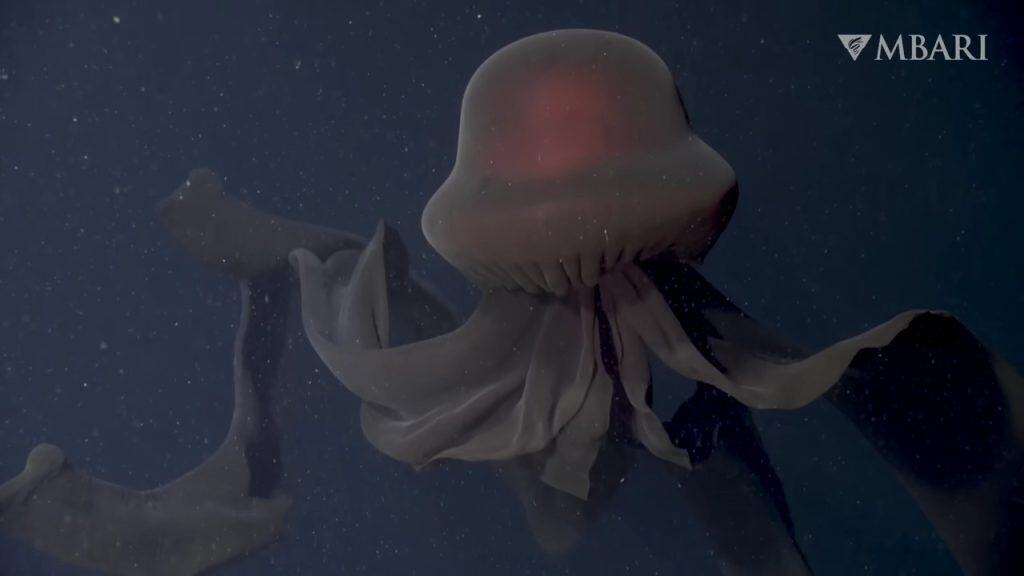
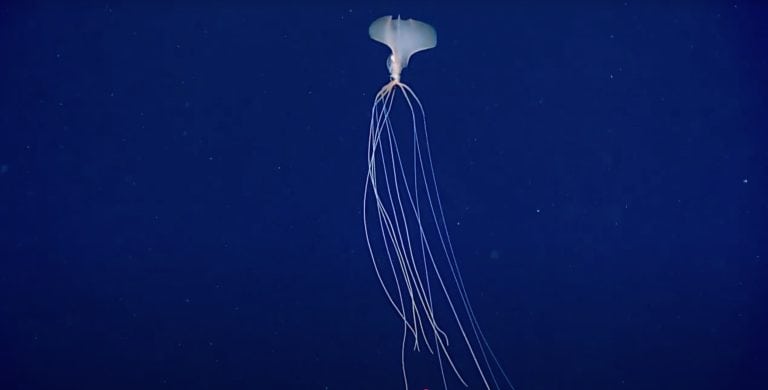
Species like the giant phantom jelly have only been seen by ROVs.
©MBARI (Monterey Bay Aquarium Research Institute) / YouTube – Original
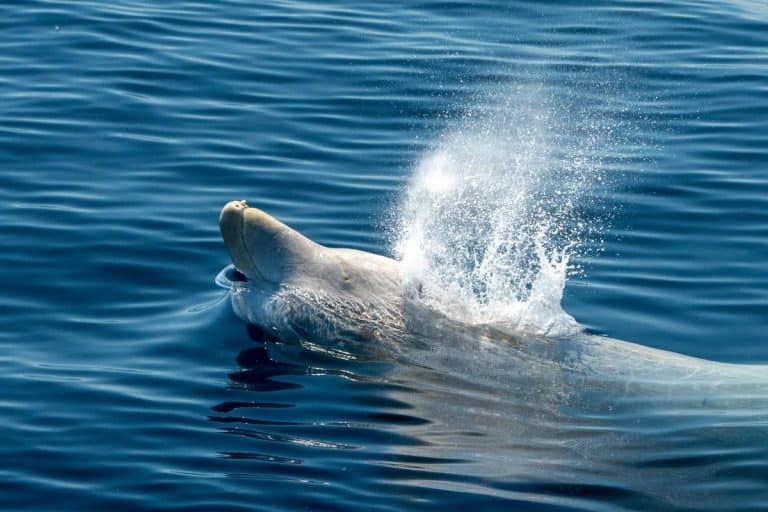
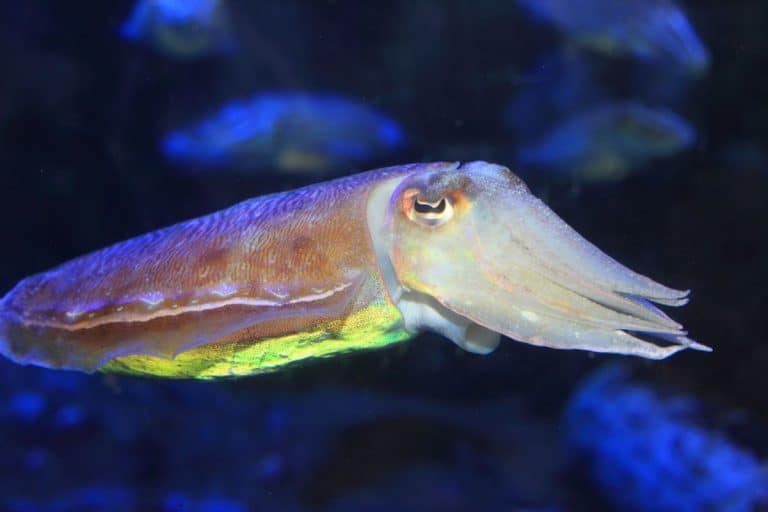
Some species are rarely seen by ROVs, let alone human eyes. The pygmy sperm whale (Kogia breviceps), which lives in the pelagic zone, was identified among the eDNA samples. Cuvier’s beaked whale (Ziphius cavirostris), another rarely-seen whale species, was also identified. What caught the attention of many researchers was that a particular sample was identified at six different locations within the abyssal zone. Giant squid were once nothing more than a legend until footage was eventually captured on ROVs. Now, the Curtin University-led team has captured eDNA as further proof of the giant squid’s widespread presence.
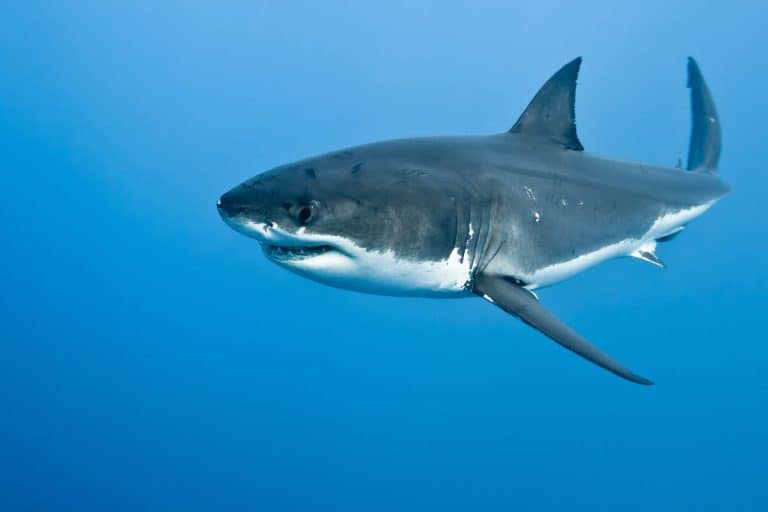
According to the study, several major marine groups were identified: squid, marine mammals, cnidarians, echinoderms, and unusual deep-sea fish. Some of the eDNA samples went outside the range of Western Australia’s usual suspects. These included the sleeper shark (Somniosus sp.), the faceless cusk eel (Typhlonus nasus), and the slender snaggletooth (Rhadinesthes decimus). It was also the first time in over 25 years that evidence of the giant squid had been found in Western Australian waters.
What This Tells Us About Deep-Sea Creatures
The findings of the study are evidence that species not only exist in the abyssal zone but also coexist. This depth may not resemble a typical thriving ecosystem, but it is sustainable in its own way. The deep-sea creatures that call this zone home adapt to its immense pressure and extreme temperatures, and have likely done so for thousands of years. To ensure their survival for thousands more years, this study serves as a vital foundation for future conservation efforts.

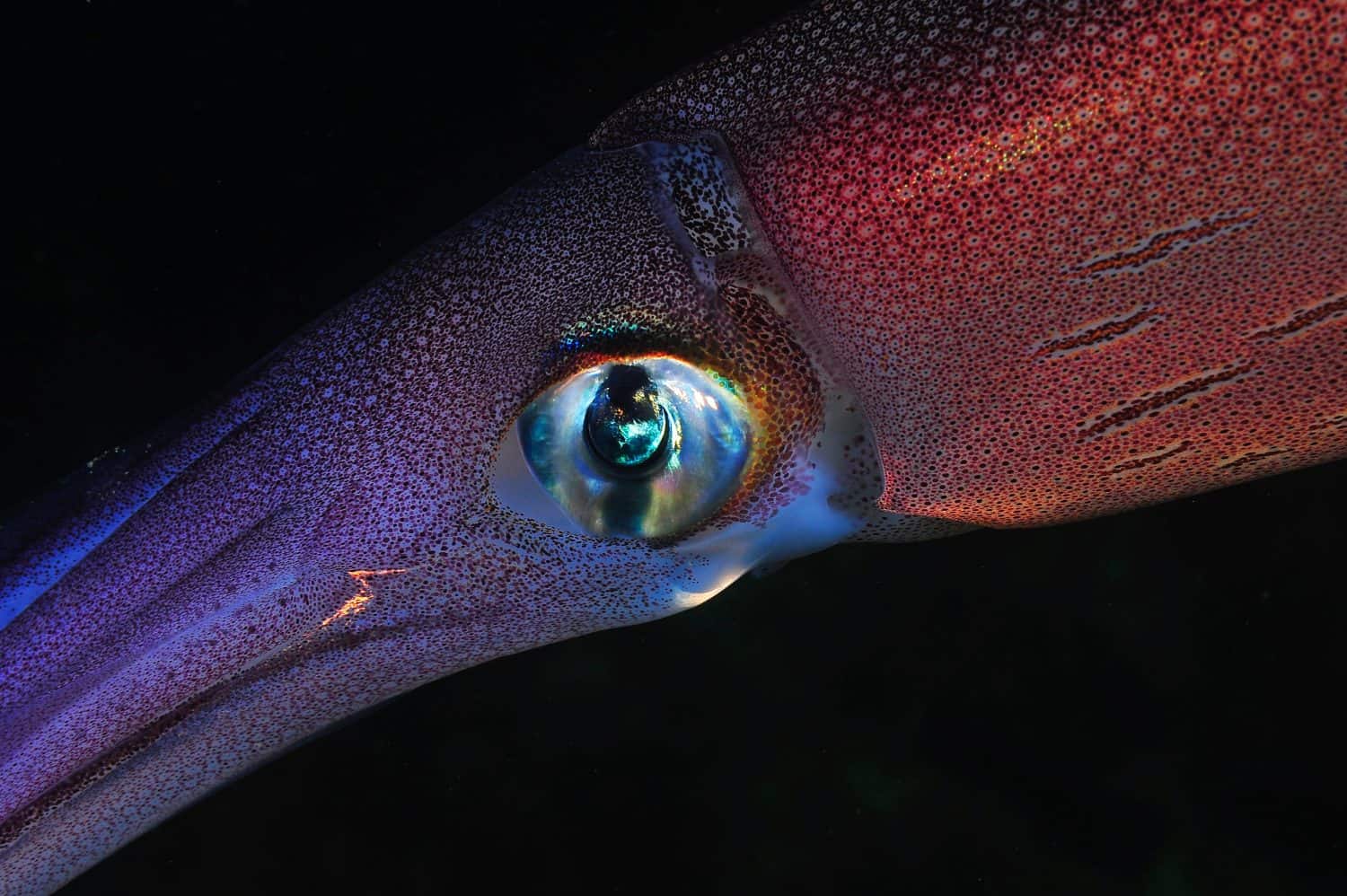
This far underwater, some marine creatures produce their own light, a phenomenon called bioluminescence.
©superjoseph/Shutterstock.com
Associate Professor Zoe Richards, senior author of the Curtin University study, emphasized just how essential it is to protect marine life at this depth. “You can’t protect what you don’t know exists. The sheer number of discoveries, including megafauna, makes it clear that we still have so much to learn about what marine life lives in the Indian Ocean,” she said in an interview with ScienceDaily.