
Quick Take
- The Schmidt Ocean Institute explored a Vatican-sized reef during its most recent voyage to the Argentine Sea.
- More than 80% of the world’s oceans remain unexplored but are being mapped by ROVs.
- Recent footage revealed 28 new species, including a new chiton named by citizen scientists who participated in the discovery.
- As technology evolves, ROVs could be key to exploring previously unexplored deep-sea depths.
As of 2026, more than 80% of the world’s oceans are still unmapped and unexplored. We know more about the face of the moon than Earth’s own deep sea. The team at the Schmidt Ocean Institute is working to change all that. Their recent discovery of 28 new species off the Argentine Coast speaks to those efforts. Their tireless work has unearthed some of the deep’s greatest mysteries and some of its most fascinating marine life.
None of this would be possible without the greatest scientific minds at work, but even they get a little help. Remotely operated vehicles, also known as ROVs, have allowed humans to explore depths that they couldn’t even dream of reaching. From the safety of the command room aboard research vessels, expedition teams pilot their ROVs. Through these lenses, researchers observe vast underwater landscapes for the very first time.
How Are ROVs Shaping the Way We Explore the Ocean?
The Schmidt Ocean Institute’s ROV SuBastian exemplifies cutting-edge technology. The ROV can dive for an unlimited time at depths of up to 4,500 meters, or nearly 2.8 miles. It can travel up to three knots, making each expedition a seamless transition from the surface to the seafloor. SuBastion is roughly the size of a minivan and routinely remains submerged for up to eight hours during expeditions.
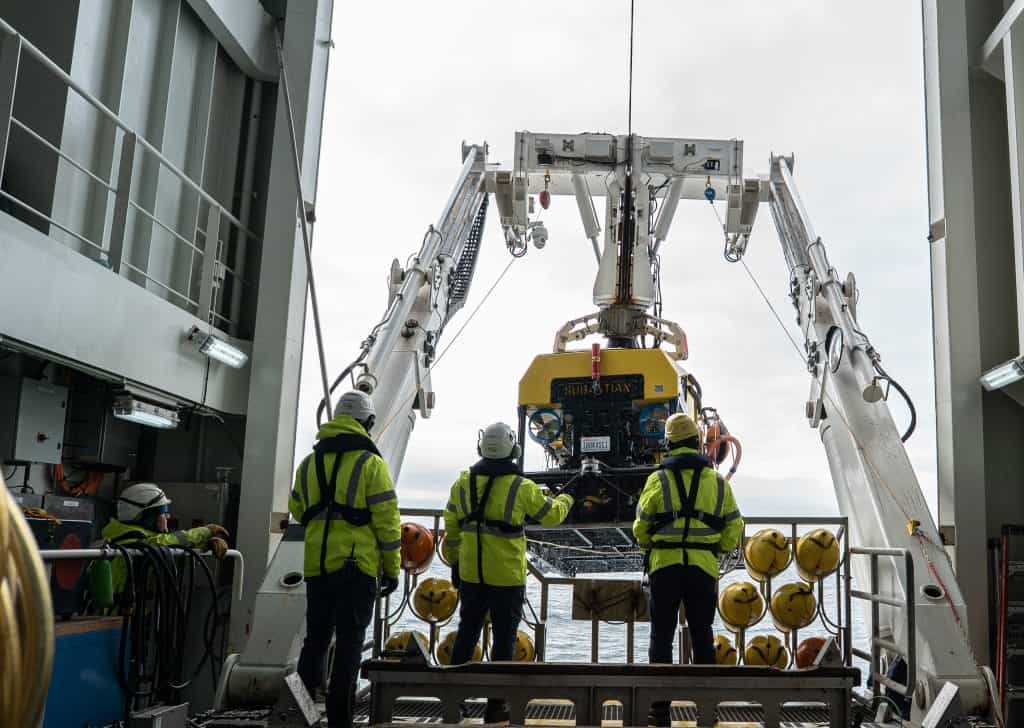
The team launches ROV SuBastian into the Antarctic Ocean, near the South Sandwich Islands.
©Paul Satchell/The Nippon Foundation-Nekton Ocean Census/Schmidt Ocean Institute © 2025 – Original / License
The ROV uses a complex system of thrusters, weights, and its own navigation system. Pilots aboard the Falkor control the ROV remotely, maneuvering it through the ocean depths. The tech on board SuBastion streams directly to the Schmidt Institute’s website and YouTube channel, so viewers at home can watch each dive live. This is where the magic happens. As viewers tune in to each riveting sweep of the ROV, they can witness something never seen before.
In 2026, this included a whopping 28 new species that were discovered in the Argentine Sea alone. Earlier in the year, viewers witnessed a giant phantom jelly as its ethereal form brushed past SuBastion’s camera. While this offered a glimpse of a rarely seen species, there was even more to discover. A recent expedition took SuBastian to the deep waters of the Argentine Sea, where researchers were amazed to find an entire biome teeming with life.
Bathelia Reef and Its New Species
The Bathelia candida reef in the Argentine Sea is the largest known cold-water coral reef of its kind. Up to this point, researchers knew little about it, let alone the marine life inhabiting it. When an Argentinian-led team took the ROV down to the continental shelf, they were met with the discovery of a lifetime. Numerous corals, sea urchins, worms, sea snails, and sea anemones were discovered. These 28 new species were recorded and documented. The work of the Schmidt Ocean Institute and SuBastian was then published for the world to appreciate.

The Bathelia candida reef is teeming with sea anemones, which thrive in its cold waters.
©valda butterworth/Shutterstock.com
However, the discovery didn’t end there. “We were not expecting to see this level of biodiversity in the Argentine deep sea, and are so excited to see it teeming with life. Seeing all the biodiversity, ecosystem functions, and connectivity unfolding together was incredible. We opened a window into our country’s biodiversity only to find there are so many more windows left to be opened,” says the expedition’s chief scientist, Dr. María Emilia Bravo of the University of Buenos Aires and CONICET.
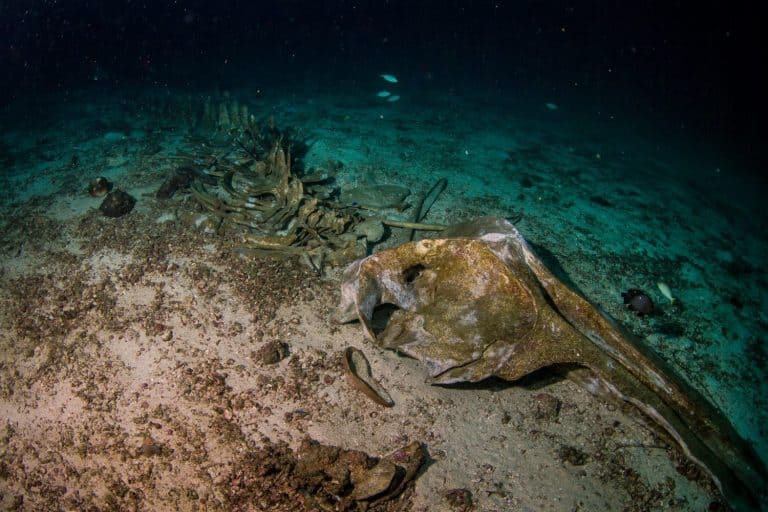
In that same release, it was revealed that the reef is roughly the size of Vatican City. It has been partially documented, but no one was sure of the extent of its marine life. It turns out that the reef also extends 373 miles further south from its originally known location and is home to a diverse ecosystem. During that same expedition, researchers discovered another surprise. The first deep-sea whale fall in Argentina was documented, and the long-gone whale’s carcass became a haven for scavengers, crustaceans, and their predators. Large sea sponges and bubblegum coral were also discovered at the site, reshaping scientists’ understanding of the deep Argentine Sea.
How Are ROV Discoveries Solving Deep-Sea Mysteries?
Each ROV trawl brings us one step closer to learning about a new species or to discovering life where none had previously been known to exist. These dives, like those by the Schmidt Institute, reveal discoveries in real time. You can hear the researchers’ commentary in the background and sense their enthusiasm when they record something spectacular. As you watch them collect samples from the surrounding depths, you could be witnessing deep-sea history in the making.
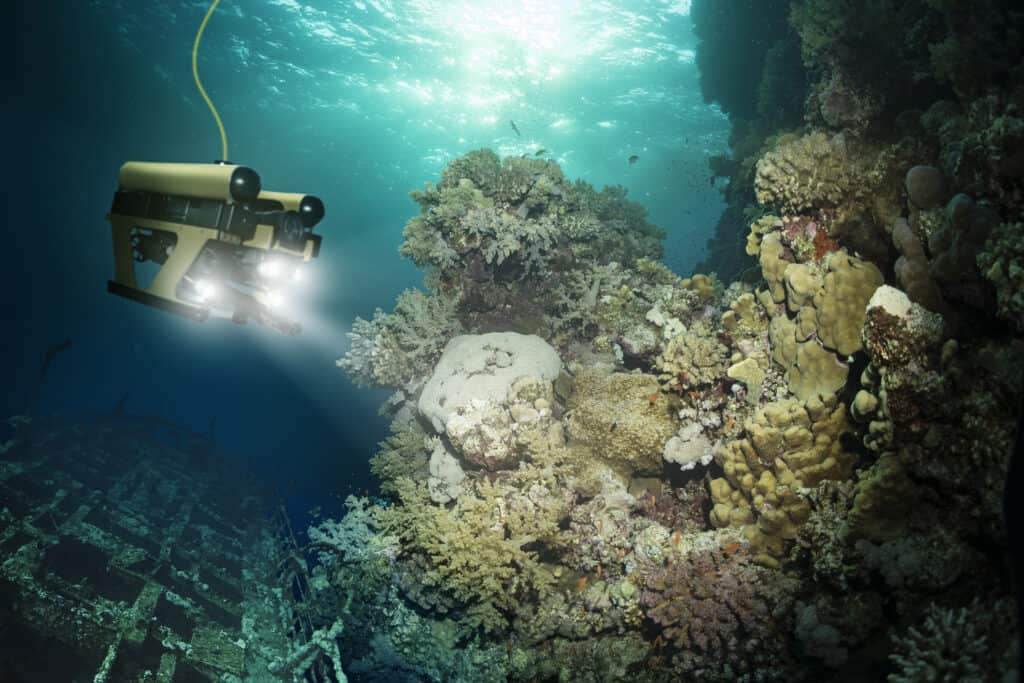
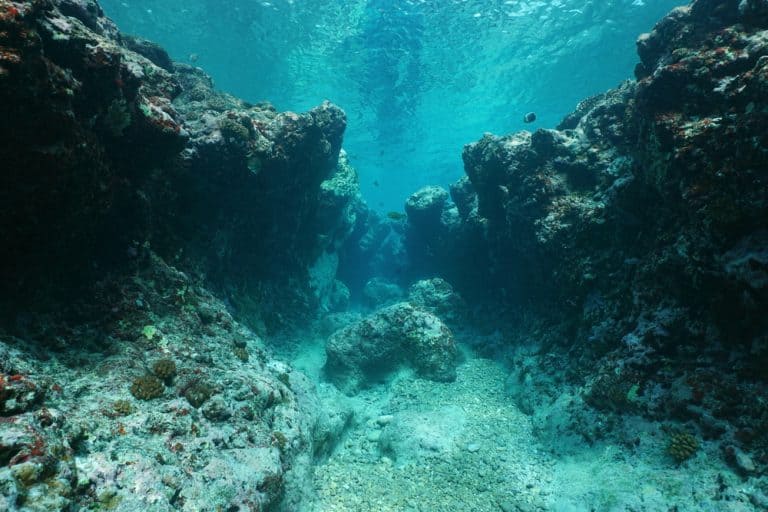
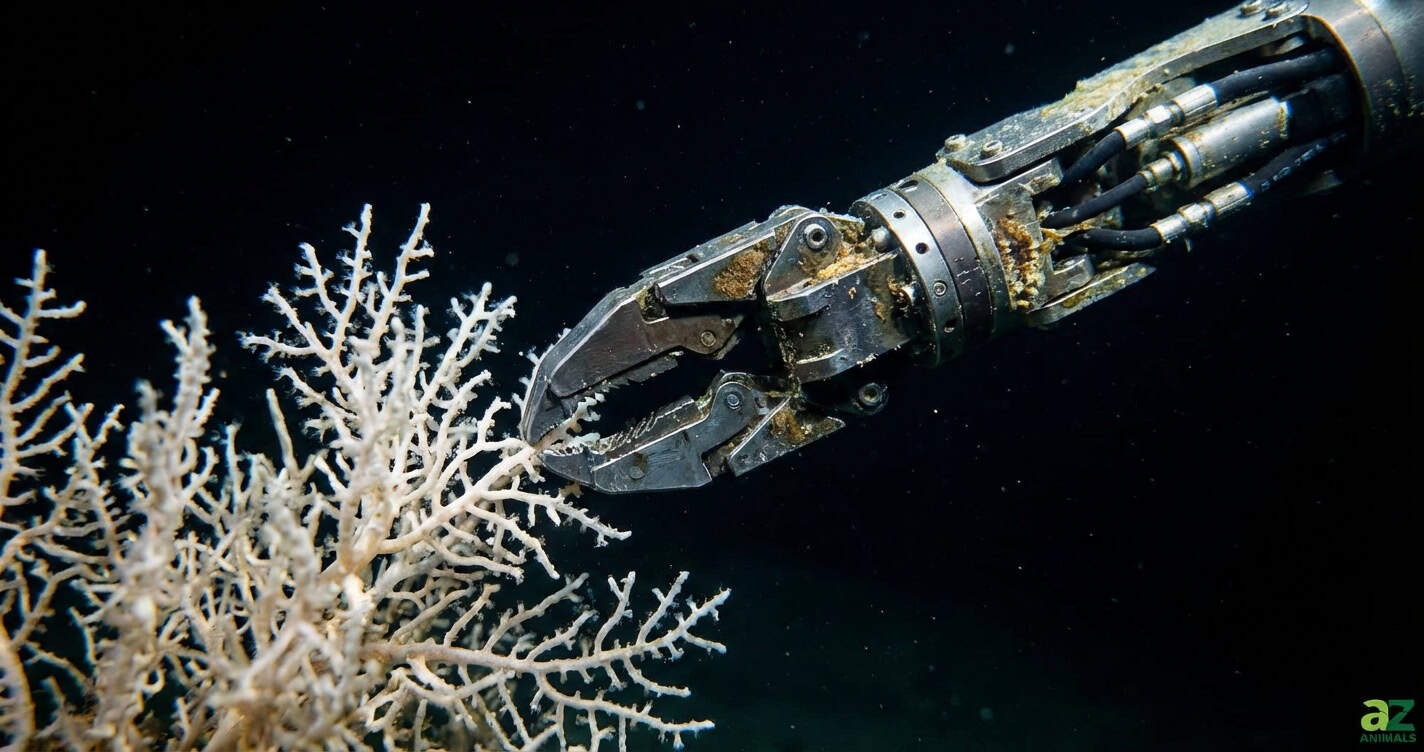
ROVs can withstand pressure in places where humans cannot survive.
©iStock.com/S_Bachstroem
Without modern technology, we wouldn’t know any of these things existed. So much remains unexplored, and ROVs such as SuBastian are key to cataloging marine life and environments just miles beneath the surface. As more footage comes back from three miles below, citizen scientists are also stepping in to help researchers document unknown species.
Modern Tech Involves Internet Sleuths to Name New Species
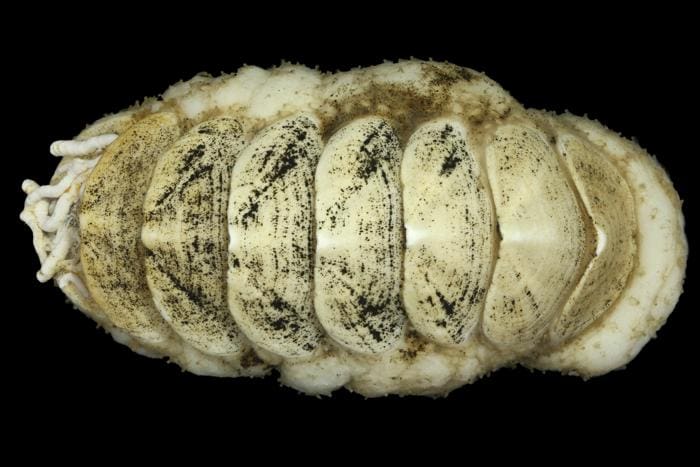
When the Senckenberg Ocean Species Alliance team confirmed a new deep-sea chiton, they needed a name. The newly discovered mollusk was named Ferreiraella populi, one of more than 8,000 suggestions. The clever name was thought up by citizen scientists who were invited to participate in the challenge by science YouTuber Ze Frank. When translated, Ferreiraella populi means “of the people.”
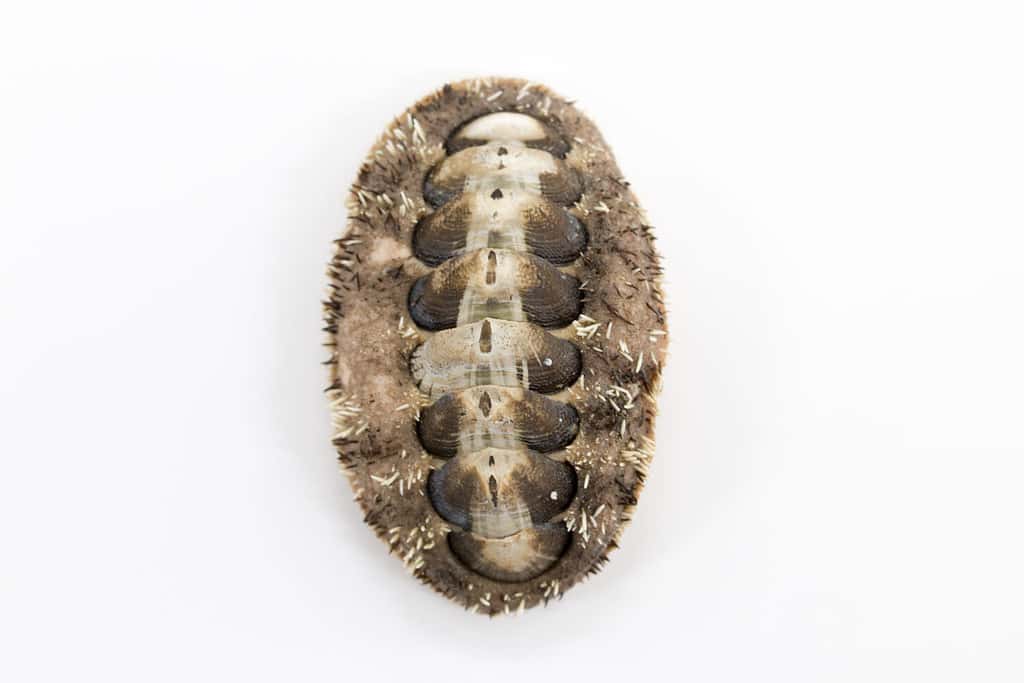
Chitons are a type of marine mollusk, and Ferreiraella populi is the most recent to join the list of newly-discovered species.
©Rattiya Thongdumhyu/Shutterstock.com
The chiton, which was affectionately called a “weaponized croissant” by Ze Frank, has eight protective shells on its exterior. Hidden underneath is the “girdle,” or soft body of the chiton, as well as an iron-clad radula, or tongue. A collection of worms often gathers at the base of the mollusk to feed on its excrement. Altogether, it’s a fascinating creature. Even more fascinating is that 11 different people posted under the same name (Ferreiraella populi), showing how a sense of community can spark hive-mind creativity.
The Senckenberg Ocean Species Alliance’s engagement with its followers is only one way that ROVs are reshaping our marine landscape. It’s one thing to learn about a species, but it’s another to watch science in motion and become part of it. Through ROV research, photos and video footage bring people at home closer than ever to species they will probably never see in their lifetimes. As remotely operated vehicles undergo upgrades, we may eventually have access to more of the deep sea than ever before.