
Quick Take
- A 1,000-pound mother stood by while strangers lifted her calf. What kept her from charging?
- Moose fear people less than almost any other wild animal. The reason is surprisingly simple.
- The calf woke up alone and wailing. Did his mother ever come back?
- Colorado's moose weren't always here. The story of how they arrived involves a risky experiment.
What happened at the Breckenridge Skatepark?
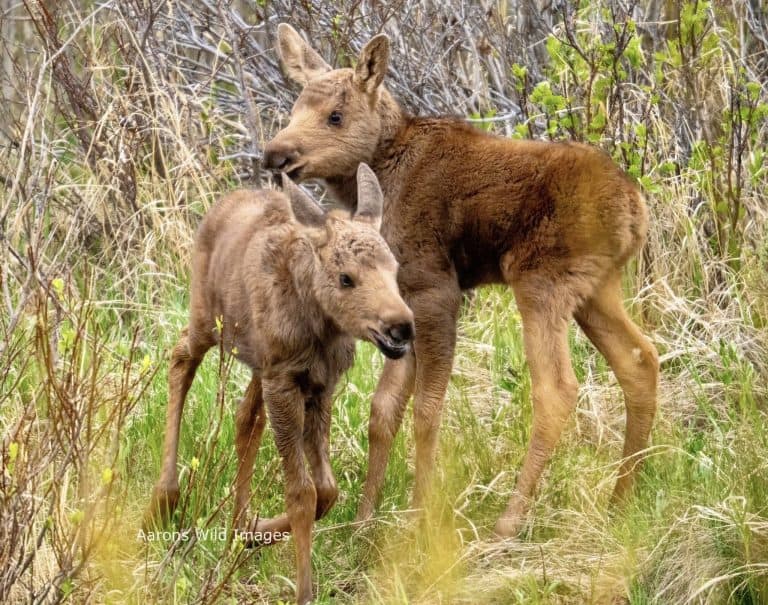
On the morning of Thursday, Oct. 16, 2025, Colorado Parks and Wildlife (CPW) got a call about a moose calf stuck at the bottom of a bowl at the Breckenridge Skatepark, Summit Daily reported. He’d fallen in by accident and been separated from his mother.
Around 8 a.m., the Breckenridge Police Department asked people to avoid the park, which sits near the town’s recreation center, CBS Colorado reported. The Denver Gazette quoted the notice: “Mom is nearby and it’s making her very anxious that she can’t get to her baby. Let’s give the mama and baby space until Colorado Parks and Wildlife can safely handle it.” Images from the scene showed the calf at the bottom of the concrete bowl on a pile of fallen leaves.
CPW officers sedated the calf and, with help from police and town recreation staff, removed him from the bowl, the agency wrote on X.
See Colorado Parks and Wildlife’s photos and videos on X
Why was a moose calf in the middle of town?
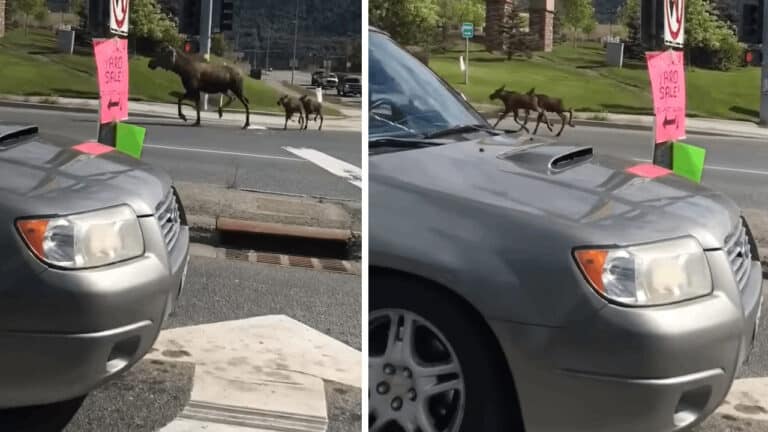
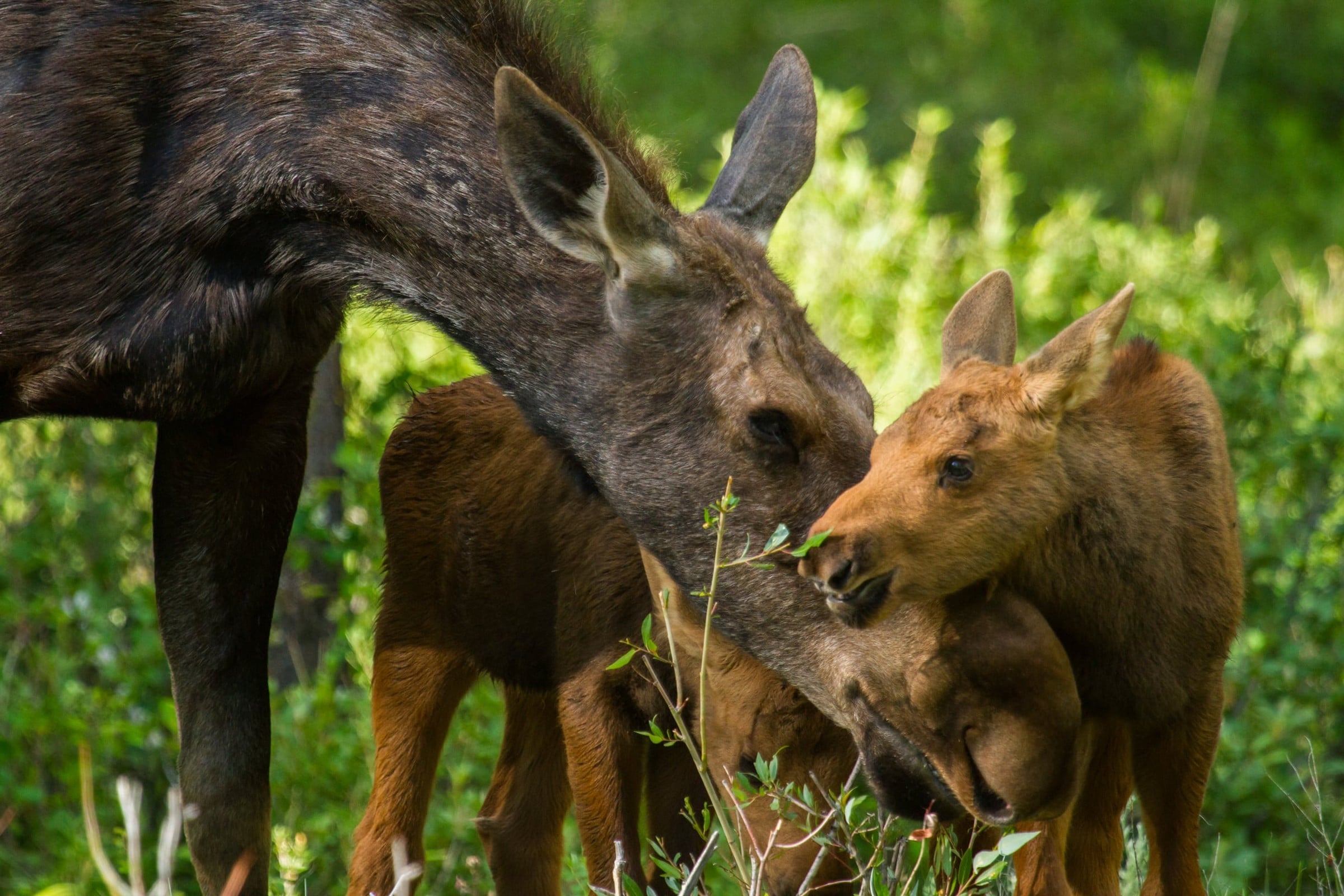
Moose have very few natural enemies in the wild, so they fear humans less than most other species do, according to CPW’s guide to living with moose. They tolerate people longer and at closer distances. They’re also extremely curious and will often approach people or houses.
The agency adds that calves are usually born from mid-May through early June, and that cows are very protective of their young. October also falls in the breeding season, generally late September through November, when bulls can become aggressive and territorial.
How did officers get him out of the bowl?
Police asked for space because the mother was close by. Colorado’s adult moose weigh up to about 1,000 pounds, stand six feet tall at the shoulder and can run 35 mph, CPW says. Cows can be dangerous if approached or caught off guard.
Once the calf was sedated, crews got a harness around him, FOX Weather reported from the rescue videos. People inside and outside the bowl supported his limp body as he was raised slowly and carefully. CBS Colorado reported that he was winched out as his mother stood by patiently. Community members helped with the rescue, and no one, including the moose, was hurt.
What happened when the calf woke up?
Crews carried him to an area away from the skatepark, and CPW kept a close watch until the sedation wore off and he could stand on his own, the agency wrote on X. In CPW’s video, someone says “Good boy” as he gets to his feet, FOX Weather reported. He wailed as he got his bearings.
Did he find his mother?
He did. CPW posted a video of a cow and calf walking toward each other at a nearby playground. “We kept an eye on our little skater moose until he and Mom were reunited,” the agency wrote. Mother and son then left the area together, Summit Daily reported.
Why does Colorado have moose at all?
Historical records going back to the 1850s show moose wandering into northern Colorado from Wyoming without ever establishing a stable breeding population, according to CPW. In 1978, the state transplanted 24 moose from Wyoming and Utah to North Park, near Walden. Colorado now has thousands.
They’re Shiras moose, the smallest of the four moose subspecies and still Colorado’s largest big game animal.
CPW asks people to give moose space and keep dogs on a leash. Moose react to dogs as they would a wolf, one of their primary predators, and that response has led to serious injuries to people and pets.