
Quick Take
- A tiny fox with no fear of daylight met a predator it never evolved to face, and the reason that predator showed up is stranger than you'd guess.
- One of the recovery tactics involved recruiting a rival raptor, and a few scenes of aerial bullying suggest it worked.
- The comeback set a federal speed record, but one island's numbers are now sliding for a surprising reason.
- A record-breaking wildfire hit at the worst possible moment in the foxes' year. Did they make it?
In August 2016, the U.S. Fish and Wildlife Service took three subspecies of island fox off the endangered list, 12 years after they were listed in 2004. The U.S. Department of the Interior called it the fastest successful recovery of any Endangered Species Act-listed mammal in the United States.
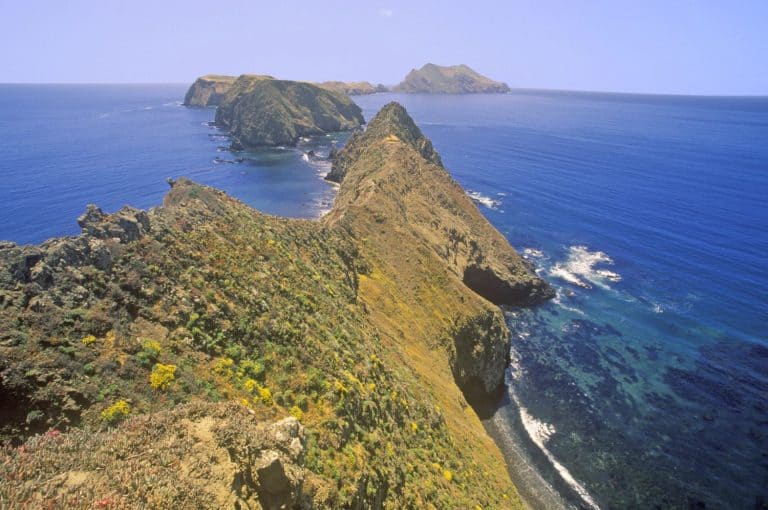
The three subspecies live on San Miguel, Santa Rosa and Santa Cruz islands in Channel Islands National Park. By 2000, about 15 foxes were left on San Miguel, about 15 on Santa Rosa and fewer than 80 on Santa Cruz, according to the National Park Service.
How small is an island fox?
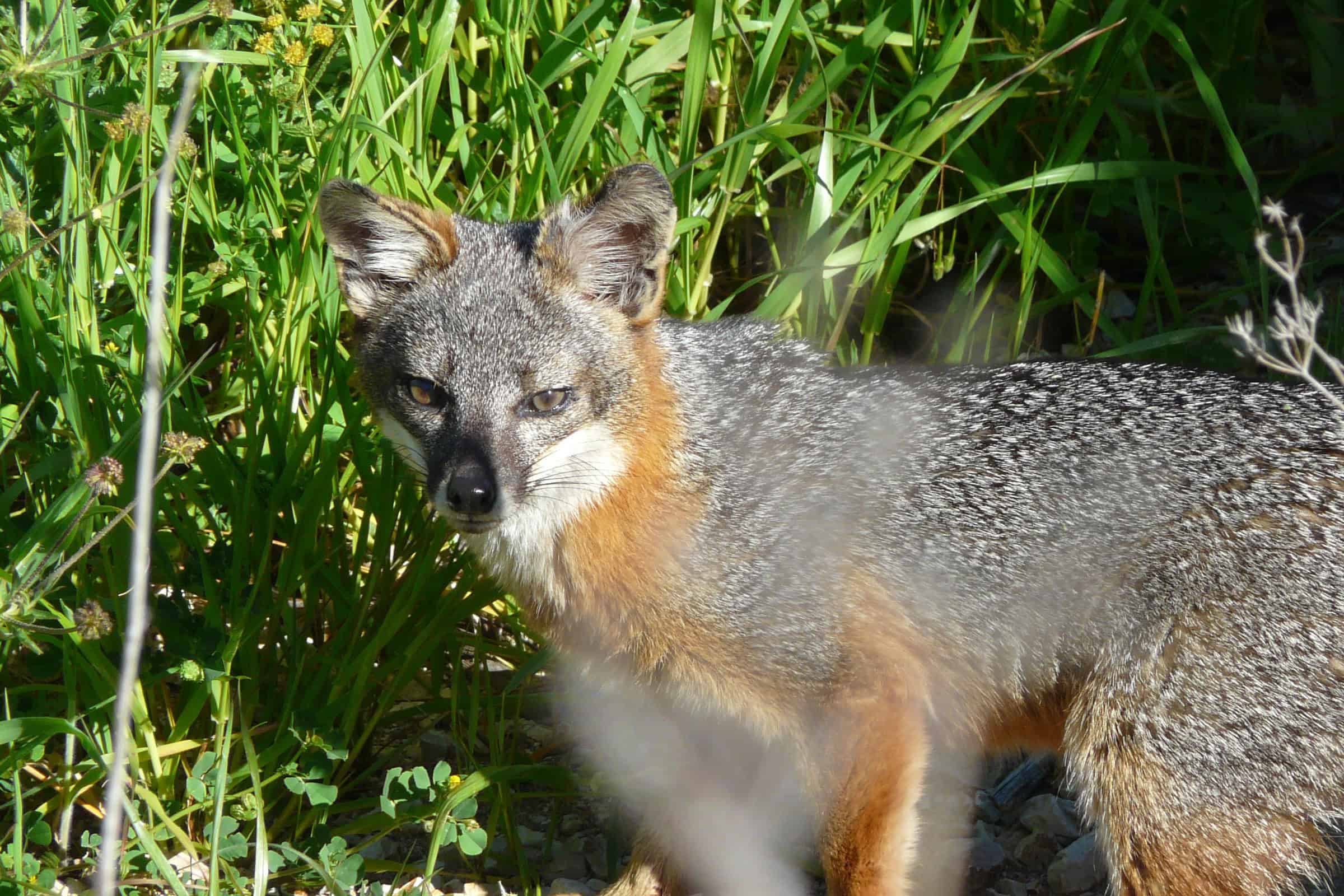
An adult stands 12 to 13 inches tall and weighs 4 to 5 pounds, about the size of a house cat. That is one-third smaller than the mainland gray fox it descends from.
The Park Service says overcrowding, limited food, fewer predators and genetic variation could all have favored a smaller body on the islands. The species lives on six Channel Islands and nowhere else on Earth.
Gray foxes hunt only at night to avoid predators. Island foxes evolved with no natural predators, so they are active in daylight.
Why could golden eagles hunt them?
Golden eagles had not historically bred on the islands. Bald eagles, a natural competitor, were lost to the pesticide DDT, and golden eagles moved into the gap.
Non-native hoofed animals gave the golden eagles a food source, and the birds settled in as resident breeders, the Park Service says. Livestock grazing had also thinned the native shrubs the foxes evolved with.
“Without shrubs for hiding cover, the foxes were especially easy for the golden eagles to catch,” the Park Service wrote.
In the late 1990s, fox populations fell by more than 90 percent, Interior said. Santa Rosa went from about 1,780 foxes to 15, and San Miguel from about 450 to 15.
How did the park bring them back?
In 1999, Channel Islands National Park started a recovery program with four parts: breed foxes in captivity and release them, remove the resident golden eagles, bring back bald eagles and remove the non-native hoofed animals.
Golden eagles were captured and relocated to the mainland, and feral pigs were removed. The captive breeding program returned 226 foxes to the wild, Interior said.
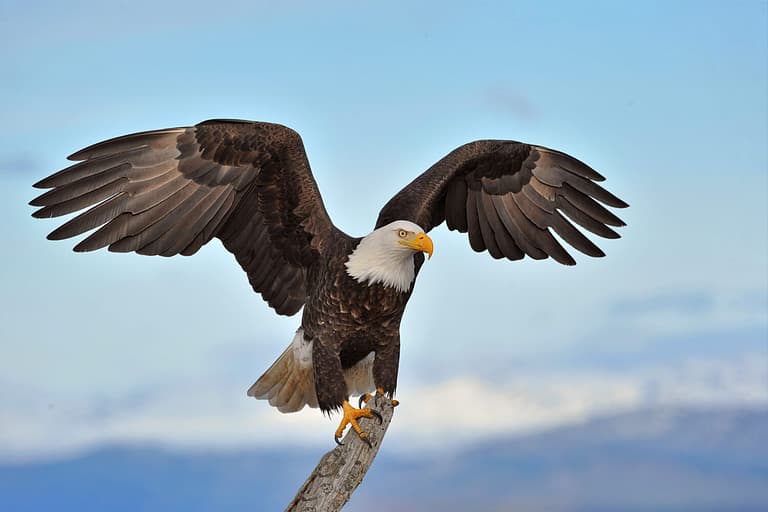
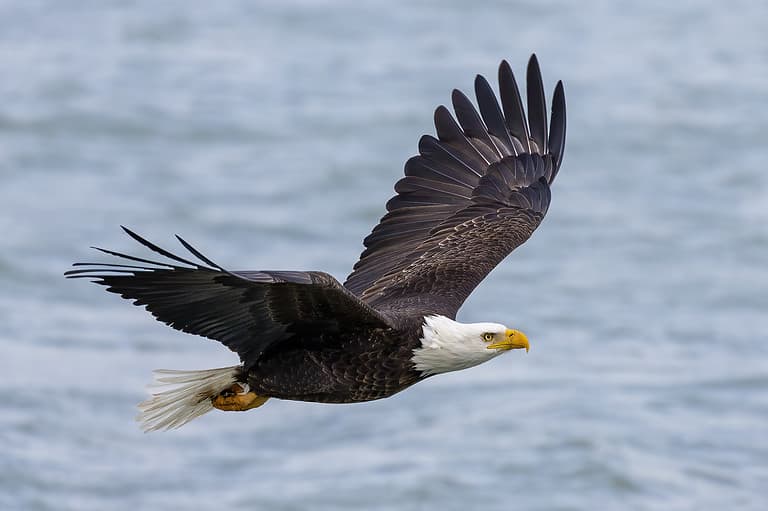
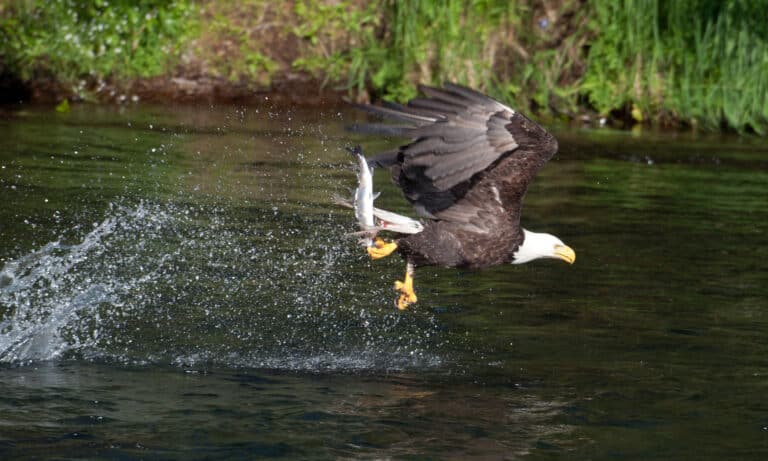
The Institute for Wildlife Studies released 61 bald eagles on Santa Cruz Island from 2002 to 2006. A bald eagle’s natural foods are marine fish, seabirds and seal and sea lion carcasses, so the Park Service says it poses little threat to foxes.
The Park Service says the reintroduction led authorities to believe bald eagles might deter golden eagles from colonizing the islands. In 2006, a bald eagle was seen escorting a golden eagle out of its territory on Santa Rosa. Newly released bald eagles were also seen chasing golden eagles off a carcass, the Park Service says.
How many foxes are there now?
Friends of the Island Fox, a group that funds radio collars and vaccinations, published the land managers’ official estimates in its 2025 status update. That update put Santa Cruz at about 3,086 foxes, the largest population. The Park Service’s most recent estimate for Santa Rosa is about 2,123.
Santa Rosa is the most crowded island, at about 34 foxes per square mile. The typical range across the Channel Islands is about 21 to 31 per square mile. Adult survival on Santa Rosa has slipped to a 72% chance of living through the year, the group reported.
Estimates rise and fall. San Miguel’s dropped from about 525 foxes to about 322 in 2024. The group called it a rebalancing, since the island’s resources can support 300 to 450 foxes.
Did the foxes survive the 2026 fire?
Twenty-seven years after the recovery program began, a wind-driven wildfire burned 18,379 acres on Santa Rosa Island, roughly one-third of the island, between May 15 and June 4, 2026. The Park Service calls it the largest wildfire ever recorded on the Channel Islands.
The Park Service assumes few adult foxes died, because adults are mobile. Pups faced more risk. They are born from late April through early May and stay in the den for about a month, so the fire hit during pup-rearing season, when the young are less mobile.
A burned-area response team saw juvenile foxes in an unburned area three weeks after the fire started. Friends of the Island Fox reported in July 2026 that most collared foxes on Santa Rosa survived the fire, based on signals from their radio collars.
The fire pushed foxes into the unburned part of the island, where they now compete for food at higher density. The Park Service expects detectable population decreases until forage rebounds, with a reversal beginning within two to five years as vegetation recovers.