
Quick Take
- A recent Morro Bay feeding frenzy suggests resilience of brown pelicans (Pelecanus occidentalis) amid warming seas.
- The DDT ban in 1972 spurred pelican recovery after eggshell thinning had reached 30% in CA and 17% in SC.
- Brown pelicans were delisted from the federal Endangered and Threatened Species list in 2009 after a decades-long recovery.
- Still, 800 sick pelicans were admitted to CA rehab centers in 2022, and brown pelicans continue to face threats from human activities.
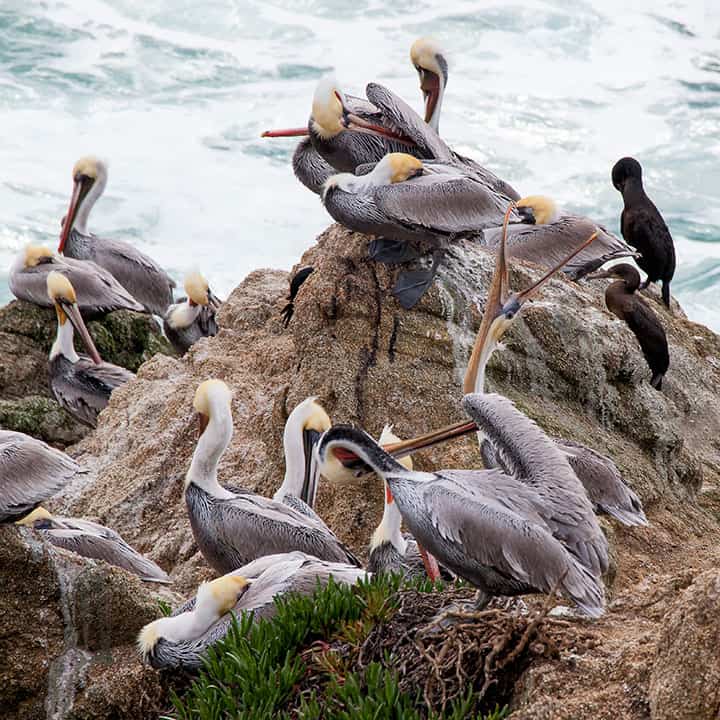
Last month, a mob of pelicans amassed on the Central California coast, diving in droves for fish prey in the turbulent waters of Morro Bay. Thousands of brown pelicans (Pelecanus occidentalis) clustered on the rocky shorelines in a feeding frenzy. Sprinkled among them were a few other ocean birds like cormorants and gulls. The ocean surface churned as seabirds plunged in headfirst, searching for anchovies, sardines, and mackerel.
What made this gathering newsworthy is that California brown pelican populations were once federally endangered. Since the 1970s, they have been gradually rebounding, but with some setbacks in recent years. So, what does this recent pelican gathering along the Pacific Coast indicate about their current status?
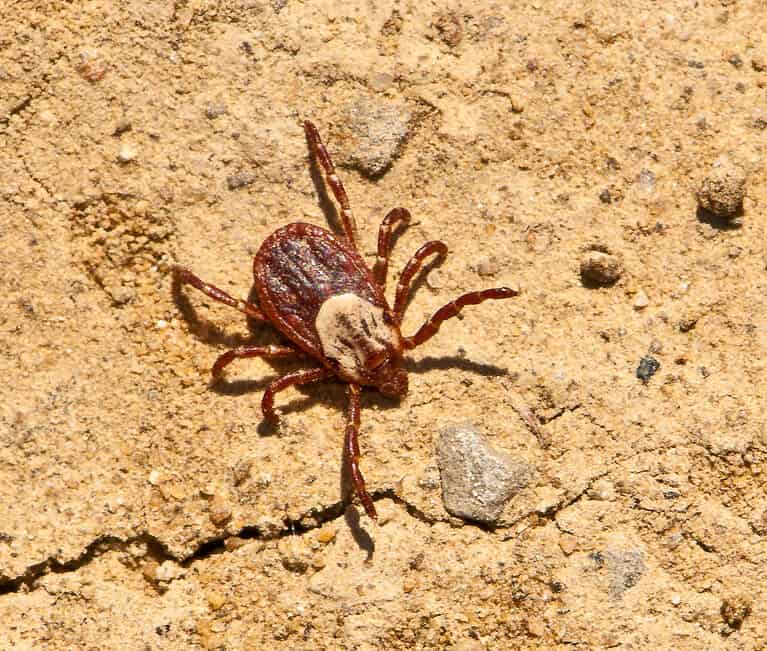
Certain pesticides to control mosquitoes and agricultural insects were used extensively after WWII.
©WoodysPhotos/iStock via Getty Images
Like many birds, brown pelicans were impacted by the organochlorine pesticides such as DDT, which was used extensively in the U.S. during the 20th century to control mosquitoes and agricultural pests. DDT (short for dichloro-diphenyl-trichloroethane) was developed as a synthetic insecticide during the 1940s and proved vital for controlling mosquito-borne diseases like malaria, typhus, and bubonic plague.
As it became clear that it not only kept mosquito populations at bay but also deterred insects that would eat crops, DDT came into widespread use on farms. It was effective in killing insect pests and relatively inexpensive to produce. DDT, however, is very persistent in the environment, not breaking down easily and therefore making its way up food chains. Once inside animals, it accumulates in fatty tissues, where it causes a litany of health problems from nervous system effects to reproductive malfunctions.
During the 1960s, prompted by what would become a landmark book, Silent Spring by Rachel Carson, it became increasingly clear that DDE, a byproduct of DDT, caused thinning of bird eggshells.
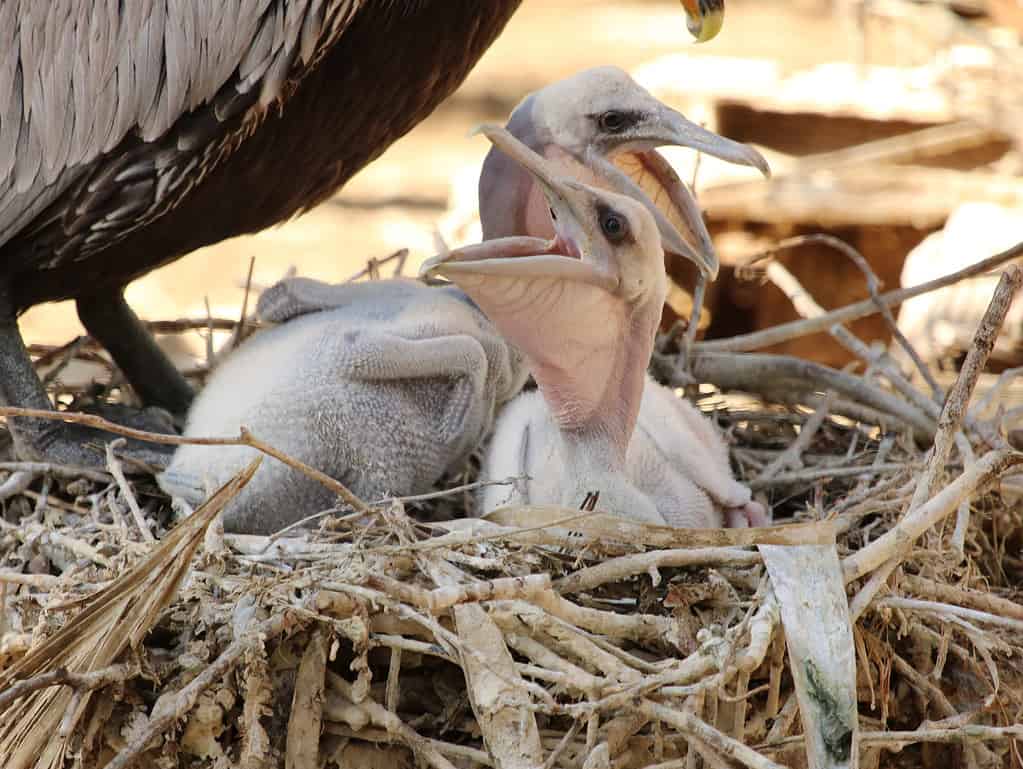
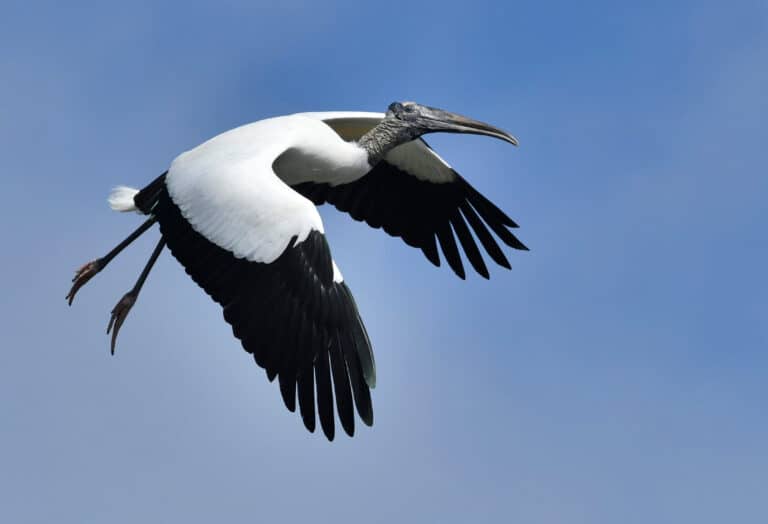
Baby Brown Pelicans are pink right after they hatch and are vulnerable to starvation.
©jrubacha/iStock via Getty Images
Brown pelicans are highly sensitive to the effects of organochlorine pesticides, which thin their eggshells and make them susceptible to breakage. Every time they ate a fish contaminated with DDT, they accumulated some of its toxic metabolic byproduct, DDE, in their body tissues. In 1969, eggshells of South Carolina brown pelicans were reported to be 17% thinner than normal, and the shells of California populations were 30% thinner, compared to their pre-DDE thicknesses. Crushed eggs began to show up regularly in brown pelican colonies. The “Pelican State” of Louisiana, which had harbored an estimated 12,000-85,000 brown pelicans, lost the species altogether by 1963.
By the 1960s, the decline of brown pelicans became obvious when studies recorded declining hatching rates. Whereas the minimum hatching production for a population to remain stable is estimated at 1.0 to 1.2 fledglings per nest per season, 1969 saw only 0.0004 fledglings per nest in California, according to a 1975 study published in Science. Even in the more productive part of their range in South Carolina, only 0.78 young hatched per nest that year, according to a 1978 study in The Auk.
In 1970, the U.S. Fish and Wildlife Service federally listed the brown pelican populations along the Atlantic coast and the Gulf of Mexico as Endangered, and California listed its Pacific population as state endangered.
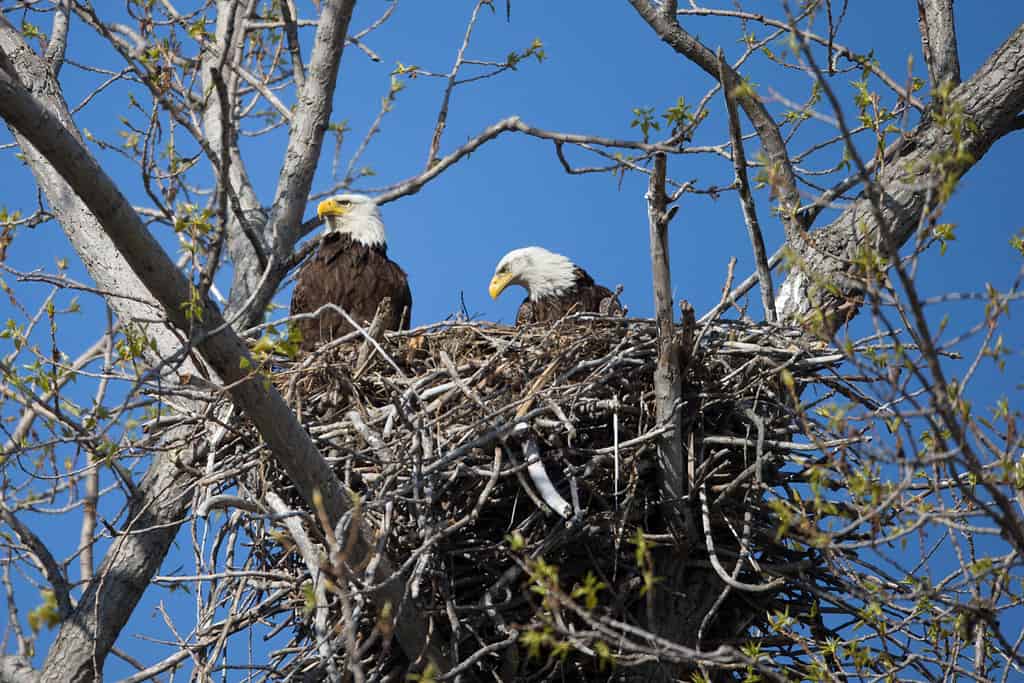
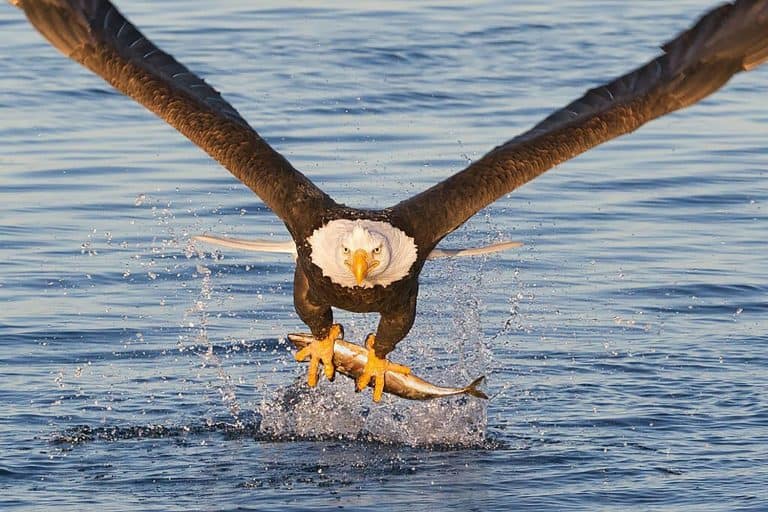
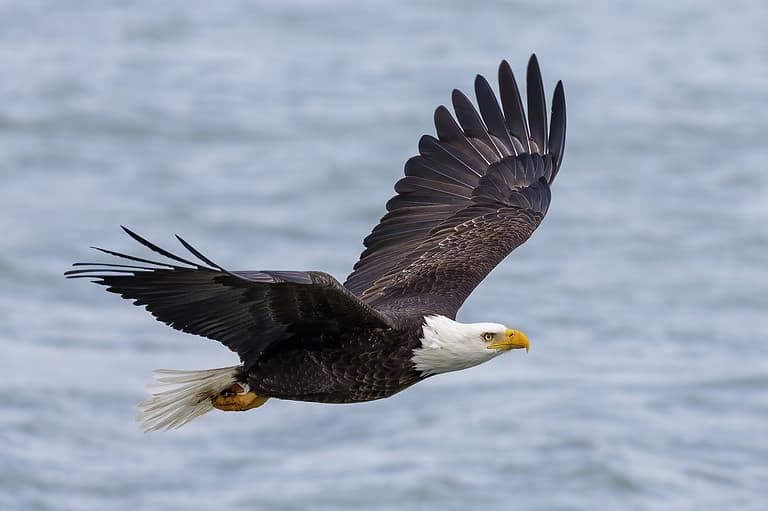
Bald eagles (Haliaeetus leucocephalus) recovered after DDT was banned in the United States.
©Dennis W Donohue/Shutterstock.com
Recognizing their deleterious impacts on bird reproduction, the U.S. banned DDT for most uses in 1972. A 1982 research article in Science reported that after the ban, reproduction of birds such as bald eagles was relatively rapid. Like brown pelicans, bald eagles had landed on the Endangered Species list because of their reproductive failures. The banning of DDT in the U.S., coupled with captive breeding programs and habitat protections, bolstered bald eagle recovery such that they were removed from the federal Endangered Species list in 2007.
By the 1990s, countries negotiated an international treaty, via the UN Environment Programme, to enact bans and restrictions on persistent organic pollutants, including DDT. The 2001 Stockholm Convention bans all DDT uses with just a few exceptions in places where it’s still the most effective way to prevent malaria epidemics.
However, organochlorine pesticides are still used in some countries. A 2024 article in Scientific Reports found organochlorines in the upper La Antigua Watershed of Veracruz, Mexico, while a 2025 article published by the European Society of Medicine reported organochlorine pesticide contamination along the Yucatan coast. Coastal waters, generally, point out the study authors, are a sink for pesticides that run off agricultural fields.
Despite Mexico implementing its first major pesticide ban since 1991—prohibiting the use, import, sale, and manufacture of 35 pesticides nationally—a couple of hundred highly hazardous pesticides banned in other countries are still authorized in Mexico, according to an article in Regeneration International. Because the natural range of brown pelicans extends from breeding grounds in British Columbia to overwintering sites in Mexico, they remain vulnerable to the continued use of DDT outside the U.S.
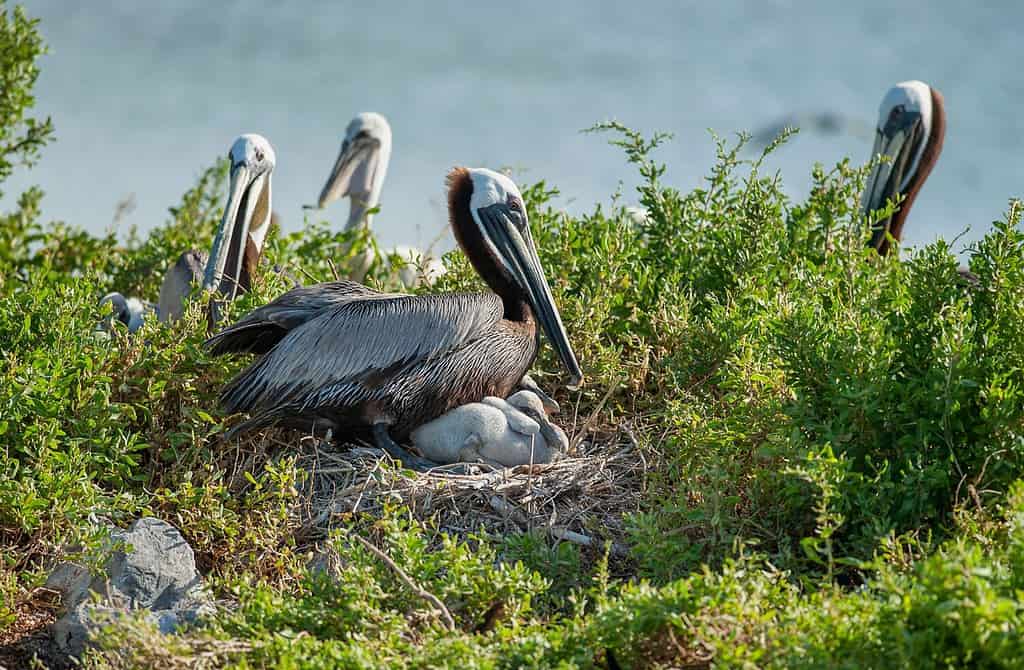
Brown pelican reproductive success gradually recovered once DDT was banned.
©Bonnie Taylor Barry/Shutterstock.com
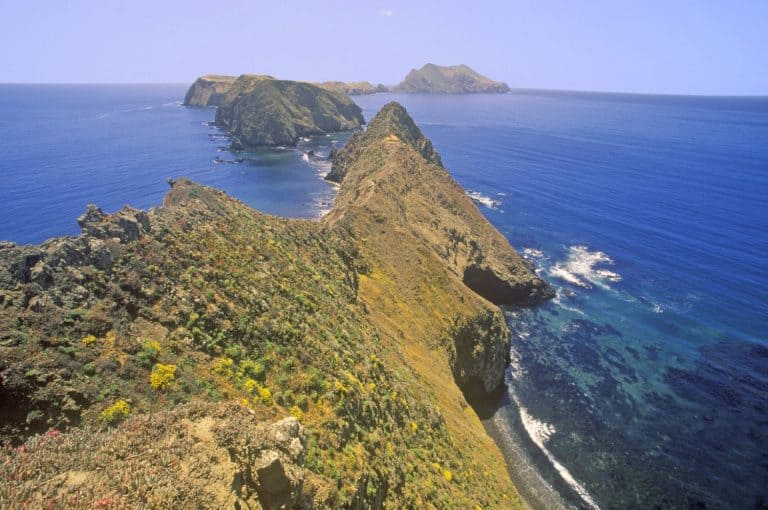
Still, pelican populations began to rebound after the ban on DDT. For example, scientists monitoring brown pelicans in Channel Islands National Park, California, charted their recovery. In 1970, on West Anacapa Island, 552 nesting attempts were made, with only one chick surviving. After the ban, the park’s breeding population steadily increased, with an average of 4,600 nests annually from 1985 to 2006.
Since 1969, monitoring of South Carolina brown pelicans has recorded lower organochlorine concentrations, thicker eggshells, higher reproductive success, and ultimately larger breeding colonies. From 1969 to 1976, the brown pelican breeding populations in South Carolina doubled, according to a USGS report.
The banning of DDT and other persistent pesticides that remain in the environment and accumulate up the food chain allowed pelicans to regain suitably thick eggshells and increase their populations. They first recovered in the southeastern U.S. (subspecies P. occidentalis carolinensis) and later along the west coast (subspecies P. occidentalis californicus).
A study in Science of the Total Environment found that Gulf of California populations of brown pelicans had significantly higher levels of DDT in their eggshells, whereas South Carolina eggshells had higher levels of some other contaminants.
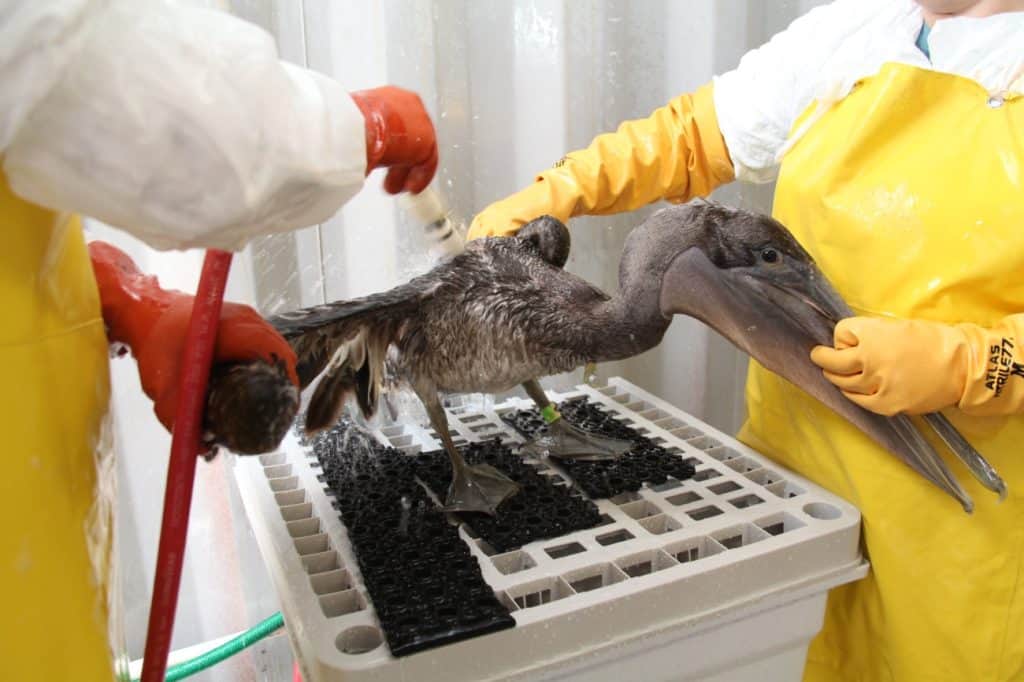
Brown pelicans still face a range of threats, such as this individual being rinsed after an oil spill.
While pelicans are no longer subject to the reproductive impacts of organochlorine pesticides in most of their range, they are vulnerable to other human impacts. An accelerating challenge for brown pelicans is our warming climate. As global temperatures rise, brown pelicans are likely to experience drought, which impacts their food resources, and spring heat waves that may endanger young birds.
In 2022, hundreds of pelicans were found sick along the southern and central California coasts. The California Fish and Wildlife Service says, “The pelicans have been found emaciated and frequently with secondary injuries or broken wings. Many of these birds died shortly after arrival at a facility.” The birds brought to rehab centers were emaciated and, in some cases, suffering injuries. Analyses of the birds that died indicated that they had experienced starvation. Ultimately, almost 800 pelicans were admitted to rehab centers, of which 394 recovered sufficiently to be returned to the wild.
Although brown pelicans are the smallest pelican species, they still require a substantial amount of fish each day to maintain their adult body weight, which can exceed seven pounds. If they do not consume two to four pounds of fish per day, they quickly become weak and hungry.
A similar event occurred in 2024, when many emaciated brown pelicans were brought to rehabilitation facilities along the coast, from Santa Cruz County to San Diego County. Debbie McGuire, executive director of the Wetlands and Wildlife Care Center in Huntington Beach, told the Associated Press, “They are starving to death, and if we don’t get them into care, they will die. It really is a crisis.” In a period of just three weeks, 110 sick pelicans were reported to a bird rescue organization.
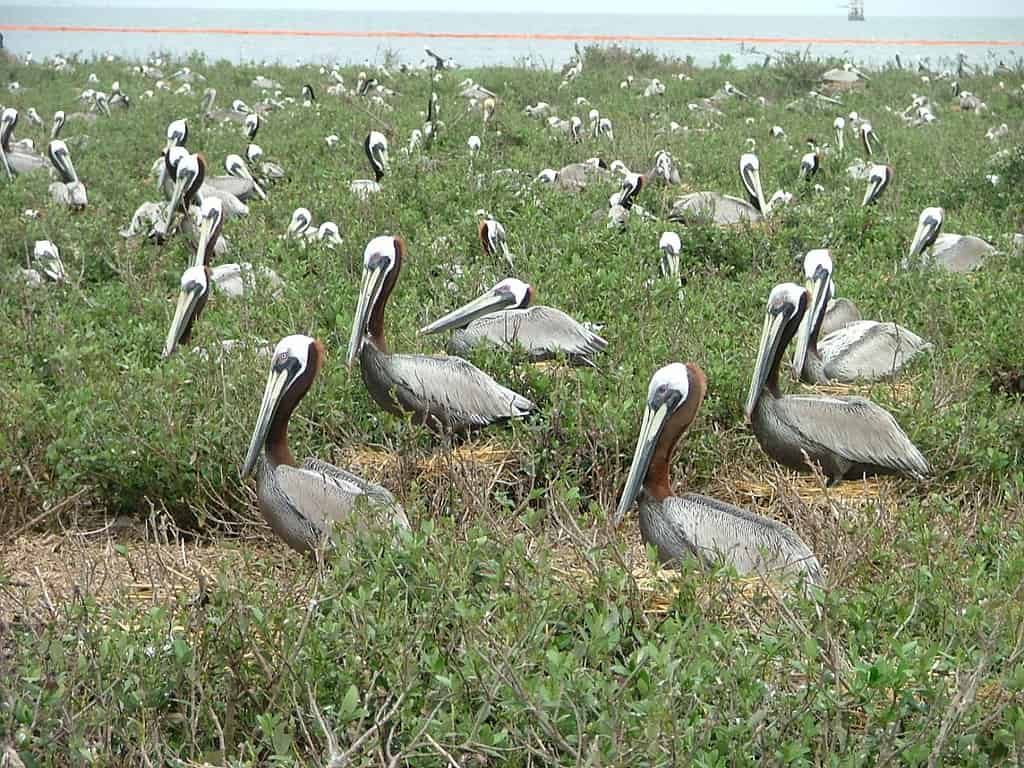
Breton Island, Louisiana, now boasts about 1300 brown pelican nests.
In 2009, brown pelicans were removed from the Federal List of Endangered and Threatened Species, according to the U.S. Fish and Wildlife Service. In the description of their final ruling, the USFWS explains, “The species is no longer in danger of extinction, or likely to become so within the foreseeable future.” They will, however, still merit certain protections under the Migratory Bird Treaty Act, which prohibits killing or capturing them without authorization from the USFWS.
Today, the gorging seabirds are a “good sign for the marine environment,” Marine Ornithologist Tammy Russell, a postdoc at U.C. San Diego, Scripps Institution of Oceanography, told the Associated Press. After gorging at Morro Bay, they’ll head south as far as Mexico to their breeding grounds. “It’s encouraging to see a group of pelicans feeding and doing well,” said Russell.