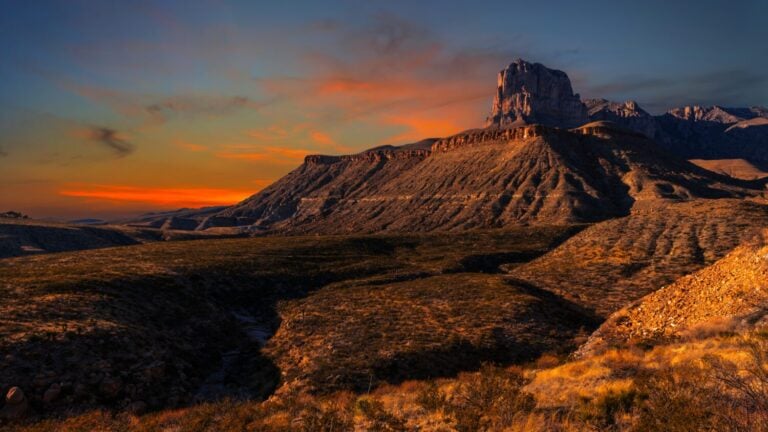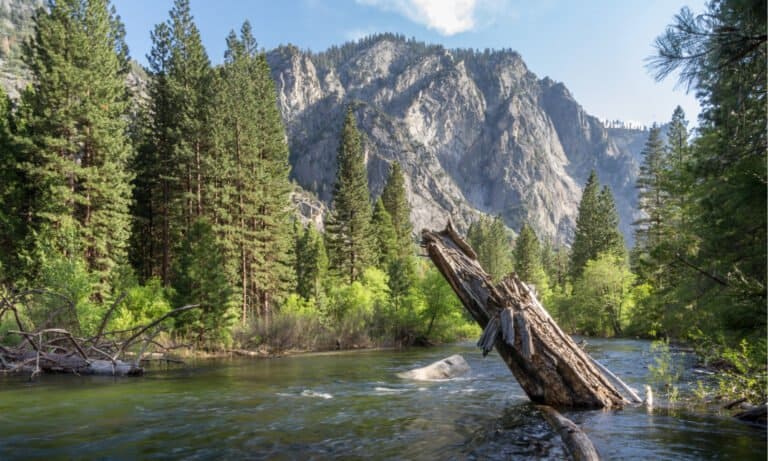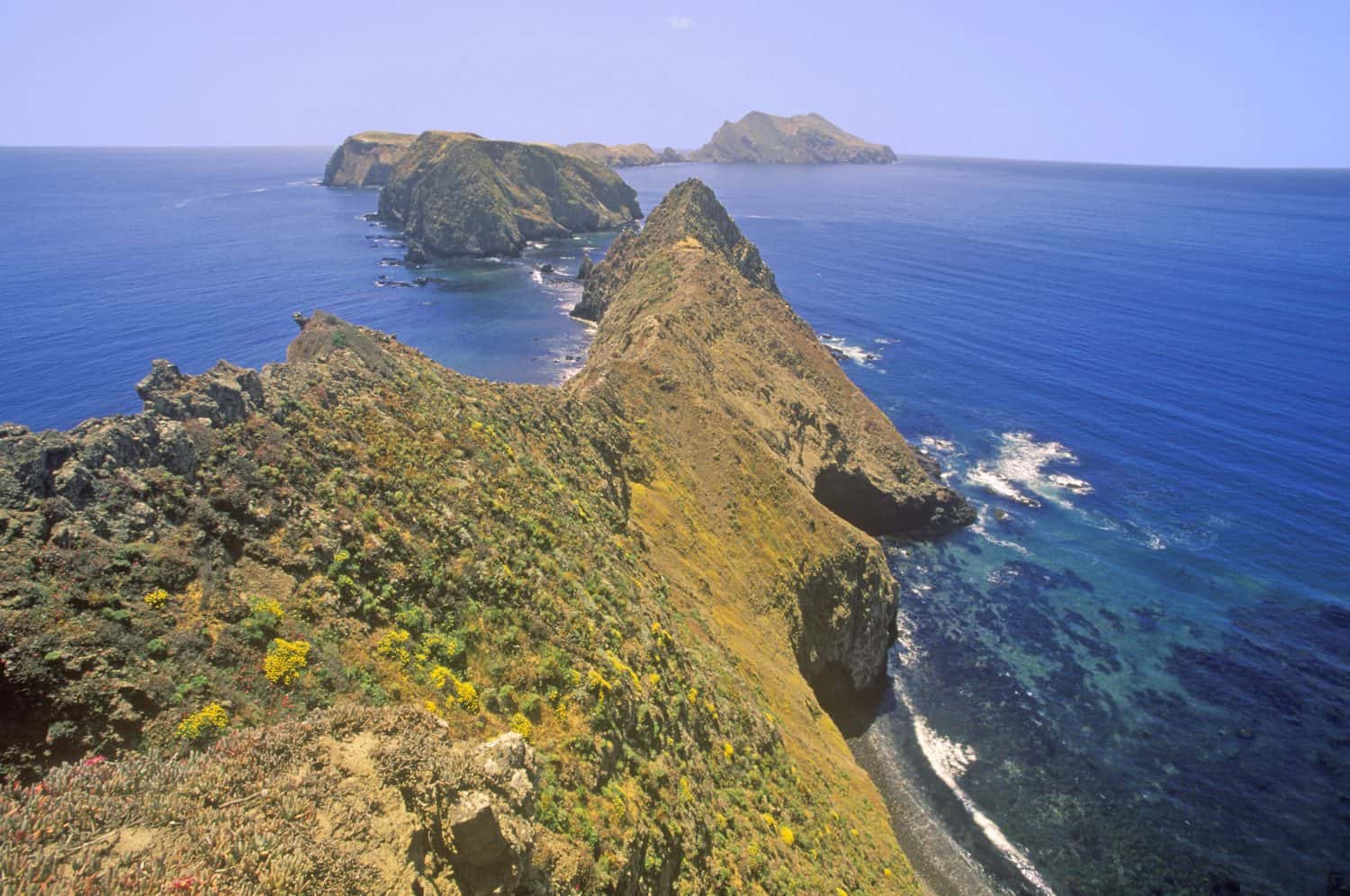

Located less than two dozen miles outside of Ventura, California, Channel Islands National Park is one of the most unique parks in the national park system. Unlike other national parks that are accessible to the masses, the Channel Islands, made up of Anacapa Island, Santa Cruz Island, Santa Rosa Island, San Miguel Island, and Santa Barbara Island, prove to be somewhat more challenging to get to. This is due to the fact that the only way to access the islands is by boat. For those who love to snorkel, scuba dive, kayak, hike, and camp, Channel Islands National Park is a way to connect with nature in a way no other national park can offer.
The fact that the Channel Islands are so remote means the park is one of the least-visited national parks in the United States, with an average of just 323,000 visitors per year. However, this inaccessibility contributes to the islands’ high biodiversity. Much of the flora and fauna is native to each island in Channel Island National Park. This means these species are not found outside of these specific islands.
For those looking to view animals unique to their native habitats, Channel Islands National Park is the ideal location.
Island Fox
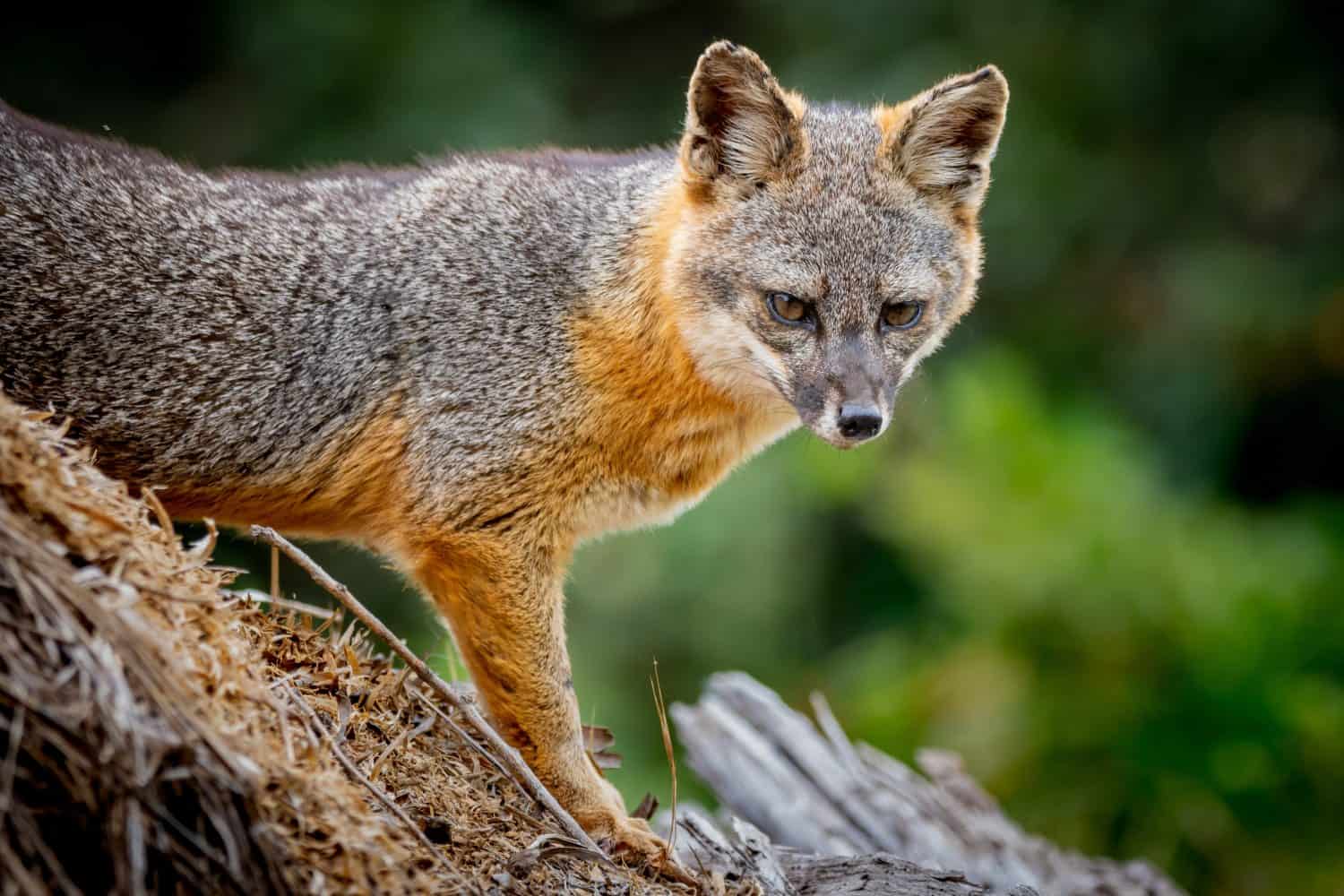
Island foxes are found on multiple islands in the national park.
©Kelly Nine/Shutterstock.com
Channel Islands National Park is the only place where island foxes are located. During the late 1990s, the population of island foxes declined dramatically, leading to the species being listed as endangered. However, thanks to conservation efforts that included removing wild pigs and golden eagles, the latter of which hunted the island foxes, the species was officially taken off the endangered species list in 2016.
Today, island foxes call three of the islands within the park home. The populations of the foxes on the islands include:
| Island | Population of Island Foxes |
| Santa Cruz Island | 4,057 |
| San Miguel Island | 525 |
| Santa Rosa Island | 2,536 |
Island foxes can also be found on other islands that are part of the Channel Islands, but not within the national park. Those islands are San Nicholas Island, Santa Catalina Island, and San Clemente Island.
Island foxes can be found in a variety of habitats. Some of the most common include:
- Wooded areas
- Chaparral
- Coastal scrub
- Oak woodlands
When visiting Channel Islands National Park, it is not uncommon to see island foxes. They are usually not afraid of people, and the little two-to-four-pound, 12-inch-high foxes have even been known to approach those staying on the island overnight for food.
Island Deer Mouse
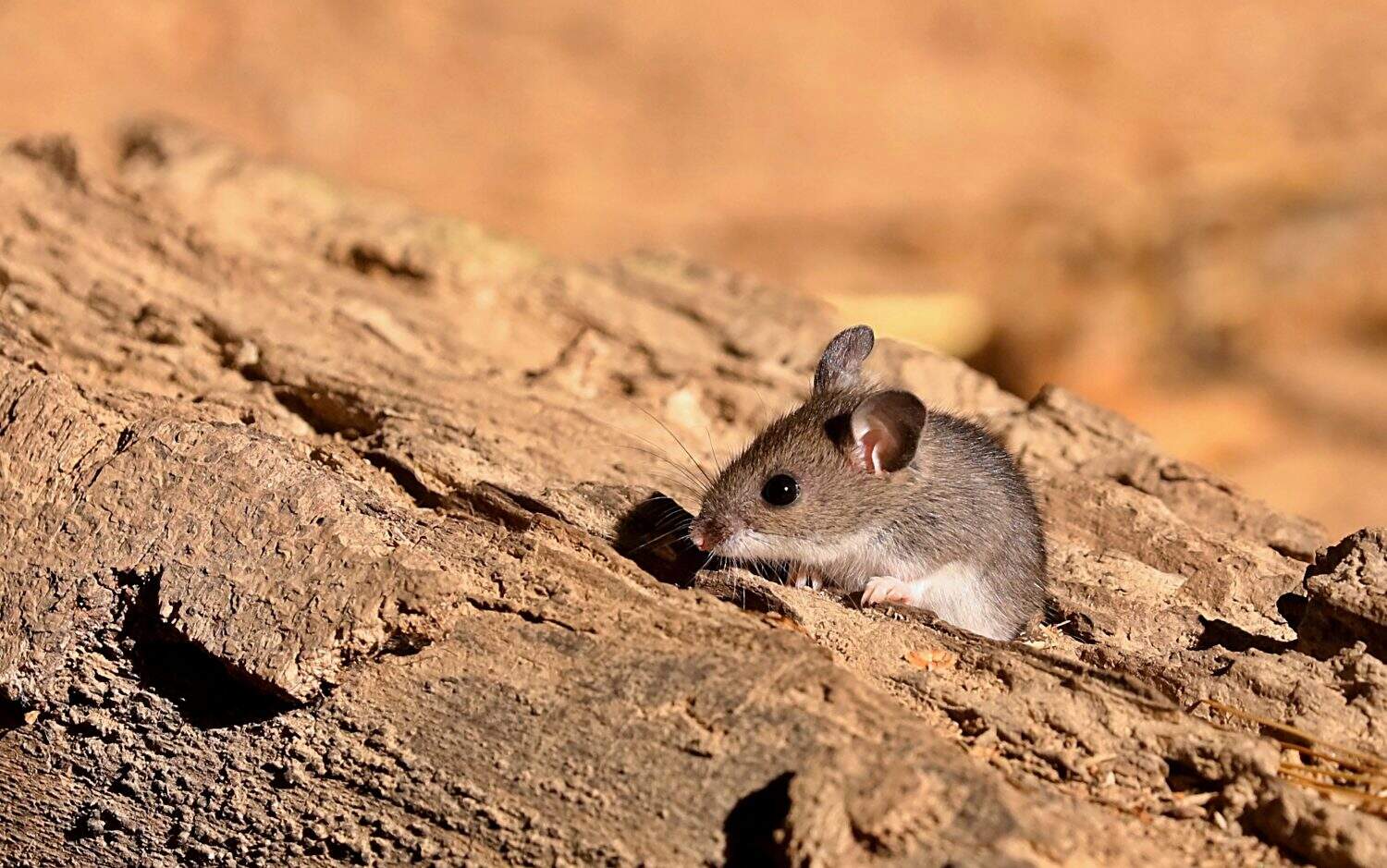
Deer mice are one of the most common species of mice in North America.
©jitkagold/Shutterstock.com
Deer mice are the most common species of mouse in North America. They are found in Southern Canada, throughout the United States, the northern and central portions of Mexico, and Baja, California. However, island deer mice are a subspecies found only in Channel Islands National Park. Furthermore, each island in the national park has its own distinct subspecies.
Island deer mice are considered a species of least concern by the IUCN. These mice, characterized by their large ears, big eyes, long tails, and fluffy bodies, can be found on rocky shorelines, cliffs, mountains, and sandy beaches. They play an essential part in the ecosystem by regulating the insect population, as well as serving as prey for animals such as the island foxes and owls.
Harvest Mouse
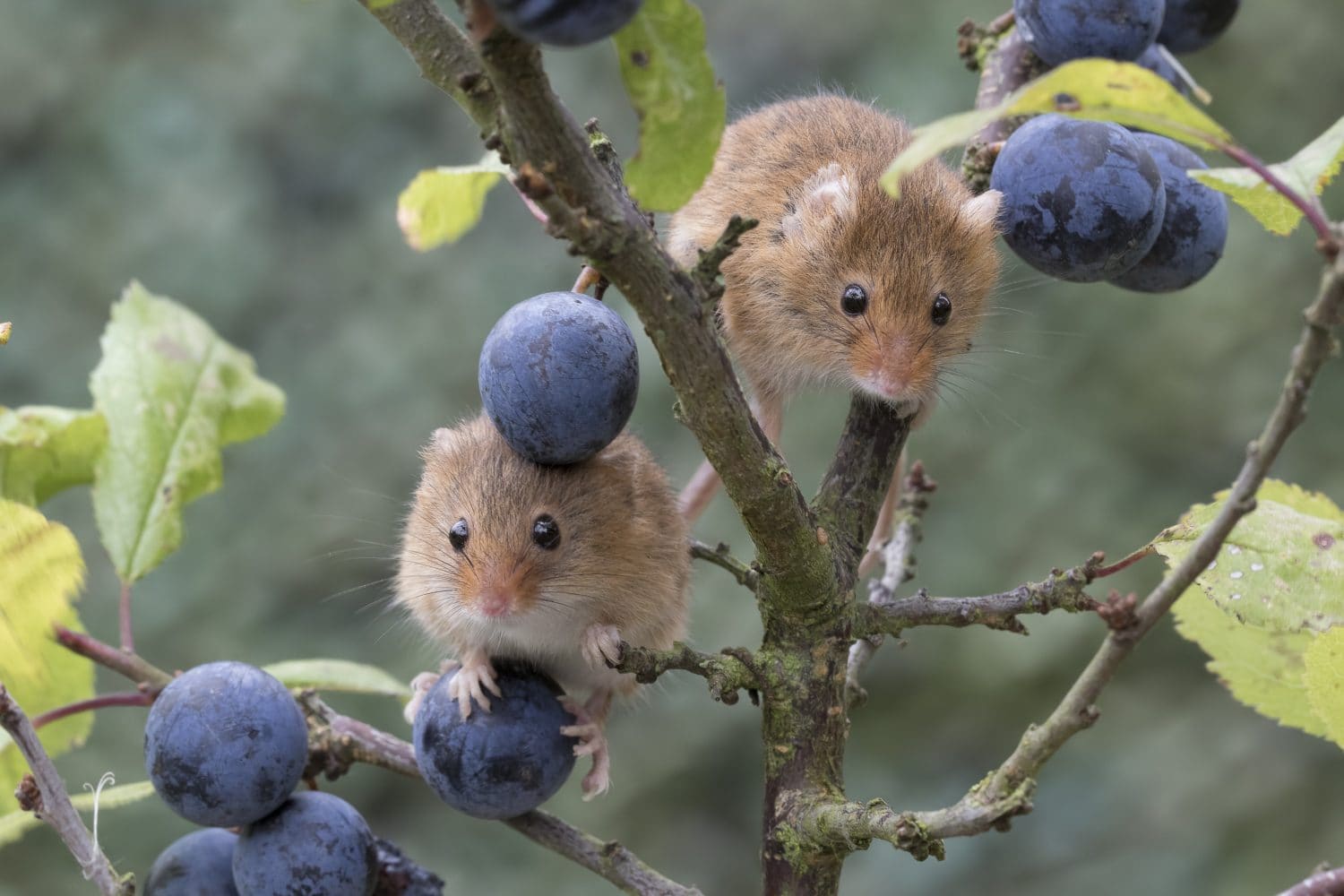
Harvest mice are only found on Santa Cruz Island.
©Paul A Carpenter/Shutterstock.com
The smallest of all rodents in Channel Islands National Park is the harvest mouse. The tiny species is only found on Santa Cruz Island. It is believed that the mouse first arrived on the island in canoes belonging to the indigenous people of California.
Weighing between three and eight ounces and measuring between 4.5 inches and 6.5 inches, according to the National Park Service, the harvest mouse is brownish black in color with a white underbelly. They can be seen in limited numbers on Santa Cruz Island in grasslands, coastal marshes, and streams. The area where the harvest mice flourish is near Prisoner’s Harbor, where there is dense cover for the mice to build their nests.
Spotted Skunk
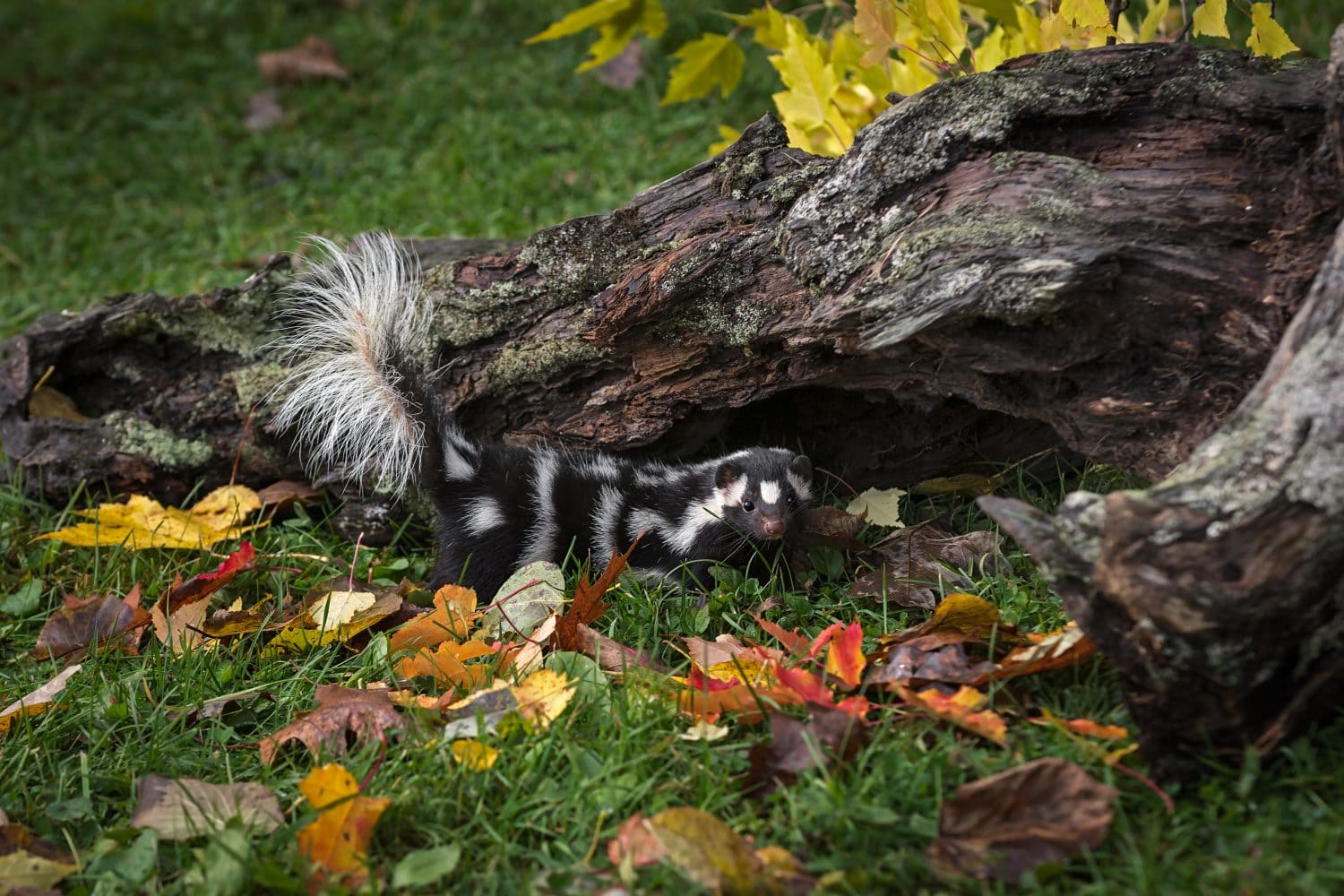
The spotted skunk is only found on Santa Cruz and Santa Rosa Islands.
©Geoffrey Kuchera/Shutterstock.com
The spotted skunk can only be found in Channel Islands National Park. Specifically, the skunk is found on Santa Cruz Island and Santa Rosa Island. At one time, the spotted skunk was also on San Miguel Island, though it’s believed to have gone extinct from the island in the 1870s. Despite this, the skunks are considered a species of least concern, according to IUCN.
Unlike the other terrestrial animals that have a different subspecies on each island, the spotted skunk on Santa Cruz Island and Santa Rosa Island is the same subspecies. However, each island has its own unique habitats, meaning the skunks live in different environments.
On Santa Rosa Island, the spotted skunks live in places like:
- Rocky canyon slopes
- Cactus patches
- Chaparral
- Coastal sage scrub
- Open woodland
Conversely, the spotted skunks on Santa Cruz Island find themselves gravitating towards places that include:
- Chaparral-grassland
- Open grassland
- Fennel-grassland
- Ravines
Spotted skunks are not often seen because they are nocturnal animals. If a den or burrow is located, it is best not to disturb it, because just like skunks found on the mainland, spotted skunks spray.
Townsend’s Big-Eared Bat
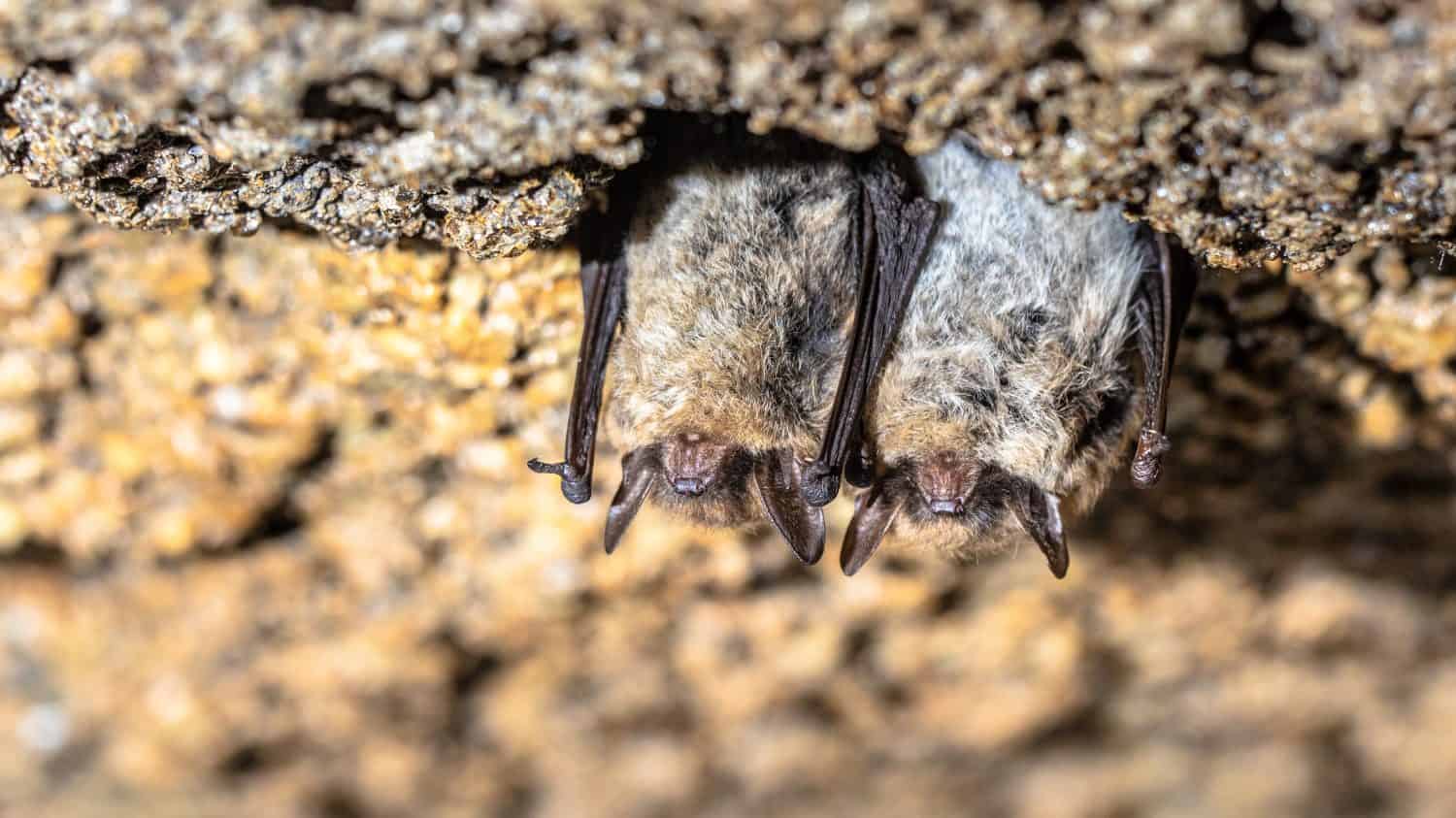
Townsend’s big-eared bats on Santa Cruz Island are similar-looking to these big-eared brown bats.
©Rudmer Zwerver/Shutterstock.com
Townsend’s big-eared bat was first spotted on Santa Cruz Island in 1939. The maternity colony was discovered in a ranch house located near Prisoner’s Harbor. Those bats remained on the island until the home was destroyed in 1974. Without a place to roost, the bats left the island.
In 1991, another large group was discovered on Santa Cruz Island. This time, the Townsend’s big-eared bats were found in a bakery located in the Scorpion adobe building. These bats were left undisturbed and have continued to return to the island each year since their discovery.
Within the national park, Townsend’s big-eared bats are only found on Santa Cruz Island. This particular group makes up “one of just two or three coastal maternity colonies” that can be found south of Pt. Conception. They are considered a species of special concern in California, as well as several other states, according to the U.S. Forest Service Planning Rule. Therefore, the odds of seeing the large-eared, grey to tan fur bats are slim. They roost during the late fall before taking off to warmer locations for hibernation.
Island Night Lizard
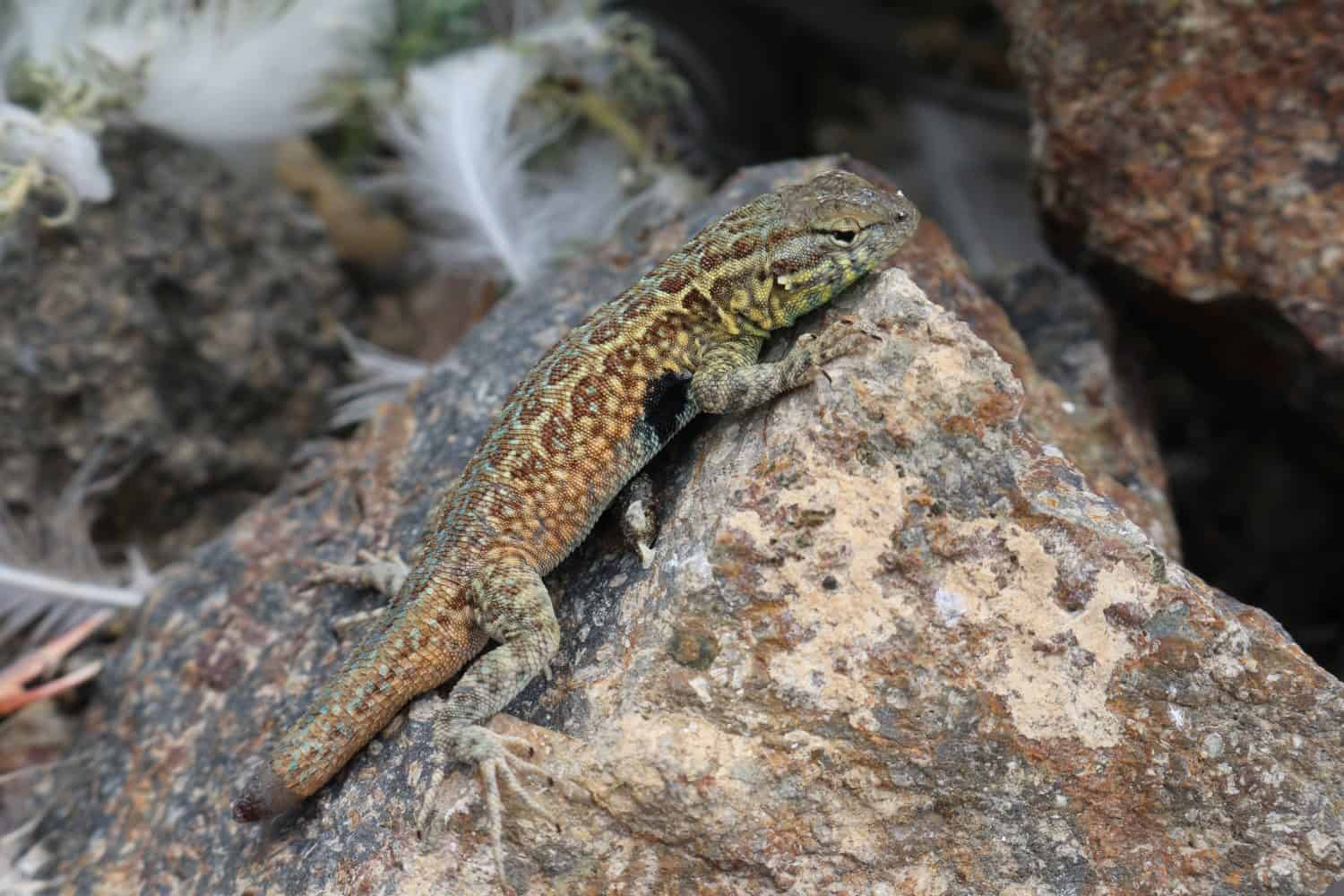
The island night lizard, similar in coloration to this lizard, is found on Santa Cruz Island.
©Juliet Johnson/Shutterstock.com
Found on three of the Channel Islands, but only on Santa Cruz Island within the national park, the island night lizard is one of the animals endemic to the islands. They are the “most morphologically distinct of the endemic vertebrates” on any of the Channel Islands. These lizards are also very hard to find.
Given the island night lizard’s cautious behavior, it takes cover in places where predators have difficulty reaching it. This includes areas such as under driftwood or fallen branches, in the cracks of cliffs, and even under a thick blanket of prickly pear cacti.
The best place to catch a glimpse of the up to four-inch-long lizard with variable striping in olive green, brown, and black is near Signal Peak. The island night lizard is most active in mid-afternoon, with no activity at all at night, despite its name. If one is spotted, leave it be, as it is considered a threatened species, per the U.S. Fish and Wildlife Service.
Island Fence Lizard
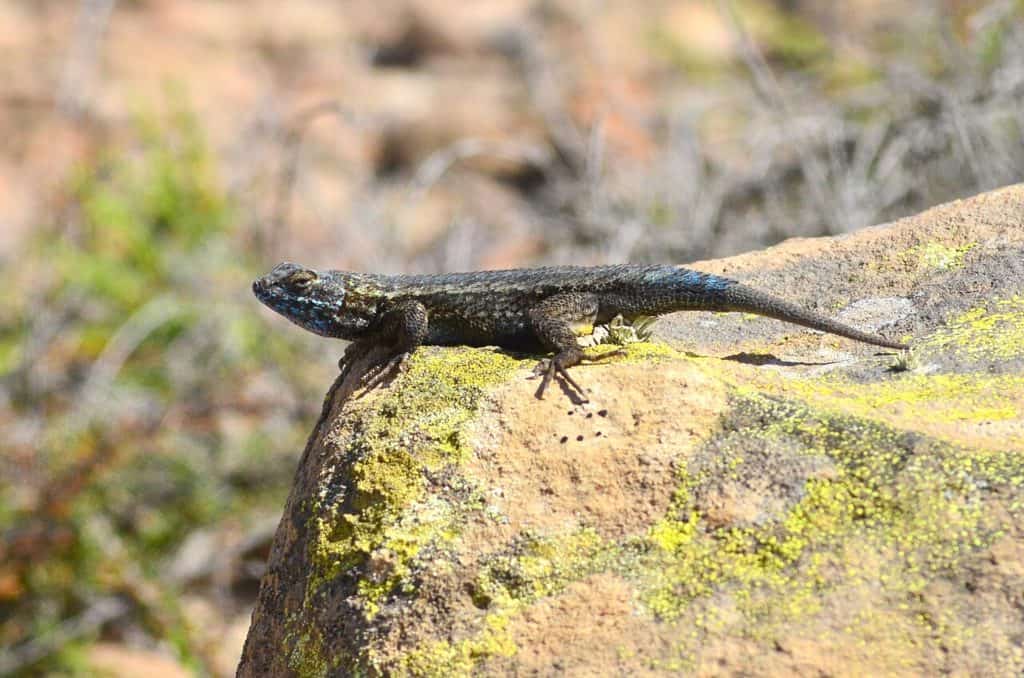
Island fence lizards are only found on three islands in Channel Island National Park.
© – Original
The island fence lizard is located on Santa Cruz Island, Santa Rosa Island, and Santa Barbara Island. They are one of the most frequently seen lizards on the islands, choosing to bask in sunny areas such as along streams, on rocks, and even on fences, hence the lizard’s name.
Island fence lizards have distinct coloring that sets them apart from other lizards in Channel Islands National Park. The lizards have dark stripes or bands on their bodies, with a blue coloration on the sides and bellies. They are not afraid of people and have been known to frequent campsites if the sun is hitting just right. The lizards are important to the islands, as they help control insect species.
Southern Alligator Lizard
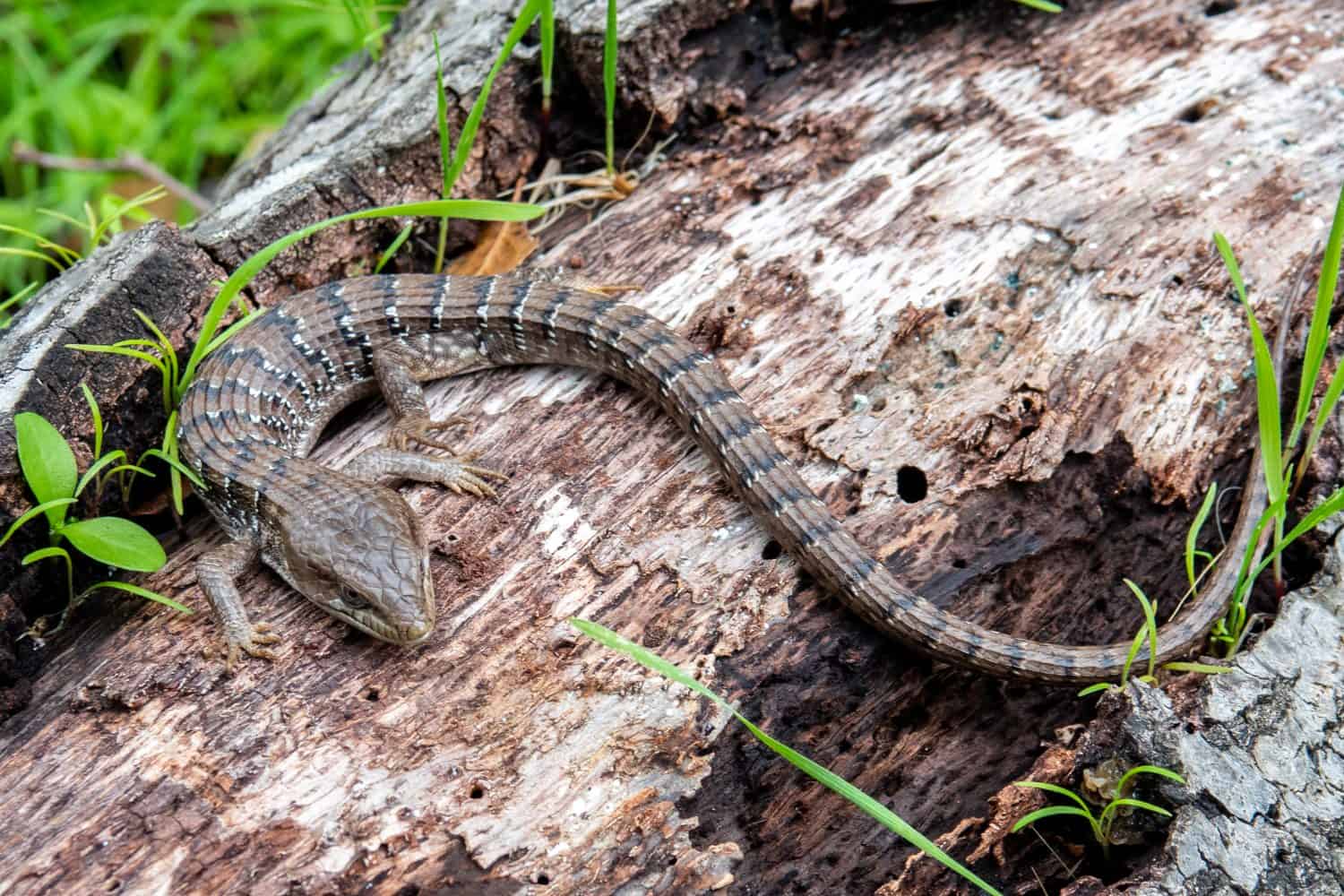
Southern alligator lizards are found in Southern California and in Channel Islands National Park.
©David A Litman/Shutterstock.com
The southern alligator lizard is one reptile that residents of Southern California may be familiar with, as it can be found in many areas of the southern part of the state. These larger lizards are also found on Santa Rosa Island, Santa Cruz Island, and San Miguel Island.
Southern alligator lizards can reach a total of 12 inches in length, including their tails. They have grey to brown-colored bodies and a nasty bite, thanks to their strong jaws. These jaws are what make the southern alligator lizard masterful at eating a variety of animals, including those larger than themselves. Given that the lizards are fairly active during the day, they are not hard to find. The easiest way to spot one is to venture to grasslands or chaparral fields, two of their favorite habitats.
Side-Blotched Lizard
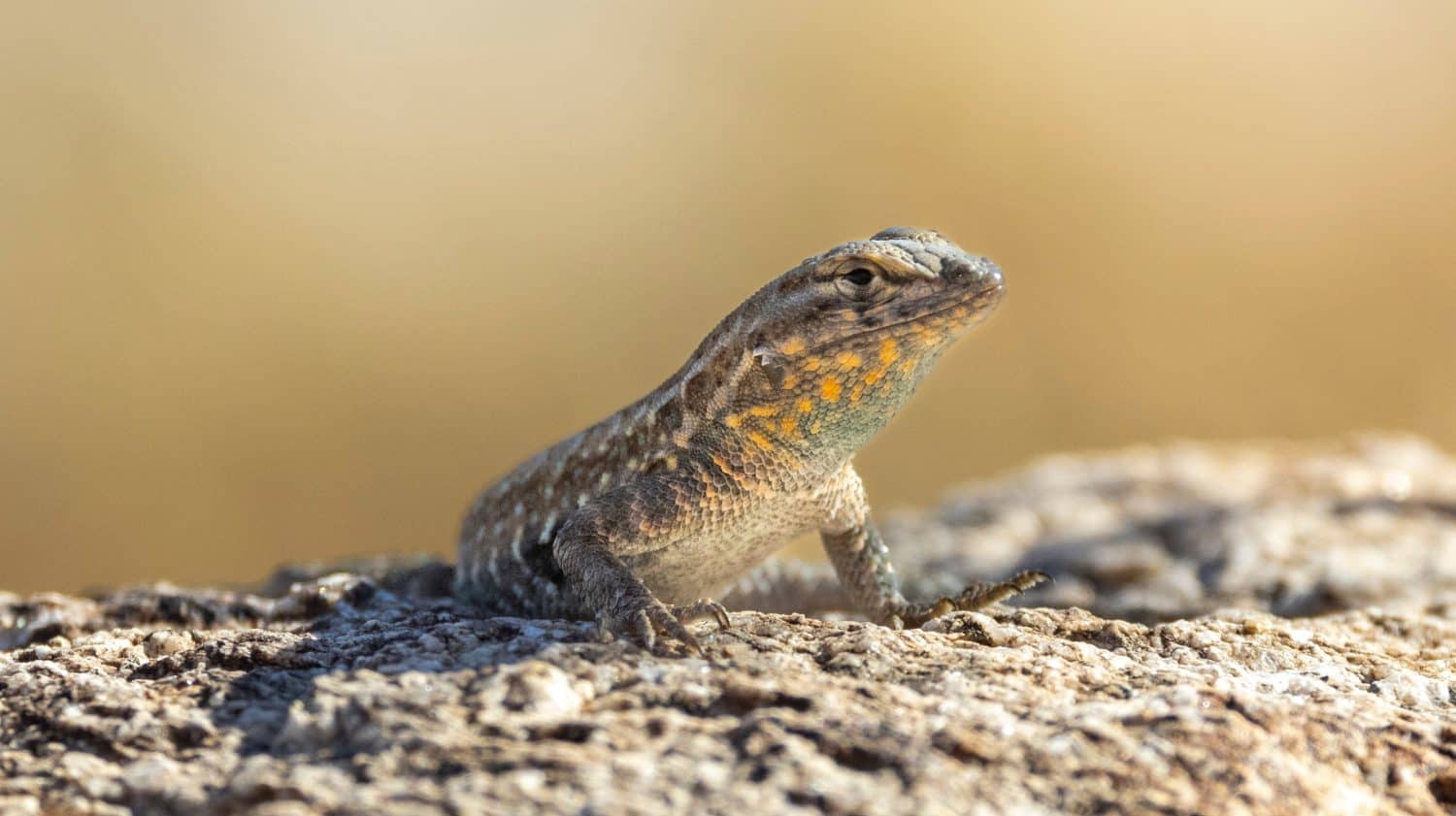
The side-blotched lizard is not only found in Channel Islands National Park but also around the U.S.
©ROBERT ENRIQUEZ/Shutterstock.com
The side-blotched lizard is found in various parts of the U.S. However, these lizards are also a part of the fauna that make up Anacapa Island, as well as Santa Cruz Island.
Unlike other lizards on the islands, the side-blotched lizards only live about one year. These smaller lizards are easily identified by a blue, orange, or yellow throat that is far more pronounced on males than it is on females.
Side-blotched lizards can be found in multiple areas of the islands, but they are most likely to be seen on boulders, washes, or gravel. They are one of the first lizards to be active in the morning, soaking in the sunlight, before retiring to the shade for the rest of the day.
Channel Islands Slender Salamander
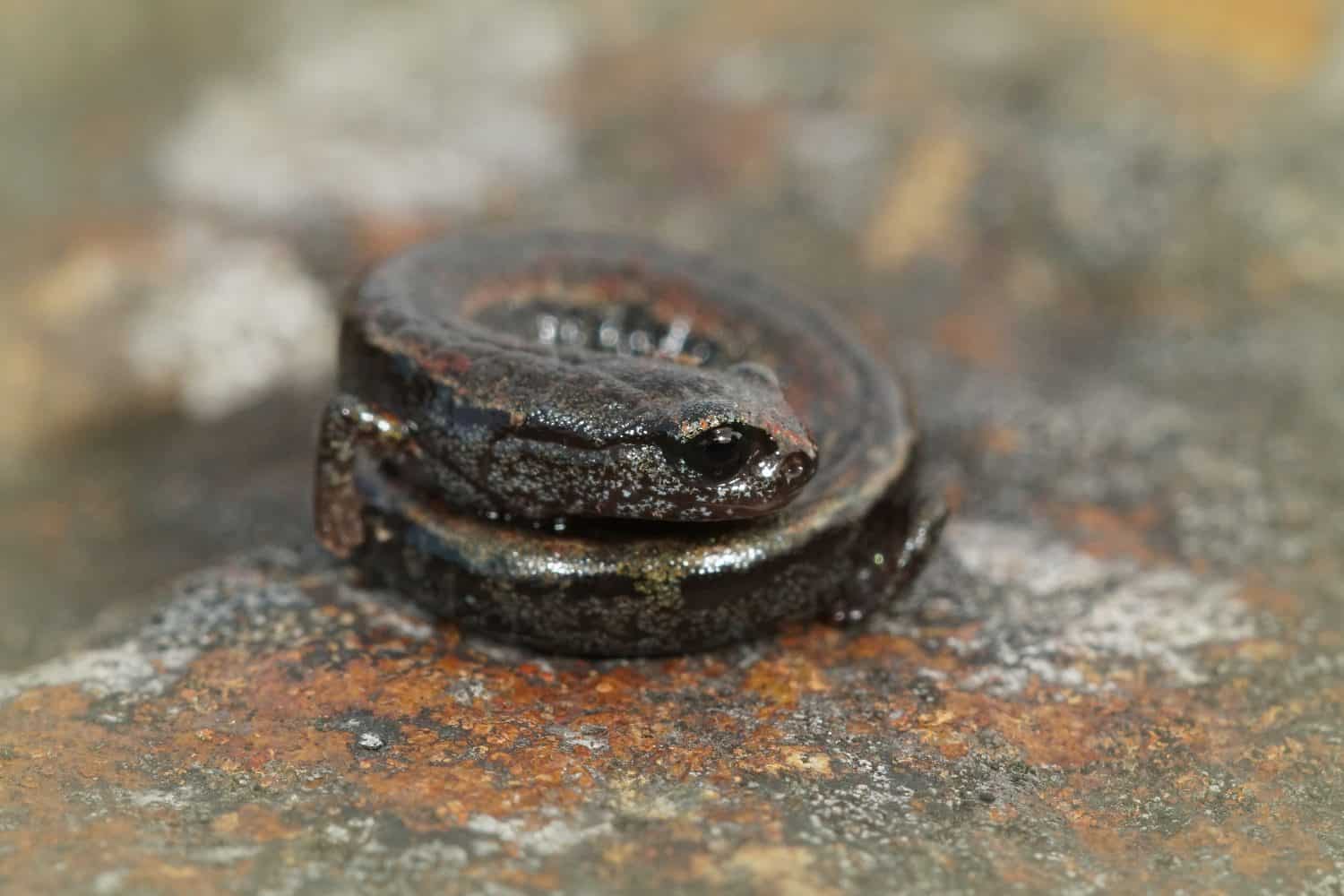
The Channel Islands slender salamander is endemic to the Channel Islands National Park.
©Wirestock Creators/Shutterstock.com
The Channel Islands slender salamander is endemic to the Channel Islands. It is found on Anacapa Island, Santa Cruz Island, Santa Rosa Island, and San Miguel Island.
Because the salamander is a lungless species, it needs to live in environments that are damp but not overly saturated. For the Channel Islands salamander to be active on land, the humidity needs to be high so that the body can remain oxygenated.
As one of two salamander species found in the national park, the Channel Islands salamander is identified by its brown coloration and long, slender body, making it resemble an earthworm more than a typical salamander. Unless you look under rocks and logs near streams, you are unlikely to spot these salamanders when visiting the national park.
Black-Bellied Slender Salamander
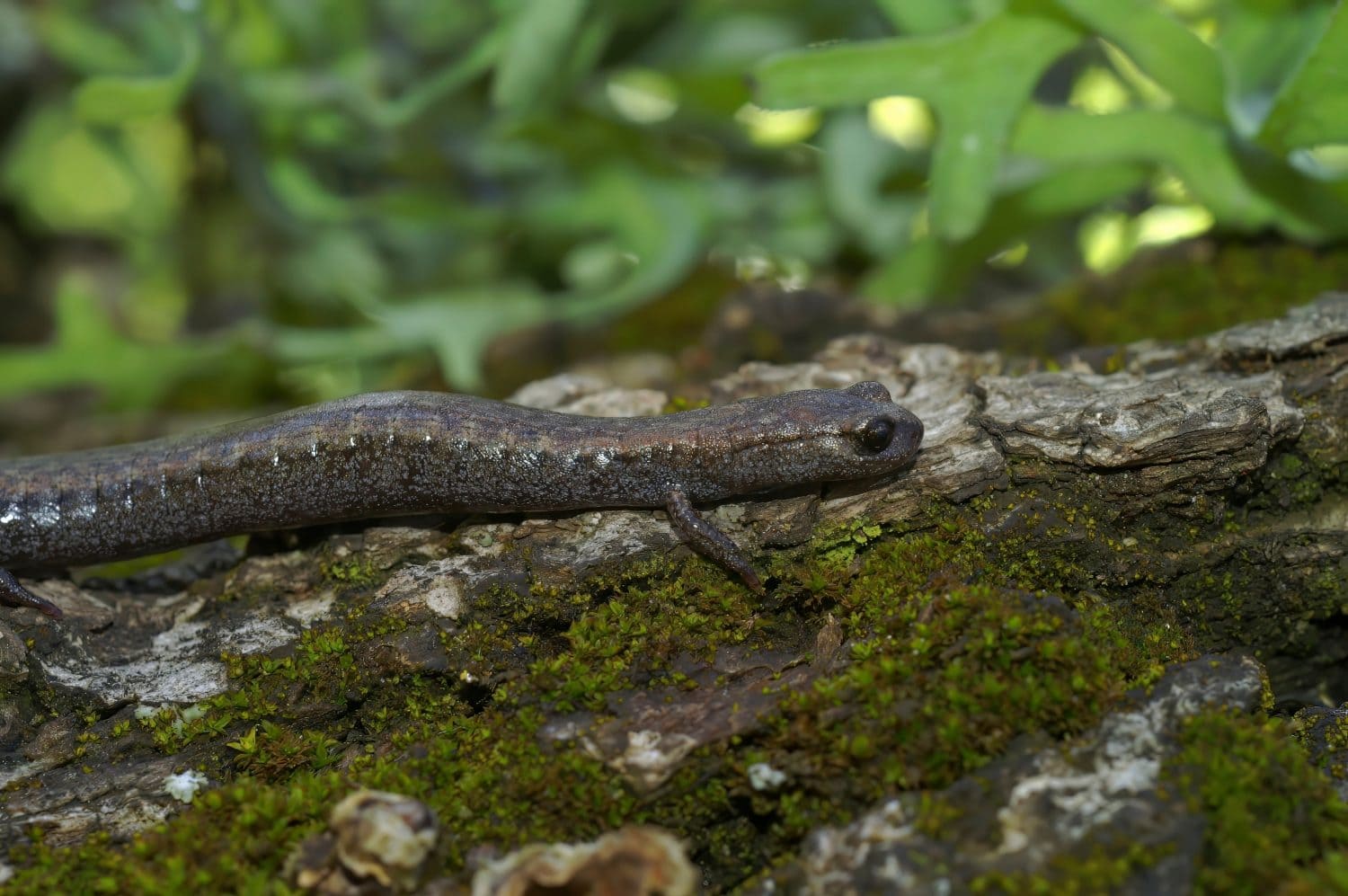
The black-bellied slender salamander has been on Santa Cruz Island for four million years.
©HWall/Shutterstock.com
The black-bellied slender salamander can be found throughout the U.S. It is not an uncommon species and is the largest salamander in its genus. It is so large that it will attack other members of its species as prey.
It is believed that the black-bellied slender salamander arrived on Santa Cruz Island approximately four million years ago. They are brown to black in color with dark spots, and are found living in and near streams.
Baja California Treefrog
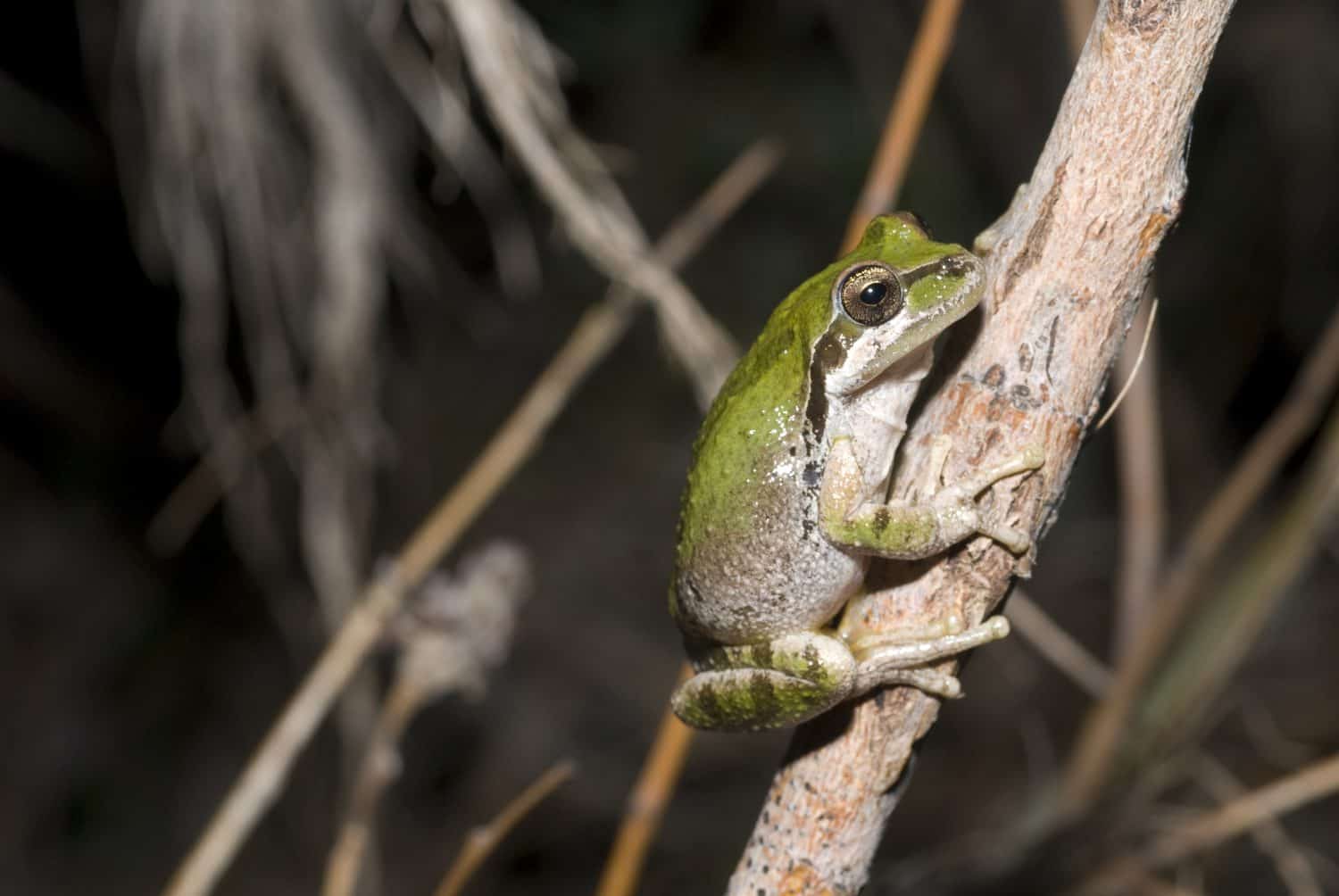
Baja California tree frogs are found both in Channel Islands National Park and on the U.S. mainland.
©Jason Mintzer/Shutterstock.com
Baja California treefrogs are not only found on Santa Cruz Island and Santa Rosa Island, but they are also abundant throughout the U.S. in many western states.
What makes the Baja California treefrog so interesting is that it changes its body color in response to air temperature and humidity. Generally green or brown in color, the frog has a distinctive black stripe that runs from its eyes down its body. The Baja California treefrog also has sticky pads to enable it to climb trees.
The best way to see a Baja California treefrog is to visit streams on the islands, where the treefrogs most often congregate.
Santa Cruz Island Gopher Snake
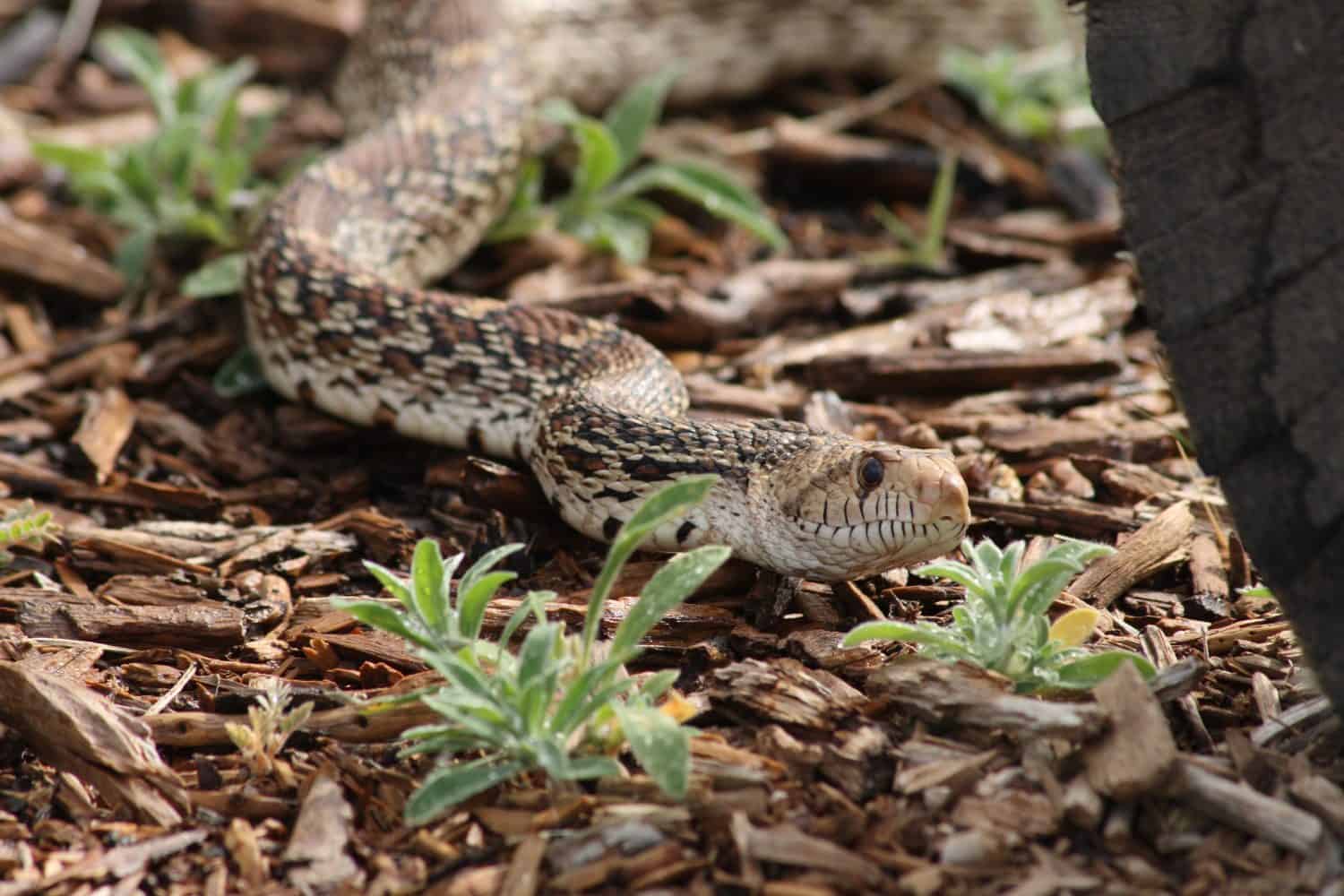
The Santa Cruz Island gopher snake, similar in coloration to this gopher snake, is endemic to Santa Cruz Island.
©Tim Pleasant/Shutterstock.com
One of the endemic snakes to the Channel Islands is the Santa Cruz Island gopher snake. As its name suggests, the snake is found on Santa Cruz Island. However, it has also been spotted on Santa Rosa Island.
The gopher snake is no longer than three feet. It is a constrictor snake that will squeeze its prey before consuming it. When threatened, the Santa Cruz Island gopher snake will alter its head into a more triangular shape to mimic a venomous species, as well as shake its tail back and forth. The snake makes a buzzing sound with its tail to imitate a rattlesnake.
Santa Cruz Island gopher snakes are grey to greenish in color with black patterning on their backs. They are most often found in grasslands and dry streambeds on the islands.
Feral pigs not only destroyed the snakes’ habitat but also preyed on the Santa Cruz Island gopher snakes. The snake species was designated as a species of special concern by the California Department of Fish and Game. The pigs have been removed from the islands in hopes of increasing the population of the snakes, as well as other species affected by the wild pigs.
Western Yellow-Bellied Racer
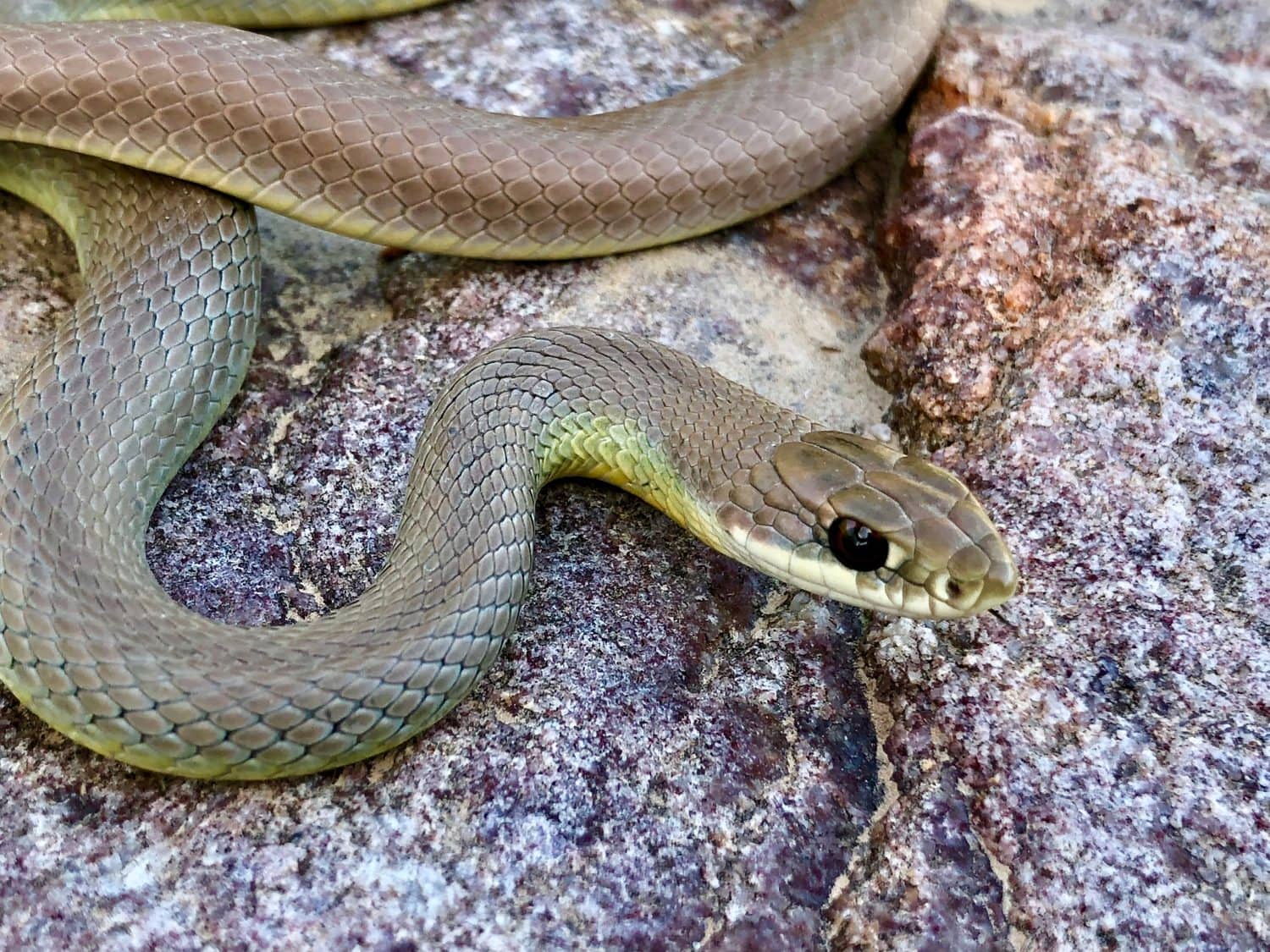
The yellow-bellied racer snake is endemic to Santa Rosa Island.
©Matt Jeppson/Shutterstock.com
The western yellow-bellied racer is a green snake with a distinctive yellow belly, as its name suggests. The snake is non-venomous and is endemic to Santa Rosa Island.
Western yellow-bellied snakes eat a varied diet that consists of small rodents and animals, frogs, birds, bird eggs, and larger insects.
While the snake is not considered threatened, the fact that habitat loss continues to be an issue for western yellow-bellied snakes means that a loss in population could be problematic in the future.
Northern Elephant Seal
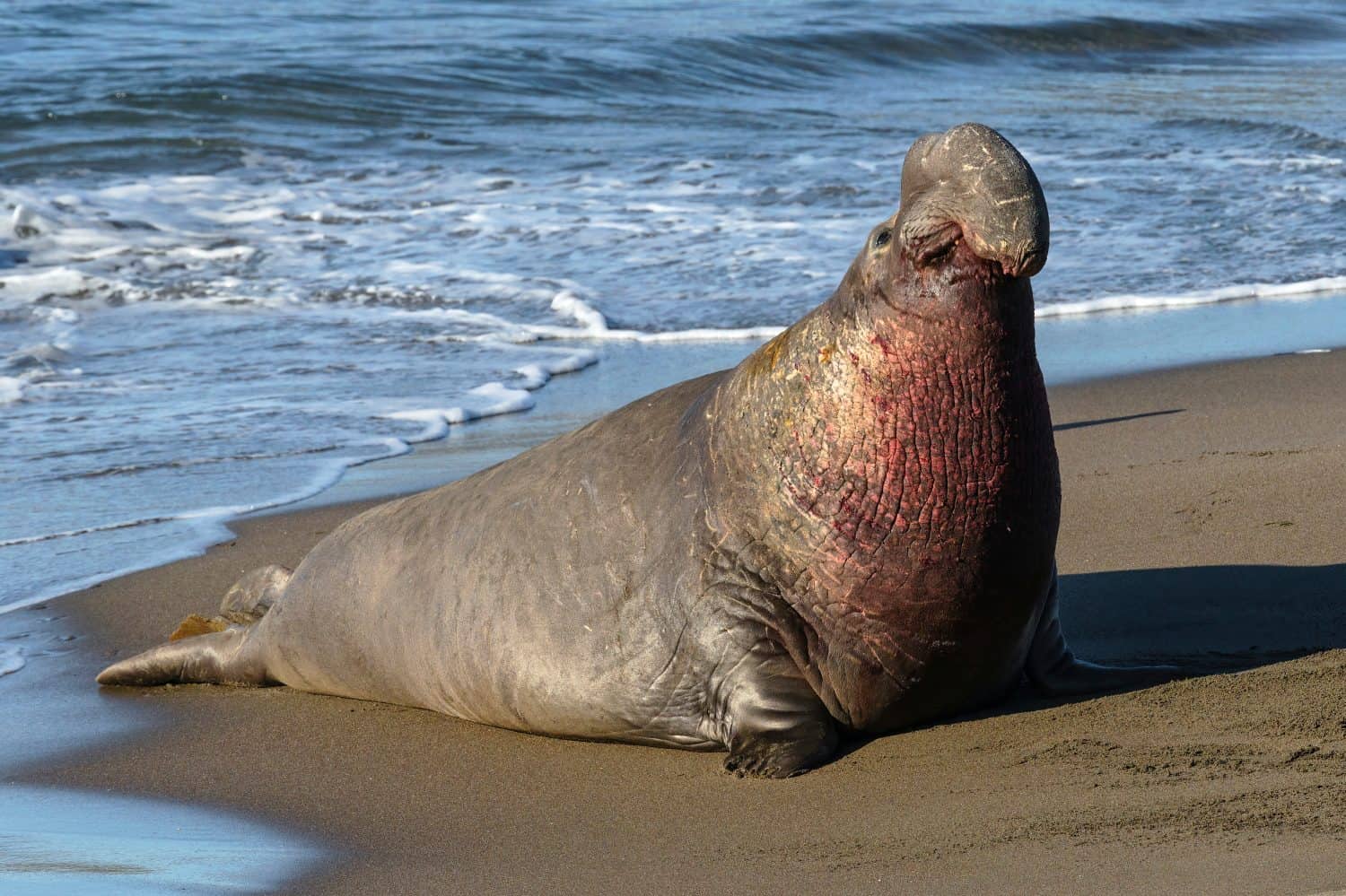
Northern elephant seals call Channel Islands National Park home from December to March.
©David Osborn/Shutterstock.com
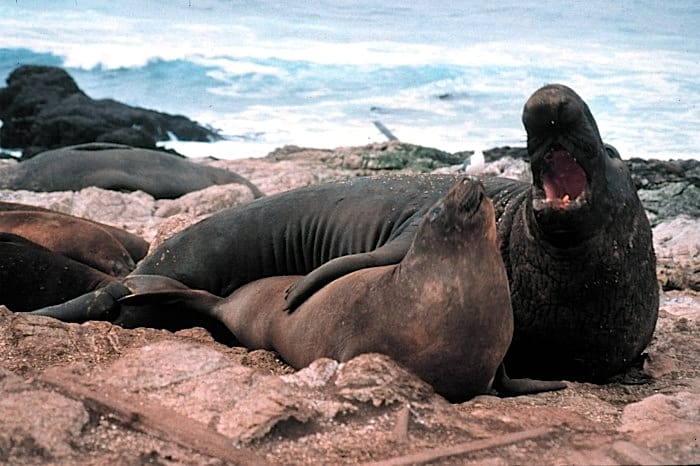
Found on Santa Rosa, Santa Barbara, and San Miguel islands, the northern elephant seal calls these islands home from December to March. While once nearly hunted to extinction, elephant seals have made a miraculous recovery, and populations have rebounded over the last several decades.
The northern elephant seal gets its name from the male’s trunk-like appendage on its snout. The seals can range in color from gray to tan or even brown.
Northern elephant seals will spend 90% of their lives in the water, foraging for food such as squid, fish, and rays.
California Sea Lion
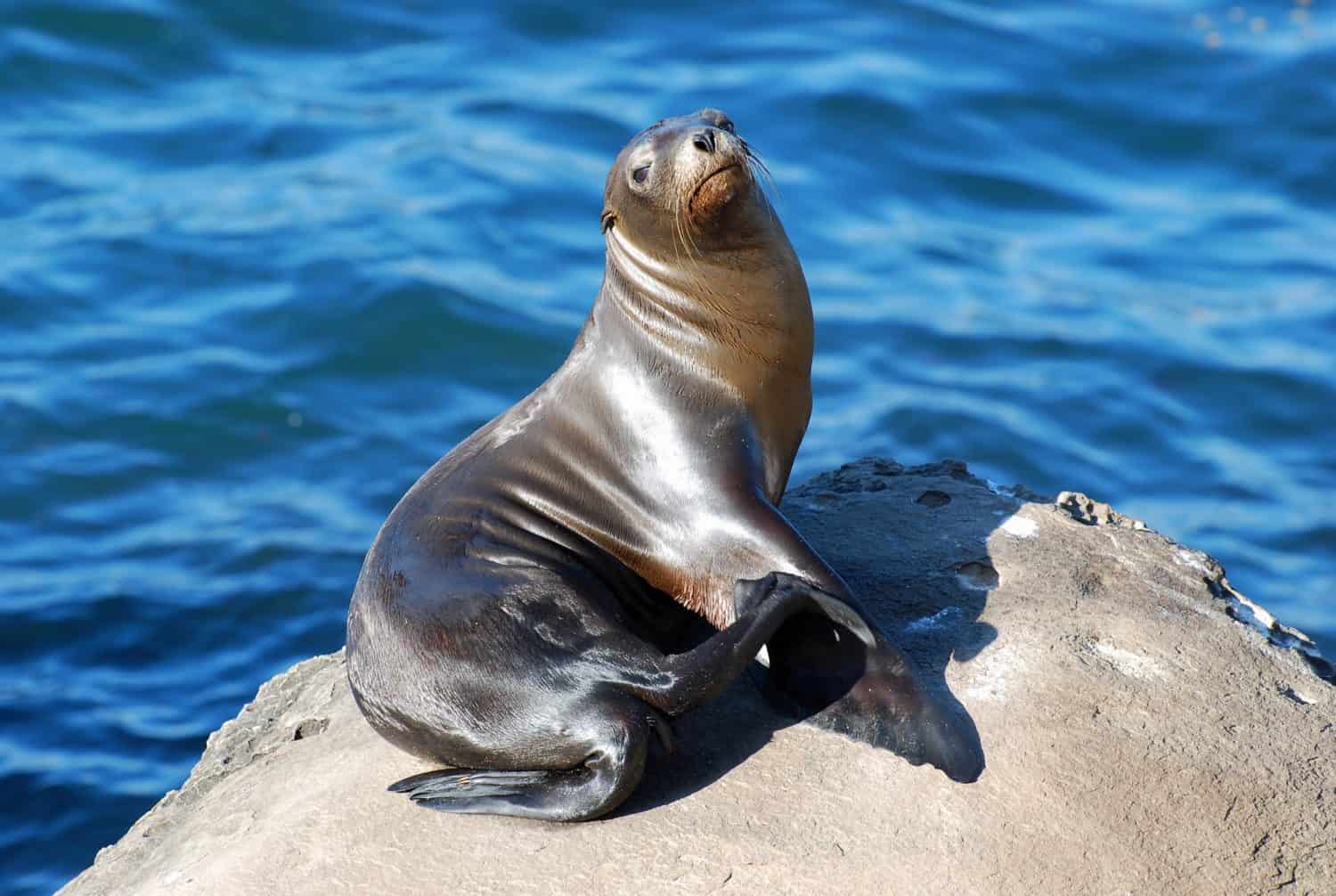
California sea lions are found on all five islands in Channel Islands National Park.
©Moarly/Shutterstock.com
The California sea lion lives on all five of the islands in the national park. It is not uncommon to see the sea lions from a distance while exploring the islands.
It is not hard to spot California sea lions while visiting Channel Islands National Park, especially during the breeding season. This is because it is estimated that 70,000 of these sea lions come ashore to give birth to and raise their pups on the islands.
When not basking in the sun or raising their young, California sea lions will take to the water to hunt for fish, squid, octopus, herring, clams, and shellfish. All of these creatures are abundant off the coastlines of the Channel Islands National Park, which is why the islands are so popular with sea lions.
Northern Fur Seals
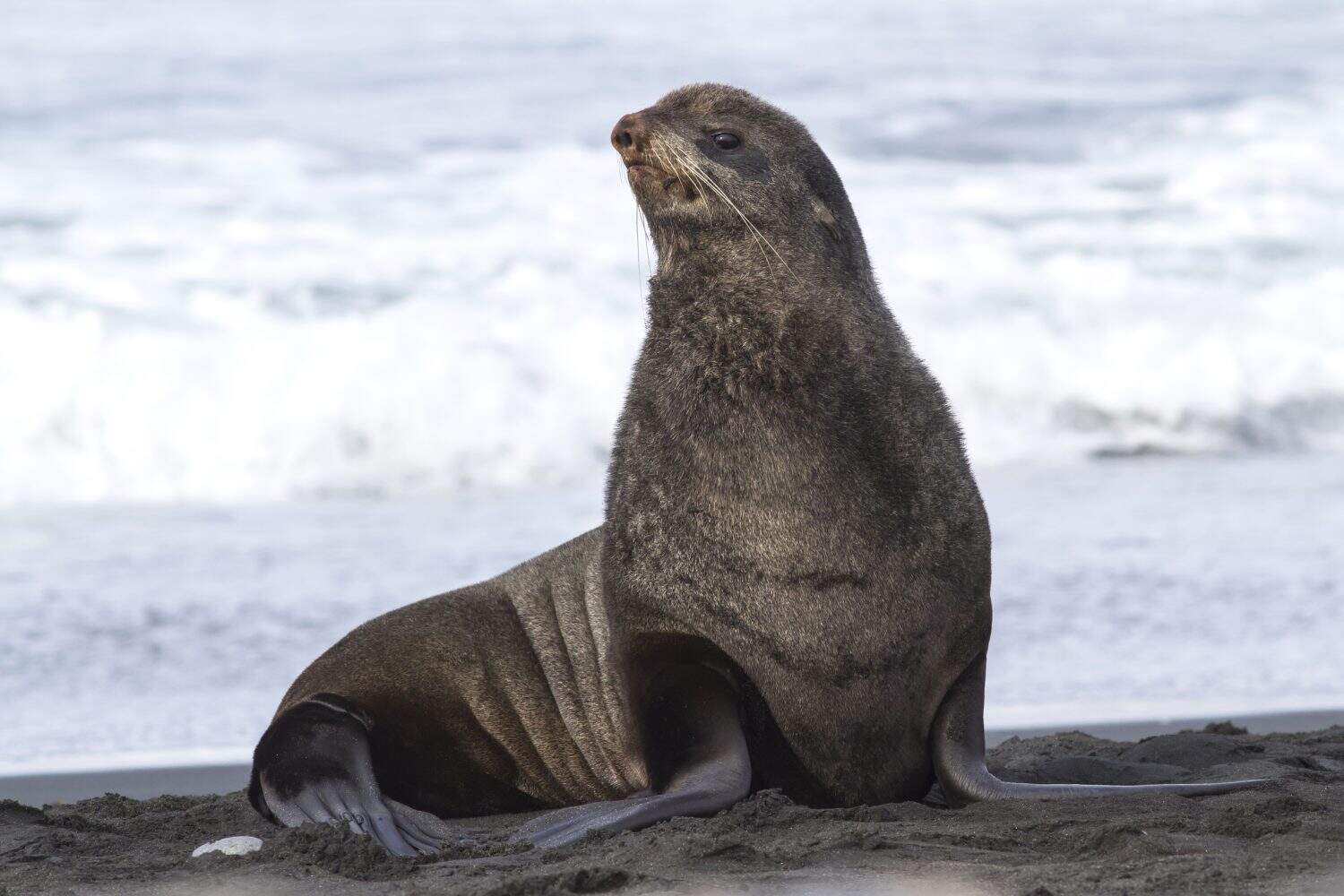
Northern fur seals are only found on San Miguel Island in Channel Islands National Park.
©Tarpan/Shutterstock.com
Unlike the California sea lion occupying all of the Channel Islands, the northern fur seals can only be found on San Miguel Island. While these seals are not endangered, they are protected under the Marine Mammal Protection Act. This means that the seals cannot be hunted unless there is an agreement in place (similar to the agreement with the St. George and St. Paul Tribal governments found in Alaska).
Northern fur seals are found on San Miguel Island from June to August. During this time, the seals will have their pups and hunt for squid, octopus, small fish, and crustaceans in the Pacific Ocean that surrounds the island.
Guadalupe Fur Seal
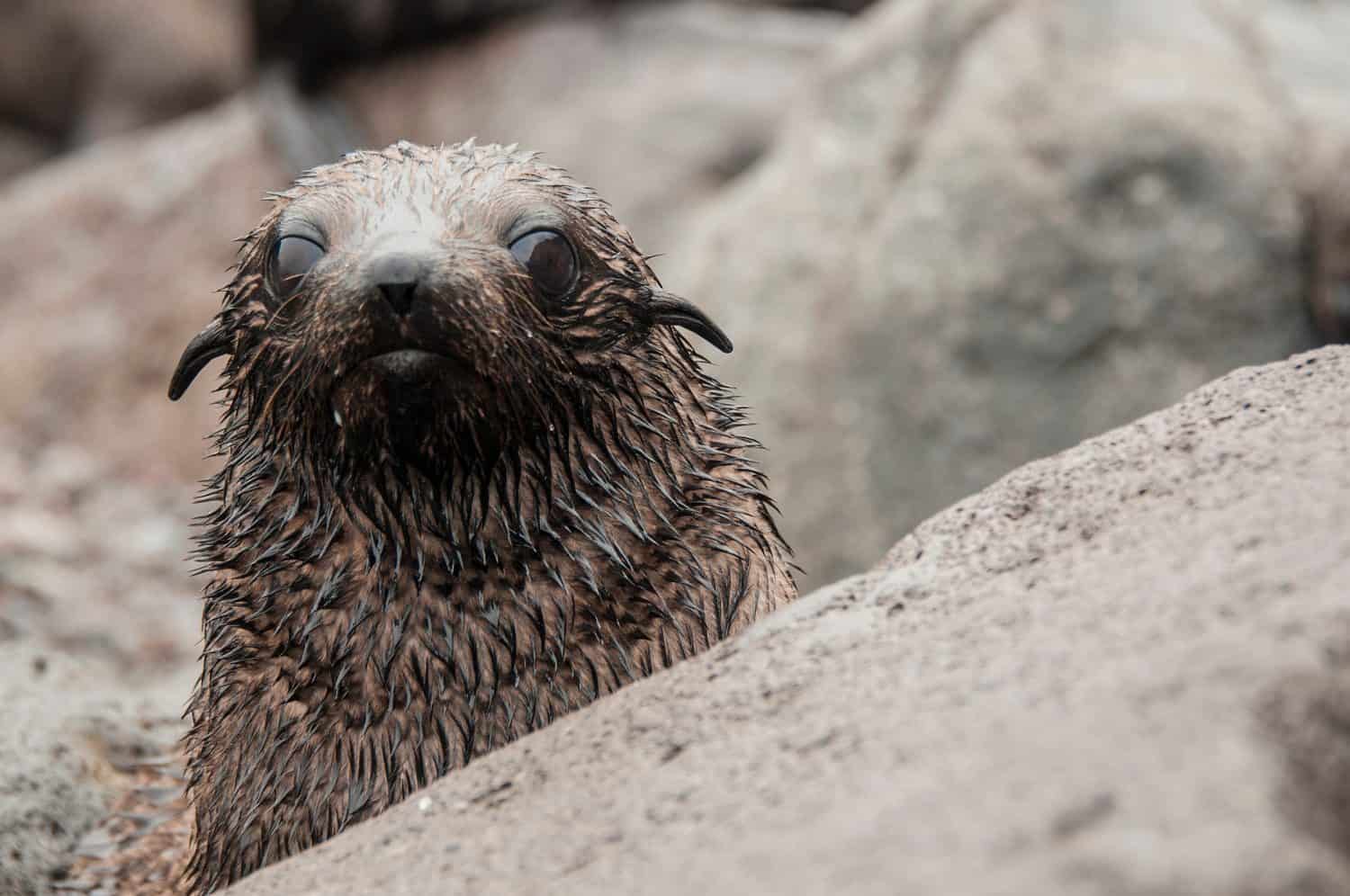
Guadalupe fur seals are a threatened species, nearly hunted to the brink of extinction.
©Connect Images – Curated/Shutterstock.com
Many seal populations were nearly hunted to extinction. No more so than the Guadalupe fur seal, which was believed to have only seven remaining seals worldwide in 1892. By the 1920s, it was believed the seals had gone extinct. A discovery of the seals in 1954 proved this to be wrong. These seals are protected by Mexican legislation, California law, and the U.S. Marine Mammal Protection Act.
Today, the Guadalupe fur seals are a threatened species. They inhabit San Miguel Island, where they raise their pups from June through August. It is not easy to differentiate the fur seals from California sea lions or northern fur seals when they are young. Once the Guadalupe fur seals reach maturity, however, they develop a distinct grayish-brown color with yellow-gray hair on their necks.
Steller Sea Lions
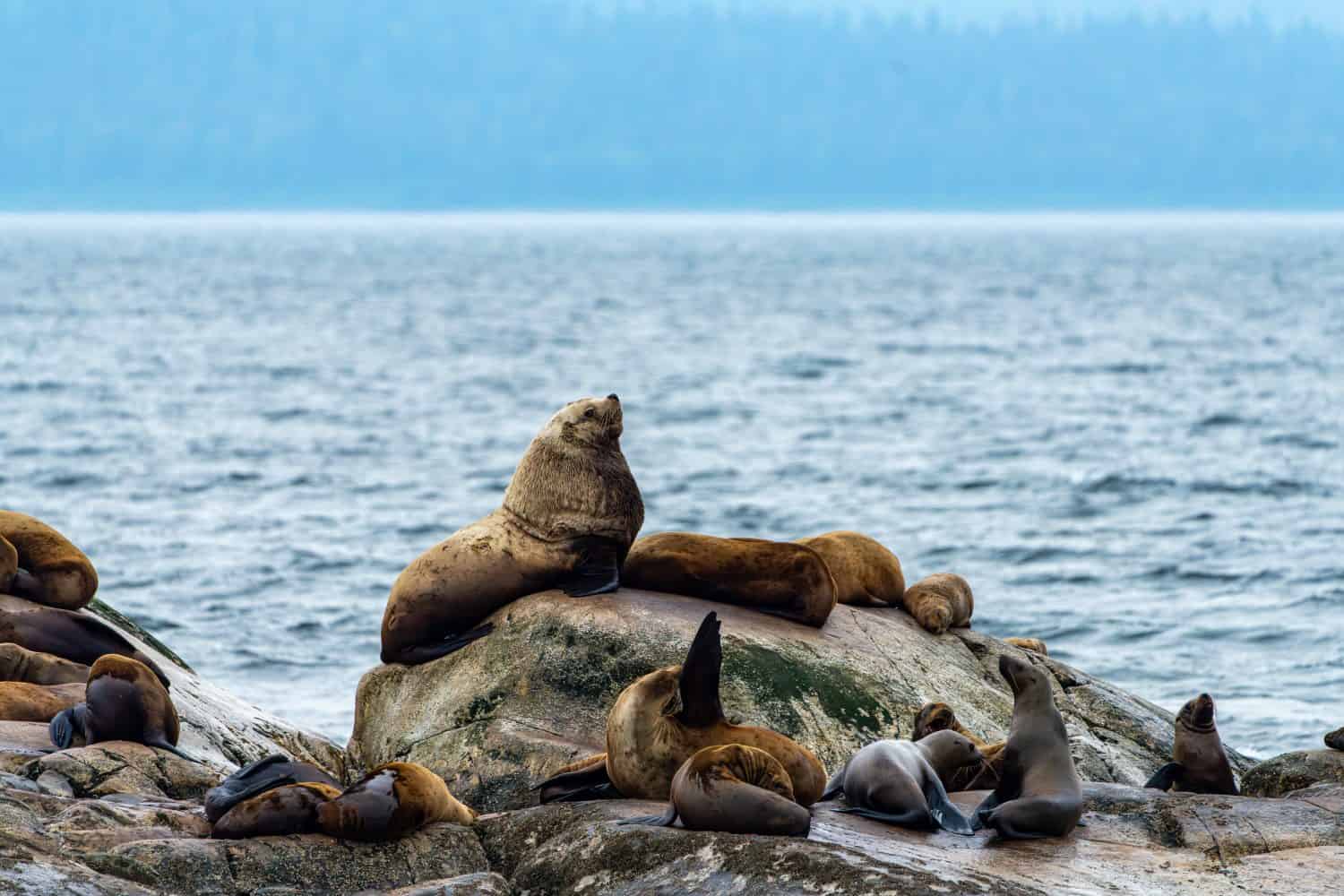
Steller sea lions are the largest of all the seals at Channel Islands National Park.
©drawkward/Shutterstock.com
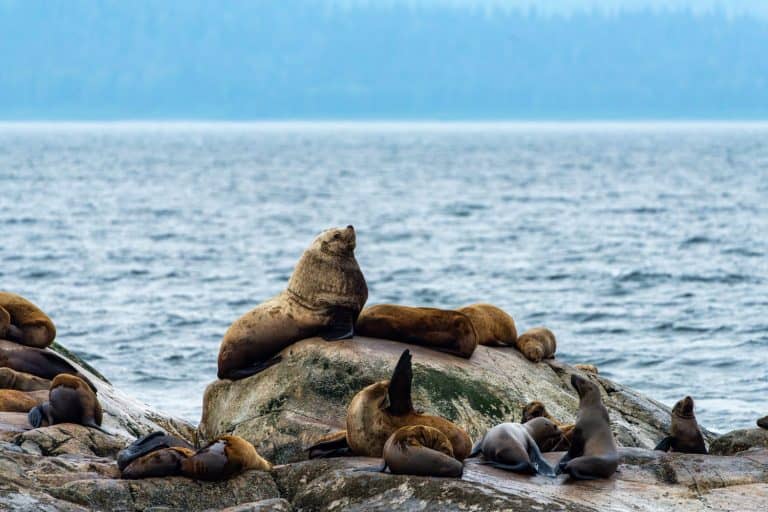
Of the species of seal that live in Channel Islands National Park, the steller sea lion is the largest. The seals do not migrate, making it easy to see them around Santa Cruz Island. In fact, it is not unheard of for curious seals to approach kayaks to investigate the vessels and people in the water near their home.
Steller sea lions come out of the water between May and July to give birth to their pups. The seals are light tan to almost red in color, but are best identified by their distinctive ears, according to the NPS, which distinguish them from other seals.
Harbor Seal
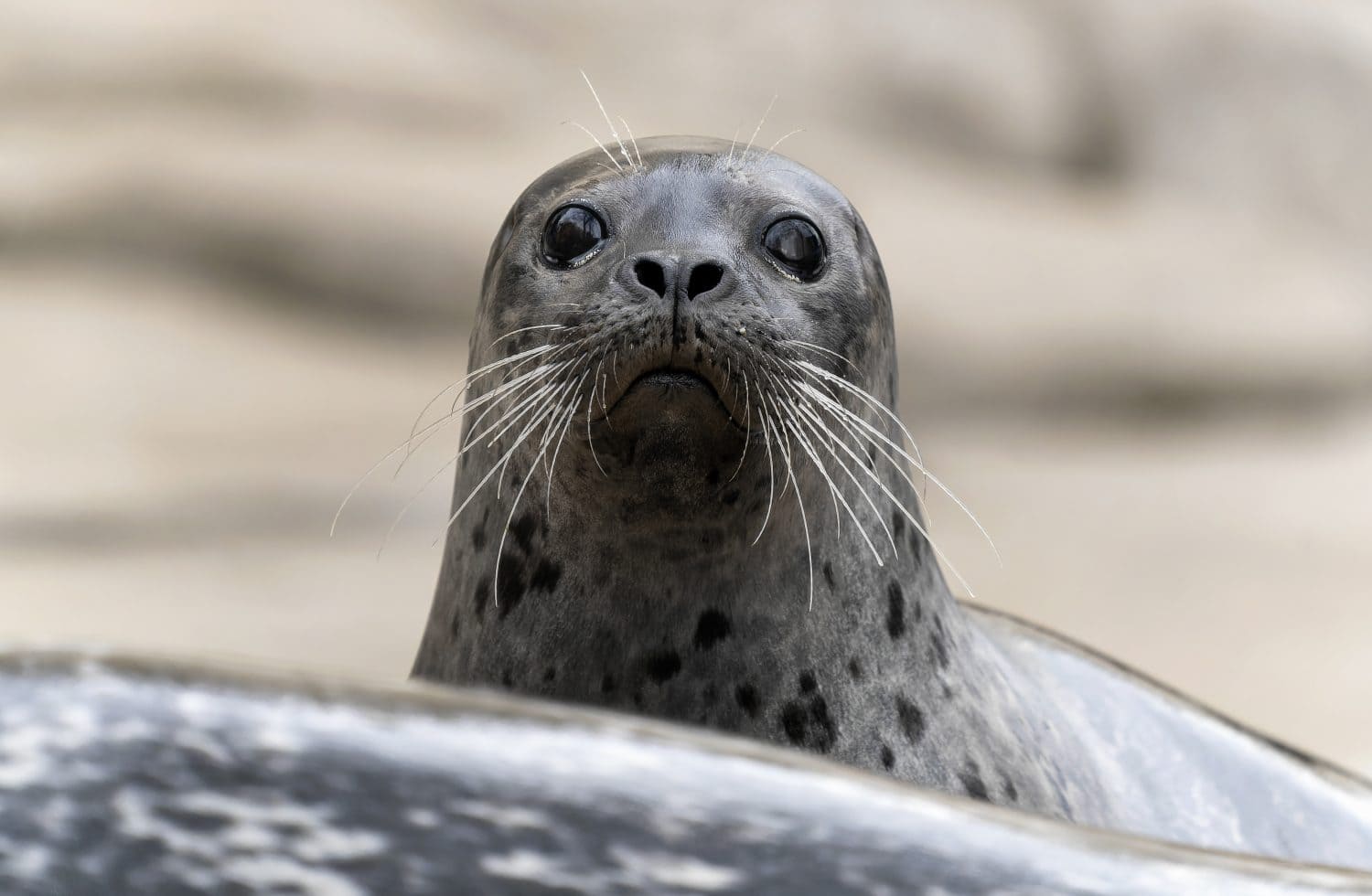
Harbor seals are the smallest of the seal species at Channel Islands National Park.
©jindrich_pavelka/Shutterstock.com
Harbor seals are the smallest of the seal species in Channel Islands National Park. Found on all five of the islands, the spotted seals with gray to black fur do not differ in size like other seal species. Despite being found on all of the islands, the favored island is San Miguel Island, where 1,100 breeding seals can be found annually between February and April.
When not caring for their pups, harbor seals spend time in the ocean, hunting fish. In just one day, harbor seals can eat between 11 and 14 pounds of fish. Pups are weaned around four weeks of age, where they will have to learn to hunt to survive.
Common Dolphin
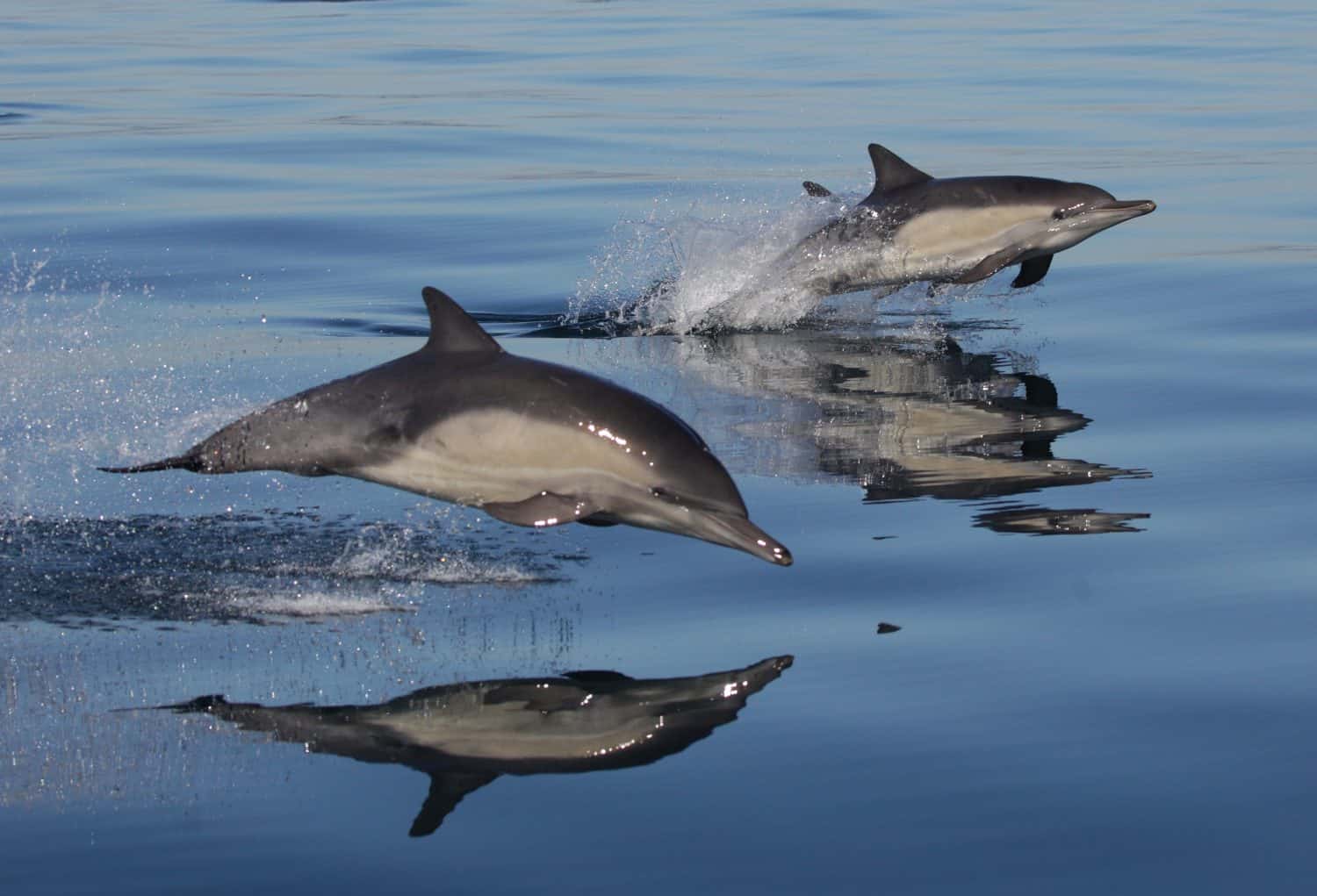
Common dolphins are found year-round near Santa Barbara Island.
©Patty Farrell/Shutterstock.com
In the waters around Santa Barbara Island, common dolphins can be seen jumping and swimming. These dolphins hunt squid, fish, and other marine animals in the area, and can be seen in groups of just a few to dozens at a time.
From spring to fall, the dolphins have their young. They spend this time teaching them how to hunt and protect them from other marine mammals in the Pacific Ocean.
The common dolphin, characterized by its dark gray back and lighter sides, is a permanent resident of the ocean surrounding the national park, making it a prime location for charter tours to observe dolphins in their natural habitat.
Bottlenose Dolphin
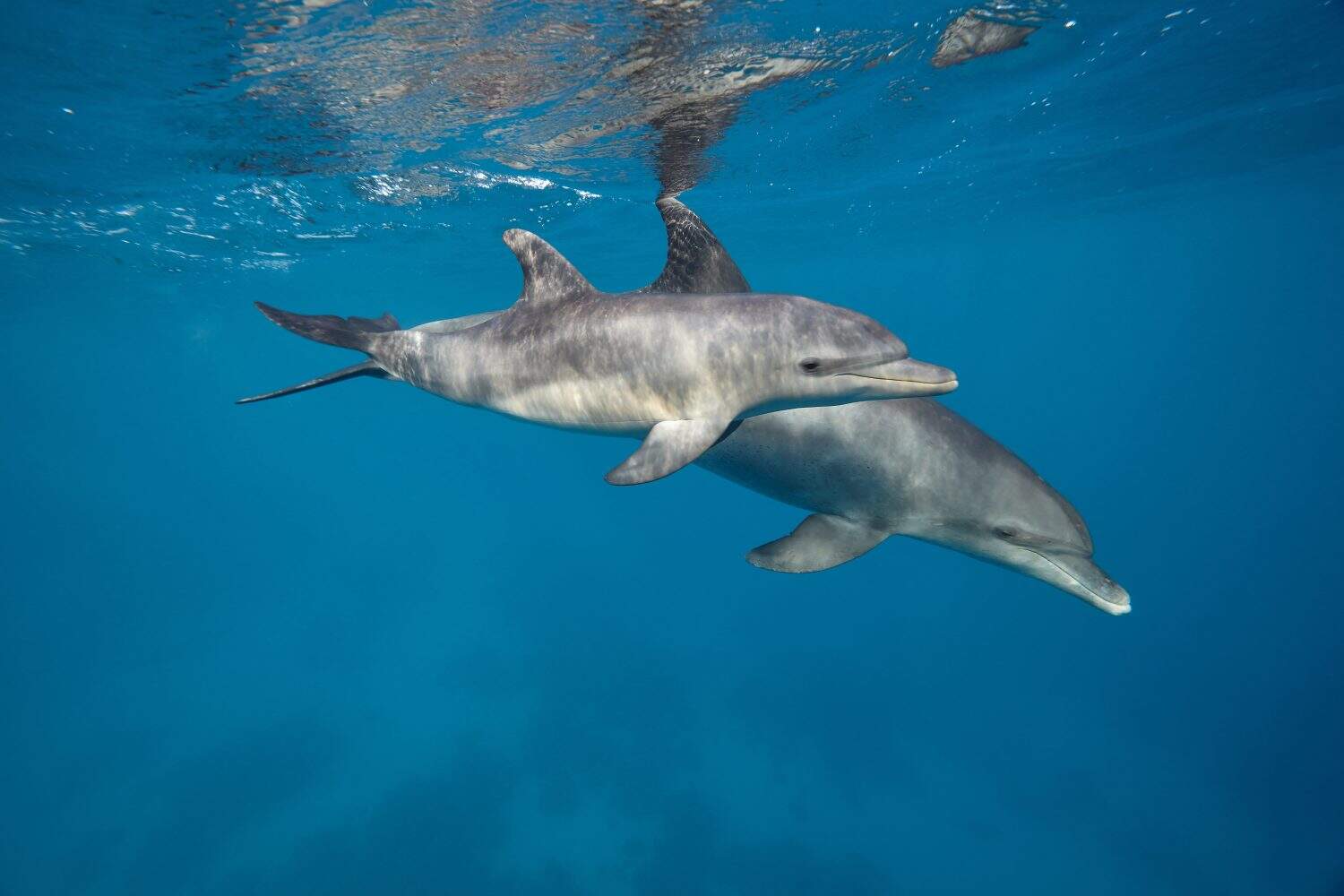
Bottlenose dolphins are found year-round near Santa Barbara Island.
©Tetsuo Arada/Shutterstock.com
Bottlenose dolphins can be distinguished from common dolphins, given that they are all gray to black in color on their bodies, with a white to pink belly. Like common dolphins, the bottlenose dolphins are also commonly found around Santa Barbara Island.
Those who take a charter to see dolphins will see bottlenose dolphins all year. The dolphins typically give birth to their babies in the fall. Like the common dolphin, they hunt fish, squid, and other marine mammals. Some of these animals are stunned before being consumed after the dolphins slap them with their flippers.
Garibaldi
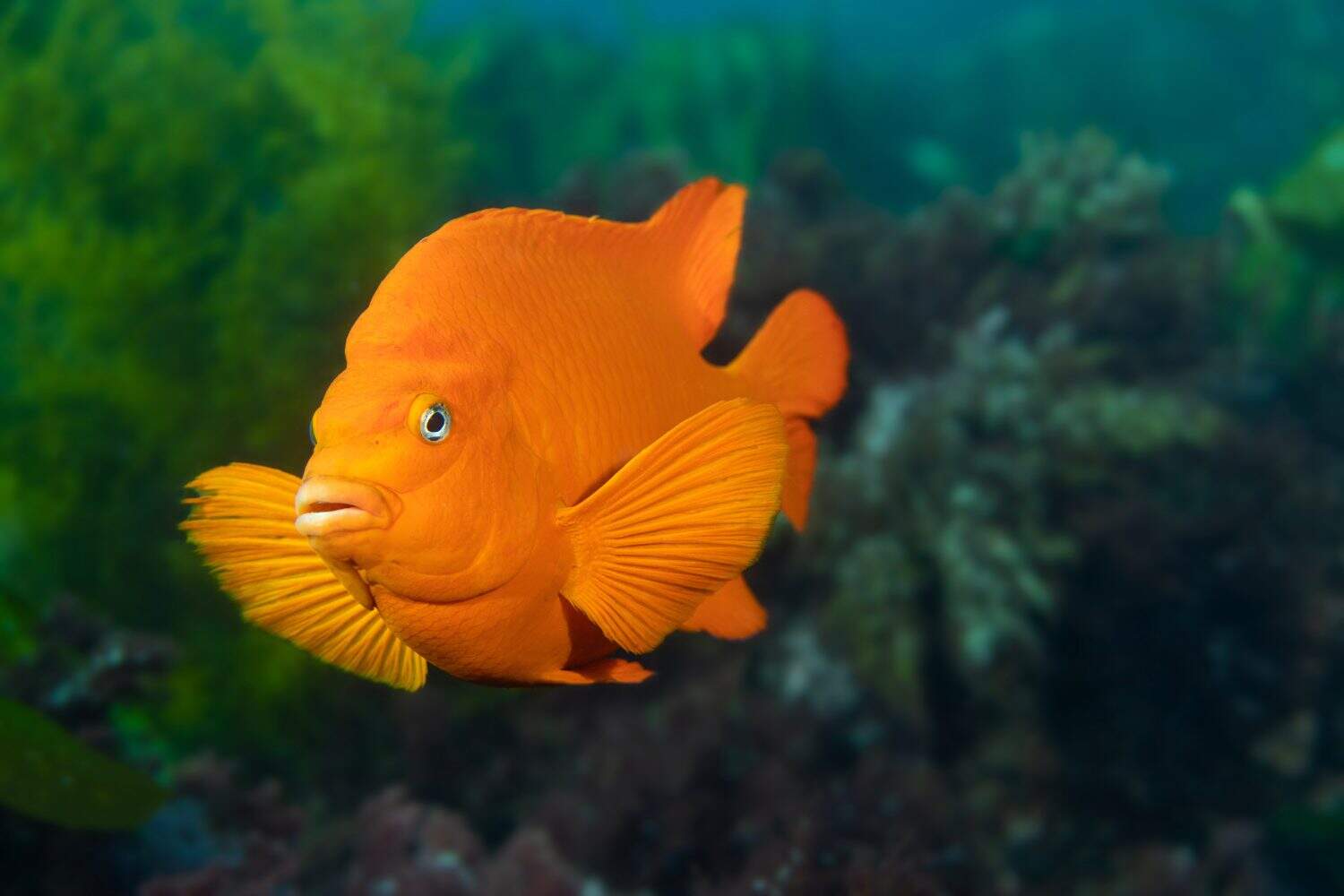
The garibaldi is the California state fish.
©Joe Belanger/Shutterstock.com
Garibaldi is the California state fish. It is also a fish found in the kelp forests and reefs surrounding Channel Islands National Park. The brightly colored fish eat sponges, crustaceans, sea stars, and worms. It is believed that the garibaldi’s coloration comes from their consumption of sponges.
While fishing is allowed in the waters around Channel Islands National Park, it is illegal to capture and keep a garibaldi. The fish are fully protected by the State of California and Mexico after massive population declines due to the aquarium trade.
Giant Black Sea Bass
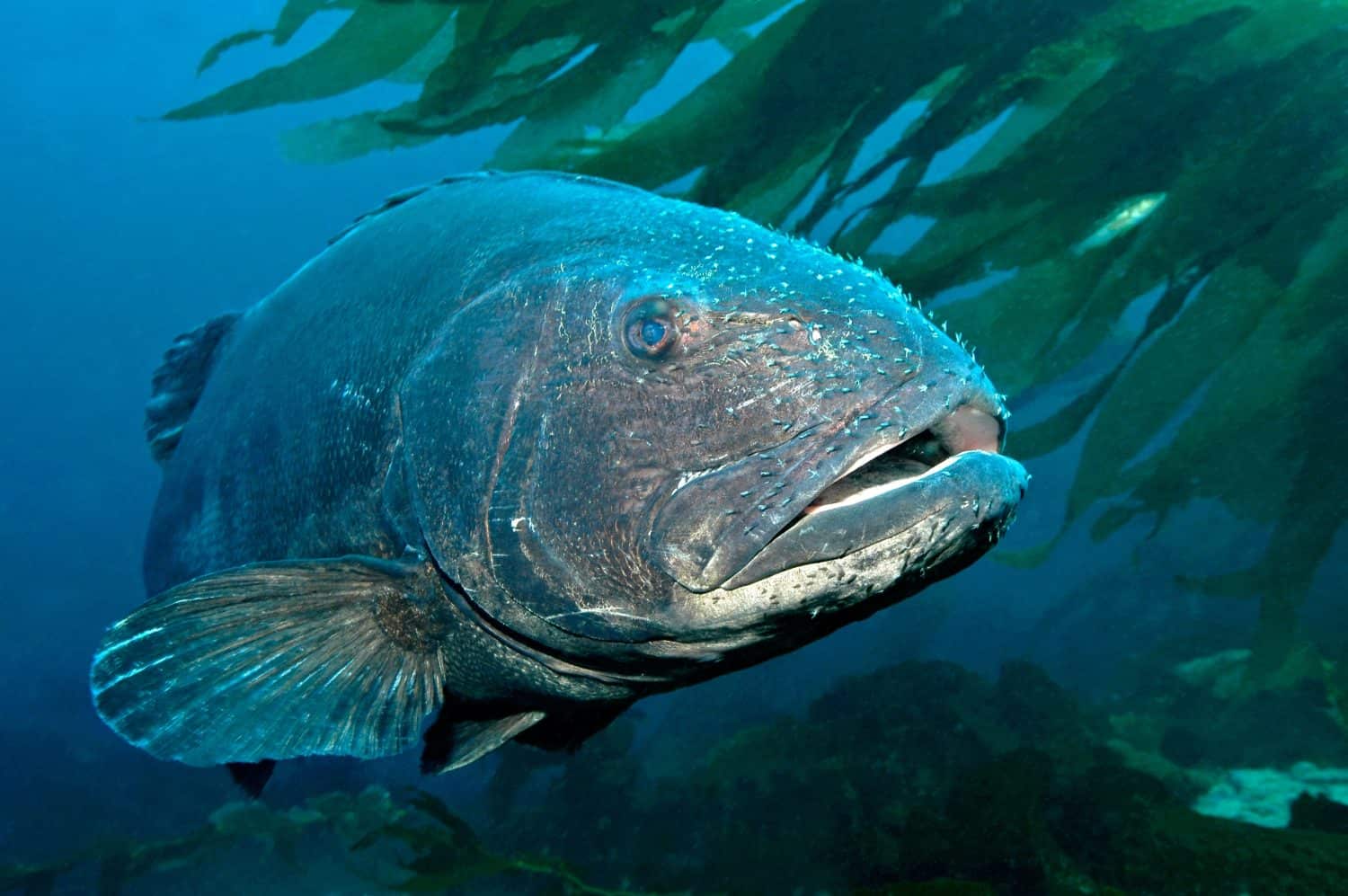
Giant black sea bass are found off Anacapa Island.
©Joe Belanger/Shutterstock.com
The giant black sea bass is a massive fish found off Anacapa Island from May to June each year. The fish, which can reach up to seven feet long and 700 pounds, then leaves for the winter.
When around the island, the sea bass can be found foraging for squid as they spawn. They also eat rays, crabs, lobster, small sharks, and other marine animals to sustain their large size.
The giant black sea bass is a critically endangered species. It is illegal to spear hunt or fish for these dark gray to black fish, which are known to change color to light gray when stressed.
California Spiny Lobster
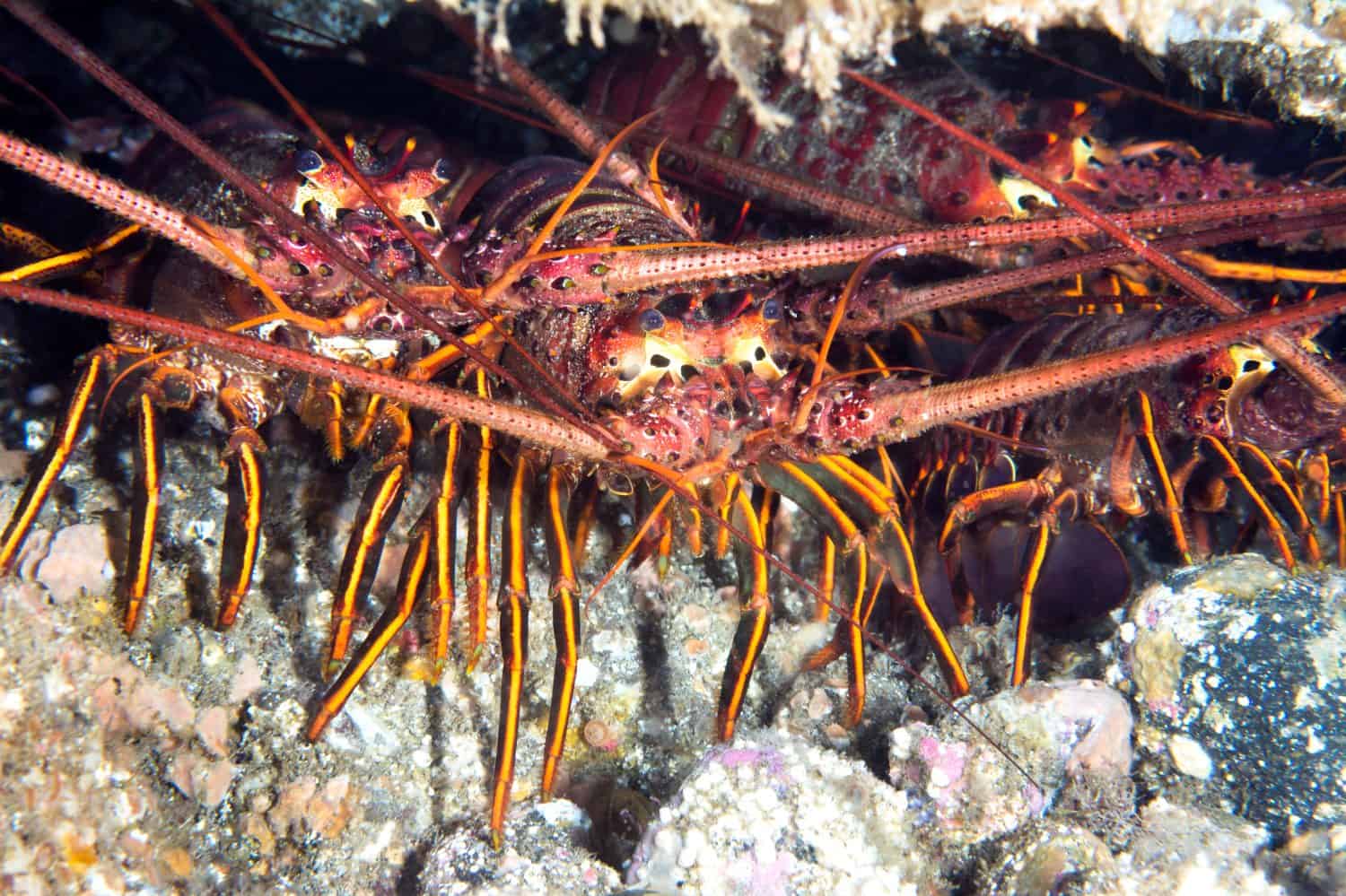
California spiny lobsters are found off the coast of Channel Islands National Park.
©Joe Belanger/Shutterstock.com
The reddish-brown California spiny lobster is found off the coast of the islands that make up Channel Islands National Park. Some specimens reach three feet in length and can weigh up to 16 pounds. However, the majority do not reach this size, as they are generally caught by crab nets by the time they are five to seven years old.
California spiny lobsters are an essential part of the marine ecosystem around Channel Islands National Park, given that they help to keep kelp forests healthy by consuming sea urchins. Without the lobsters, the kelp forests would decline, resulting in poorer health in the waters of the Channel Islands National Park.
Allen’s Hummingbird
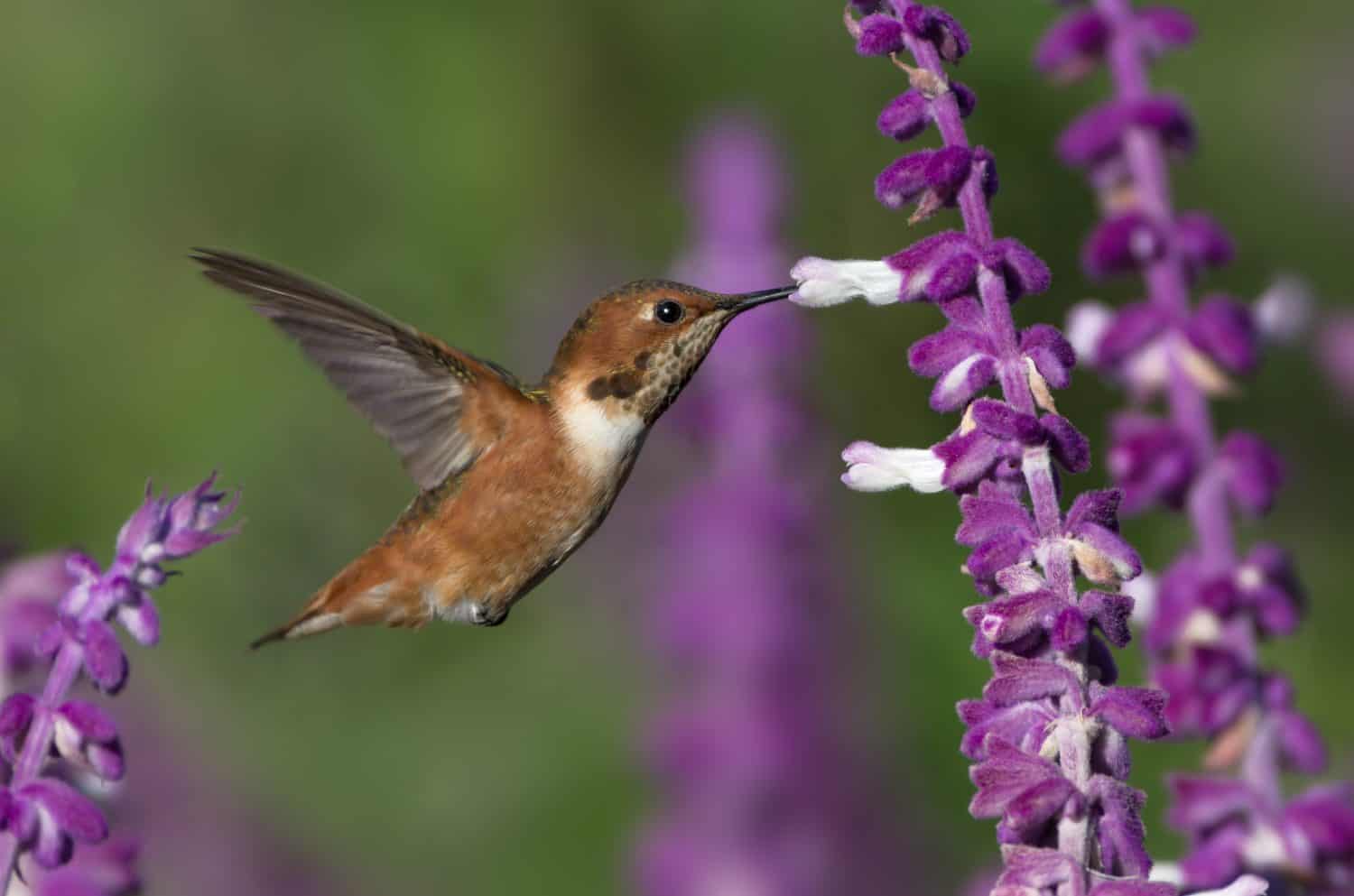
The only island on which Allen’s hummingbird is not found is Santa Barbara Island.
©Angel DiBilio/Shutterstock.com
Allen’s hummingbird is a bird found on all of the islands in Channel Islands National Park, except for Santa Barbara Island. The hummingbird is non-migratory and lives on the islands at an elevation below 1,000 feet. The choice of habitats is chaparral and woodlands.
The hummingbird drinks nectar from flowers and small insects it finds on the flowers to keep up its strength. The males of the species are very territorial, especially during nesting season. Consequently, it is not uncommon to see Allen’s hummingbirds chase off eagles or hawks. Even though the Channel Islands are the only place Allen’s hummingbirds live, they are not considered a threatened species.
Bald Eagle
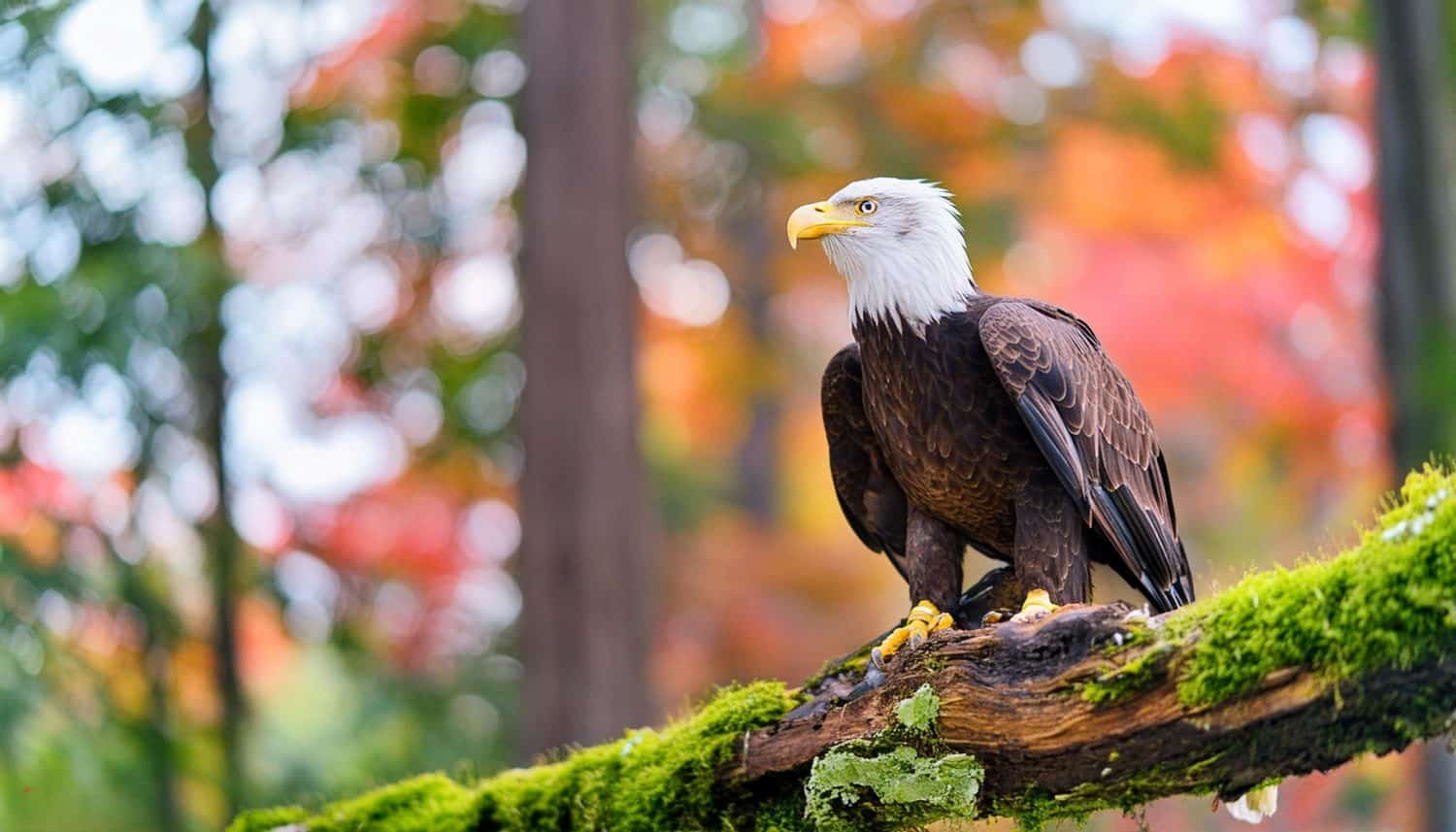
Once eradicated from Channel Islands National Park, bald eagles are now found on three of the islands in the park.
©Aikhan000042/Shutterstock.com
Due to their exposure to pesticides, bald eagles were not seen in Channel Islands National Park for decades. It was not until a breeding program was introduced in the early 2000s that this changed. Today, there are over 40 bald eagles that call islands within the national park home. Specifically, there are:
| Bald Eagle Location | Number of Breeding Pairs |
| Anacapa Island | One |
| Santa Rosa Island | Two |
| Santa Cruz Island | Five |
Today, those who want to watch the eagles in their nests can do so via webcam footage. Thanks to conservation efforts, the bald eagle was removed from the Endangered Species List in 2007. The bald eagles in the Channel Islands National Park were not only far removed from pesticides when recovery efforts began, but they also had an abundance of fish to enjoy, thanks to the ocean around the national park.
Identifying adult bald eagles is easy to do, given their white feathered heads and brown feathered bodies. Young bald eagles are all brown and will remain so until they reach maturity between four and five years of age.
Channel Islands Song Sparrow
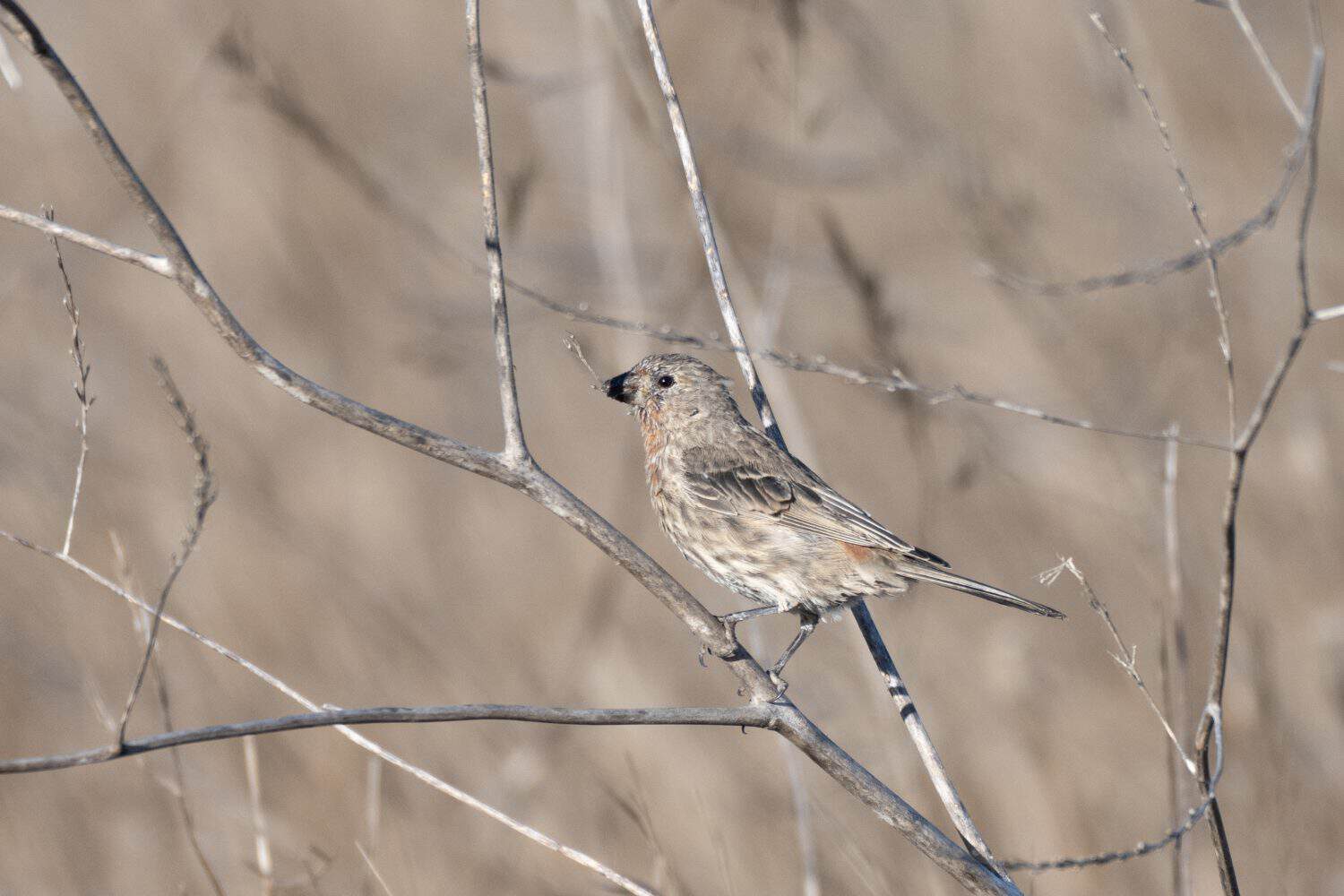
The Channel Islands song sparrow is only found on Santa Rosa and San Miguel islands.
©Jon Osumi/Shutterstock.com
The Channel Islands song sparrow can be found on Santa Rosa and San Miguel islands. The sparrows also once inhabited Anacapa Island but went extinct after being hunted by cats. Channel Islands song sparrows are a fawn color with darker stripes along the body. Their chest is a lighter cream color, and the birds can be found in dense shrubbery on the islands.
Unfortunately, due to the small habitat they inhabit, the Channel Islands song sparrow is classified as a Species of Special Concern by the State of California. Those who visit the national park will likely see sparrows hunting for insects or eating plants. Those that are not actively hunting might grace you with their distinctive songs.
Peregrine Falcon
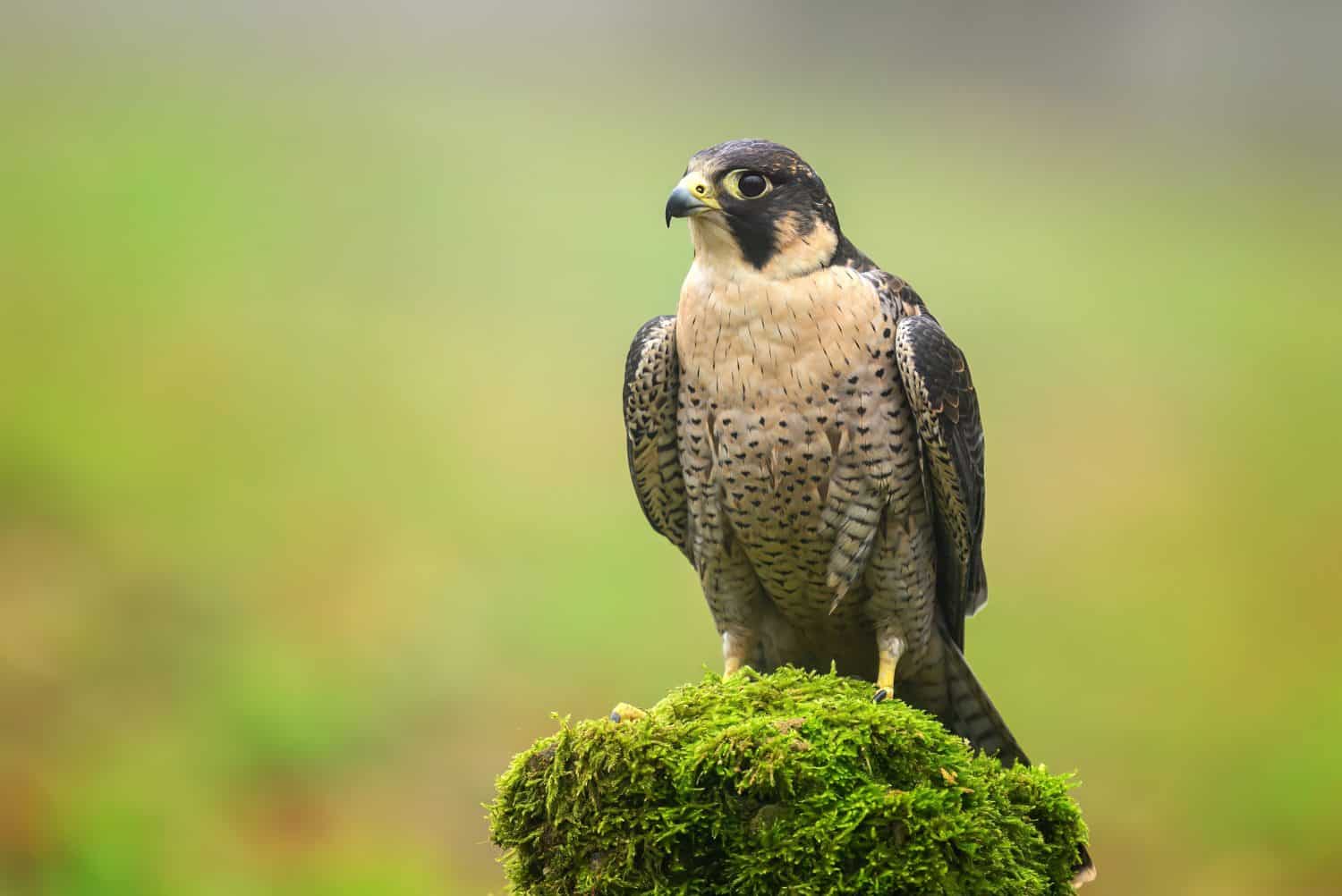
The peregrine falcon nearly went extinct due to pesticide exposure, but is now coming back to Channel Islands National Park.
©Piotr Krzeslak/Shutterstock.com
During the 1940s, it seemed as though the peregrine falcon might go the way of extinction as a result of being exposed to DDT. Once the insecticide was prohibited from use, the populations began to soar. The Channel Islands have once again seen pairs of peregrine falcons return to build nests and raise their young. This includes all the islands in the national park, one of which, Anacapa Island, features a falcon webcam that allows viewers to observe the birds with their hatchlings.
The Channel Islands make for a perfect habitat for the falcons, given the variety of prey they have access to. From fish to mice, songbirds, amphibians, and more, it is no wonder that 45 pairs of peregrine falcons currently call the national park home.
Raven
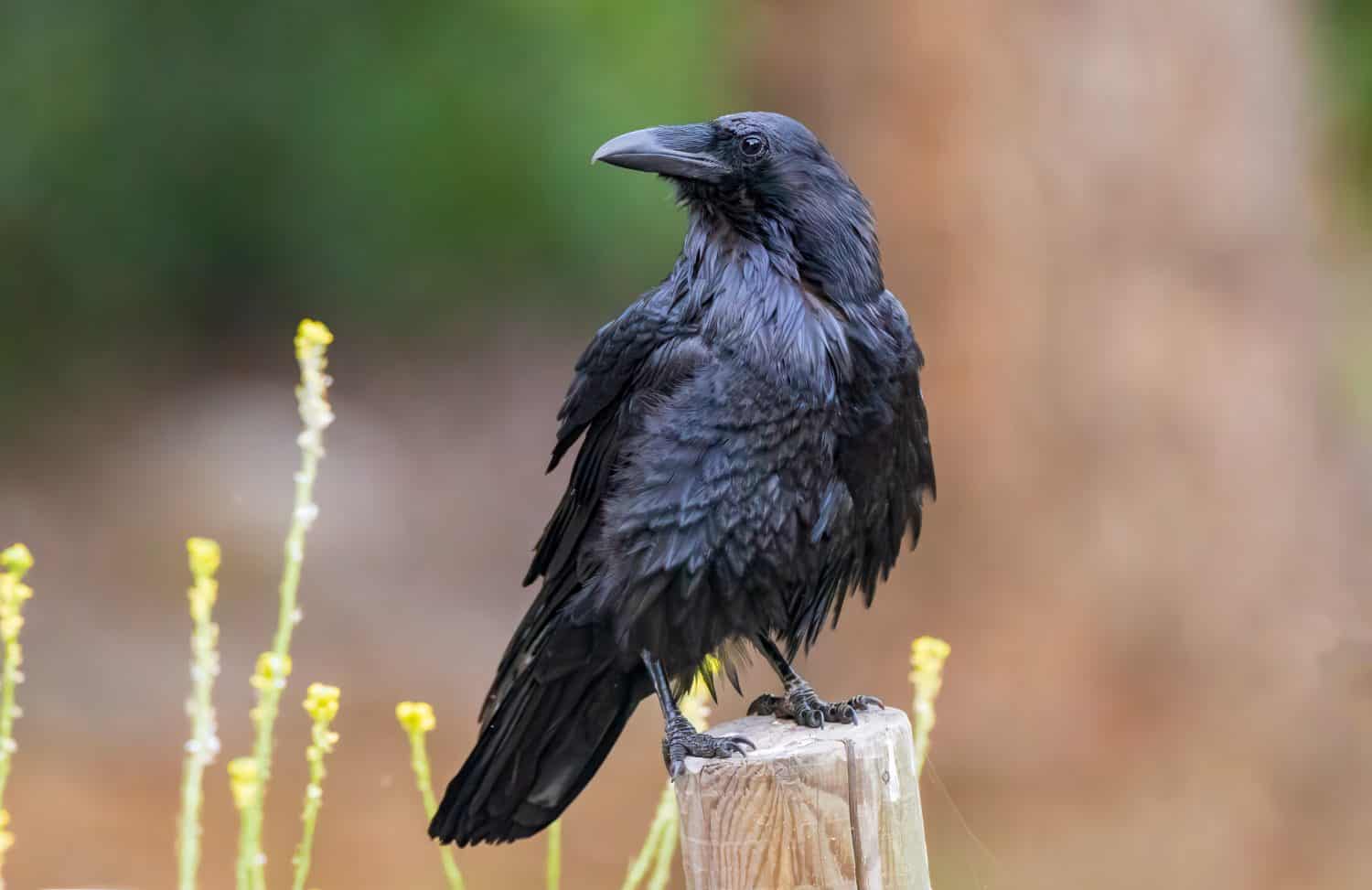
Ravens call each of the islands in Channel Islands National Park home.
©Matt Krofcheck/Shutterstock.com
Ravens are found on all of the Channel Islands in the national park. Their solid black coloration makes them easy to identify. The birds are opportunistic feeders, which is why they not only reside on the Channel Islands but also across most of North America and Canada. Given the range of the birds and the fact that their population is growing, they are considered a species of least concern.
Rufous-Crowned Sparrow
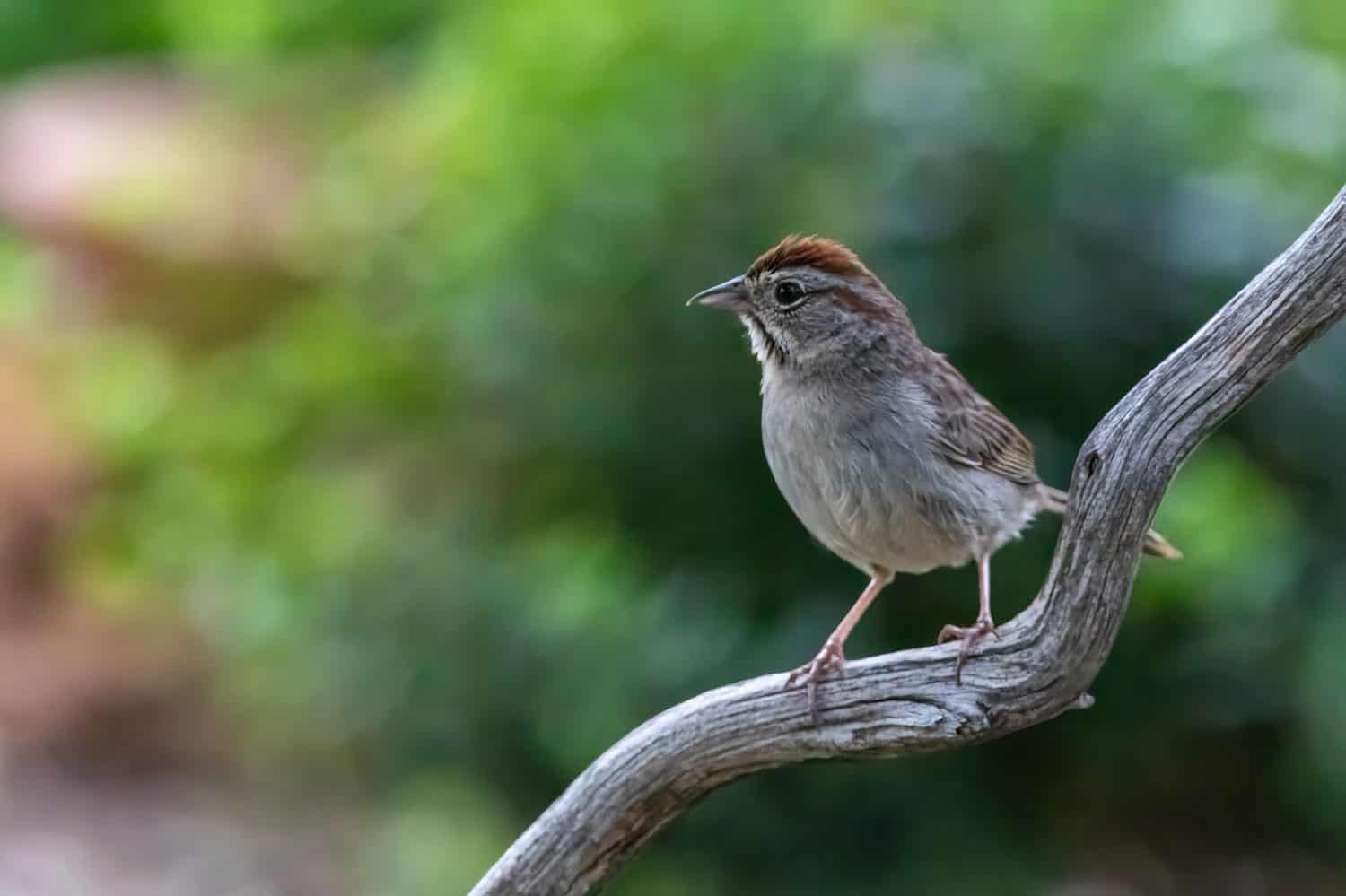
The rufous-crowned sparrow is endemic to Channel Islands National Park.
©B Norris/Shutterstock.com
Rufous-crowned sparrows are endemic to Channel Islands National Park, specifically on Anacapa Island and Santa Cruz Island. These sparrows have experienced a decline in their populations over the past few decades, but have recently seen an uptick after grazing animals were permanently removed from the park, which prevented the sparrows from becoming easy prey to other birds and also gave them access to more abundant food on the ground.
It is not clear where rufous-crowned sparrows build their nests. It is assumed they follow the traits of other sparrows and build their nests on the ground. Eggs would then likely be laid between March and August, akin to other sparrow species.
Spotted Towhee
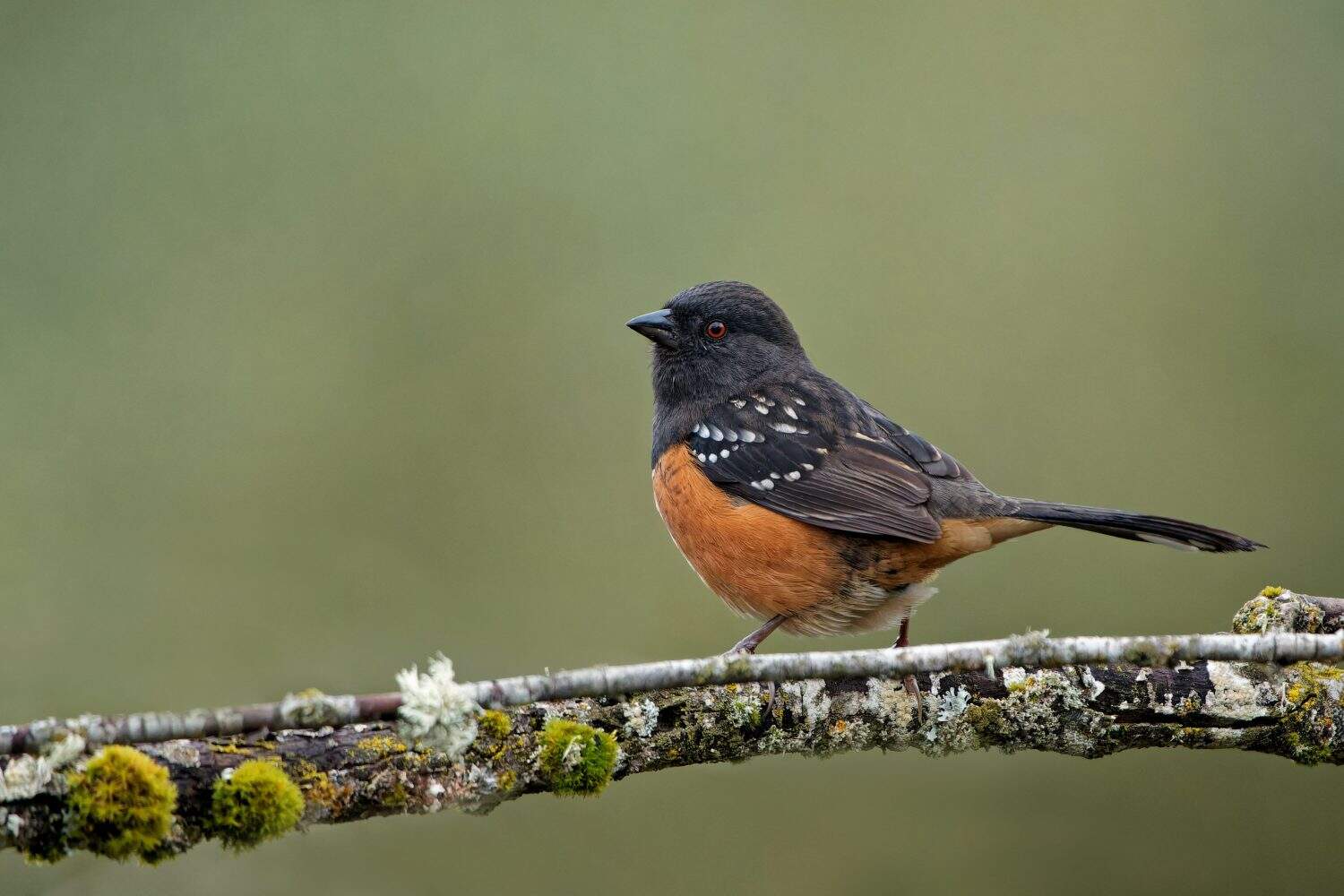
Spotted towhees are found on Santa Cruz and Santa Rosa Islands.
©Wirestock Creators/Shutterstock.com
The spotted towhee looks like a cross between a sparrow and a robin. With fawn-colored feathers on the top of the body with white spots, a reddish-orange chest, and a dark head, the birds bring a pop of color to the park. The islands they inhabit, in particular, are Santa Cruz Island and Santa Rosa Island.
Spotted towhees will scratch the ground in search of food. They will eat anything from seeds and fruit to insects. This varied diet is part of what makes them one of the most populous bird species on the islands, while also allowing them to stay close to their nests, which are built on the ground under protected vegetation.
Ashy Storm Petrel
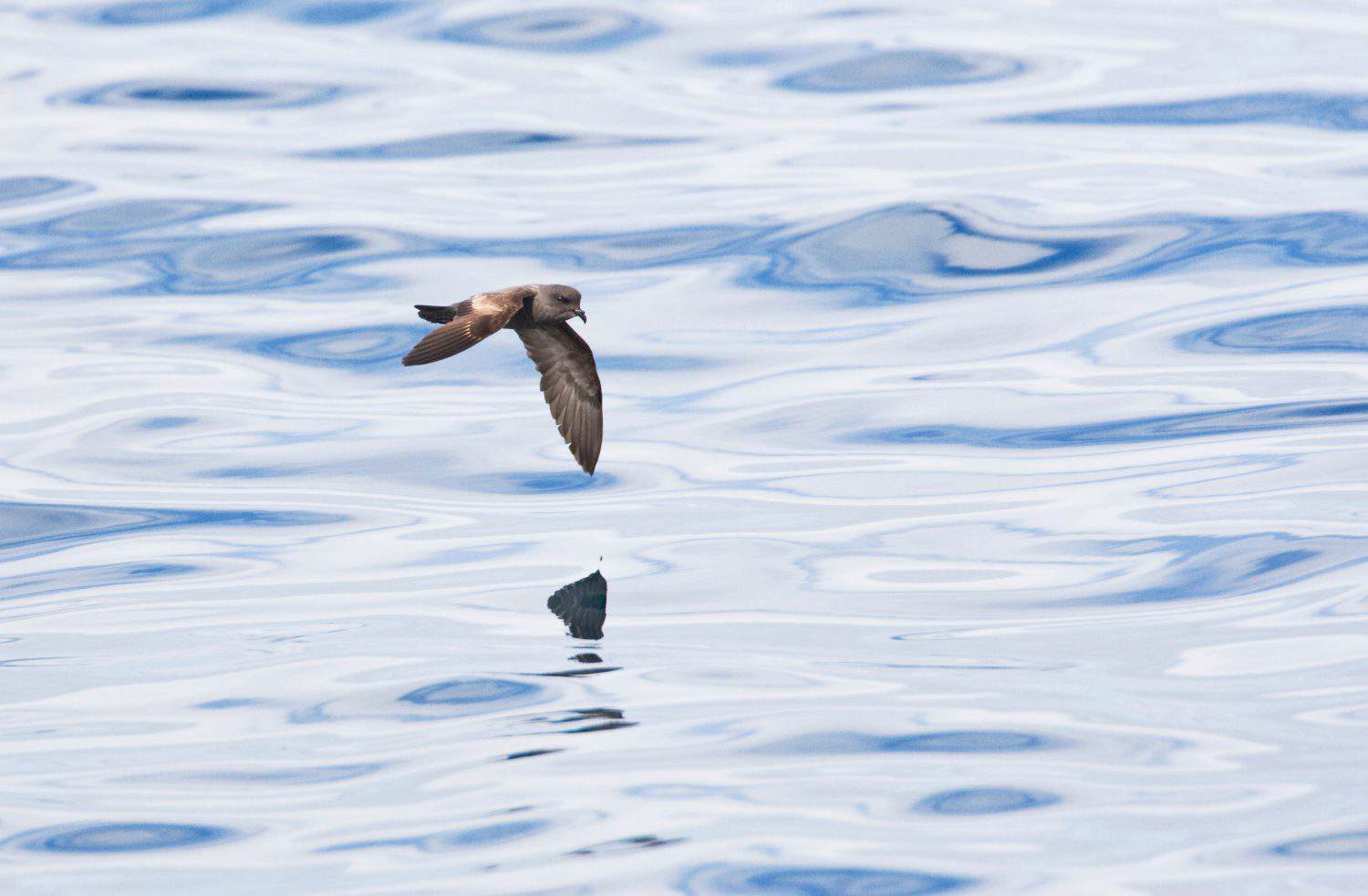
Ashy storm petrels are an endangered species.
©Agami Photo Agency/Shutterstock.com
The ashy storm petrels have a breeding ground in Baja, California, and Mexico. Still, Channel Islands National Park is where the majority of these birds reside; 50% of the breeding pairs live on the islands of San Miguel, Santa Barbara, Santa Cruz, and Anacapa.
Currently, it is estimated that there are approximately 10,000 ashy storm petrels worldwide. These small birds are all gray in color and are considered endangered by the IUCN. To protect their nests, the ashy storm petrel will hunt at night, where they look for krill, squid, and other small marine creatures to feast on.
California Brown Pelican
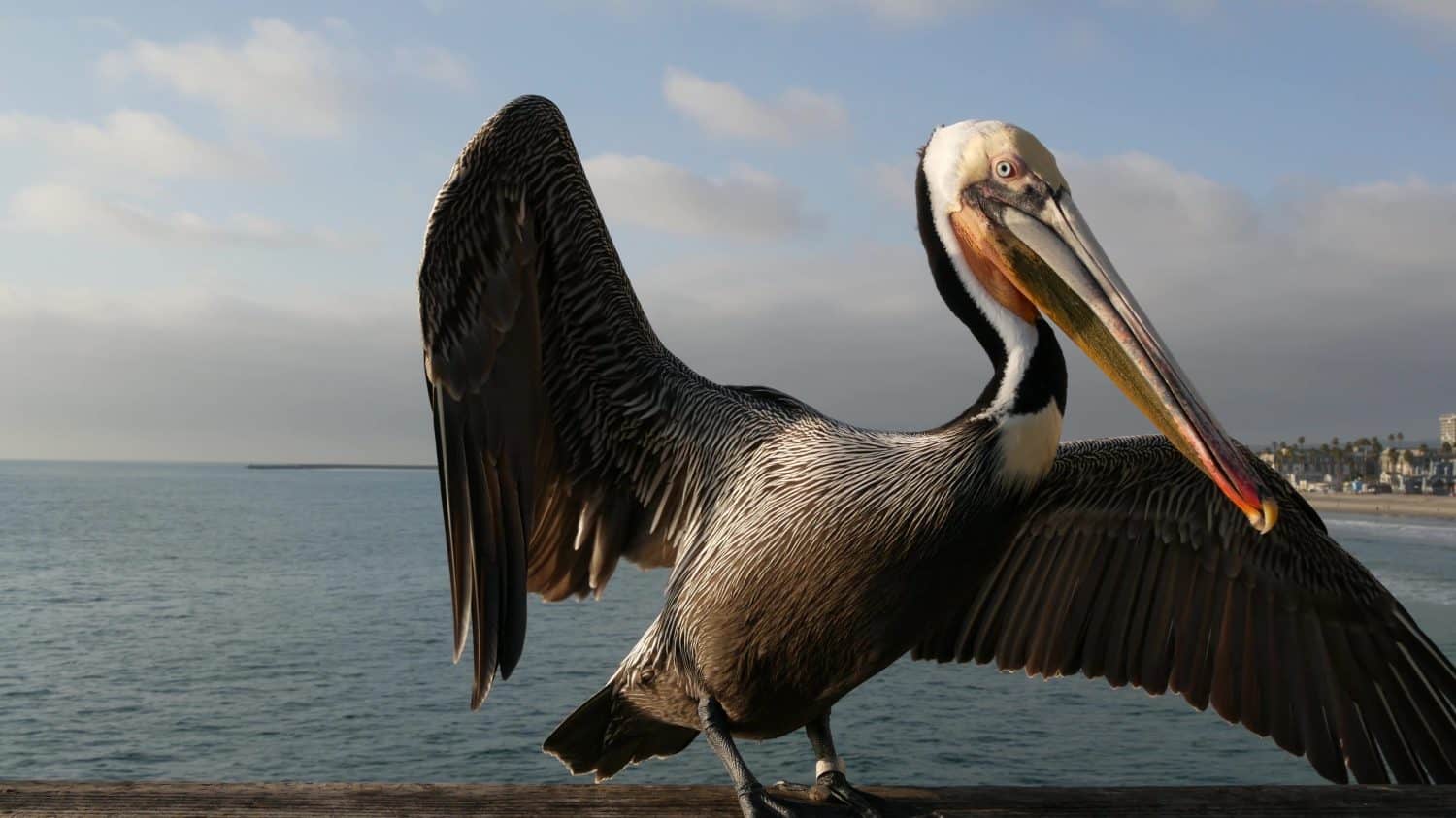
Anacapa and Santa Barbara islands are the only homes to breeding California brown pelicans in the U.S.
©Dogora Sun/Shutterstock.com
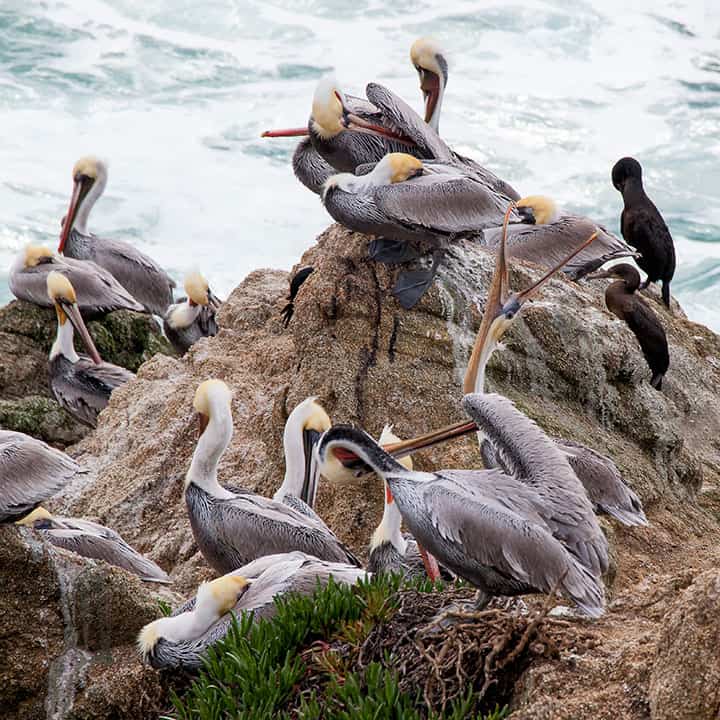
At one time, the California brown pelican was an endangered species. Although the species was removed from the list in 2009, great care must be taken to continue protecting the California brown pelican, as Anacapa Island and Santa Barbara Island are the only homes to breeding pairs of this species in the United States.
California brown pelicans are larger birds that can reach up to four feet in length and have a six-foot wingspan. The feathers are light brown and white, with a bit of yellow plumage on their heads. The pouch, used for fishing, is the largest of any bird in the world, allowing these birds to eat up to four pounds of fish daily.
Cassin’s Auklet
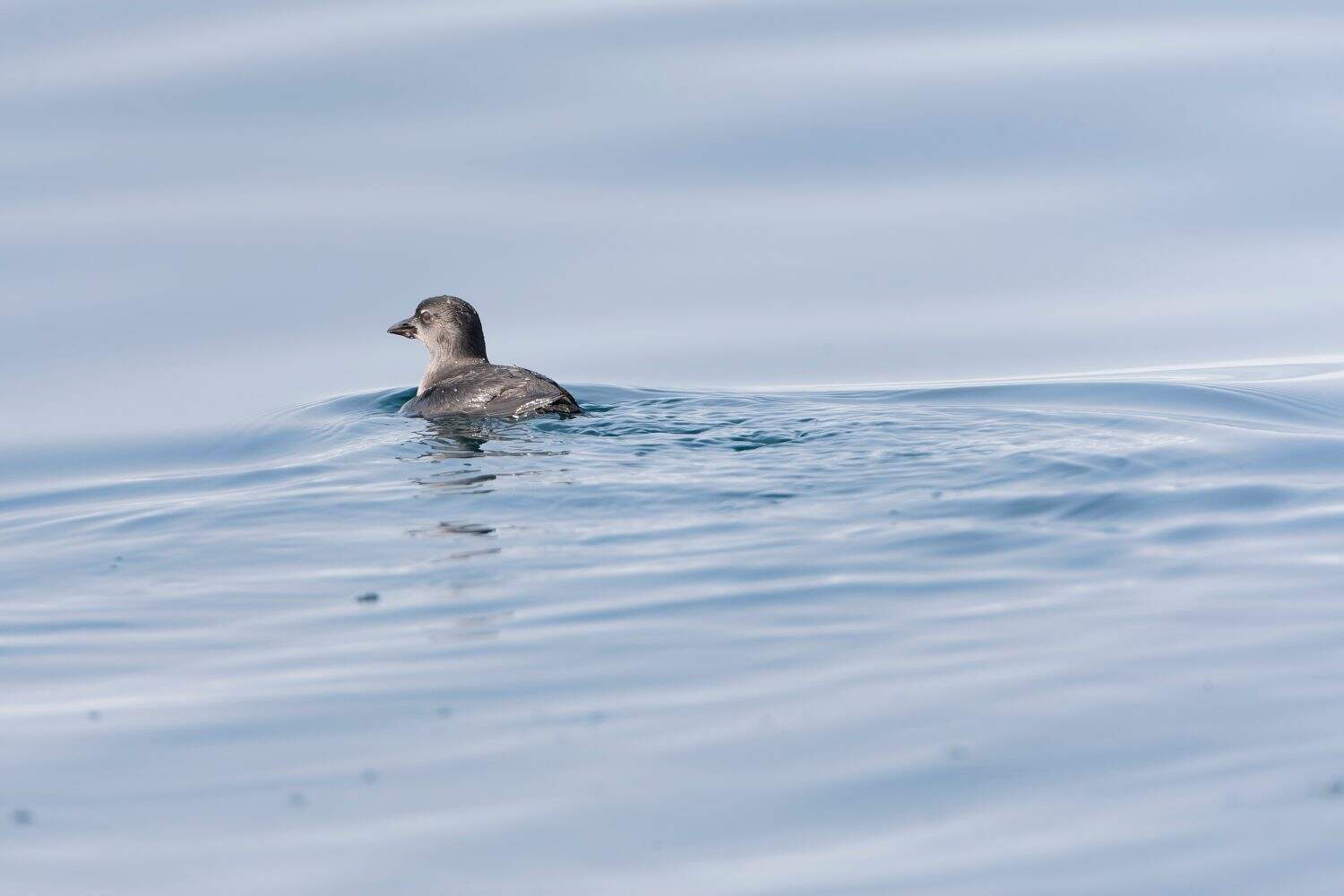
Cassin’s auklet spends more time on water than on land.
©Traveller MG/Shutterstock.com
The Cassin’s auklet is a seabird that prefers to spend time on the ocean rather than on land. However, during the breeding season, the birds can be found on all the islands within the national park, except for Santa Rosa Island. Cassin’s auklet has dark feathers on top and lighter ones on the breast and belly. While the bird may migrate in other parts of the world, on the West Coast, they generally remain stationary. Some populations of Cassin’s auklet have been in steep decline over the years. However, with most populations being stable or even growing, Cassin’s auklet is classified as a species of least concern.
Brandt’s Cormorant
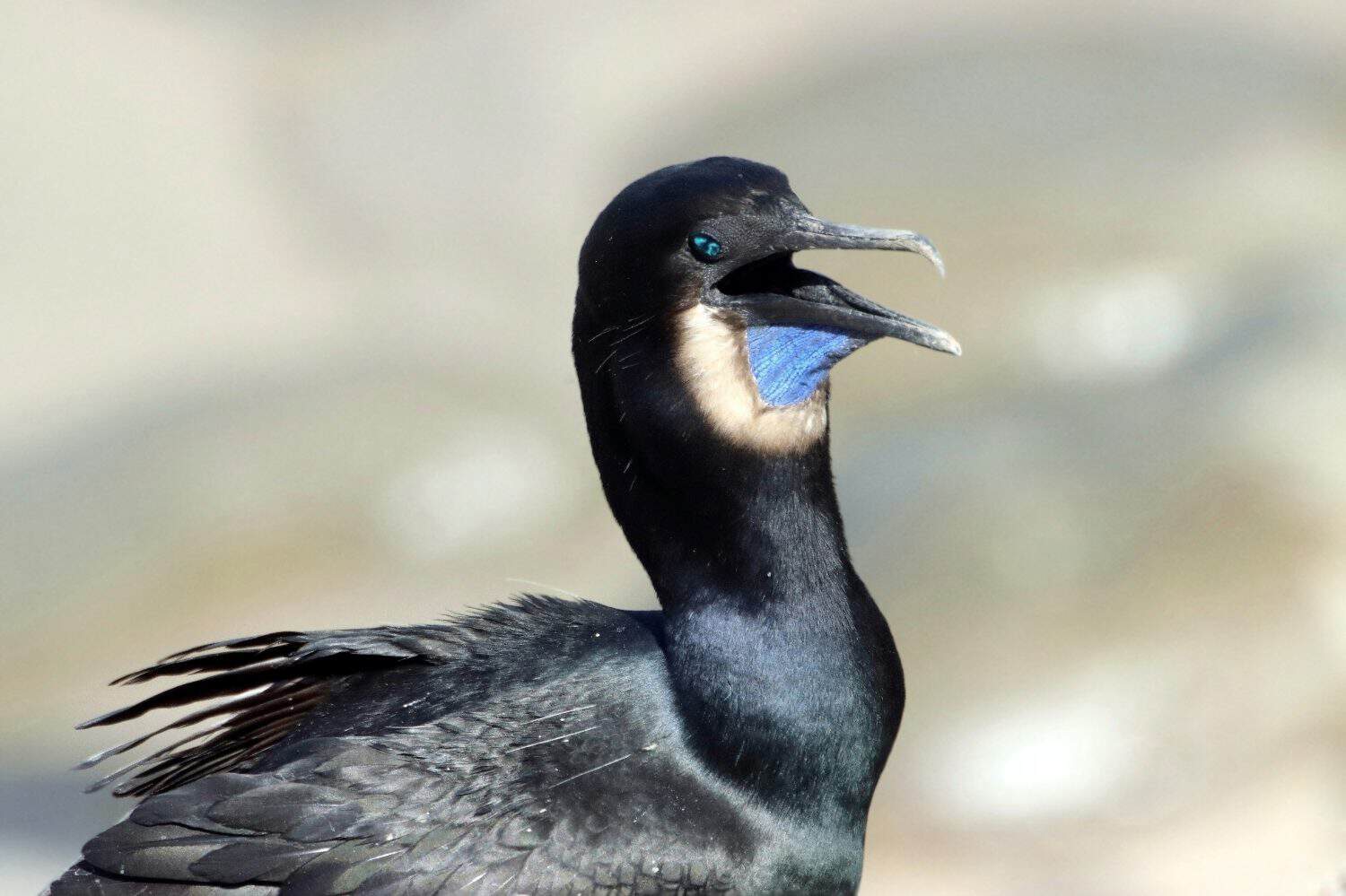
Brandt’s cormorants are identified by their blue throats.
©thomaslabriekl/Shutterstock.com
Brandt’s cormorant is not a bird that likes to move around much. Consequently, the breeding pairs that live on all of the islands within the park are permanent residents. At first glance, the cormorant looks similar to others that call the Channel Islands home. However, it can be distinguished by its blue throat. Like other cormorants, the Brandt’s cormorant dives for its meals, which consist of many different species of fish in the Pacific Ocean.
Double-Crested Cormorant
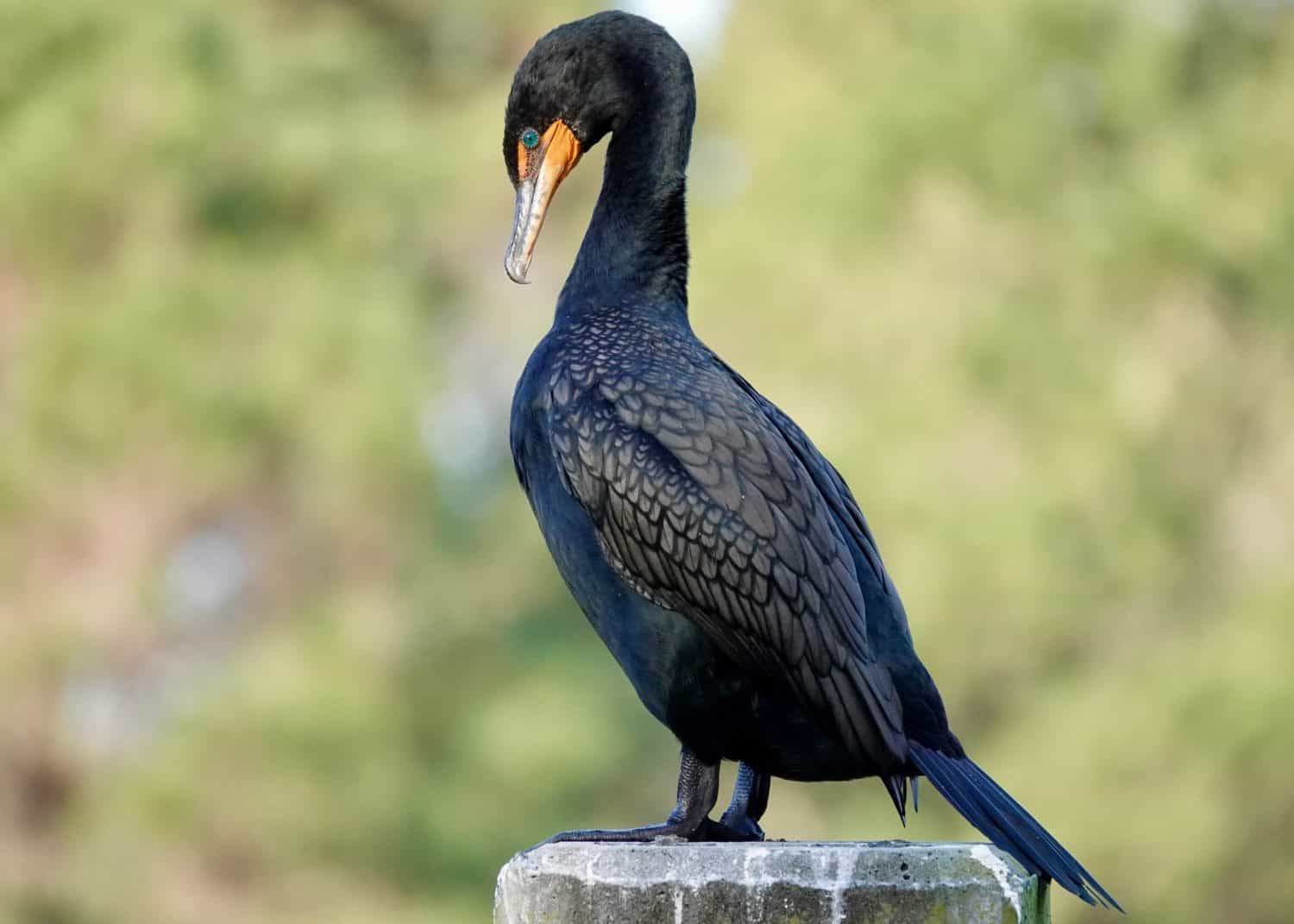
Double-crested cormorants are a species of special concern in California.
©Chris Klonowski/Shutterstock.com
The double-crested cormorant may be one of the most widely distributed cormorants, but it is a species of special concern, according to the California Department of Fish and Game. This is because, during the 1970s, the birds were exposed to DDT. Despite DDT being banned, the populations have yet to rebound.
Santa Barbara Island, Anacapa Island, and San Miguel Island are the islands the cormorants call home, making up the largest populations of double-crested cormorants in Southern California. The cormorants are dark in color with an orange beak. The double-crested cormorants dive deep into the waters off the coast of the islands to find fish for their meals.
Pelagic Cormorant
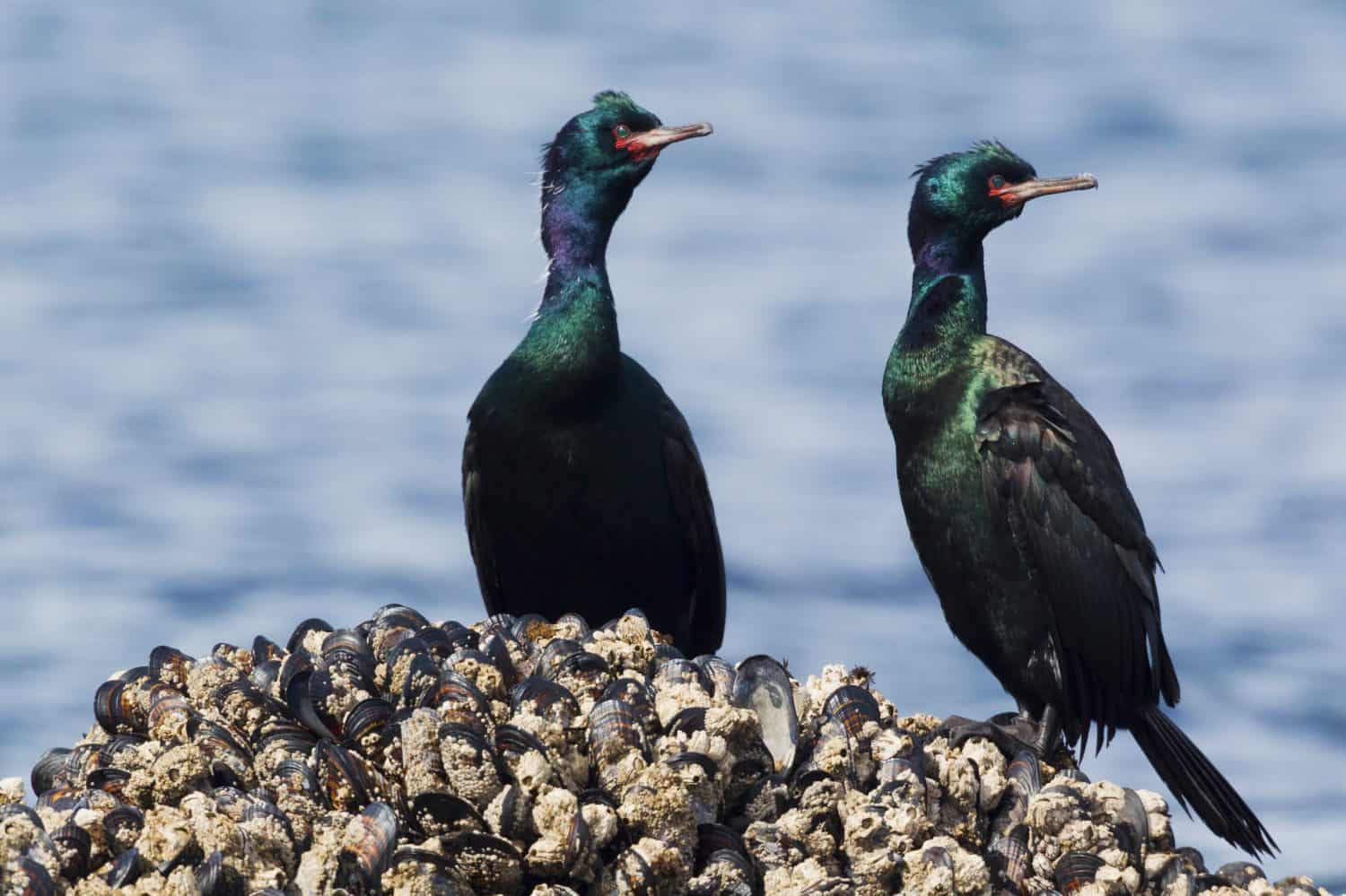
Pelagic cormorants come to Channel Islands National Park between March and August annually.
©Danita Delimont/Shutterstock.com
From March to August every year, the Pelagic Cormorants come ashore on all five of the Channel Islands in the national park to lay eggs. This region is perfect for the cormorants, as they tend to be shy birds, easily scared away by human activity.
The Pelagic Cormorant is the smallest of all cormorants. It is black to dark green in color, and during mating season, the skin under the eyes turns magenta. When on the Channel Islands, the Pelagic Cormorants can be seen hunting for crustaceans and other small marine life in and around kelp beds.
Common Murre
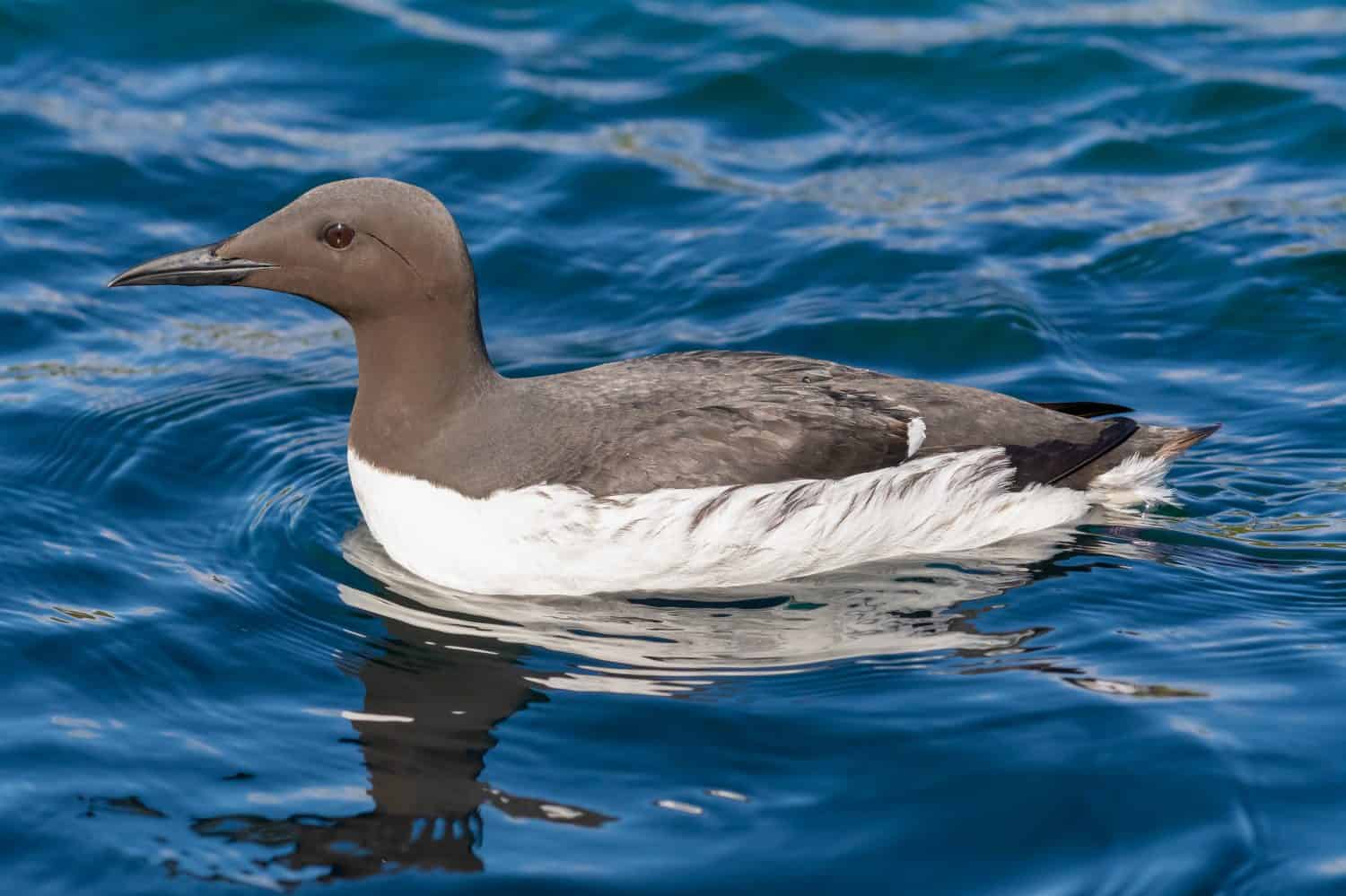
Common murres are a newer addition to Channel Islands National Park.
©Piotr Poznan/Shutterstock.com
The common murre was once found on San Miguel Island. However, by 1912, the birds were no longer coming to the island. It was not until 2011 that the birds were found nesting on the island again, where they have continued to nest over the last decade. The reason for the return is not clear, but scientists have surmised that a change in ocean conditions led to the birds feeling comfortable nesting again. Currently, there are 13 sets of nesting birds on the island.
Common murres resemble penguins with their distinctive black and white coloration. However, during the summer and winter, their colors will vary from gray to black. Although not an endangered species, common murres have experienced population declines over the past several decades. This is due to oil spills and being caught in fishing nets. Consequently, tens of thousands of these birds lost their lives to these dangers at sea.
Pigeon Guillemot
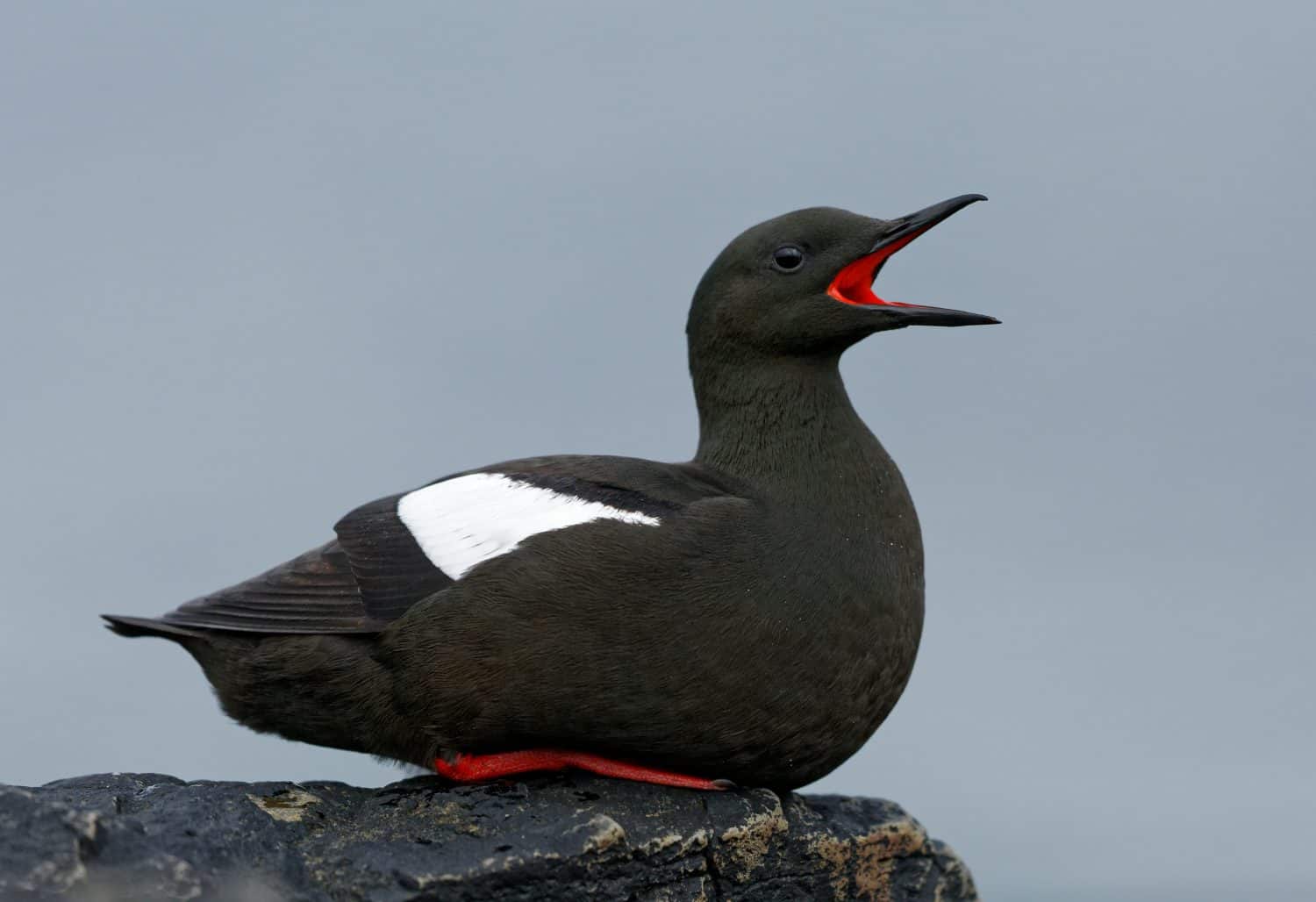
The pigeon guillemot calls Santa Barbara Island home.
©Alamin-Khan/Shutterstock.com
The pigeon guillemot is found on Santa Barbara Island within the national park, but that is not the only place the bird can be found. In addition to California Island, the pigeon guillemot also calls the coast of Russia, Alaska, and mainland California home.
With a worldwide population of 470,000 birds, the pigeon guillemot does not face imminent danger of going extinct. However, because successful nesting is reliant on cooler ocean temperatures, there is a threat of breeding seasons being less bountiful in the future as the temperatures continue to rise. The black and white birds spend their time from February to August on Santa Barbara Island. It is during this time that one to two hatchlings will be born, creating the next generation of pigeon guillemots.
Scripp’s Murrelet
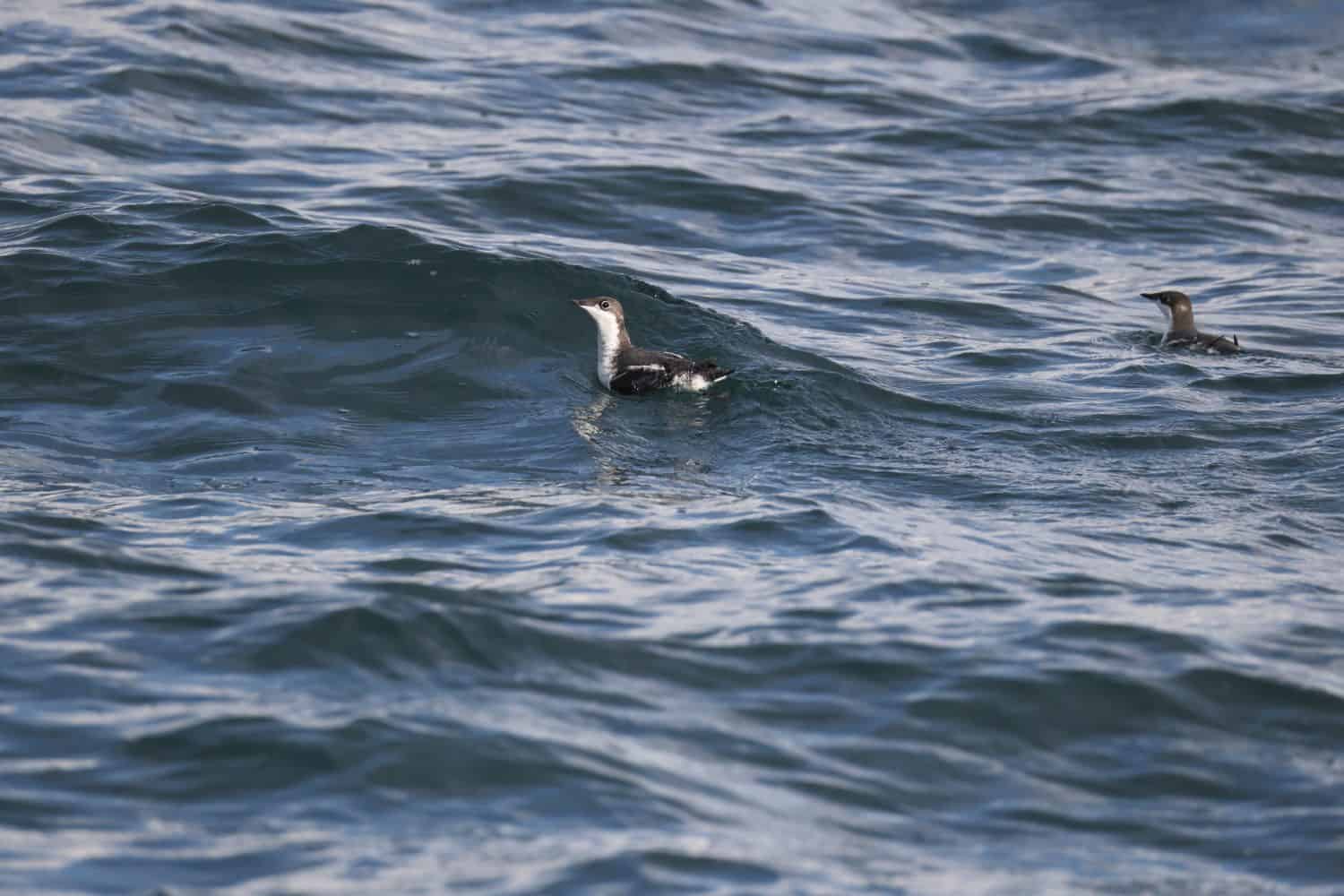
Scripp’s murrelet, similar to the long-billed murrelet above, is a threatened species.
©feathercollector/Shutterstock.com
A small sea bird that only comes ashore to breed is the Scripp’s murrelet. The murrelet spends 80% of its time in the water, making it a very unique seabird indeed.
The Scripp’s murrelet is a threatened species, according to the IUCN Red List. With one-third of the world’s population coming ashore to lay their eggs, and only doing so in 10 locations on Anacapa and Santa Barbara islands, the area is strictly off-limits to visitors so as not to disturb the robin-sized black and white birds during their limited time on land. When on the ocean, the birds hunt in pairs. The couple will dive for small fish and crustaceans in deep ocean waters, unfortunately making them easy prey for marine mammals.
Western Gull
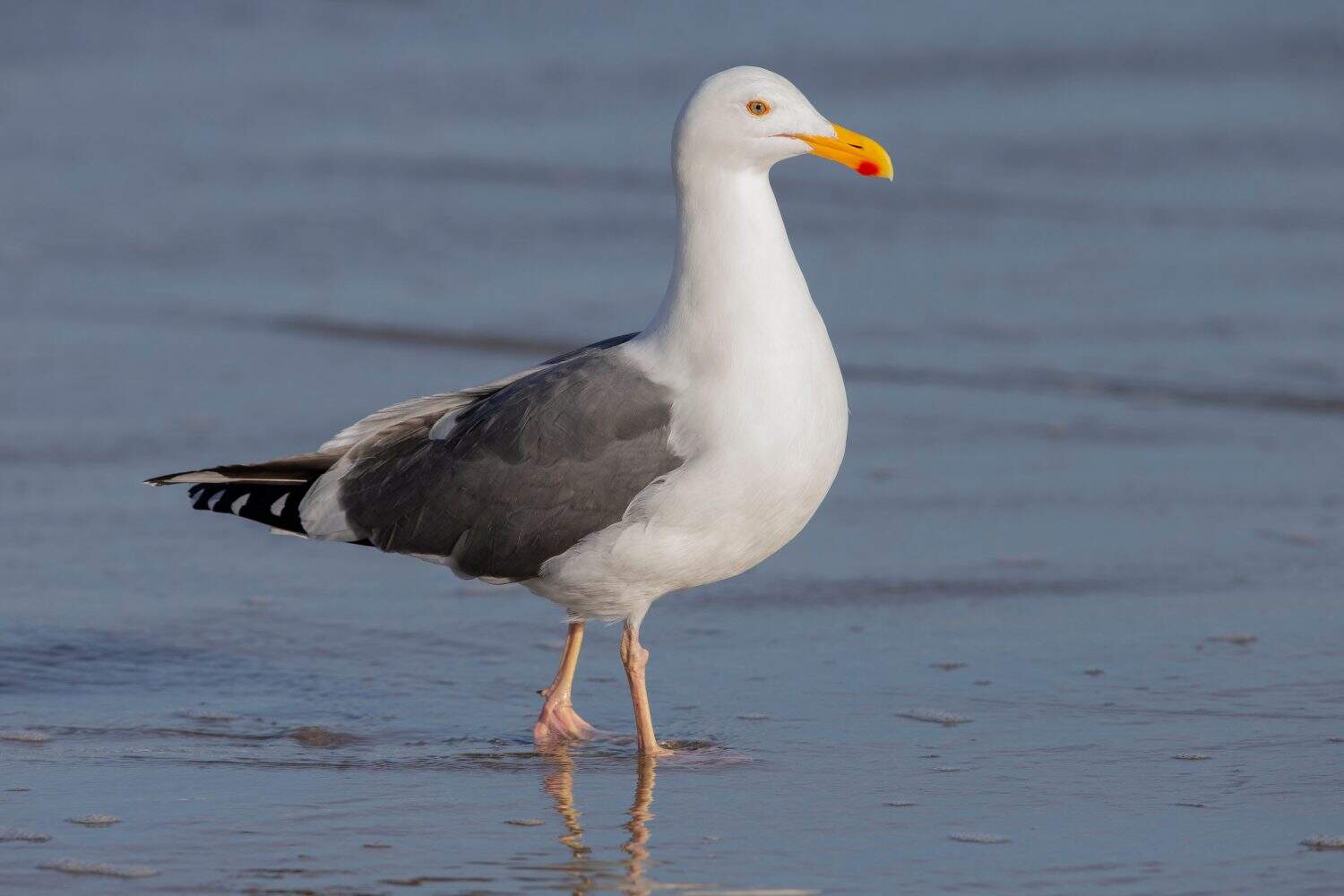
Western gulls can be found on Anacapa and Santa Barbara islands.
©Dennis W Donohue/Shutterstock.com
For those who have spent any time along the Pacific Coastline, the western gull is a familiar sight. The white-bodied birds with gray wings and yellow beaks, featuring a red to orange spot, are found on Anacapa Island and Santa Barbara Island.
What has made the western gull such a survivor, while other seabirds have seen their populations decline, is that they are opportunistic hunters. They can survive both on what the sea offers and on scraps found in cities and towns near the coast. In Channel Islands National Park alone, there are an estimated 15,000 western gulls.
Blackoyster Catcher
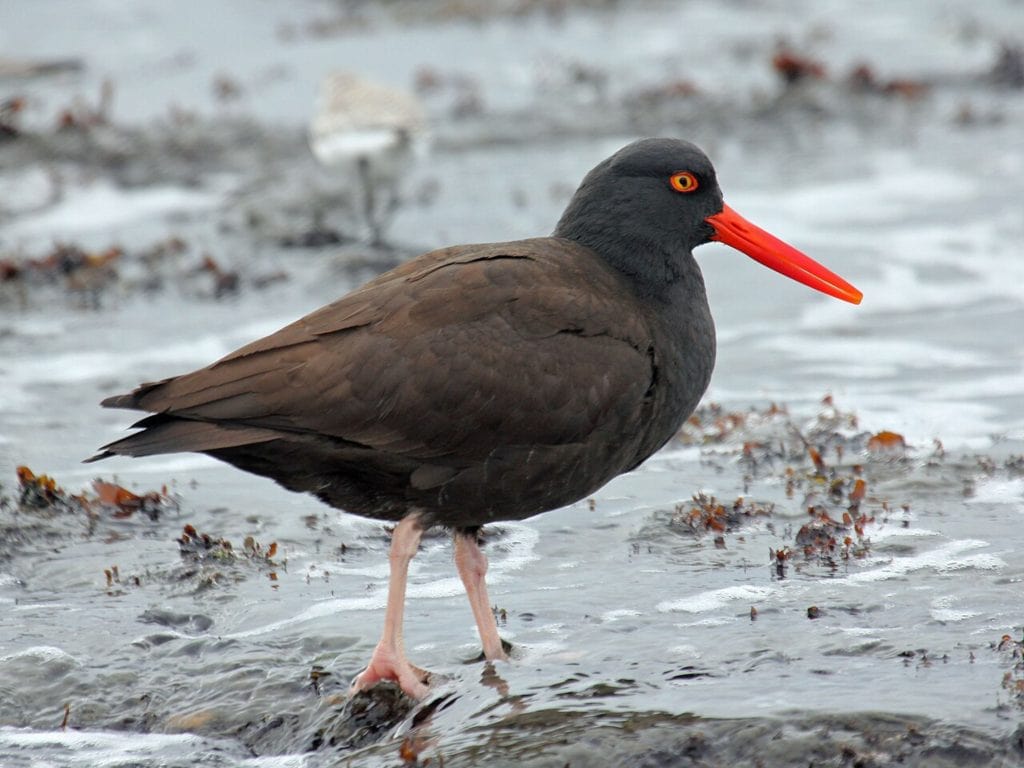
Blackoyster catchers are found on all of the islands in Channel Islands National Park.
© – Original
The blackoyster catcher is a bird that is found on all five of the islands in Channel Islands National Park. The bird is entirely black, except for its orange beak and peach-colored legs. Despite their names, blackoyster catchers prefer to eat mussels over oysters. The birds do not fly long distances and will generally stick to their specific island. Their favorite areas to congregate are rocky shorelines.
Throughout the world, there are only an estimated 10,000 to 12,000 blackoyster catchers remaining. The birds are considered “climate endangered.” This means that the blackoyster catchers’ survival hangs in the balance as a result of climate change. Whether they will be capable of surviving the warmer temperatures and the increased sea level is unknown, but they are being monitored by the U.S. Fish and Wildlife Service.
Snowy Plover
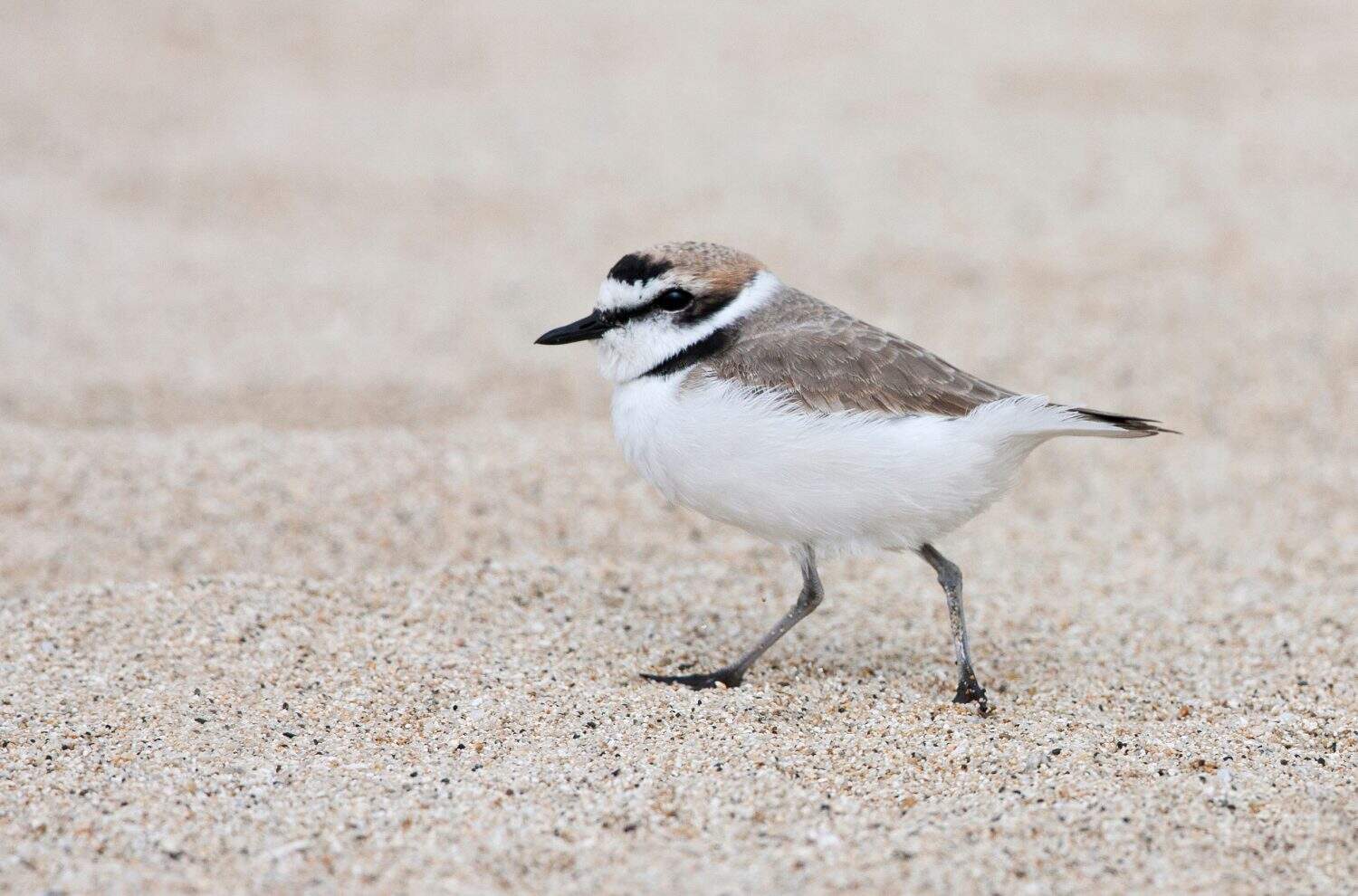
The snowy plover lives on Santa Rosa Island throughout the year and on Santa Cruz Island during the summer months.
©Agami Photo Agency/Shutterstock.com
The snowy plover is a small bird that inhabits Santa Rosa Island year-round. During the summer months, the bird can also be found on Santa Cruz Island. With fawn colored feathers on its back and wings, a white underbelly, and black stripes near the eyes and neck, the snowy plover can camouflage itself reasonably well in the sandy environment where it builds nests and lays eggs. Unfortunately, this location for the nests is also what caused the decline of the species over the years.
In 1993, the snowy plover was considered a threatened species. However, thanks to conservation efforts by the U.S. Fish and Wildlife Service, the species has made a significant recovery on both the Channel Islands and the mainland.