
Quick Take
- People have long been curious about feline tongues, noting that they have a certain courseness.
- Recent studies that used microscopy to get a closer look at the tongues of big cats have found hook-like protrusions hardened with keratin.
- These specialized papillae make the top surface of a cat’s tongue into a rasping tool for stripping meat from bones.
- The spine-like papillae are also used to spread saliva into cats’ fur, which helps them cool off.
- The size and placement of hooked papillae varies across species of cat, likely reflecting dietary preferences.
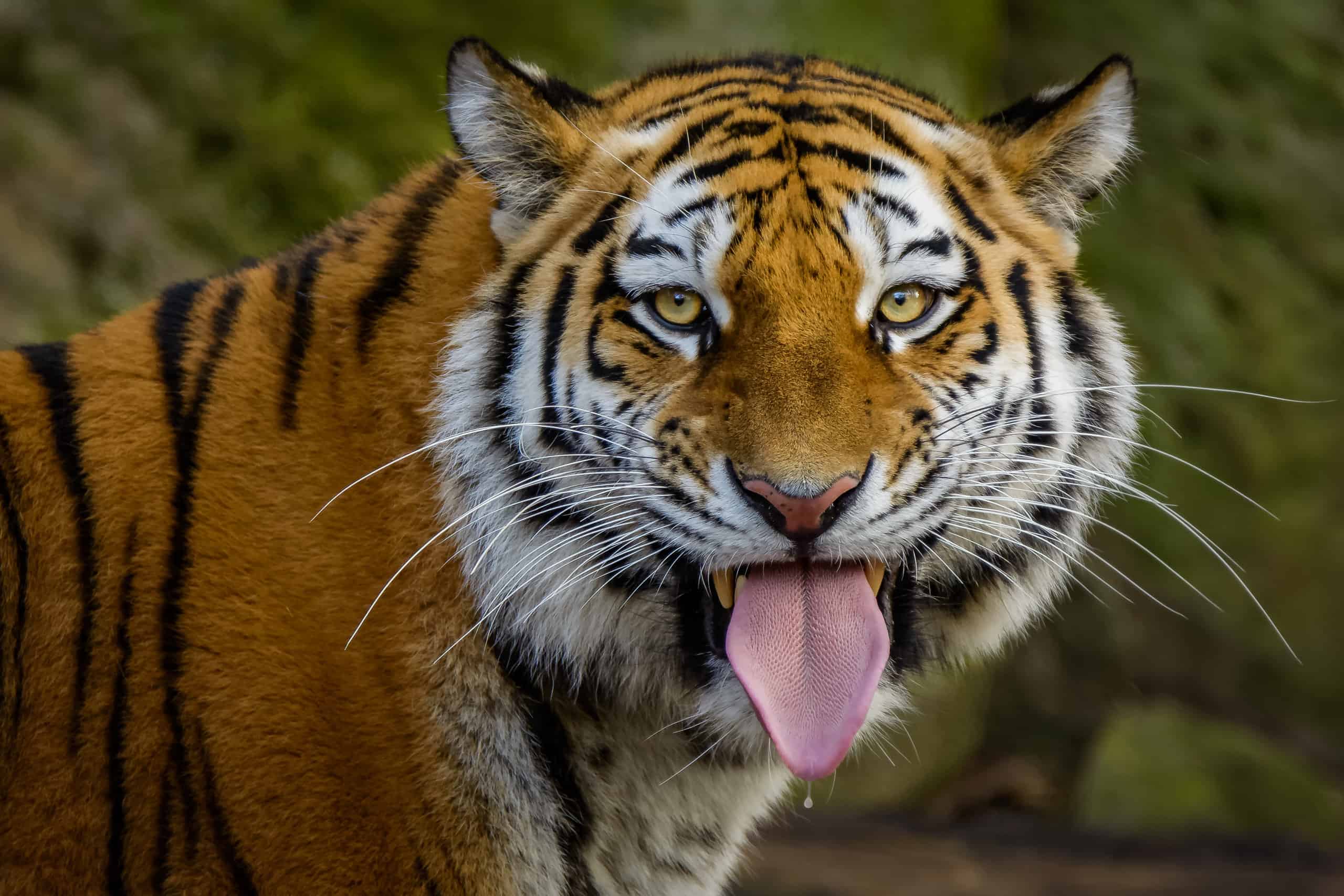
A recent Instagram post described a tiger’s tongue as “built to strip meat, fur, and feathers straight off bone.” This made me curious about tiger tongues: What makes them so rasp-like? And could a lick from a housecat cause injury?
As early as the Renaissance, people wondered about feline tongues. Leonardo da Vinci was purportedly so fascinated with captive lions, which were kept during the 1400s in enclosures in downtown Florence, that he noted “the coarseness of their tongues” (Lion, by Deirdre Jackson). However, the first published studies detailing the surface of feline tongues did not appear until centuries later.
A 2004 study of Indian tigers (Panthera tigris), examined the tongue of an 18-year-old male white Bengal tiger that died in a zoo. Using a measuring tape and calipers, the researchers determined that the tongue was spatula-shaped and had a rough upper surface. They noted the “presence of different types of papillae [little protrusions].” While the tip of the tongue contained fine, velvety papillae, the rest of the tongue’s top surface had hard, rasp-like papillae.
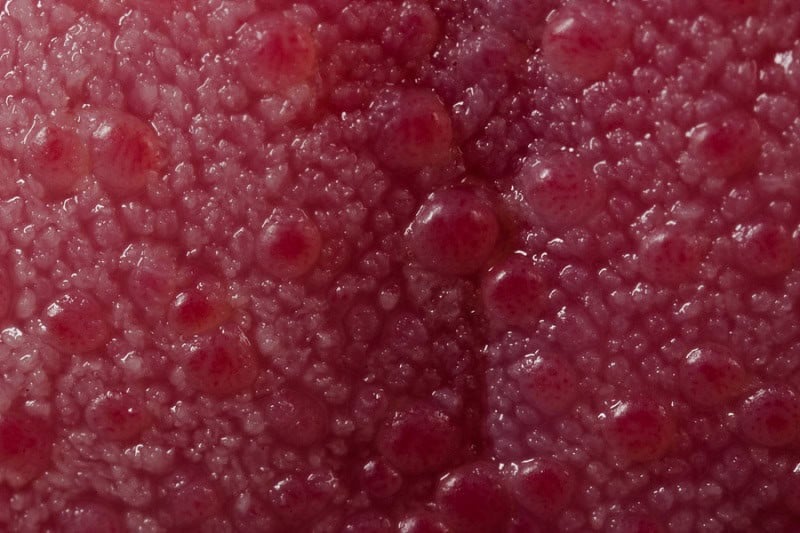
Human tongues have soft papillae.
“A cat’s tongue is covered by horny papillae, which are used as a comb when it grooms… Moreover, a cat’s tongue may be useful in feeding because the horny papillae may function as a rasp to pull meat off bones,” described the authors of the 2010 book Biology and Conservation of Wild Felids.
By 2014, scanning electron microscopy (SEM) had become commonplace and was used in a study that took a magnified look at the tongue of a Bengal tiger (Panthera tigris) from a zoo. The microscopy revealed differences in the shape of the papillae; the ones in the middle of the tongue were thicker and blunter than the papillae around the edges. Those middle papillae were striking—backward-facing and sharp.
Using light microscopy combined with SEM, a 2017 study published in Anatomia Histologia Embryologia got a detailed look at the tongue papillae of wild Persian leopards (Panthera pardus saxicolor). Each papilla was reinforced with keratin, the material that strengthens our fingernails and hair, with varying numbers of small protrusions thought to increase the surface area for food to stick to the tongue. The researchers noted that on these Persian leopard tongues, papillae were cylindrical toward the front of the tongue and conical toward the back, perhaps as adaptations for securing and swallowing food.
Papillae, soft or hard, increase the surface area of the tongue, which helps in lapping up water. The sandpaper texture from keratinized papillae may help in brushing their thick coats of fur to remove parasites. More significantly, the hardened papillae are thought to play a role in feeding by helping strip the meat off the bone. When a self-described “cheetah whisperer” allowed a captive cheetah to repeatedly lick his arm, the rough tongue eventually drew blood (see here)!
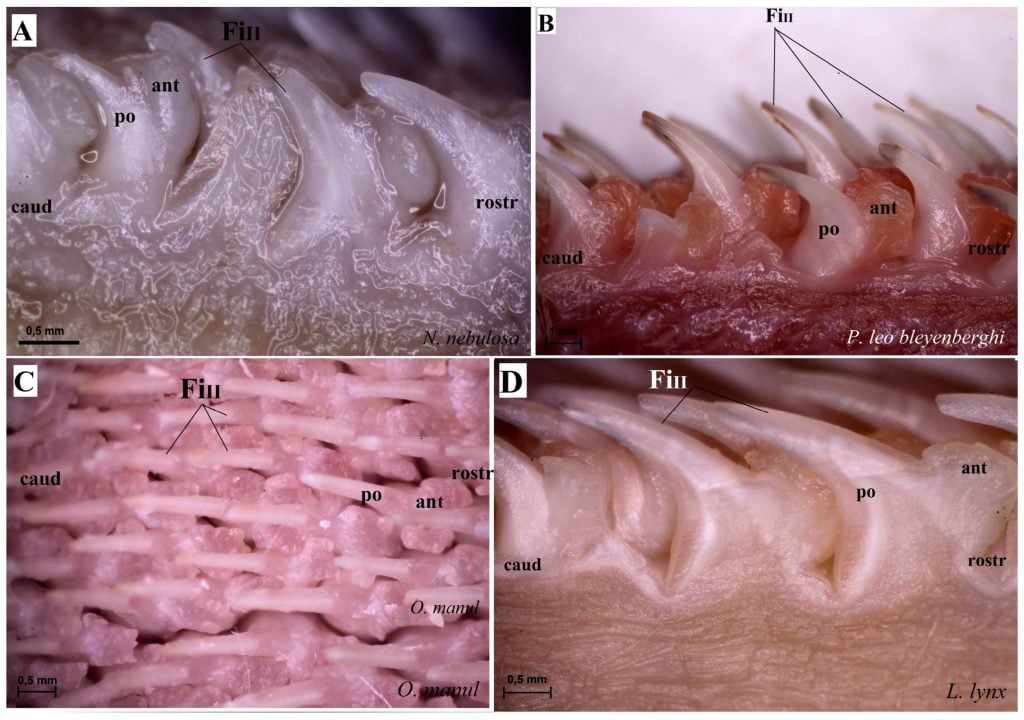
See closeups of the tongue papillae from a clouded leopard (A), Katanga lion (B), Pallas’s cat (C), and Eurasian lynx (D).
©Ibrahim, Hussein, and Mutlak/Open access license – Original / License
A 2018 study of cat tongues across six species found that some of the papillae are also adapted to moisten their fur during grooming. Those “cavo papillae” (hollow spines, basically) wick saliva from the tongue deep into the fur as cats groom. The moisture may help cats cool off during hot weather, since their sweat glands are mostly confined to their paws and face. A grooming brush manufactured to mimic cats’ cavo papillae worked better than a hairbrush and was easier to clean, according to the study authors.
So, big cats have proved to have bumpy, raspy tongues, with the shape, size, and distribution depending on their body mechanics. “The larger the cat, the larger the basal root of the papillae. This keeps it lodged in place when forces are applied,” explained David Lu, a bioengineer at Georgia Tech University, in an email interview.
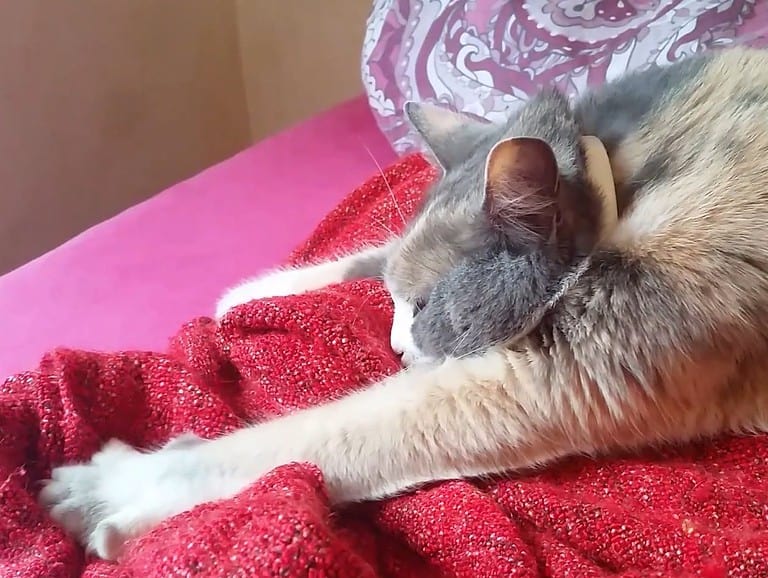
All these detailed observations about big cat tongues raise the question: how do our housecat companions compare? In a 2024 study in Baghdad, five feral housecats (Felis catus) were collected from markets, anesthetized, and de-tongued. Their tongues were softer than those of big wild cats, although cat owners can attest that a cat’s lick still feels rough.
Despite their domestication some 10,000 years ago, housecats share many characteristics with wild cats. They have the same feature of keratinized, scoop-shaped papillae, according to the 2018 study by Hu and Georgia Tech coauthor Alexis Noel. When comparing the height of the papillae between housecats and other species, the researchers found that the papillae maintained a consistent height, even though the species varied by more than 30 times in body weight. This consistency suggested that papillae play a key role during grooming. “The width of the groove [on the papillae] is larger [on bigger cats],” however, explained David Hu, “because the hairs are thicker.”
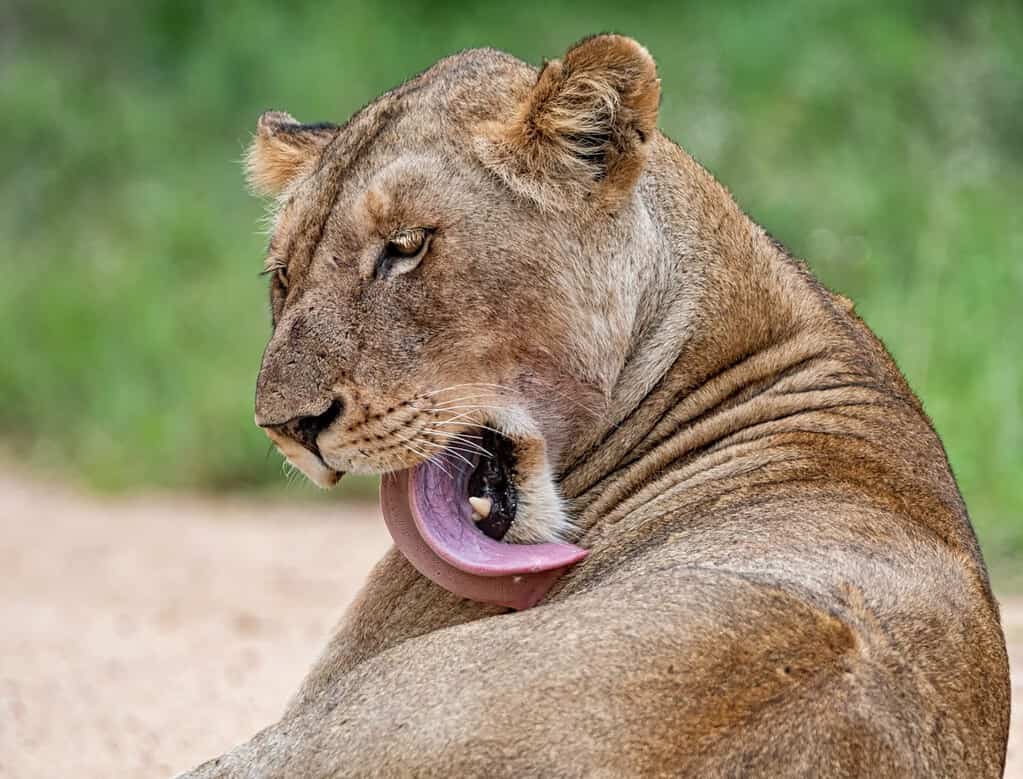
A female lioness grooms her fur with her specialized, raspy tongue.
©Cathy Withers-Clarke/Shutterstock.com
The larger the cat, the larger the basal root of the papillae. This keeps it lodged in place when forces are applied.
David Lu, bioengineer at Georgia Tech University
When cats groom, they use a stereotyped sequence of movements. A cat extends its tongue, flattens and stiffens it—causing the papillae to rotate upright—and then uses the upper surface of the tongue like a brush. The larger, keratinized papillae are concentrated on the front part of the tongue—the portion used during grooming. According to the above study, the papillae adapted for grooming are five times as stiff as the tongue tissue itself, and “may also play a role in stimulating the cat’s own skin during grooming.”
Furthermore, big cats are not the only animals with gripping tongues. A 2018 study published in the Journal of Experimental Biology compared tongue adaptations for gripping across the animal kingdom. They found that the size and texture of tongue papillae (microstructures on its surface) played a role in grippiness, with larger, more rigid papillae enhancing grip.
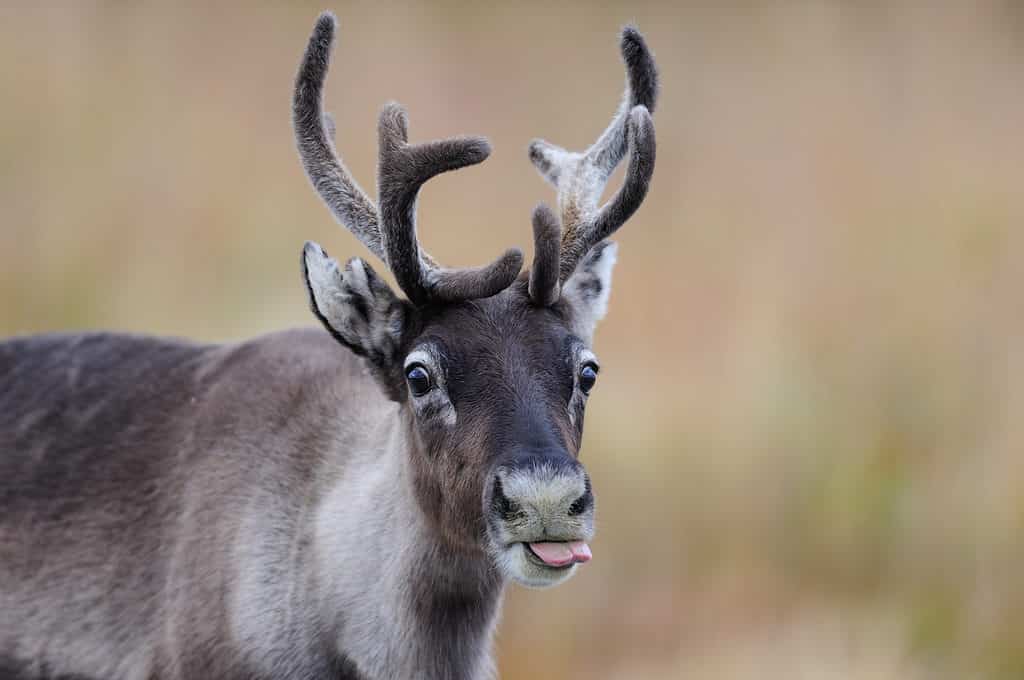
Hoofed animals, such as this reindeer, also have stiff papillae on their tongues.
©MM.Wildlifephotos/Shutterstock.com
Rigid papillae occur not only in cats, but also in hoofed animals and in some birds. Cows, for example, lack upper front teeth, such that their tongues—equipped with trident-shaped papillae—play an important role in grasping and tearing plants. Macaroni penguins (Eudyptes chrysolophus) have fingernail-sized spikes on their tongues that help them grasp and swallow fish. The 1-cm-long backwards-slanted spines on some goose tongues form a one-way valve to move slippery plants into their gullets.
As scientists continue to examine animal tongues, they uncover both similarities and differences that relate to each species’ form and function.