
Quick Take
- Gecko skin repels water because of microscopic hair-like structures called spinules, not oily coatings.
- The tiny spinules trap air, reducing contact with water and creating a superhydrophobic, self-cleaning surface.
- As droplets roll off, they can carry away dirt and microbes, helping keep the lizard’s skin cleaner and drier.
Water repellence is an extremely important feature for animals. Different animals have different types of skin, with some being better at repelling water than others. One example is the gecko, whose skin sheds water extremely quickly. This Instagram post by @lovinganimals.dg shows water pouring off a gecko’s head. Read here to learn why geckos are so water-repellant.
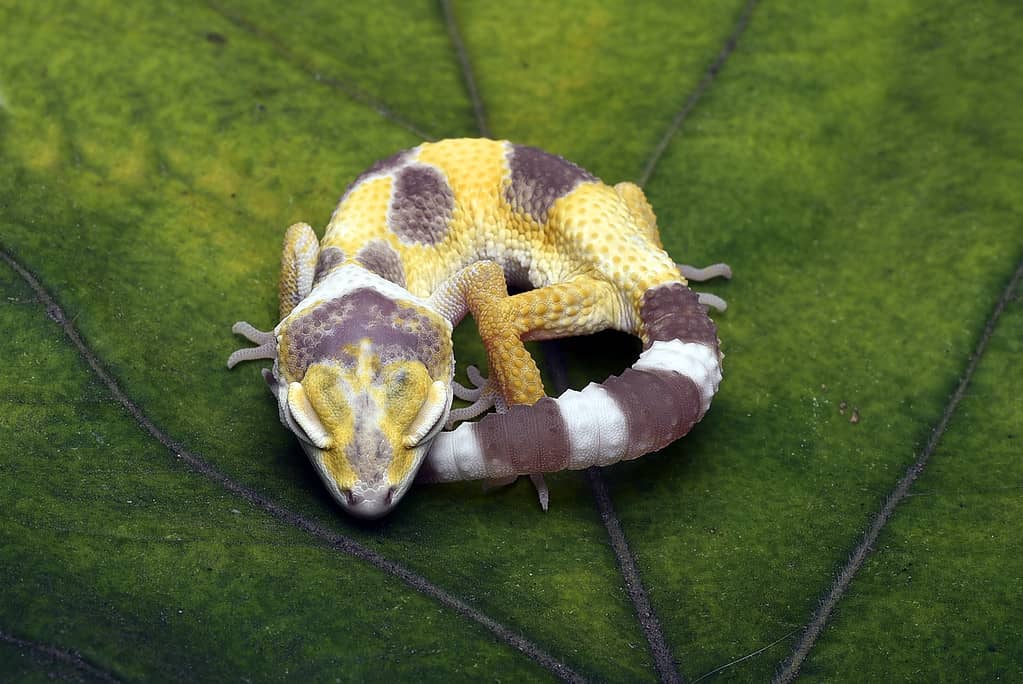
A baby leopard gecko sleeping on a leaf.
©DikkyOesin/iStock via Getty Images
Water Repellant Skin
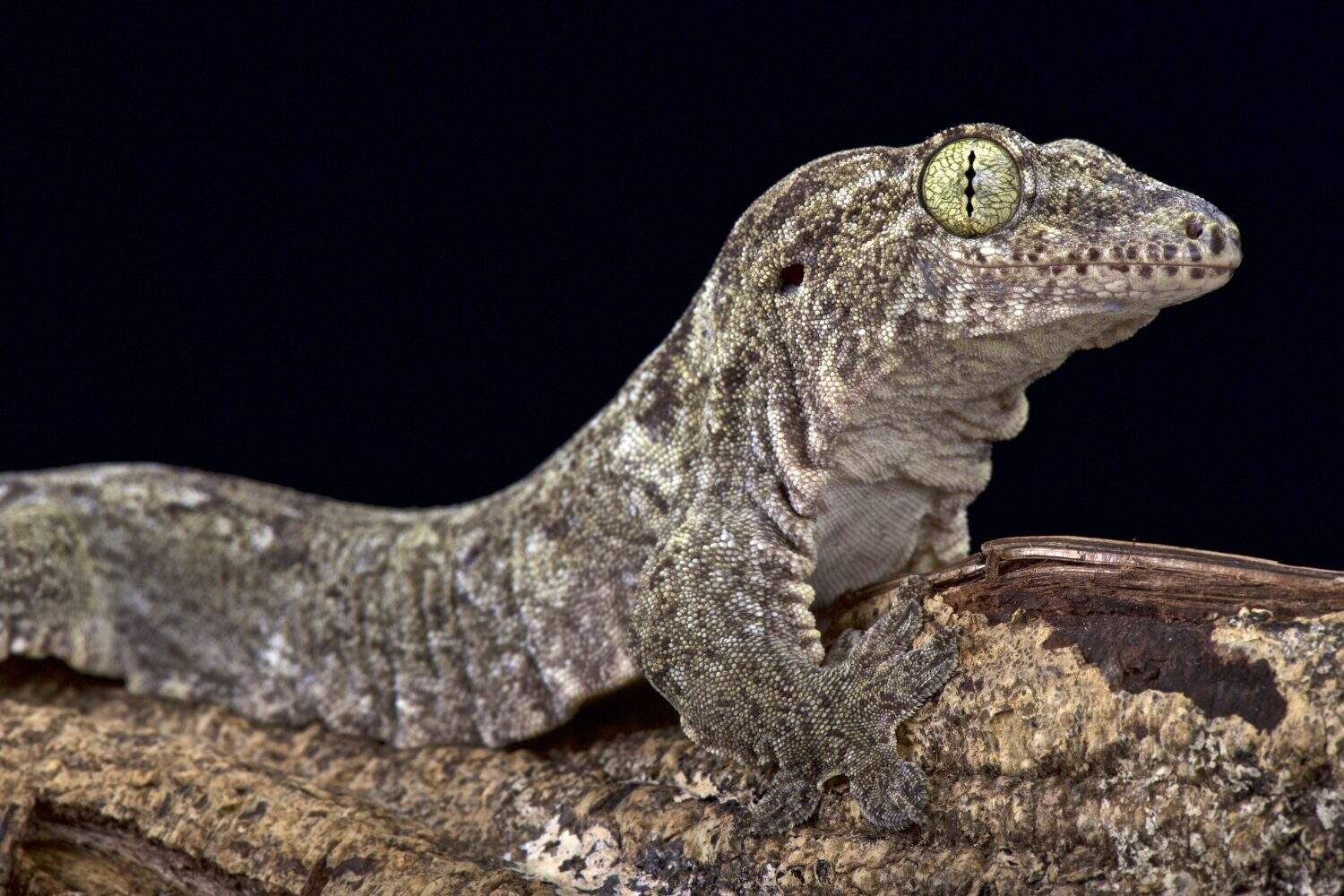
Water repellency is beneficial for many terrestrial animals, including several gecko species. Most geckos have water-repellent skin, but it differs by species. The gecko in the video is most likely a leopard gecko, and is one example of a hydrophobic lizard. Some species are even called superhydrophobic, meaning that water quickly rolls or jumps off the skin on impact. There are a number of reasons why geckos are hydrophobic. Similar to how bathing helps keep animals clean, water repellency helps geckos maintain cleaner skin. As water beads and rolls off the surface, they can carry away dirt and dust in a process similar to the ‘lotus effect,’ helping keep the skin cleaner. When the water runs off the gecko’s skin, it picks up any dirt and dust that might be on them. This also helps to keep the geckos healthy. Since debris from the environment can increase the risk of infection and waterlogged skin, shedding water quickly helps keep lizards in top shape.
Hydrophobic skin also prevents geckos’ skin from becoming moist. While many gecko species inhabit arid environments, others live in humid tropical regions. In both cases, water-repellent skin can help prevent contamination and microbial growth. Preventing prolonged moisture contact may also reduce heat loss and limit microbial growth, although thermoregulation is not believed to be the primary reason for this adaptation. So, how does gecko skin repel water? The repellency is a structural feature of geckos’ skin rather than the result of an oily coating. The main feature is spinules, or tiny hair-like structures on the gecko’s skin. Their skin is covered in small, dome-shaped scales topped with spinules, creating a rough surface filled with air pockets. Because of this, when water lands on the skin, it stays on top of those air pockets and drops off the skin quickly. Water contacts only the tips of the spinules, greatly reducing surface contact and allowing droplets to bead and roll away quickly, keeping geckos dry and healthy.