
Quick Take
- The reason cats squeeze through impossibly tight gaps has nothing to do with their size. The real explanation is buried in a skeletal quirk most people never suspect. See the skeletal quirk →
- Cats purr when content, yet scientists still can't fully explain why they also do it under very different, unexpected circumstances. Explore the purring mystery →
- A cat's tongue is secretly one of nature's most efficient tools, a fact that becomes even more surprising when you consider that its key ingredient is the same material found in human fingernails. Discover the tongue's secret →
- Each of a cat's ears operates almost completely independently, and the number of muscles powering that movement is surprisingly large. Count the ear muscles →
Cats are some of the most familiar animals on Earth, yet even in modern times, they are still surprisingly mysterious. Whether they’re staring at something invisible, squeezing into small crevices, or landing on their feet after a fall, cats just seem to somehow often operate by their own set of rules. Over millions of years, they have evolved an incredible number of adaptations that make them not only fascinating, but also some of nature’s most successful hunters. While cat lovers all over the world are aware of multiple aspects that make felines unique, many of their strange features go completely unnoticed. Here are eight of the most amazing things about cats that make them such fascinating animals.
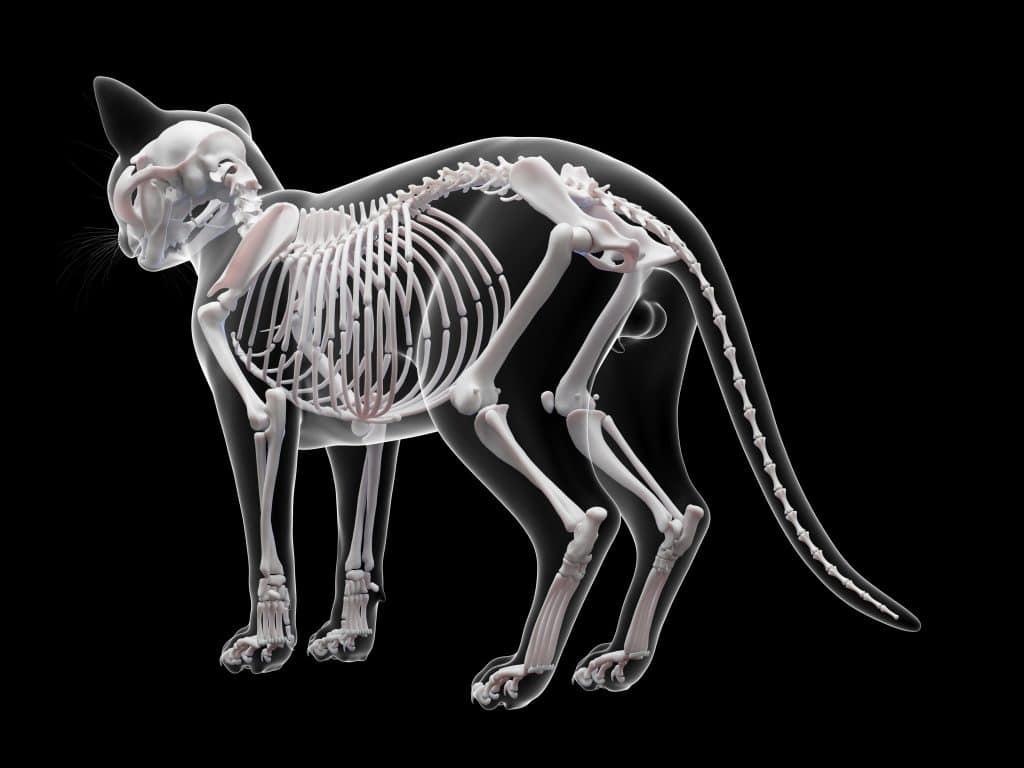
1. Their Collarbones Don’t Attach Like Ours
©3dMediSphere/Shutterstock.com
If you’ve ever been a cat parent, you’ve likely noticed that cats can squeeze through openings that seem too small for their bodies. The reason lies in an odd skeletal feature. Unlike people, whose collarbones are attached to the rest of the skeleton, a cat’s collarbones are “floating.” This means they are held in place mainly by muscles and not firmly attached, giving the shoulders much more flexibility. As long as a cat can fit its head through an opening, there’s a good chance the rest of its body can fit.
2. Their Tongues Are Covered in Tiny Hooks

©khlungcenter/Shutterstock.com
Cat lovers across the world love the unusual rough texture of a kitty’s tongue. And it feels like sandpaper for a reason. It is covered with hundreds of structures called papillae, which are made from the same material found in human fingernails. These tiny hooks are microscopic and serve an important purpose when it comes to grooming. The papillae work like combs, helping cats remove loose fur, dirt, and parasites while licking themselves. In this way, a cat carries around one of nature’s most inventive hairbrushes inside its mouth! Additionally, the small hooks pull meat from bones when eating.
3. They Have a Built-In Righting Reflex

©yordanka caridad almaguer/Shutterstock.com
Cats are famous for landing on their feet, no matter what odd position they are in when they fall. This is due to something called a “righting reflex,” one of the most remarkable balancing abilities in the animal kingdom. Even very young kittens have this automatic feature that allows them to reposition their bodies in midair. By rotating the front half of the body independently from the back half, they can almost always twist themselves to a feet-first stance before hitting the ground. Their flexible spine and sense of balance also help during the process. Watching it happen in slow-motion is truly astonishing!
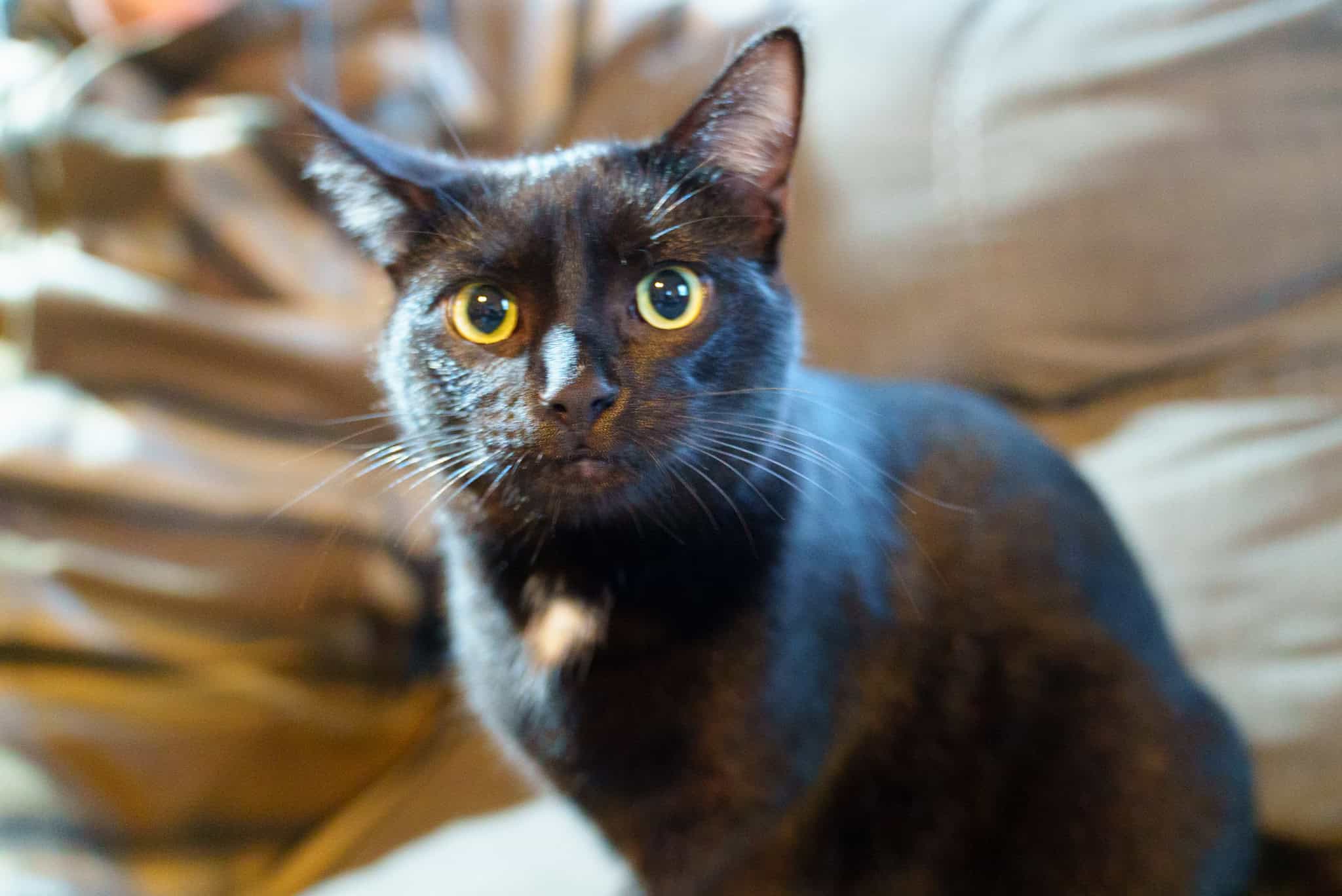
4. Their Eyes Glow in the Dark
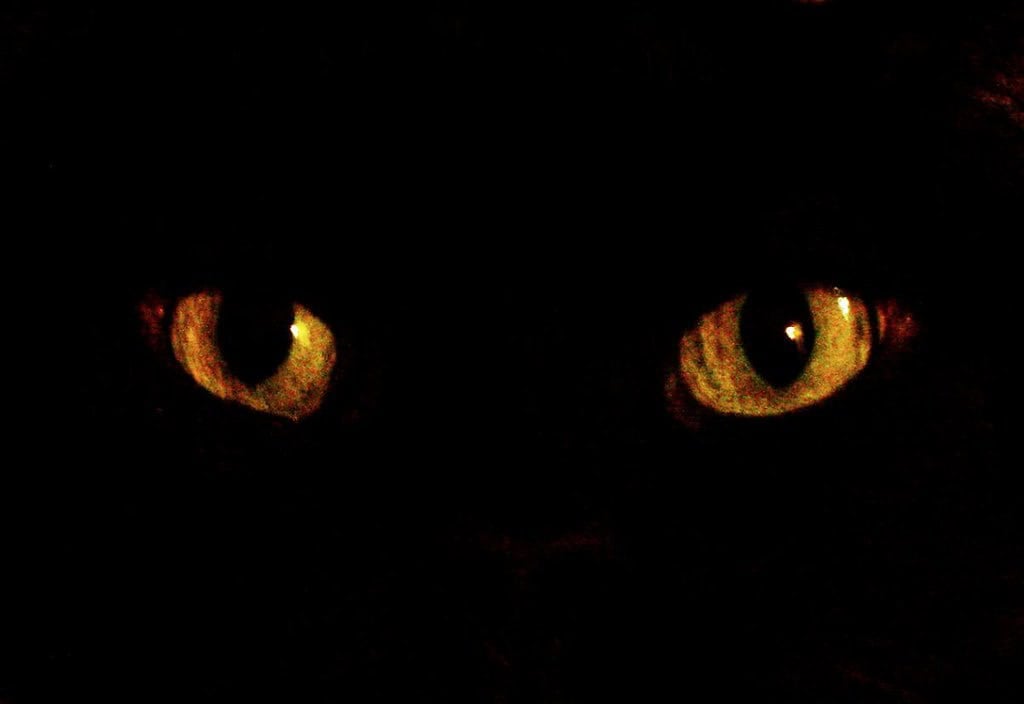
©"The eyes of an old black cat" by Patrick Feller is licensed under BY 2.0. – Original / License
Any cat owner who has walked through their dark house has probably noticed a pair of glowing orbs staring at them. The eerie eye shine comes from a structure behind the retina called the tapetum lucidum. This reflective material bounces light back through the eye, helping cats see in the dark by giving the retina a second opportunity to detect light. As a result, these nocturnal creatures can see much better than people in dim light. Their spooky, glowing eyes are just one of the reasons cats became such effective nighttime hunters.
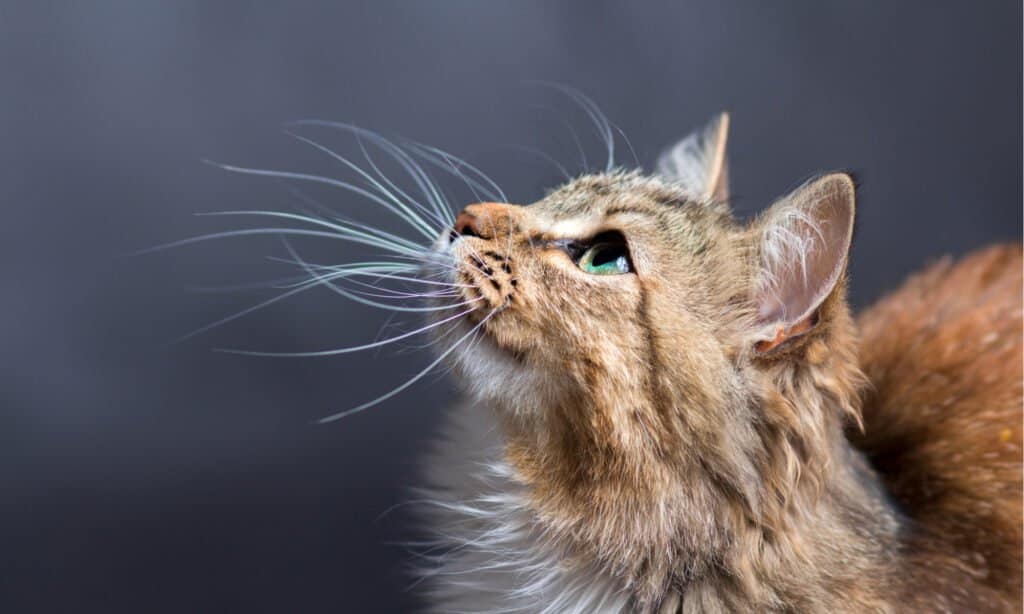
5. Their Whiskers Measure Spaces Before They Enter
©fantom_rd/Shutterstock.com
A cat’s whiskers are more than just decorative facial hair. Each whisker is deeply rooted, connected to nerve endings. These nerves are so sensitive that they can sense even tiny changes in air movement or surrounding objects. Cats also use them when attempting to navigate a small space. They are almost like measuring tools, helping felines determine whether an opening is wide enough to fit through before venturing forward. The highly-sensitive whiskers also help them find their way in darkness where visibility is low.
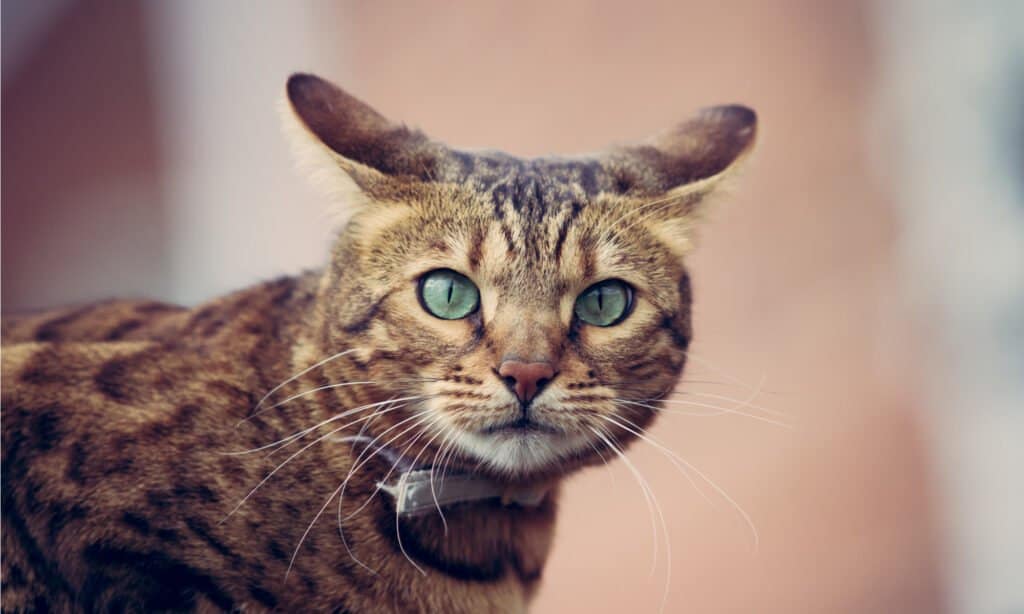
6. Their Ears Work Like Tiny Radar Dishes
©Clare Louise Jackson/Shutterstock.com
Cats have some of the most impressive hearing of any mammal. You’ve likely experienced your cat pretending he can’t hear you as you talk to him, but the constantly moving ears give him away. Each ear has more than 30 muscles, allowing it to rotate almost 180 degrees separately from the other. This means a cat can listen in two different directions at once, all while keeping its head perfectly still. For hunting purposes, they are especially skilled at hearing high-pitched rodent squeaks.
7. They Walk Almost Without Making a Sound

©iStock.com/undefined undefined
Cats are excellent at moving silently through a space. They often seem to appear out of nowhere due to thick, cushioned paw pads that soften each step. Incredibly, flexible joints allow them to place their back feet almost exactly where their front feet landed! This creates a smooth walk that keeps noise to a minimum; perfect for stalking prey. Wild cats like tigers and leopards use the same strategy as our stealthy housecats.
8. Their Purr Is Still Partly a Mystery
©iStock.com/NiseriN
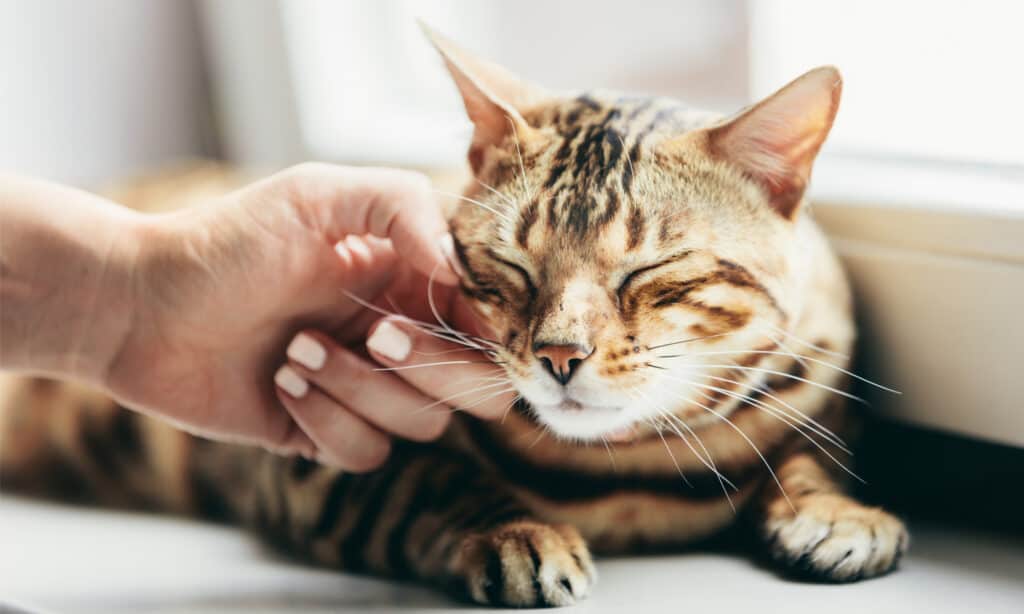
We all know cats purr when they’re satisfied, but did you know felines also purr when frightened, injured, giving birth, or recovering from being sick? Scientists still don’t completely understand every reason behind this fascinating low motor sound. Research indicates that the low-frequency vibrations are quite soothing, to both cat and human alike. They also might help with healing in bones and soft tissues. Despite being a well-studied domestic animal, the cat and its characteristic purr are still a great mystery.