
Nature has a way of stopping us in our tracks. Sometimes it is a storm rolling across the sky with impossible force, a predator moving with perfect precision, or a quiet moment between animals that feels almost too human to be real. These scenes remind us that the natural world is not just beautiful. It is powerful, unpredictable, and often far stranger than anything we could imagine.
From jaw-dropping wildlife encounters to rare weather events, dramatic landscapes, and perfectly timed moments caught on camera, these are the kinds of natural scenes people remember long after they see them. Here are 20 moments in nature that took our breath away.
1. Aurora Borealis
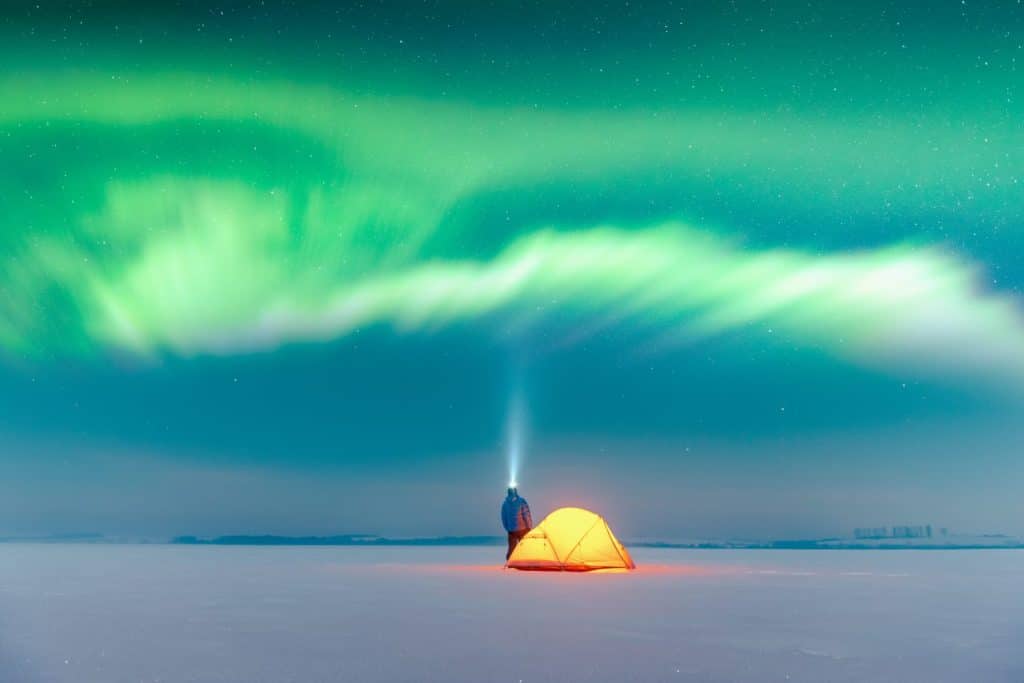
A tourist observing the Aurora borealis shines a flashlight from outside a lighted tent.
©Smit/Shutterstock.com
The aurora borealis, or northern lights, electrifies the skies near the magnetic poles. Solar wind particles slam into atmospheric gases, creating glowing rivers of green, pink, and sometimes purple light. It’s a breathtaking spectacle, swirling silently overhead in ever-changing forms. Indigenous peoples in the Arctic have traditionally seen them as the spirits of ancestors or as celestial fire.
2. Siberian Tiger
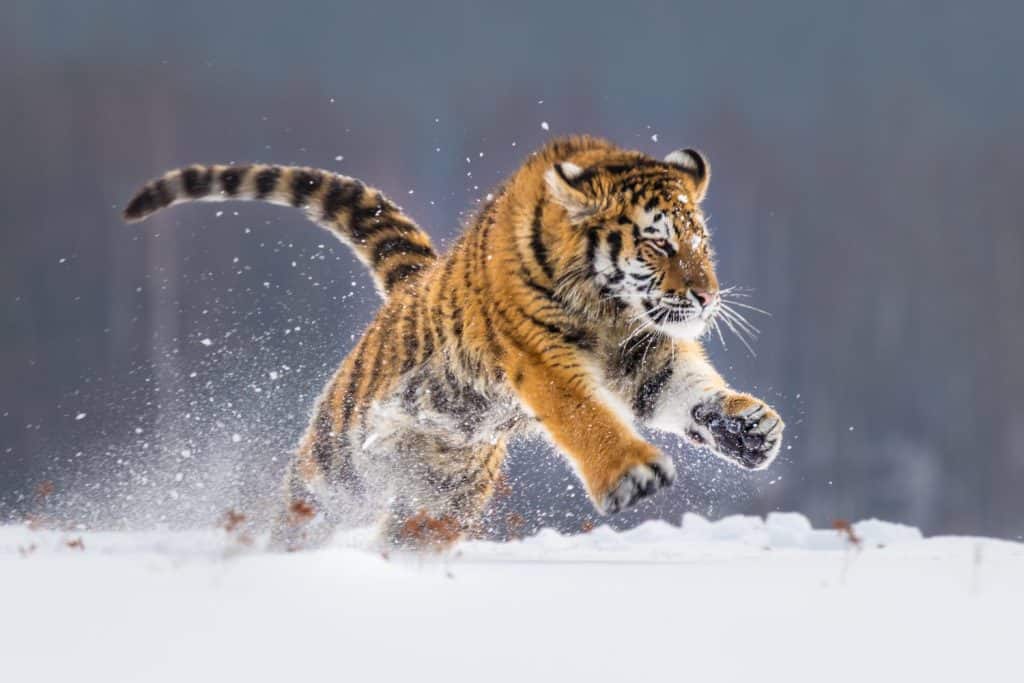
A powerful Siberian tiger lunges through the snow in powerful pursuit of its prey.
©Jan Stria/Shutterstock.com
The Siberian tiger is the world’s largest wild cat. Its range today is mainly in northeastern Russia. These apex predators require vast territories, sometimes ranging hundreds of square miles. Just a few hundred remain, their future balanced between the threats of poaching and the efforts of conservationists.
3. Panther Chameleon
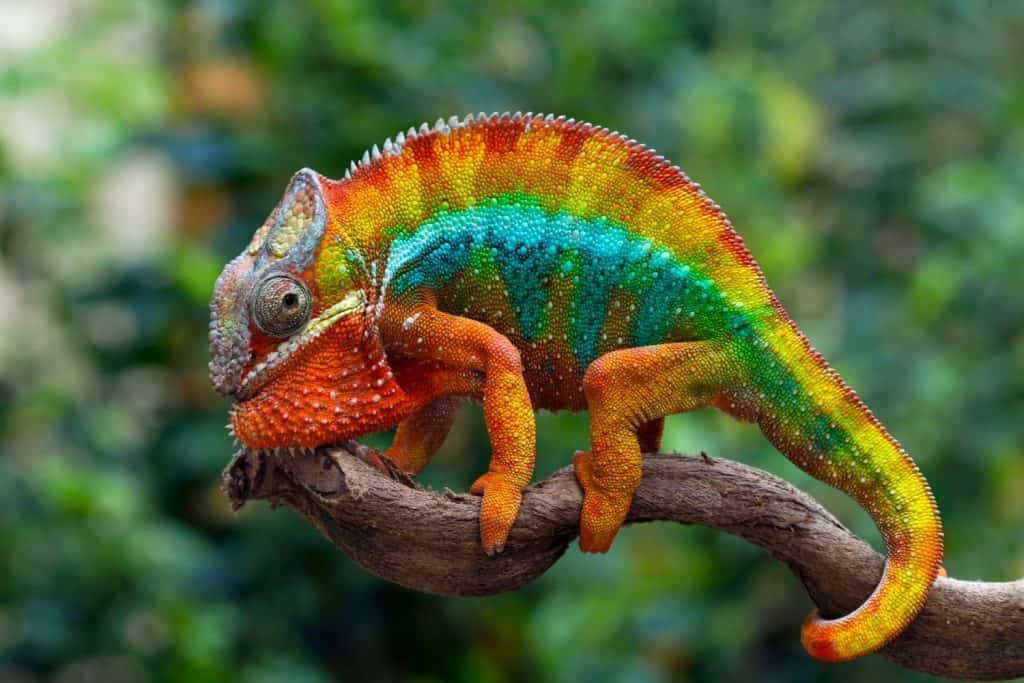
A panther chameleon displaying virtually its entire color spectrum.
©Kurit afshen/Shutterstock.com
Panther chameleons from Madagascar look like living mood rings. In a flash, they shift from cool blues or greens to bright reds and yellows in patterns and hues as unique as a fingerprint. They use these shifting colors to signal rivals, woo mates, or camouflage from predators. With lightning-fast tongues, eyes on a swivel, and surprising agility, they look like alien battle tech hiding in plain sight.
4. Fly Eyes
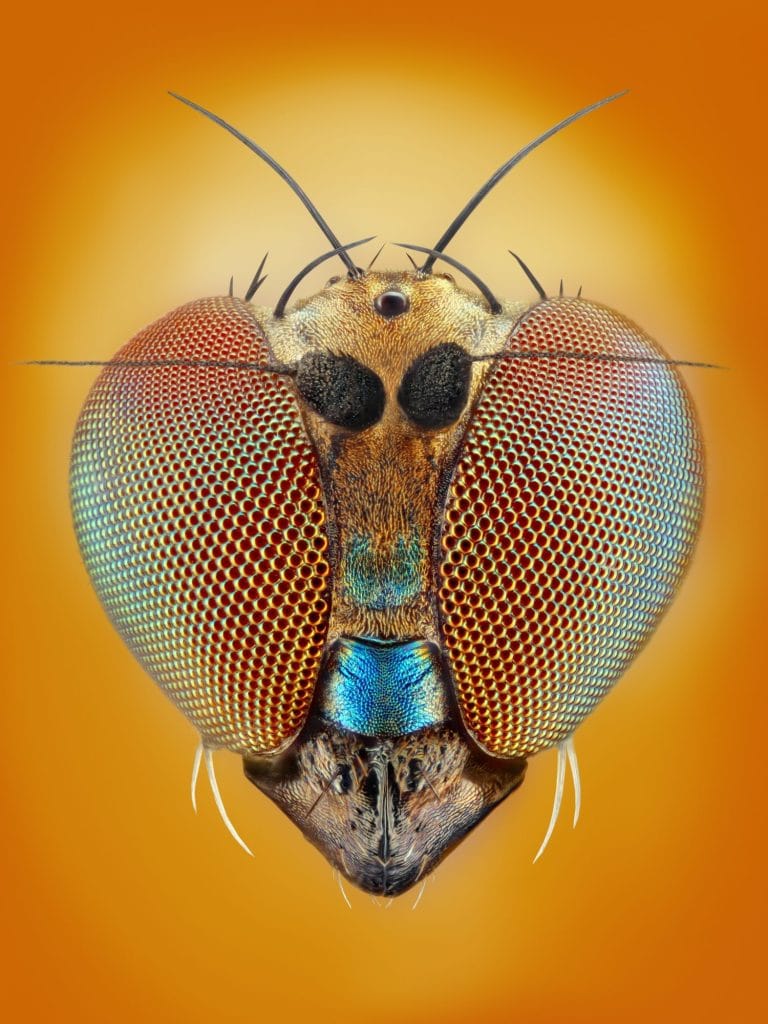
This long-legged fly’s eyes look like high-technology goggles.
©Tomatito/Shutterstock.com
The eyes of the long-legged fly are made of thousands of dazzling microscopic lenses that create a mosaic-like view of the world. With nearly 360-degree vision, it notices even the faintest flicker of motion. It stalks mites and tiny insects with silent awareness, watching everything… from every direction.
5. Little Green Bee Eater
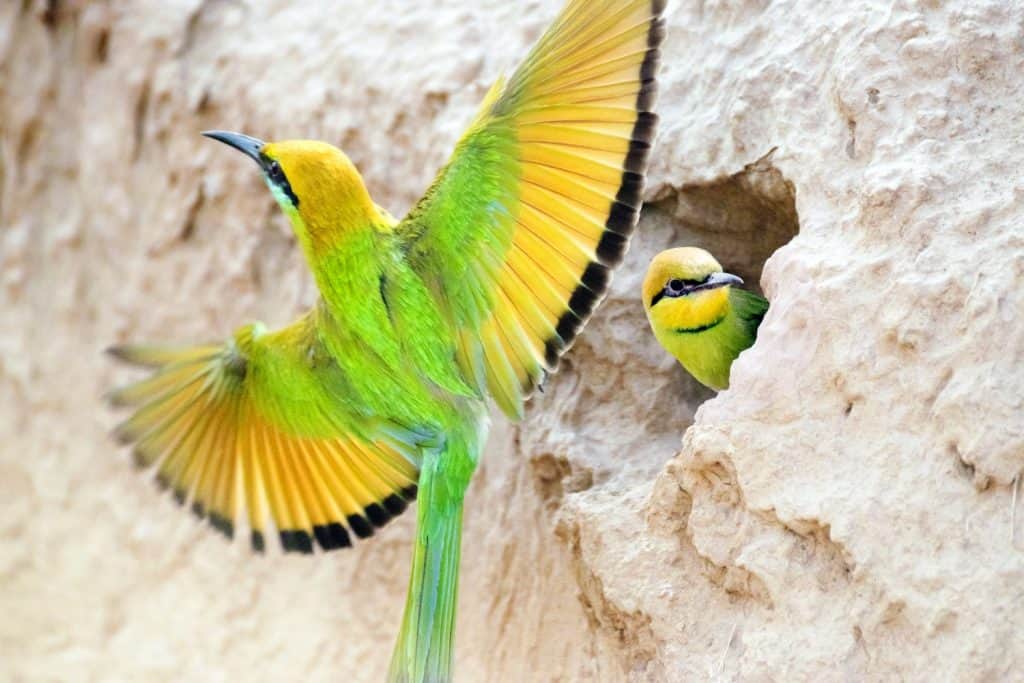
These clever birds rub stinging insects on branches to remove the stinger before eating them.
©lovely pet/Shutterstock.com
The green bee-eater is a slender, emerald-green bird that blazes after insects on the wing like an emerald missile. Found from Africa to Southeast Asia, little green bee-eaters perch low, watching with sharp eyes. They are adept enough to snatch termites, wasps, and bees from midair. They’ve also learned to rub stinging insects on branches to pull out their stingers. They live in small, colorful colonies.
6. Diver and Sardines
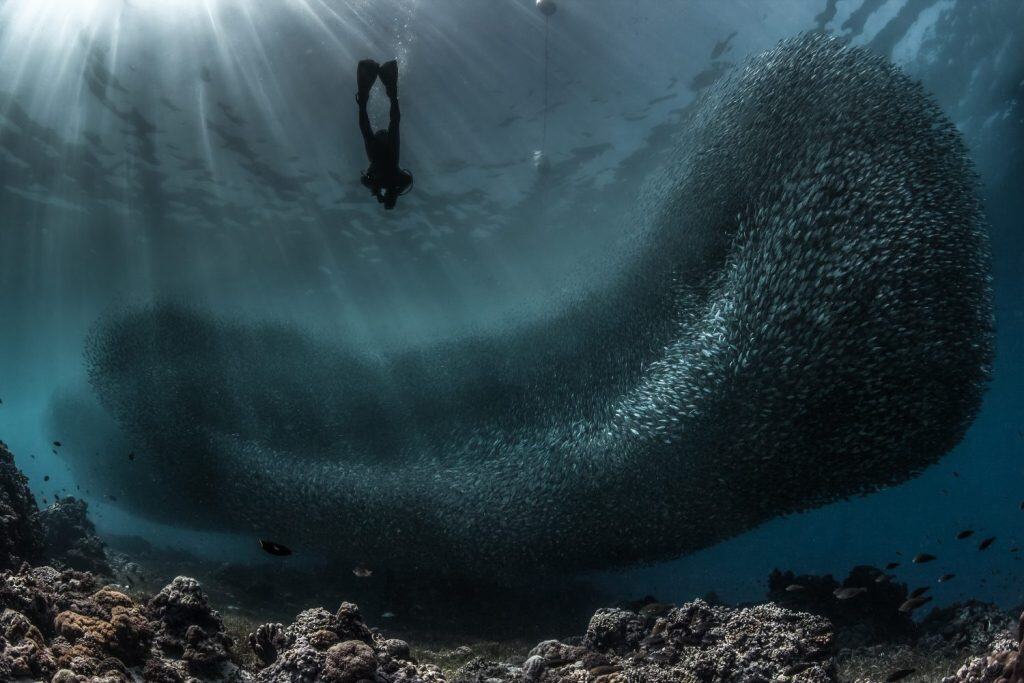
The school of sardines in this picture makes it look as if the diver is interacting with one enormous creature.
©paul cowell/Shutterstock.com
Sardines (Sardinops sagax and related species) swirl in dense, glinting walls of silver when predators loom. These shoals function as living illusions—coordinated movement confuses attackers like dolphins, sharks, and birds. This instinctive motion, called the “bait ball,” is survival choreography. Today, robotics engineers study this type of collective animal behavior to develop swarm approaches to robotics: small robots interacting with each other, each handling a small part of a problem without requiring instructions from a central brain to function.
7. Volcano Fuego in Antigua, Guatemala
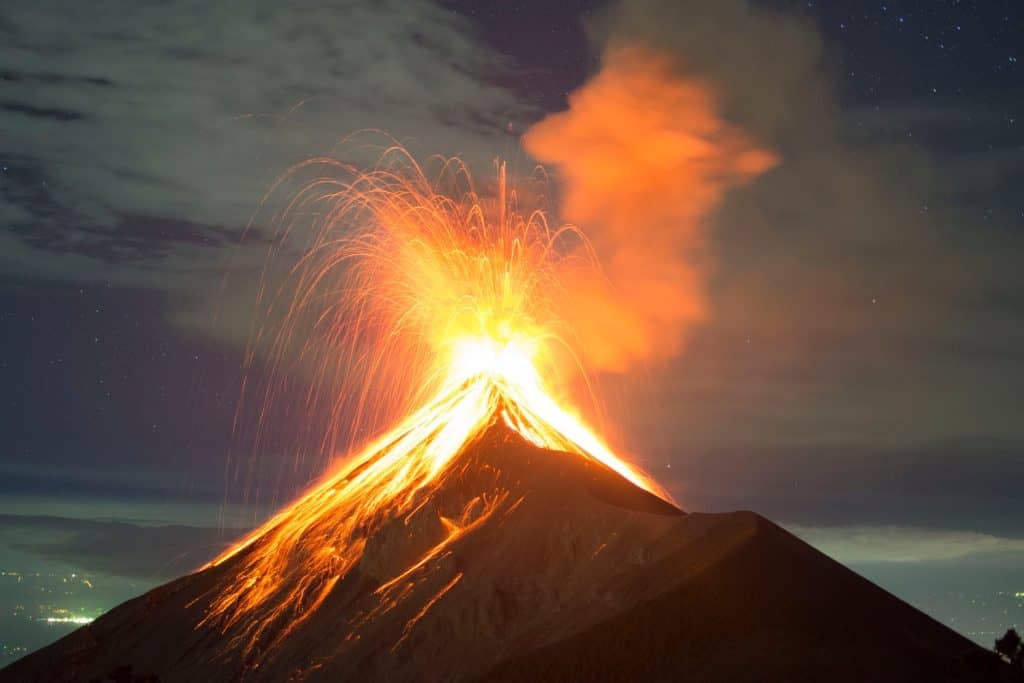
Volcano Fuego in Antigua, Guatemala, erupting at night.
©fboudrias/Shutterstock.com
Guatemala’s Volcán de Fuego lives up to its name: “Volcano of Fire.” Frequently spitting ash and lava, it stands as a towering sentinel over the colonial city of Antigua. Locals have lived with its rumble for centuries. At night, lava glows against the black sky, and ash plumes trail across the stars. Fuego is both feared and revered—its eruptions have taken lives, yet its volcanic soil nourishes coffee farms and lush forests.
8. Sunset Sea

Nothing is more relaxing than a calm sea at sunset. Unless it is a calm sea at sunrise!
©icemanphotos/Shutterstock.com
As the sun dips low, its light bends and grazes the sea. Up close, the water splinters sunlight into dancing sparkles with every gentle wave or ripple. It’s a painter’s dream. Fishermen pause, lovers stroll, and animals gather in the glow of the fading sun.
9. King Penguins
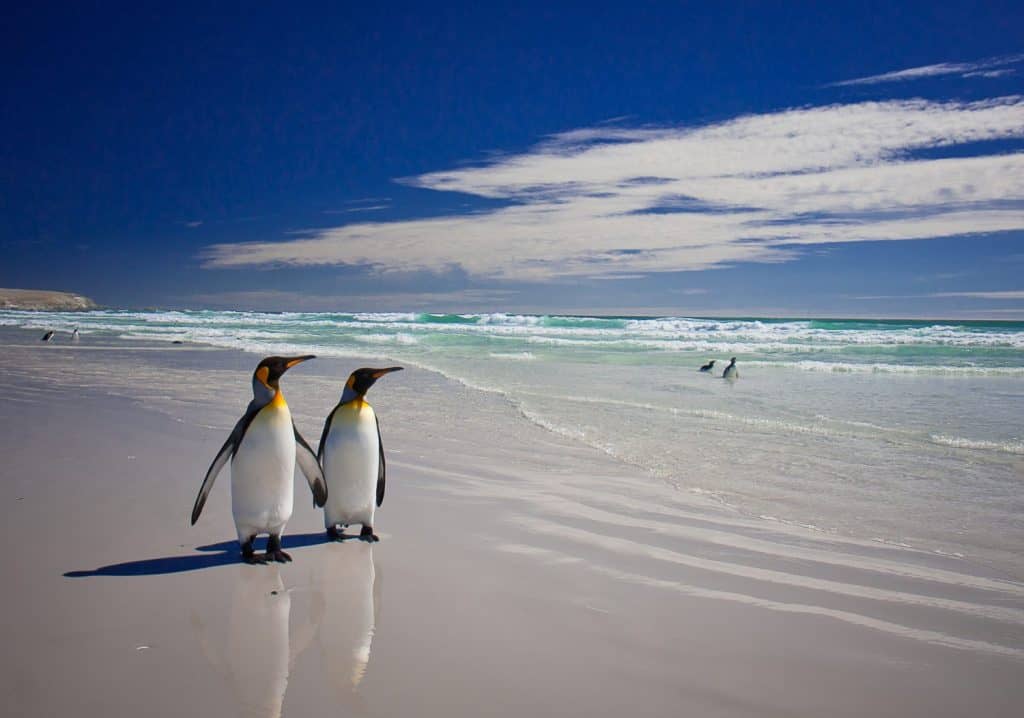
Two king penguins enjoying a walk on the beach together at Volunteer Point, Falkland Islands.
©Neale Cousland/Shutterstock.com
On the wild beaches of the Falkland Islands and South Georgia, king penguins waddle in stately columns like dignitaries on parade. These birds may look clumsy on land, but in the water, they’re graceful torpedoes!
10. Perseid Meteor Shower
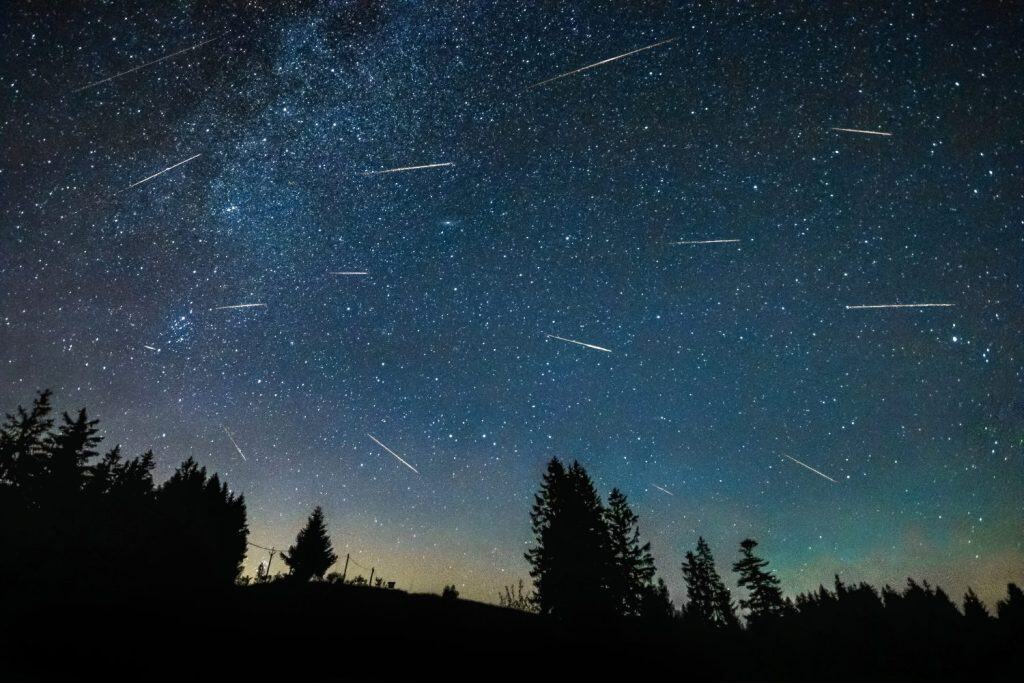
An image of the Persei meteor shower taken in Greece.
©Rostislav Soucek/Shutterstock.com
Every August, Earth passes through a trail of debris left behind by comet Swift-Tuttle. The Perseid meteor shower lights up the sky with fiery streaks, some just quick flashes, others arcing slowly over the midnight sky. This is one of the most popular meteor showers of the year because it takes place in warm weather in the Northern Hemisphere and has a history of rewarding even the littlest and sleepiest stargazers with a bright firework or two.
11. Laughing Frog
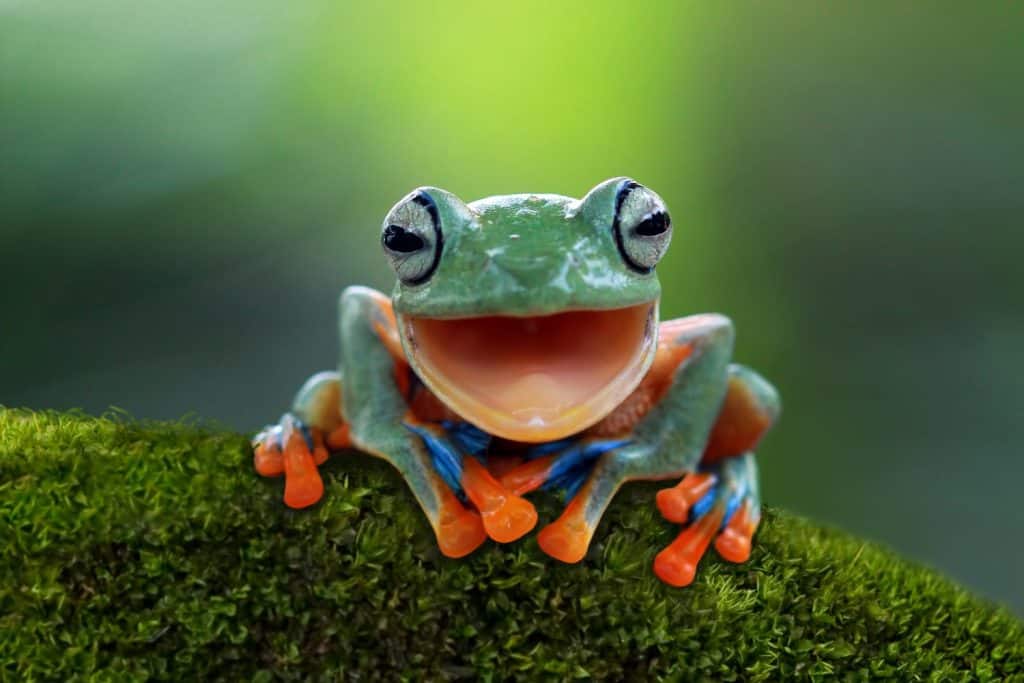
This gliding frog has good vibes only.
©Kurit afshen/Shutterstock.com
The “flying” or gliding frog of Southeast Asia spreads its long, webbed toes like parachutes and leaps from tree to tree. Using its outstretched limbs and skin flaps, it sails for distances of up to 50 feet. Sometimes it lands with what looks remarkably like a wide, green smile—nature’s little prankster in the canopy. These frogs are crucial indicators of forest health. Their presence means the ecosystem is thriving, their laughter-like chirps a soundtrack of balance in the treetops.
12. Ice Arch
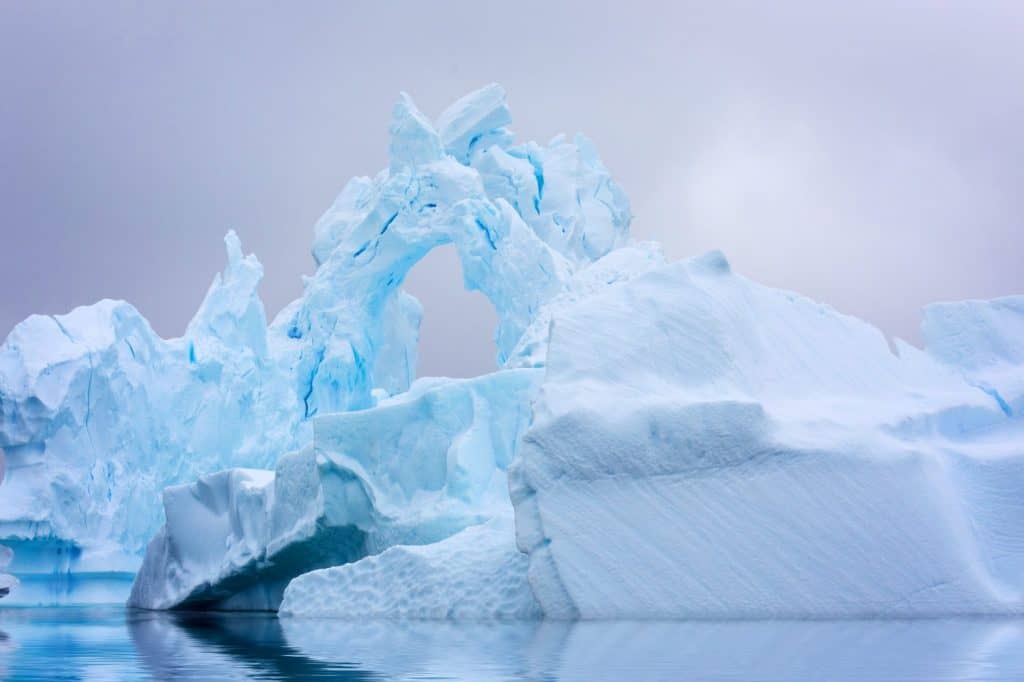
Ice arches make this spot in Antarctica look like the entrance to a castle.
©Lorraine Kourafas/Shutterstock.com
Glacial wind and melt sculpt vast blue-white ice arches across Antarctica’s frozen seas. Both fragile and massive, these natural sculptures form over the years as ice sheets crack, buckle, and refreeze. They develop shapes like a fantasy novel landscape: ruined cathedral windows, curving whale spines, fallen monuments to long-gone kings.
13. Lounging Bear Cub
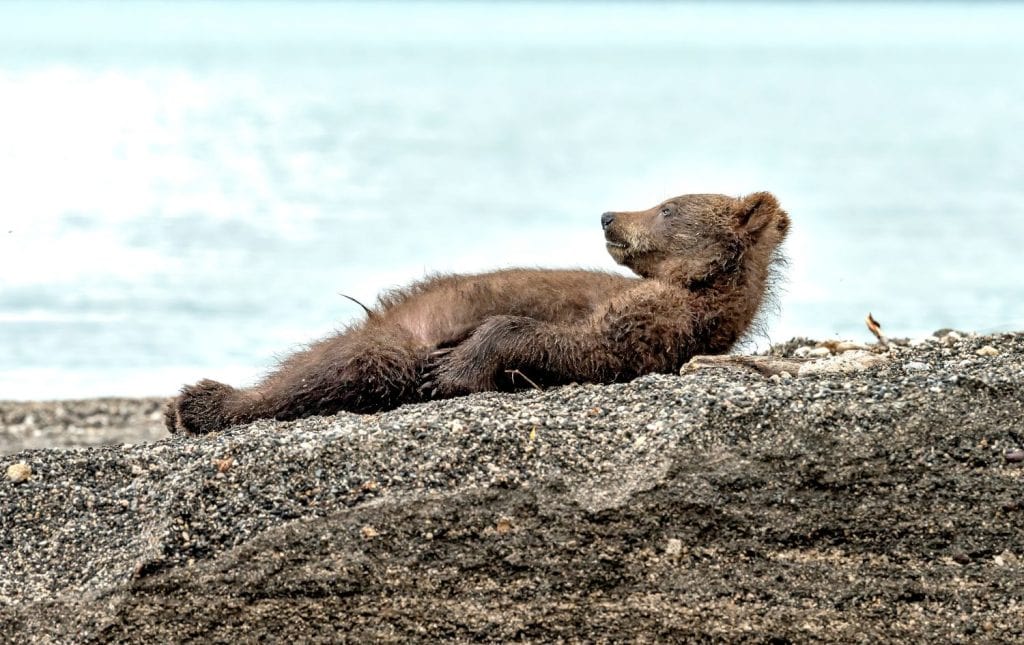
A brown bear cub, catching some rays.
©Giuseppe_D'Amico/Shutterstock.com
Brown bear cubs love to play. Sometimes they roll onto their backs, all paws in the air, blissfully gnawing a stick or just staring at the clouds—carefree in a fleeting childhood. These moments of silliness help them learn skills they’ll need later—wrestling with siblings teaches strength and strategy. But they’re not always active. Sometimes being a bear means lying back, conserving energy, and just… chillin’.
14. Chimp Charmer

This is one disturbingly handsome chimpanzee!
©Edwin Butter/Shutterstock.com
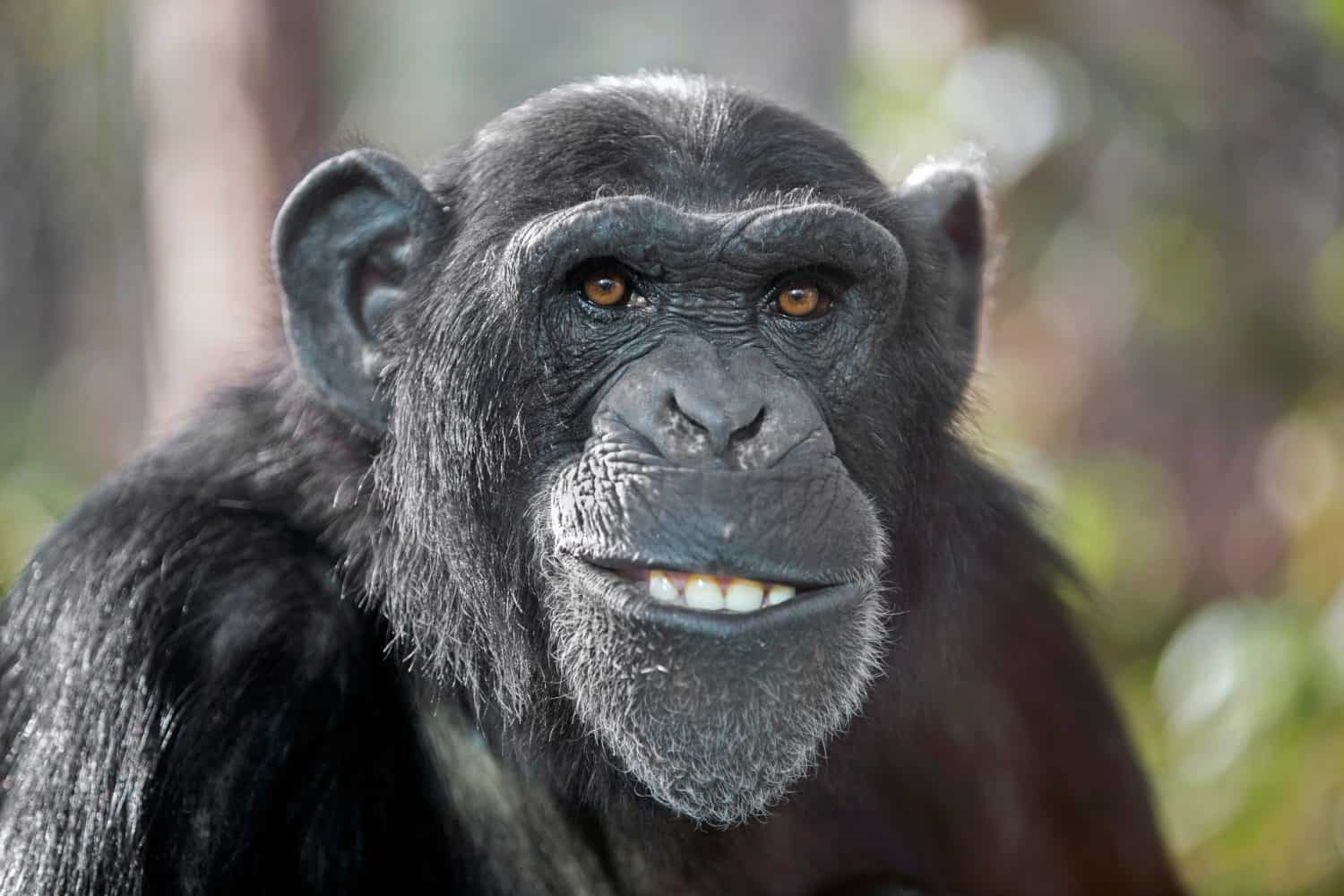
A chimpanzee’s expressive grin can look strikingly human. When feeling curious, playful, or friendly, chimp youngsters bare their teeth and flash a smile, their eyes sparkling with mischief. Scientists have debated the meaning of these expressions, but there’s little doubt they convey emotion similar to that of humans. Chimps mourn their dead, hold grudges, and laugh when tickled. Their faces remind us of our connection with the animal world.
15. Baby Elephant
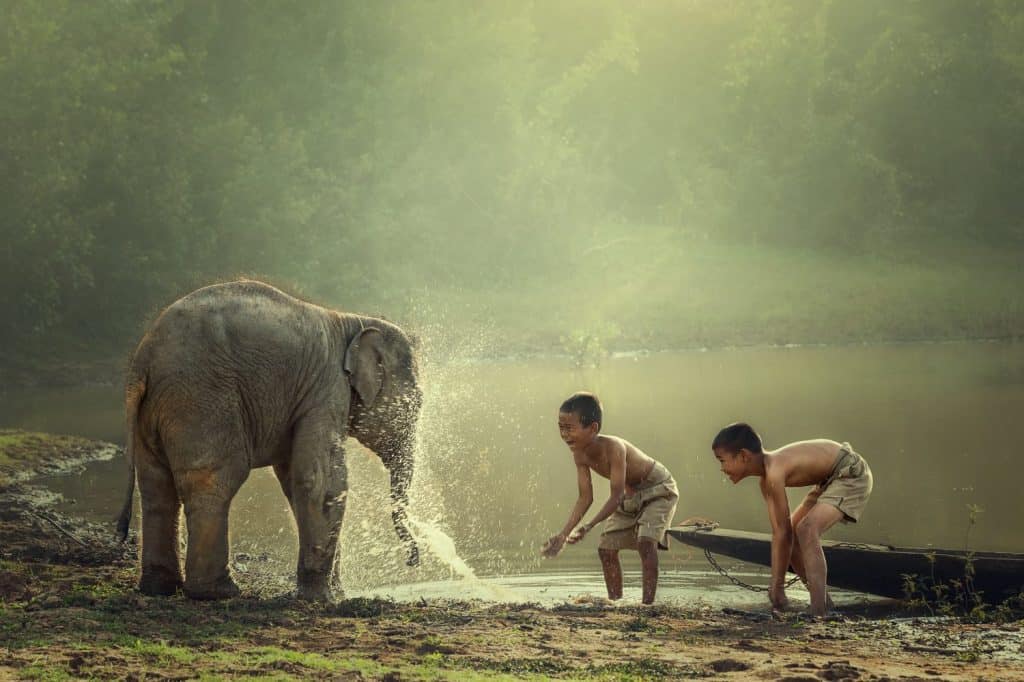
Two Thai boys are splashing a baby Asian elephant.
©SantiPhotoSS/Shutterstock.com
In rural Thailand, elephants are still used as working beasts for tasks like clearing land of trees, moving heavy loads, providing transportation through rough terrain, and, of course, drawing tourist dollars. Part of our fascination with elephants is that, although they are such massive and enormously strong creatures, they are deeply sensitive and emotional as well. Elephants remember kindness and respond to tone, touch, and mood—including the unbridled delight and mischief of little boys.
16. Cat’s Eye
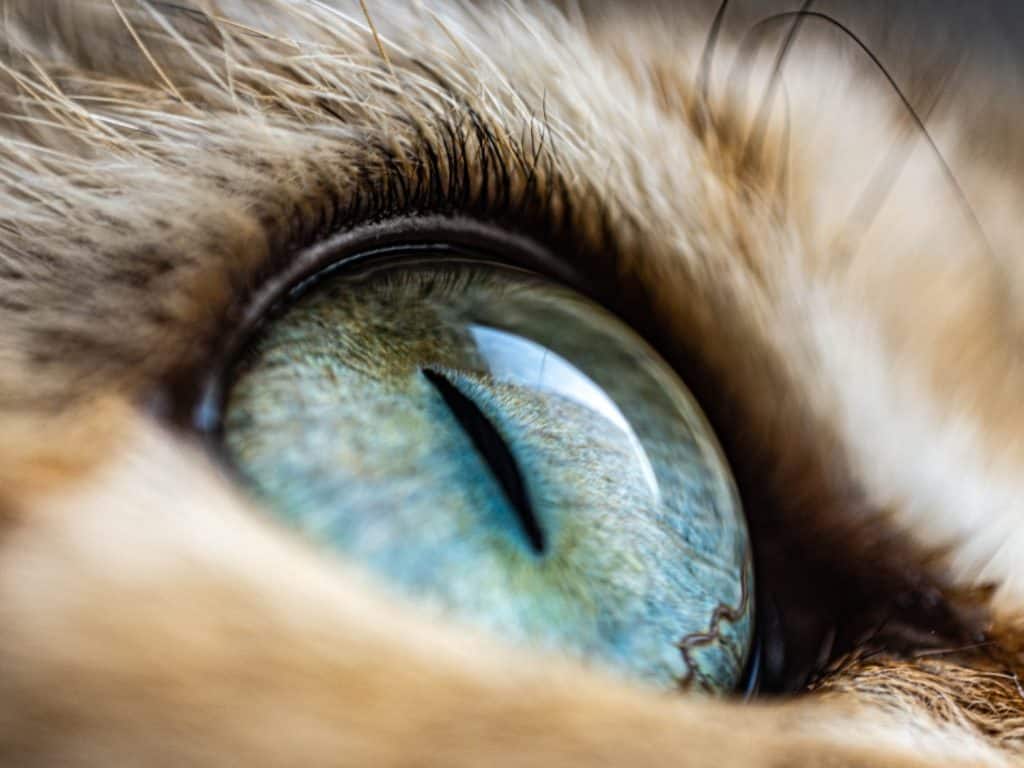
This domestic cat’s eye looks like it holds the whole world.
©theksu/Shutterstock.com
Seen up close, a cat’s iris is a swirling universe. Blue-greens blend with golds, the vertical pupil cutting through like a slit window to something ancient. When light strikes, the glowing gaze turns hypnotic and mysterious, reflecting inscrutable thoughts and instincts. No wonder cats have been feared, adored, and worshipped. Oh, and it’s not just modern cat owners who do that. Ancient civilizations also thought they were kinda cool.
17. Rock Strata
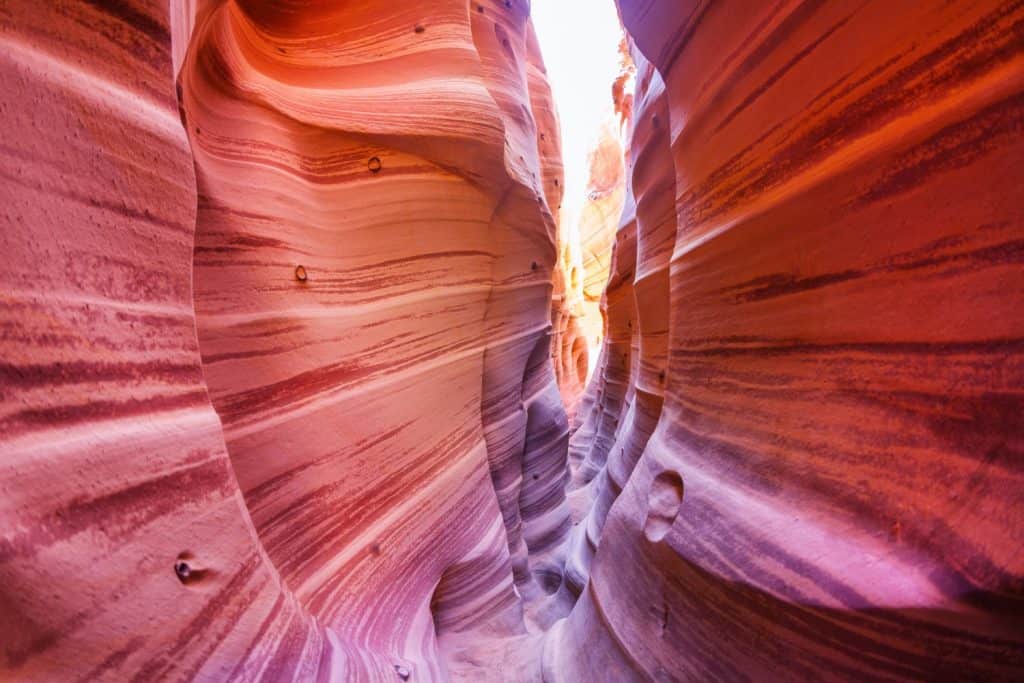
Waves of sandstone strata in Zebra Slot Canyon, Utah.
©Sergey Novikov/Shutterstock.com
In Utah’s Zebra Slot Canyon, wind and water carved sandstone into layered bands—rose, cream, and cherry stripes. The undulating walls twist tight and close, striped like a zebra’s hide, inviting explorers to squeeze through narrow passages. The curves of this beautiful but claustrophobic canyon tell a story slowly shaped by water, wind, and time.
18. Rainbow Eucalyptus
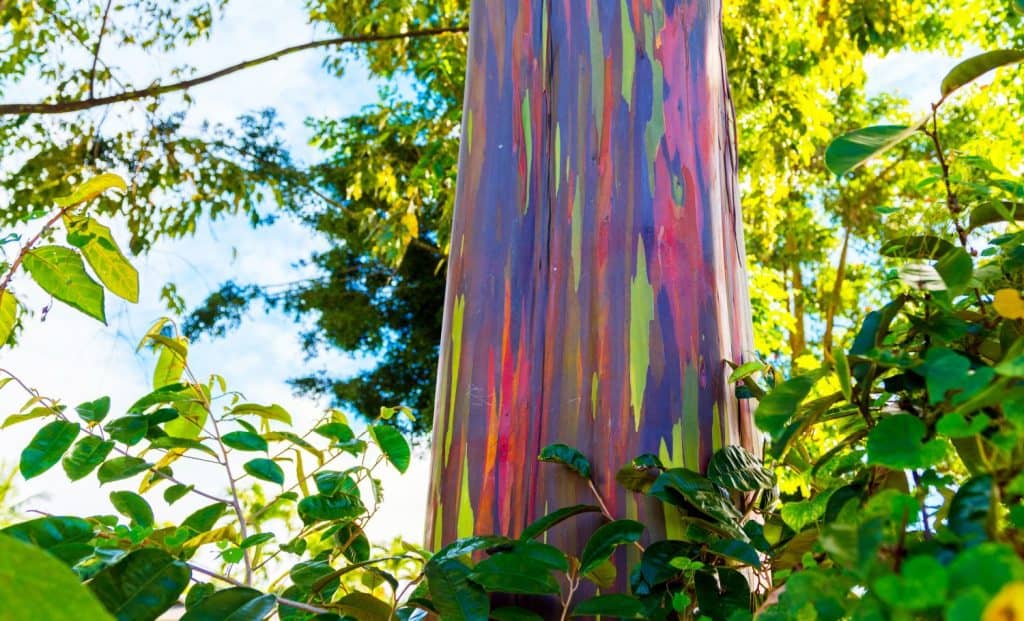
This isn’t a camera trick. The rainbow eucalyptus really does have these vivid streaks of color.
©gg-foto/Shutterstock.com
This extraordinary tree originates in the Philippines, but you might have seen it in Hawaii, where they have been successfully transplanted as an ornamental species. They look as if delinquent teenagers have covered them in graffiti, but those wild shades of fluorescent green, pink, violet, brown, and orange are completely natural. The colors result from the bark peeling in strips and the exposed trunk underneath aging. No two of these gorgeous living works of art are alike.
19. Fern Bud
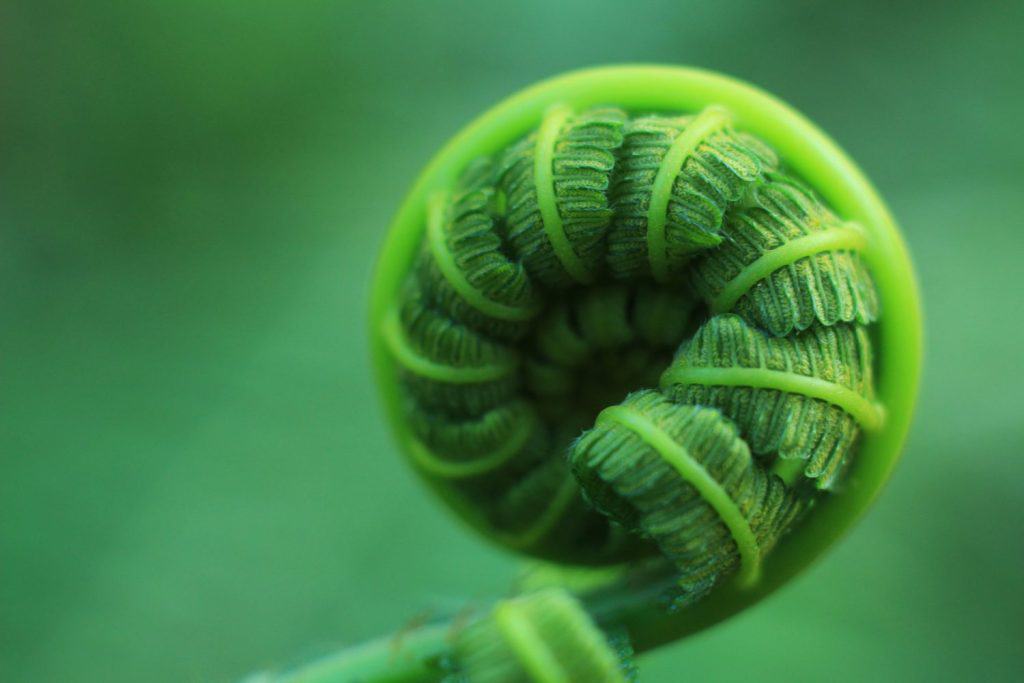
A fern bud, or “fiddlehead,” unfurls to make a new frond.
©Hebly Fauzan/Shutterstock.com
Ferns have a fascinating way of growing new fronts. Each emerges tightly coiled, a configuration referred to as a “fiddlehead.” This slowly unwinds itself to reveal broad, feathery leaves that give the forest floor a cool appearance. Because of their beauty and ease of cultivation, ferns have long been a favored ornamental houseplant. Be prepared to clean up lots of little dried leaves all the time if you get one. This is your life now.
20. Red Weaver Ants
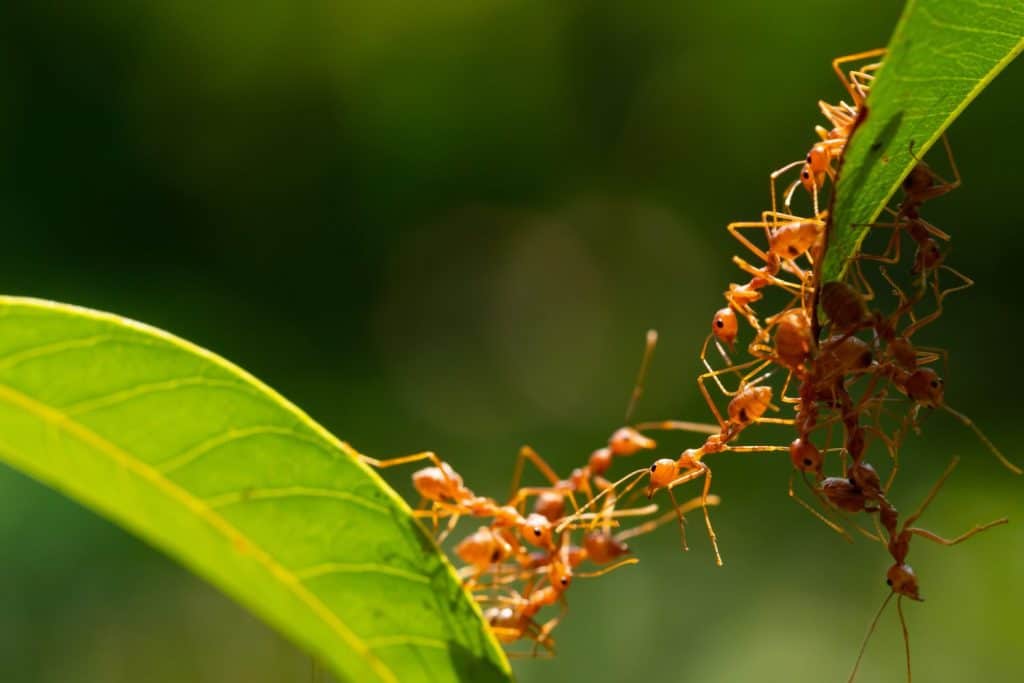
Ants use their own bodies as elements of a bridge to enable the rest of the colony to cross the gap between these leaves.
©frank60/Shutterstock.com
Red weaver ants are able to link their legs and use their great strength to hold together a living bridge between leaves. These can sometimes span large distances to make a shortcut for the rest of the colony to forage for food or go to war with other colonies. Ants are even able to link together into living “islands” that float on the surface of streams or ponds. This is how they are able to survive floods and move the colony to better hunting grounds.