
Quick Take
- A 50-gram bird has figured out how to make lying more effective than telling the truth, and its victims are unable to tell the difference. Explore the drongo's deception →
- Squirrels were caught performing an elaborate burial ritual for nuts they never actually buried, and this behavior only happens under one specific condition. See the fake burial evidence →
- African wild dogs vote before every hunt, though a sneeze from the wrong dog counts for almost nothing. How sneezes become votes →
- The viral versions of these animal behavior stories all share one telltale sign that exposes them as fiction, and it is hiding in plain sight. Spot the telltale sign →
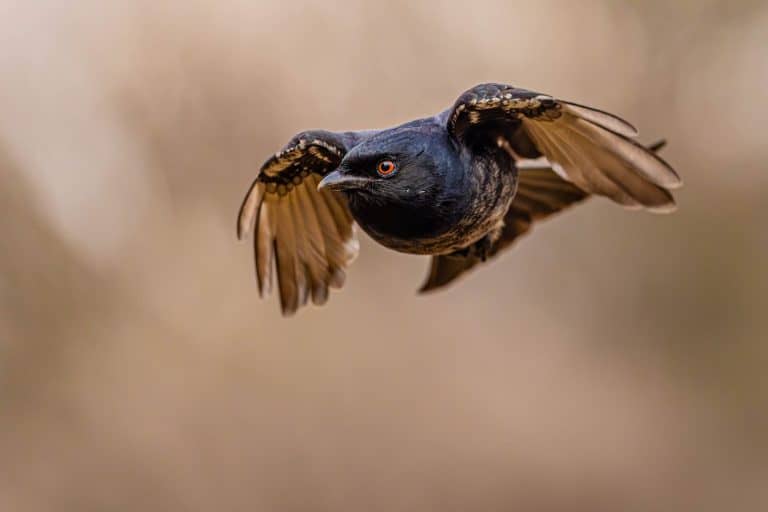
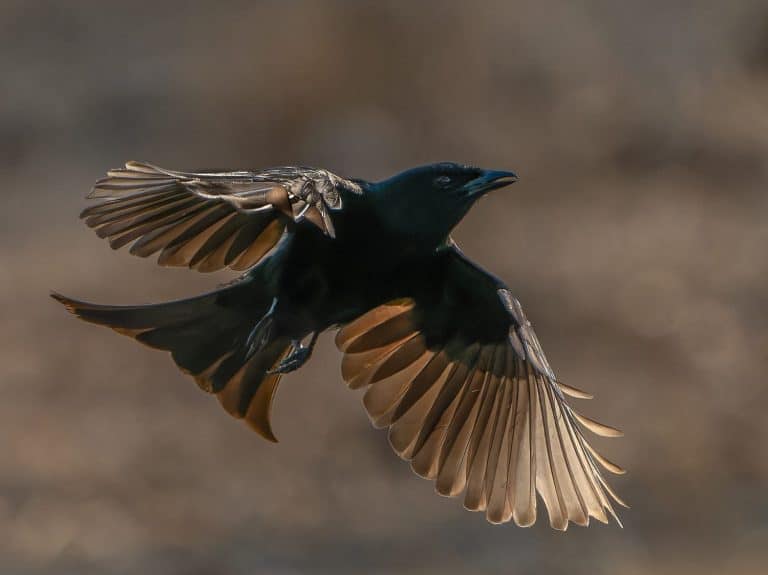
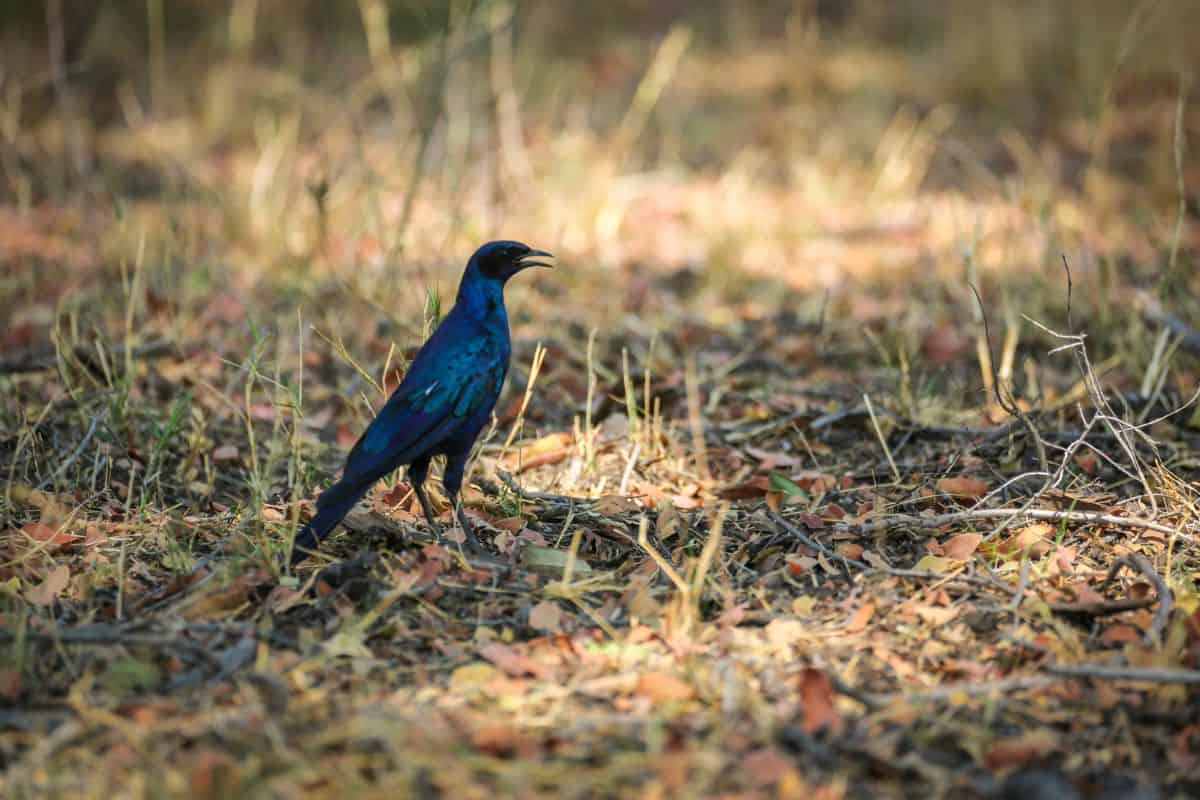
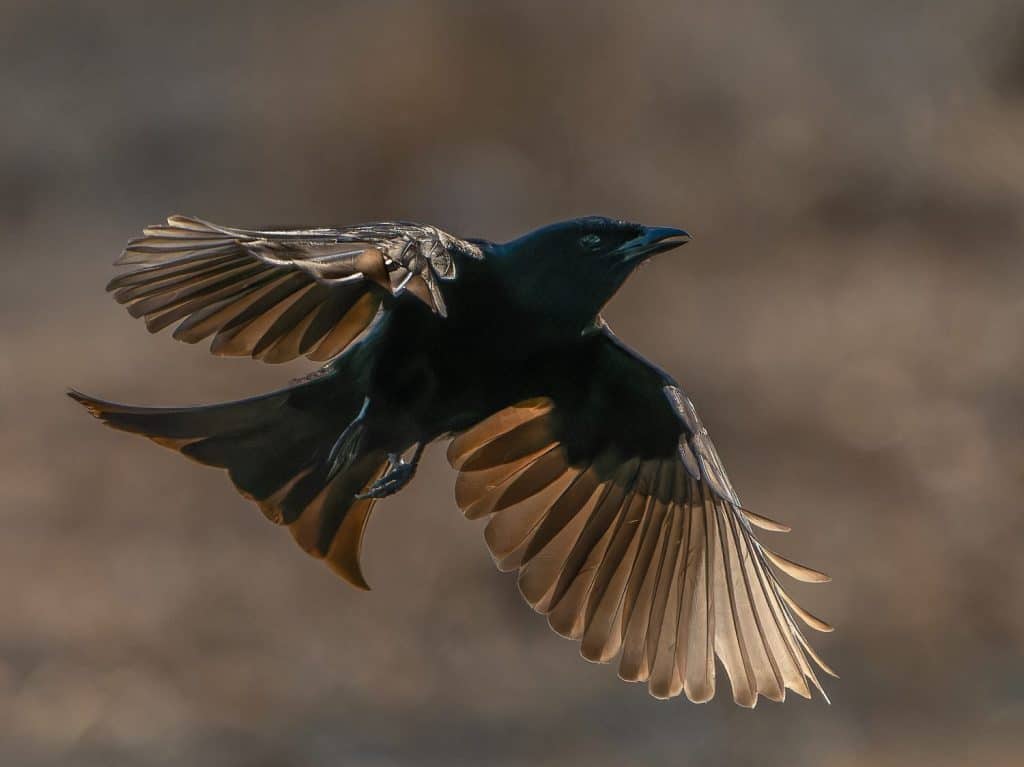
The fork-tailed drongo is a 50-gram passerine that follows meerkats and pied babblers around the southern African scrub, watching them dig up food. It gives them genuine alarm calls when a predator appears, which is why they tolerate it.
It also lies. In work published in Proceedings of the Royal Society B, biologist Tom Flower found that drongos stole food by direct attack in roughly half of observed cases, and by false alarm call in the other half. The bird waits on a perch until a target is handling something worth taking, then screams. The target drops the food and runs for cover.
©Tobie Oosthuizen/Shutterstock.com
What makes it work is that the fake calls are structurally indistinguishable from real ones. Flower confirmed through playback experiments that meerkats and pied babblers cannot tell the difference. Drongos also mimic the alarm calls of other species, and later research found they switch which species they imitate once their victims start ignoring a particular call.
The deception is calibrated. Drongos use false alarms more often when the food item is small, and more often when the target is a larger animal that would be costly to attack directly.
A Bird That Lies About Predators
Drongos give real warnings often enough that other species keep listening. What does that make the relationship?
- Parasitic, the drongo takes far more than it gives
- Mutual, the genuine warnings are worth the occasional theft
- Neither, the other species simply have no better option
- It depends entirely on how often the lying works
Squirrels That Bury Nothing
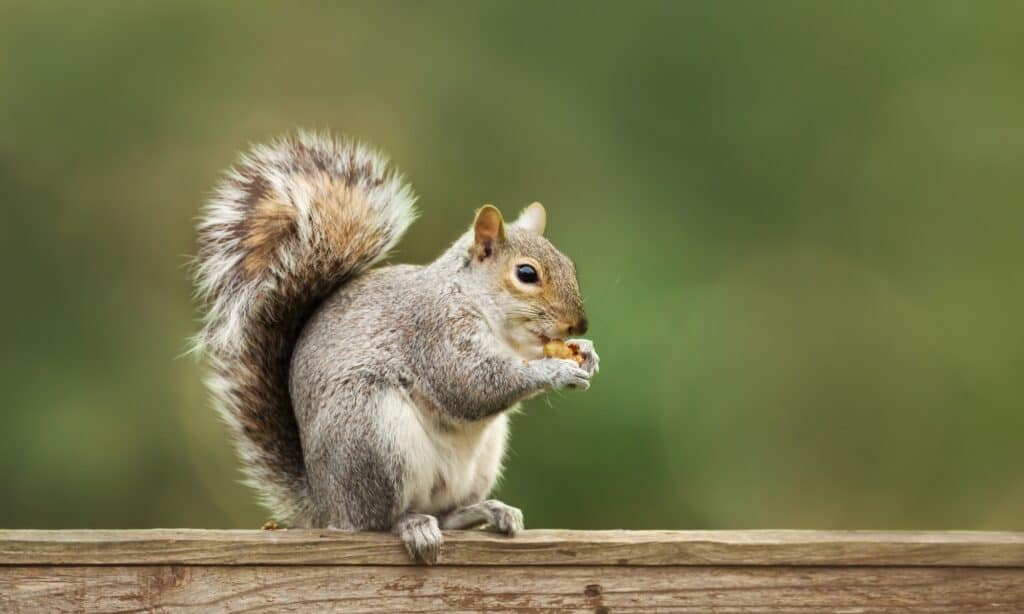
Eastern gray squirrels do something researchers call deceptive caching. The squirrel digs a hole, goes through the full covering routine, and walks away with the nut still in its mouth.
Michael Steele of Wilkes University and colleagues documented the behavior across sites in Pennsylvania, Connecticut and Massachusetts, in a study published in Animal Behaviour. At the Pennsylvania site alone, the team ran more than 500 trials with more than 52 free-ranging squirrels and recorded 255 caching events over two years. In one experiment, a human deliberately pilfered nuts in front of the animals. Once the squirrels noticed, they began covering sites that held nothing.
©iStock.com/Dgwildlife
It was the first evidence of behavioral deception in a rodent, and the first experimental study of deception conducted in the wild rather than a lab. The authors are careful about one point that gets lost when the finding circulates online: the behavior occurs infrequently, not on some fixed percentage of burials.
A Sneeze That Counts as a Vote
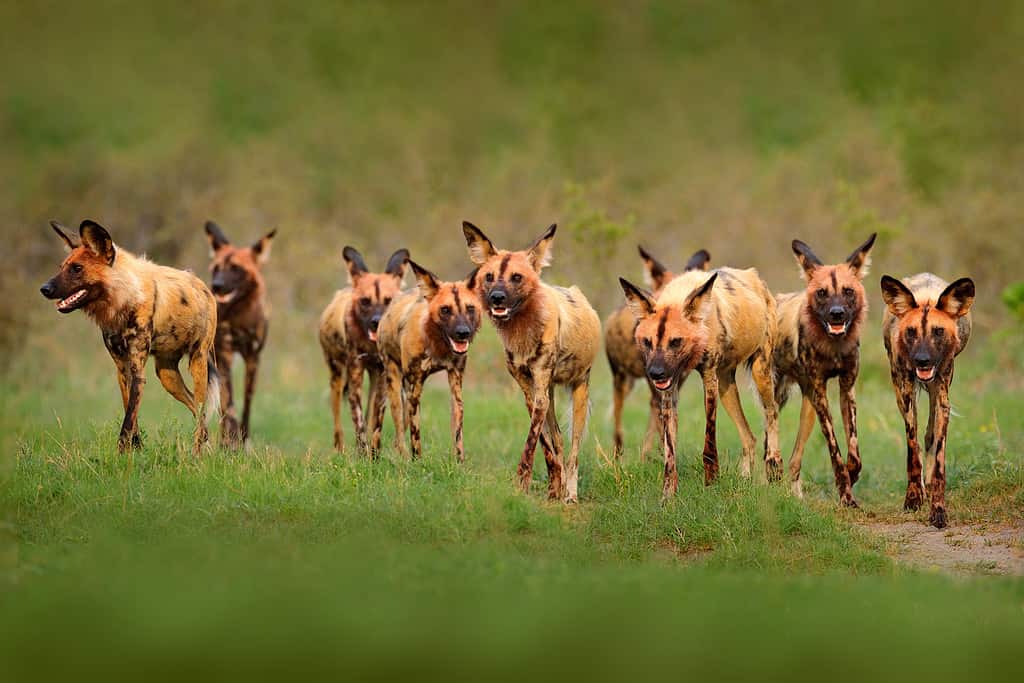
African wild dogs hold noisy greeting ceremonies, called rallies, before the pack moves off. Not every rally leads to a hunt, and for years nobody knew what decided it.
Researchers recorded 68 rallies across five packs in Botswana’s Okavango Delta and found the answer in a sound everyone had assumed was involuntary. The more sneezes during a rally, the more likely the pack was to leave and hunt.
©Ondrej Prosicky/iStock via Getty Images
The sneeze acts like a type of voting.
Neil Jordan, University of New South Wales, co-author of the study
The threshold shifts depending on who starts it. When the dominant pair initiated a rally, roughly three sneezes were enough. When they were not involved, it took around ten. Not every vote carries equal weight, but a determined majority of subordinates can still override the leaders.
Why the Fake Versions Spread
Real findings like these are narrow. A drongo lies about predators to steal small food items from larger animals in one part of southern Africa. That is a sentence, not a headline.
The invented versions are broader and more flattering, because they map animal behavior directly onto human institutions: courts, stock markets, elections, assassinations. They also share one tell. They cite a year and a vague authority, never a researcher, a journal, or a place. When a claim about animal intelligence comes without a name attached to it, that absence is usually the whole story.
The animals in the confirmed studies are not miniature humans running miniature societies. They are doing something narrower and more interesting: tracking what another individual can see, and acting on the gap between what that individual knows and what is actually true. That capacity used to be considered a primate specialty. A bird, a ,rodent and a wild dog have now been caught using it, and none of them needed a courtroom to do it.