
Quick Take
- This bird's con only works because it spends a surprising amount of time telling the truth. How trust enables the con →
- When one fake alarm stops working, the drongo has dozens of backup plans, and those plans are stranger than you'd expect. See the 51 alarm calls →
- The drongo is one of nature's most sophisticated scammers, but it keeps getting outsmarted by an even bolder con artist. Meet the drongo's deceiver →
- Scientists think this bird understands something about minds that most animals never grasp, and that understanding changes how it cheats. Explore the drongo's mind →
Humans operate under sets of self-assumed rules. We consider morality, ethics, and collaboration, principles that have allowed our civilization to flourish. The animal kingdom, however, has no such rules. It is a place where right and wrong don’t factor into the equation. It operates less on what is right and more on what one can get away with. All manner of creatures engages in tactics and behaviors that would be unseemly or downright evil from a modern human perspective. A wonderful example is the fork-tailed drongo, a type of black passerine bird that lies about the threat of predators to steal other animals’ food.
From one perspective, fork-tailed drongos are consummate scammers. They can uncannily mimic the calls of predators. In their native habitats of the woodlands and savannahs of Southern Africa, drongos use their expert mimicry skills to acquire resources. When a meerkat is eating freshly caught game, drongos send out false alarms about approaching predators. This sends the meerkat scurrying and provides an opportunity for the birds to grab the leftovers. It’s an underhanded business, but it is also far safer than direct predation or confrontation. Let’s learn more about fork-tailed drongos and how they adopt different identities to secure their next meal.
The Drongo Details
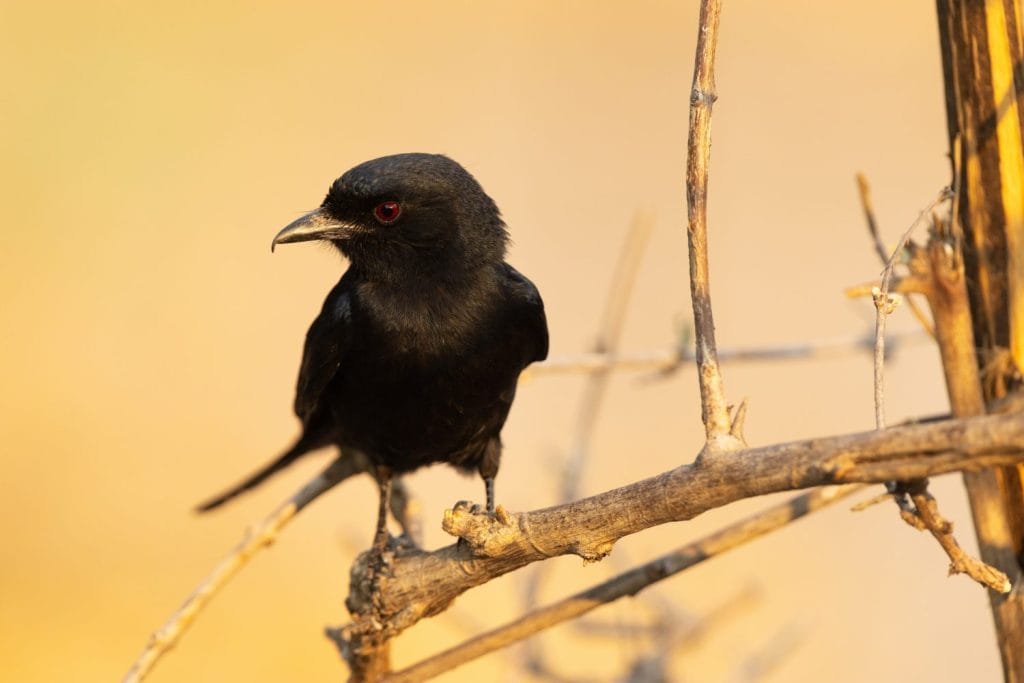
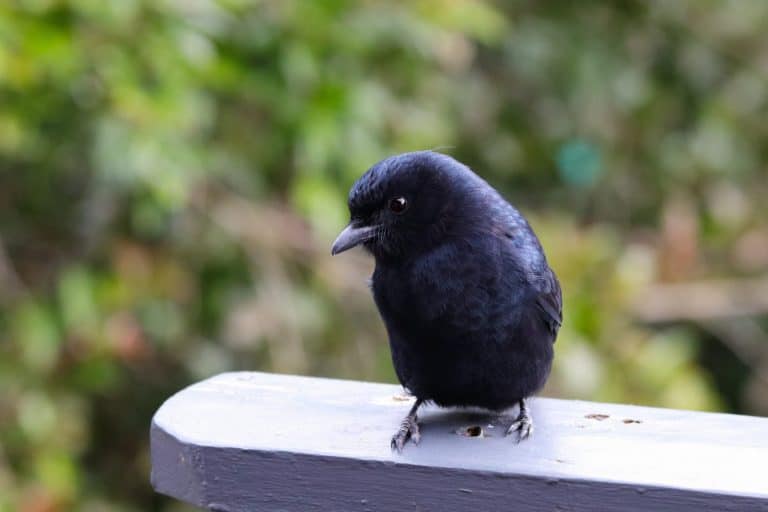
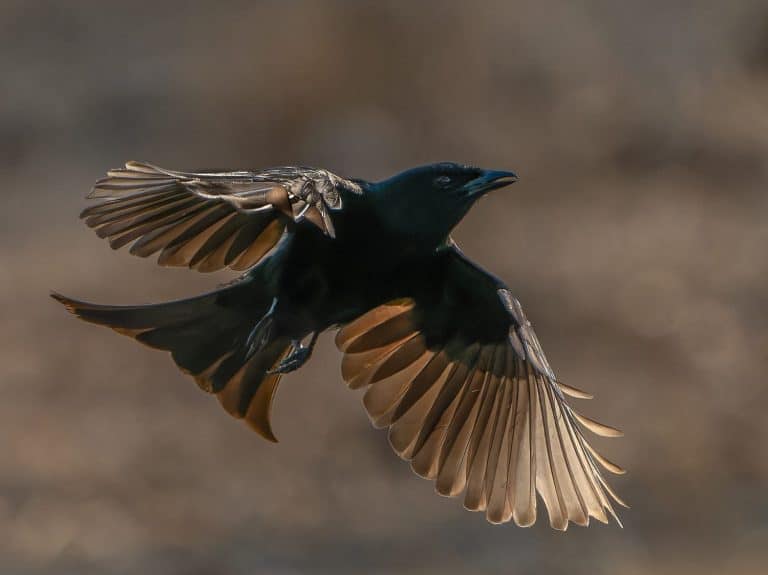
These small, black passerine birds are experts at tricking other creatures into forgoing their meals.
©adamikarl/Shutterstock.com
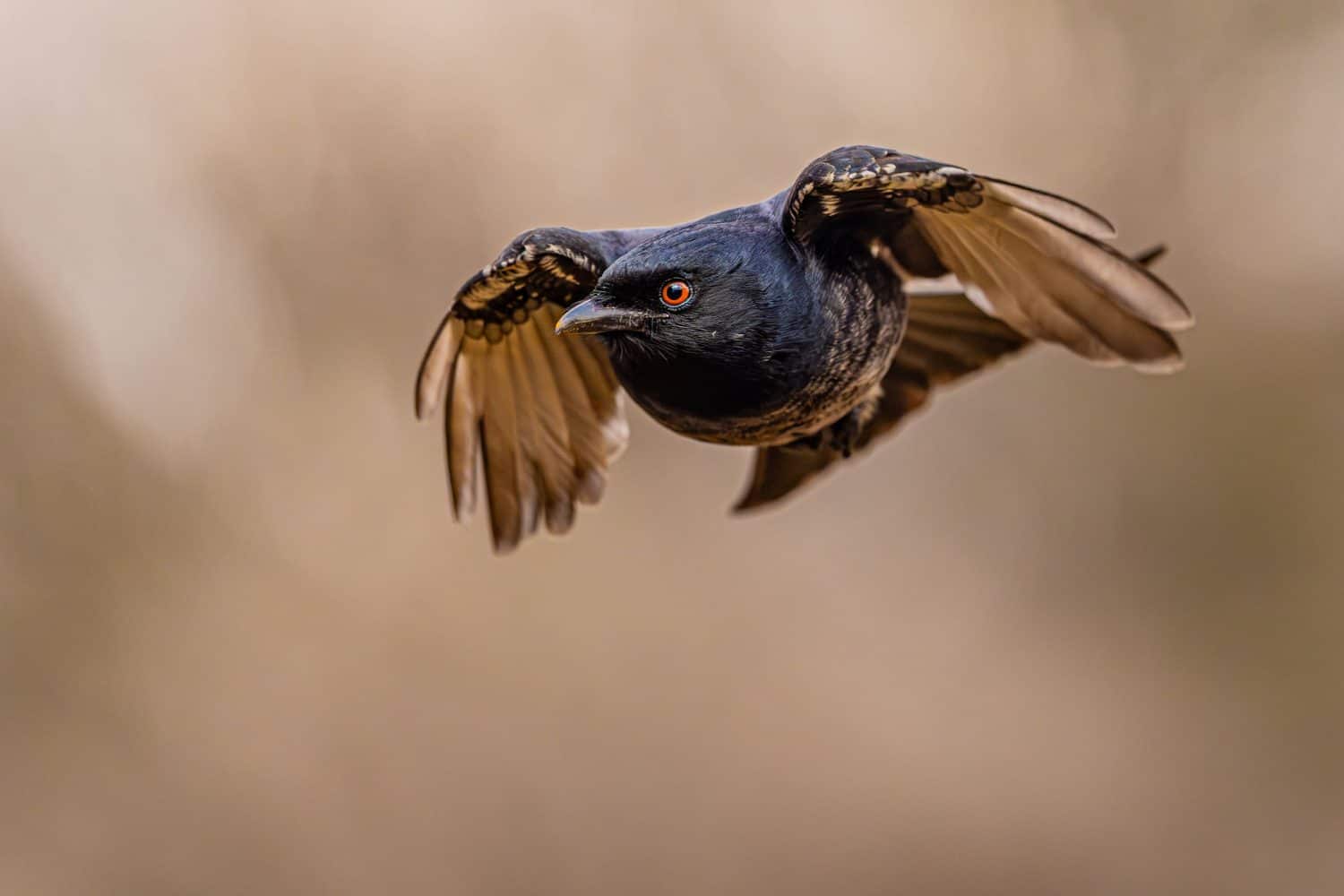
Fork-tailed drongos belong to the passerine bird family Dicruridae. The 28 drongo species in the genus Dicrurus are found in the Old World tropics. The majority of drongo species have stubby legs, upright postures, and forked tails. Some species’ tails have dazzlingly intricate ornaments. Fork-tailed drongos, in particular, are characterized by reddish-brown eyes, black beaks, and black to iridescent body feathers.
In Southern Africa, fork-tailed drongos stick to habitats with plenty of open space and equal amounts of tree cover. They mainly prey on insects but will also eat fish and other birds. They will even drink nectar and eat plants in a pinch. Drongos are as evasive and cautious but can be aggressive. Though small in stature, they are big in spirit. When they or their young are threatened, drongos will unflinchingly attack much larger creatures.
They are also parasites and mimics. Indeed, they are considered kleptoparasites due to their tendency to mimic the alarm calls of other animals. This scares away animals like meerkats from their own food, allowing drongos to swoop down and steal it.
Predator Persuasion
The best scammers know that you can’t go for the kill immediately. First, you have to lull your victim into a false sense of safety and trust before you take their resources. This is an approach that fork-tailed drongos know instinctively. The only reason other animals believe their fake calls is because drongos spend at least a quarter of the time acting as trustworthy lookouts. When a true predator approaches, drongos make an alarm call. This teaches animals like meerkats and other birds that the calls mean something. In turn, such creatures learn to listen for the drongo’s voice. After all, it keeps them safe from approaching threats most of the time, right?
With that false sense of security ingrained in their marks, the drongos then take the opportunity to swindle. When conditions are right and meerkats are nearby eating a fresh catch, fork-tailed drongos sound the alarm once again. This time, however, no predator is around. The meerkats go running, leaving ample opportunity for the drongos to swoop down and steal their meal.
The fork-tailed drongo’s willingness and patience to endure the long con have their benefits. They never fully break the meerkats’ trust — only once in a while — but it’s enough to account for 20% of a drongo’s total diet. They also shuffle between different scams. According to a study published in Science, drongos rotate between 9 and 32 different alarm calls. This ensures that their marks never get too familiar with any one deception. If a meerkat fails to heed a false warning, a drongo will mimic a meerkat’s bark to ensure it flees. Beyond that, drongos can also deceive birds with their scams, including starlings, southern pied babblers, and weavers.
No Honor Amongst Thieves
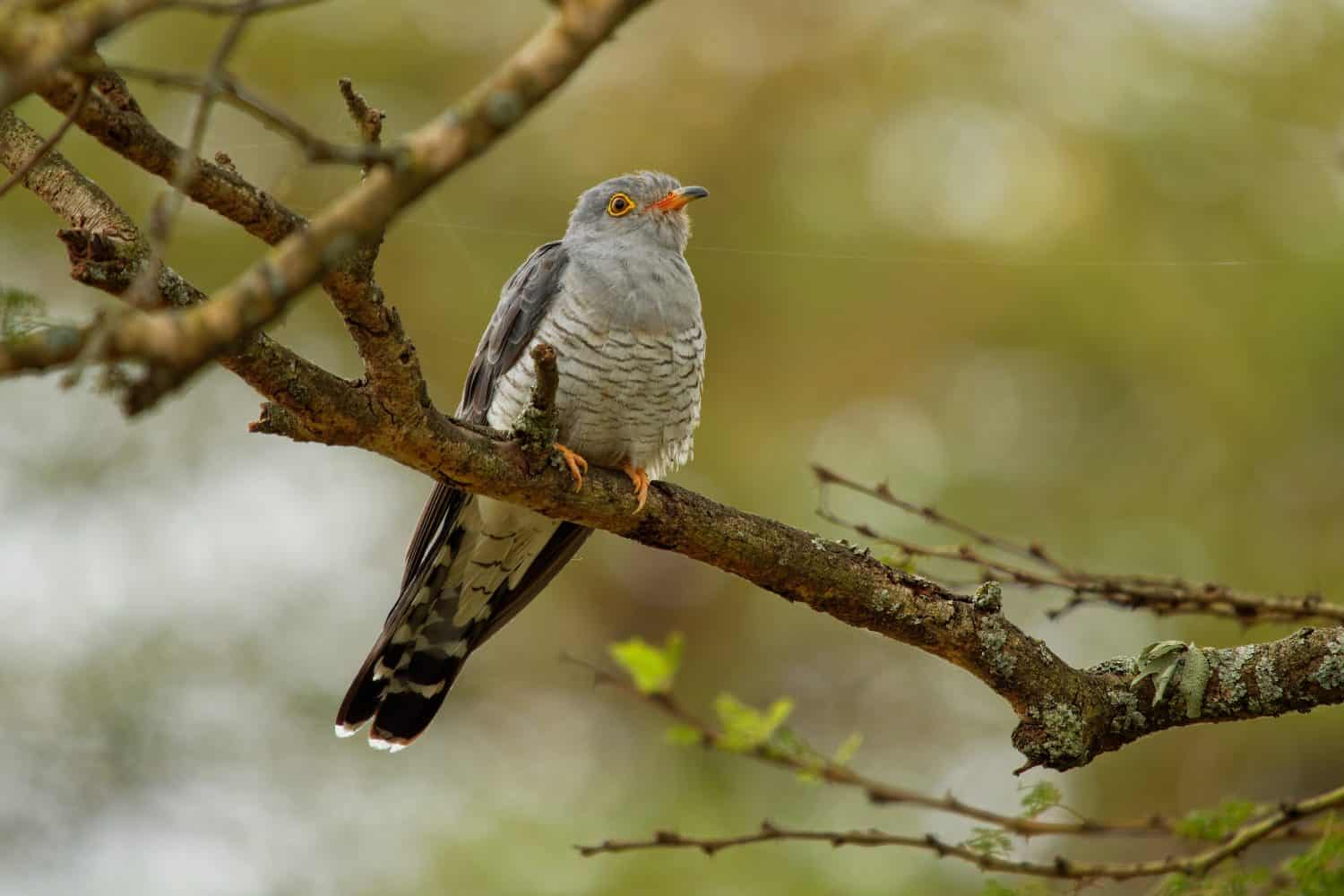
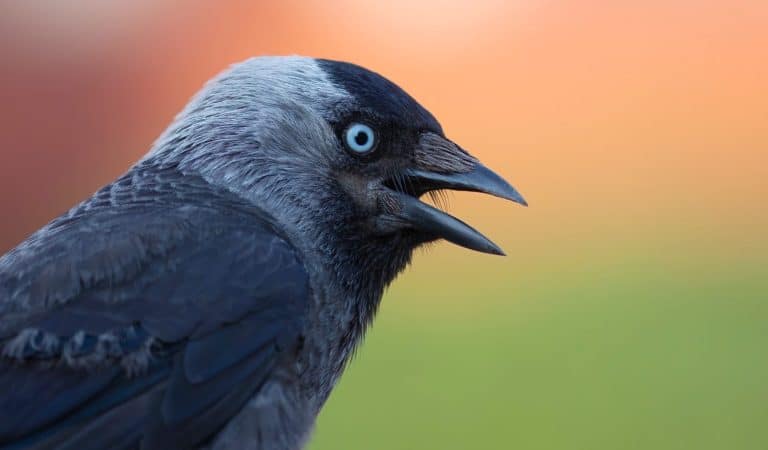
Drongos trick other birds, but they themselves are tricked into raising the young of African cuckoos.
©Martin Pelanek/Shutterstock.com
Such vocal dexterity and dynamic problem-solving suggest that fork-tailed drongos are quite smart. Some scientists even believe that fork-tailed drongos possess a theory of mind. This would explain their ability to mimic and deceive, but also their willingness to do so sparingly. They seem to know just how long to maintain an illusion before using it to their advantage, gingerly, subtly — just enough to acquire resources but not enough to alienate their savannah collaborators.
But there is always a bigger fish, and there is always a better scammer out there who has graduated to stealing from the thieves themselves. Drongos may be able to bamboozle meerkats and warblers, but they are no match for African cuckoos. Instead of stealing food, African cuckoos trick drongos into raising their young. Ironically, with their eye always on the next food opportunity, drongos fail to notice when another scammer has conned them into free parenting.