
Quick Take
- Male Oklahoma brown tarantulas wait nearly a decade for this moment, and then risk their lives crossing highways and dodging a parasite that does something horrifying to them. See what drives them →
- Female tarantulas can outlive their mates by decades, and that gap explains everything about why this migration is so desperate. Understand the lifespan gap →
- If you ever want to watch thousands of tarantulas march past you, there is a very specific window for it. Miss that window and you are waiting a whole year. Find the viewing window →
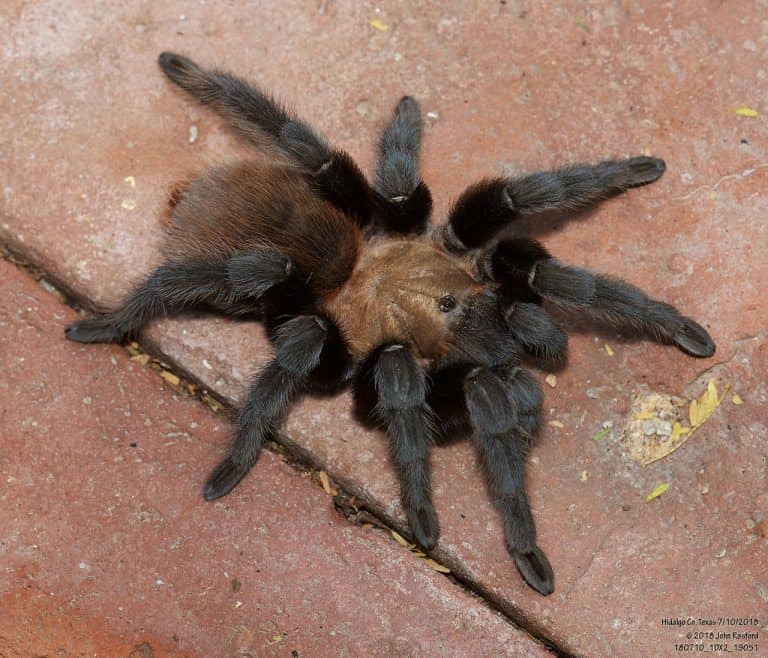
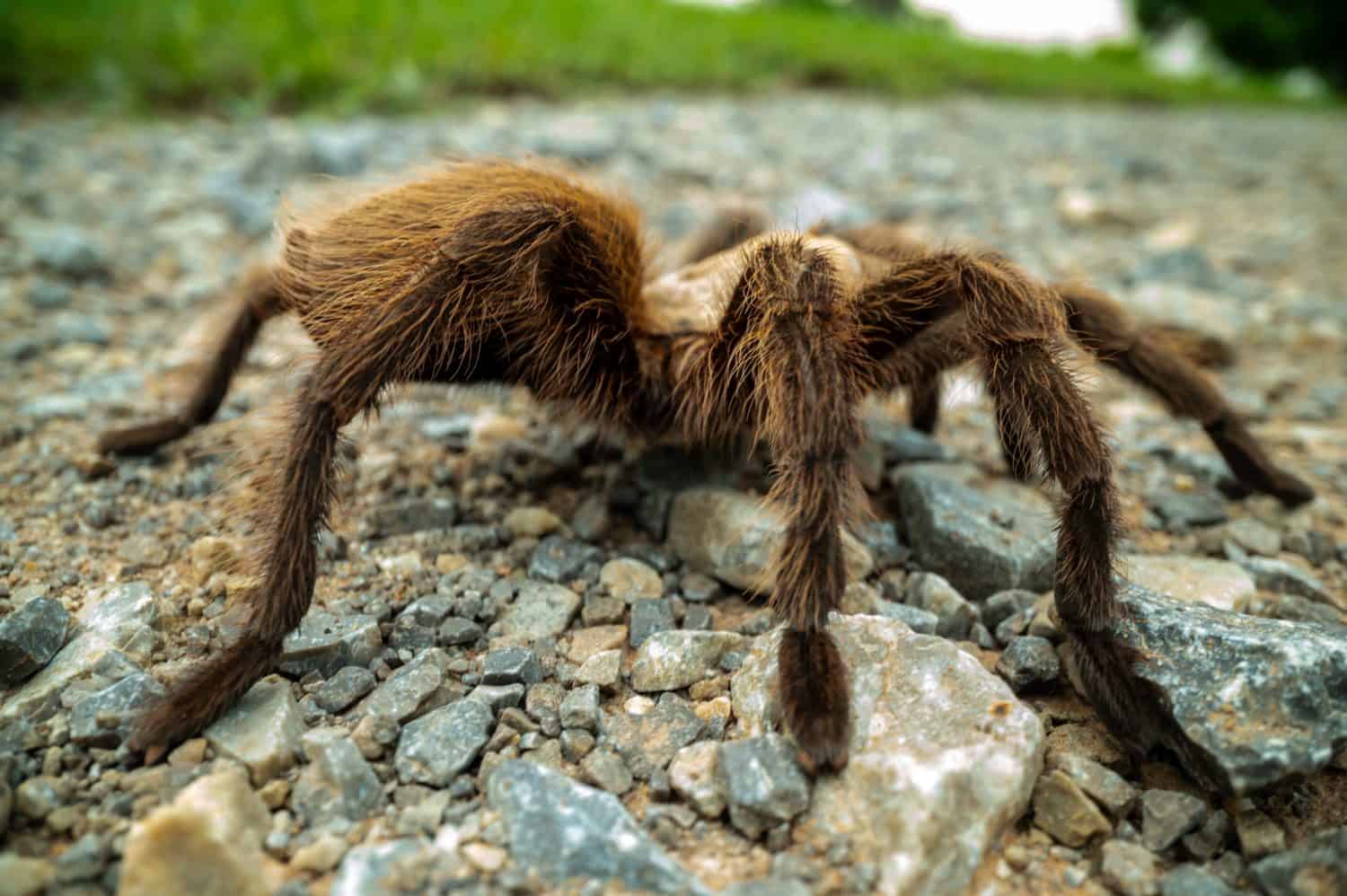
In the arid southeastern plains of La Junta, the ground seems to undulate in September. Thousands of eight-legged arachnids begin to move toward one common goal, creeping steadily through tall grasslands. As they move in unison, these male Oklahoma brown tarantulas have one thing on their minds: finding a mate.
Every year, in mid-September, the great tarantula migration starts. While it’s not a migration in the true sense of the word, it does mark the beginning of a long trek for this long-lived species. Each year, people come from all over the country to witness the tarantula wave as it marches through Colorado. The La Junta Tarantula Fest honors this natural cycle and also helps to conserve one of the species’ most crucial journeys.
Continue reading
What Triggers the Mass Tarantula “Migration?”
Mating is a natural part of life that drives many species, including the Oklahoma brown tarantula. This migration is less about finding a new home than it is about participating in the mating ritual. Males remain deep within their burrows until fall creeps in, alerting them that time is of the essence. After seven to ten years of waiting for this moment, a drop in temperature tells them to get going.
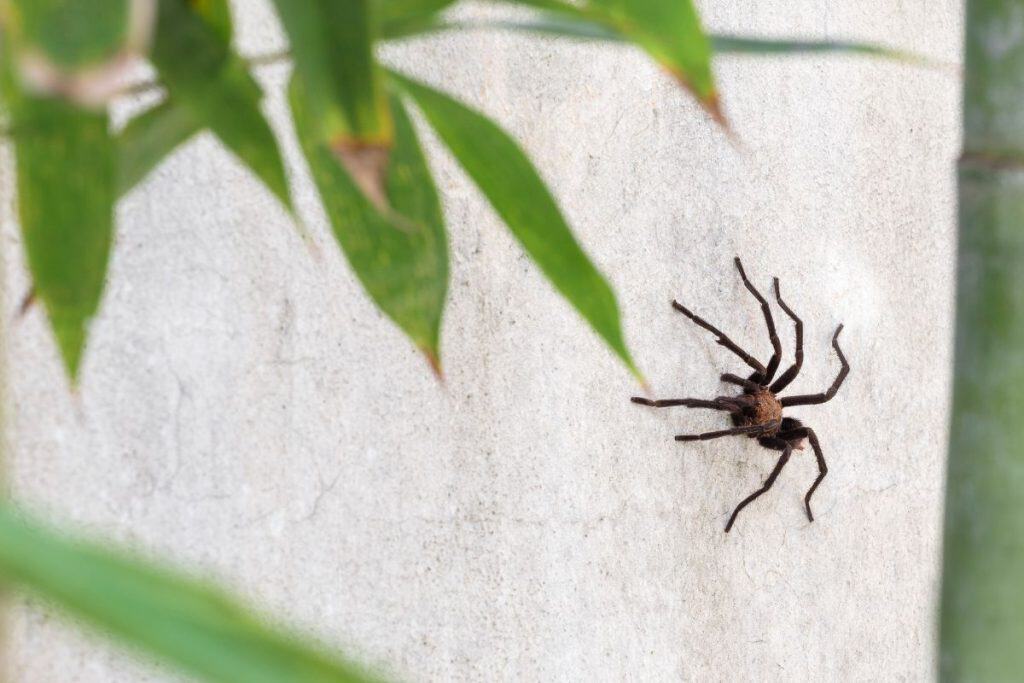
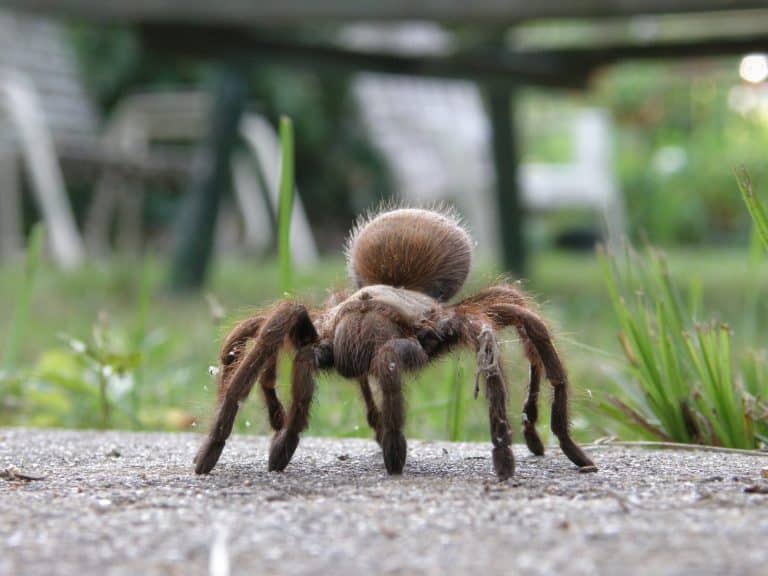
Male Oklahoma brown tarantulas can sometimes be found wandering through residential neighborhoods in search of a mate.
©pashapixel/ via Canva.com
They head southeast toward La Junta in search of females. In contrast, female Oklahoma brown tarantulas rarely leave their burrows. They remain in the Comanche National Grassland, where they’re well protected by the landscape’s natural features. This means their future mates will risk everything, including their own lives, for the chance to reproduce.
As their biological clocks tick down, male tarantulas will spend the next two months on the road—sometimes, literally. Nothing stands in the way, whether it’s traffic, severe weather, or the threat of predators. Some female Oklahoma brown tarantulas can live up to 25 years, but males don’t have the same luxury. And during their first fully mature year, they’ll roam the 443,000-acre Comanche National Grassland in search of a mate.
The Journey Is Wrought with Challenges
Oklahoma brown tarantulas don’t get to pull into a rest stop when they’re exhausted. They shelter where they can, hunt at night, and try to stay alive in between. But threats on the road are many, ranging from animal attacks to human interference.
The route through La Junta intersects several major highways, including U.S. Highway 350, State Highway 109, and Highway 10. The species’ brown coloration can make them difficult for drivers to see against asphalt. If they do survive traffic, they can easily be picked off by birds or other predators with nowhere to hide.
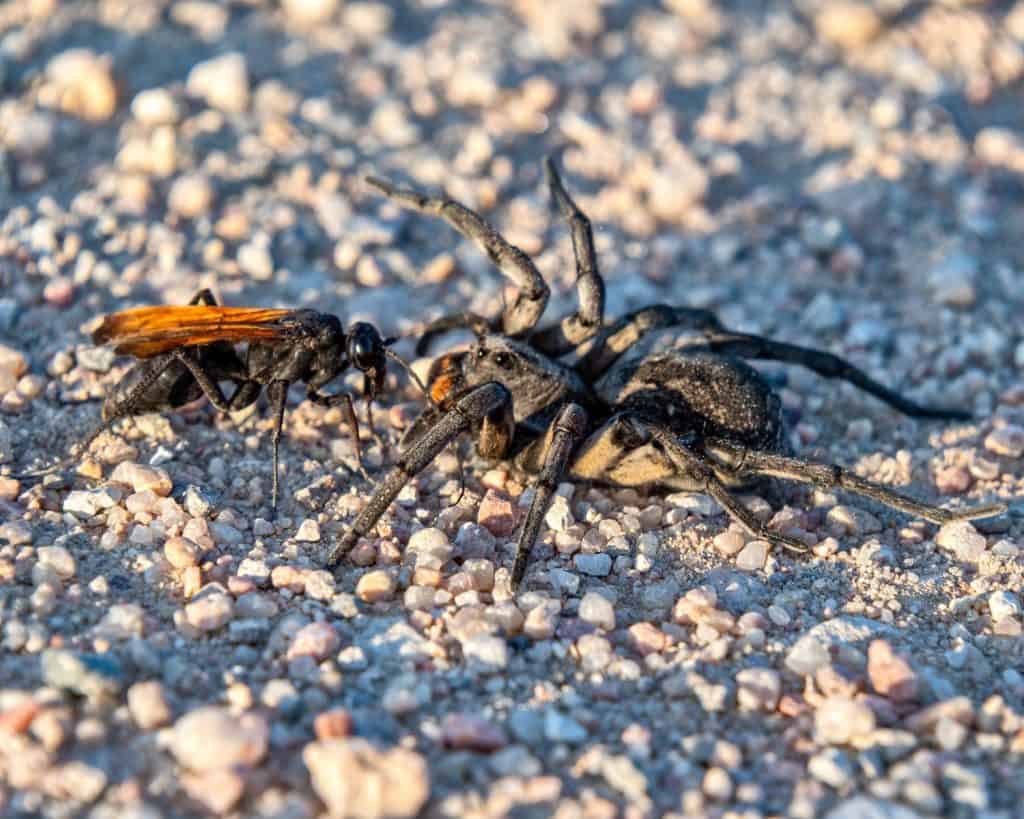
The tarantula hawk wasp is a top predator of the Oklahoma brown tarantula.
©Aaron J Seltzer/Shutterstock.com
One of the biggest threats, though, is the tarantula hawk wasp. It preys specifically on tarantulas, paralyzing the spider before laying an egg on its body, with the larva later burrowing inside to feed. During the mating ritual trek, Oklahoma brown tarantulas are often picked off by these parasitic wasps. Despite all of this, they continue to walk hundreds of miles to find their mate. And while they do, their human audience celebrates their journey.
Where and How to Watch the Annual Tarantula Trek
La Junta’s Tarantula Festival is an annual celebration that features a parade, vendors, live art, educational panels, and, of course, tarantula tours. Hundreds attend the festival, and tours are typically sold out well in advance. This year, it takes place from September 25-26, inviting all arachnid enthusiasts to come out and watch the annual trek.
This is also an excellent opportunity for hesitant visitors to learn about Colorado’s native species. Tarantulas rarely pose a threat to humans, and only bite if they feel threatened. Many times, festival experts will do demonstrations by holding them and showing how docile they really are. During the trek, the tarantulas are focused on moving toward their mates, unconcerned with onlookers. It’s the perfect time to sit back and observe one of nature’s most spectacular events.
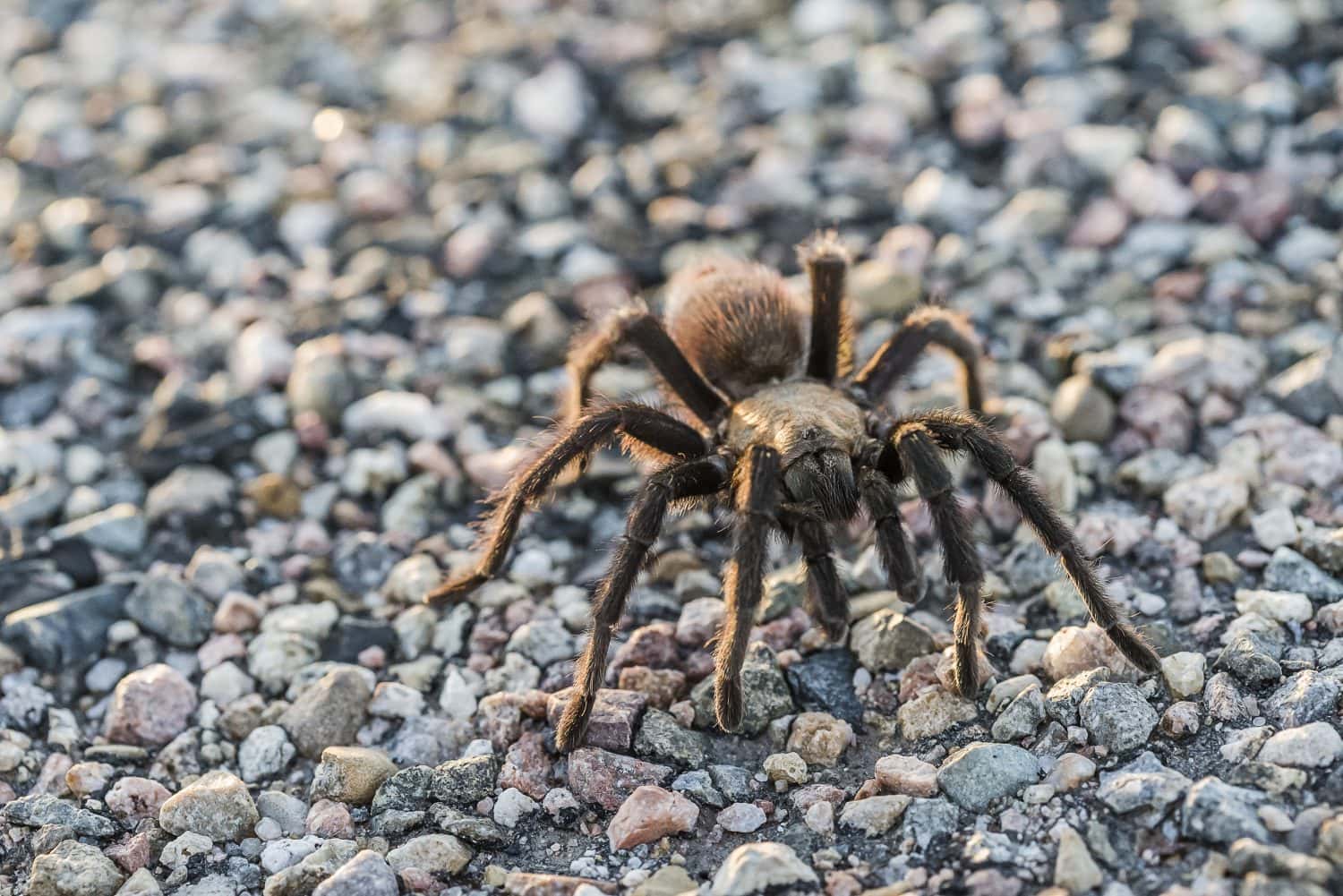
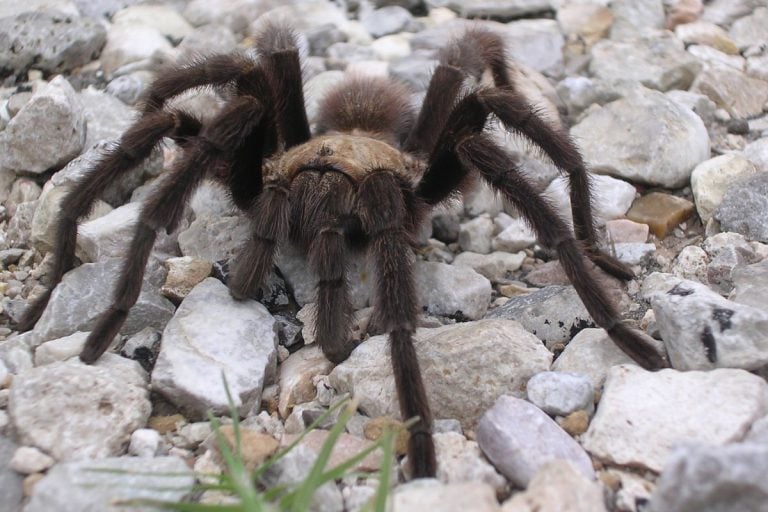
Oklahoma brown tarantulas blend in seamlessly with their surroundings and can be accidentally squished.
©Medusa's Brother/Shutterstock.com
For those viewing the migration, there are some things to keep in mind. Only those running demonstrations or educational panels should handle tarantulas. With only two months to find a mate, any type of stress can hinder their journey. Additionally, visitors should be cautious of where they walk. This species is easily concealed, and humans pose a greater threat to them than they pose to us. Lastly, while bites from the Oklahoma brown tarantula contain venom, they are not considered dangerous or life-threatening to humans. They may sting, itch, and cause discomfort, but the effects are generally mild.