
Quick Take
- Five of California's six venomous sea snake sightings share one striking thing in common, and that detail tells scientists exactly when the next one is likely to appear. See the El Niño pattern →
- This snake is highly venomous, yet experts say the real danger isn't what most people would assume. Understand the real risk →
- The sea snakes aren't alone. A wave of other tropical creatures has already reached Southern California, and scientists say it's a preview of something bigger. Meet the other arrivals →
- A bystander sent the Crystal Cove snake back into the ocean, and that split-second decision created a problem scientists are still dealing with.
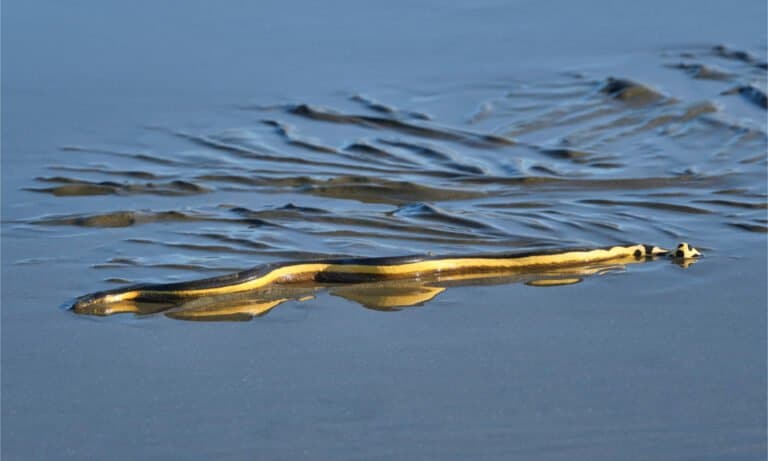
Cellphone video from Crystal Cove in Orange County shows a dark snake with a yellow stripe lying on the sand at night. A bystander lifts it and sends it back toward the surf. People later identified it as a yellow-bellied sea snake, a venomous tropical species that normally stays far south of California.
If the sighting is verified, it would be the first in the state since 2018. Greg Pauly, a reptile expert at the Natural History Museum of Los Angeles County, told the Los Angeles Times he was still trying to get more video from witnesses, as KTLA reported. These snakes keep turning up in the same kind of year, and scientists have a good idea of when the next one is likely to wash ashore.
A Tropical Snake Far From Home
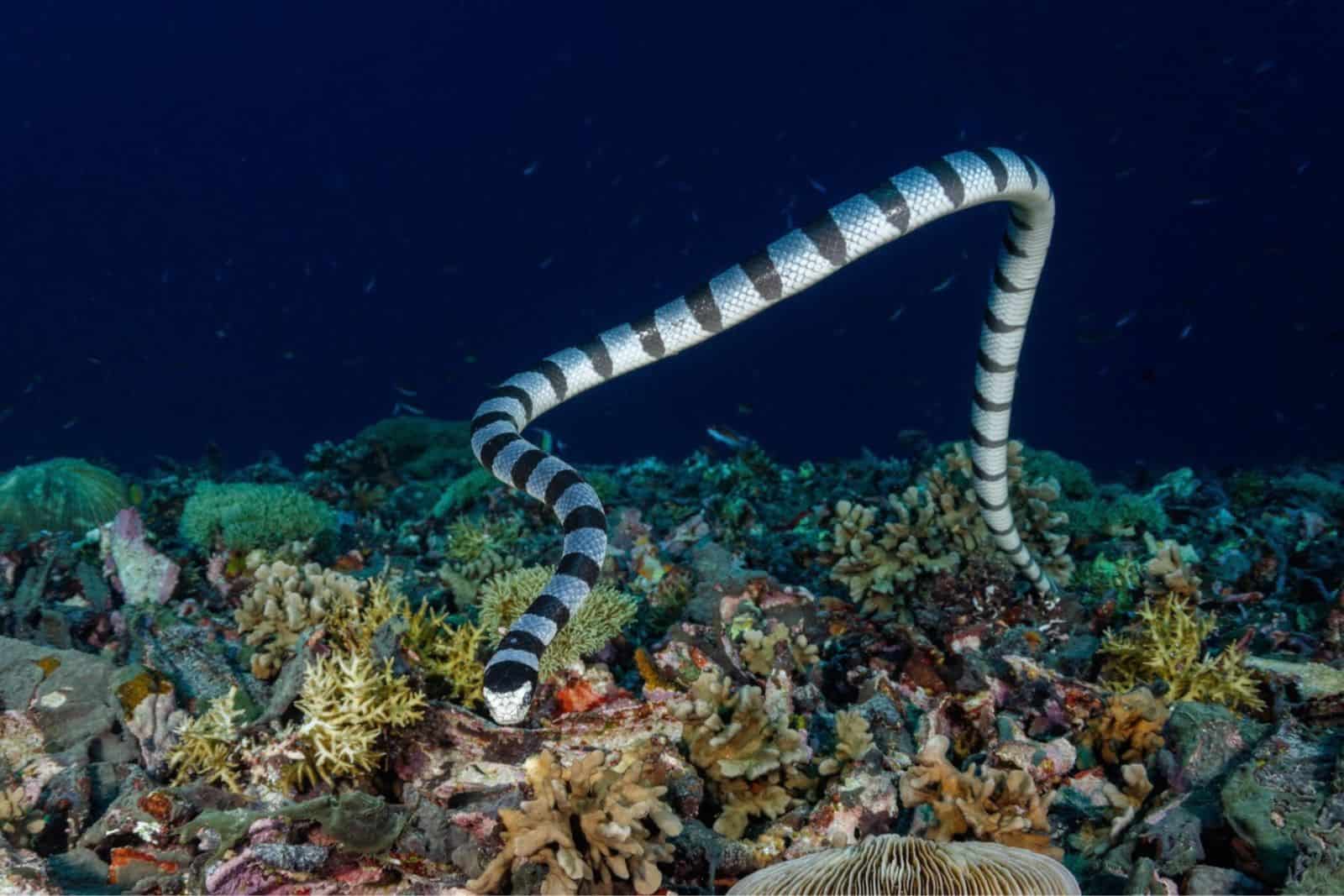
Yellow-bellied sea snakes are “true” sea snakes, meaning they spend their entire lives in the water, and they normally live in warm tropical and subtropical seas. The closest one usually gets to Southern California is the tip of the Baja Peninsula, according to the Natural History Museum of Los Angeles County. Yet six have been collected in California, and five of those washed up during an El Niño year.
The first was found on Thanksgiving morning during the 1972-73 El Niño. Three more stranded during the very strong 2015-16 event, and two have turned up since, Pauly says.
Now the museum is warning that another big one is underway. It calls this year’s El Niño the strongest in more than a century, and some models point to the largest in 150 years. That is why curators are asking residents to keep an eye on the beaches.
Why Warm Water Sends Them North, and Fall Sends Them Ashore
During an El Niño, the normally cool water off California warms significantly, and shifting currents can carry open-water species far beyond their usual range. Pauly says the sea snakes should already be well north of where they typically live and may already be off the Southern California coast.
As temperatures drop in autumn and winter, Pauly explains, the snakes stop eating and go sluggish, and lunar tides or strong onshore winds can push them onto the sand. He expects the most strandings from October through January, a window that fits the very first record, found in late November.
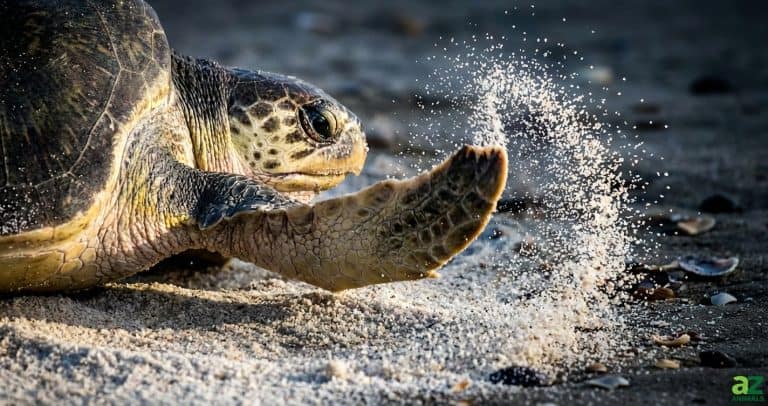
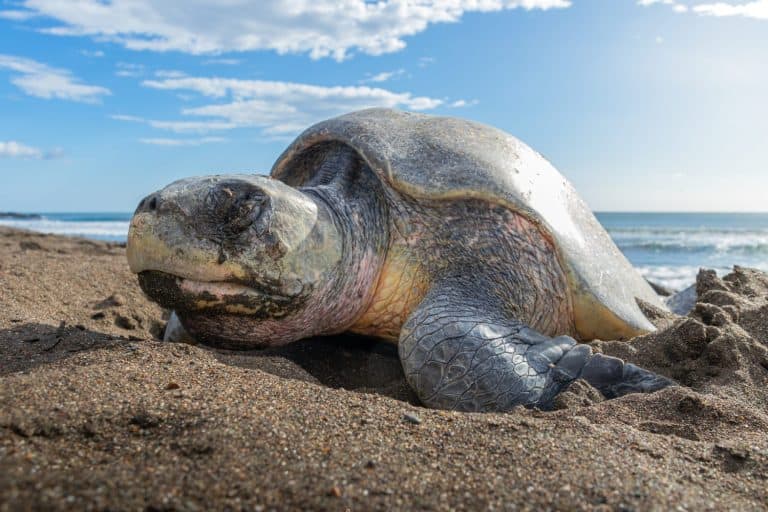
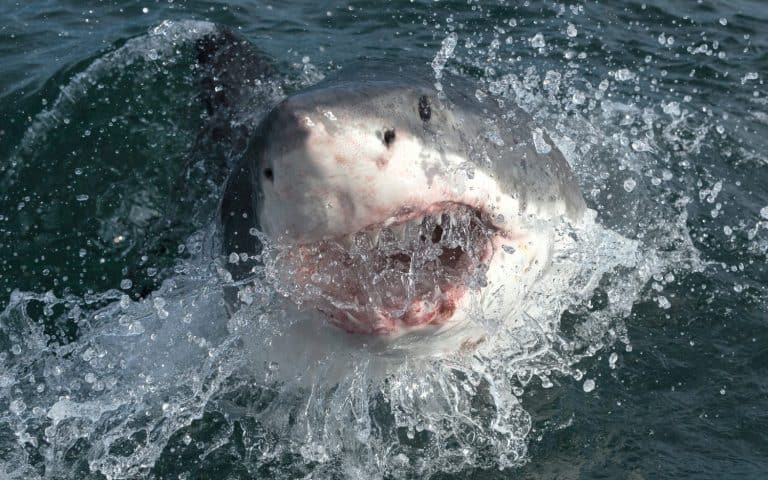
Other warm-water visitors have already arrived. Museum curators point to hammerhead sharks off Los Angeles, Orange and Ventura counties, a whale shark off Malibu and mahi-mahi near the Channel Islands. A longfinned bigeye caught off the Venice Fishing Pier has already joined the museum’s collection. LAist reported that an endangered olive ridley sea turtle came ashore near Seal Beach in September, and local coverage described the nesting as a first for California.
Pauly says recording these newcomers offers clues about which species could become regulars as the ocean keeps warming.
Venomous, but Not Looking for a Fight
The species is highly venomous. Even so, the Los Angeles Times reported, its small mouth and short fangs make it hard for the snake to bite a person unless it is picked up or handled. Chad Steffen, a marine naturalist with Dana Wharf Sportsfishing and Whalewatching, told CBS Los Angeles the snakes are clumsy and sluggish out of water and not inclined to bite, according to UPI.
The safest choice is simple: keep your distance, and don’t touch one. If you find a stranded reptile you cannot identify, the museum asks people to send a photo and contact information to [email protected].
The Crystal Cove snake went back into the sea, so scientists have no specimen to examine, which is why witness video matters. More sightings are likely in the cooler months ahead.