
Quick Take
- A climate forecast has marine biologists predicting a shark surge unlike anything California has seen in a decade, and the reason it is happening now goes beyond the simple explanation of warm water. See what's driving the surge →
- One stretch of California coastline has quietly become a great white nursery, though it is not where most people would guess. Discover the nursery hotspot →
- Your odds of a fatal shark encounter are lower than you think, and learning what actually triggers an attack might change how you behave in the water. Check your real risk level →
California is no stranger to sharks, but encounters with humans are a rarity. On average, there are only 1.8 to 3 shark attacks per year, many resulting in minor injuries from accidental bites. Shark attacks resulting in fatalities are practically nonexistent, with fewer than 20 recorded in the state since 1950. Of the millions of beachgoers soaking it up on the Golden State’s coastline, the majority of them never need to worry about seeing a shark.
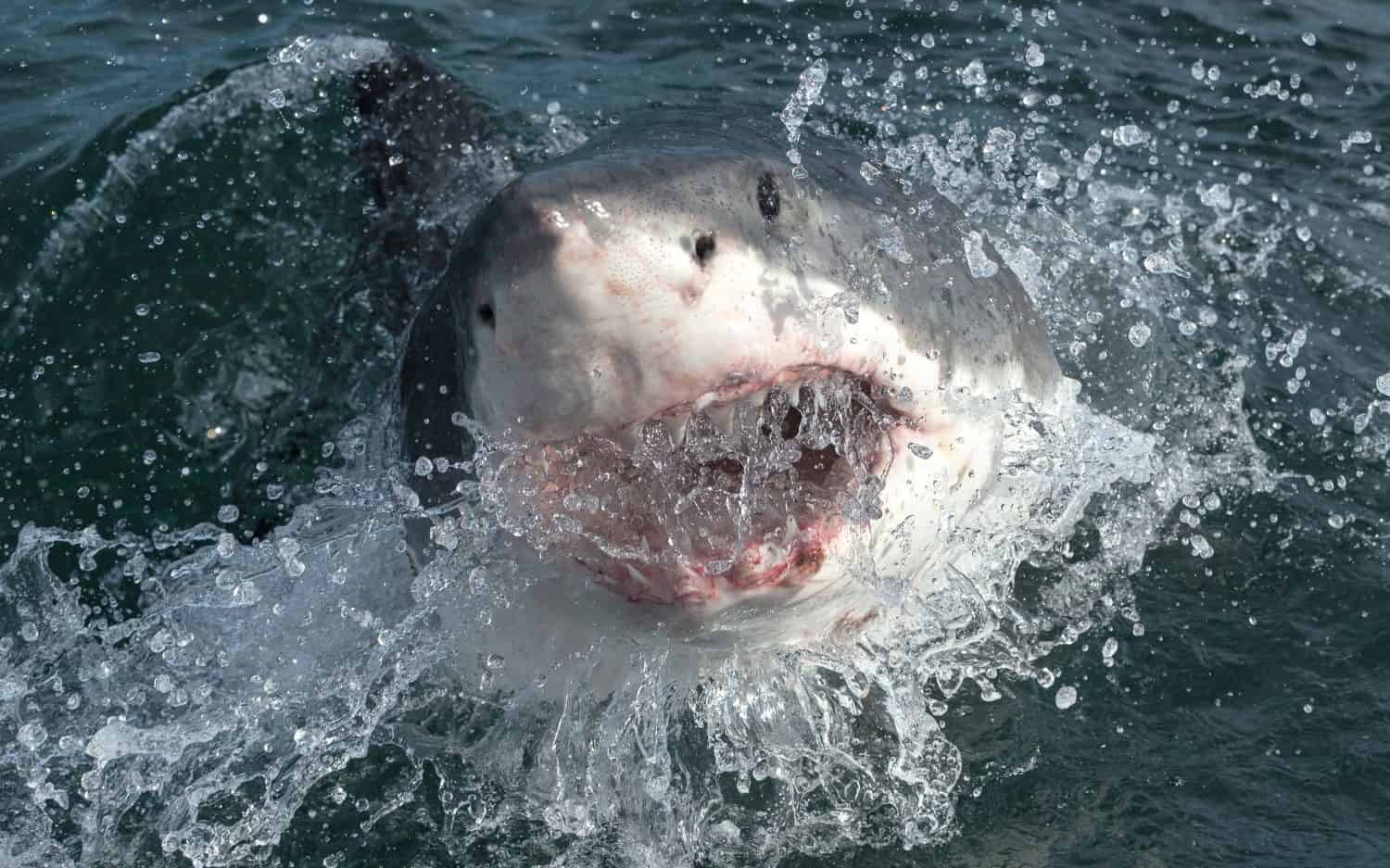
However, this year may bring larger populations of one species to California’s beaches. With a “super El Niño” forecasted for 2026, juvenile great whites are following its warm waters—which is leading them directly to the sunny shores of California.
Why Are Great Whites Showing Up More?
January 2026 saw a record number of sharks, following 10 incidents the year prior. In December 2025, a woman was attacked by a shark in Monterey Bay, sadly succumbing to her injuries after she was reported to authorities as missing. Heading into the dog days of summer, California is now slated to see even more sharks, specifically great whites. But why does a state that so rarely reports shark encounters rank among the highest in the country for sightings?
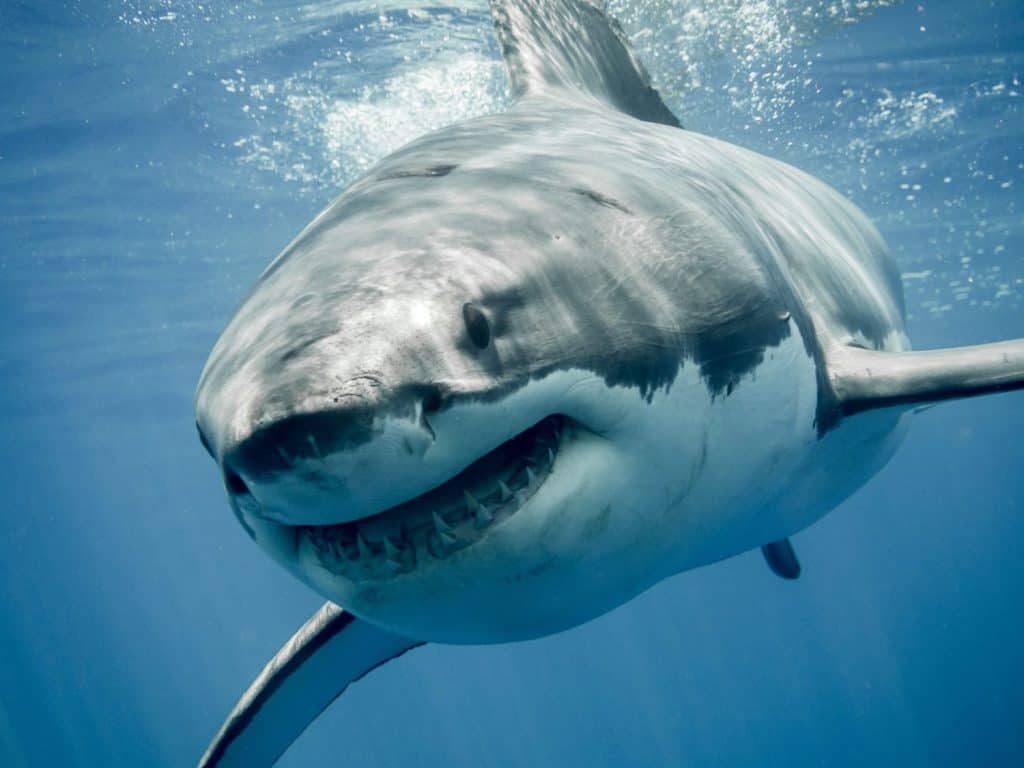
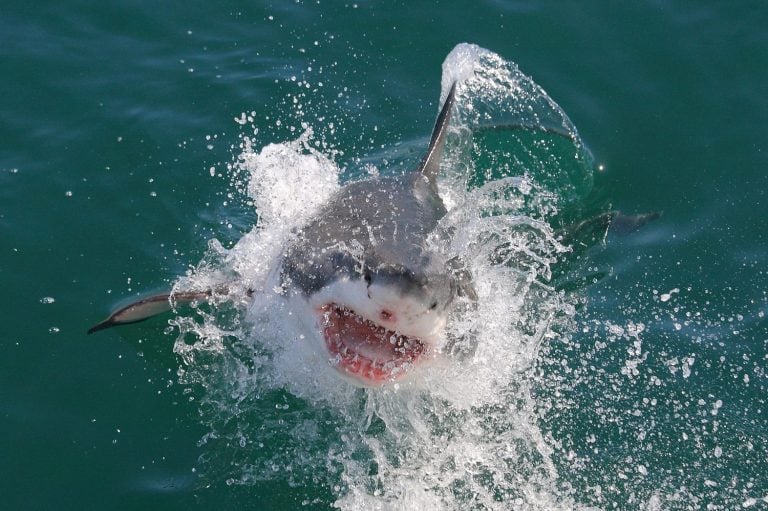
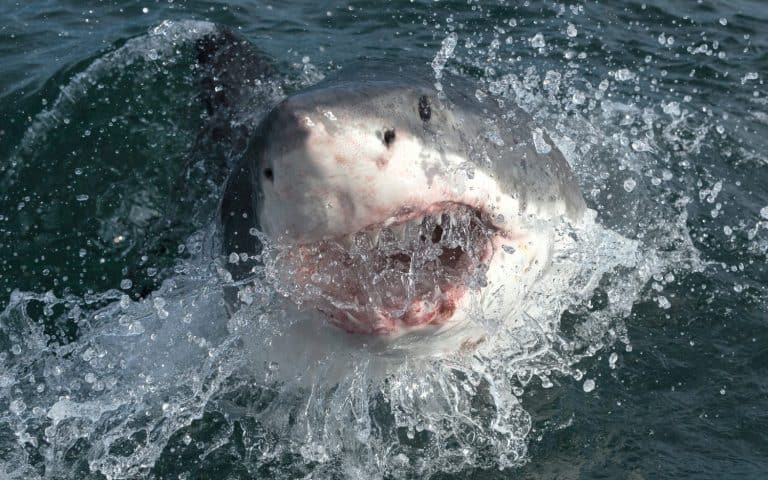
Juvenile great whites are no strangers to California’s Monterey Bay.
©Ramon Carretero/Shutterstock.com
Mention of El Niño is enough to spark fear into the hearts of many West Coast locals. It means a longer, hotter, wetter warm season, which also means strong storms. Meteorologists predict a “Super” El Niño event for California, with an 81% chance of becoming the strongest to date. Record sea surface temperatures are also expected to soar into 2027. One consequence for marine wildlife is increased migration toward warmer waters.
As Pacific fish follow the trail of El Niño, so do their predators. Juvenile great whites are eager to catch schools of fish that move closer to the beaches as water temperature dictates their swimming patterns. As this happens, great whites are close behind. They hunt late into the season as southern waters become too warm and northern waters become temperate. This also means some juvenile great whites may linger, increasing the chance of human-shark encounters.
Where Are Great Whites Most Likely to Show Up?
The warming patterns of El Niño have already reshaped the ecosystems along California’s coast. Monterey Bay, which is 460 miles from Baja, California, a known habitat for great whites, has an established nursery. In recent years, El Niño’s warmer waters have brought sharks further north to Central California, where they’ve raised their young in the safety of Monterey Bay.
And in 2024, marine biologists reported seeing up to 40 or more great white sharks in one day in the region. During the last decade, their populations have increased with the perfect storm of warm water and climate change. As the strongest El Niño is slated to move into the region this summer and hang around through next spring, even more shark sightings are expected.
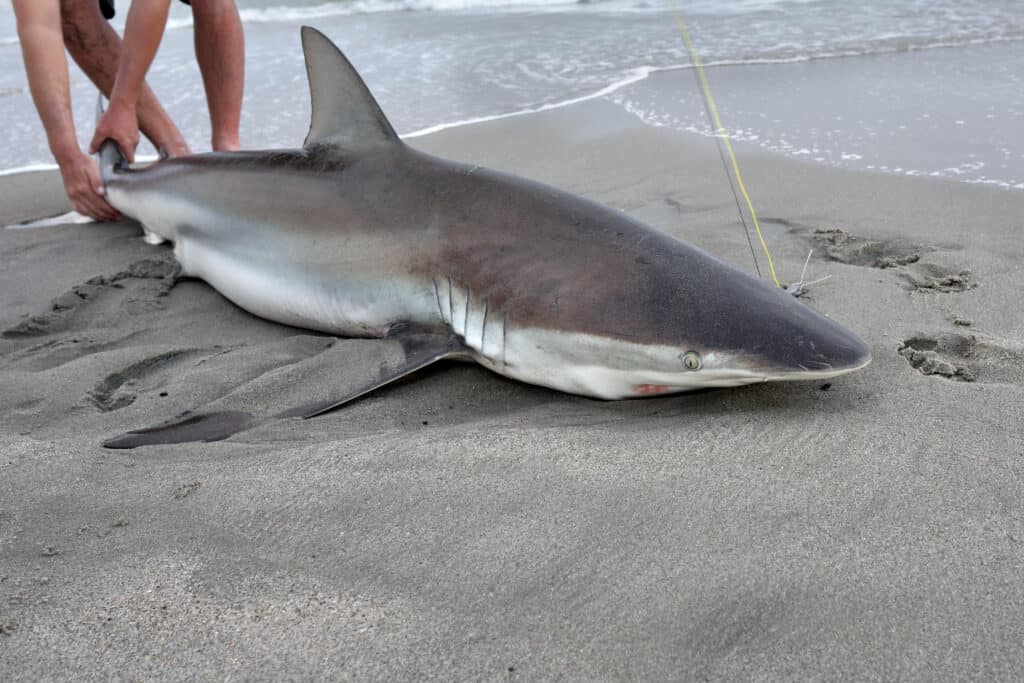
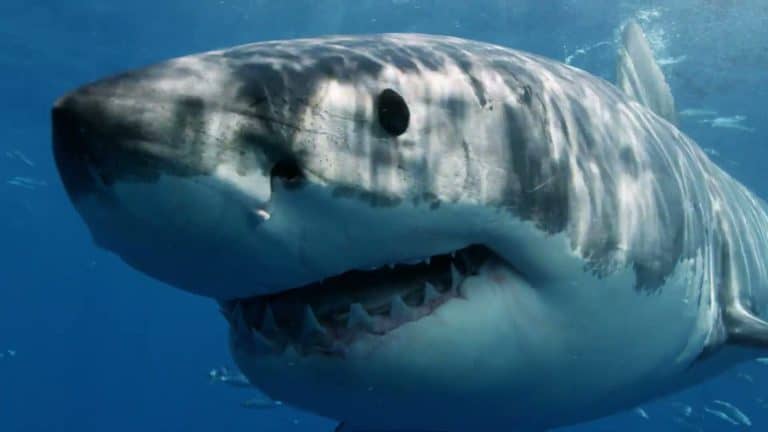
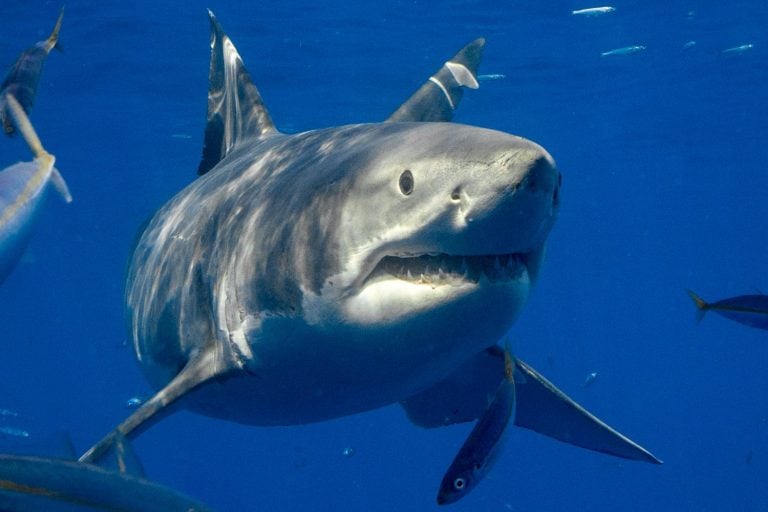
As water temperatures remain warm, sharks may swim closer to beaches in search of prey.
©Oleg Znamenskiy/Shutterstock.com
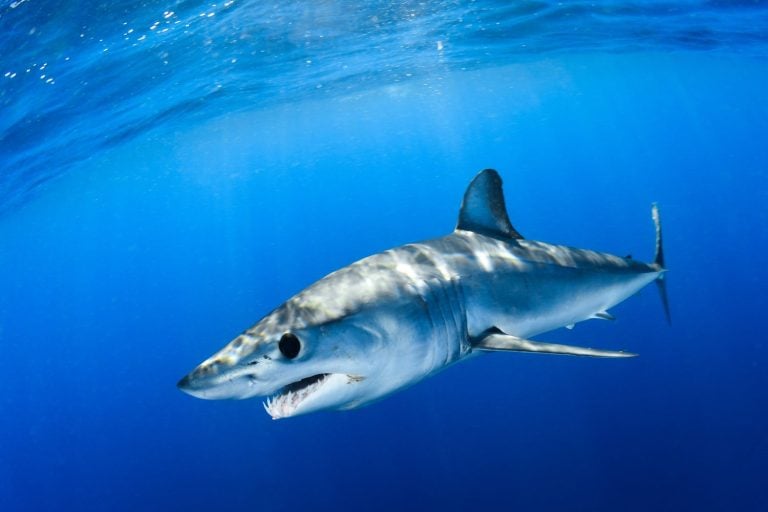
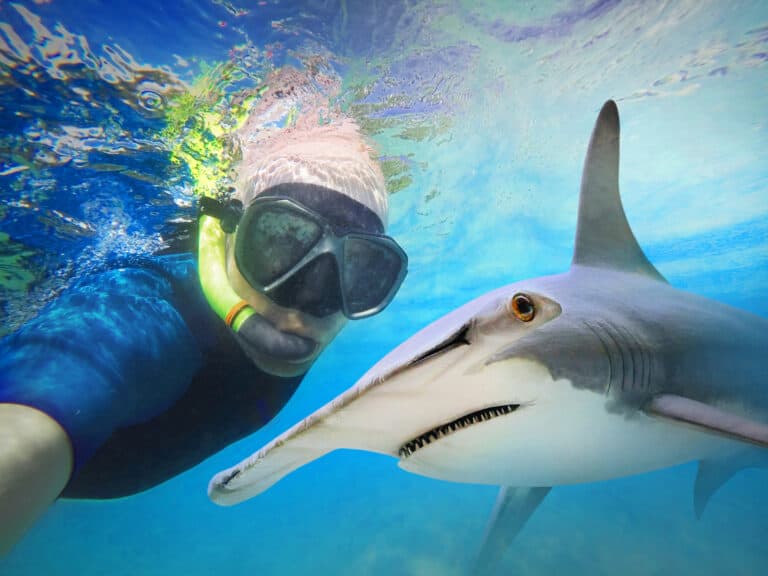
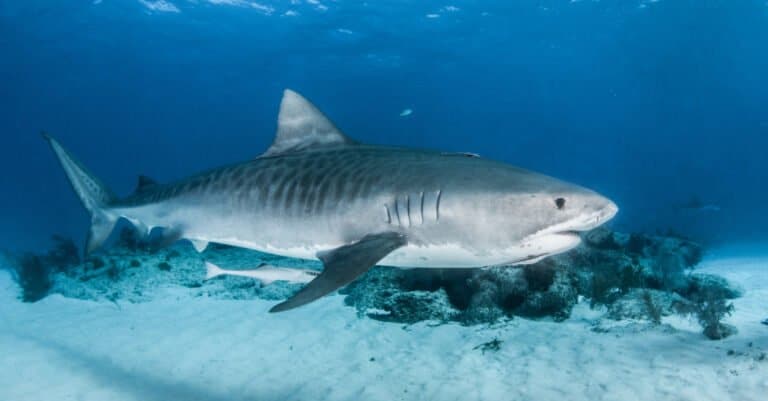
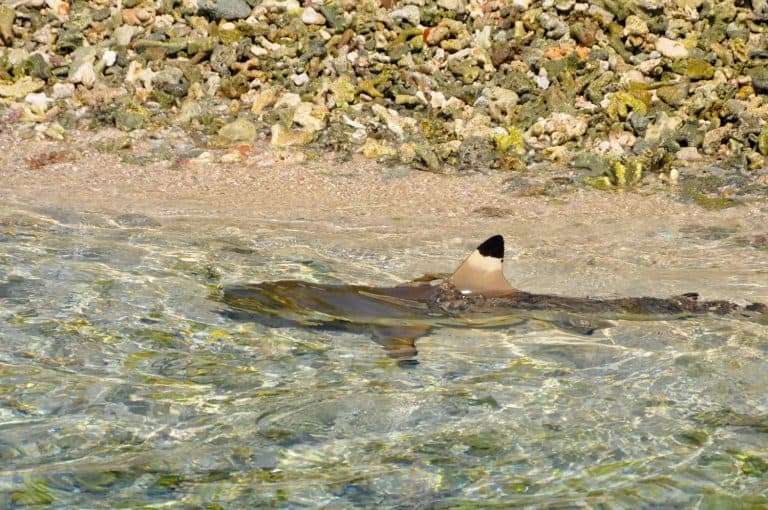
In addition to Monterey, locals may see sharks in other areas. San Diego, Santa Barbara, Carpinteria, and Ventura are all on the list of potential shark sightings. Great whites aren’t the only sharks attracted to Central California’s ideal water temperatures. Hammerheads, bull sharks, and tiger sharks could also make an appearance, particularly during hot weeks.
Should Locals Be Worried About California’s Growing Shark Populations?
Even with shark populations increasing further north on California’s coast, there’s little danger to beachgoers. According to the California Academy of Sciences, the risk of a shark attack is minimal. The great white is considered the biggest threat to beachgoers, simply because of its size, speed, and hunting habits. Even so, the risk of being attacked and that attack being fatal is still less likely than a bee sting, drowning, or lightning strike.
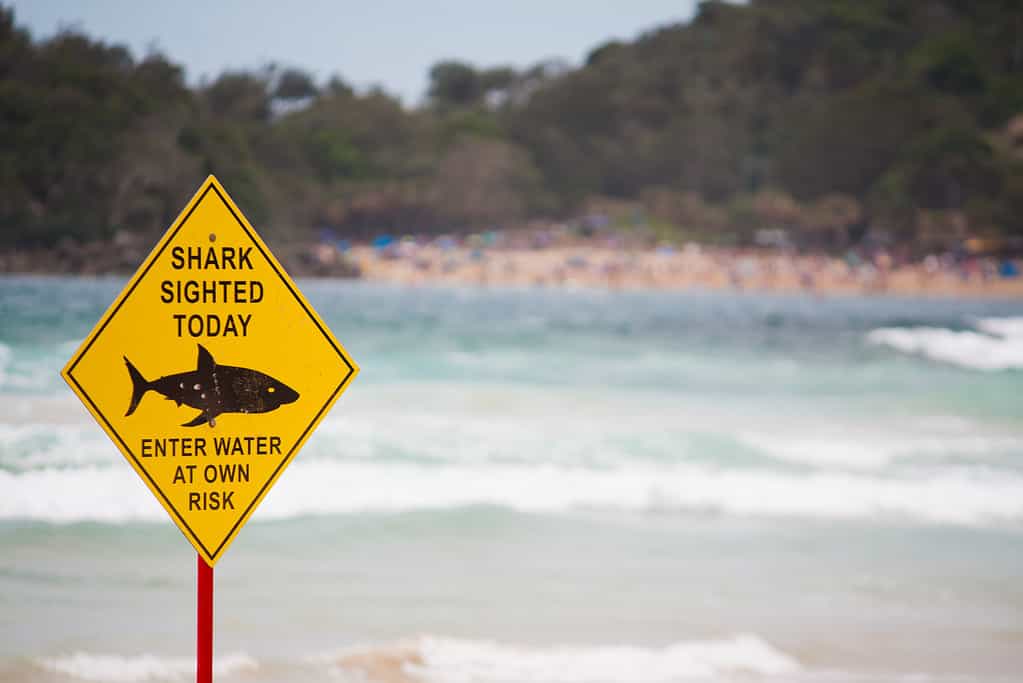
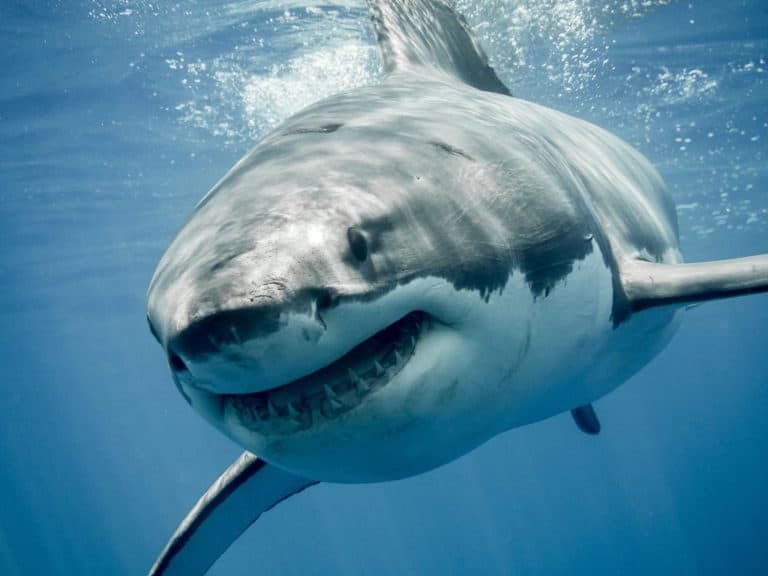
Beachgoers should take shark warnings seriously, especially in places where great whites have been sighted.
©mingis/iStock via Getty Images
The California Academy of Sciences also notes that most great white shark attacks happen in 10 to 30 feet of water, which is deeper than most beachgoers ever swim in. Of these attacks, the majority happen at the surface when sharks mistake a surfboard, scuba flippers, or paddleboard for a sea lion. This is the primary food source in California’s waters, so those in deep water should be cautious. Even a kayak or small boat can mimic the appearance of prey, leading to an accidental “test” bite.
Using the buddy system is a proven life-saving measure in waters where sharks are present and has saved many lives. Avoiding choppy, murky, or silt-churned water is also key to avoiding accidental shark bites. If you notice sea lions or other potential prey nearby, move to another area or use extreme caution when entering or exiting the water. It’s safest to assume that where shark prey is, sharks are never far behind.