
Quick Take
- The biologist who invented the alpha wolf theory spent decades trying to kill it, but almost no one listened. Mech's own retraction →
- The 'evidence' behind alpha wolves came from a setting that makes the behavior nearly impossible to interpret correctly. The captive wolf problem →
- One researcher's field notes sparked a cultural myth so powerful that even a published retraction couldn't stop it. Origins of the myth →
We’ve all heard the term alpha wolf, and some of us may even refer to ourselves as one. The concept has been popularized in the media and immortalized in song lyrics and literature. It describes those that embody confidence, charisma, and independence. But it’s also an ideology that’s outdated and inaccurate. In fact, one biologist spent years trying to take it back.
In reality, “alpha wolves” don’t exist. The concept isn’t just wrong — it’s the opposite of how wolves actually live.
The Birth of the “Alpha Wolf”
The story of the alpha wolf began in 1958. As he was flying over Isle Royale National Park, David Mech, a recent graduate of Purdue’s wildlife ecology program, saw something incredible. As he looked down from the plane’s window, he watched a wolf pack attack a moose at the edge of Lake Superior. Mech thought the extraordinary scene required closer observation, which he relayed to the pilot.
After landing, Mech carefully approached the wolf pack. To his surprise, they scattered, leaving behind the moose carcass. This would become the basis for decades of study on the species. Eventually, after observing wolves in the wild, Mech would theorize that one wolf led the pack.
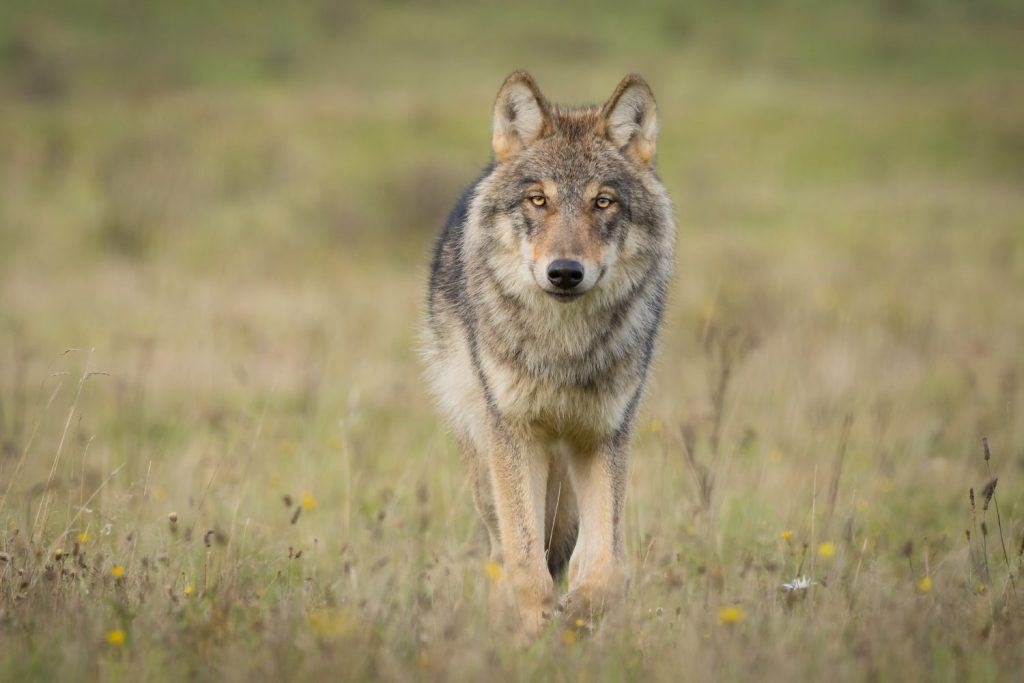
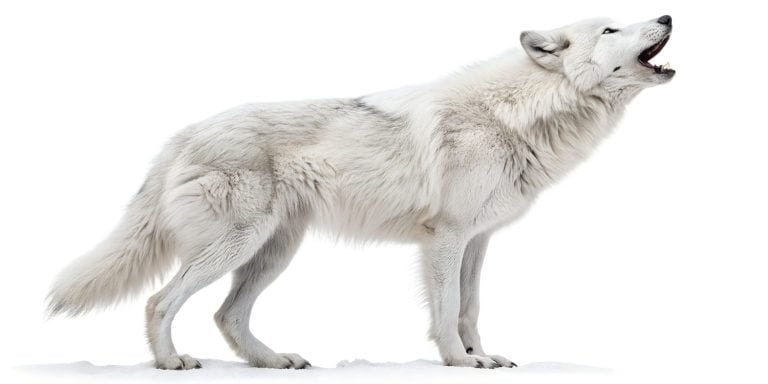
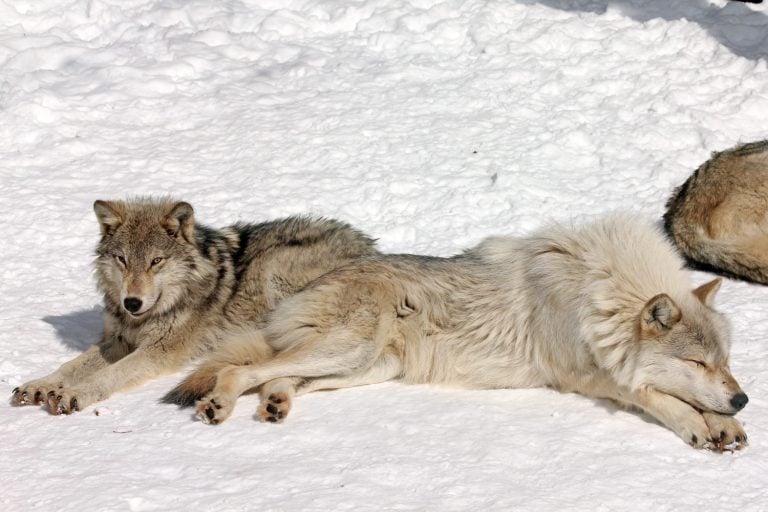
An alpha is an inaccurate term for a species that lives in a pack.
©Menno Schaefer/Shutterstock.com
This behavior, which was observed when a male and a female once fought for dominance, came to be known as “alpha” behavior. Mech’s early findings detailed clear delineations between the leader of the pack and those that follow. This hierarchy was rooted in the belief that one wolf vies for dominance over the others, making decisions and guiding the pack from the top.
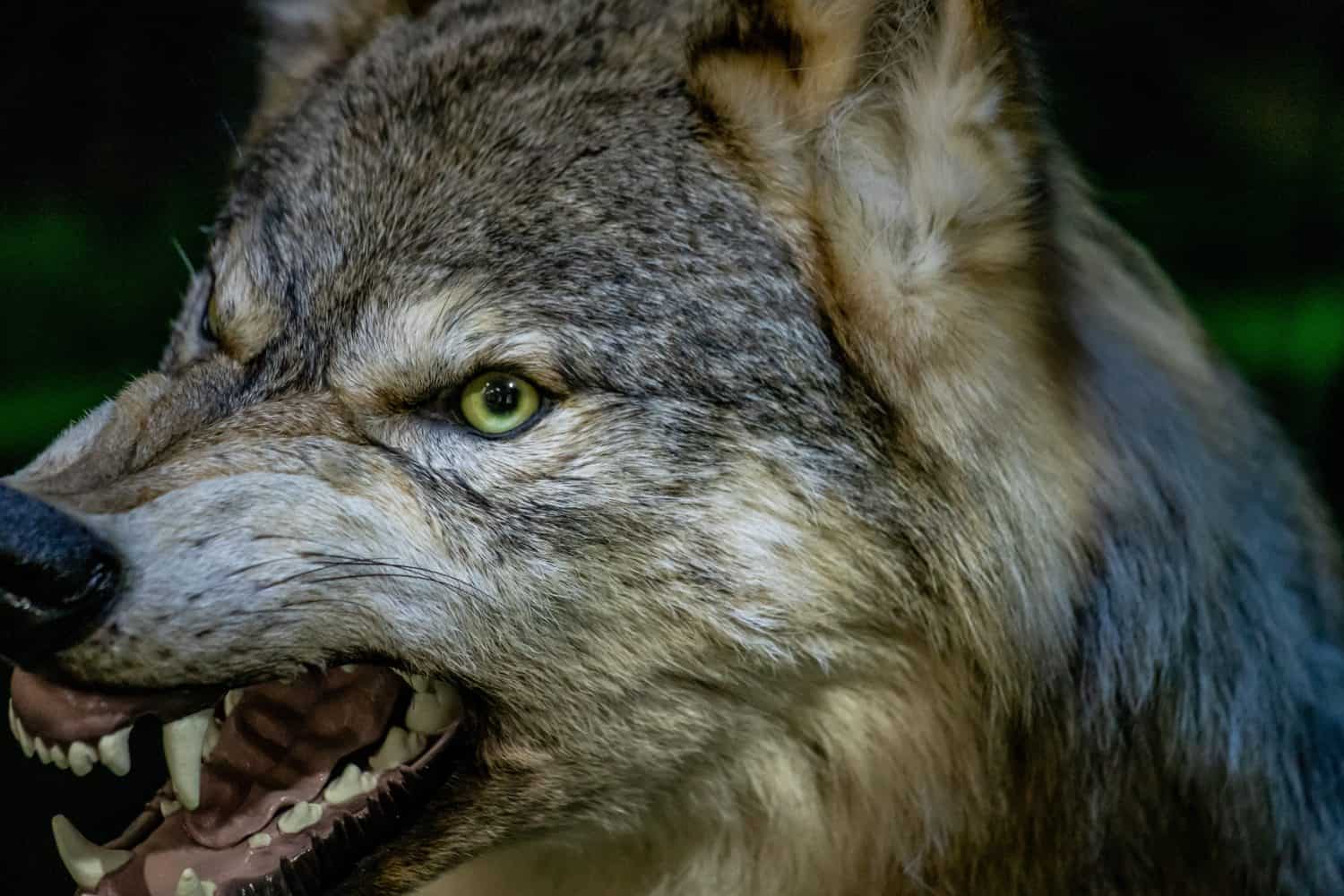
The theory was bolstered by behavior witnessed in small zoo enclosures. Many times, wolves came off as aggressive and defended territory, food, or even mates. These wolves became the same alphas that Mech described in his book, The Wolf. Years later, he would dispute his own facts, revealing that the alpha only exists in fiction.
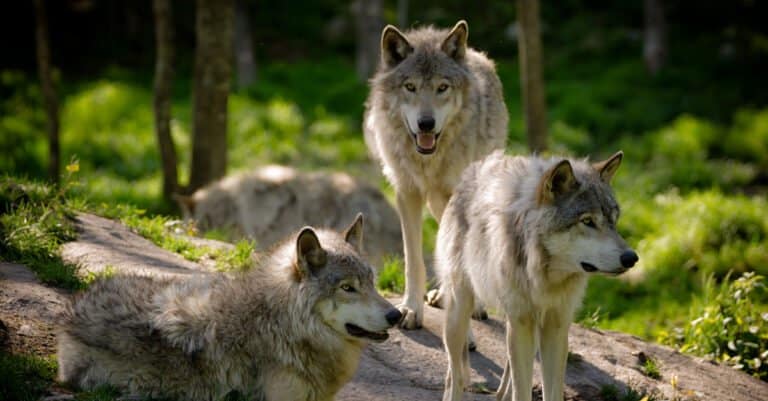
Wolves Live In Packs, and There Is No True Leader
The Wolf was published in 1970 and had an immediate effect on the scientific community. “When I wrote my book in 1970, everything we knew came from observations of wolves that were not related but confined together. After years of field research, it became clear that the concept of ‘alpha wolf’ was wrong,” Mech said, decades after publishing his findings. It turns out that much of the evidence pointing to alphas was rooted in captive studies. This left little room for studies about wolves in the wild, which behave very differently.
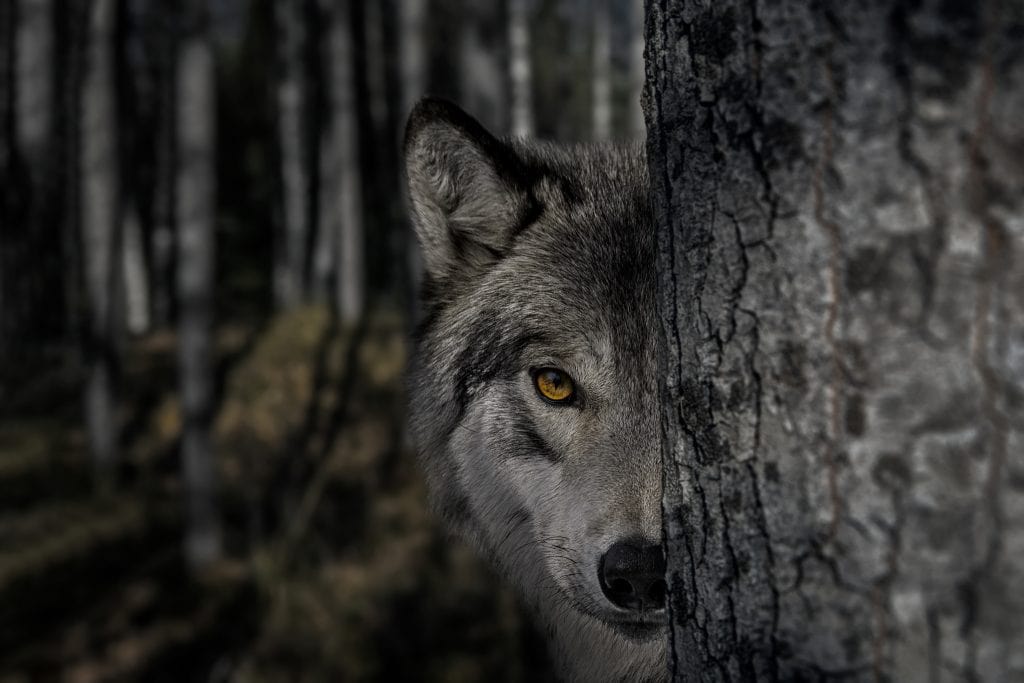
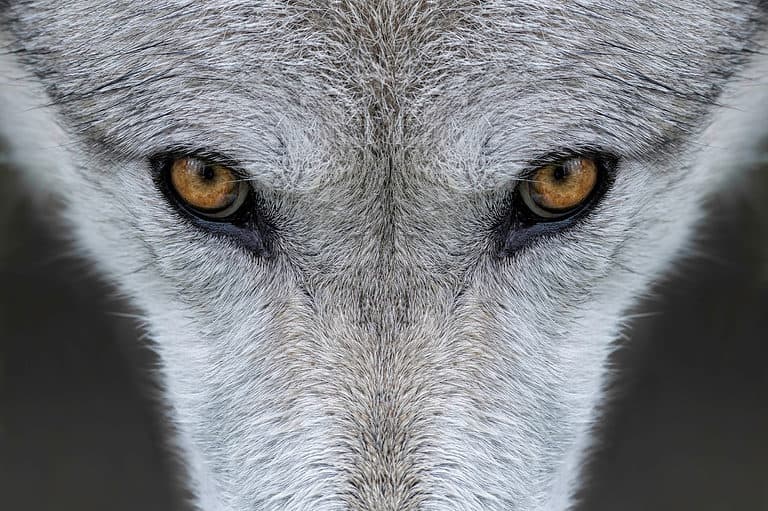
Wolves in captivity can be more aggressive than those in the wild, earning them the “alpha” moniker.
©Artem Avetisyan/Shutterstock.com
By 1999, Mech published a redaction of his earlier work. Rather than singling out alpha wolves, the article — “Alpha Status, Dominance, and Division of Labor in Wolf Packs — showed a new side of the species. In packs, wolves live as families. The “leaders” of these families are typically the parents of the youngest generation. The act of parents guiding and disciplining their young is what’s often observed in the wild. However, without familial context, this can appear to be an “alpha” stepping up.
The Damage Was Done
Despite Mech’s status in the scientific community, reversing a widespread, published theory is not easy. Although the latter article was recognized as fact, the damage had already been done. The term “alpha” is now applied to more than just the animal kingdom. It has been used in pop culture and the media to describe people, situations, and lifestyles. Similar to the idea of a “lone wolf,” “alpha” quickly became immortalized in our culture as an individual who is strong, immovable, and leads their own pack.
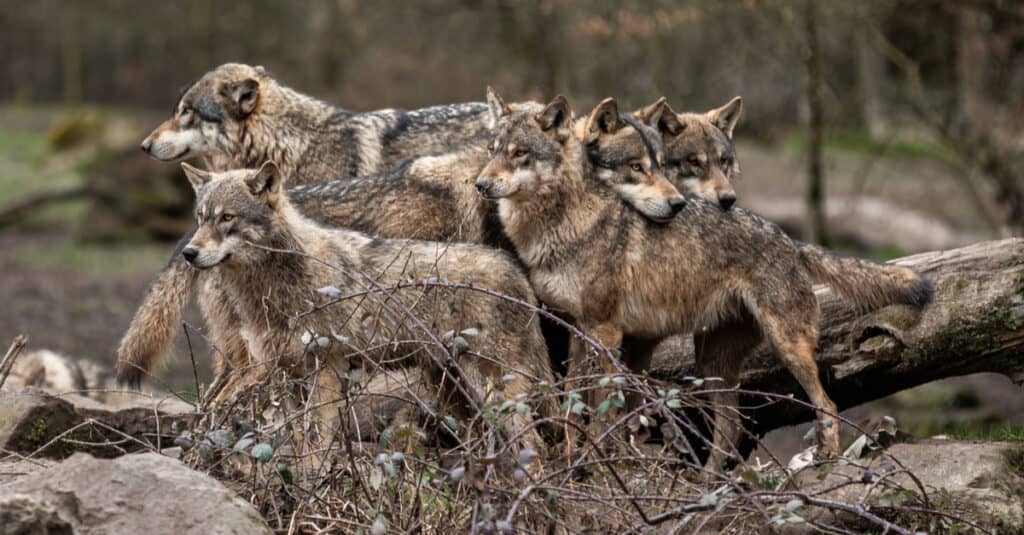
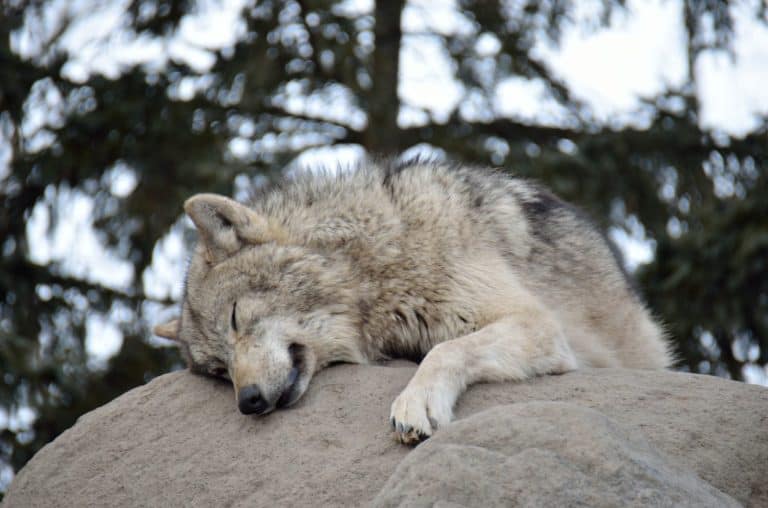
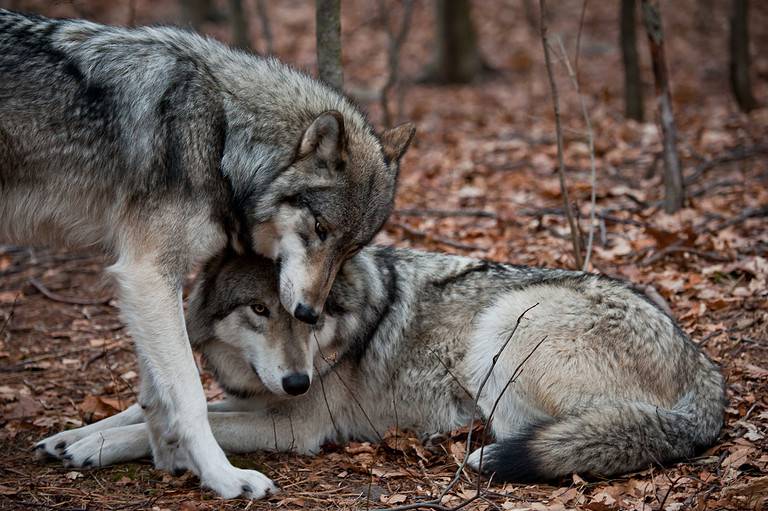
In the wild, wolves typically live as families, with parents being de facto “leaders.”
©AB Photographie/Shutterstock.com
Adding to the confusion were the studies done on wolves in captivity. Along with alpha, some wolves were called “betas” and “gammas,” which described their roles in a wolf’s social hierarchy. The notion, while somewhat accurate for wolves in a captive setting, was wildly inaccurate when applied to wild wolves.
However, Mech’s early ideology was not his alone. Rudolf Schenkel, who studied wolves at the Basel Zoo in Switzerland, also detailed his accounts of their behavior. It was at this Swiss zoo where males and females were witnessed fighting, and also where the idea of an extensive alpha, beta, and gamma hierarchy was born. Schenkel’s work greatly influenced Mech, but only one of them retracted their early theories.
Today, the idea of an alpha wolf still persists in popular culture. But it has been largely abandoned by wolf researchers and biologists. It continues to paint an inaccurate picture of a species that actually survives by working together in a pack.