
Quick Take
- Eastern Emerald Elysia rely on the algae Vaucheria litorea to complete its development.
- The sea slug retains chloroplasts from the algae in the cells of its digestive tract.
- Here, the chloroplasts photosynthesize and produce energy for the adult slug.
Animals that resemble plants are not uncommon in the wild. Many creatures use this mimicry for camouflage purposes. One sea slug, however, doesn’t just look like a plant, it actually functions like one. These marine creatures can actually live on sunlight in the same way plants do. Take a look at this Instagram post featuring this wonderful slug. The extraordinary creature blurs the line between plants and animals. Take a moment to forget everything your elementary school science teacher told you about the boundaries between the plant and animal kingdom, as you learn about the incredible Eastern Emerald Elysia.
What Is the Difference Between Plants and Animals?
One of the key differences between plants and animals is the presence of chloroplasts in cells. Plants have chloroplasts, and (most) animals do not. Chloroplasts are organelles containing a substance called chlorophyll, which absorbs light energy.
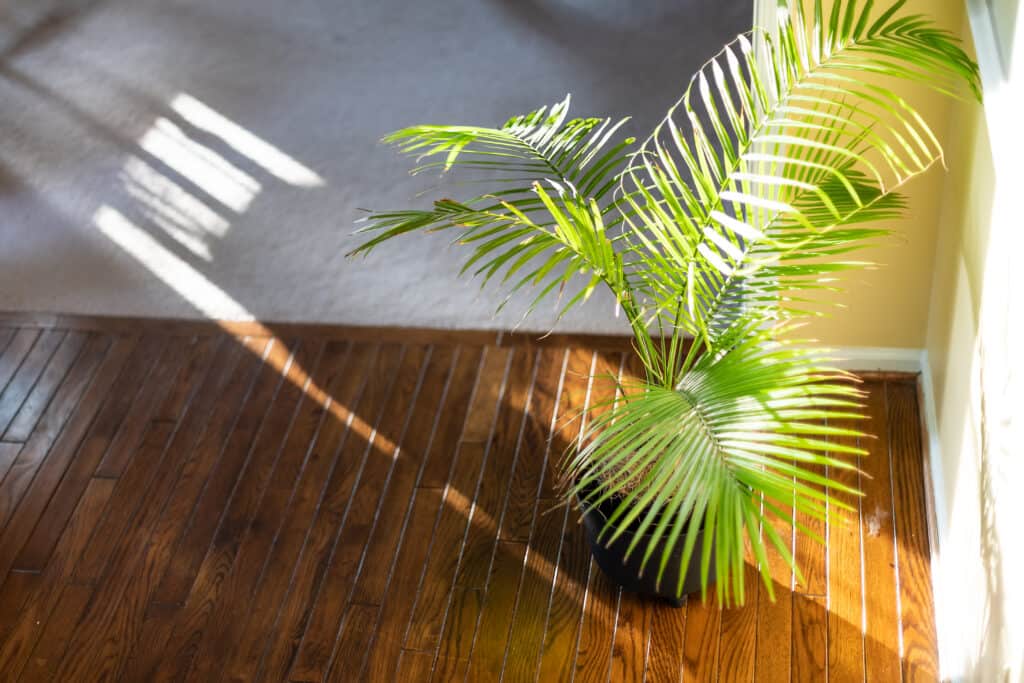
Plants convert sunlight into energy.
©iStock.com/ablokhin
Chlorophyll enables plants to convert sunlight into energy through a process called photosynthesis. Alternatively, animals gain energy from eating plants or other animals. Chlorophyll is also a green pigment, which explains why plants are green.
Meet the Eastern Emerald Elysia
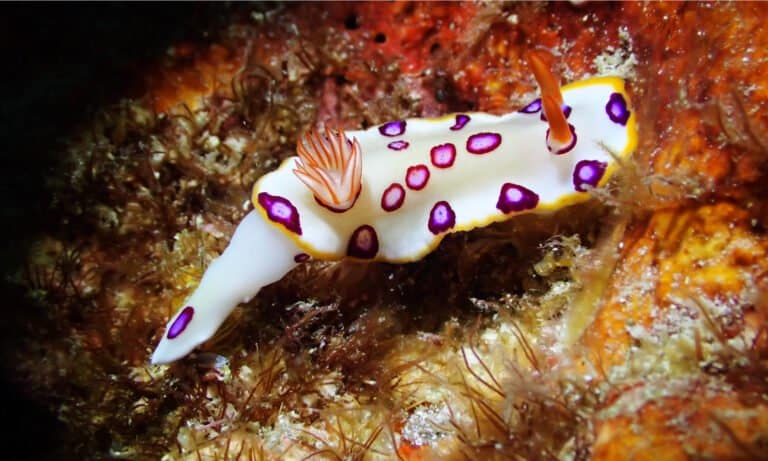
The Eastern Emerald Elysia (Elysia chlorotica) is a type of gastropod in the Elysia genus. These animals are found along the eastern coast of the United States, as far north as Nova Scotia, Canada, and as far south as southern Florida. This tidal marsh slug occupies shallow creeks, marshes, and pools in the intertidal zone. It can tolerate salt levels approaching those of fresh water and brackish water, allowing it to survive in an ever-changing environment.
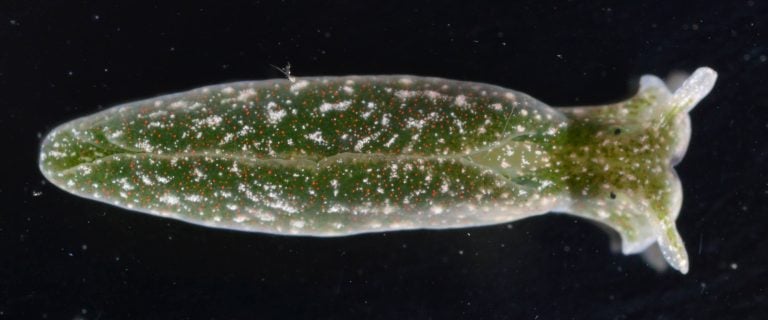
They have three stages to their development, which are all vital for them to gain the ability to photosynthesize. The stages are veliger, juvenile, and adult. In the veliger larva stage, the slug has a shell and tiny protrusions on its body called cilia, which help it swim. At this stage, the veliger must find a particular type of intertidal algae called Vaucheria litorea. Importantly, algae are plants and therefore contain chloroplasts.
When Do the Slugs Start Photosynthesizing?
One to two days after starting to eat the algae, the veligers metamorphose into juveniles. After another 14 days of consumption, they undergo another change and turn into adult slugs.
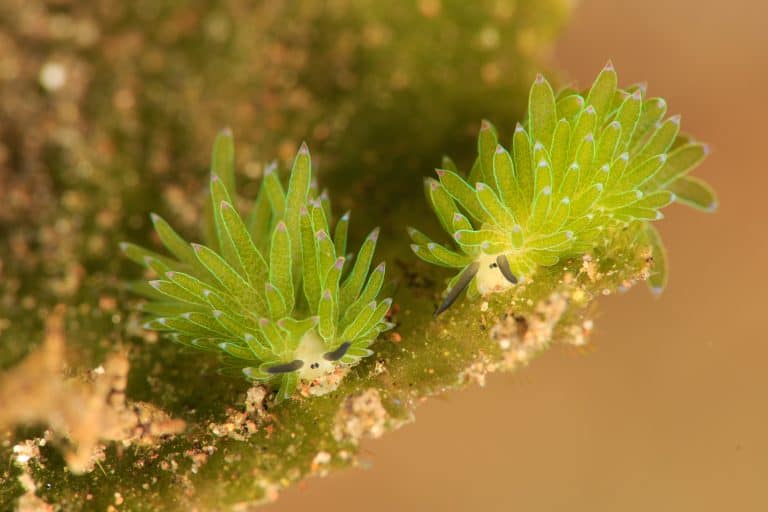
Eastern emerald elysia blends perfectly with vegetation.
©Sundry Photography/Shutterstock.com
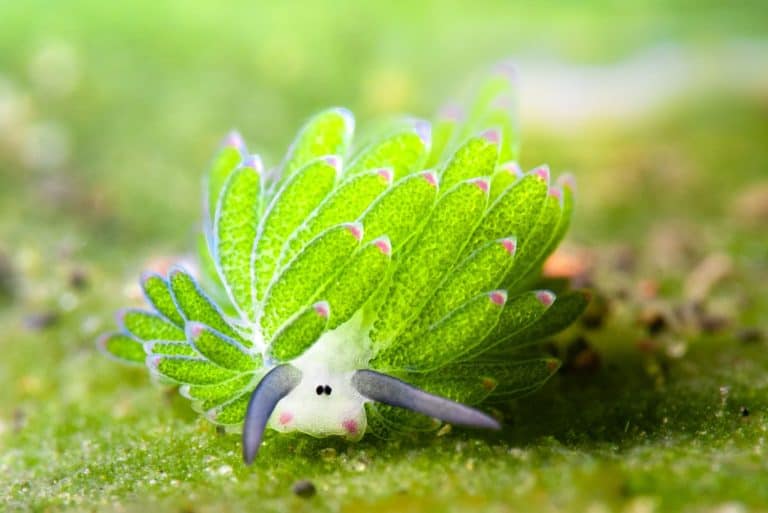
Adult eastern emerald elysia look remarkably like a leaf! The camouflage aspect of their appearance is very useful. They blend perfectly with vegetation in their semi-marine habitat and have no known predators. However, camouflage is just a small part of the story! They can also photosynthesize. Several other sea slug species can do the same thing.
Transitioning to Live on Sunlight
When this juvenile slug eats the algae, it does not digest the chloroplasts, and they do not pass out of its body. Instead, they stay inside the slug and turn it from brown to bright green. The adults also develop two large lateral parapodia (fleshy appendages) on either side of their bodies. These appendages make them look remarkably like a leaf and even feature vein-like structures, which are actually their highly branched digestive tract. They live to be around 11 months old and then experience a mass death after laying eggs in the spring. This phenomenon has been associated with viral expression, but the exact cause remains uncertain and may involve multiple factors
How Does the Slug Use the Chloroplasts?
The science behind how this slug uses the algal chloroplasts is fascinating. When the slug eats the algae, only a part of the plant cell is destroyed, and the chloroplasts remain intact. This process is called kleptoplasty, which essentially means ‘chloroplast robbery’. It is not unknown for marine organisms to retain chlorophyll cells that they have absorbed from their prey and integrate them into their digestive system. However, this is generally a temporary arrangement.
With eastern emerald elysia, the relationship to the algae is more complex. Juvenile slugs acquire the chloroplasts during their transition from juvenile to adult form. This specific alga is crucial for their development.
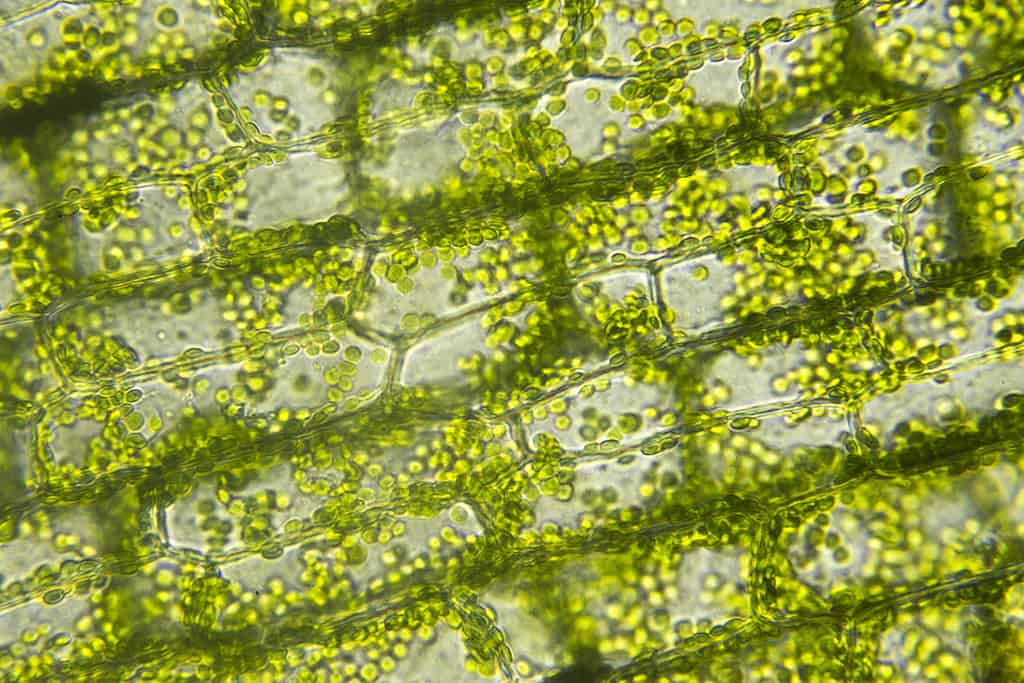
Algae cells contain multiple chloroplasts.
©Videologia/ via Getty Images
The slug has multiple openings along its digestive tract called diverticula. These create small pockets where food can be stored. When the slug feeds, it pushes its radula (a feeding tool a little like a tongue) into the algal cells. Then, it sucks out the contents, which then pass through the slug’s highly specialized digestion. The chloroplasts collect in the diverticula, where they actually enter the cells lining the digestive tract. Here, they start to photosynthesize and turn sunlight into energy that the slug can use. This can go on for several months—studies have shown up to 9 months—allowing adult slugs to survive for extended periods without eating, relying on photosynthesis. However, they may still require some feeding and may not live exclusively off sunlight for their entire lifespan
Horizontal Gene Transfer
In theory, this arrangement should not work. Chloroplasts normally need a constant supply of protein provided by plant cells. Only now, they are not in a plant cell, they are inside a slug’s digestive tract!
Scientists suspect that the slug’s body provides the essential proteins by acquiring the necessary genes from the algae in a process called horizontal gene transfer. Research has indicated that genes controlling the ability to produce these proteins have been incorporated into the slug’s genome. However, other research has not found definitive evidence of such gene transfer. The exact mechanism by which the slug maintains functional chloroplasts remains a mystery.