
Quick Take
- Argentavis magnificens is the largest flying bird known to science.
- Despite its massive size, this ancient bird was able to take to the skies, likely utilizing cliffs and winds to gain lift.
- The gigantic bird likely stalked other animals on the ground and attacked them suddenly from above.
- Scientists believe Argentavis magnificens spent most of its time in the skies gliding and soaring over long distances.
Long before humans walked the Earth, the skies of South America were ruled by a colossal bird. Argentavis magnificens, one of the largest flying birds ever discovered, had a wingspan so wide that it rivaled small aircraft and a body so massive that flight was no simple task. Unlike modern birds that can launch effortlessly from the ground, this prehistoric giant likely depended on strong winds and elevated terrain to gain proper lift for its enormous frame.
Despite its immense size, Argentavis was still capable of flight, but only in a very specialized way. Rather than flapping their wings continuously like smaller birds, it likely soared for long distances on thermal currents. In this way, these birds were able to conserve energy while scanning the landscape below. Its flight style probably resembled that of modern condors and albatrosses, turning the sky into a highway.
What Caused the Existence of Megafauna?
©Aunt Spray/Shutterstock.com
The world was a very different place 66 million years ago. Following the Cretaceous-Paleogene extinction event, about three-quarters of all living organisms were killed off. However, life persisted and continued differently. This time, mammals flourished like never before along with birds, insects, and flowering plants.
From the early Cenozoic Era, about 55 million years ago, until about 10,000 years ago, the conditions were right for megafauna to exist. To modern humans, elephants are megafauna or tigers, but similar animals in the recent past were larger.
Scientists have come up with several theories as to why these animals flourished. Some theories include climate, productivity, and predator-prey dynamics.
Another idea is that the planet’s cooling was to blame. About 34 million years ago, the planet underwent the Antarctic Glaciation. This ongoing ice age is characterized by low temperatures that allowed the Antarctic ice sheets to form. Low temperatures are also favorable to large creatures, like woolly mammoths and saber-toothed cats. (Note that megafauna size was influenced by multiple ecological factors, not just cold climate.)
The high oxygen and low temperatures gave rise to many large creatures, including the deadly aerial predator, Argentavis magnificens.
How Big Was Argentavis?
©1,676 × 1,800 pixels, file size: 744 KB, MIME type: image/jpeg - Original
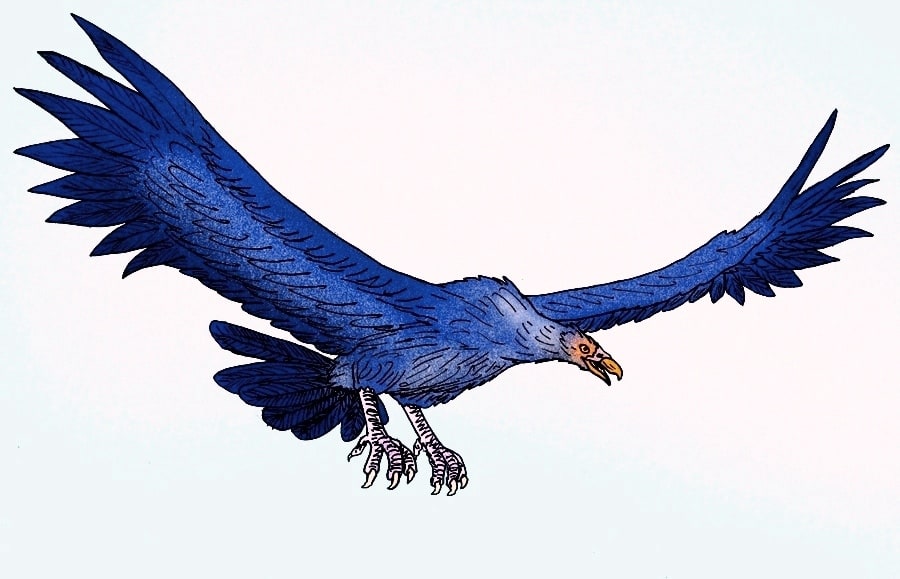
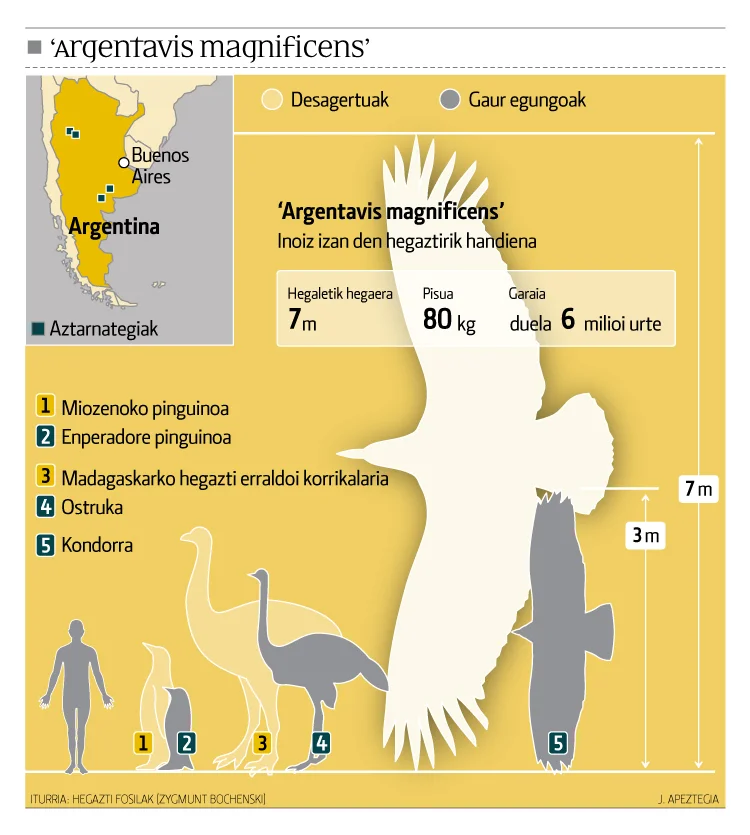
Argentavis magnificens was a massive bird. In fact, it was probably the largest flying bird to ever exist by weight and wingspan. While Pelagornis sandersi had a larger wingspan, it wasn’t quite as heavy.
Argentavis magnificens had a gigantic wingspan of between 16 and 26 feet long, with accepted measures now falling somewhere between 21 to 23 feet. The bird may have weighed anywhere between 140 and 180 pounds, and it stood about as tall as a human being, between 4 feet 11 inches and 5 feet 11 inches.
Its wings had a total area of 75 square feet. The shadow from this creature would be a terrifying sight to witness as nothing that large seems like it should belong in the air.
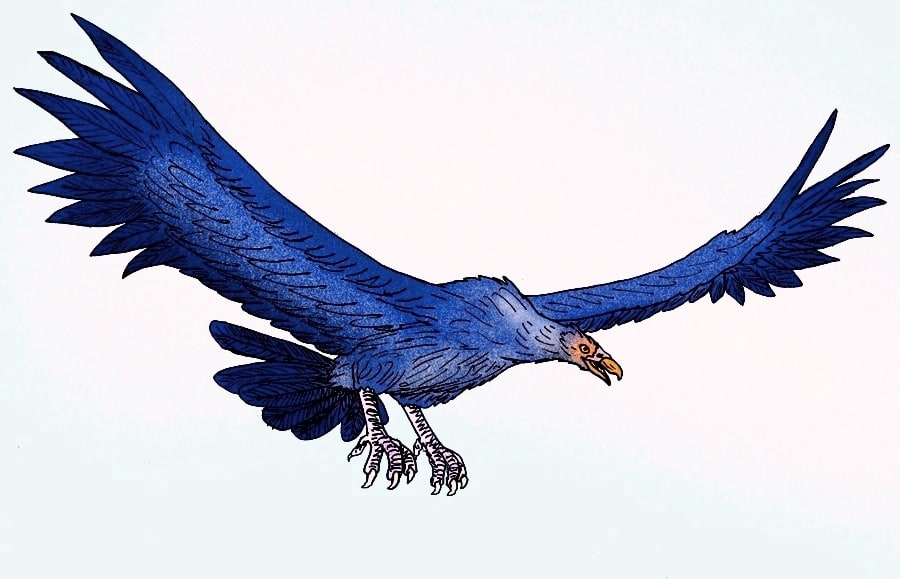
Looking at recreations of this animal, it may be hard to imagine it could fly at all. While it is not likely that this bird could simply take off and fly whenever it wanted, this creaturedid fly. Based on its anatomy and physiology, scientists believe that Argentavis would use the wind to assist its takeoffs. Otherwise, it would use a slope to build speed on the ground before liftoff.
Once the giant bird took flight, it could build speed and soar, capable of flying for long distances without landing. The bird probably cruised at speeds of about 40 miles per hour. However, at least one source claims that Argentavis could have reached speeds of 150 mph while diving!
Whether it used that speed to crash into prey or simply scope out its large range for food is unknown.
What Did the Terrifying Aerial Predator Eat?
©900 × 579 pixels, file size: 191 KB, MIME type: image/jpeg - Original / License
While we’re on the topic of the bird’s attack methods, we need to consider how it would have hunted. The shape of the bird’s beak provides a fair bit of information. Some researchers think it hunted small prey; others believe it was largely scavenger-like (similar to condors).
They could have stalked other animals on the ground and attacked them suddenly. The gigantic bird may also have simply ambushed prey from the skies, not giving it a chance to fight back. After all, when a bird swoops down at blazing speeds, it’s difficult to get away.
Scientists estimate that Argentavis had to consume between 5 and 11 pounds of meat to survive, so it needed to find significant meals to allow it to continue to fly.
However, other scientists believe that they relied on eating carrion, the bodies of dead animals. That would have put these birds in direct competition with other large animals that lived in the area at the time.
Could The Deadly Aerial Predator Argentavis Lift a Human?

©Gorodenkoff/Shutterstock.com
Argentavis magnificens lived during the Miocene (~6–8 million years ago) — long before humans reached the Americas. But assuming we had been around at the same time, could these massive birds have ambushed humans from above and taken them into the skies?
No, Argentavis magnificens could not have lifted humans off the ground and flown away with them. When you consider the size of the bird and the size of a human, it’s just not practical. After all, imagine an adult human weighing about 160 pounds. That could be the same weight as the bird.
This animal was so heavy that it needed the wind or a steep hill to take flight at all. Even then, it spent most of its time gliding and soaring rather than using its wings to propel itself. There is no way that it could muster the strength to grab and hold a person and then take off.
We do know that Argentavis magnificens, along with many other megafauna, went extinct around the same time. The potential reasons vary from excessive hunting by humans to climate change and competition from smaller, faster, more-efficient creatures.
In the case of Argentavis, it’s probably not too likely that humans were responsible, or even partly responsible, for their demise.
The Unique Characteristics of Modern Birds
©Mogens Trolle/Shutterstock.com
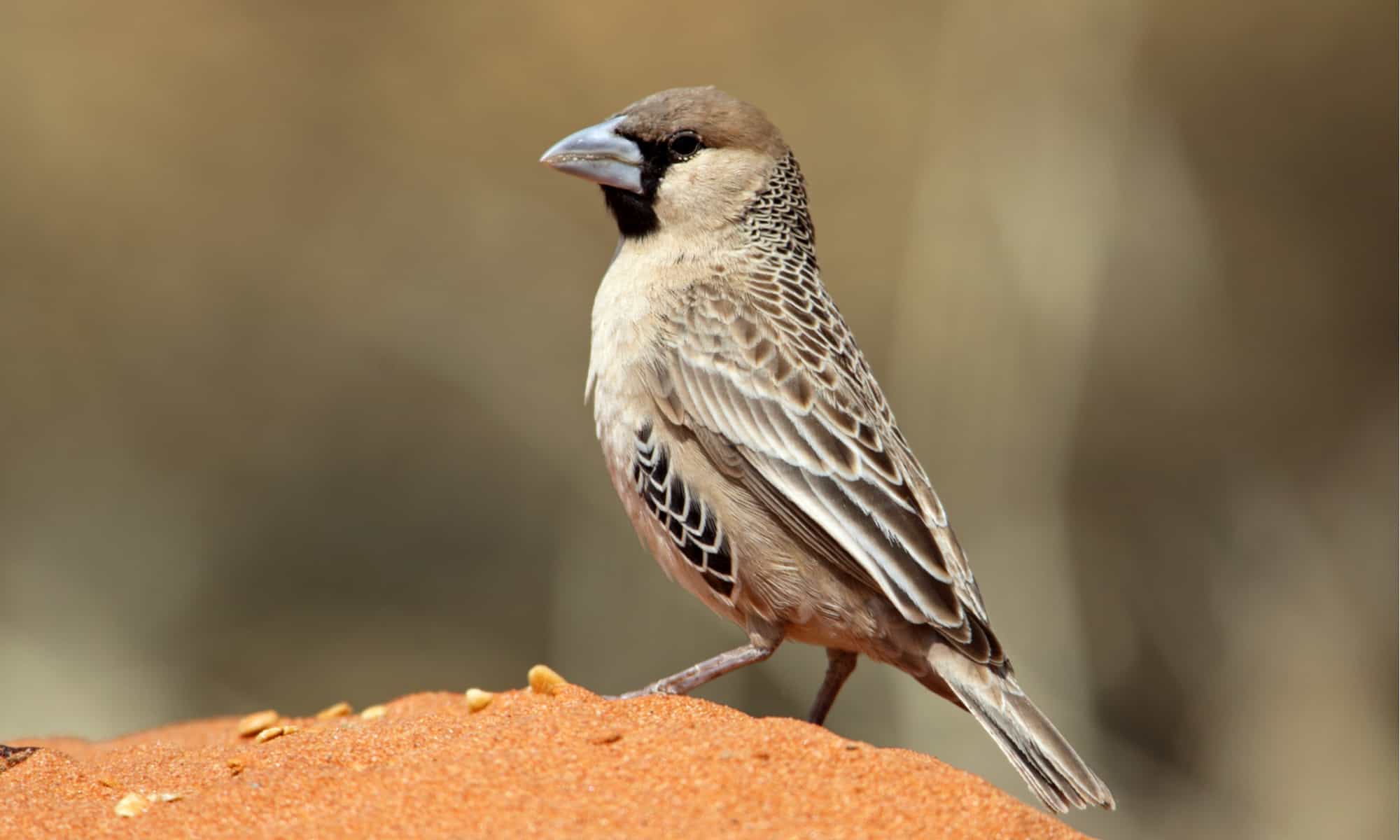
The total of discovered bird species is roughly 10,000, but there are some characteristics that are common regardless of what species you’re talking about. Creatures resembling modern birds first appeared 60 million years ago, but they’ve taken many evolutionary turns since then. In most cases, these features remain because they’ve proven to be beneficial across a variety of landscapes and for birds with otherwise unique physiologies.
Bird Evolution
©Cavan Images/iStock via Getty Images
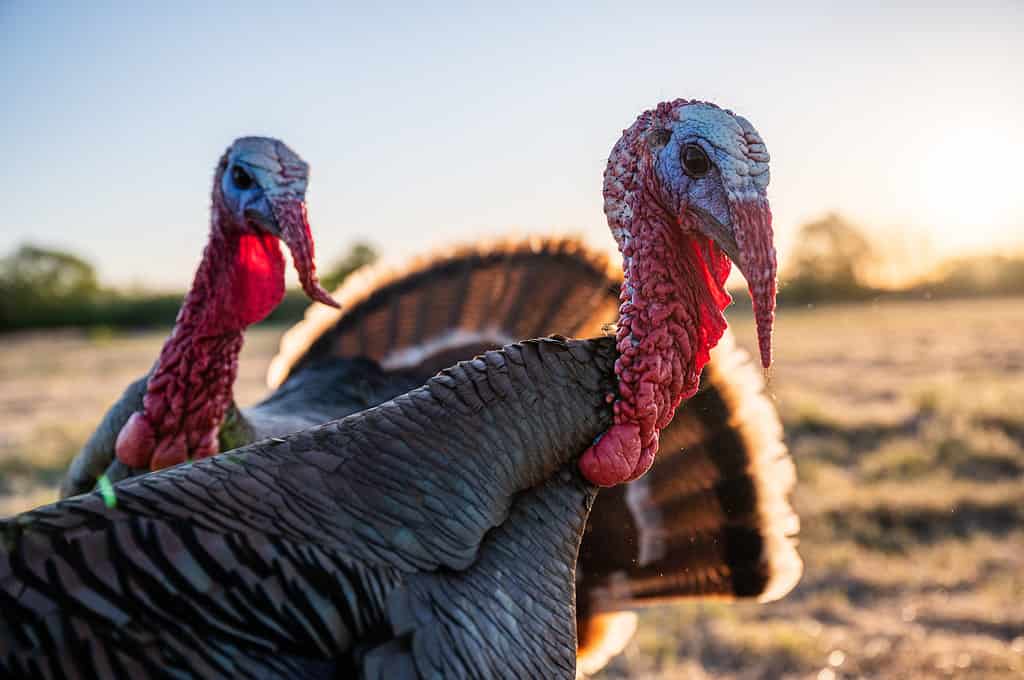
Birds developed feathers for the same reason that mammals developed fur: to better regulate their temperature to match external conditions. But feathers also help make flight easier and can even develop as a part of sexual selection. Many birds are missing feathers in notable places, but you won’t find a living bird that doesn’t at least have some feathers. But vultures, turkeys, and kiwis are all notable for their sparse or unusual feather patterns.
Birds and Flight
©Danny Ye/Shutterstock.com
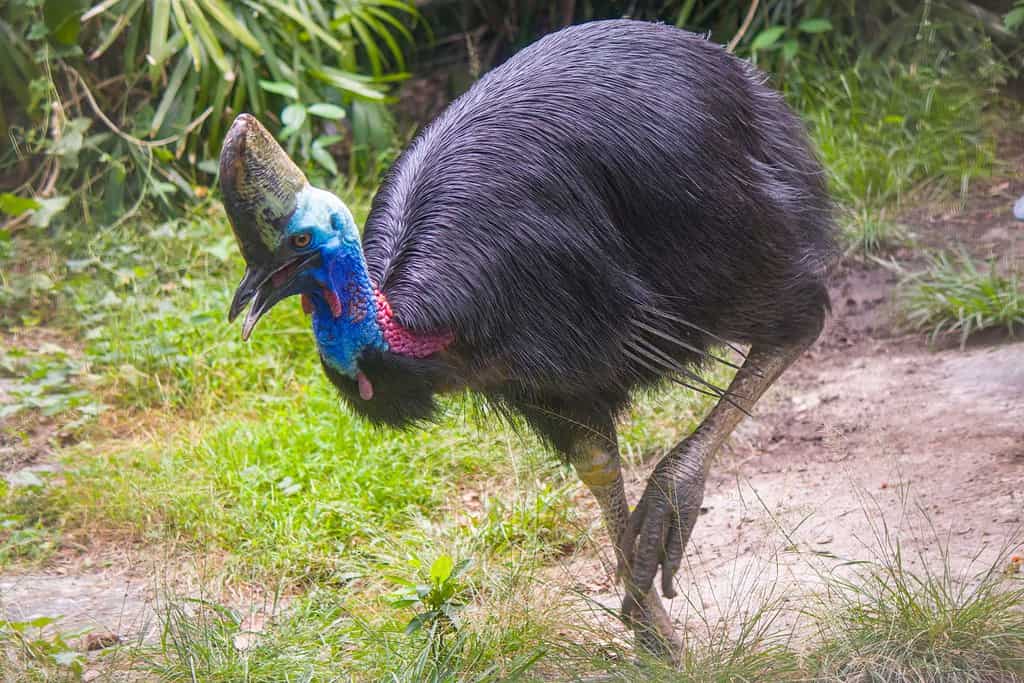
Rheas, cassowaries, and emus are just some birds that can’t fly – but that doesn’t mean they don’t have wings. Wings are a characteristic shared by all birds, and many have evolved to better suit life on land or in the water. The wings of the emu help it keep its balance while running, and penguins have developed appendages that more closely resemble flippers than wings.
Bird Bones
©fa5/Shutterstock.com
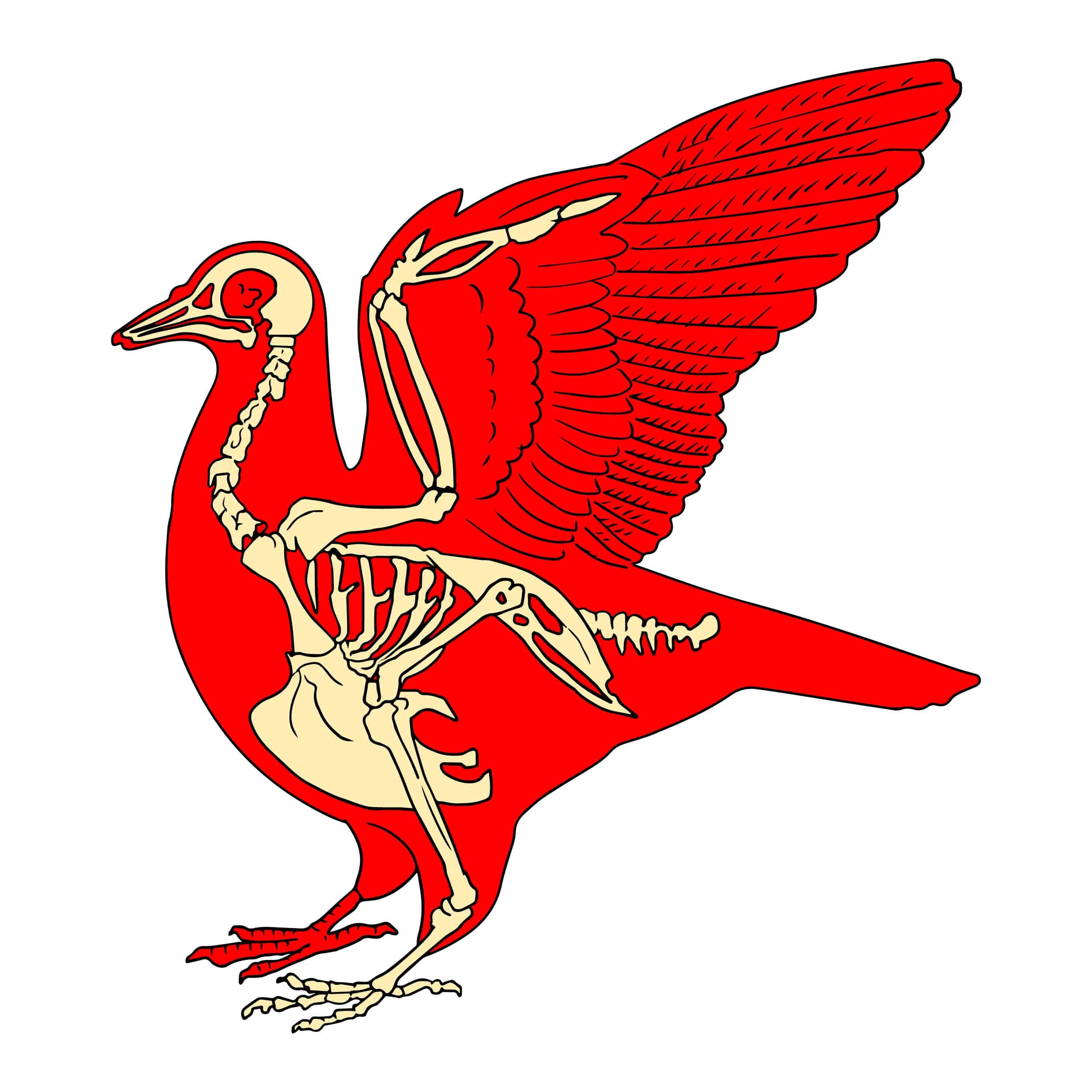
All the bones in a bird’s body aren’t hollow, but the primary ones are. This allows their bodies to be lightweight enough to support flight, but many of these bones are reinforced inside to make them far less brittle. These hollow bones have also evolved to accommodate the enormous respiratory needs of birds. Birds have air sacs that extend into bones.
Beaks
©Dan Olsen/Shutterstock.com
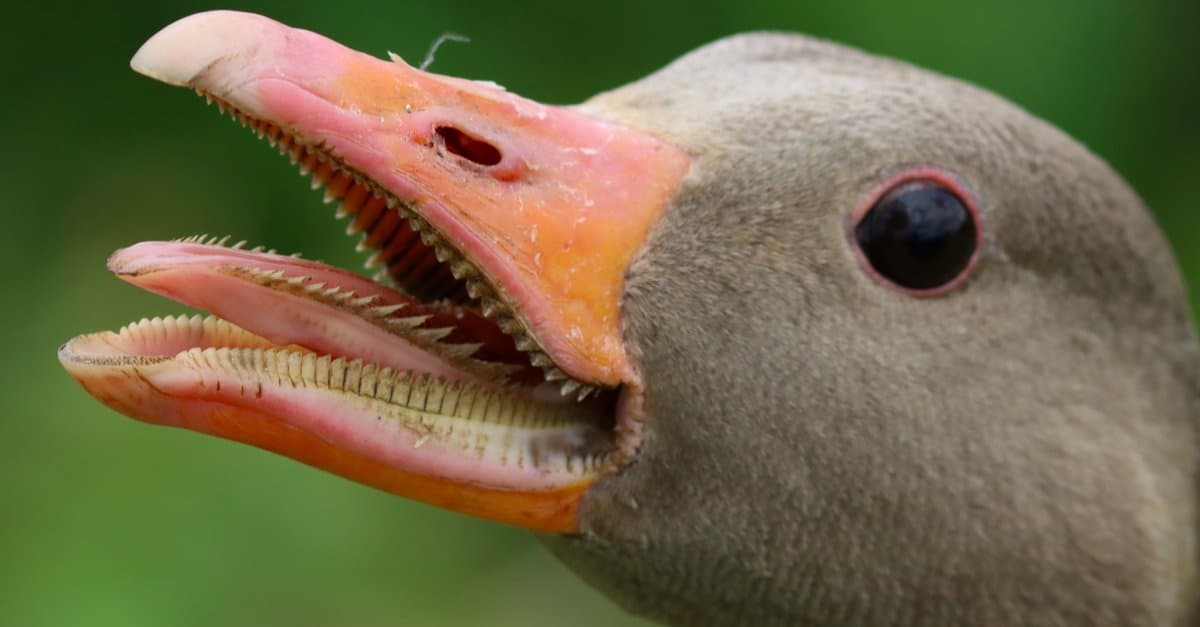
One thing birds and turtles all have in common is the presence of a beak without teeth. This beak developed millions of years ago as dinosaurs transitioned into birds. Beaks evolved for feeding specialization and weight reduction. Today’s birds use their beaks for everything from foraging to self-defense to mating.